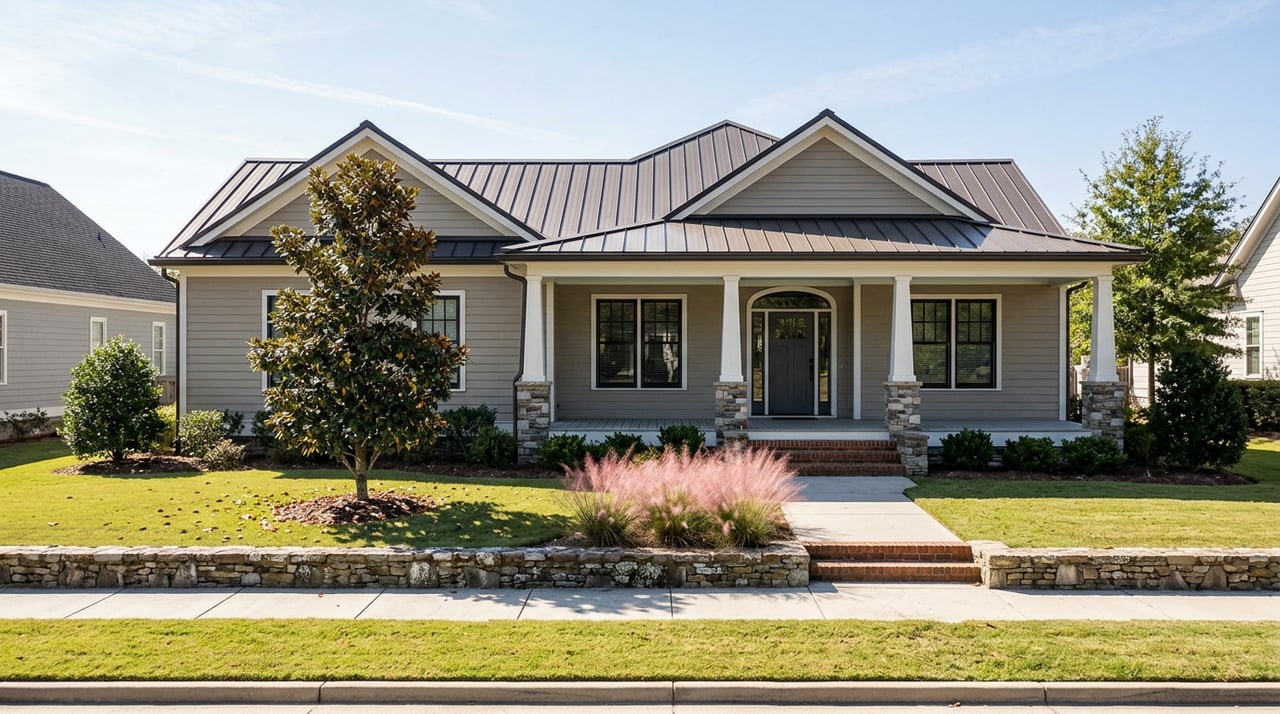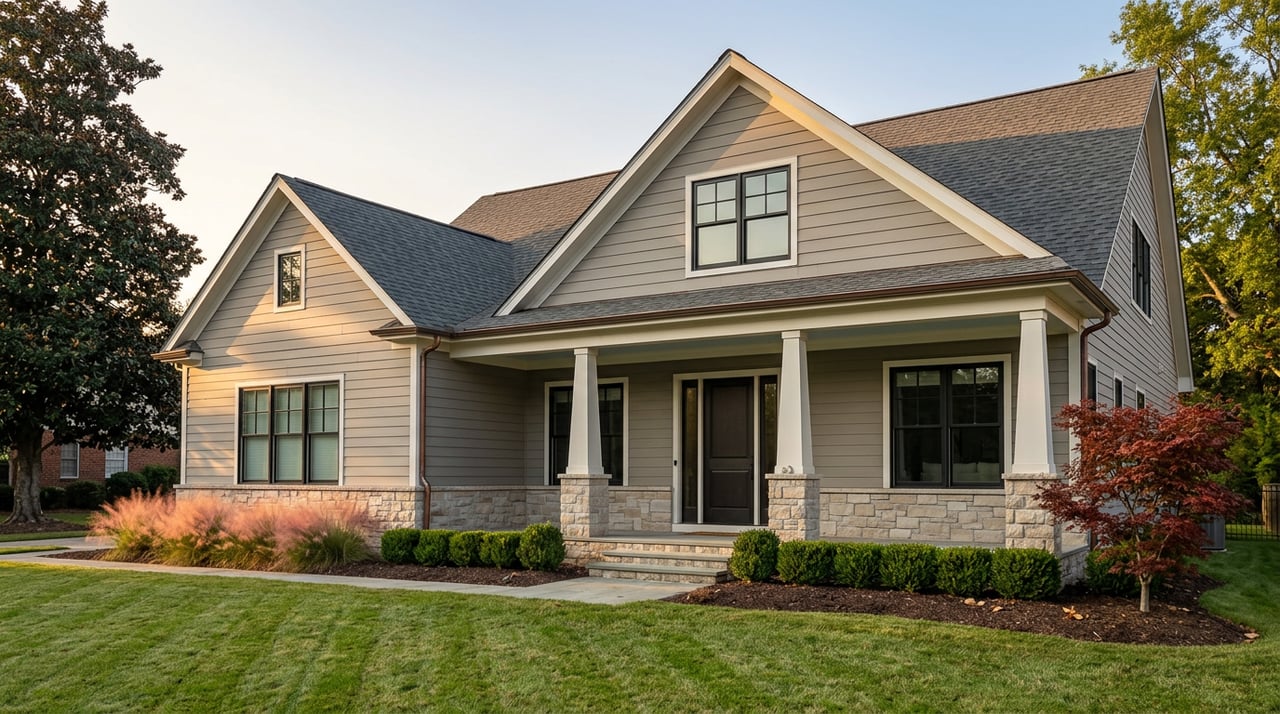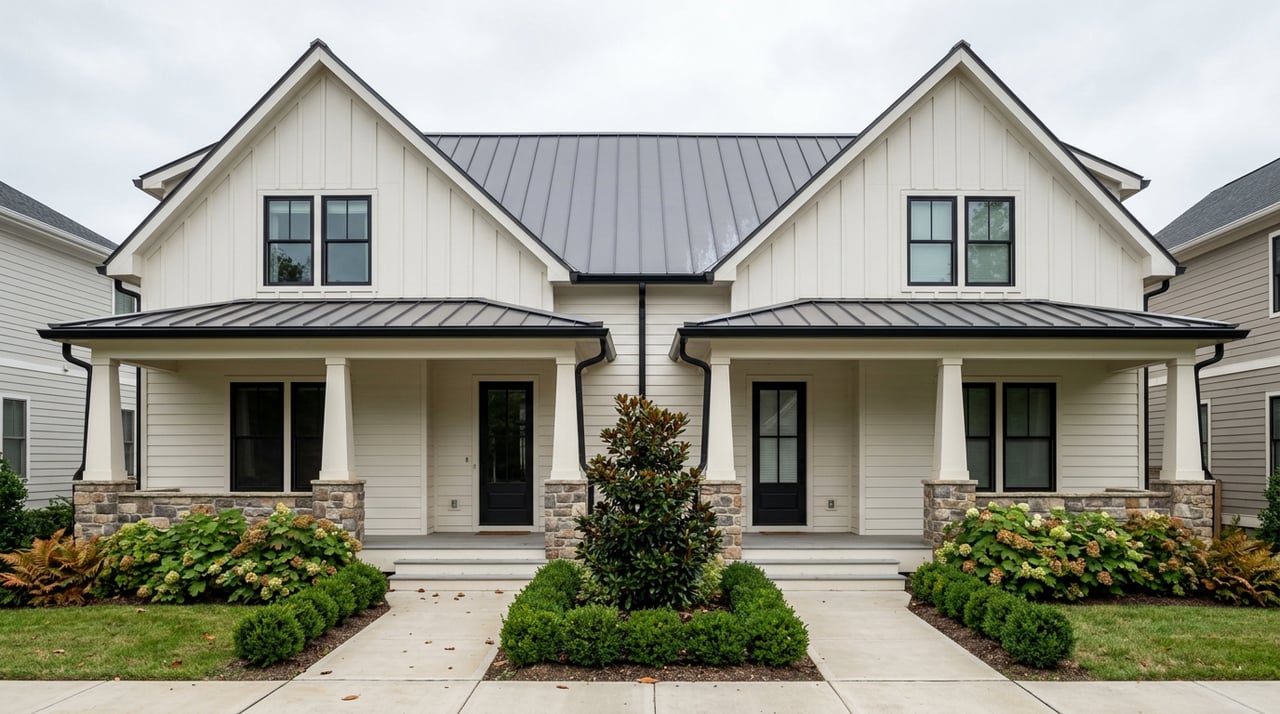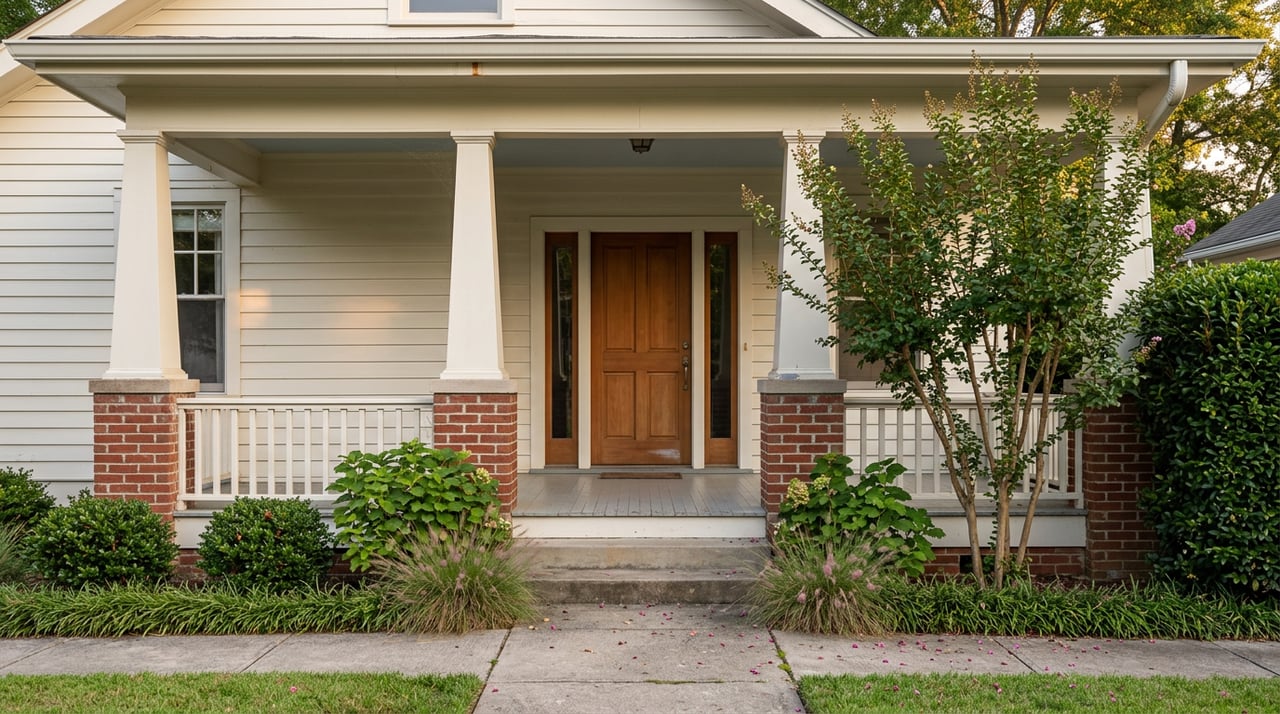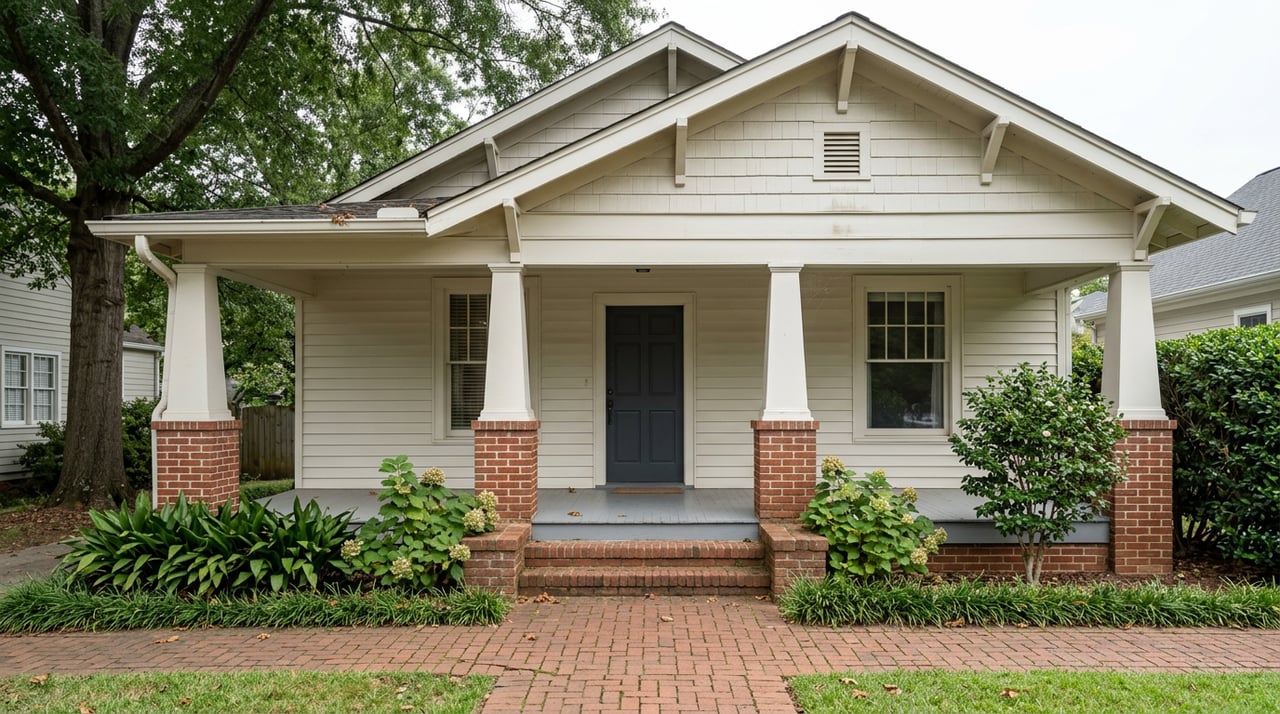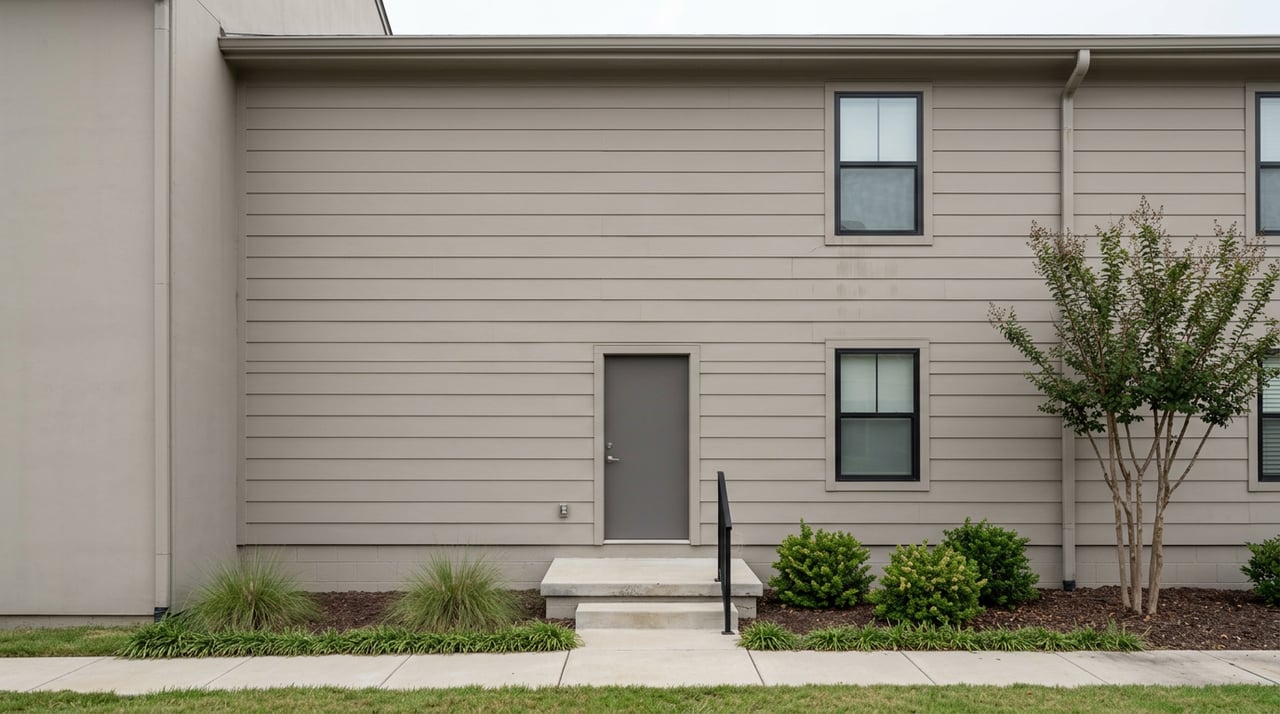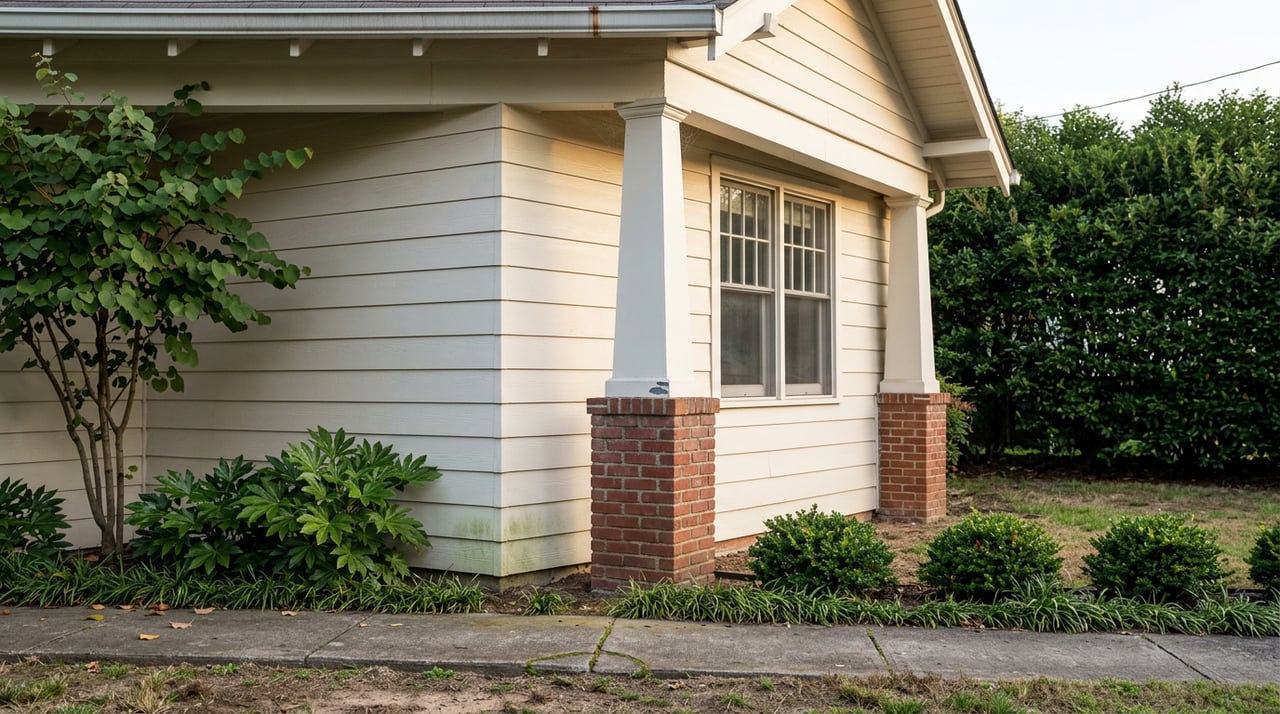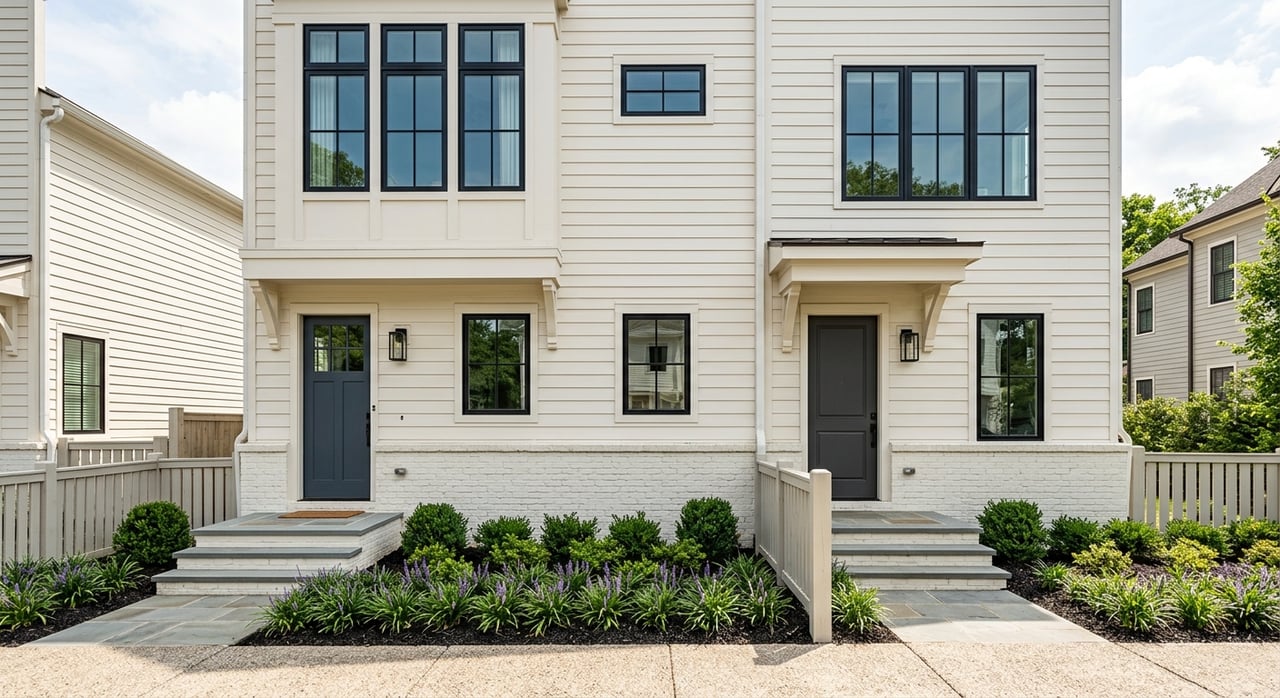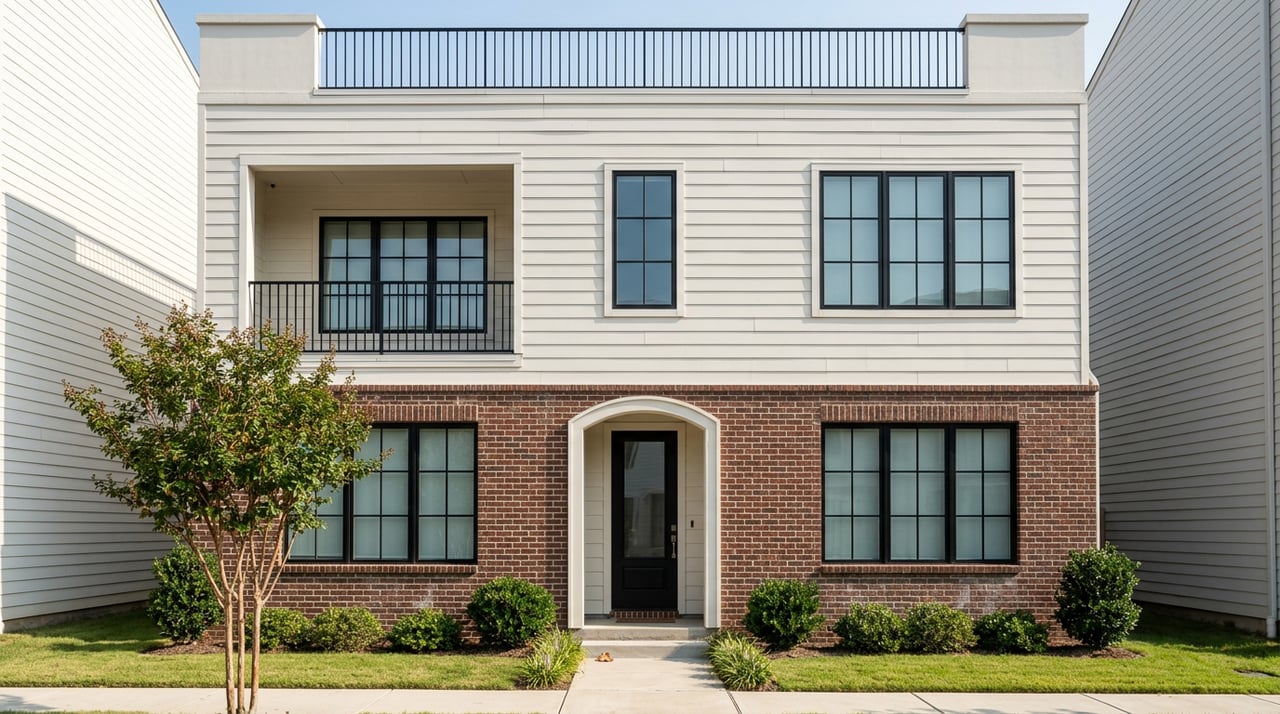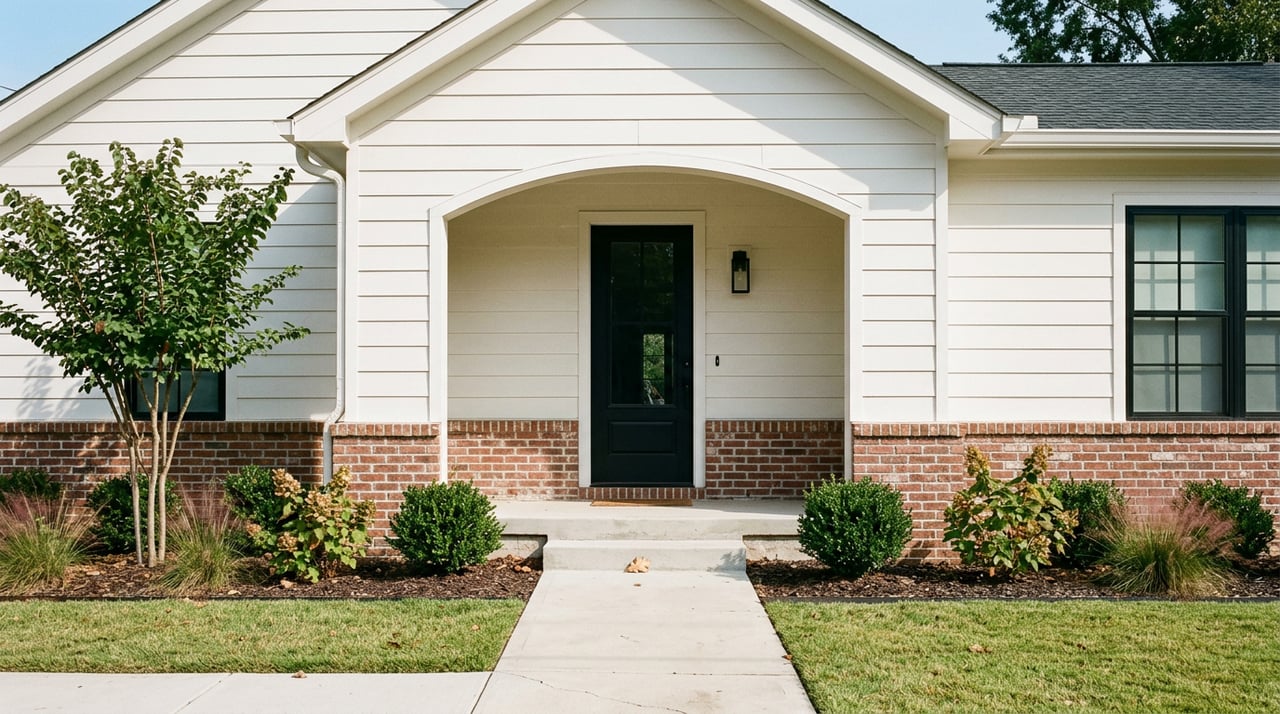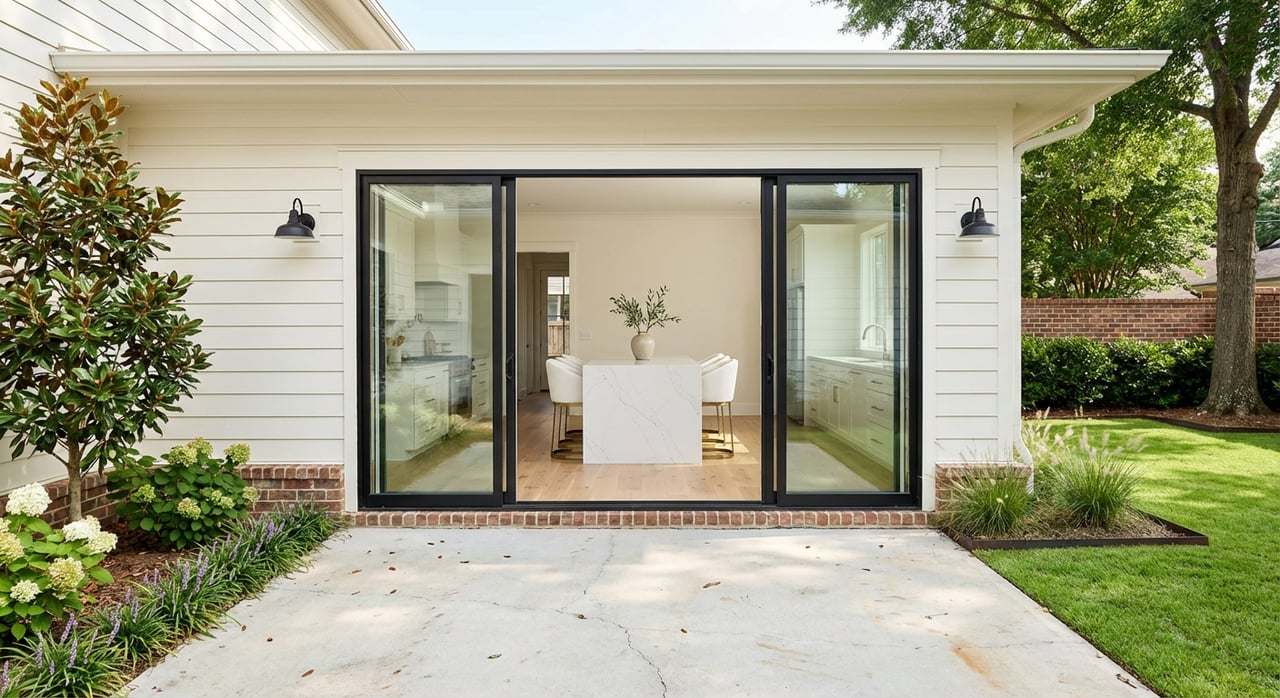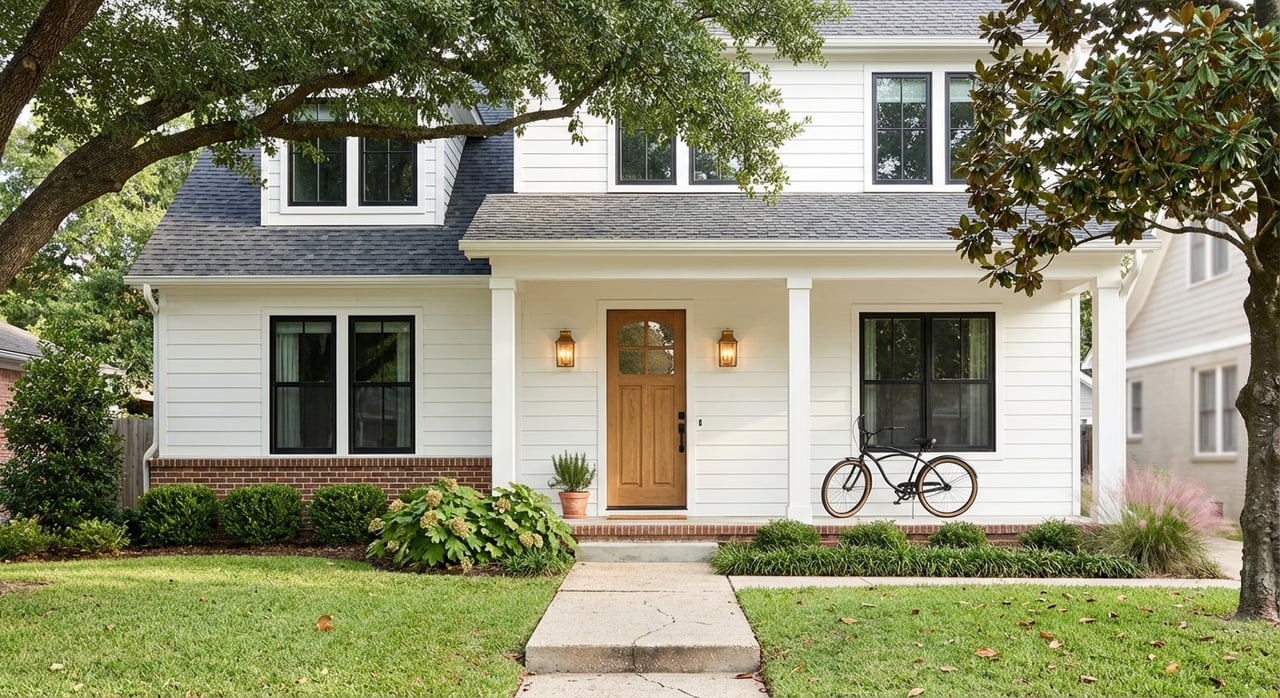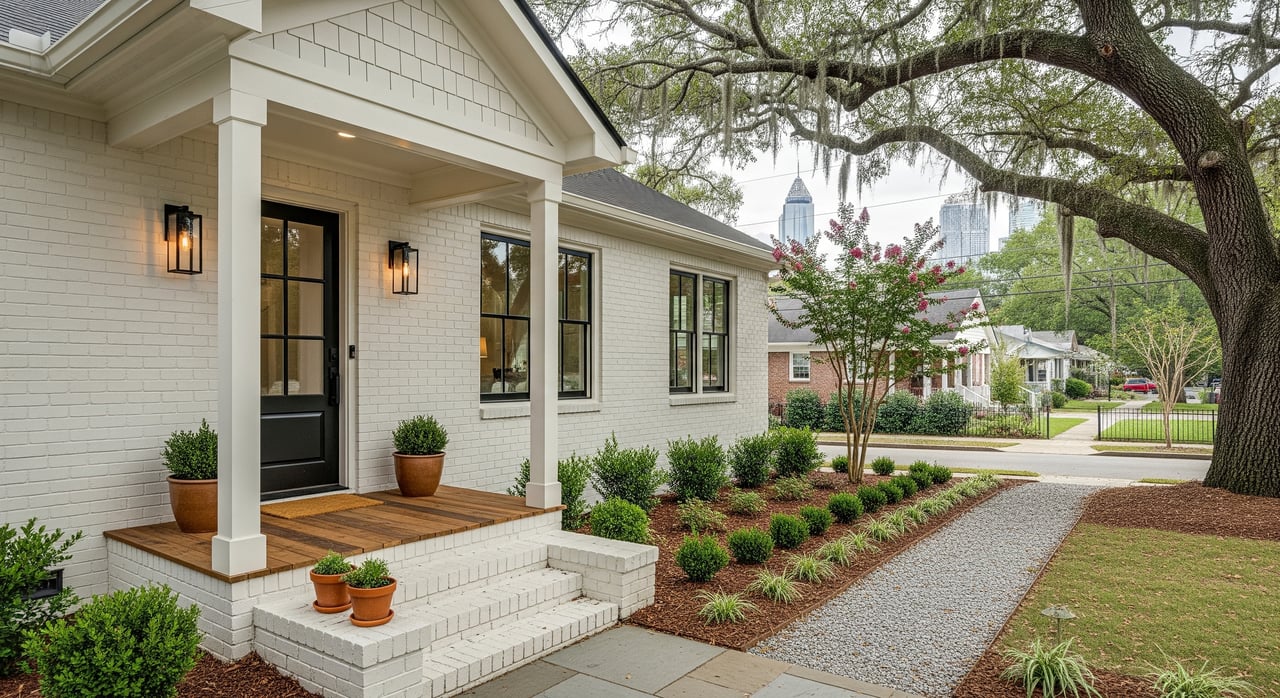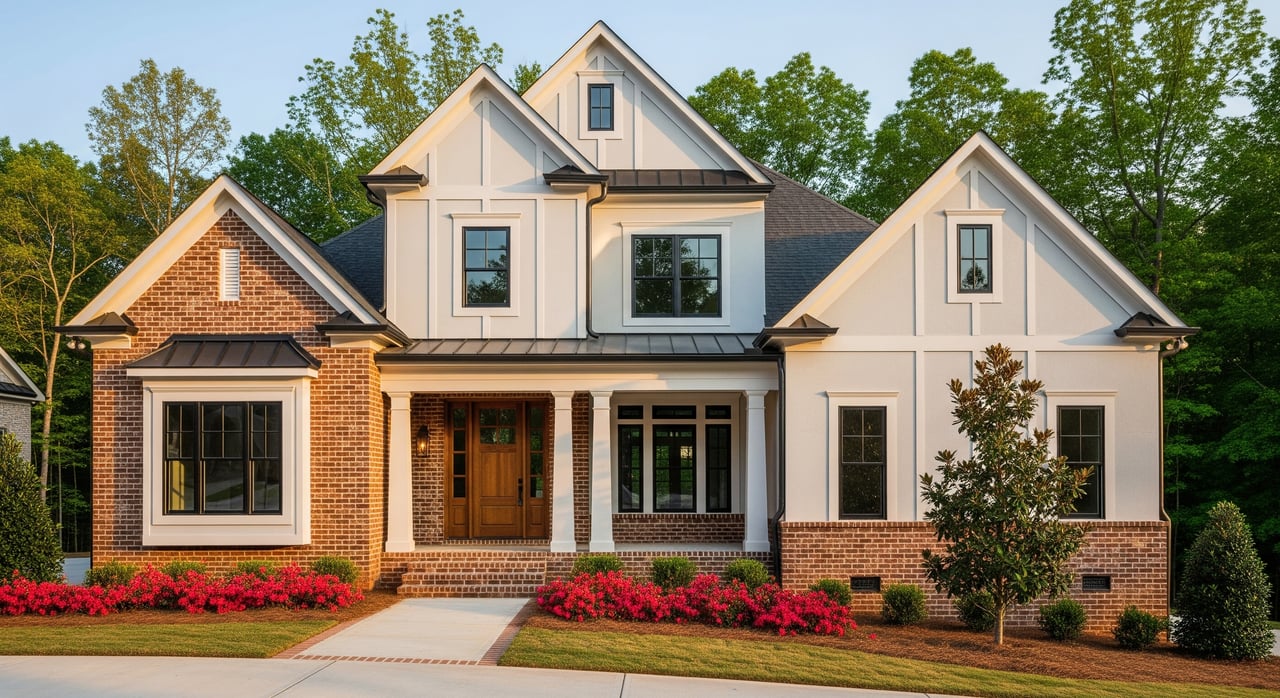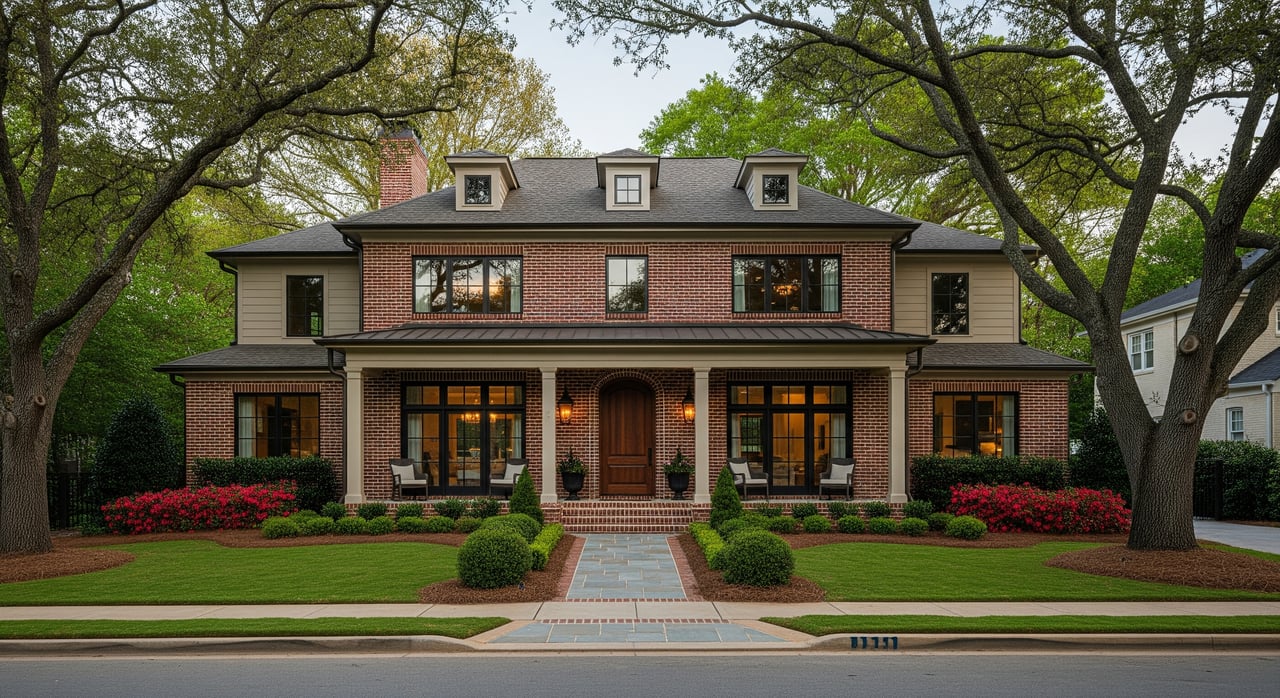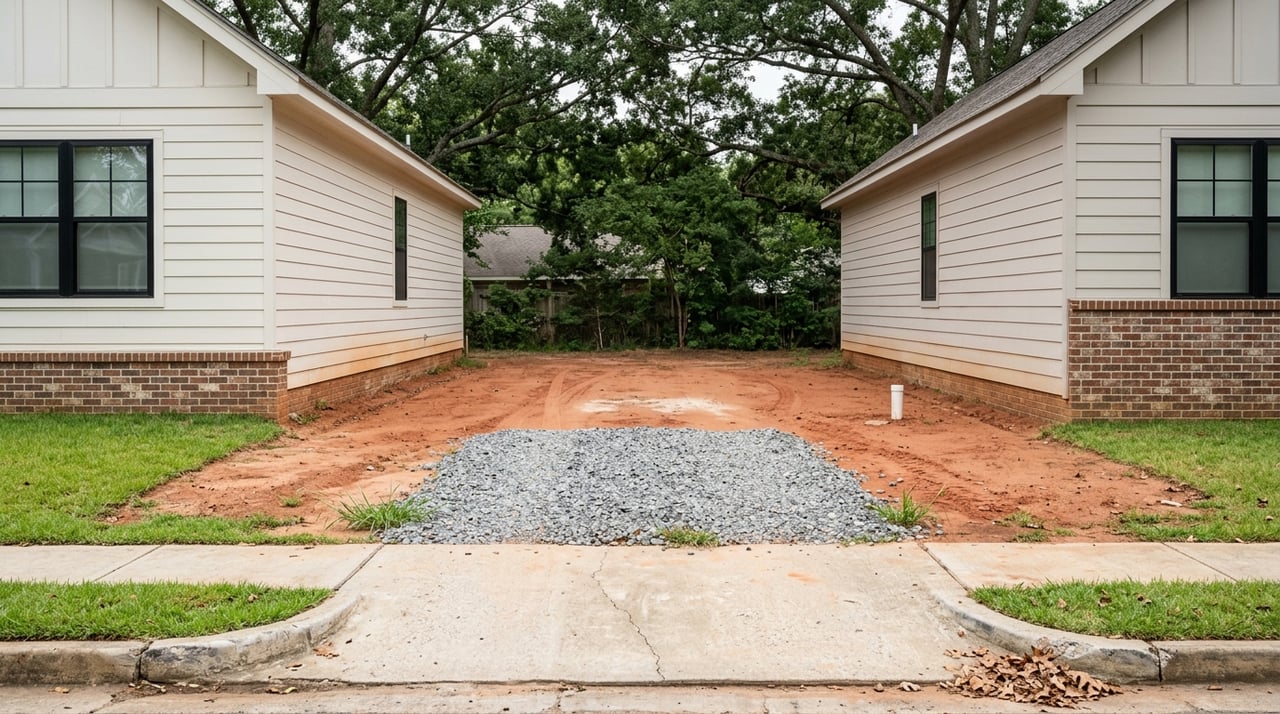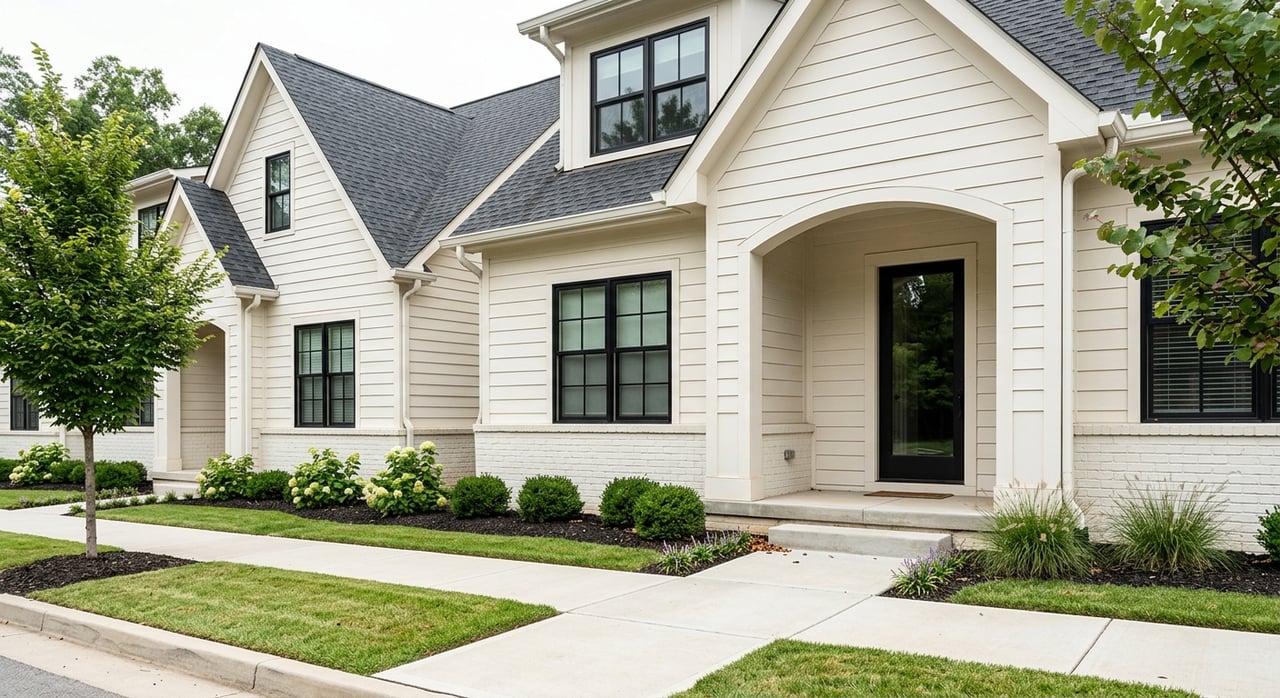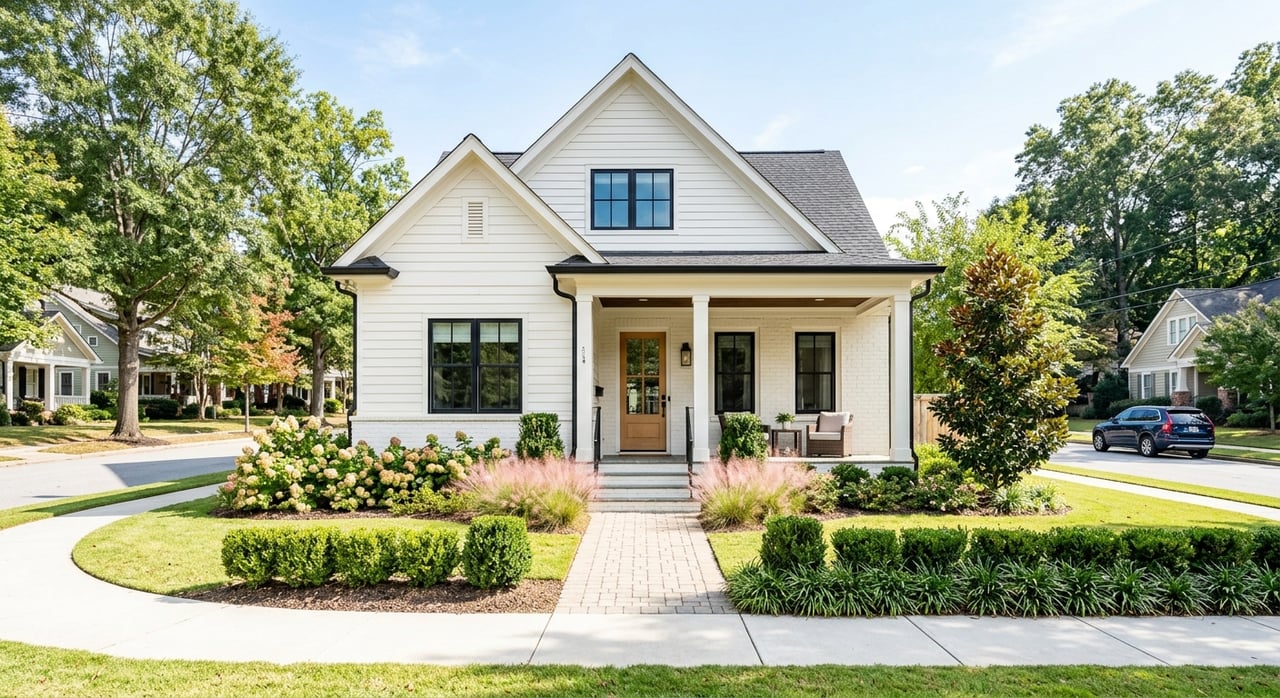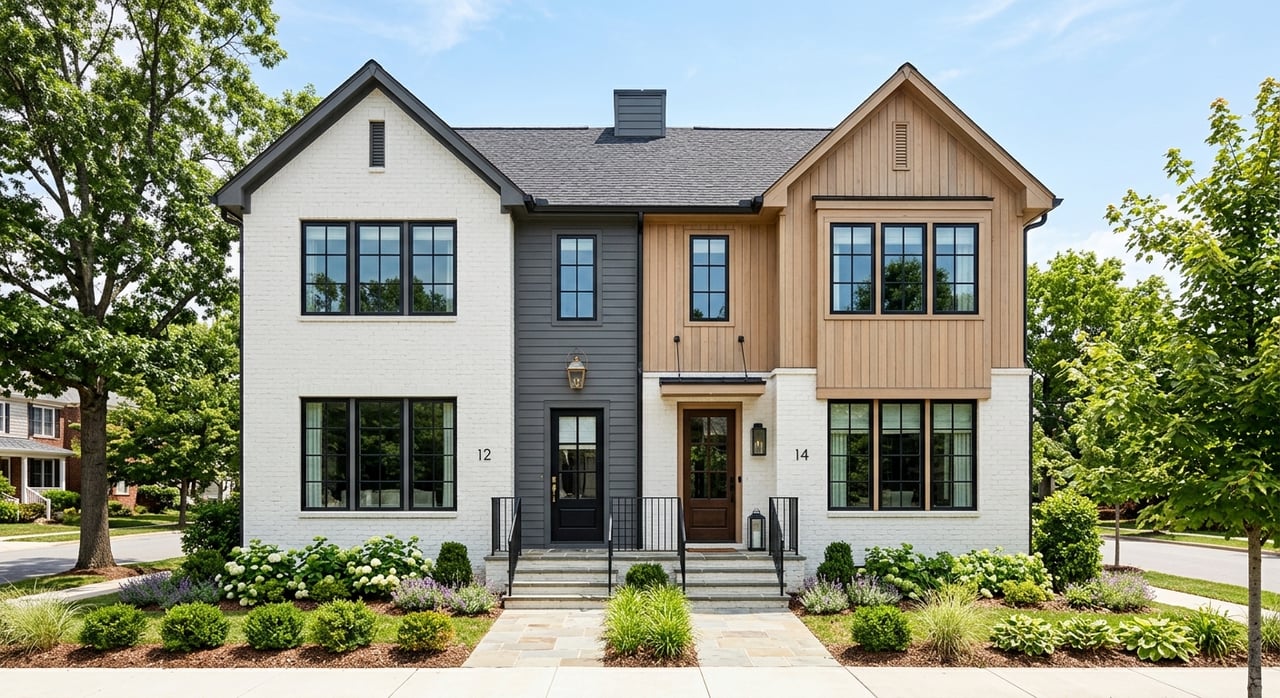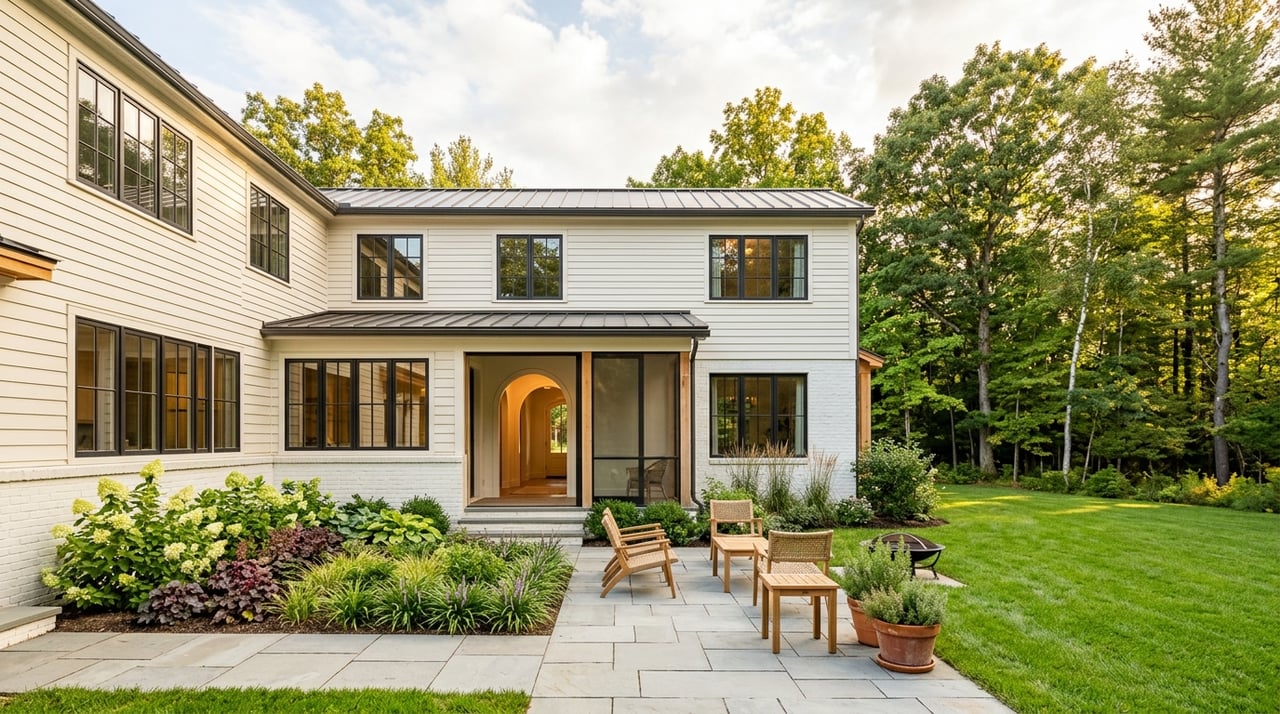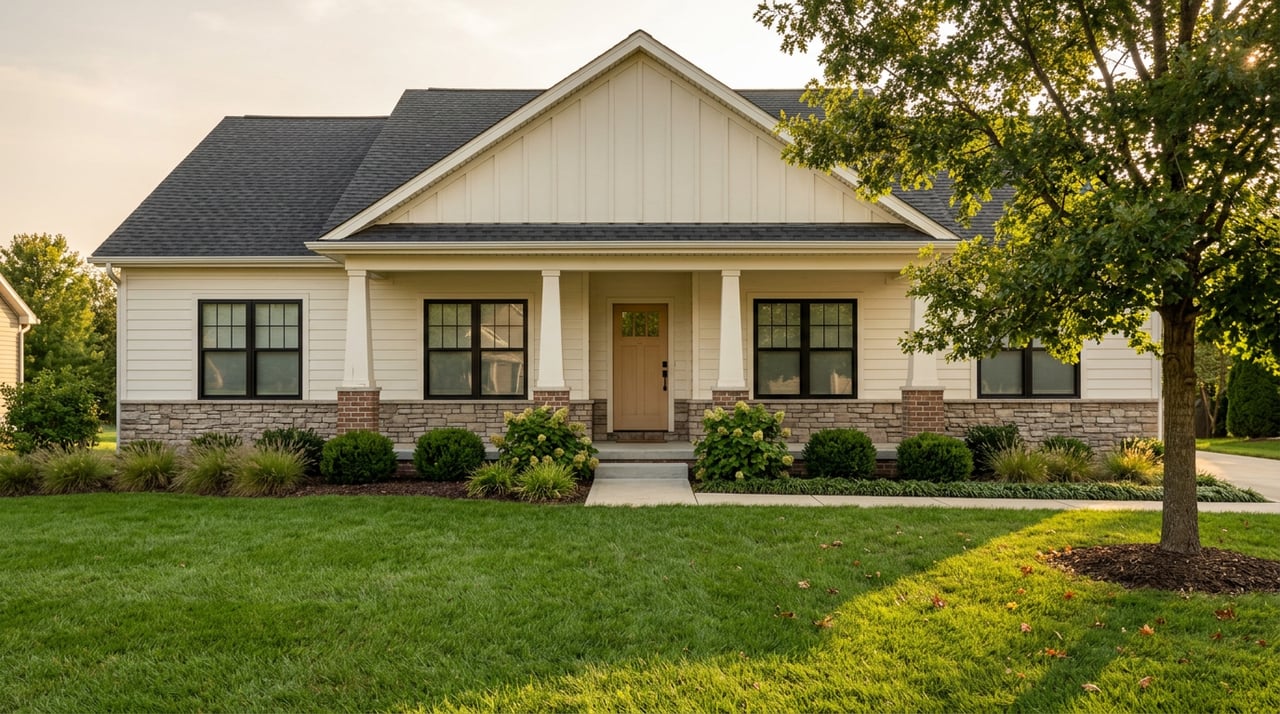
Picture two townhomes in Gwinnett County, both listed at $450,000, both closing the same week. One sits inside Buford city limits. The other sits half a mile away in unincorporated Gwinnett. Same price, same square footage, same lender. The buyers will not owe the same amount in property taxes, and the gap has nothing to do with either home.
It comes down to a line on a map that no listing photo shows you: which school system and which municipal government your parcel falls under. In Gwinnett County, that line does more to determine your annual carrying cost than the number on the sale contract.
The Levy the Listing Never Shows You
Georgia taxes real estate using a layered system. Every parcel pays a county rate. Most parcels also pay a school district rate. If the parcel sits inside an incorporated city, it pays a city rate on top of that. Each layer is expressed in mills, and one mill equals one dollar of tax for every $1,000 of assessed value.
For 2026, the certified total millage rate for unincorporated Gwinnett County is 34.86 mills. That figure bundles county operations, the Gwinnett County Schools levy of 18.70 mills, fire and EMS service, police service, and an economic development line item. The school levy alone accounts for more than half of that total, which matters once you see what happens when a property sits outside the Gwinnett County Schools boundary entirely.
Buford's Exemption Explains the Biggest Gap in the County
Most of Gwinnett County falls under Gwinnett County Public Schools. Buford does not. Homes inside Buford city limits are zoned to the Buford City School System, a separate district with its own budget and its own levy. That means the 18.70-mill Gwinnett County Schools charge, the single heaviest line on most county tax bills, simply does not apply to a Buford parcel.
Add Buford's own city and city-school levies back in and the total still tends to land well below what a similarly priced home carries almost anywhere else in Gwinnett. This is not a discount anyone negotiates. It is a function of which school district boundary the parcel happens to sit inside, set before either buyer or seller entered the picture. A buyer comparing a Buford listing against a Lawrenceville or Suwanee listing at the same price is not comparing two versions of the same cost. They are comparing two different tax systems that happen to share a county name.
Here is how the pieces stack across a few of the county's incorporated cities for 2026:
| Jurisdiction | What stacks on top of the county base | Why it lands where it does |
|---|---|---|
| Unincorporated Gwinnett | Full county package: general operations, 18.70-mill Gwinnett County Schools levy, fire/EMS, police, economic development | Totals 34.86 mills |
| City of Lawrenceville | County and school base plus a 3.26-mill city levy for fiscal year 2026 | City services replace some county-level charges, but the Gwinnett schools levy still applies |
| City of Suwanee | County and school base plus a 4.93-mill city levy, billed separately by the city each October | Same county school levy applies; the city adds its own layer on top |
| City of Buford | Buford City Schools levy in place of the 18.70-mill Gwinnett County Schools levy | A different school system entirely changes the base before any city rate is added |
None of these numbers move because a home has granite counters or a finished basement. They move because of a boundary the buyer needs to check before writing an offer, not after closing.
Same City, Different Bill: Duluth's ZIP Code Problem
The pattern does not stop at city limits. It shows up inside a single city, too. In Duluth, the median property tax bill runs to roughly $4,315 for homes in the 30096 ZIP code and roughly $5,577 for homes in 30097, a gap of more than $1,200 a year between two addresses that share a city name. The difference traces back to varying school-district and special-assessment boundaries that cut across Duluth without regard for ZIP code lines. Duluth's overall effective property tax rate runs around 1.22% of value, higher than both the Georgia state median of 1.00% and the national median of 1.02%.
Duluth also tacks a stormwater fee onto every tax bill: $90 a year for a detached single-family home, $45 a year for a condo or townhome. It is a small number next to the millage math, but it is one more example of a cost that depends on property type and city jurisdiction rather than price.
What This Means While You're Under Contract
None of this changes what a buyer should offer on a home. It does change what they should check before they offer, and what they should do the moment they close.
- File the homestead exemption application by April 1 of the year after you close. Georgia assesses residential property at 40% of fair market value, and the homestead exemption reduces that assessed value before any millage rate is applied. The state minimum exemption is $2,000, and most Gwinnett cities and the county add exemptions on top of it.
- Know that Georgia's HB 581, effective for the 2025 tax year, caps how fast a homesteaded property's assessed value can grow year over year, tying the increase to inflation. Gwinnett County is participating in the cap rather than opting out, which means a homesteaded buyer who files promptly starts that clock working in their favor right away.
- If you plan to appeal an assessment, know the stakes going in. Georgia is one of the few states where a failed or poorly supported appeal can raise your assessed value instead of lowering it. The appeal window is 45 days from the date your assessment notice is mailed, filed through the county's online portal or a PT-311A form, with an escalation path through the Board of Equalization and, if needed, Superior Court.
- If you're buying new construction, remember that Georgia assesses real property based on its condition as of January 1 each year. A townhome that closes in March may still be carrying a land-only assessment from the prior January, with the full built value catching up on the following year's notice. That first-year tax bill can understate what the second year actually looks like, which matters most for buyers financing close to the edge of their budget.
The Market Behind the Number
The county-level headline for 2026 has been softening, gently. As of late June 2026, the average Gwinnett County home value stood at $398,377, down 1.9% year over year, with typical homes going under contract in around 10 days. Over the three months ending May 2026, the median sale price came in at $421,000, down 1.0% from the same period a year earlier.
That county-wide number hides real variation between cities. Over the 90 days ending in late April 2026, Buford logged 408 closed sales, up 87% from the same window a year prior, even as its median price eased 2.9% year over year to $466,000. In the same window, Norcross carried a $340,000 median price, the most affordable entry point in the county, with homes moving in a median of 64 days. Norcross also posted the third-highest price per square foot countywide at $192.86, a premium tied to smaller lots and proximity to the Peachtree Corners technology corridor, and sales volume there rose 74% year over year.
A buyer weighing Buford against Norcross on price alone is missing half the picture. One market is moving fast on volume with a softening median. The other is the county's value leader on price but commands a real premium per square foot. Layer the tax mechanics on top of that and the two towns start to look like genuinely different propositions, not two flavors of the same Gwinnett County deal.
Quick Answers
Does the seller's homestead exemption transfer to me when I buy? No. Homestead exemptions are tied to the person who owns and occupies the home as of January 1 of the tax year, not to the property itself. A new owner has to file their own application by the April 1 deadline.
Am I responsible for the full year's taxes if I close mid-year? Georgia law assigns the tax bill to whoever owns the property on January 1, and the tax commissioner does not prorate between buyer and seller. Any split is handled through the purchase agreement and settled at closing.
Can I appeal the assessment before I even close? The appeal window runs from the date the assessment notice is mailed, and that notice goes to the owner of record, not a prospective buyer. If you're buying a home with a assessment you believe is too high, that is a conversation for your closing timeline and your agent, not something you can file on someone else's behalf beforehand.
Does a lower millage rate always mean a lower total bill? Not by itself. A lower rate applied to a higher assessed value can still produce a bigger bill than a higher rate on a lower value. The rate tells you the multiplier. The assessment tells you what it's multiplying.
Gwinnett County rewards the buyer who checks the boundary lines before they check the paint color. If you're comparing a Buford listing to a Duluth listing to a Lawrenceville listing and the price tags look close enough to call it a wash, they are not the whole story. The Sly Team works Atlanta's affordable homeownership corridors and the broader metro every day, and we can walk you through what a specific address will actually cost to hold before you write the offer, not after the first tax bill arrives.