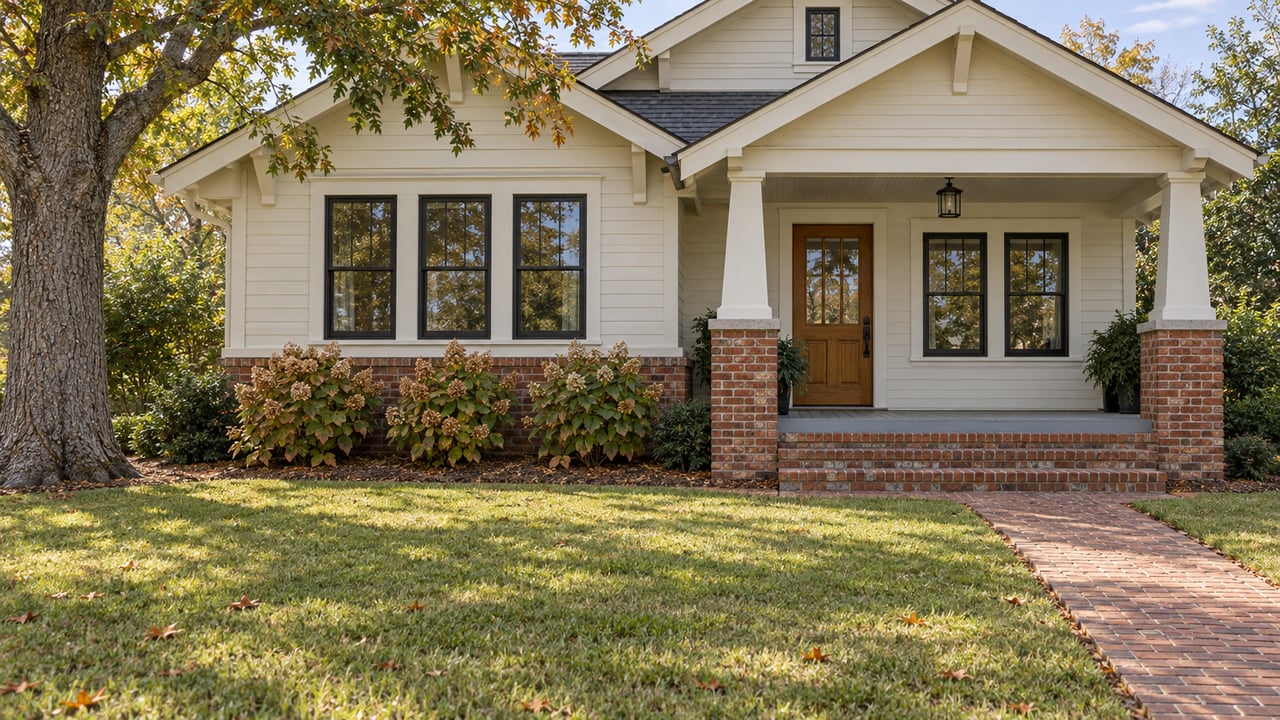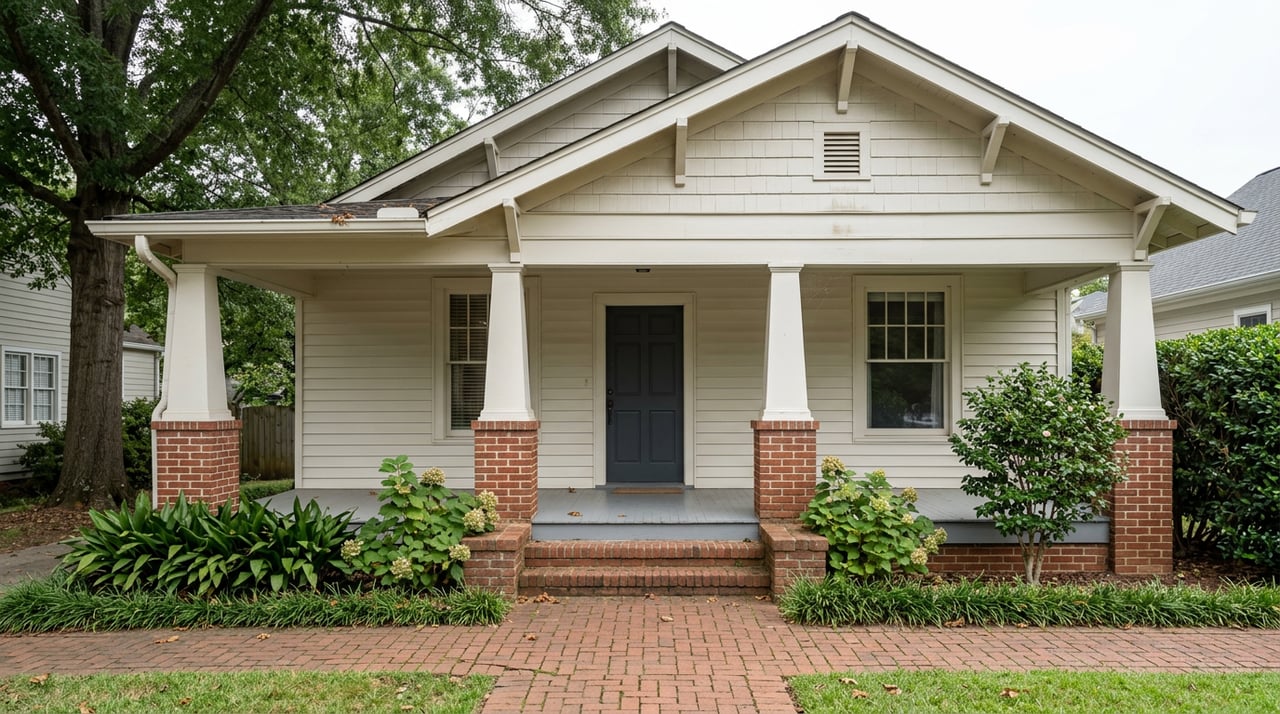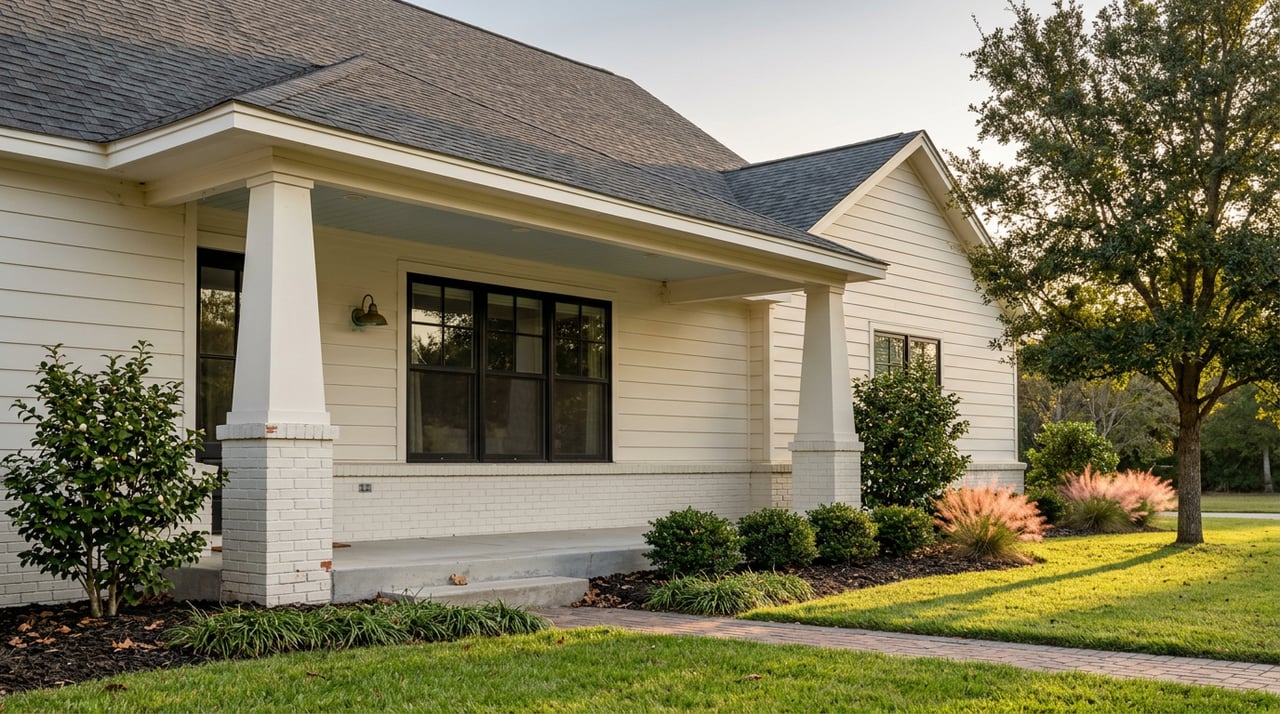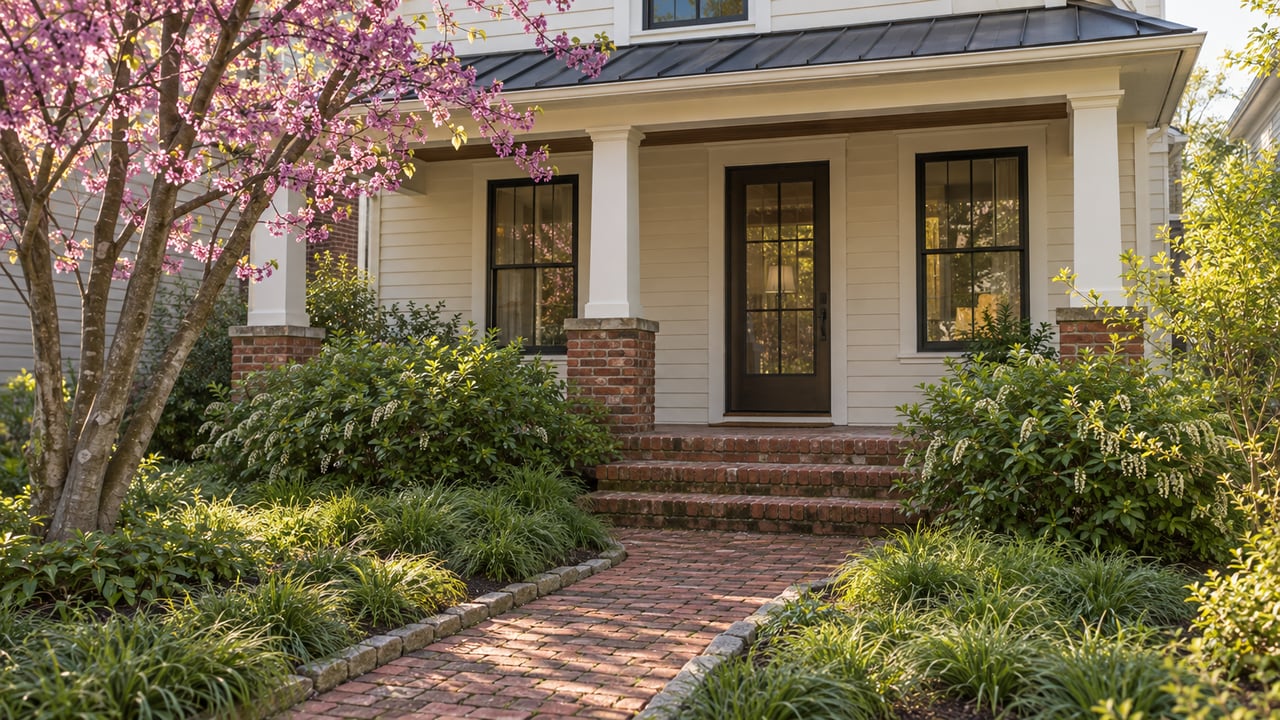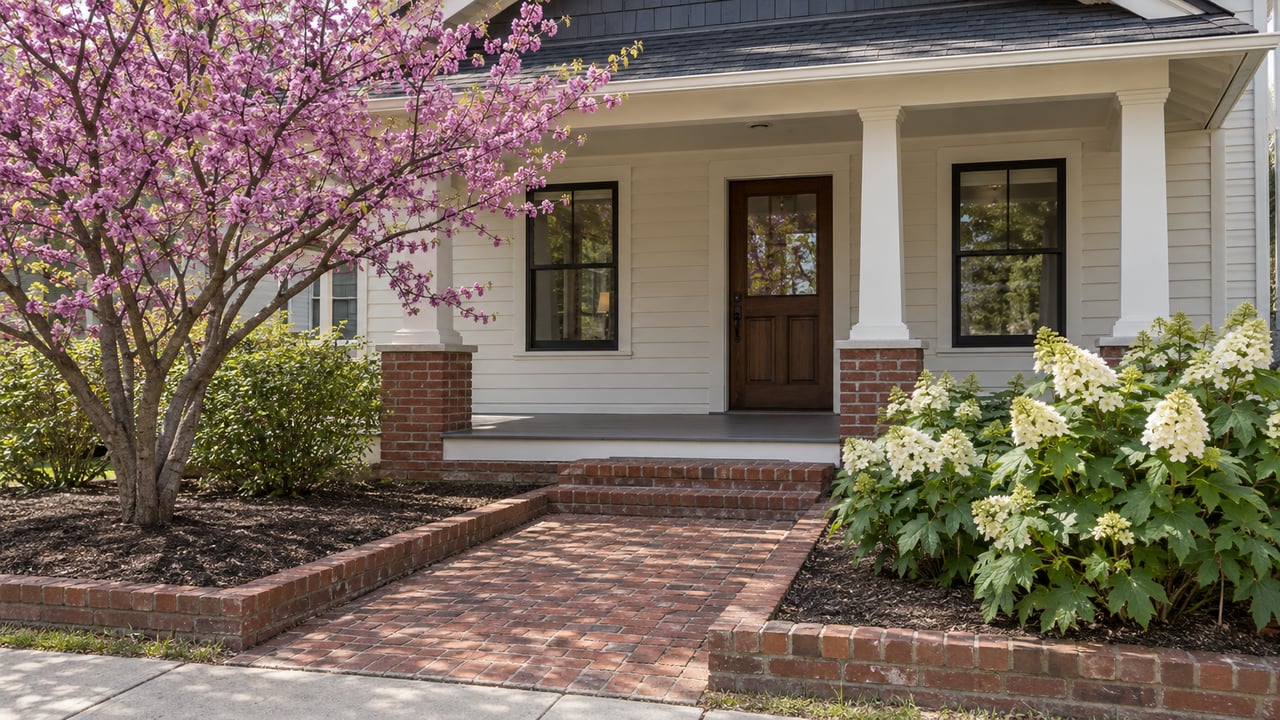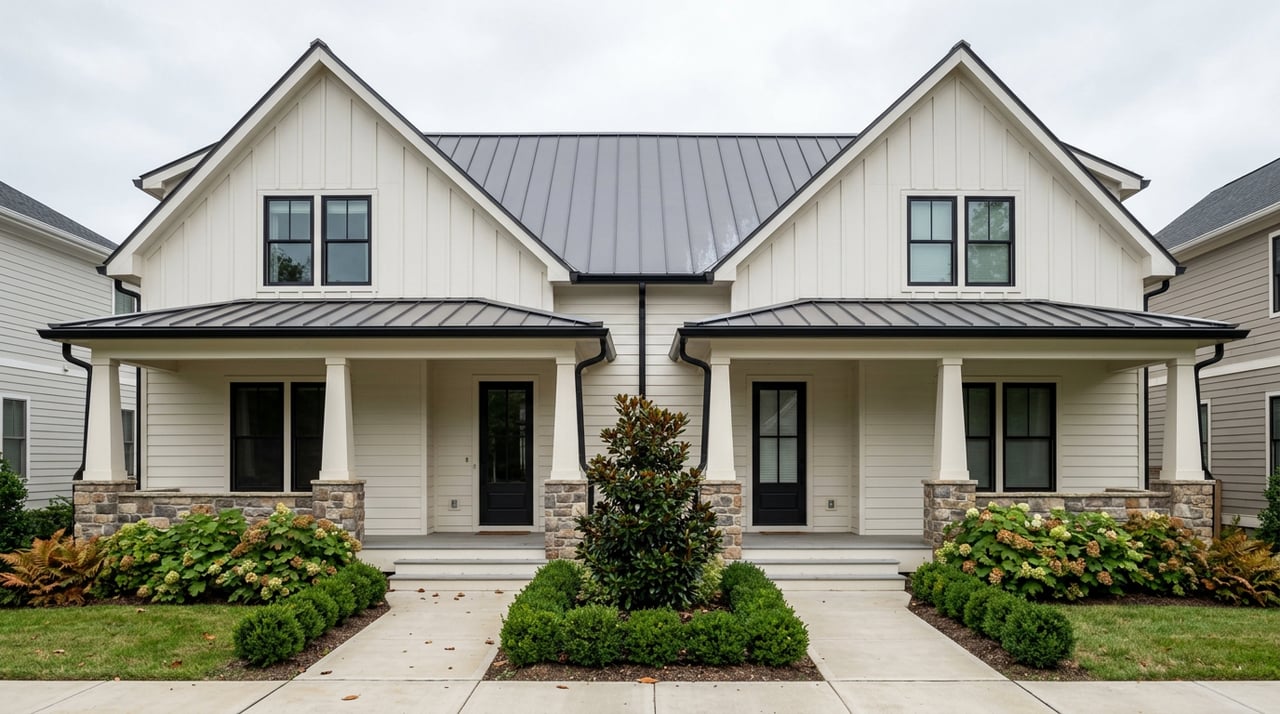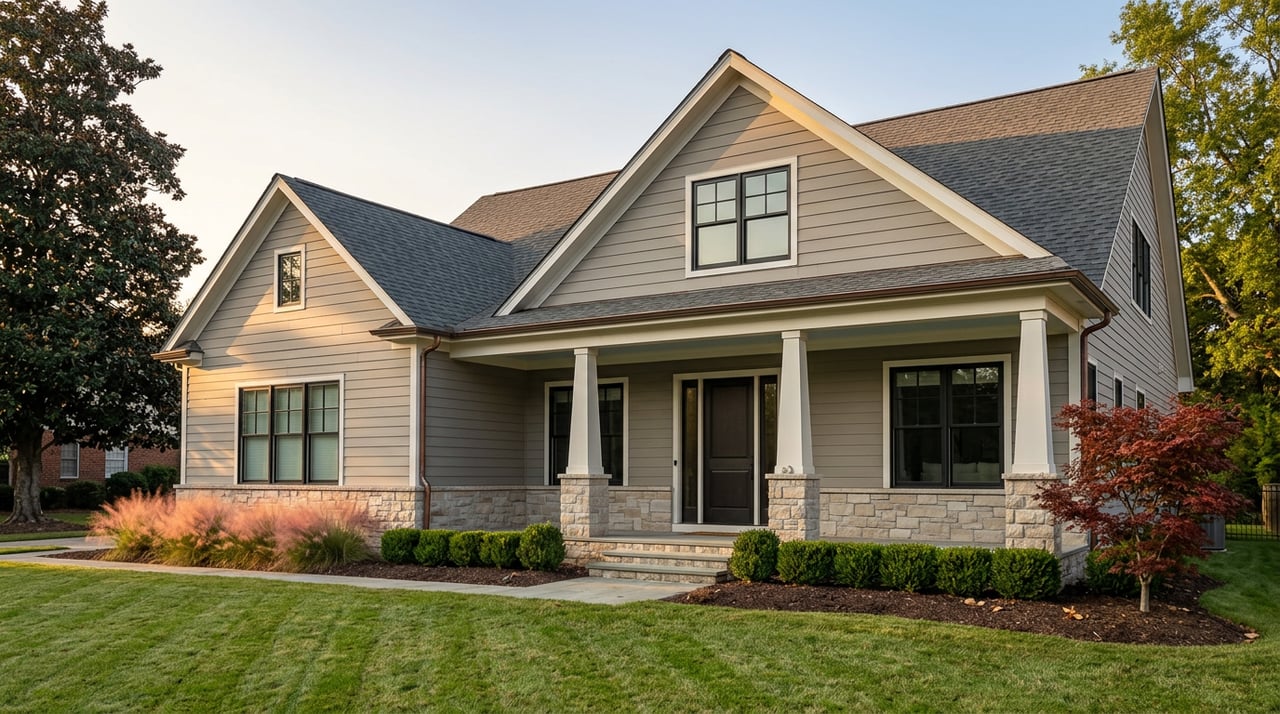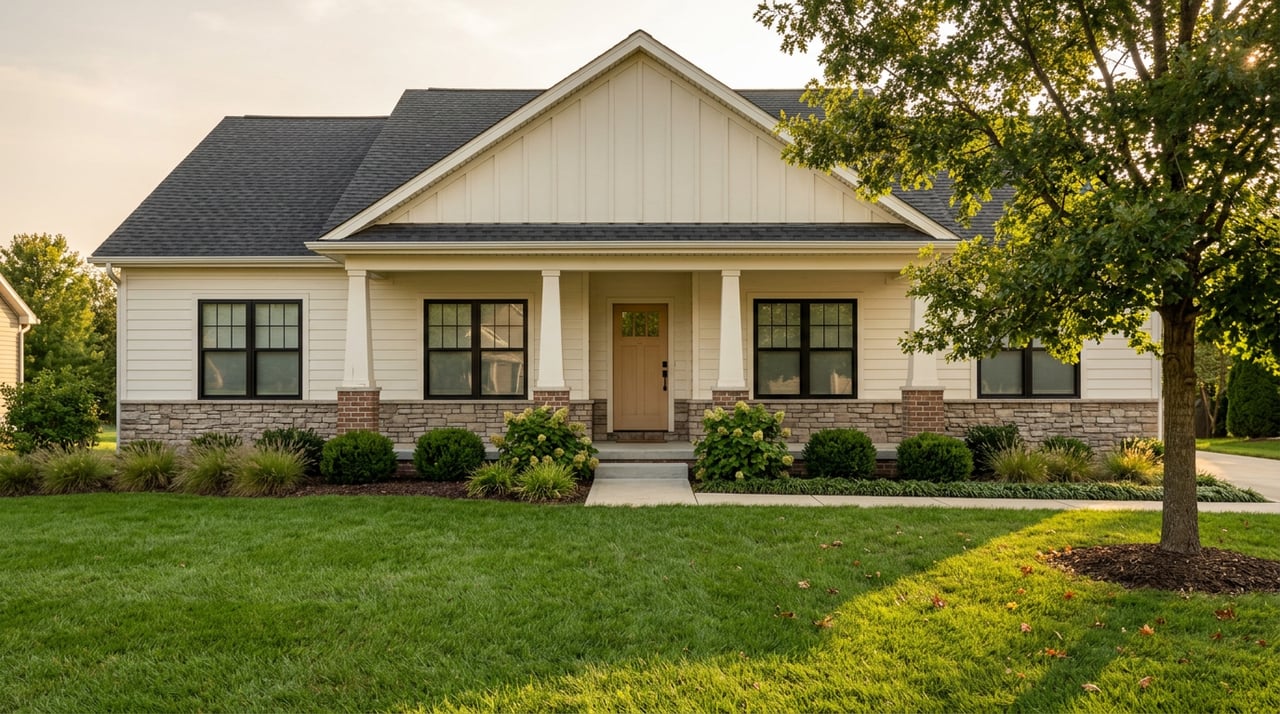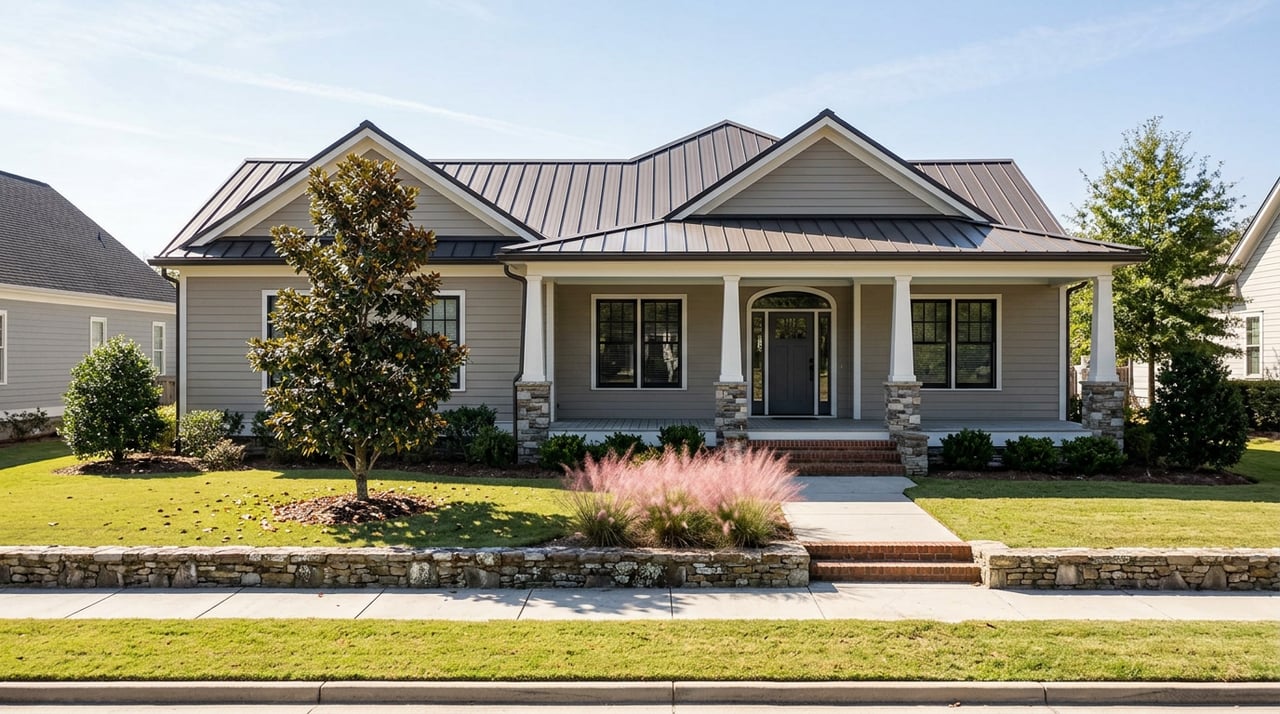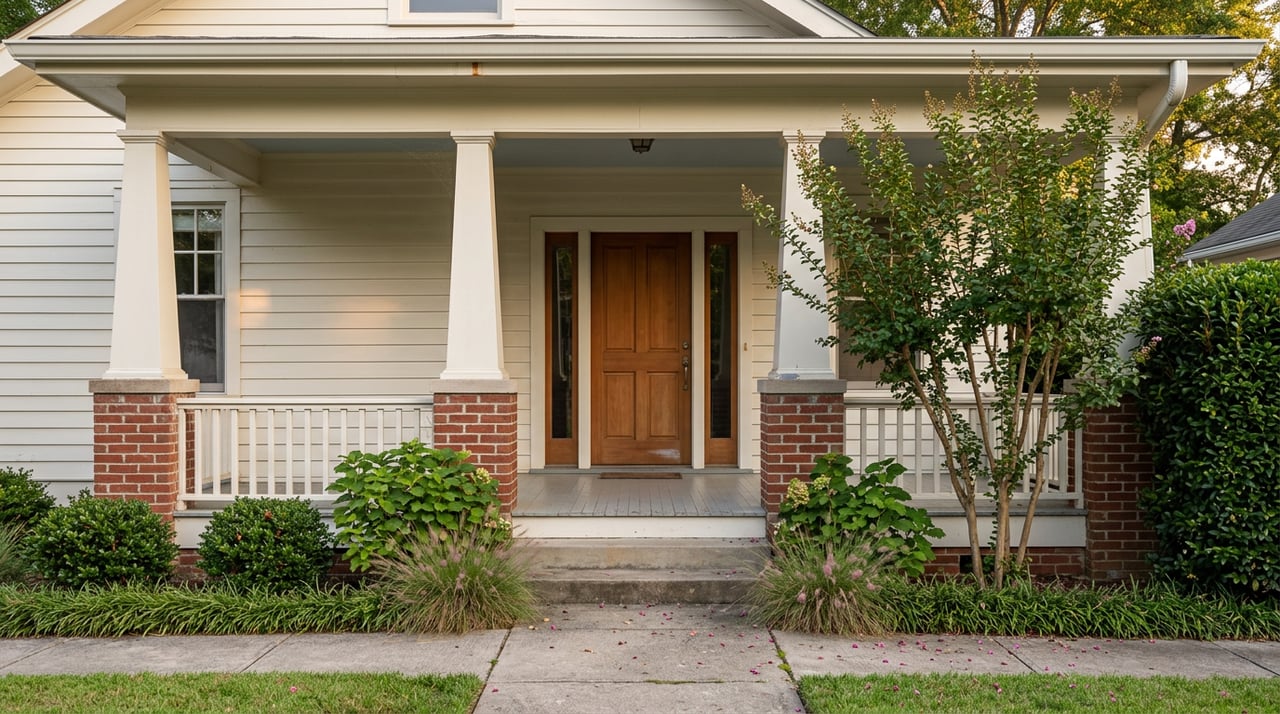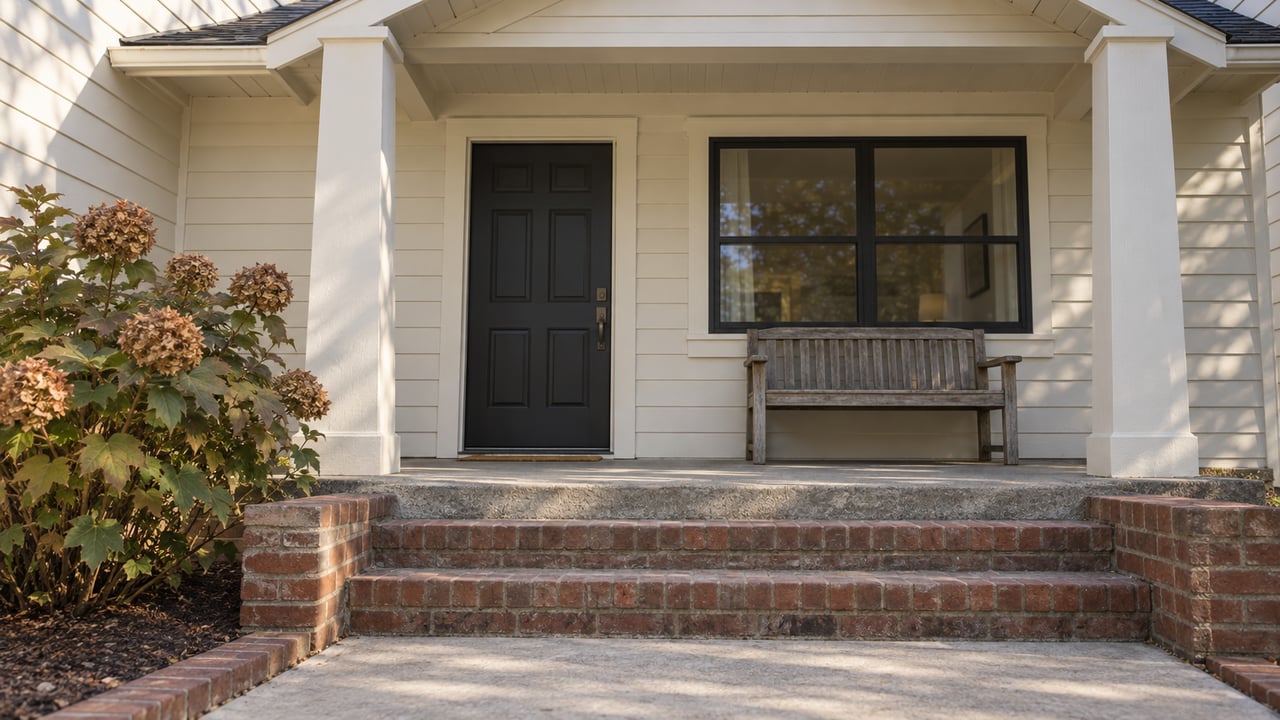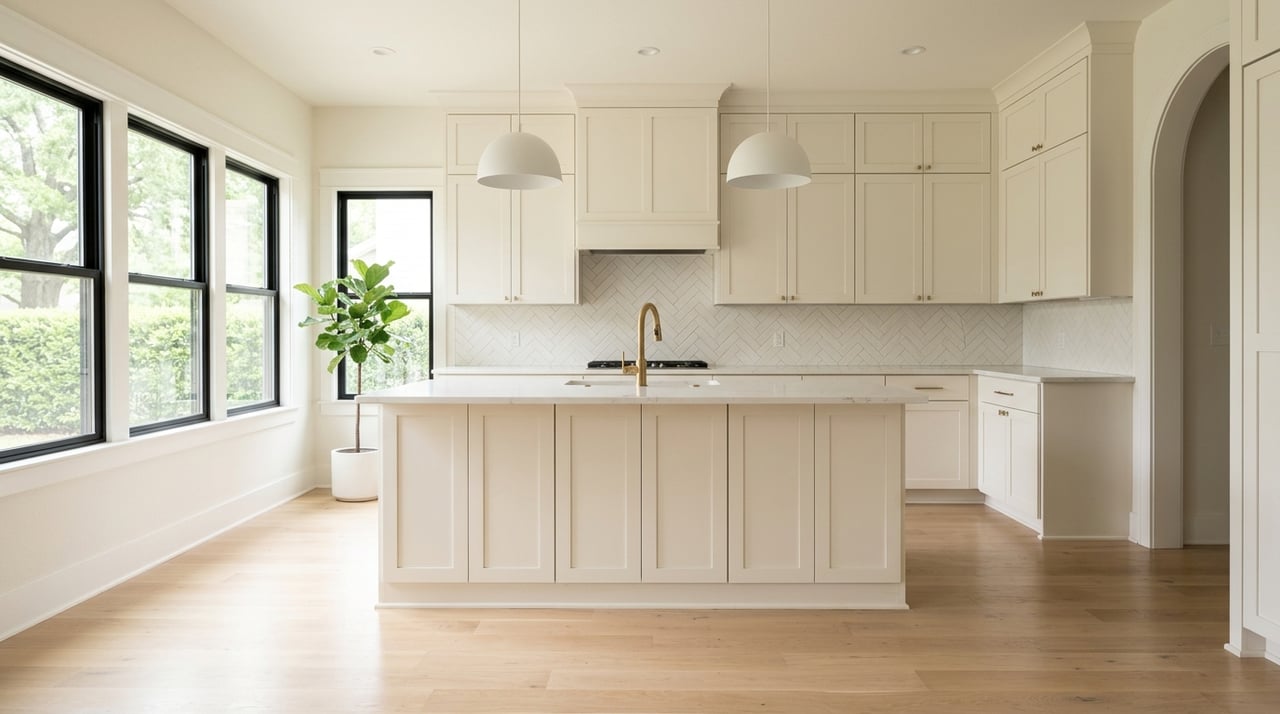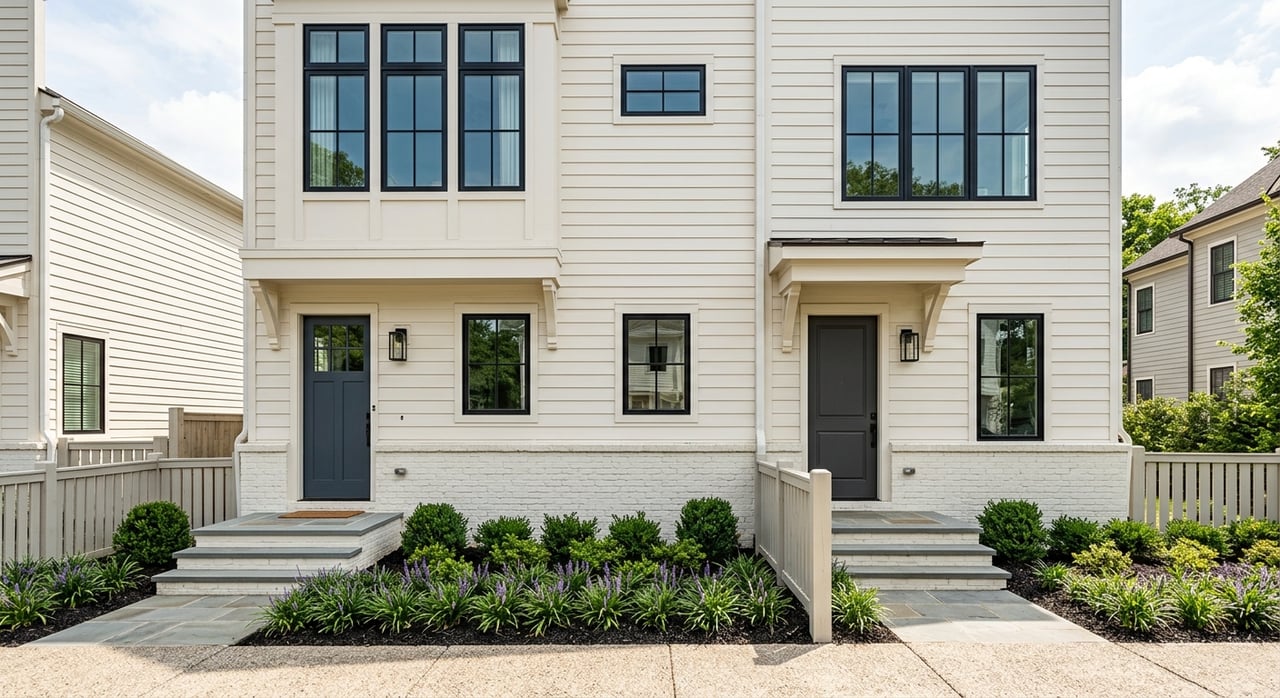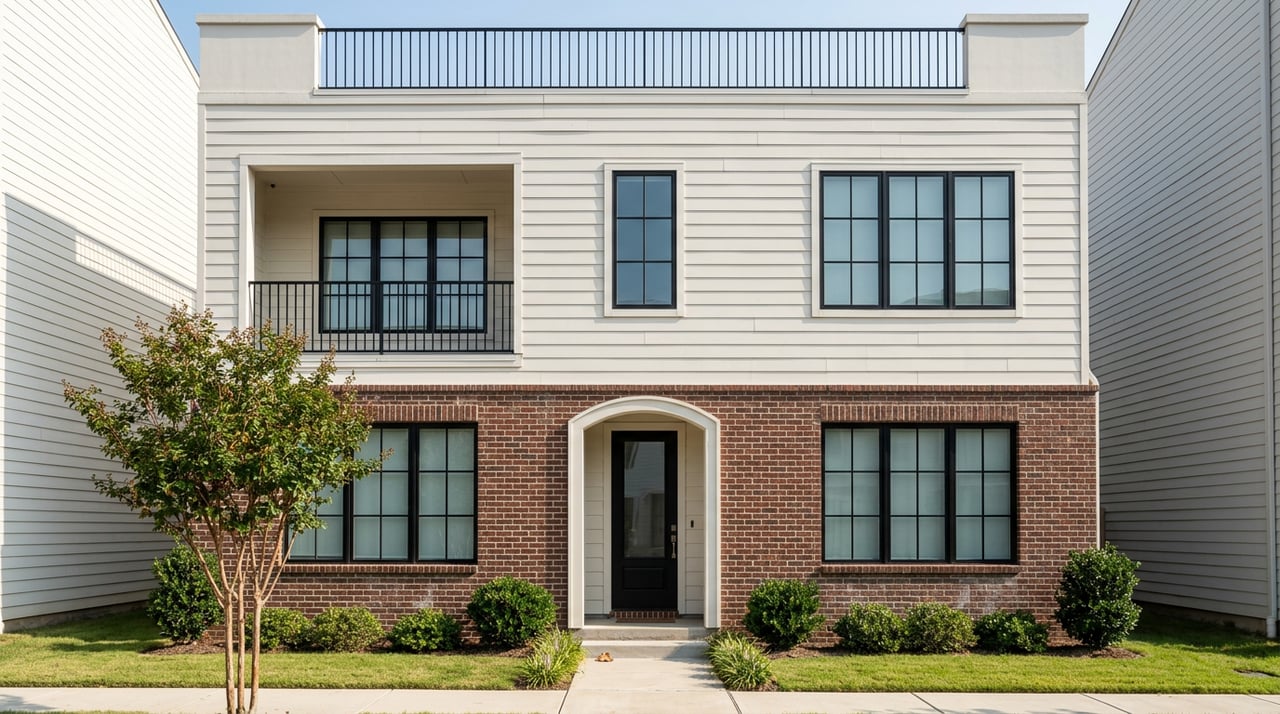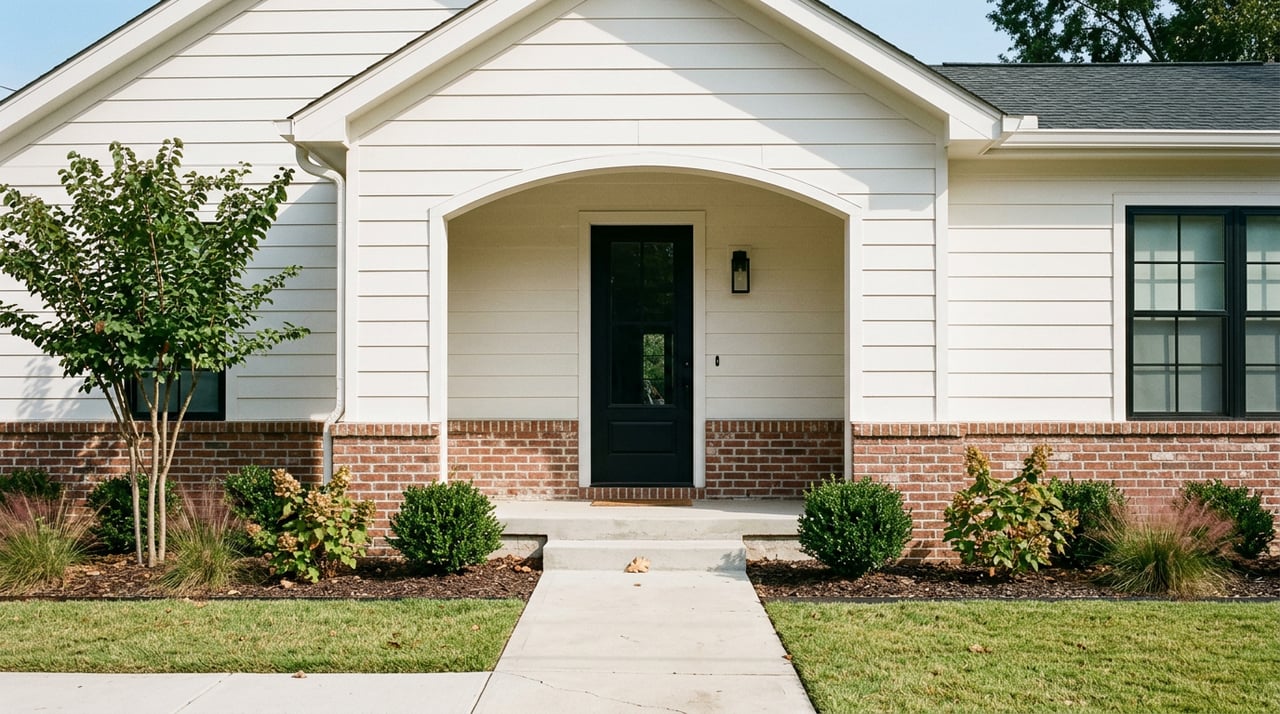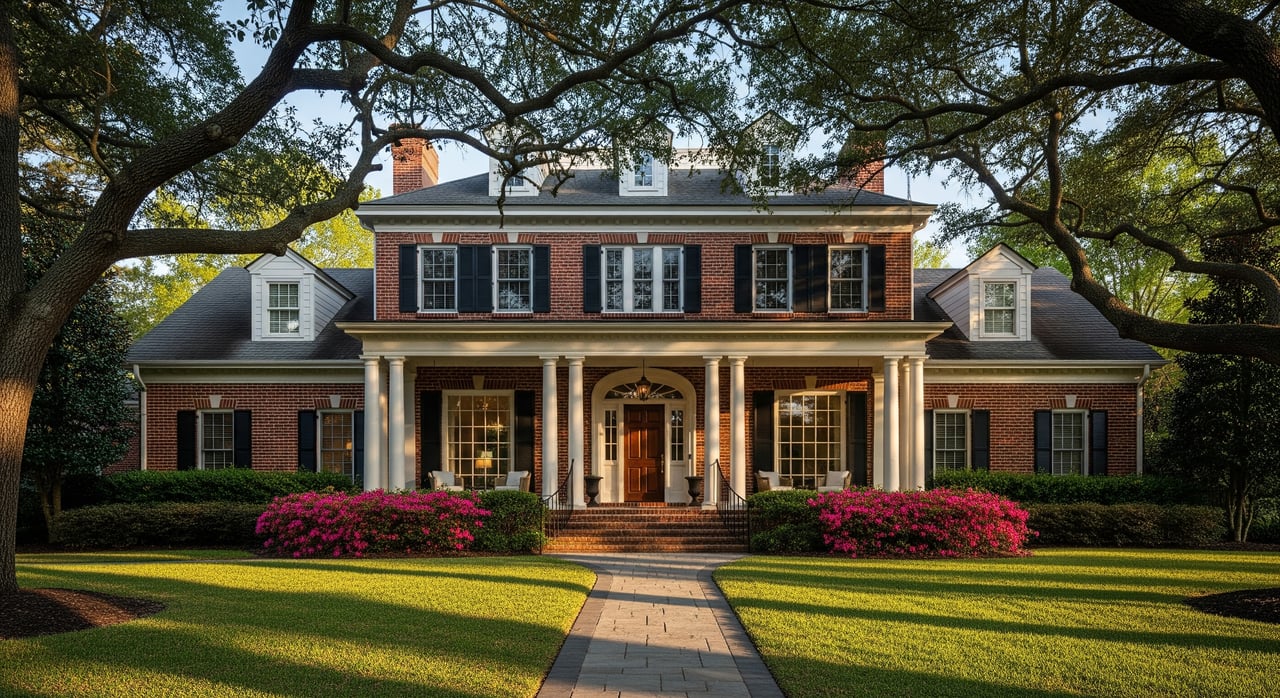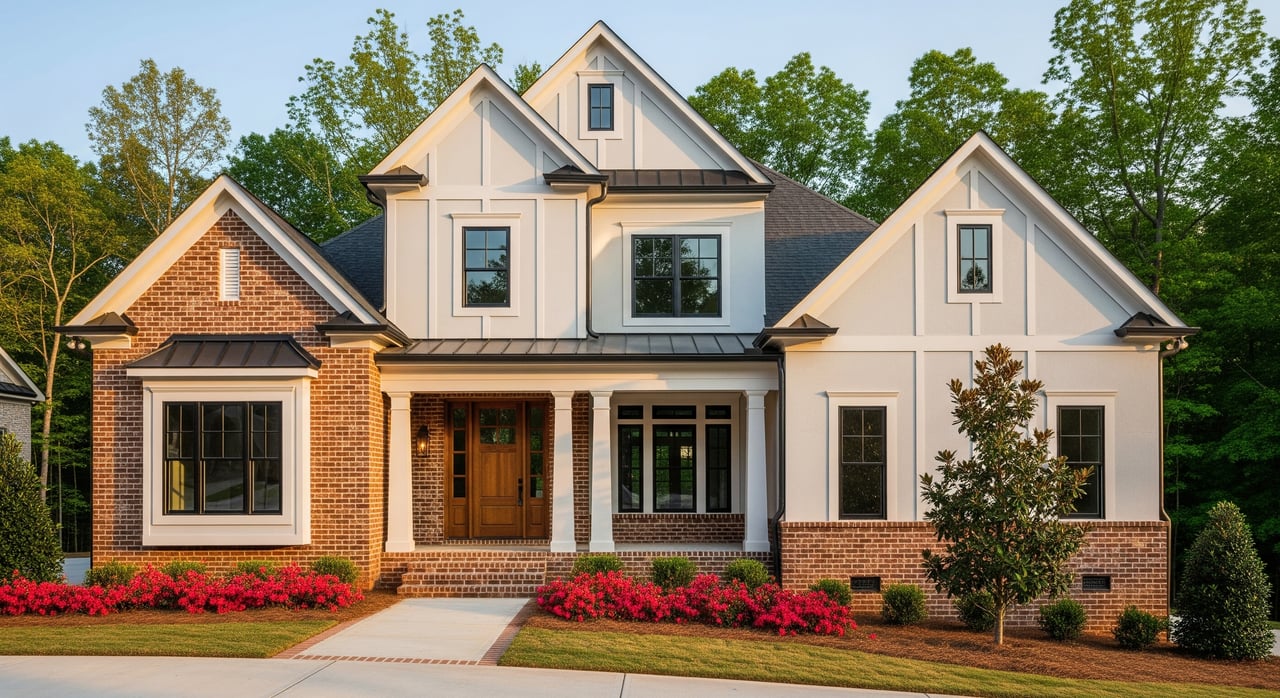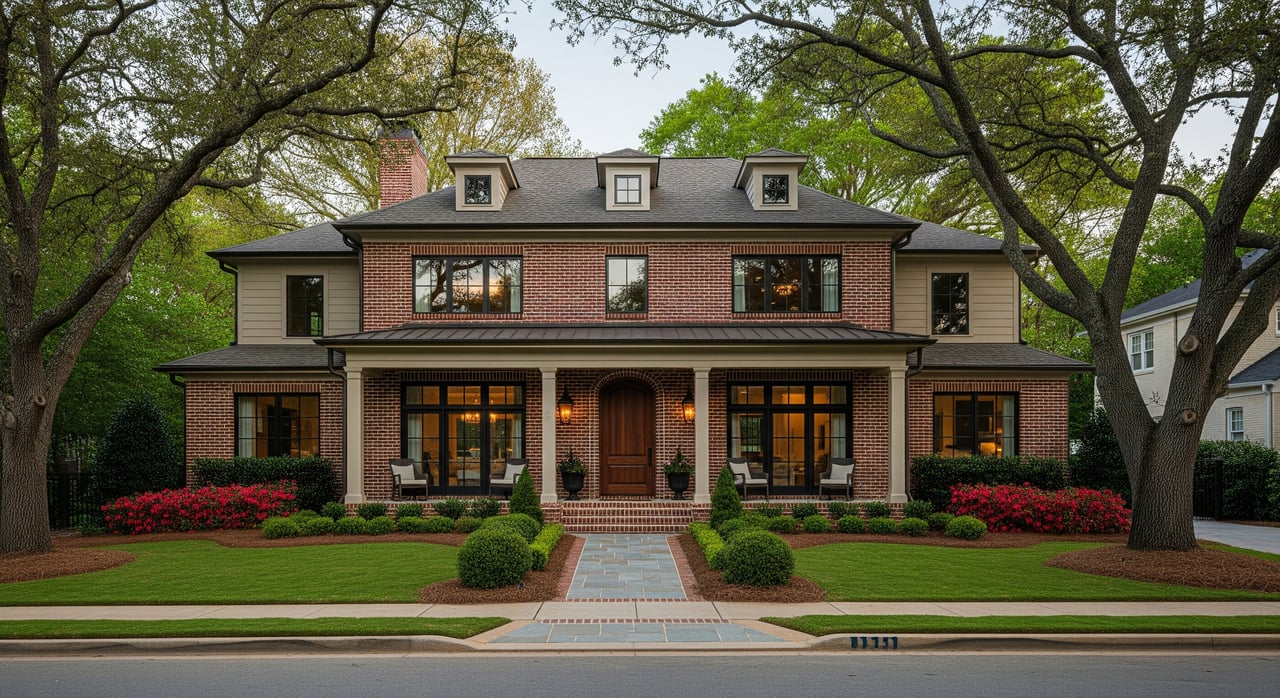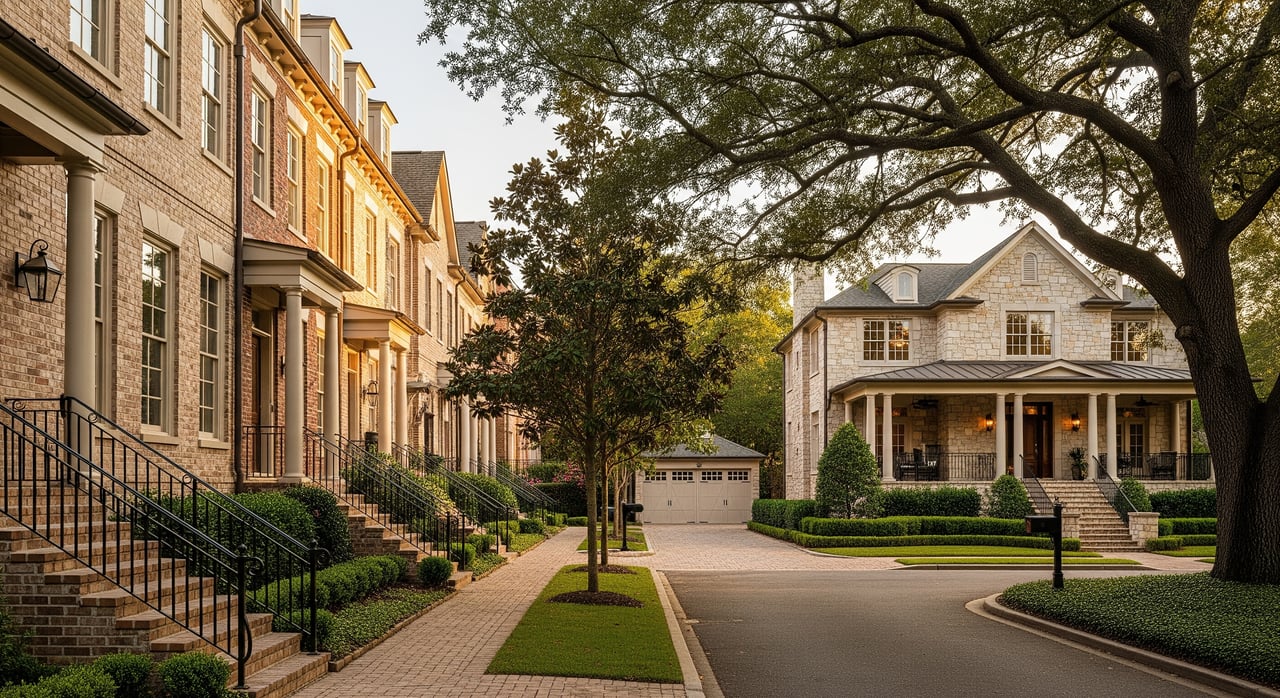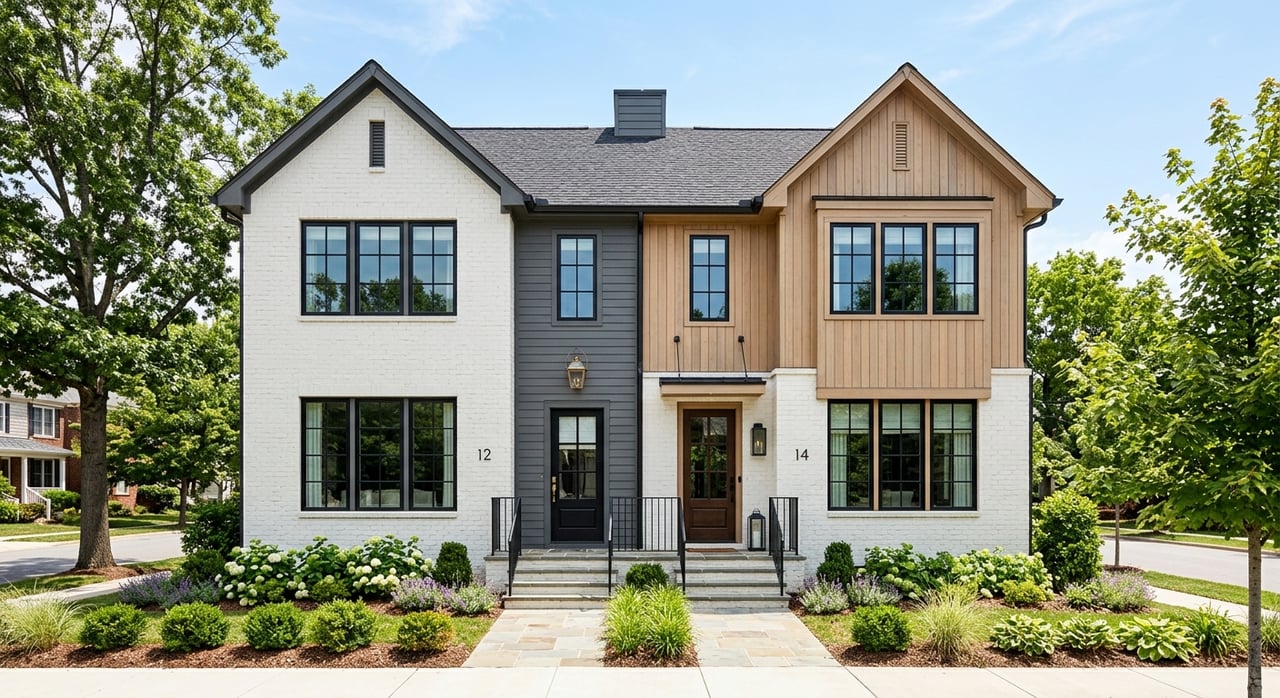
At the bottom of Ashton Woods' fall promotion page for Atlanta there is a paragraph of fine print longer than most of the page. It explains how the builder advertised a 30-year fixed rate of 4.99%, with a 5.81% APR, on select quick move-in homes. Ashton Woods "has locked-in, through Trailblazer Mortgage, a fixed interest rate for a pool of funds." The rate was first come, first served, and it lasted until that pool ran out. The sample loan was an FHA mortgage on a $424,000 home with 3.5% down. That is the kind of purchase a first-time buyer in metro Atlanta might be making.
That promotion has ended. Contracts had to be written by October 31, 2026. The way it worked has not ended, and it explains why comparing a new townhome with a resale home on price alone can leave a buyer comparing the wrong things. In metro Atlanta right now, sticker prices on new and resale homes are close. The gap is in the mortgage rate, and a specific lending rule lets builders open that gap in a way a homeowner selling a single house cannot.
Similar prices, very different monthly payments
PulteGroup CEO Ryan Marshall put it bluntly on the company's third-quarter 2026 earnings call. He said pricing between new and resale homes "is almost on top of one another," and "in some cases, resale is more expensive than new." He called that something he had not seen often in 25 years in the business. He went on to say that a buyer of a resale home "is faced with a 7.5% interest rate, and they don't have the ability to tap into the bought-down mortgage rate like we can offer."
Marshall was speaking about Pulte's business nationally, not Atlanta in particular. Still, the local numbers fit the pattern he described. The Atlanta REALTORS® Association's September 2026 Market Brief, compiled by FMLS across 11 metro counties, shows the following for September 2026:
- 3,680 home sales, down 18.5% year over year
- A median sales price of $416,000, up 1.5%
- 21,053 active listings, up 6.7%, which works out to a 4.9-month supply
- An average of 30 days on market
Sales fell by nearly a fifth while the median price still rose. Prices are holding even though fewer buyers are closing. Pulte told analysts the same thing about its own homes. Marshall said the company is "seeing inelasticity in price right now," meaning bigger discounts were not bringing in enough extra sales to pay for themselves. The company's CFO reported an incentive load of 10.4% of revenue, made up of financing incentives and discounts on homes built before they sold. So builders are holding prices and spending on the mortgage rate. Freddie Mac's benchmark 30-year fixed rate was 7.24% in its October 29, 2026 survey. Against that, a rate in the 4s changes the monthly payment far more than a few thousand dollars off the price would.
The rule under the rate
When a seller pays to lower a buyer's rate, Fannie Mae calls that an interested party contribution. Its Selling Guide lists the property seller and the builder or developer as interested parties. When an interested party pays for a temporary or permanent buydown, the cost counts against Fannie Mae's maximum financing concessions.
Then there is a note, and builder financing depends on it. Fannie Mae's guide reads:
"Standby commitment (also known as forward commitment) agreements between a builder and lender for blanket interest rate coverage that are executed prior to signing a sales contract with a borrower are not subject to Fannie Mae's maximum financing concessions because they are not attributable to the specific loan transaction."
That is the "pool of funds" in the Ashton Woods fine print. The builder arranges a block of below-market rates with a lender before any buyer signs a contract. Because the rate isn't tied to one buyer's purchase, Fannie Mae doesn't count it as a concession on that purchase. A homeowner selling one house has no pool to pre-arrange. Anything that seller puts toward the rate is tied to that one sale, so it counts against the cap.
Where a resale seller runs out of room
A resale seller can still pay for a buydown. Fannie Mae, FHA and VA each limit how much. Fannie Mae calculates its limits on the lower of the sales price or the appraised value, not the loan amount. The dollar column below applies each cap to the same $424,000 price from the Ashton Woods example.
| Loan type and down payment | Maximum seller contribution | On a $424,000 home |
|---|---|---|
| Fannie Mae conventional, primary residence, less than 10% down | 3% | $12,720 |
| Fannie Mae conventional, 10% to just under 25% down | 6% | $25,440 |
| Fannie Mae conventional, 25% or more down | 9% | $38,160 |
| FHA | 6% | $25,440 |
| VA | 4% of reasonable value for concessions | $16,960 |
According to HUD, FHA's 6% limit includes both permanent and temporary buydowns, along with closing costs, prepaids and discount points. Contributions above the limit count as inducements to purchase and reduce the value used for the loan. The VA does not cap seller credits for the buyer's loan closing costs, but it does cap seller concessions at 4%. For conventional loans, Fannie Mae adds two more limits. Financing concessions can't exceed the buyer's total closing costs. Anything over the cap is treated as a sales concession and subtracted from the price, which changes the loan-to-value math.
The tightest limit falls on the buyer who usually needs help most. A first-time buyer putting less than 10% down on a conventional loan can receive no more than 3% from the seller. On a $424,000 home that is $12,720, and it has to cover closing costs and any rate buydown together. Even a motivated resale seller can only offer that much.
What the builder's rate asks in return
A pre-locked rate is real money, and it comes with conditions that don't appear in the headline number. The Ashton Woods offer is a good example because its fine print spelled them out:
- An affiliated lender. The advertised rate and the closing cost incentives required the Ashton Woods Advantage program and its affiliated lender, Trailblazer Mortgage. Using that lender was not required to buy the home itself.
- A specific loan. The 4.99% rate was for FHA loans with a minimum credit score of 640. The rate could change depending on the buyer's credit, loan-to-value ratio or the property.
- A clock. Quick move-in homes had to close by November 30, 2026. Some ready-to-be-built homes had until February 15, 2027.
- A limited supply. Only a limited number of loans were available at the special rate, and once the funds ran out, the rate could change.
- Overlapping savings. For the separate offer of up to $100,000 in "Use As You Choose Savings," the fine print says "some price reductions may have already been applied" toward that figure.
That last point matters most when comparing homes. If a home's price has already been cut and the savings figure counts that cut, the buyer is getting one discount described two ways, not two discounts.
Temporary buydowns have one more condition, and it affects whether a buyer qualifies at all. Fannie Mae's temporary buydown rules allow a reduction of up to 3 percentage points. The rate can rise by no more than 1 point a year. The borrower must qualify at the full note rate, not the reduced first-year rate. A 2-1 buydown can make the first two years cheaper, but it doesn't make a home affordable on paper if the buyer's income can't support the full rate. The CFPB describes these buydowns as lowering payments for a year or two in exchange for an upfront fee or a higher rate later. It suggests comparing the cost with and without the reduced-rate period.
Questions that put both homes on the same terms
If a new townhome and a resale home are both on your list, these questions turn two different offers into numbers you can compare:
- Is the advertised rate permanent for the life of the loan, or temporary for one or two years? If it's temporary, ask what the payment will be in year three.
- Which loan types and credit scores does the rate apply to? A rate quoted for FHA loans may not apply to a conventional loan.
- Do I have to use the builder's lender to get the rate or the credits? If you do, get a quote from an outside lender too, so you can see what the incentive is actually worth.
- Is any part of the advertised savings a price reduction that has already been made? Ask for the original price, the current price and the incentive on separate lines.
- For the resale home, what is my contribution cap for my down payment and loan type? Then work out what the seller's maximum credit actually buys at the current rate.
- What closing deadline comes with the incentive, and what happens if the closing slips? Ask before you sign.
Quick answers
Can a resale seller pay for a rate buydown in Atlanta? Yes. Fannie Mae treats a seller-funded buydown as an interested party contribution, so it is allowed up to the cap for the buyer's loan type and down payment.
Why doesn't the builder's lower rate count against the same cap? When the builder arranges a forward commitment with a lender before the buyer signs a contract, Fannie Mae doesn't tie it to that particular loan, so its concession limits don't apply.
Is Ashton Woods still offering 4.99%? The fall promotion described above applied to contracts written by October 31, 2026. Any current offer will have its own terms.
The lending rules here are general information, not legal, tax or financial advice. Confirm the caps and qualifying rules for your own loan with a licensed mortgage lender before you count on any incentive.
Comparing a builder's financing package with a resale seller's credit is the kind of side-by-side we build for buyers every week. We list the price, the incentive and the rate separately so the comparison is fair. If you want that done for the homes on your list, The Sly Team can help. Get started with The Sly Team.