If you are buying your first home in East Atlanta Village, it is easy to get pulled in by the vibe first and the trade-offs second. The area offers real personality, a well-known commercial core, and a mix of housing types that can feel more approachable than some higher-priced intown neighborhoods. But in EAV, the right decision usually comes down to the exact block, the exact house, and how well that home fits your day-to-day life. Let’s dive in.
Why East Atlanta Village draws buyers
East Atlanta Village sits within the larger East Atlanta area, around Flat Shoals and Glenwood avenues. Atlanta city planning describes it as one of the city’s most walkable commercial districts, with shops, restaurants, service providers, and entertainment venues concentrated in the village core.
For first-time buyers, that usually means you are not just buying a house. You are also weighing how much value you place on nearby daily conveniences, neighborhood energy, and the option to get out without always getting in the car.
What prices look like in EAV
Public market snapshots place East Atlanta in roughly the high-$400,000s to low-$500,000s. Zillow reports an average home value of $494,422, Redfin reports a median sale price of $509,829 over the last three months, and Realtor.com reports a median listing price of $532,500.
Those numbers should be treated as a range, not one fixed price. Most public sources report on East Atlanta broadly rather than East Atlanta Village only, so they work best as neighborhood-level guides for what you may see around the village.
How EAV compares with nearby intown areas
If you are trying to decide whether EAV fits your budget, nearby intown comparisons help. Realtor.com places Edgewood at $525,000, Kirkwood at $514,900, Grant Park at $617,500, and Reynoldstown at $660,852.
That positions EAV as an intown option with meaningful pricing, but generally below some of the top-tier eastside neighborhoods. For many first-time buyers, that can make EAV worth a closer look if you want an in-town location without stretching to the highest price points nearby.
Housing types you will actually see
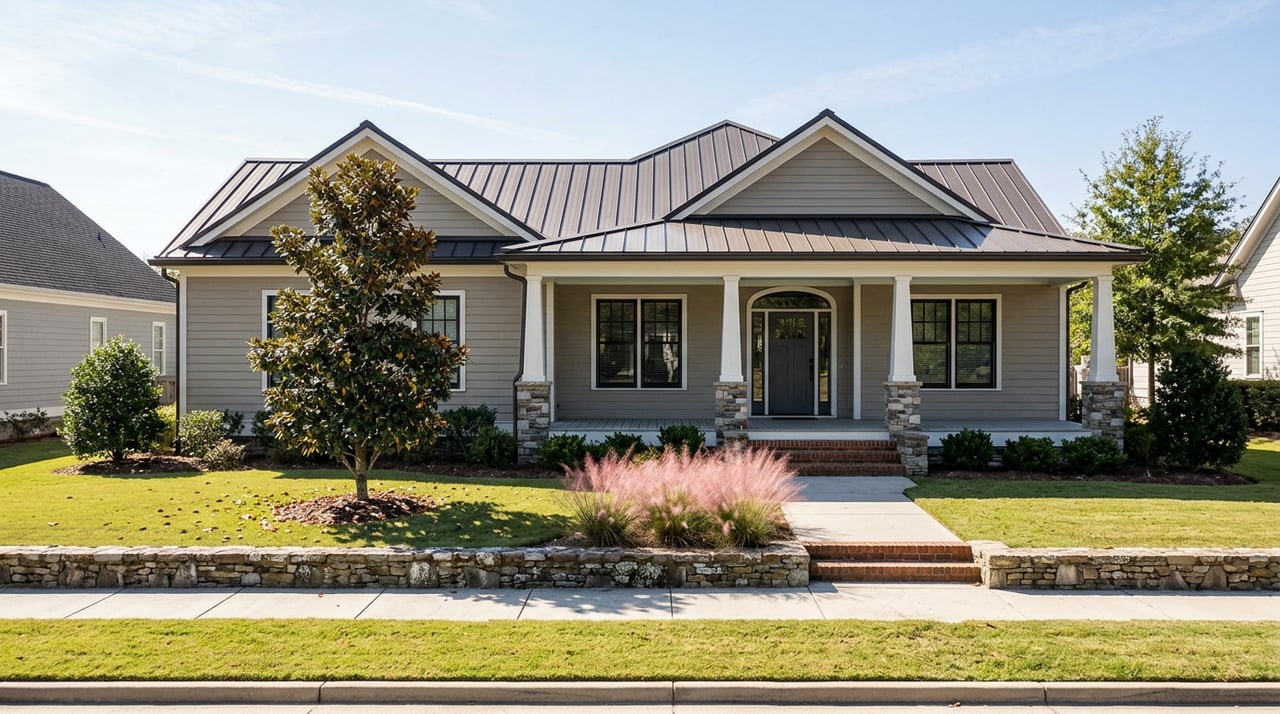
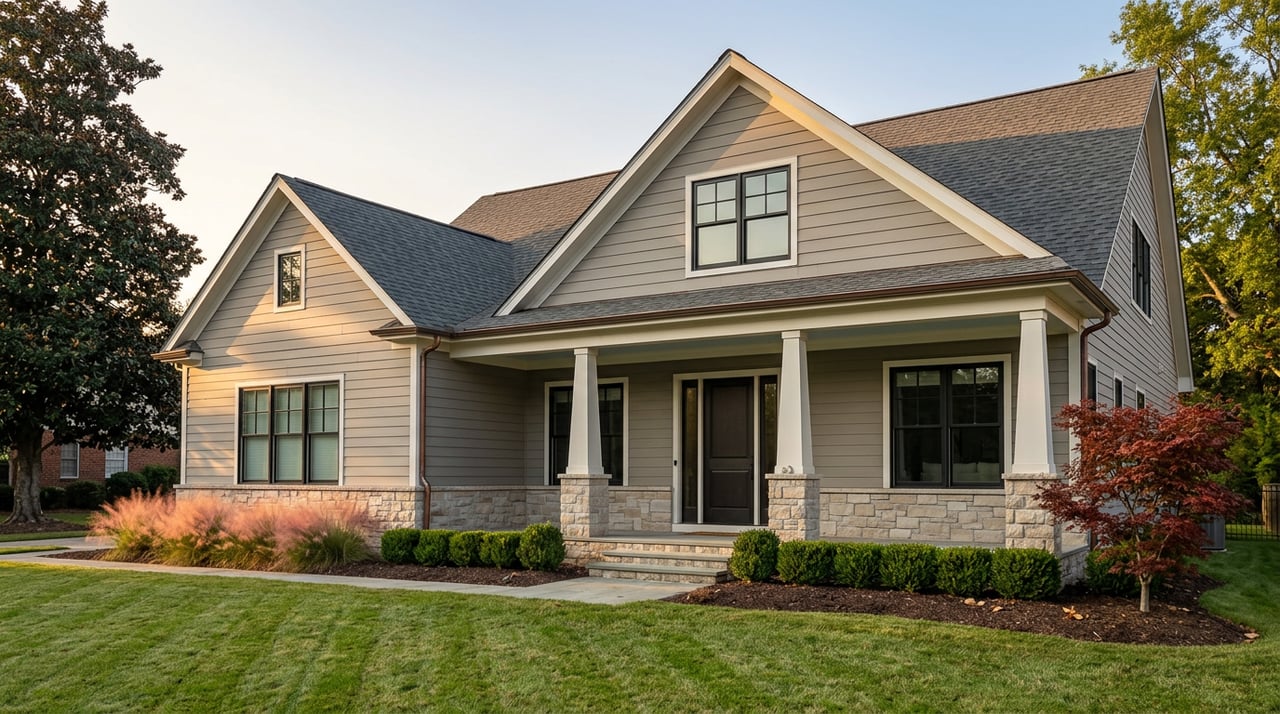
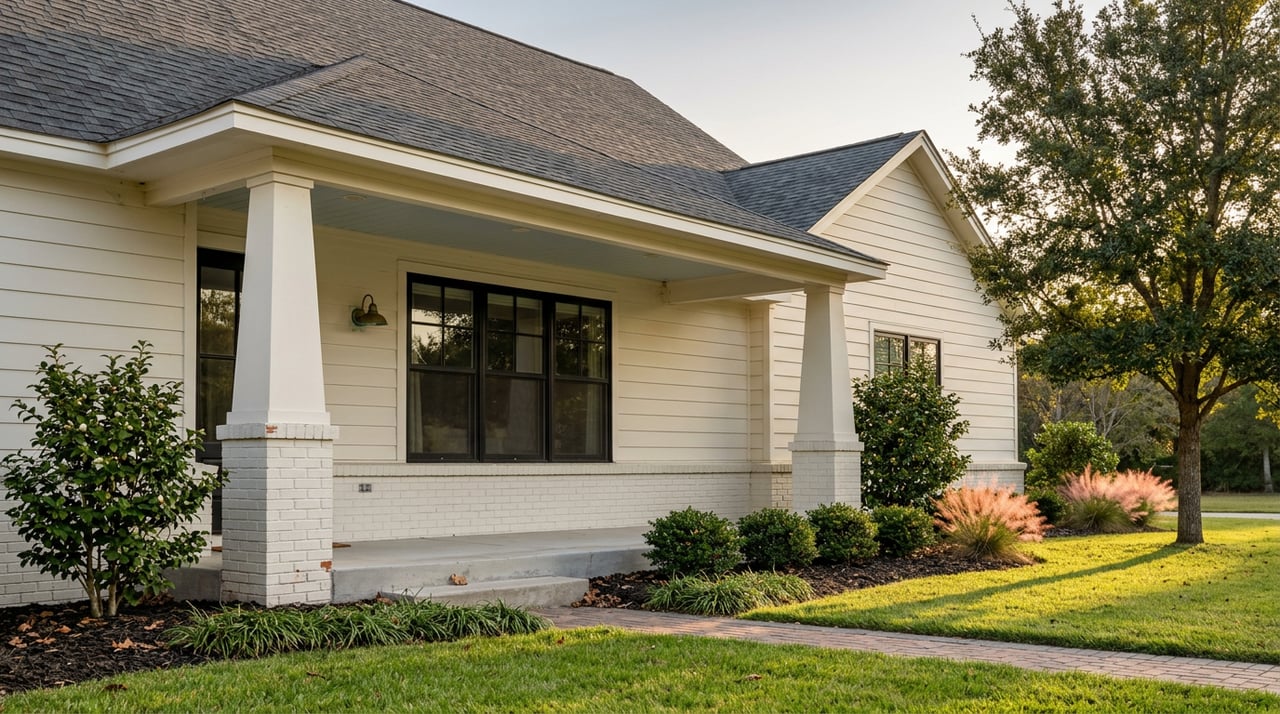
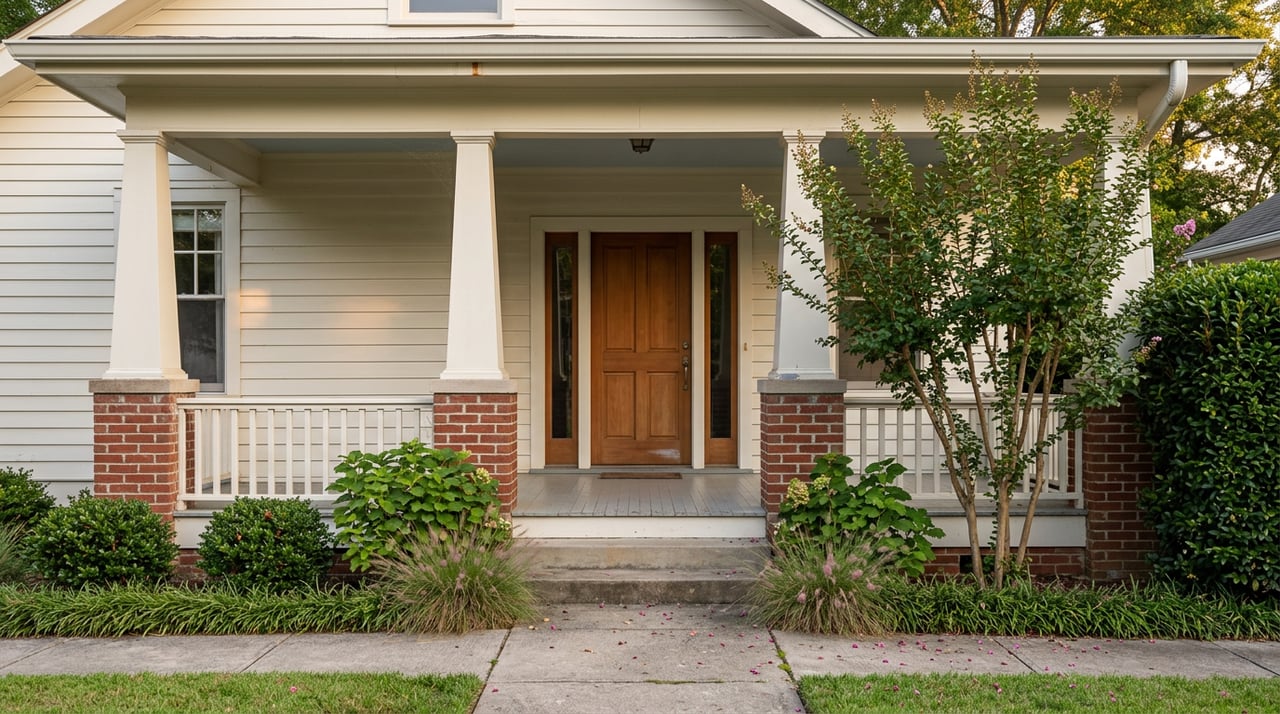
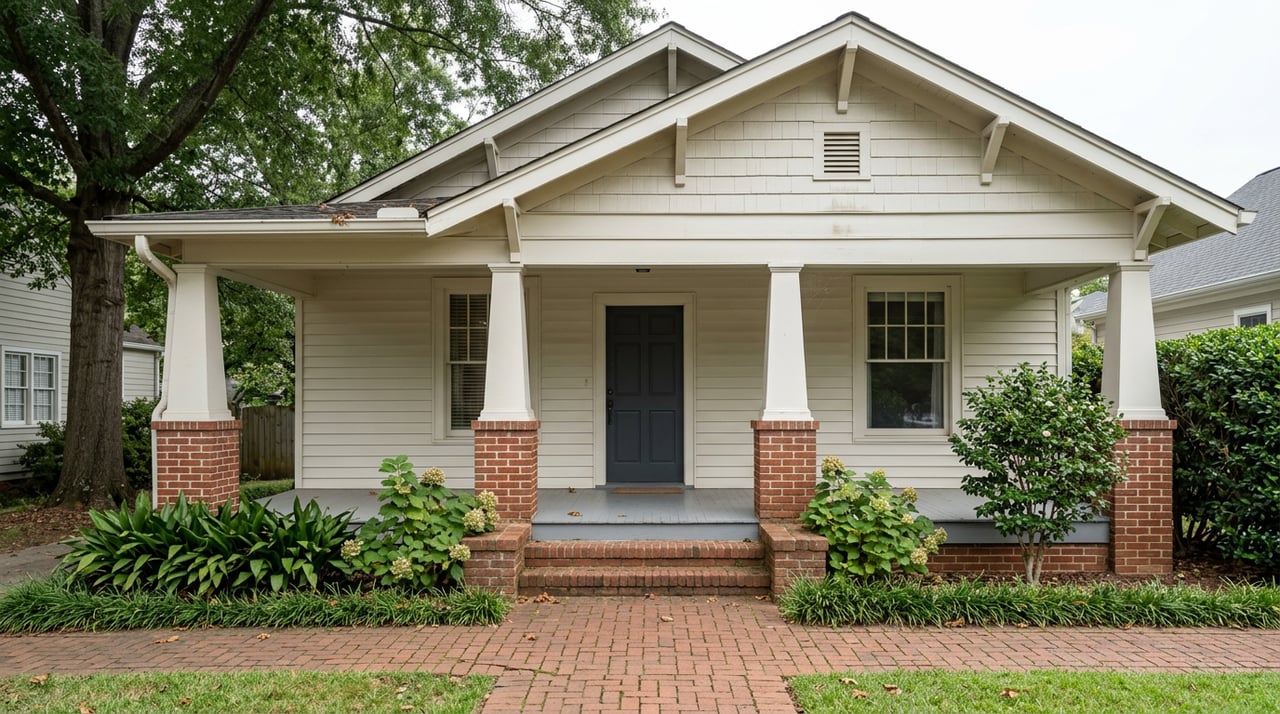
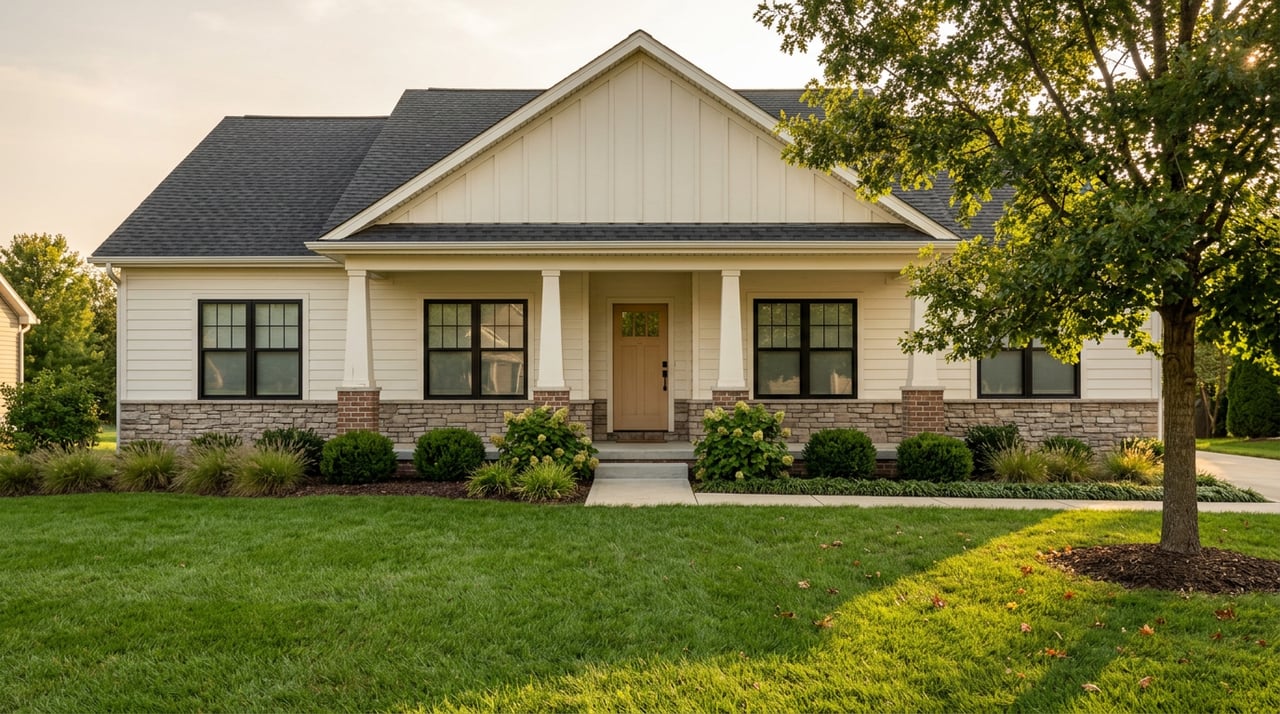
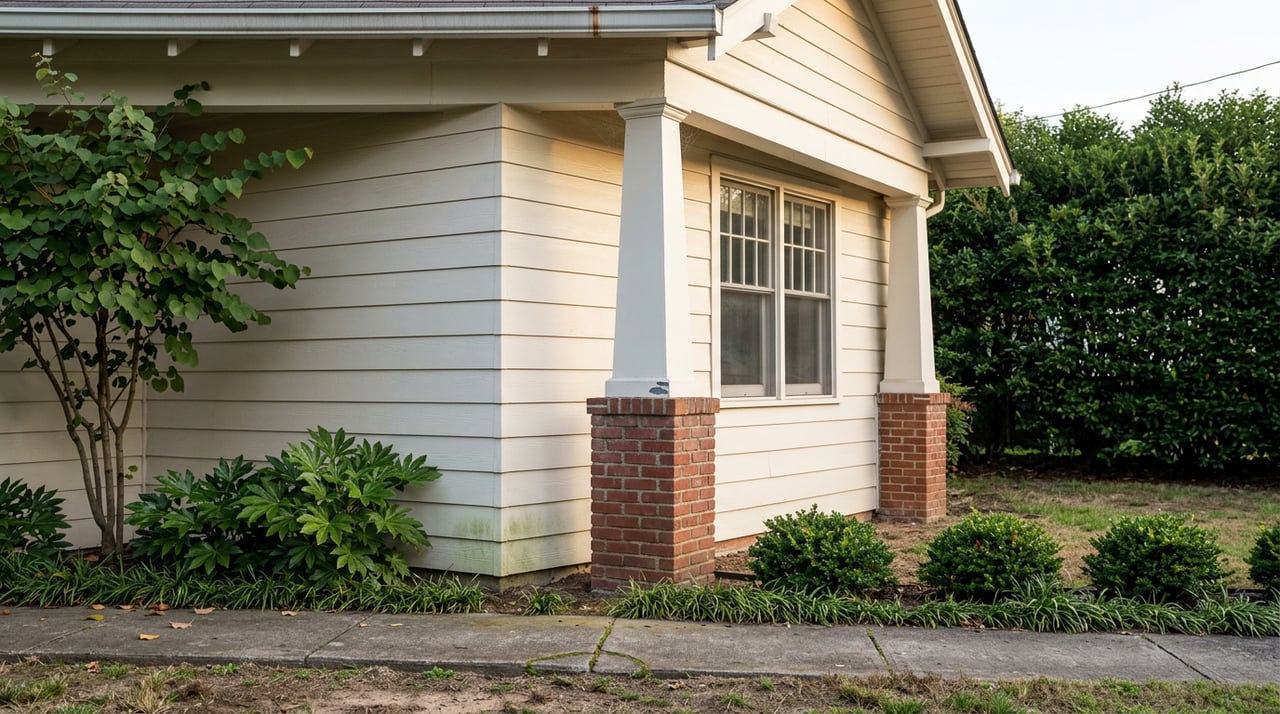
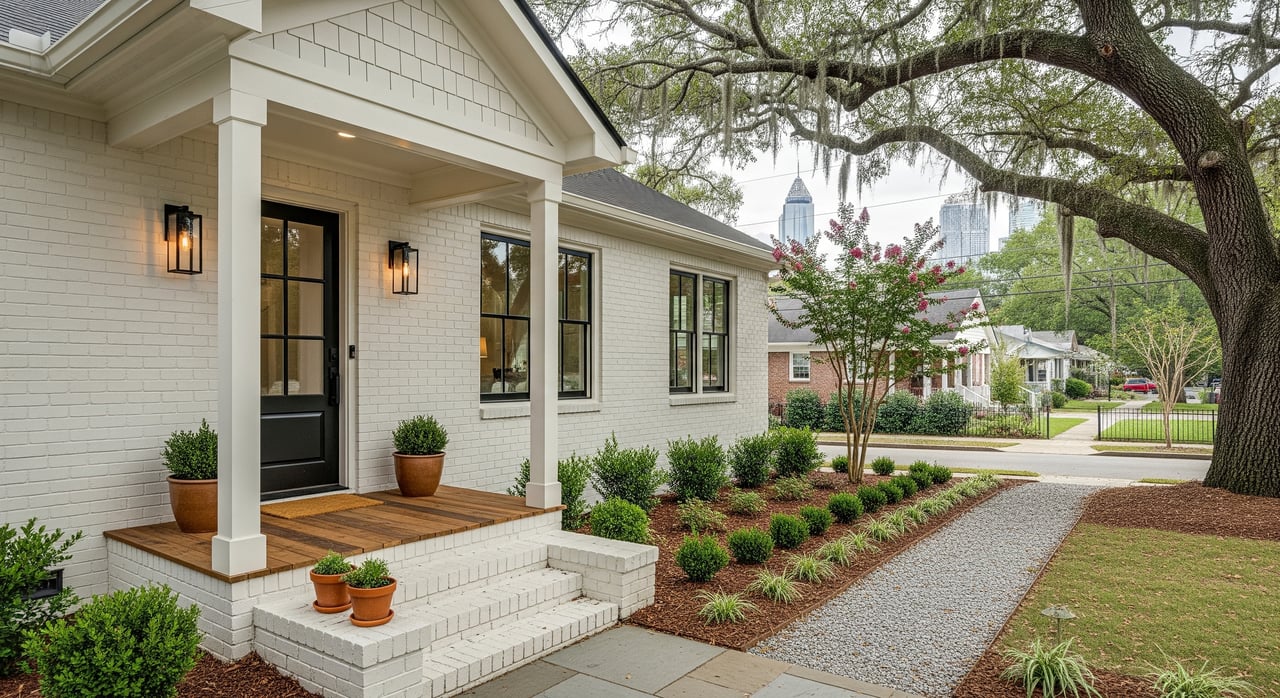
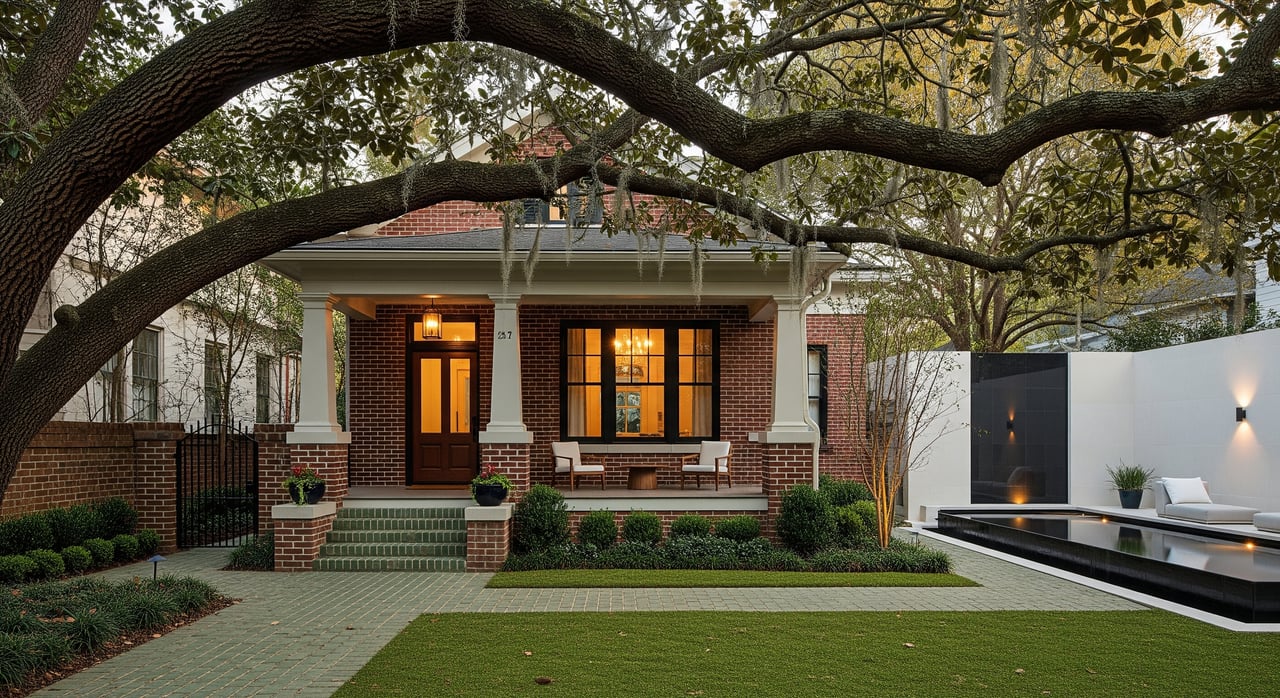
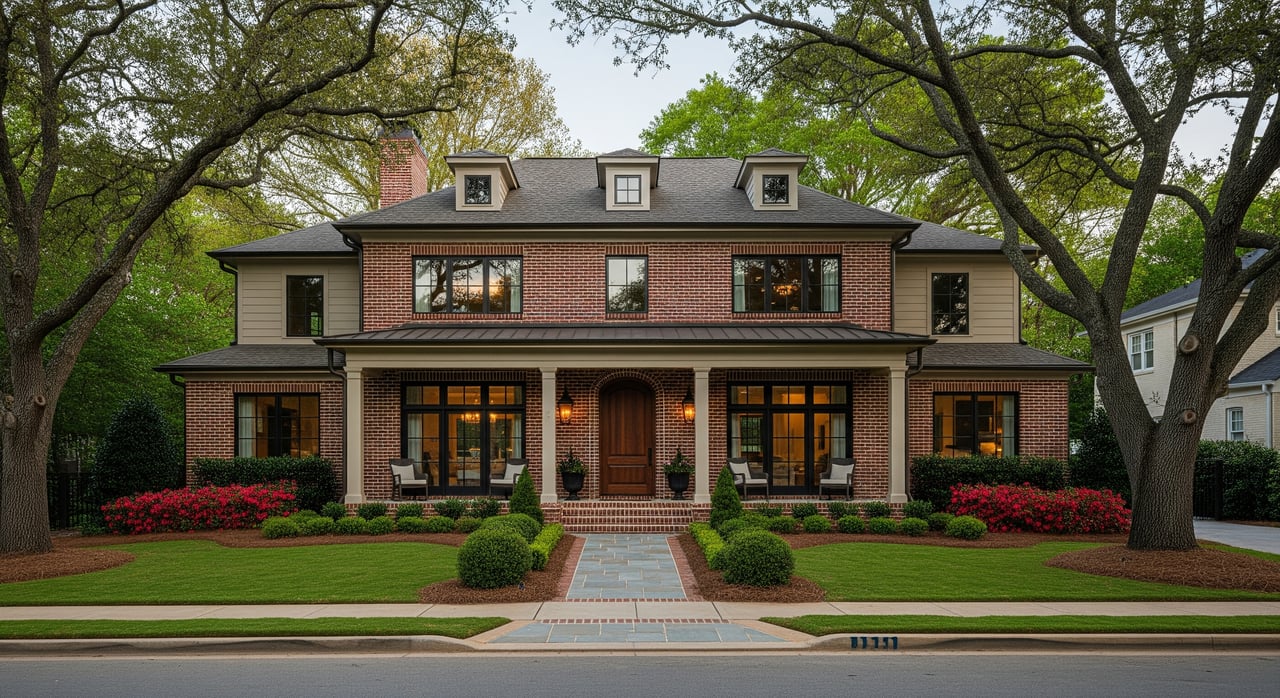
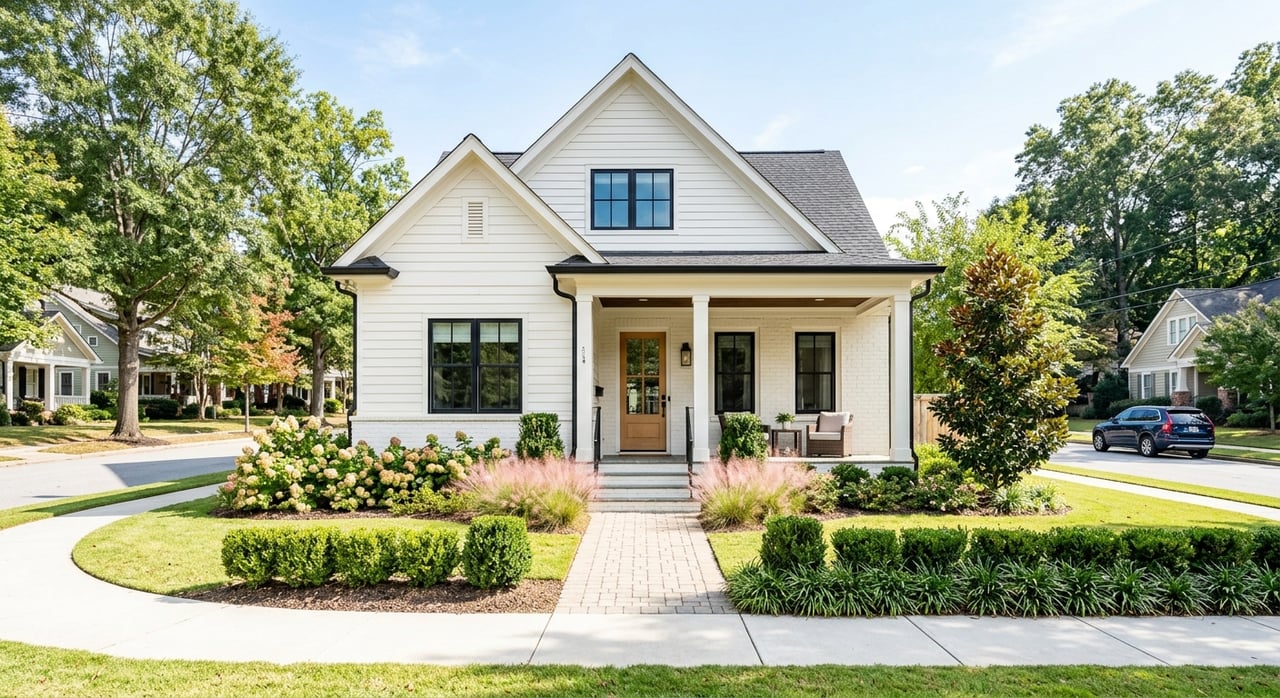
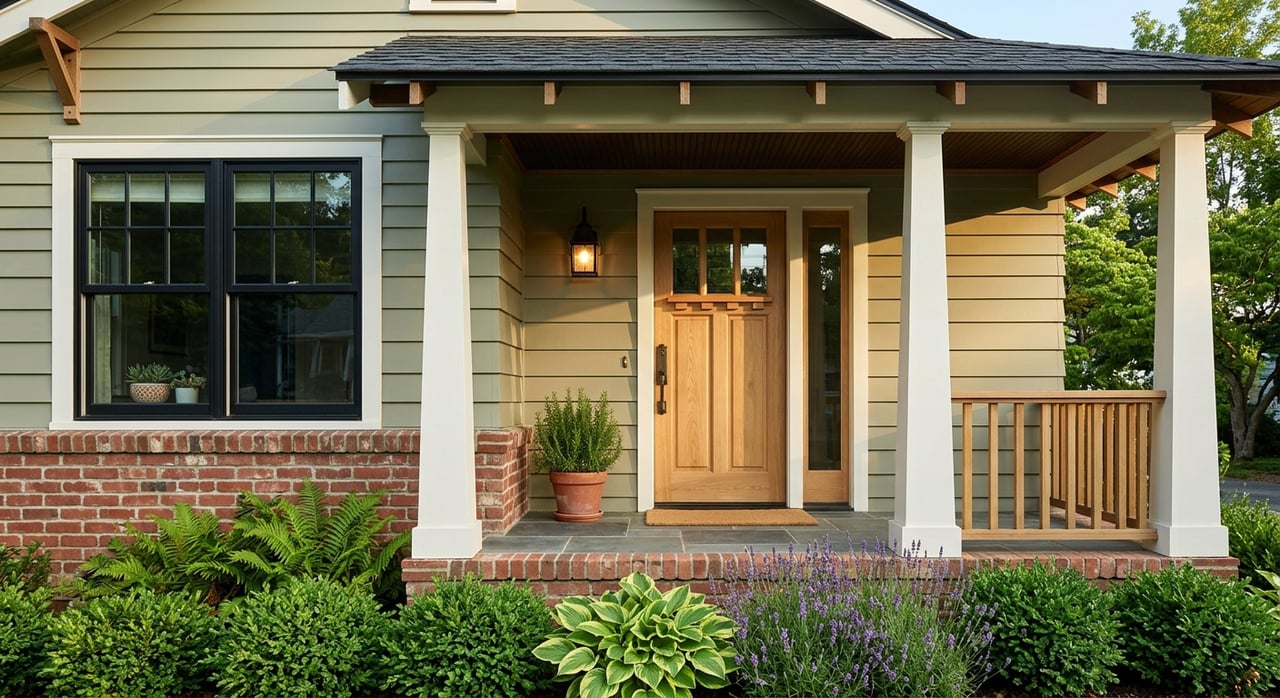
One of the biggest things to weigh in East Atlanta Village is the housing mix. The area includes bungalows from the 1920s, American Small Houses from the 1940s, and ranch homes from the 1950s and 1960s.
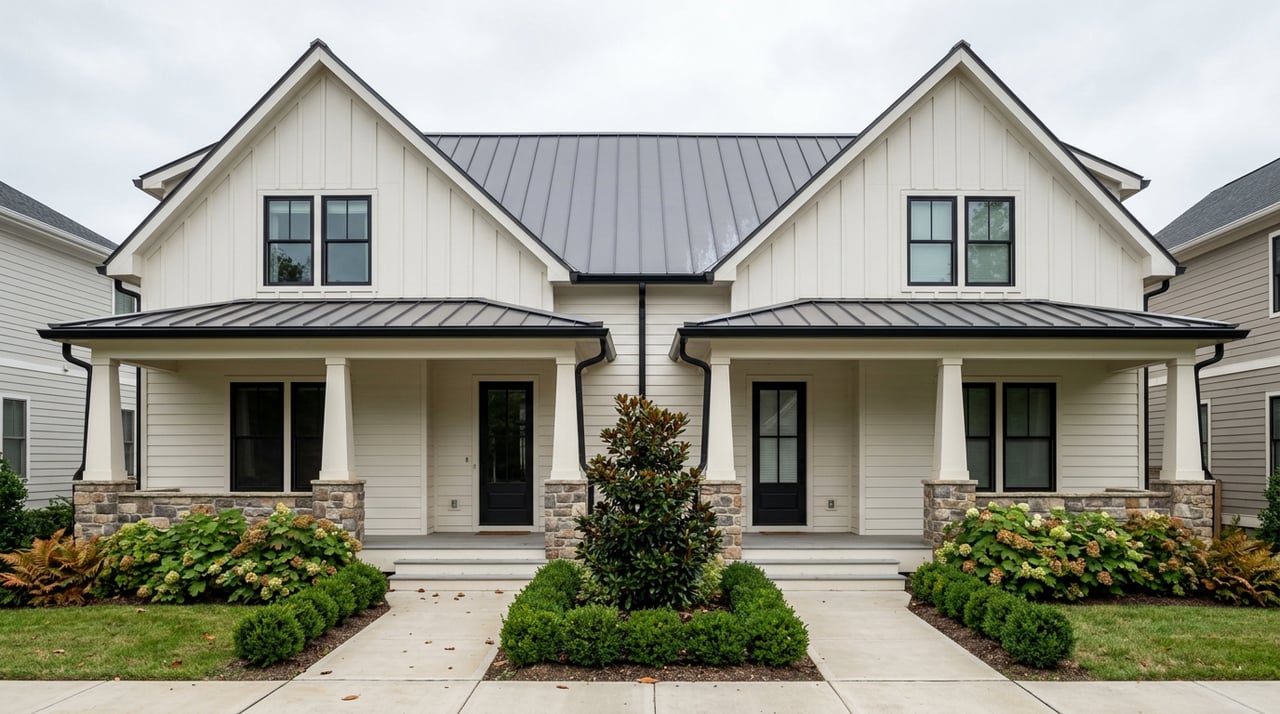
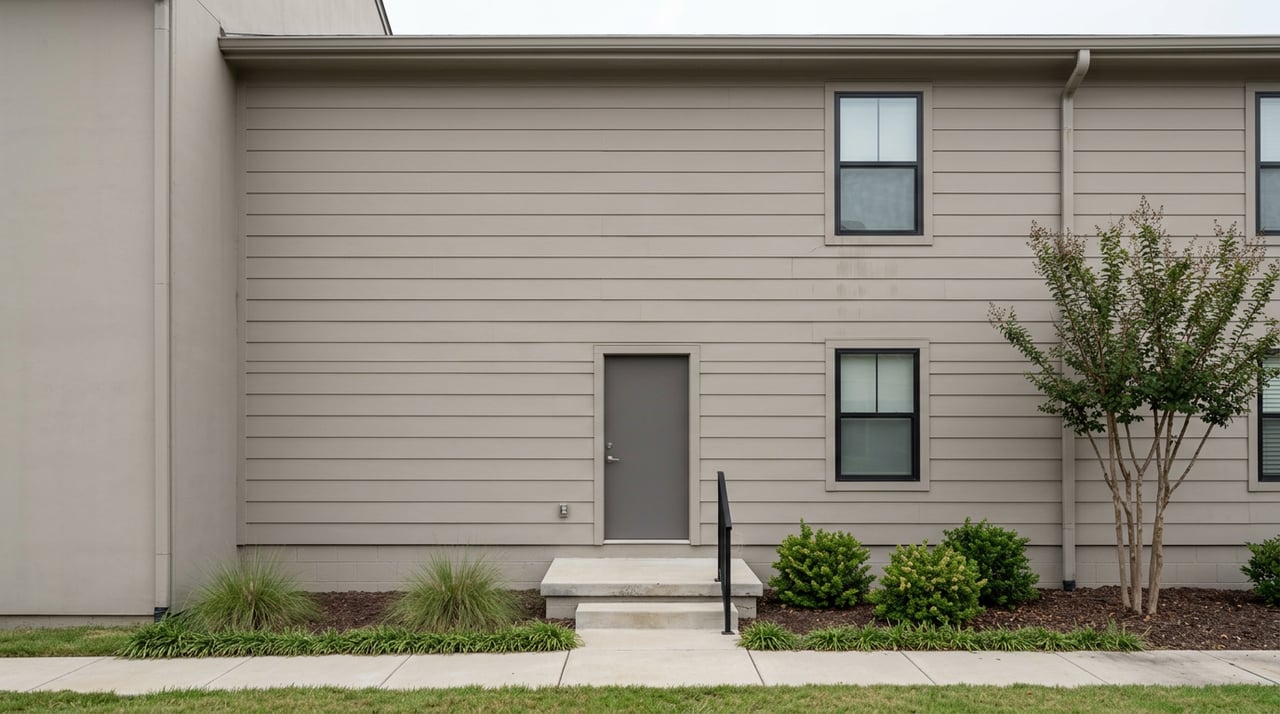
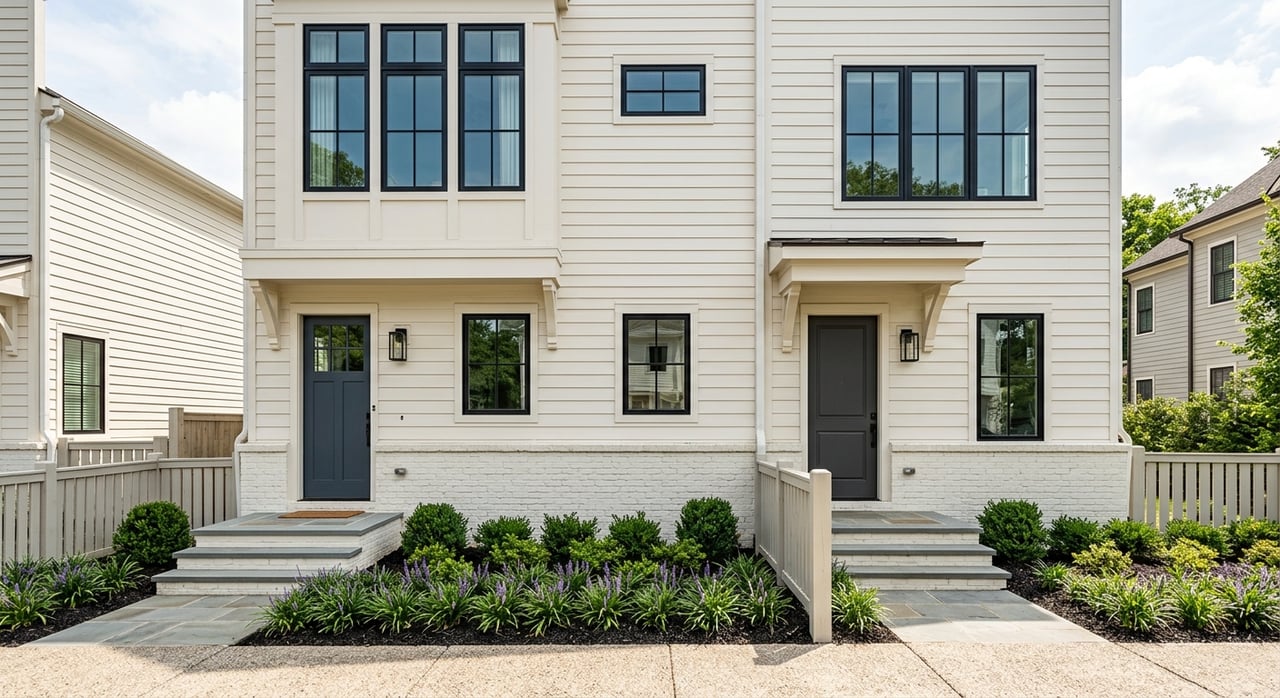
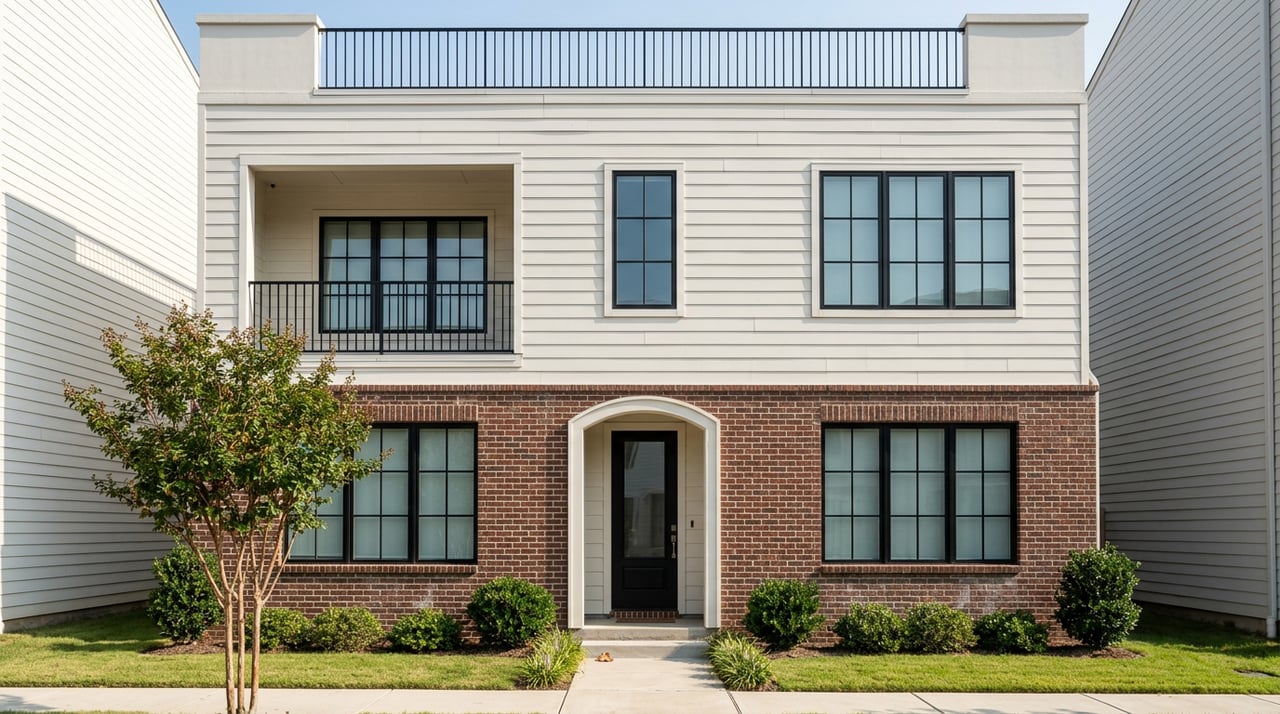
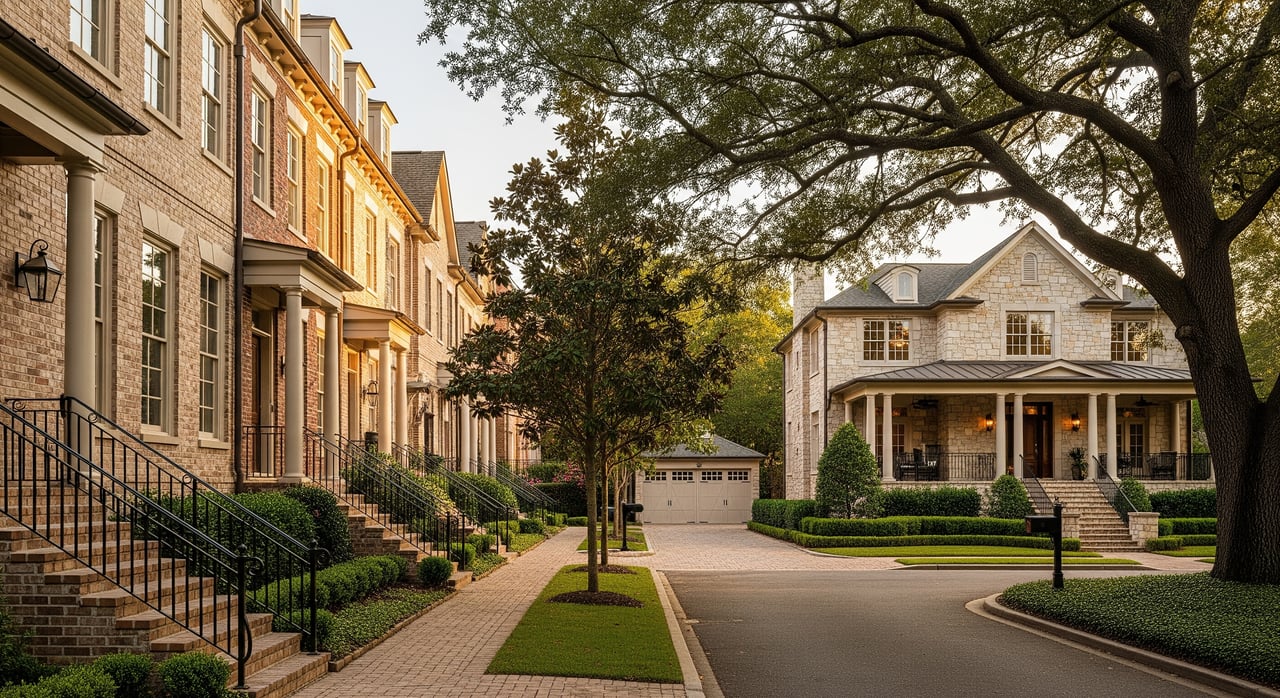
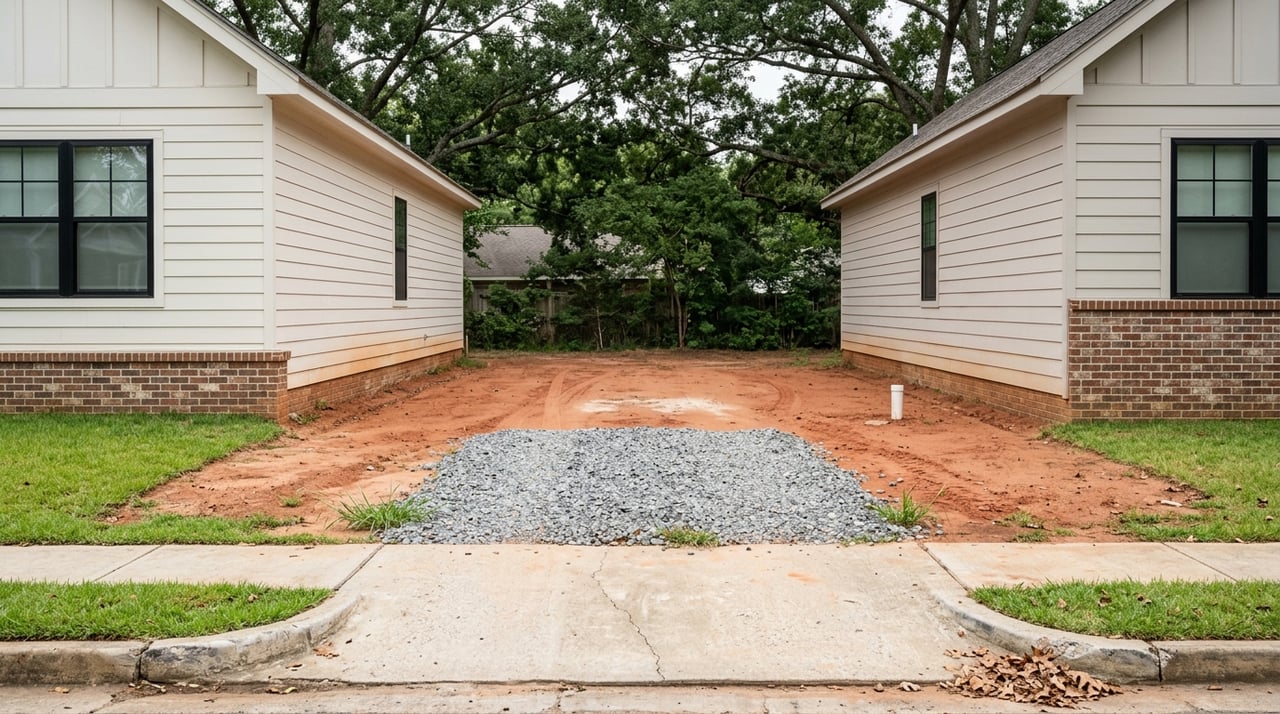
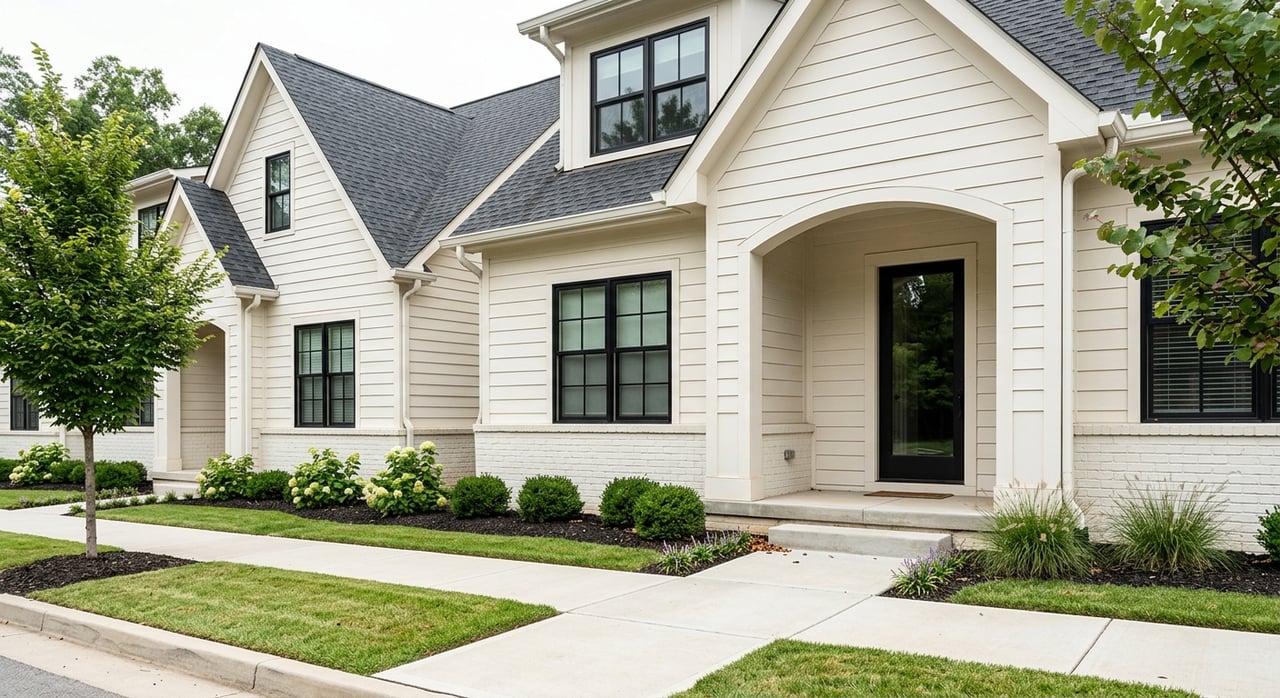
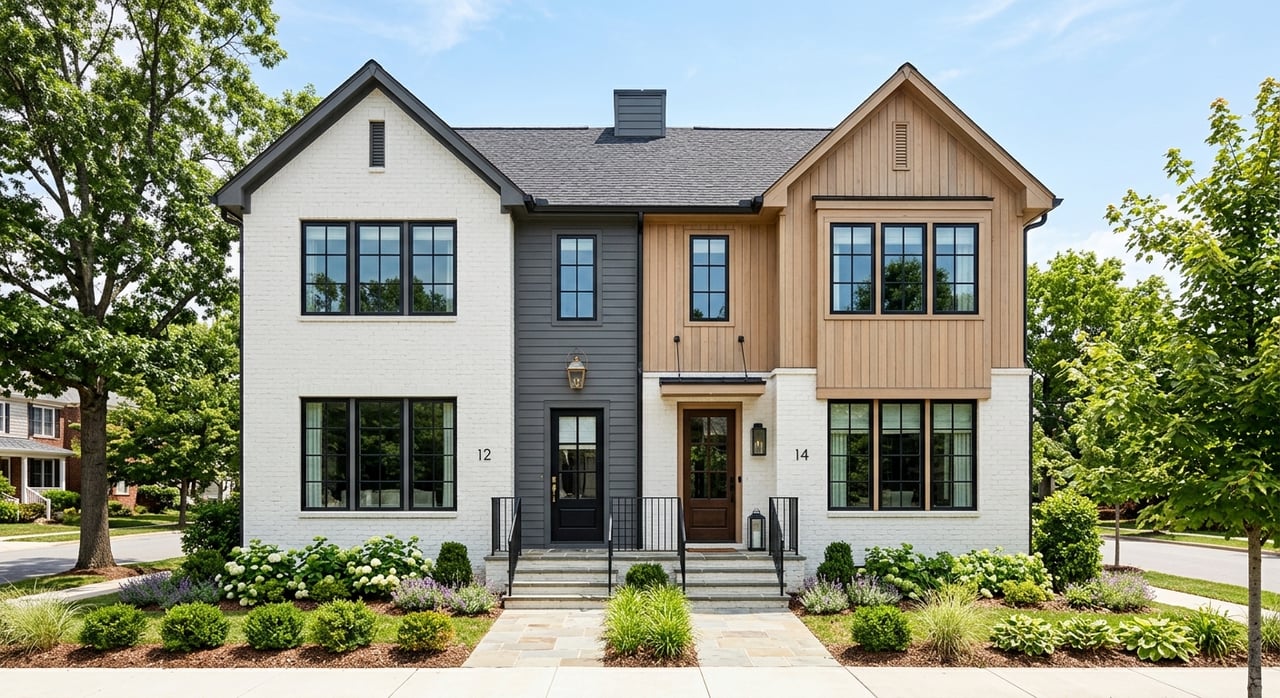
You will also see newer infill development in and around the area. Recent coverage shows boutique townhomes, mixed-use projects on Flat Shoals, adaptive reuse in the village core, and broader redevelopment plans nearby that include apartments, cottages, trails, and public space.
How to think about older homes
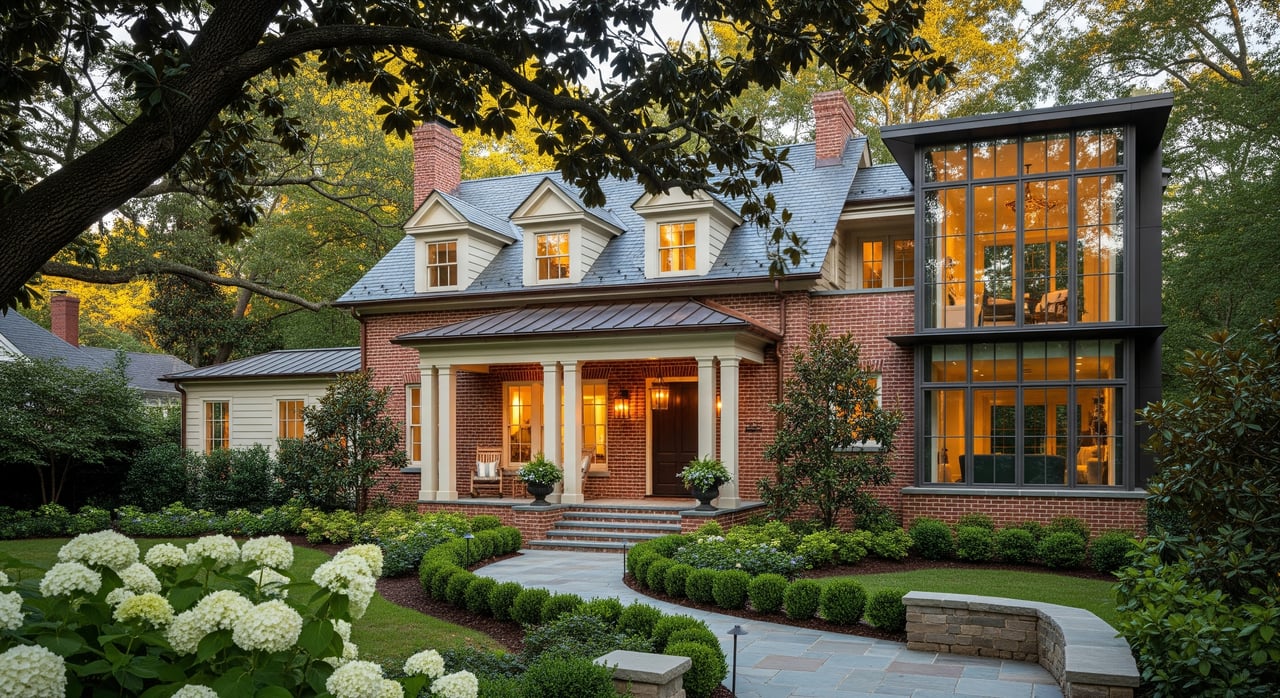
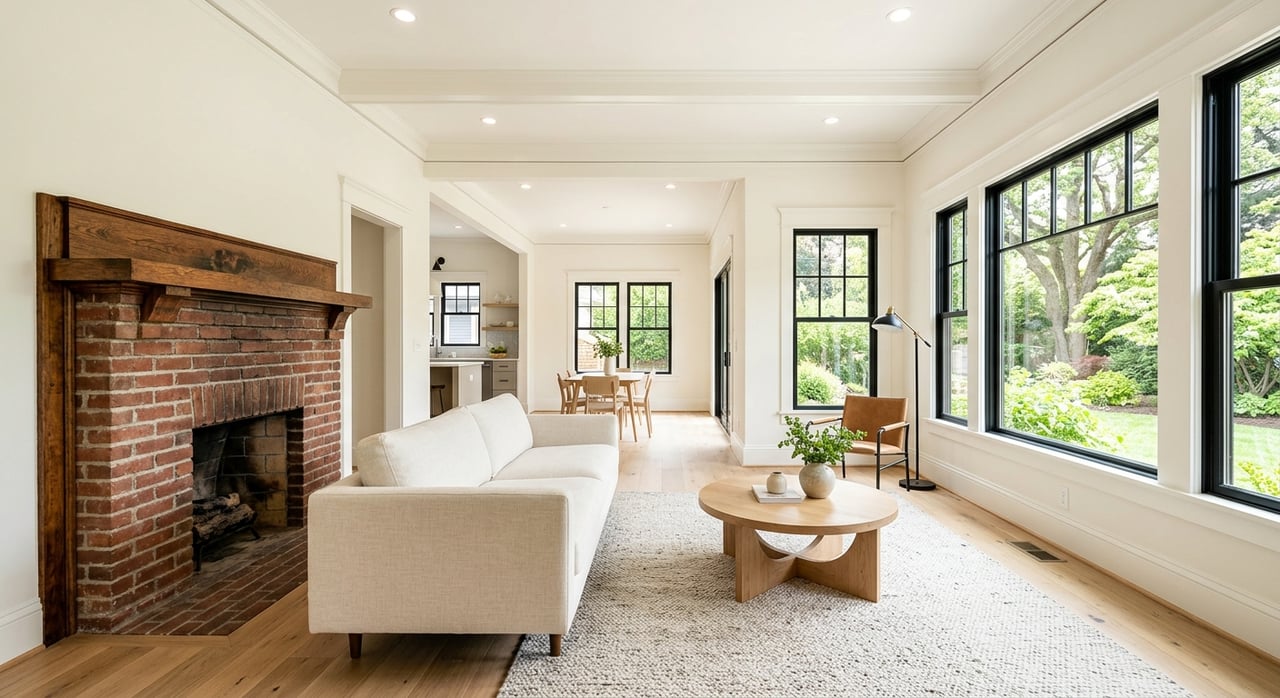
Older homes in EAV often appeal to buyers who want charm, mature trees, and a home that feels distinct from newer construction. Many of these properties can offer strong character and a more established setting.
That said, style alone should not drive your decision. In a neighborhood with many early- and mid-century homes, renovation quality matters just as much as curb appeal. A home may look great online, but your long-term experience will depend on whether the layout works and whether updates to systems and finishes were done well.
Questions to ask about a bungalow
If you are considering an older bungalow, focus on a few practical questions:
- Does the layout fit how you actually live today?
- Do the updates feel thoughtful and consistent, not just cosmetic?
- Does the lot support parking, storage, or outdoor use in a way that feels convenient?
- Does the block itself add to the home’s everyday usability?
In EAV, a charming house tends to be more appealing when it also removes friction from daily life.
What ranch homes can offer
Ranch homes give some buyers a different kind of value. They often offer single-level living, straightforward layouts, and lots that may feel more flexible.
For a first-time buyer, that can mean easier day-to-day function and a property that feels simpler to grow into. In EAV, the key is not just the ranch itself, but whether the block and micro-location support the resale story you want down the road.
Why some buyers prefer newer townhomes
Newer townhomes can be a strong fit if you want a more predictable move-in experience and simpler maintenance. In a neighborhood where infill is active, they can also be a way to buy into the location without taking on the same renovation questions that come with an older house.
Still, new does not automatically mean better. If you are looking at a newer townhome, weigh whether the location, finish level, and overall functionality will still stand out after the “brand new” factor fades.
Questions to ask about a newer townhome
Before you commit, think about:
- How close it is to the village core and everyday conveniences
- Whether the layout feels practical, not just stylish
- How much storage and parking it offers
- Whether the finishes feel durable and well-executed
In an area with ongoing development, long-term value usually comes from a strong location and a home that functions well.
Walkability is not the same everywhere
One of the biggest misconceptions about East Atlanta Village is that the entire area feels equally walkable. It does not. Walkability in EAV is highly block-specific.
Walk Score gives the broader East Atlanta neighborhood a score of 44, labeled Somewhat Walkable. But a Flat Shoals address in the village core scores 89, labeled Very Walkable. That gap matters.
What block-by-block walkability means for you
In practical terms, two homes with the same price and square footage may offer very different lifestyles. One may let you walk to restaurants and services, while another may still require a car for most errands.
The neighborhood layout helps explain why. Older sections were built on straighter streets with sidewalks, while later development is more curving and often lacks sidewalks. If daily walkability matters to you, pay close attention to the immediate surroundings, not just the neighborhood name.
Transit and driving expectations
EAV is not typically a rail-centered choice. The village-core Walk Score page shows some transit access, while rail lines are roughly 1.3 miles away.
For many buyers, that means EAV can support a car-light lifestyle more easily than a car-free one. If you are hoping to reduce driving, the exact location of the home will matter a lot.
Small design details affect daily life
Pedestrian comfort is not just about how many businesses are nearby. Street design matters too. In 2019, the city funded creative crosswalks and a sidewalk seating area in EAV to support pedestrian activity, transportation safety, and neighborhood identity.
That is a useful reminder for first-time buyers. A home that seems close to the action on a map may feel very different in person depending on sidewalks, crossings, hills, and how easy it is to move through the area on foot.
What to weigh for resale later
Even if this is your first home, it helps to think one step ahead. EAV sits in a middle-to-upper intown pricing band rather than the very top tier, which can make it appealing to future buyers who want location and lifestyle access without paying the highest eastside prices.
Market snapshots suggest demand is steady, though different sources frame conditions a bit differently. Redfin shows a somewhat competitive market with a median sale price of $509,829 and about 51 days on market in May 2026, while Realtor.com describes the market as balanced with a median listing price of $532,500 and a median days-on-market figure of 34.
Features that may hold broad appeal
In EAV, homes that often hold broad appeal tend to balance character with practicality. That usually includes flexible floor plans, enough bedrooms and baths for likely buyer needs, usable parking, and updated systems that reduce near-term maintenance.
The strongest resale story is often a home that gives you village access without forcing the next buyer to overlook obvious trade-offs. A great location helps, but so do the basics of layout, convenience, and low-hassle living.
A simple decision framework for first-time buyers
If you are narrowing down options in East Atlanta Village, use this quick framework:
If you are buying a bungalow
- Check renovation quality carefully
- Make sure the layout works for modern living
- Consider whether the lot and street make everyday life easier
If you are buying a ranch
- Focus on single-level livability
- Look at how useful the lot really is
- Think about how the block supports future resale
If you are buying a newer townhome
- Prioritize location within the neighborhood
- Look past the newness and judge the finish level honestly
- Make sure the home offers practical function, not just clean design
The bottom line on buying in EAV
East Atlanta Village can be a smart place for a first-time buyer, but it rewards careful comparison more than quick assumptions. The village core can feel highly walkable, older homes can offer real character, and newer townhomes can offer convenience, all within the same broader neighborhood conversation.
The key is to match the right property type to the right micro-location. If you do that well, you are more likely to end up with a home that works for you now and still makes sense when it is time to sell.
If you want help weighing block-by-block trade-offs, comparing older homes to newer infill, or building a clear path to in-town homeownership, connect with Maja Sly.
FAQs
What should first-time buyers compare in East Atlanta Village?
- Compare price range, housing type, renovation quality, walkability by block, parking, layout, and how easily the home will support daily life and future resale.
How walkable is East Atlanta Village for daily errands?
- Walkability varies a lot by location. The broader East Atlanta area is rated Somewhat Walkable, while parts of the village core near Flat Shoals score much higher and may support more errands on foot.
Are older homes in East Atlanta Village a good choice for first-time buyers?
- They can be, especially if you value character and established surroundings, but the key is to look closely at renovation quality, layout, and overall functionality.
Are newer townhomes in East Atlanta Village lower maintenance?
- For many buyers, yes. Newer townhomes can offer a more predictable move-in experience and simpler upkeep, though location and build quality still matter.
Is East Atlanta Village less expensive than nearby intown neighborhoods?
- Public market comparisons suggest EAV generally sits below places like Grant Park and Reynoldstown, while landing closer to neighborhoods like Edgewood and Kirkwood.
What helps a home in East Atlanta Village hold resale appeal?
- Homes that blend character or location with practical features like usable parking, updated systems, functional layouts, and convenient access to the village often have the broadest appeal.