Buying in Gwinnett County but worried about the down payment? You are not alone. Many first-time and workforce buyers have solid income and strong rental history, yet the upfront cash feels out of reach. This guide breaks down the most common forms of help, how eligibility works, what timelines to expect, and exactly how to start. You will walk away with a simple checklist and the right questions to ask so you can move forward with confidence. Let’s dive in.
What down payment help looks like
Down payment help in Gwinnett usually comes from a mix of loan products and assistance programs. Each one has its own rules and benefits. The right path for you will depend on income, property type, and how you plan to finance your first mortgage.
Federal-backed loan products
These loan types are not DPA by themselves, but they can reduce what you need to bring to closing.
- FHA: Requires as little as 3.5% down for borrowers who meet FHA credit and documentation rules (often 580+ for 3.5% down). Lenders apply FHA guidelines during underwriting.
- VA: For eligible veterans and active-duty service members, often 0% down with occupancy rules. You must meet VA eligibility and lender underwriting.
- USDA: For eligible properties in designated rural areas and within income limits, can allow 0% down. Property location and income thresholds apply.
- Conventional 3% down: Programs like HomeReady or Home Possible can offer 3% down with flexible income and household rules. Many lenders allow pairing these with separate DPA.
Always confirm with your lender whether a chosen mortgage can be paired with local or state DPA.
State DPA: Georgia Dream
Georgia Dream (administered by the Georgia Department of Community Affairs) is a well-known option for Georgia buyers. Historically, it pairs a 30-year fixed mortgage option with separate down payment assistance offered through participating lenders. Typical requirements include income and purchase price limits, first-time buyer rules, and completion of approved homebuyer education.
Program amounts, terms, and lender lists change. You should confirm the current DPA amount, forgiveness rules, and approved lenders directly with Georgia DCA or a participating lender before you make an offer.
Local Gwinnett County programs
Gwinnett County’s Community Development or Housing departments often manage HOME- or CDBG-funded assistance. These programs may provide a second mortgage that is deferred or forgivable for buyers who meet income limits and buy within the county. Funding and eligibility details can shift each year based on federal allocations and local priorities.
Expect requirements like homebuyer education, owner-occupancy, price caps, and approved property types. You should check current availability, application windows, and any waitlists with the county.
Nonprofit, lender, and employer programs
Nonprofits and community lenders sometimes offer grants, forgivable loans, or matched savings. Some lenders run proprietary DPA that can be used for down payment or closing costs. Large employers may also offer Employer-Assisted Housing benefits for recruitment and retention.
Most of these options require income verification, homebuyer education, and use of a participating lender or counselor. Service areas and funding change, so start early.
Can you combine programs?
Often, yes. Many buyers pair a low-down-payment mortgage (FHA, VA, USDA, or 3% conventional) with a state, county, or lender DPA. Whether you can stack assistance depends on the specific program rules and your lender’s guidelines. Your first step is to ask a participating lender about stackability for the exact programs you want to use.
Who qualifies and what programs require
Eligibility is about aligning your income, property, and timeline with each program’s criteria. While details vary, most programs in Gwinnett follow a familiar pattern.
Income, price caps, and first-time status
- Income limits: Most programs use Area Median Income (AMI) for Gwinnett and adjust by household size. Some cap at 80% AMI, others allow higher bands. Confirm current limits before applying.
- Purchase price limits: Programs set maximum sales prices. The limits vary by program and property type.
- First-time buyer definition: Many define this as no ownership interest in a principal residence in the past three years. Exceptions can apply for veterans or specific workforce programs.
Property and occupancy rules
- Owner-occupancy: You must live in the home as your primary residence. Renting the property out can trigger repayment if assistance is a second mortgage.
- Property types: Single-family homes and some condos may qualify if they meet program standards. Some programs require special condo approval or exclude certain property types.
Education and credit basics
- Homebuyer education: A HUD-approved or program-approved course is commonly required before closing. Some programs require the certificate before issuing a commitment.
- Credit and underwriting: You must qualify for the first mortgage on program terms. Minimum credit scores and debt-to-income limits are set by the mortgage product and lender.
How assistance is structured
- Form of aid: You may see grants, deferred second mortgages, forgivable second mortgages, or repayable second mortgages.
- Forgiveness and repayment: Many forgivable loans reduce the balance over a set period if you maintain owner-occupancy. Selling, refinancing, or moving out can trigger repayment.
- Use of funds: Assistance typically covers down payment and/or closing costs. You may still need reserves, inspection fees, or earnest money depending on program and lender rules.
Timeline: what to expect in Gwinnett
Your timing depends on the lender, the assistance program, and how quickly you can provide documents. Build in a little extra time for DPA steps and coordination.
Typical sequence
- Initial lender contact or prequalification (1 to 7 days)
- Choose a lender, confirm loan product, and identify DPA options (1 to 7 days)
- Home search and accepted contract (varies)
- DPA application and review (often 1 to 3 weeks, program dependent)
- Primary mortgage underwriting (2 to 4 weeks)
- Coordination of closing documents between lender and DPA program (1 to 2 weeks)
- Closing (often 30 to 60 days from contract if all approvals line up)
Common bottlenecks and how to avoid them
- Funding windows: Local programs can run on fiscal-year cycles and may pause when funds are exhausted. Ask about availability up front.
- Education timing: Do your homebuyer education early so your certificate is ready when you apply.
- Property approvals: Condo documentation and certain property checks can add time. Share HOA or condo info with your lender as soon as you go under contract.
- Document collection: Missing pay stubs, W-2s, bank statements, or ID causes delays. Gather these before you shop.
Start here: a simple verification checklist
Follow these steps to confirm your path and speed up your approval.
- Preliminary screen
- Estimate household size and annual gross household income.
- Check whether you meet first-time buyer rules if required (no ownership in past three years).
- Consider which loan type fits (FHA, VA if eligible, USDA if area-eligible, or 3% conventional).
- Contact the right sources
- Georgia DCA (Georgia Dream): Confirm current DPA amounts, income and price limits for Gwinnett, approved education providers, and participating lenders.
- Gwinnett County Community Development/Housing: Ask about local DPA, application windows, and any priority categories or waitlists.
- HUD-approved housing counseling agency: Enroll for education and get help assembling documents and budgeting for closing.
- A mortgage lender active with these programs: Choose one listed as a participating lender and ask if they can originate both your first mortgage and the DPA.
- Assemble documents
- Government-issued photo ID and Social Security numbers for all borrowers
- Recent pay stubs (30 days), W-2s (two years), and tax returns if self-employed
- Bank statements and asset documentation (60 to 90 days)
- Any bankruptcy or foreclosure paperwork if applicable
- Executed purchase contract when ready
- Homebuyer education certificate or enrollment confirmation
- Gift letters if any funds are gifts (confirm rules with program and lender)
- Complete homebuyer education
- Take a HUD- or program-approved course early so your certificate does not slow the DPA commitment.
- Preapproval and program lock-in
- Get preapproved with a lender that participates in your chosen DPA. Ask if the assistance is forgivable, deferred, or repayable, and how it affects future refinances or a potential sale.
Key questions to ask a lender or program admin
- Is funding currently available for this program?
- What are the current income and purchase price limits for Gwinnett County?
- Is the assistance a grant, forgivable second, deferred second, or repayable second? What triggers repayment?
- Can this DPA be combined with FHA, VA, USDA, or 3% down conventional?
- Which lenders are approved, and how long from application to commitment?
- Are condos eligible, and are there any special condo approval steps?
Stacking programs the smart way
Many buyers successfully pair a low-down-payment loan with a state or county second mortgage. The key is to confirm stackability early. Some programs limit how funds are used or require that the total assistance does not exceed closing costs. USDA and VA have very specific rules about additional assistance, so do not assume stackability without a lender’s written confirmation.
Condo and property type notes in Gwinnett
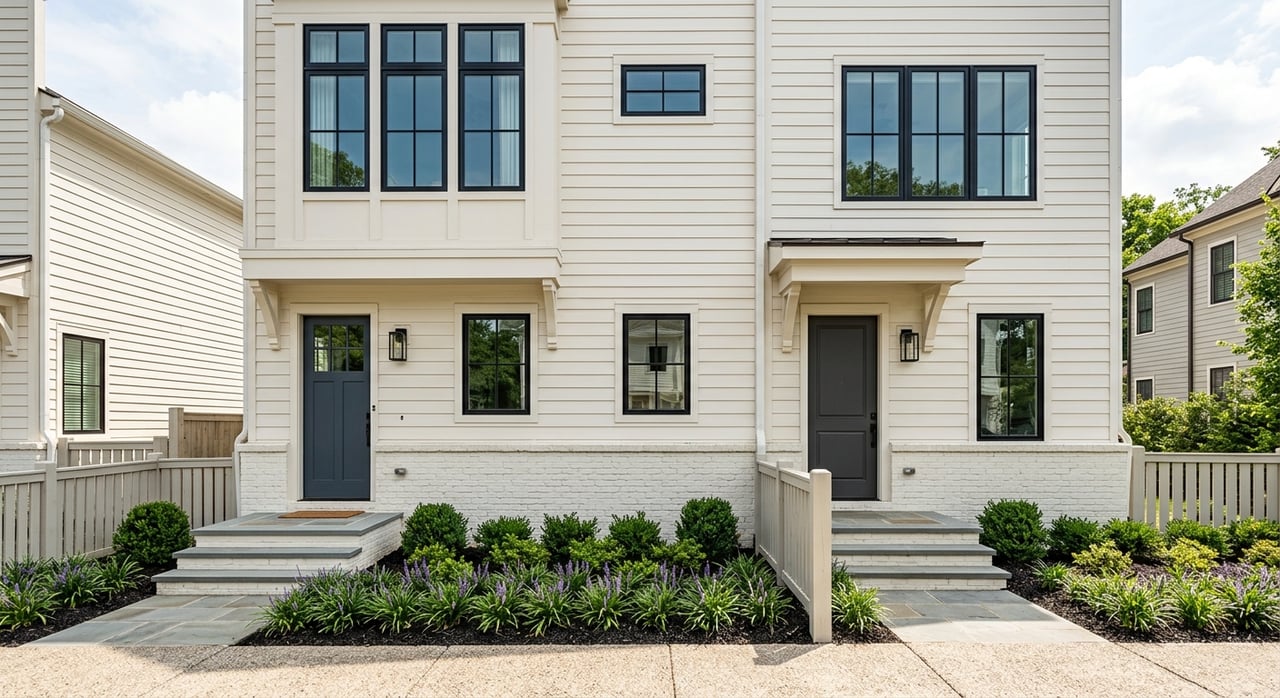
Condos and attached homes can be eligible, but approvals and documentation can take time. If you are considering a condo, tell your lender early so they can check any required project approvals. For manufactured homes, townhomes, or other property types, verify eligibility before you write an offer. Always confirm owner-occupancy rules and how long you must live in the home if your assistance is forgivable.
A clear path forward
You can buy in Gwinnett with help. Start with a participating lender, enroll in homebuyer education, verify program availability, and gather documents now. The sooner you confirm eligibility, the easier it is to write a strong offer that closes on time.
If you want a guide who understands eligibility, layered financing, and the realities of timelines, connect with Maja Sly. Our team of Atlanta real estate agents supports buyers through income-based programs, new construction, and resale, and we will help you map a practical plan from preapproval to closing.
FAQs
How much down payment assistance can I get in Gwinnett?
- Amounts vary by program and year. State and local funds can be grants, forgivable loans, or deferred second mortgages. Confirm current options with Georgia DCA, Gwinnett County, and a participating lender.
Can I combine DPA with FHA, VA, or USDA loans in Gwinnett?
- Sometimes. FHA and many conventional loans often allow pairing with DPA. VA and USDA have specific stacking rules. Ask a participating lender to verify for your situation.
Does down payment assistance have to be repaid?
- It depends on the program. Many offer forgivable second mortgages if you remain an owner-occupant for a set period. Selling, refinancing, or moving out early can trigger repayment.
Do I have to be a first-time homebuyer for Gwinnett DPA?
- Many programs target first-time buyers (no ownership in the past three years), but exceptions exist for veterans or certain workforce programs. Confirm the definition for each program.
How long does DPA approval take in Gwinnett?
- Expect added time for program review on top of standard mortgage underwriting. Plan for extra days to weeks depending on the program and funding cycle.
What credit score do I need to use DPA?
- Minimums are tied to your primary mortgage product and lender. For example, FHA historically allows lower scores with specific down payment rules, while conventional low-down options often require around 620 or higher.
Are condos eligible for DPA in Gwinnett?
- Some programs allow condos if the project meets program and lender requirements. Additional condo documentation can add time, so alert your lender early.
What documents should I gather before applying for DPA?
- Photo ID, Social Security numbers, pay stubs, W-2s, tax returns if self-employed, bank statements, homebuyer education certificate, purchase contract, and any gift letters required by your program and lender.