Contact
MAJA SLY
M: (404) 382-8440
O: (678) 298-1600
[email protected]
1100 Spring St NW Ste 360
Atlanta GA 30309
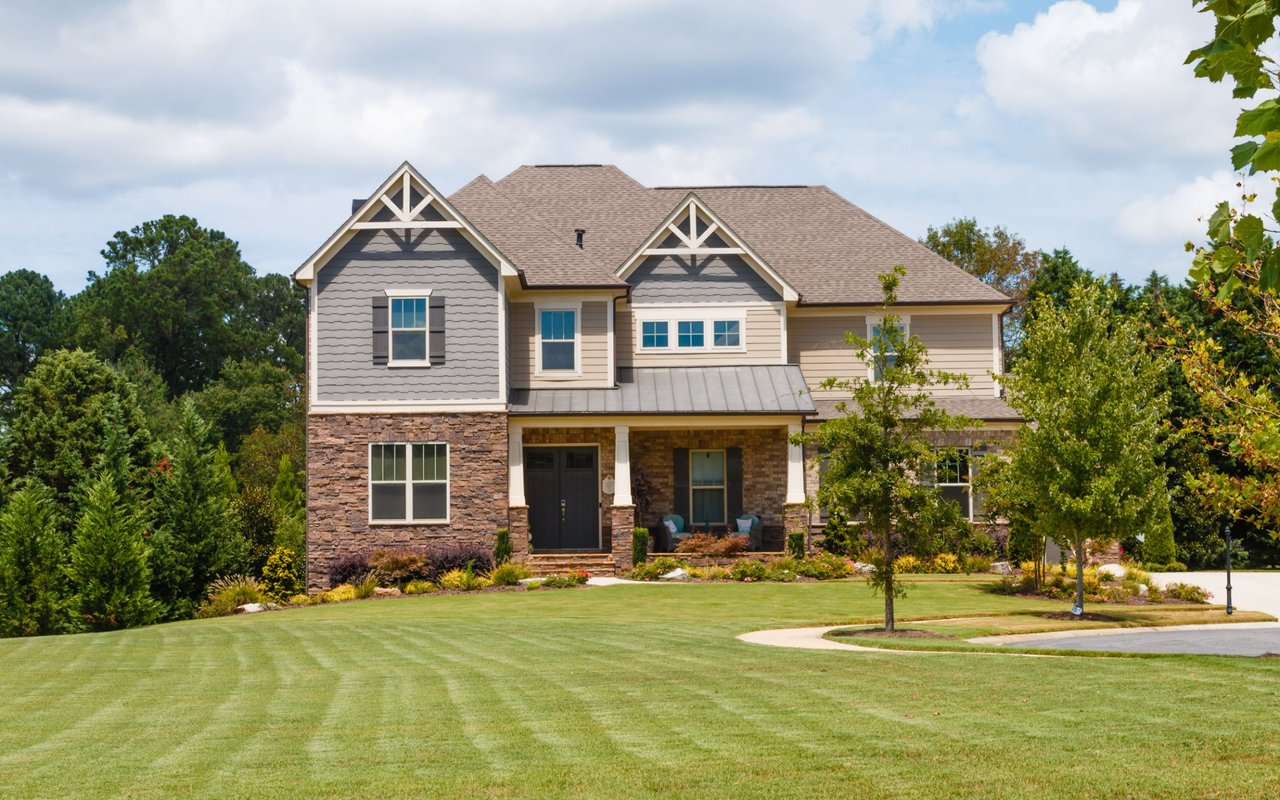
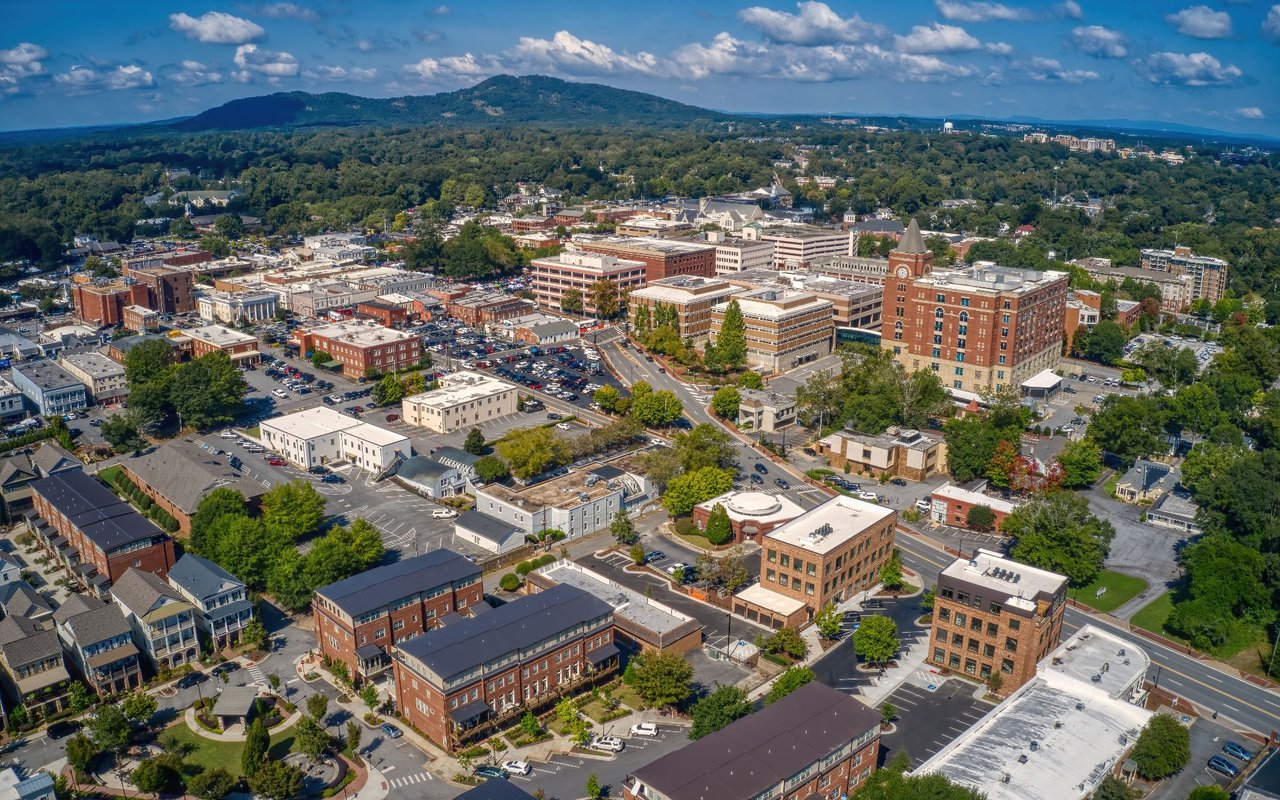
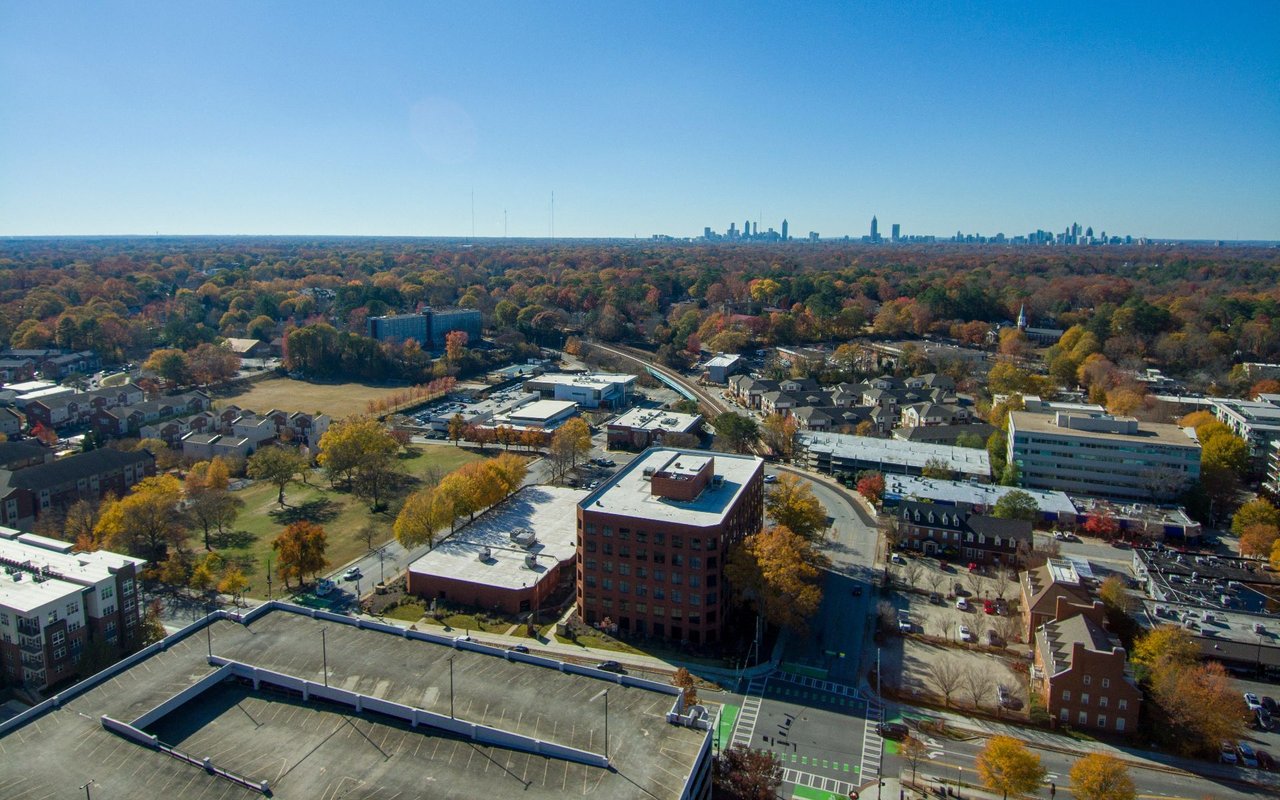
Grant Park is one of Atlanta's oldest neighborhoods, and it looks the part. Victorian mansions line wide boulevards. Craftsman bungalows sit under hundred-year-old oaks. A 131-acre park anchors the center of it all, complete with Zoo Atlanta, walking trails, and a public pool. Located just southeast of downtown, Grant Park manages to feel like a small Southern town while being minutes from the center of a major city. It's been drawing buyers since the 1990s restoration wave, and it hasn't slowed down.
The neighborhood was founded in 1883 when engineer and businessman Lemuel P. Grant donated 100 acres to the city. His 1858 mansion, the second-oldest house in Atlanta still standing on its original site, now serves as headquarters for the Atlanta Preservation Center. That sense of history isn't just academic here. It's visible on every block.
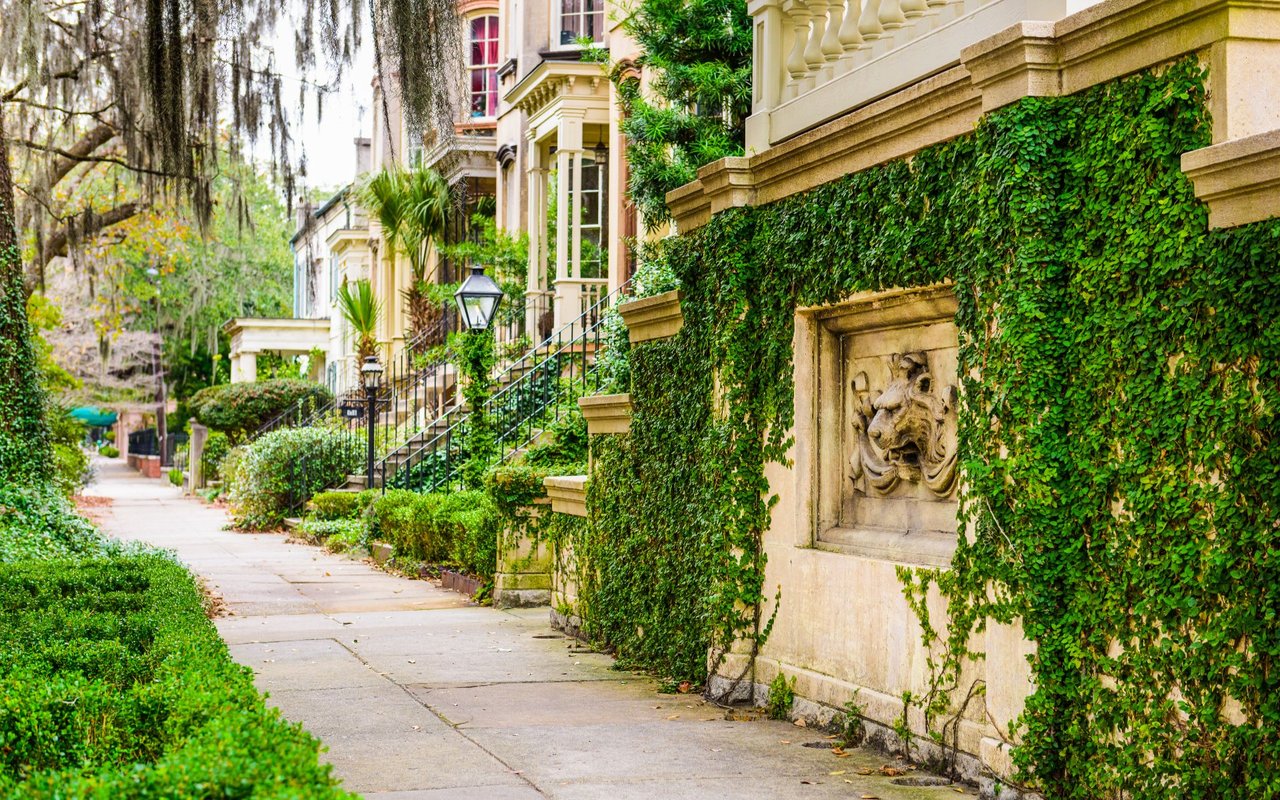
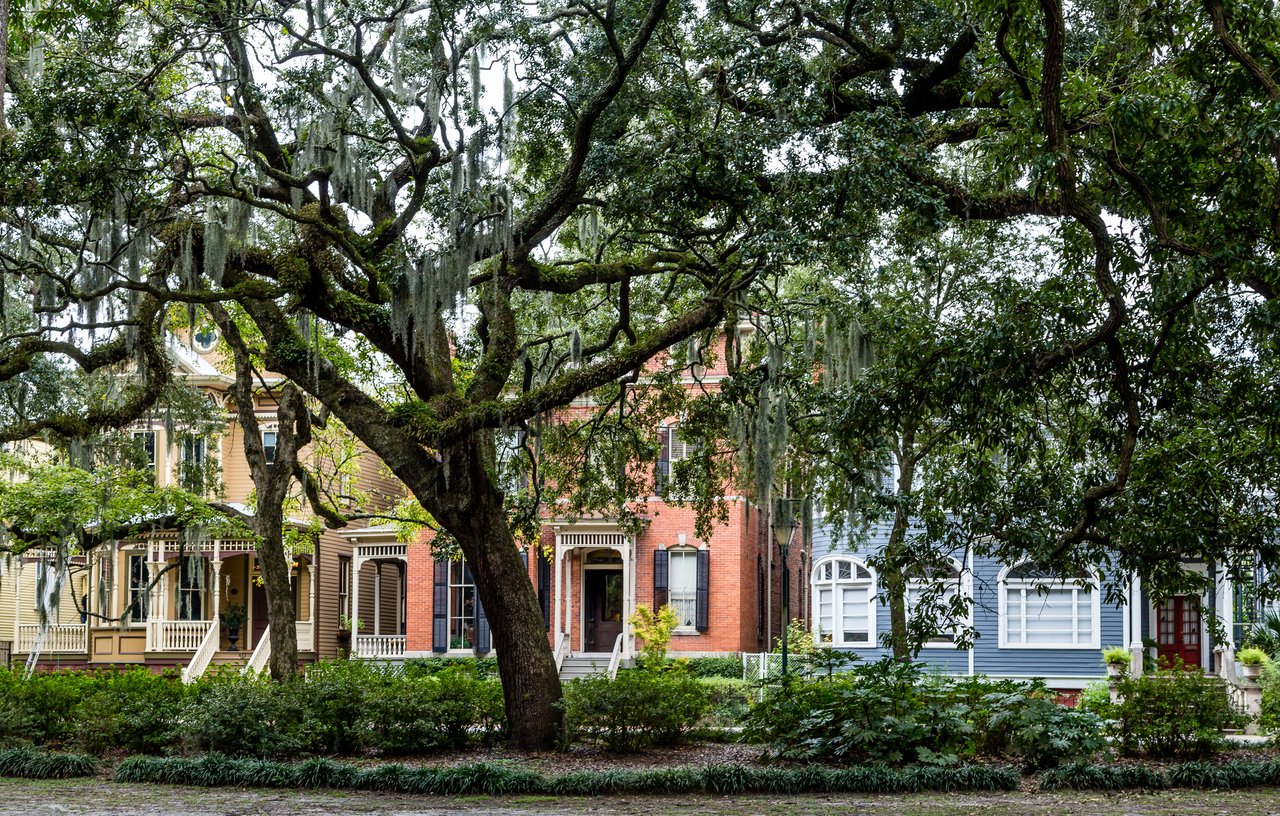
Grant Park's housing stock is one of its biggest draws. This is Atlanta's largest historic district, and the preservation guidelines ensure that new construction conforms to the architectural character of what's already here. The result is a neighborhood that feels cohesive and intentional, even as it evolves.
The oldest homes are the most striking. Large two-story Victorian and Queen Anne mansions face the park itself, many dating to the 1880s and 1890s. These are the showstoppers, with wraparound porches, 12-foot ceilings, heart pine floors, and ornate millwork. Moving outward from the park, you'll find more modest two-story Queen Anne houses, one-story Victorian cottages, and Craftsman bungalows from the early 1900s through the 1930s. Shotgun-style homes appear in pockets as well.
What does that mean for buyers? There's real architectural range here, even within a few blocks.
Local Tip: Grant Park's annual Candlelight Tour of Homes (held during the holidays) is one of the best ways to see the interiors of the neighborhood's most beautifully restored residences before you start your home search.
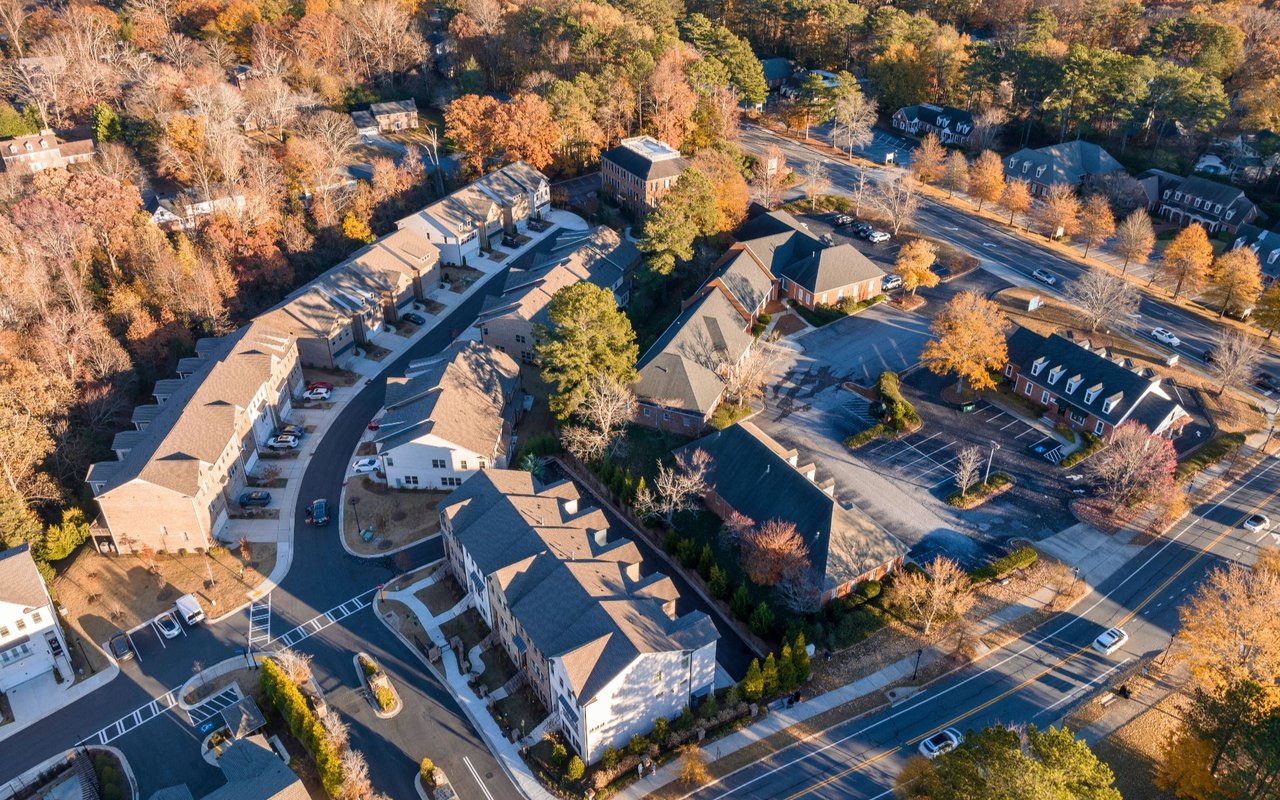
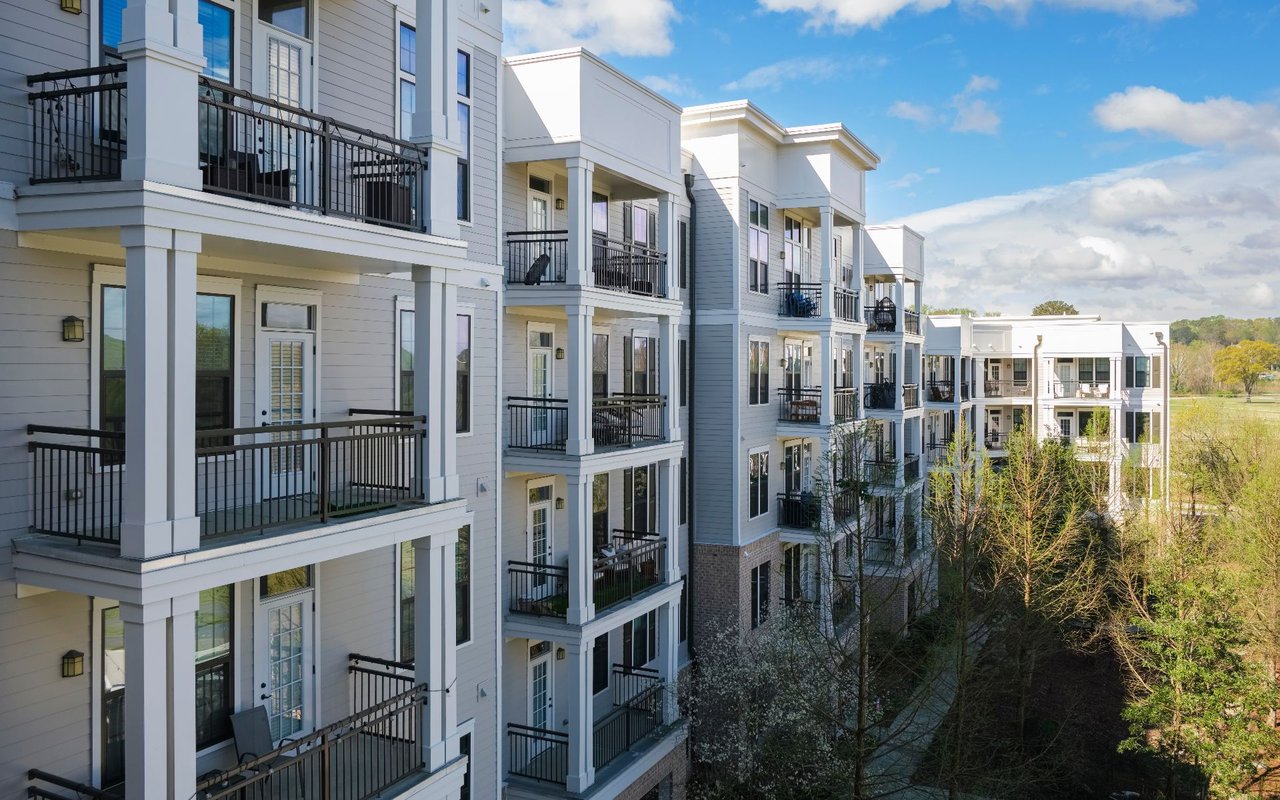
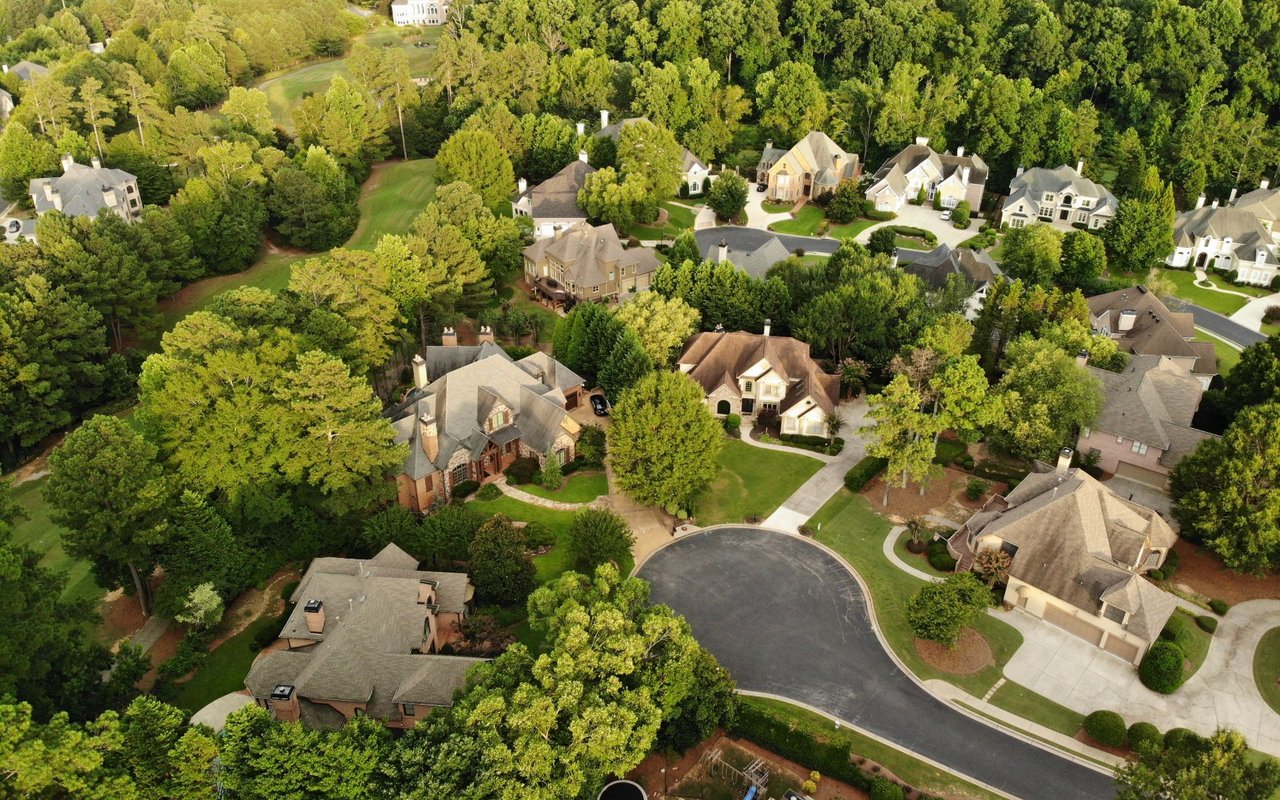
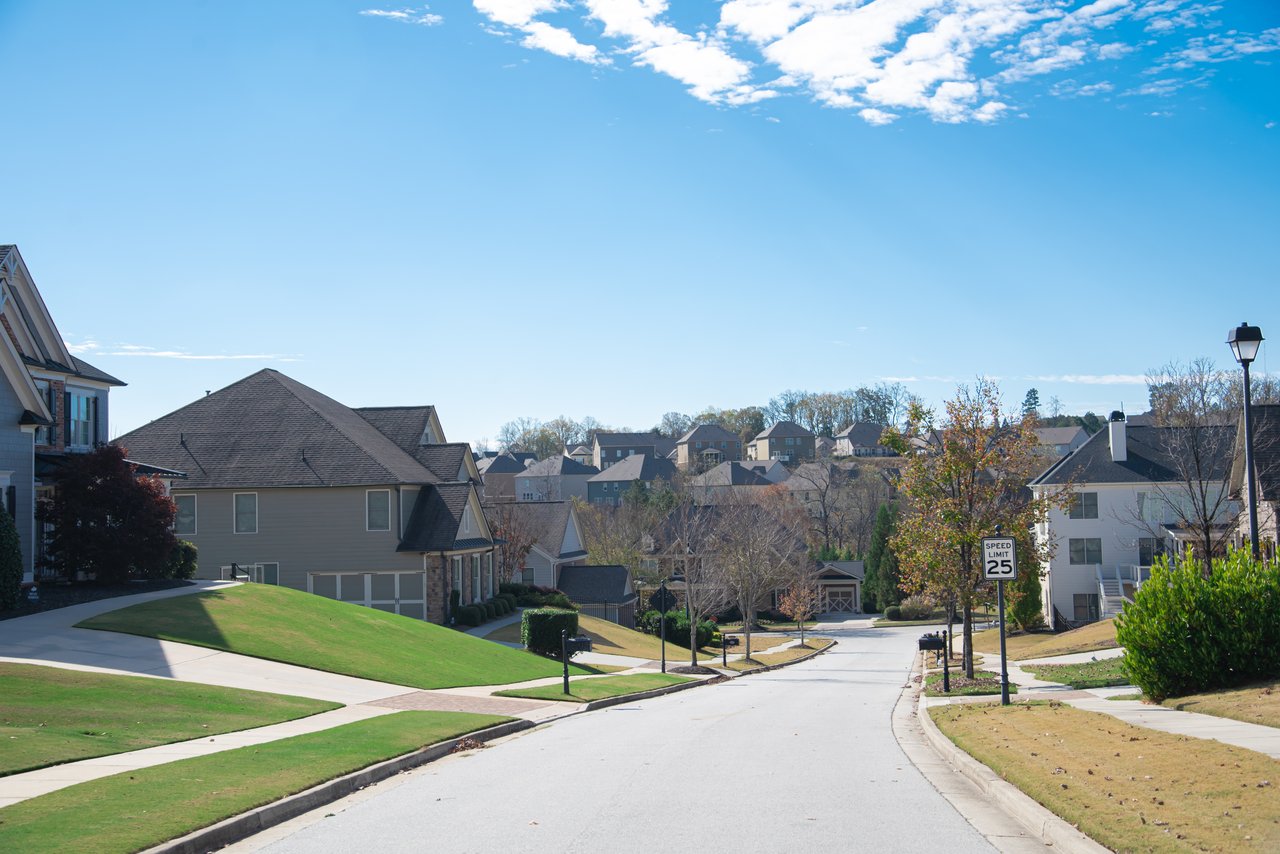
New construction has filled in over the past decade, but it's regulated. You'll find farmhouse-style builds, historic revival homes, and modern townhome communities that respect the neighborhood's visual language. Former industrial sites have been redeveloped into residential lofts, condos, and mixed-use projects. Properties typically sit on well-maintained lots with decorative stonework, front-yard footpaths, and mature trees.
Quick neighborhood snapshots:
Park-facing streets (Cherokee, Boulevard, Sydney): The premier addresses. Grand Victorians and Queen Anne homes with direct park access. The highest price points in the neighborhood.
Hill District (east of the park): Elevated lots with downtown skyline views. A good balance of Craftsman bungalows and modern infill. Popular with young professionals and families.
Memorial Drive corridor: Transitional area with a strong restaurant and retail scene. More new construction townhomes and condos here, and strong walkability to shops and dining.
South Grant Park (toward Chosewood Park): More affordable entry points with renovation activity. Larger lots and good proximity to the BeltLine's Southside Trail.
Grant Park is served by Atlanta Public Schools. Parkside Elementary holds a B-minus Niche grade, and both Parkside and King Middle School are International Baccalaureate World Schools. Maynard Holbrook Jackson High School is rated a B and also offers an IB program. The Atlanta Neighborhood Charter School, one of the city's first charter schools, operates a K-5 campus in Grant Park and a 6-8 campus in neighboring Ormewood Park.
The food scene in Grant Park has come into its own. Ria's Bluebird is a neighborhood institution, famous for its pancakes (there's almost always a wait, and it's almost always worth it). Elsewhere Brewing, located in the historic Beacon development, is an experimental brewery with rotating limited-edition beers and a laid-back patio. Hotto Hotto serves excellent ramen and teppanyaki. And the list keeps going.
Here are a few more spots worth knowing:
The bottom line? You won't run out of places to eat within walking distance.
The park itself is the heart of daily life. Grant Park's 131 acres include walking trails through mature trees, a public swimming pool, hard-surface tennis courts, playgrounds, and plenty of shaded picnic areas. Zoo Atlanta, inside the park, draws over a million visitors a year and is a genuine neighborhood amenity (not just a tourist attraction). Residents with memberships treat it like a second backyard.
But wait. Oakland Cemetery, on the neighborhood's northern edge, is one of Atlanta's most underappreciated treasures. Established in 1850, this 48-acre Victorian garden cemetery is the final resting place of author Margaret Mitchell, golfer Bobby Jones, 25 former Atlanta mayors, and six former Georgia governors. The cemetery hosts guided tours, festivals, and the popular "Run Like Hell" fun run. It functions more like a public park than a traditional cemetery.
The community calendar is packed. The Grant Park Summer Shade Festival brings two stages of live music, food trucks, and art vendors every August (admission is free). The Candlelight Tour of Homes opens up the neighborhood's most impressive historic residences during the holidays. Porch Fest features live music performed on residents' front porches throughout the neighborhood. And the Grant Park Farmers Market (Sundays, April through December) is a weekly anchor, with local produce, artisan goods, and a community atmosphere that's kid-friendly and dog-friendly.
Local Tip: Dog owners, take note. Grant Park consistently ranks as one of Atlanta's most dog-friendly neighborhoods. Between the park trails, the BeltLine, and the number of pet-welcoming businesses, this is an excellent place to own a dog.
Getting around is easy. I-20 runs just north of the neighborhood, and there are three access points from Grant Park. Downtown Atlanta is less than 5 miles away. Hartsfield-Jackson International Airport is about 11 miles south. The BeltLine's Southside Trail provides pedestrian and bike connections to neighboring areas, and the Inman Park/Reynoldstown MARTA station on the Blue and Green lines is accessible for rail transit. Most daily errands, though, can be handled on foot.
Grant Park is for buyers who want the feel of a historic Southern neighborhood without giving up proximity to everything Atlanta offers. The homes have personality. The park is a genuine anchor. The food is getting better every year. And the community spirit, from the volunteer-run festivals to the preservation efforts, is the kind of thing that's hard to manufacture and impossible to fake.
9,163 people live in Grant Park, where the median age is 35 and the average individual income is $78,430. Data provided by the U.S. Census Bureau.
Total Population
Median Age
Population Density
Average individual Income
There's plenty to do around Grant Park, including shopping, dining, nightlife, parks, and more. Data provided by Walk Score and Yelp.
Explore popular things to do in the area, including Wine Circle, Lil Homies Lemonade, and Whatley Sweets.
| Name | Category | Distance | Reviews |
Ratings by
Yelp
|
|---|---|---|---|---|
| Dining | 0.31 miles | 0 reviews | 0/5 stars | |
| Dining | 0.57 miles | 0 reviews | 0/5 stars | |
| Dining | 0.57 miles | 0 reviews | 0/5 stars | |
| Dining | 0.57 miles | 0 reviews | 0/5 stars | |
| Dining | 0.62 miles | 0 reviews | 0/5 stars | |
| Dining | 0.76 miles | 0 reviews | 0/5 stars | |
| Beauty | 0.57 miles | 0 reviews | 0/5 stars | |
| Beauty | 0.57 miles | 0 reviews | 0/5 stars | |
| Beauty | 0.57 miles | 0 reviews | 0/5 stars | |
| Beauty | 0.57 miles | 0 reviews | 0/5 stars | |
| Beauty | 0.57 miles | 0 reviews | 0/5 stars | |
| Beauty | 0.59 miles | 0 reviews | 0/5 stars | |
| Beauty | 0.62 miles | 0 reviews | 0/5 stars | |
|
|
||||
|
|
||||
|
|
||||
|
|
||||
|
|
||||
|
|
Grant Park has 4,140 households, with an average household size of 2. Data provided by the U.S. Census Bureau. Here’s what the people living in Grant Park do for work — and how long it takes them to get there. Data provided by the U.S. Census Bureau. 9,163 people call Grant Park home. The population density is 6,056 and the largest age group is Data provided by the U.S. Census Bureau.
Total Population
Population Density Population Density This is the number of people per square mile in a neighborhood.
Median Age
Men vs Women
Population by Age Group
0-9 Years
10-17 Years
18-24 Years
25-64 Years
65-74 Years
75+ Years
Education Level
Total Households
Average Household Size
Average individual Income
Households with Children
With Children:
Without Children:
Blue vs White Collar Workers
Blue Collar:
White Collar:

MAJA SLY
M: (404) 382-8440
O: (678) 298-1600
[email protected]
1100 Spring St NW Ste 360
Atlanta GA 30309
MAJA SLY
M: (404) 382-8440
O: (678) 298-1600
[email protected]
1100 Spring St NW Ste 360
Atlanta GA 30309