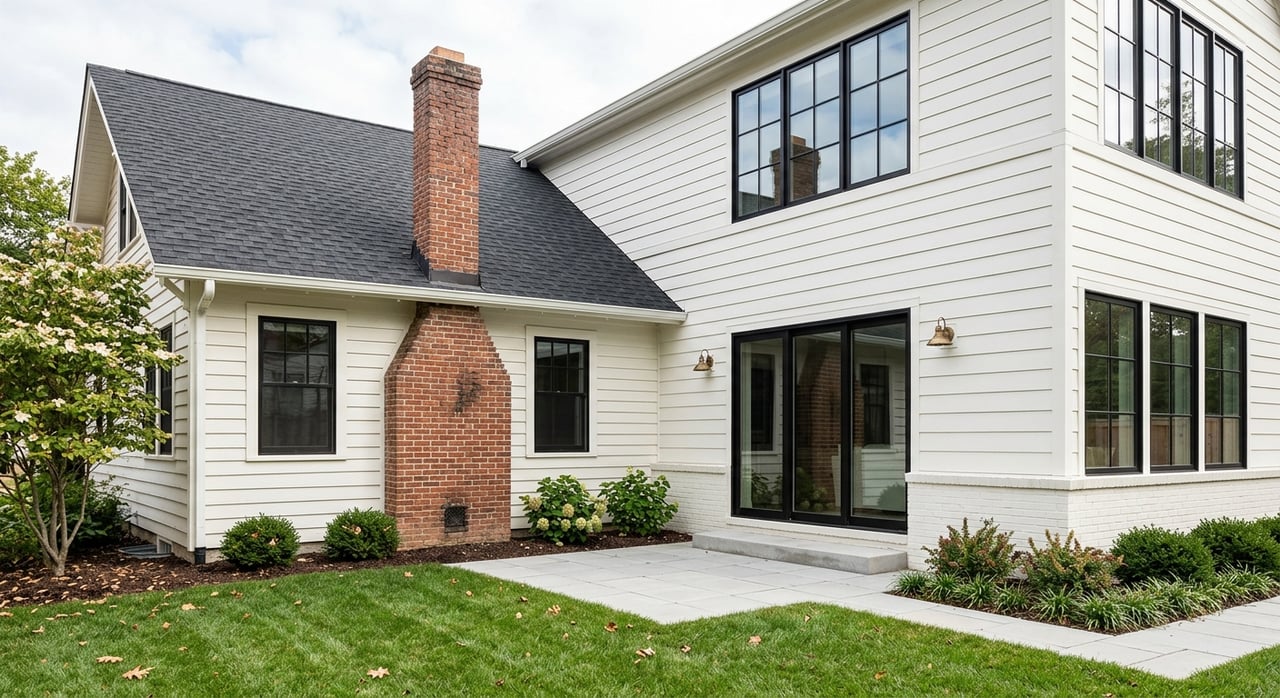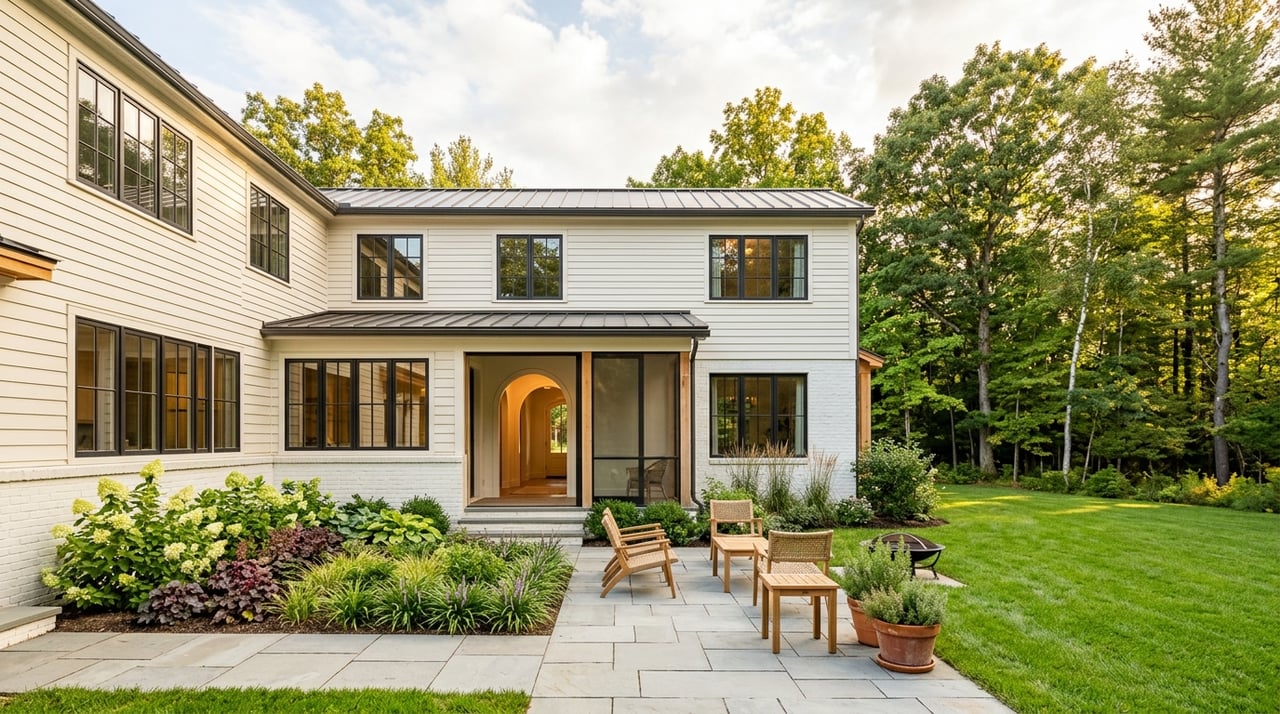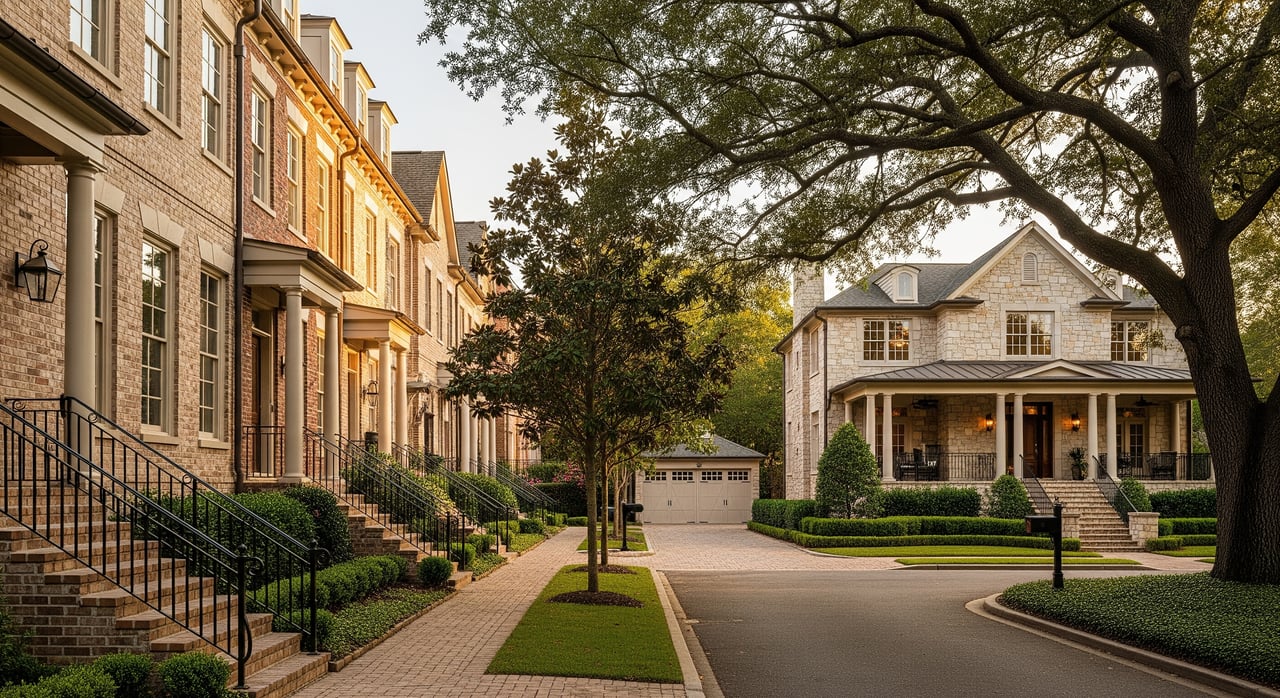
Trying to decide between a townhome and a detached house in Johns Creek? You are not alone. You want the right space, the right commute, and a smart monthly payment without surprises. In this guide, you will learn how costs, HOA rules, and lifestyle trade-offs differ here, plus a simple framework and checklist to help you choose with confidence. Let’s dive in.
Johns Creek at a glance
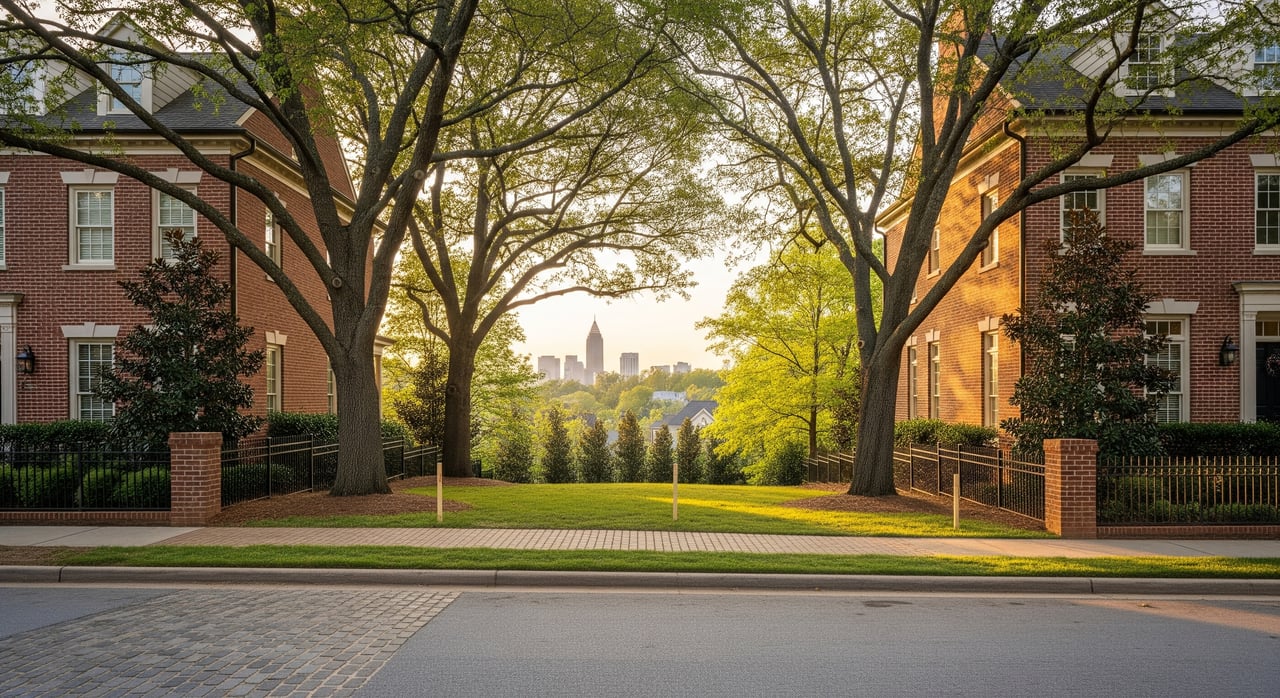
Johns Creek sits in northeastern Fulton County inside the Atlanta metro. The city is known for established subdivisions with larger single-family homes, newer townhome developments near commercial corridors, and strong public schools. Most residents drive, so your location relative to GA-400, State Route 141, and key arterials like State Bridge Road can shape your daily routine.
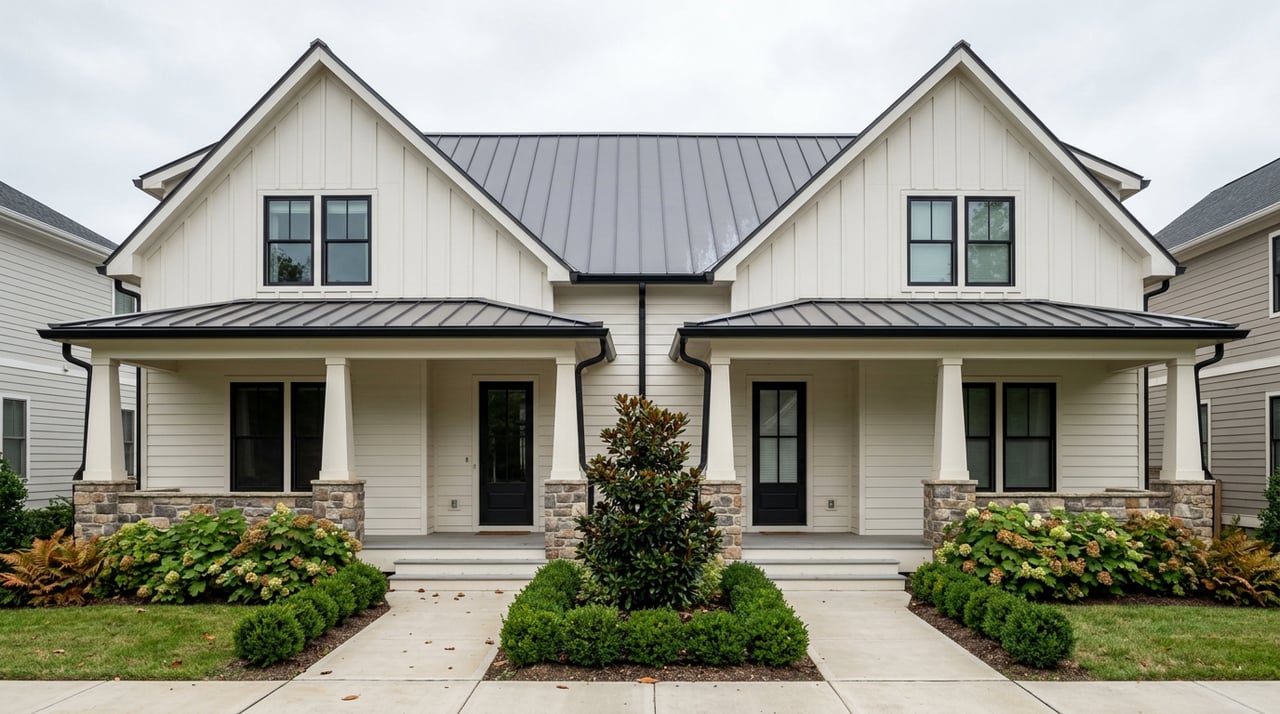
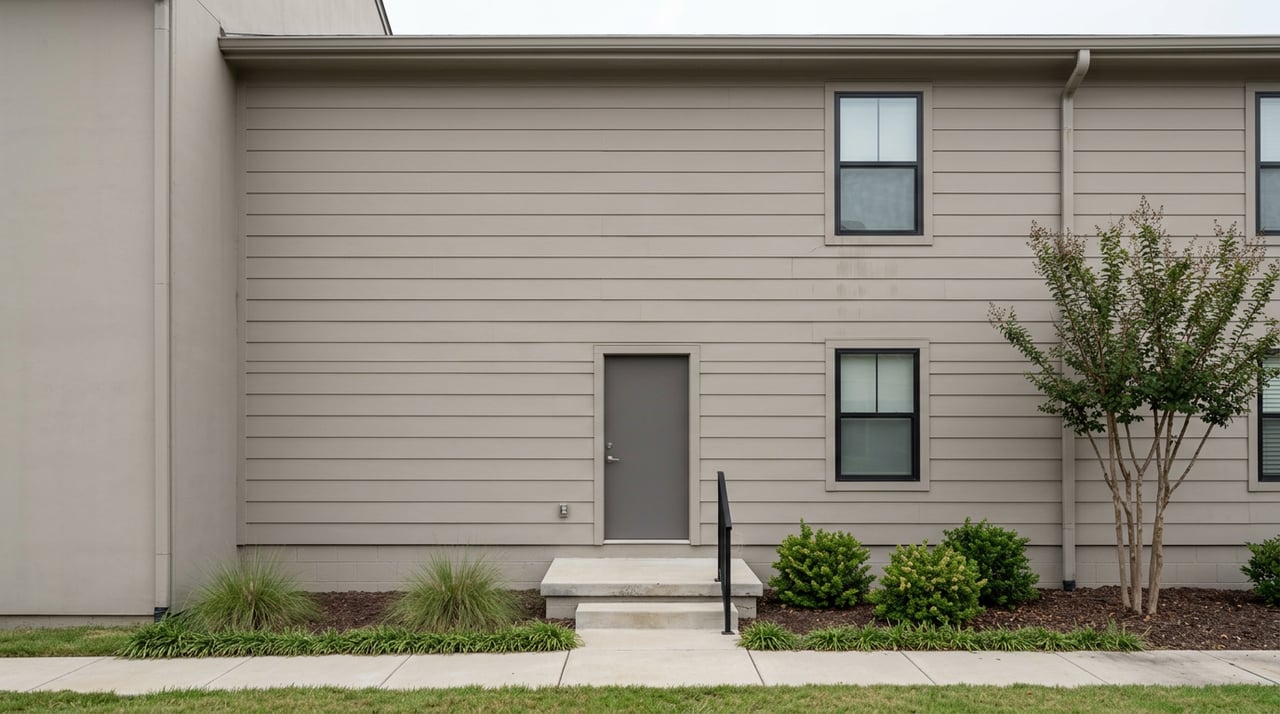
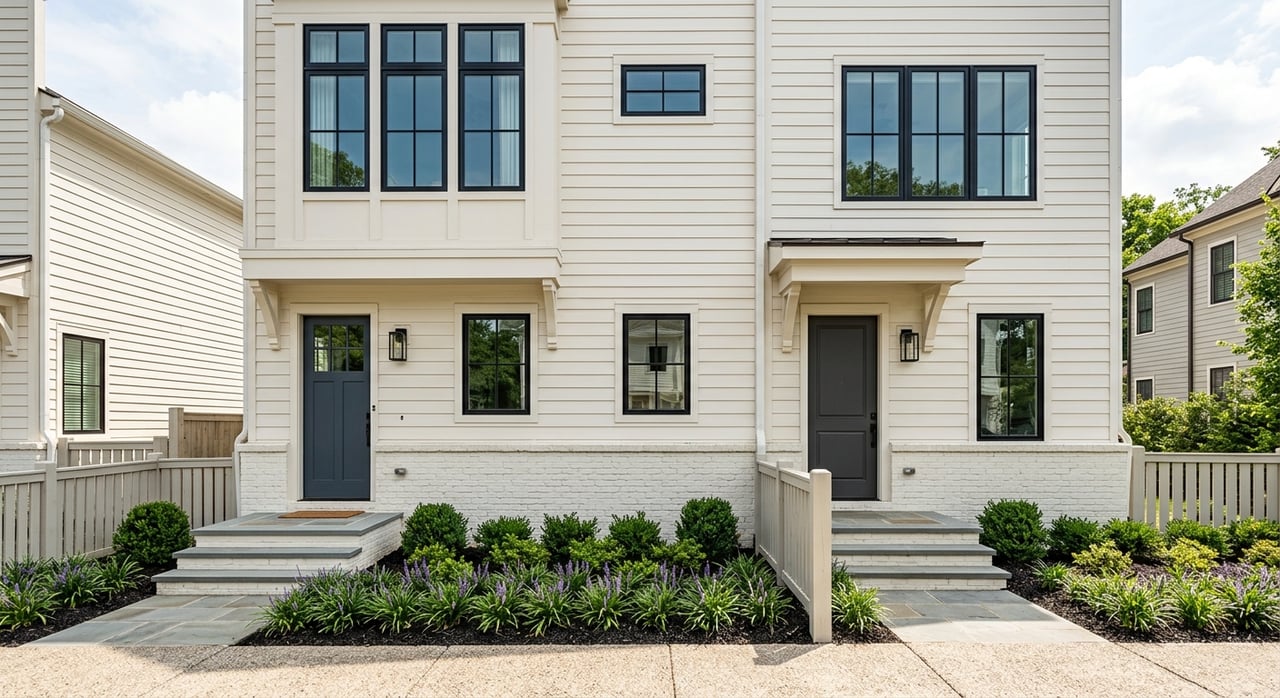
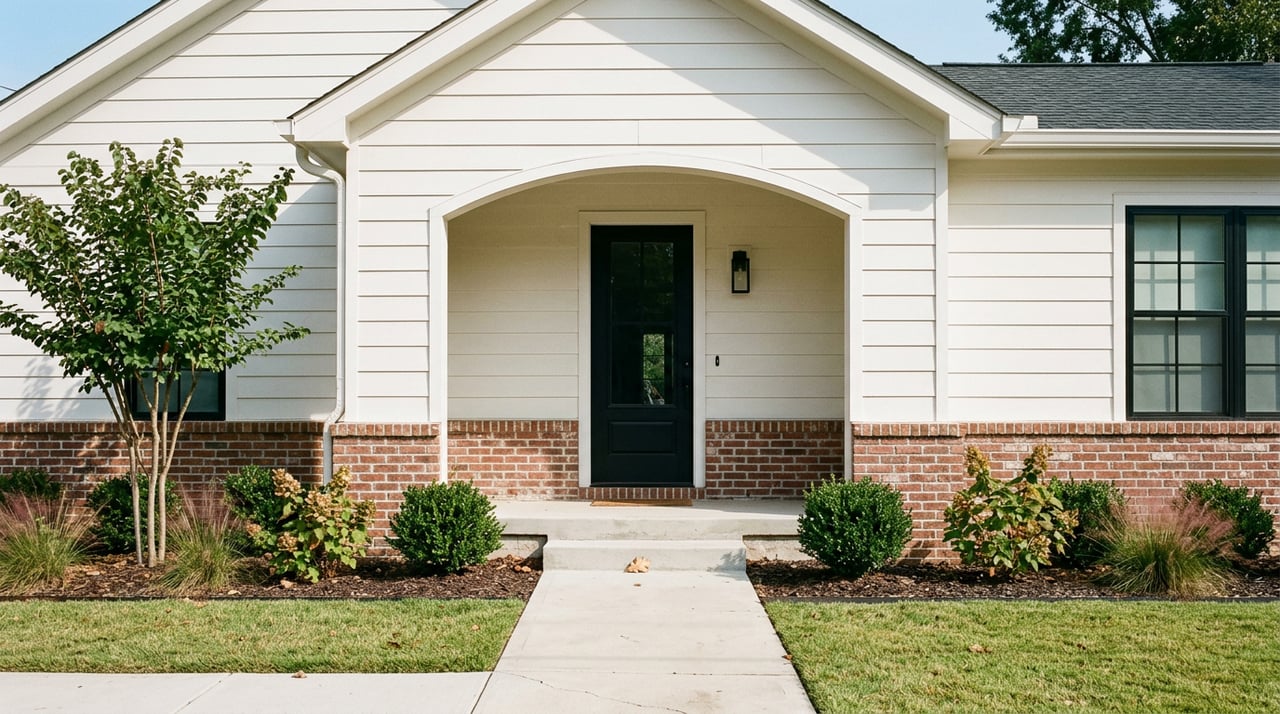
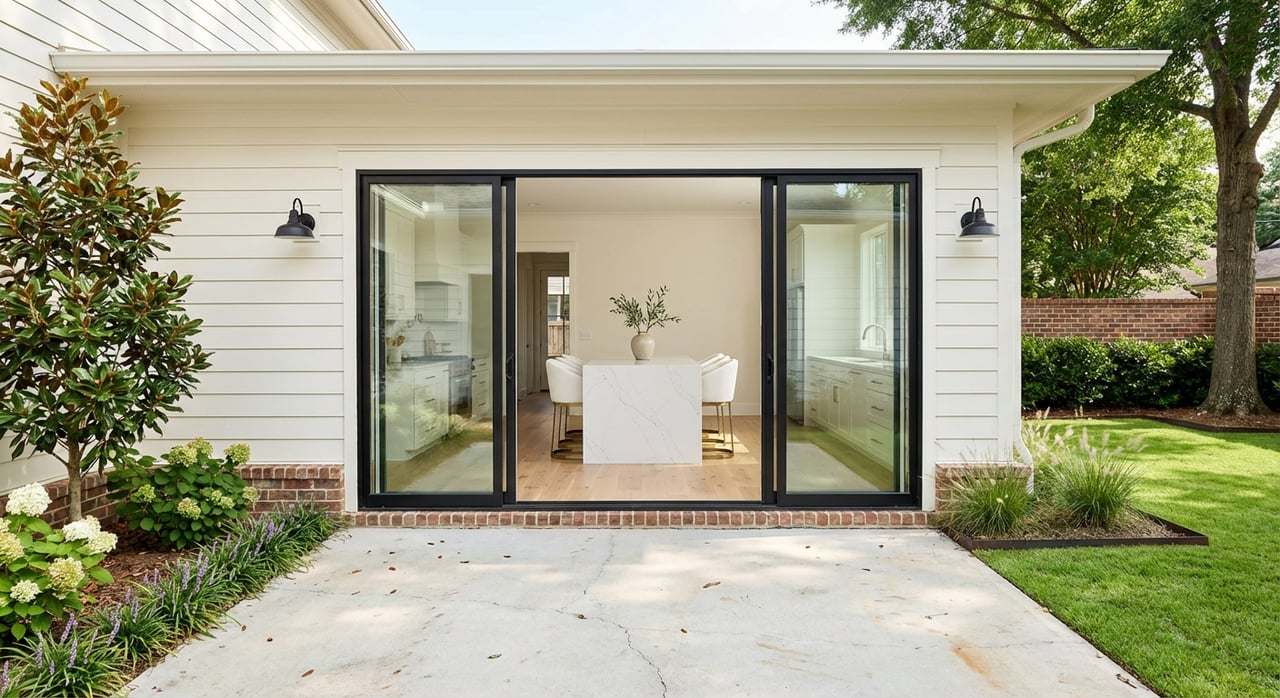
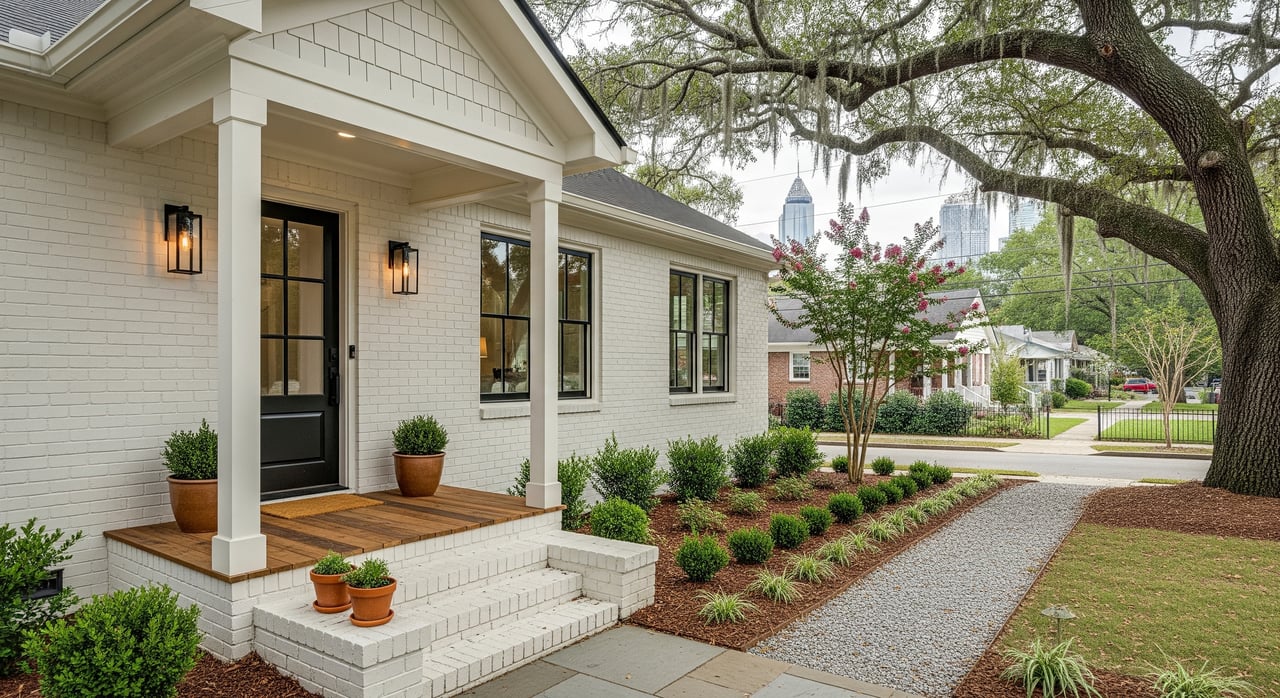
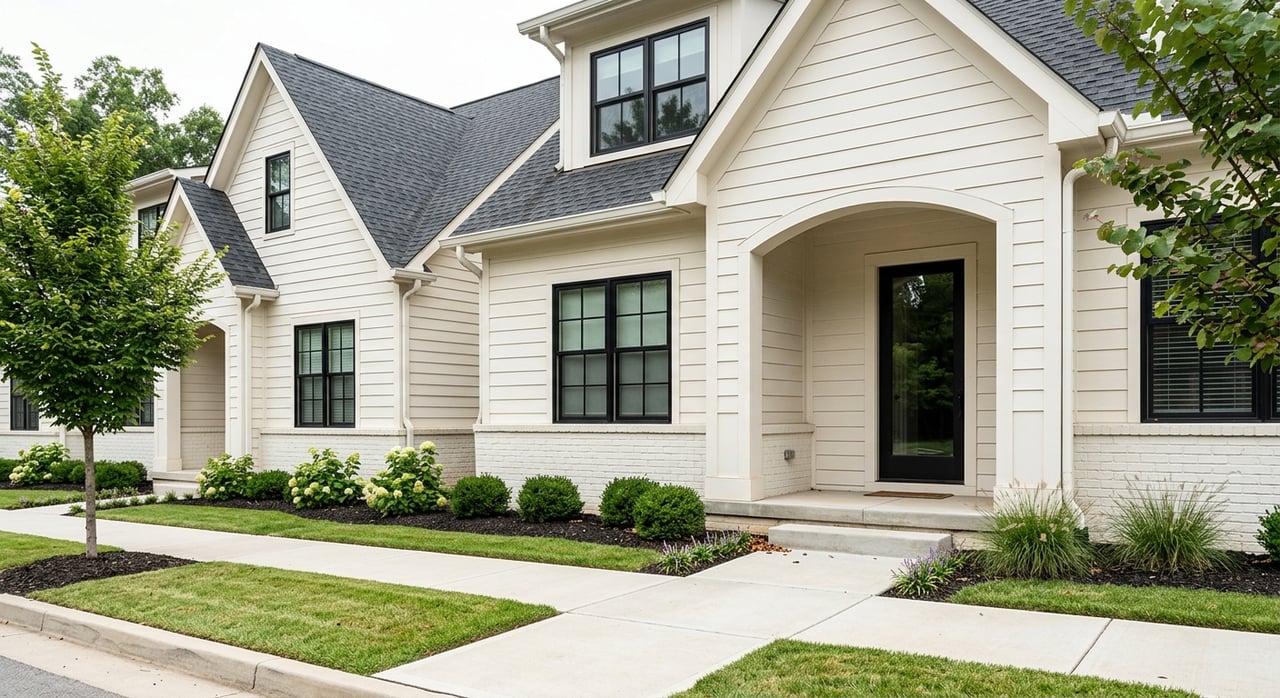
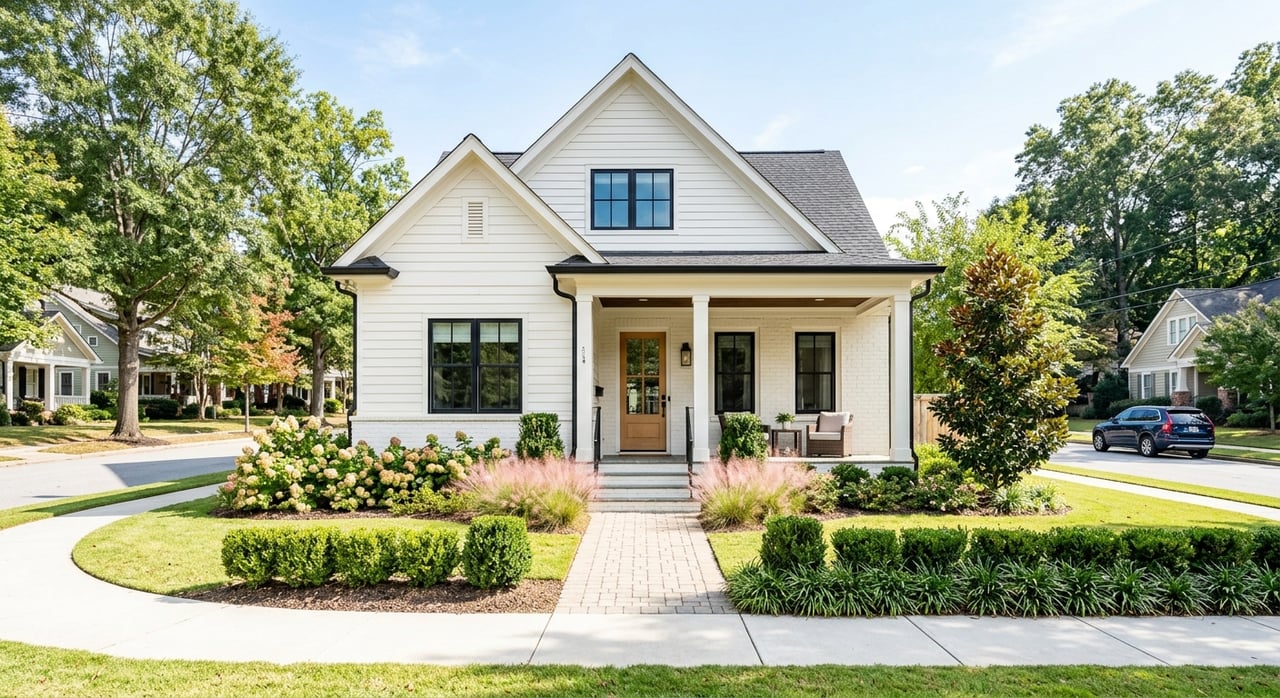
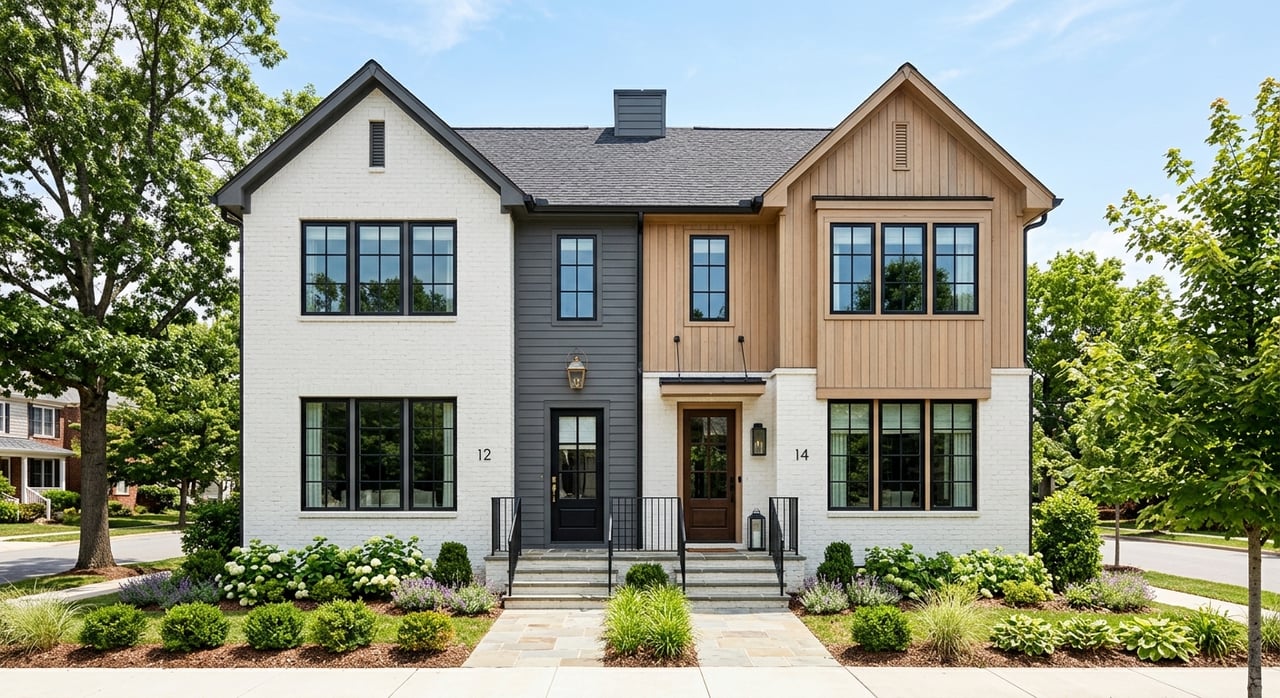
Townhomes are often clustered near retail and mixed-use nodes, which can boost convenience and walkability. Detached homes are common across mature neighborhoods with larger lots and more private outdoor space. HOA-managed amenities, parks, and golf courses add to the appeal across both options.
Cost comparison: townhome vs house
Understanding your total cost of ownership is the fastest way to compare options. Factor in purchase price, taxes, insurance, HOA dues, maintenance, utilities, and financing.
Purchase price dynamics
In Johns Creek, townhomes often have a lower total purchase price than similarly located detached homes. On a price-per-square-foot basis, newer townhomes close to amenities can be similar to, or higher than, older detached options. Market dynamics vary by neighborhood, so compare recent sales over the last 6 to 12 months to see real patterns.
Property taxes
Property taxes are based on assessed value with combined county, city, and school millage rates. Since townhomes often sell for less than detached homes, the total tax bill may be lower, but the rate per assessed dollar is the same. Review homestead or senior exemptions that could reduce your bill and confirm how assessments apply by ownership type.
HOA fees and scope
Townhome HOAs typically manage exterior elements and common areas, which can streamline your monthly upkeep. Coverage may include landscaping, exterior maintenance, roof and siding, trash, and amenities, but it varies by community. Detached-home HOAs usually maintain shared amenities and enforce covenants, while you handle your own roof, exterior, and yard.
Budget for potential HOA special assessments. Ask for budgets, reserve studies, and meeting minutes to understand upcoming projects and financial health. A well-funded reserve and clear maintenance schedules reduce risk and surprise costs.
Insurance differences
Detached homes generally use standard homeowners policies that cover the structure and your belongings. Townhome coverage depends on legal form. If the townhome is a condo-form property, the HOA’s master policy may cover the building and common elements while you hold an HO-6 policy for interior finishes and personal property. If it is fee-simple, you likely insure the unit similar to a single-family home and the HOA covers common areas only. Confirm whether the HOA is “walls-in” or “bare-walls” so you are not underinsured.
Maintenance and utilities
Detached homes bring more exterior maintenance and yard care, which takes time and money. Townhomes often shift exterior work to the HOA, trading a predictable monthly fee for less personal upkeep. Utilities can differ as well. Smaller footprints and shared walls can lower heating and cooling needs in townhomes, while detached homes with larger yards may have higher water and landscaping costs. For planning, many owners set aside a percentage of home value for annual maintenance, adjusting higher for older properties or complex systems.
Financing and resale
Funding a fee-simple townhome usually looks similar to financing a detached home. Condo-form townhomes can require project approvals for certain loan programs, which adds steps and can affect timelines. On resale, detached homes tend to draw broader buyer pools seeking yards and privacy, while townhomes can shine near employment centers and retail if buyers value lock-and-leave convenience. HOA quality and location play a big role in long-term value.
Lifestyle trade-offs in Johns Creek
Space and privacy
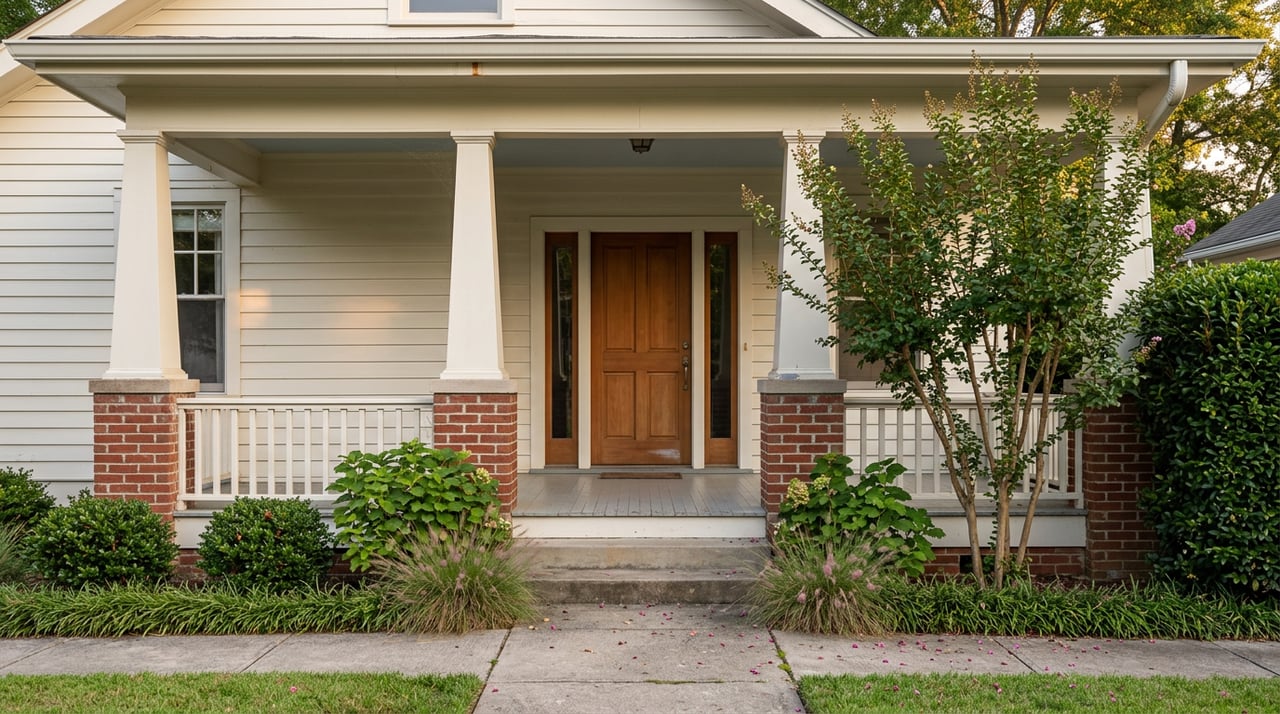
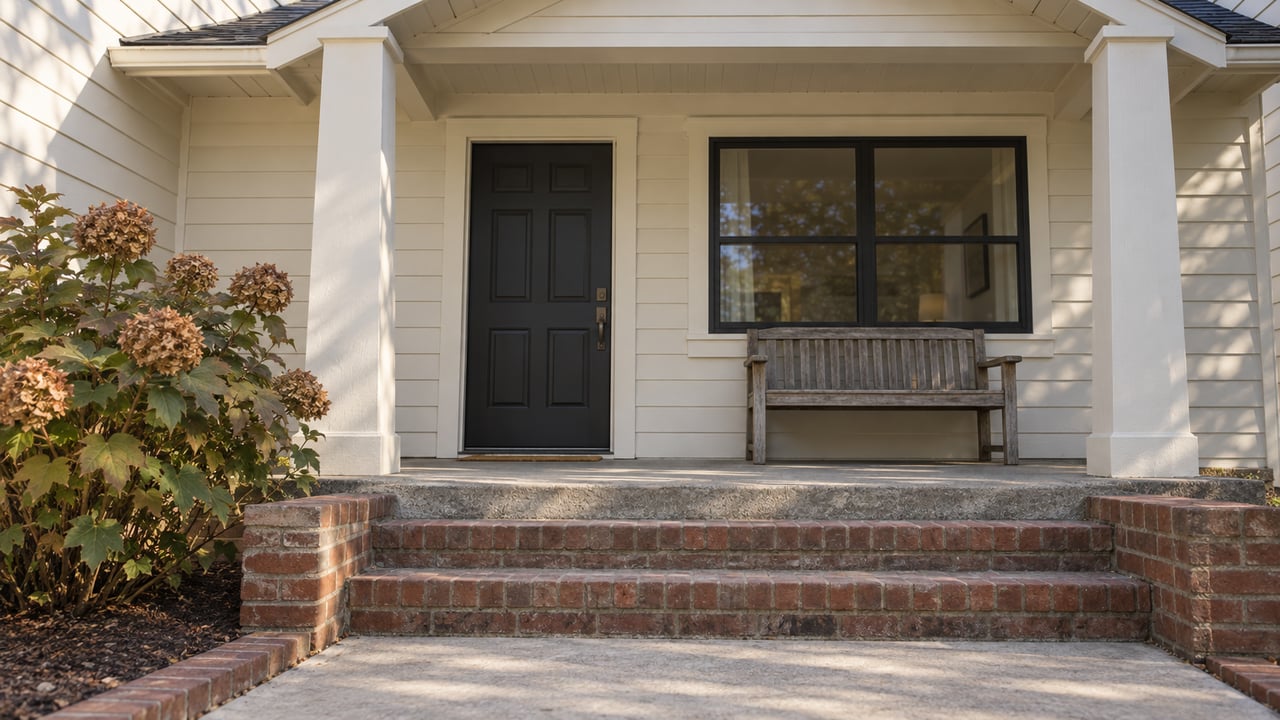
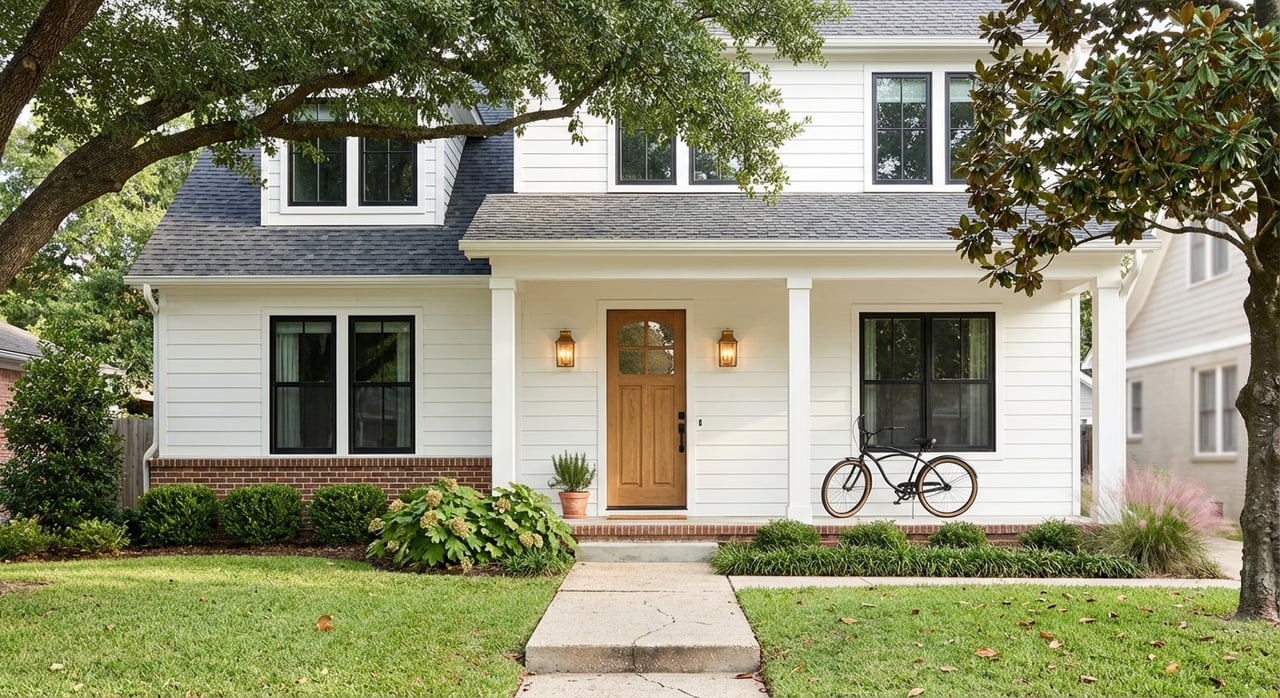
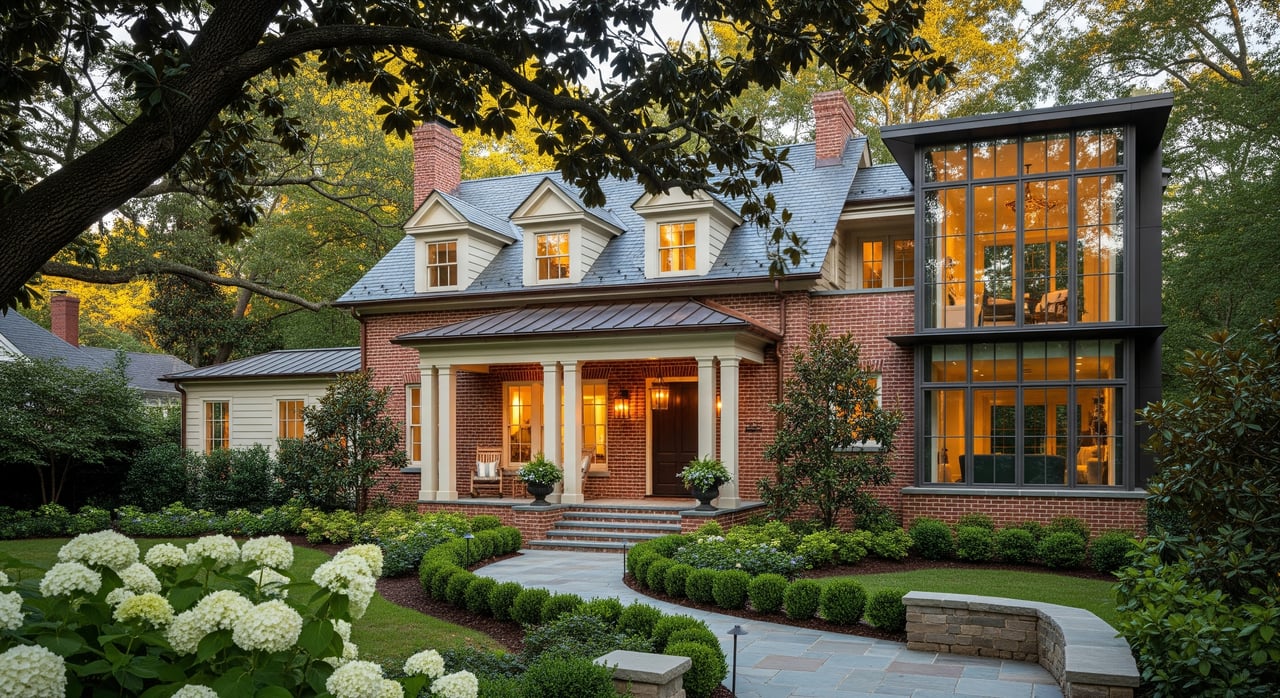
Detached homes offer more private outdoor space, greater separation from neighbors, and flexibility for additions. If you plan to expand, add a deck, or change exterior finishes, a detached home can provide more options within zoning and HOA rules. Townhomes deliver a simpler lifestyle with less exterior upkeep and often newer finishes in a smaller footprint.
Community and amenities
Townhome communities often include pools, clubhouses, landscaping, and sometimes fitness spaces. Many detached-home neighborhoods also offer pools and playgrounds under an amenity HOA. The difference comes down to cost, the level of maintenance provided, and your preference for shared amenities.
Commute and location
Johns Creek is car-oriented. Living closer to State Route 141 or GA-400 can shorten drive times to Alpharetta, Buckhead, or Atlanta during peak traffic. Townhomes are frequently sited near major corridors and retail, which can cut minutes off your daily commute. Detached homes located deeper within subdivisions may trade commute time for privacy and yard space.
Schools and proximity
School quality is a key factor for many buyers. Some families lean toward detached homes for more bedrooms and yards, while others prefer a well-located townhome in the desired school zone. Always confirm property-specific school assignments through the district before you make an offer.
Maintenance tolerance
If you want less weekend yardwork and more predictability, a townhome with HOA-covered exterior tasks can be a strong fit. If you enjoy gardening, want room for pets to roam, or need space for hobbies, a detached home may better match your lifestyle.
A simple decision framework
Use this step-by-step process to compare real homes in Johns Creek and make a confident choice.
- Set non-negotiables
- Yard and privacy needs vs low-maintenance living
- School requirements tied to a specific attendance zone
- Maximum commute time and preferred routes
- Define your budget
- Include mortgage, taxes, insurance, HOA dues, utilities, and a maintenance reserve
- Add a buffer for potential HOA special assessments if you are leaning toward a townhome
- Narrow your target areas
- Identify subdivisions and townhome communities that match commute and school goals
- Note HOA amenity levels and rules that fit your lifestyle
- Compare total cost of ownership for specific homes
- Use real listings and calculate monthly and yearly costs side by side
- Review HOA health and legal docs
- Confirm coverage, reserves, planned projects, rental rules, and any litigation
- Check financing and exit strategy
- Verify condo approvals if applicable and consider buyer demand on resale
Buyer checklist for tours
Bring this list when you tour homes or request documents:
- Ownership form
- Fee-simple or condo-form townhome, or detached single-family
- HOA coverage and fees
- What is included and excluded, current dues, and any pending increases or assessments
- Reserves and projects
- Reserve study, capital plan, and recent meeting minutes
- Insurance responsibilities
- Master policy vs unit policy, required coverage limits
- Maintenance responsibilities
- Who handles roofs, siding, gutters, driveways, and exterior painting
- Utilities and services
- Trash, water, landscaping, irrigation, and security included or separate
- Parking and guests
- Garage capacity, assigned spaces, and visitor parking rules
- Rental and occupancy rules
- Any caps on rentals or short-term restrictions
- Zoning and nearby development
- Approved or proposed projects that may affect traffic or views
- School assignments
- Verify the exact address with the district’s boundary lookup
- Commute test
- Drive your route during peak hours from the property
- Recent comparable sales
- Review 6 to 12 months of comps in the immediate area
- Condition and systems
- Roof, HVAC, water heater age, and any signs of water intrusion
- Lender requirements
- If condo-form, check approval status for your loan program
Your TCO worksheet
Use this quick list to total your monthly and annual cost for each property:
- Principal and interest
- Property taxes
- Homeowners insurance
- HOA dues
- Utilities and services not covered by the HOA
- Maintenance reserve for routine and capital items
- Allowance for potential special assessments if HOA reserves are thin
Write down the numbers for two or three finalists. The better fit should become clear once costs and lifestyle factors are on one page.
Common pitfalls to avoid
- Skipping HOA documents. You need the CC&Rs, bylaws, recent budgets, reserve studies, and meeting minutes to spot risk.
- Assuming insurance coverage. Always confirm whether the HOA policy is walls-in or bare-walls and set your personal policy correctly.
- Ignoring commute tests. Real drive times during rush hour can change your decision.
- Overlooking ownership form. Financing and insurance differ across fee-simple and condo-form townhomes.
Ready to decide?
Whether you value a low-maintenance townhome near daily conveniences or a detached home with room to grow, the right fit in Johns Creek comes down to clarity on costs, commute, and community. If you want help running a total cost comparison and narrowing target neighborhoods, connect with Maja Sly for a plan that matches your goals.
FAQs
What costs make townhomes cheaper in Johns Creek?
- Townhomes often have lower purchase prices and smaller tax bills than detached homes, and exterior upkeep is commonly shared through HOA dues, which can reduce surprise maintenance costs.
How do HOA fees for townhomes usually work?
- Townhome HOAs often cover exterior maintenance, landscaping, common-area insurance, and amenities; review the budget and reserve study to confirm scope, dues stability, and any upcoming projects.
Do condo-form townhomes affect financing options?
- Yes. Some loan programs require condominium project approval; verify approval status early and confirm the HOA’s financials to avoid delays.
What insurance do I need for a townhome?
- It depends on ownership form. Condo-form units often use an HO-6 policy for interiors and personal property, while fee-simple townhomes usually require a policy similar to detached homes; confirm what the HOA’s master policy covers.
How should I compare commute times in Johns Creek?
- Identify your most common routes to GA-400 or State Route 141 and test a peak-hour drive from each property to your workplace so you can weigh location against lifestyle and cost.
Are detached homes better for resale?
- Detached homes generally appeal to broader buyer pools seeking space and yards, but well-located townhomes near jobs and retail can outperform when buyers prioritize convenience and low maintenance.