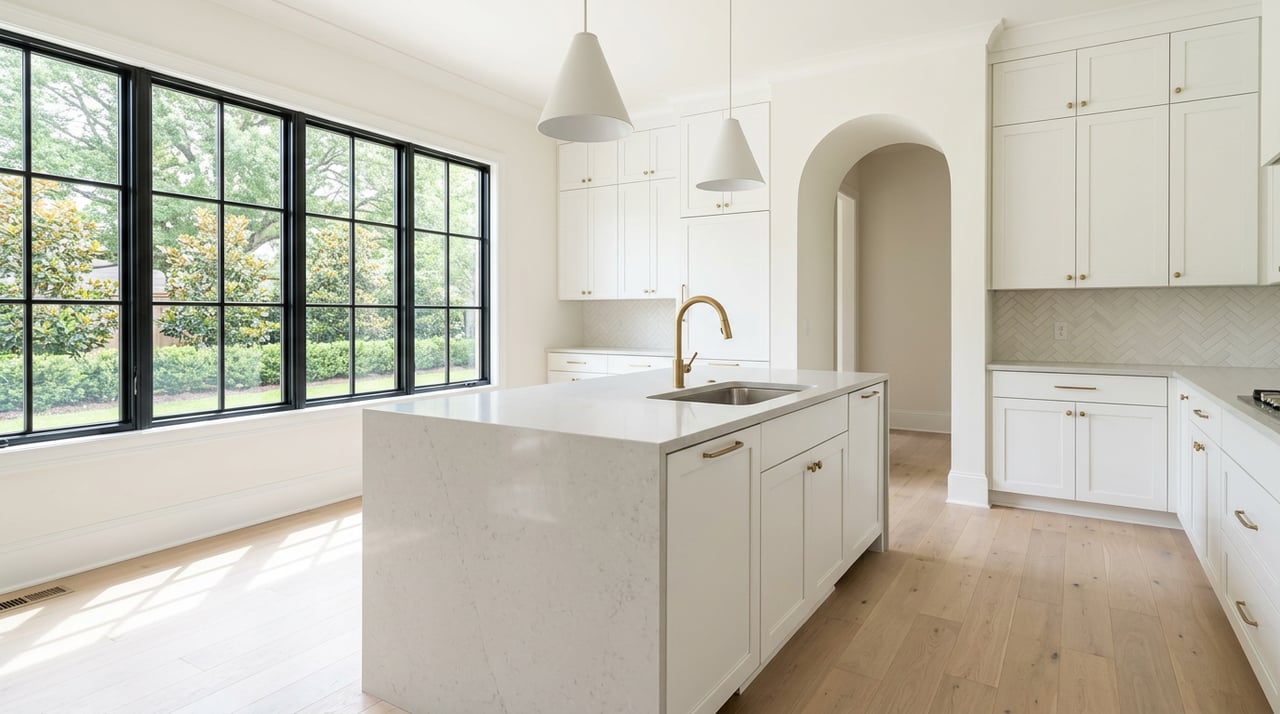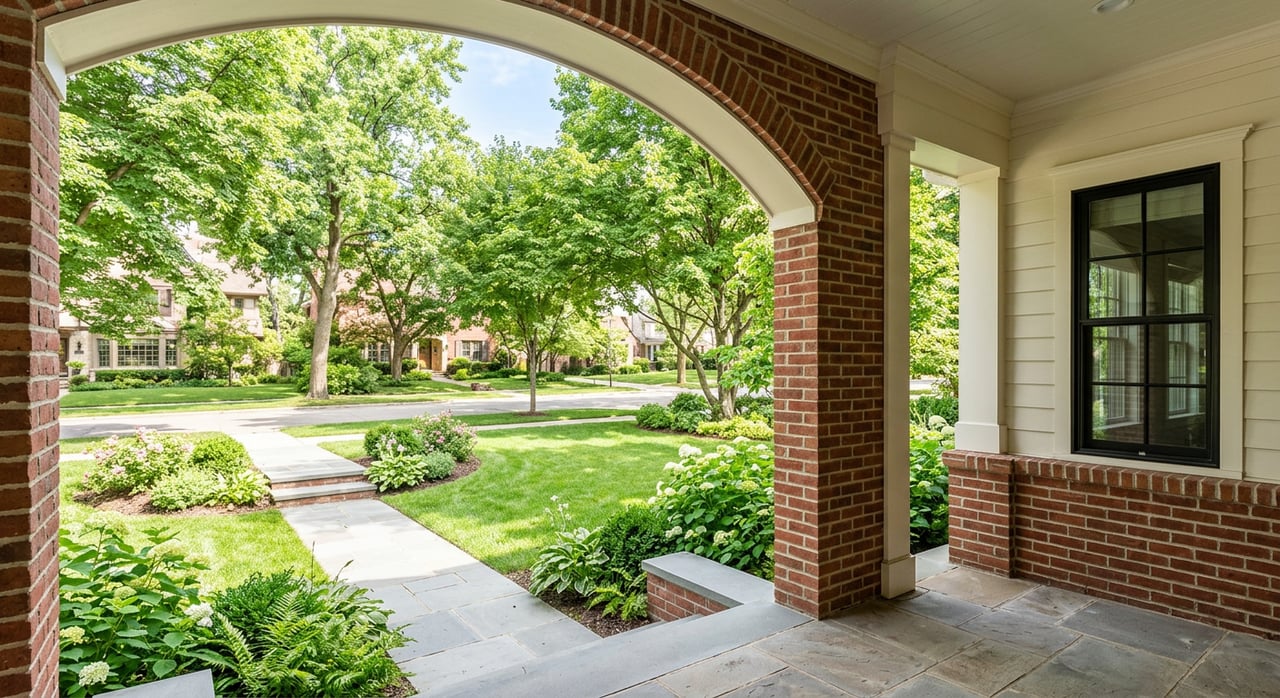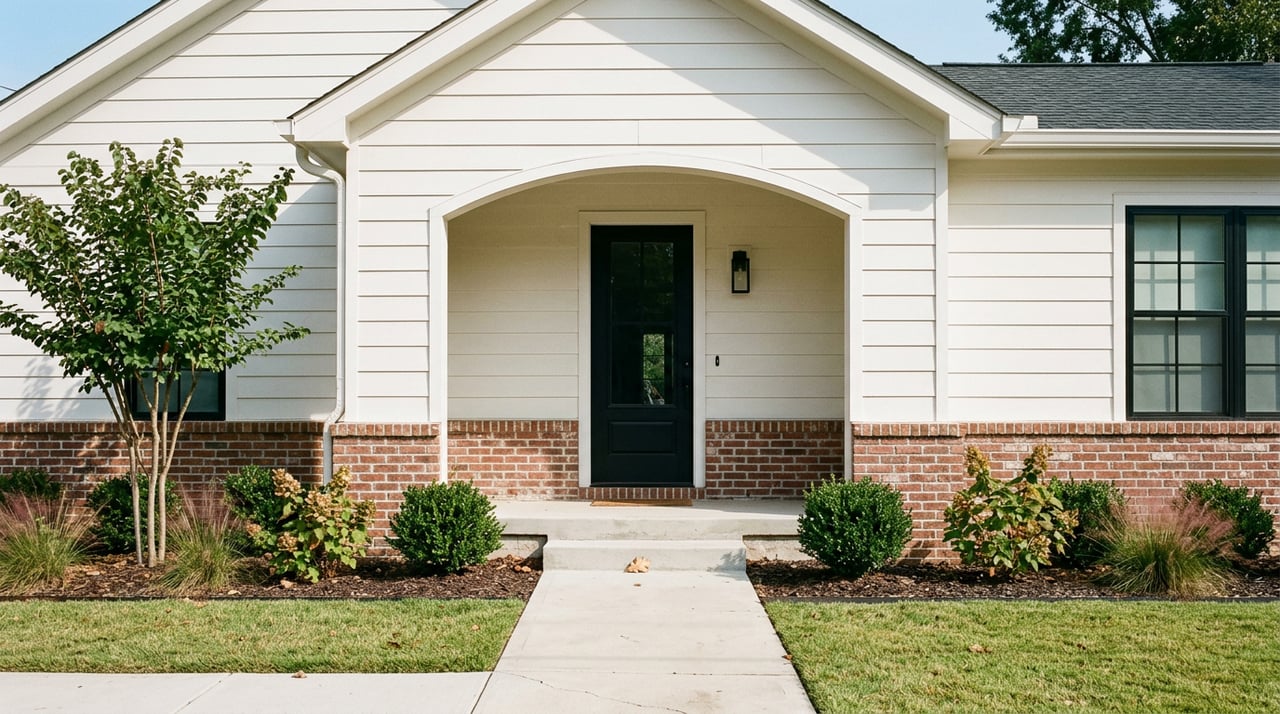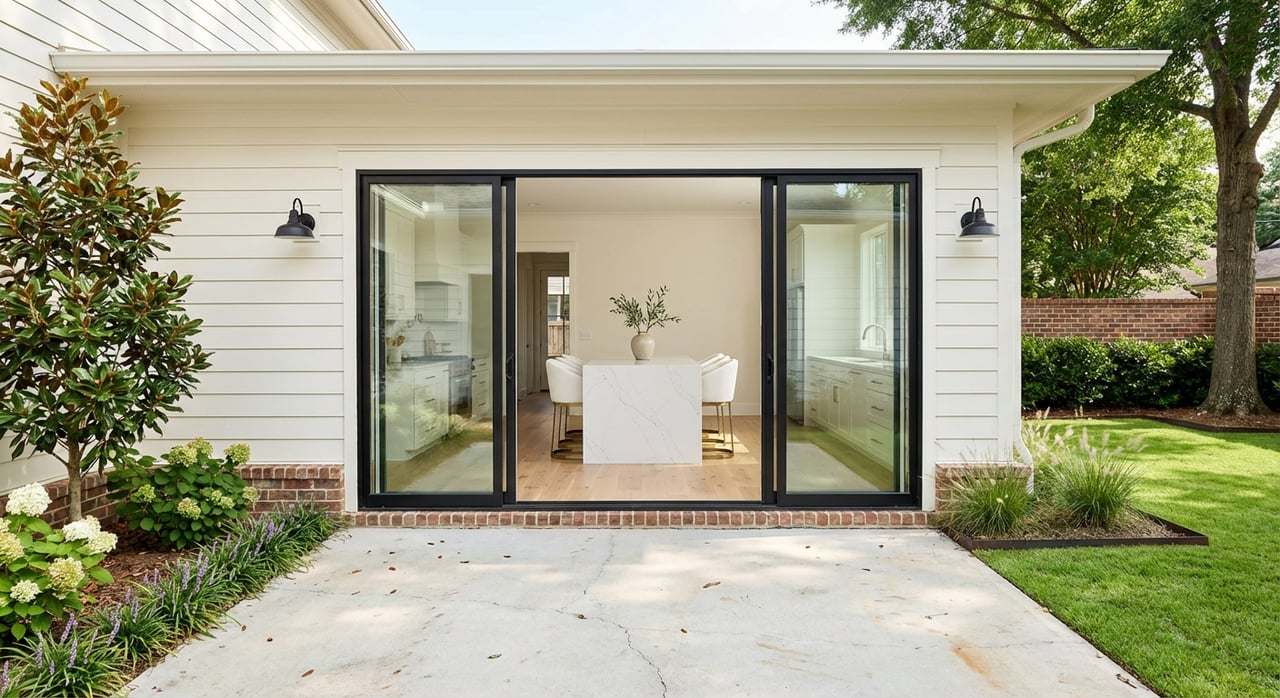
Think in-town Atlanta is out of reach on a starter budget? If you are eyeing 30311, you have more paths to ownership than you might think. Cascade and West End offer a mix of older single-family homes, townhomes, and mission-driven opportunities that can work when you combine smart financing with a clear plan. In this guide, you will learn what your budget can buy, which programs to consider, and the steps to become mortgage ready. Let’s dive in.
Why 30311 works for first-time buyers
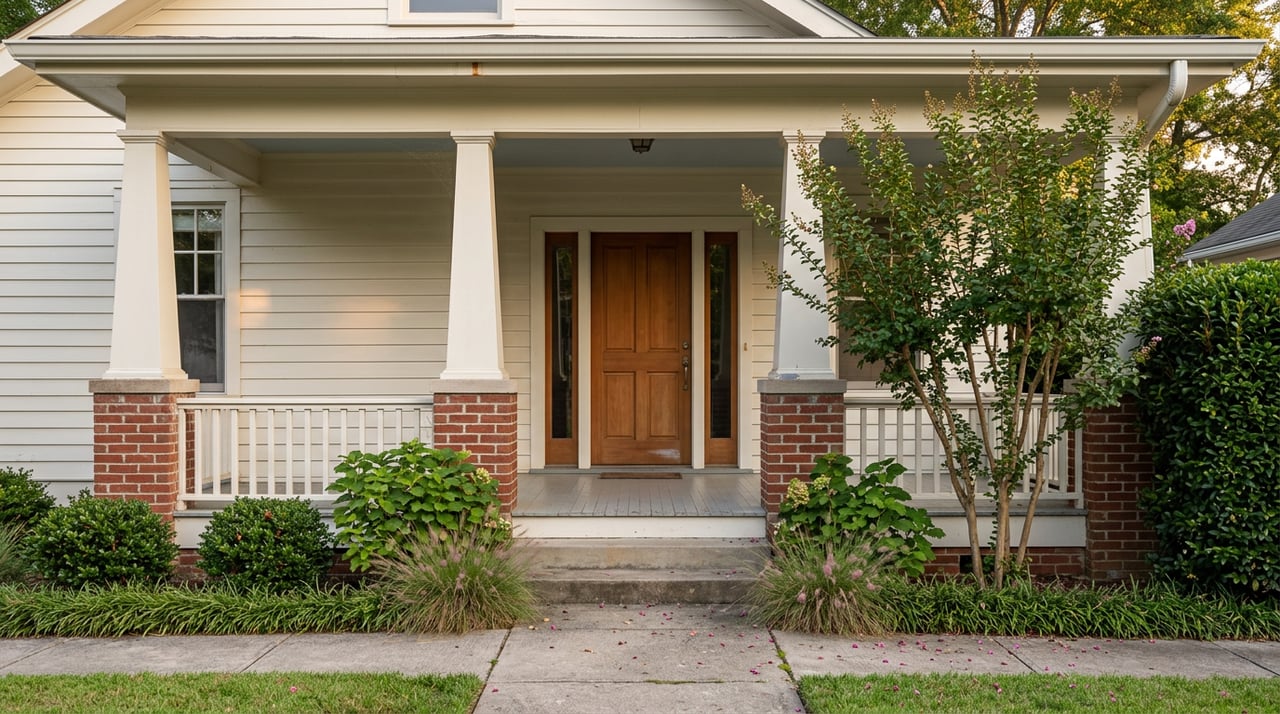
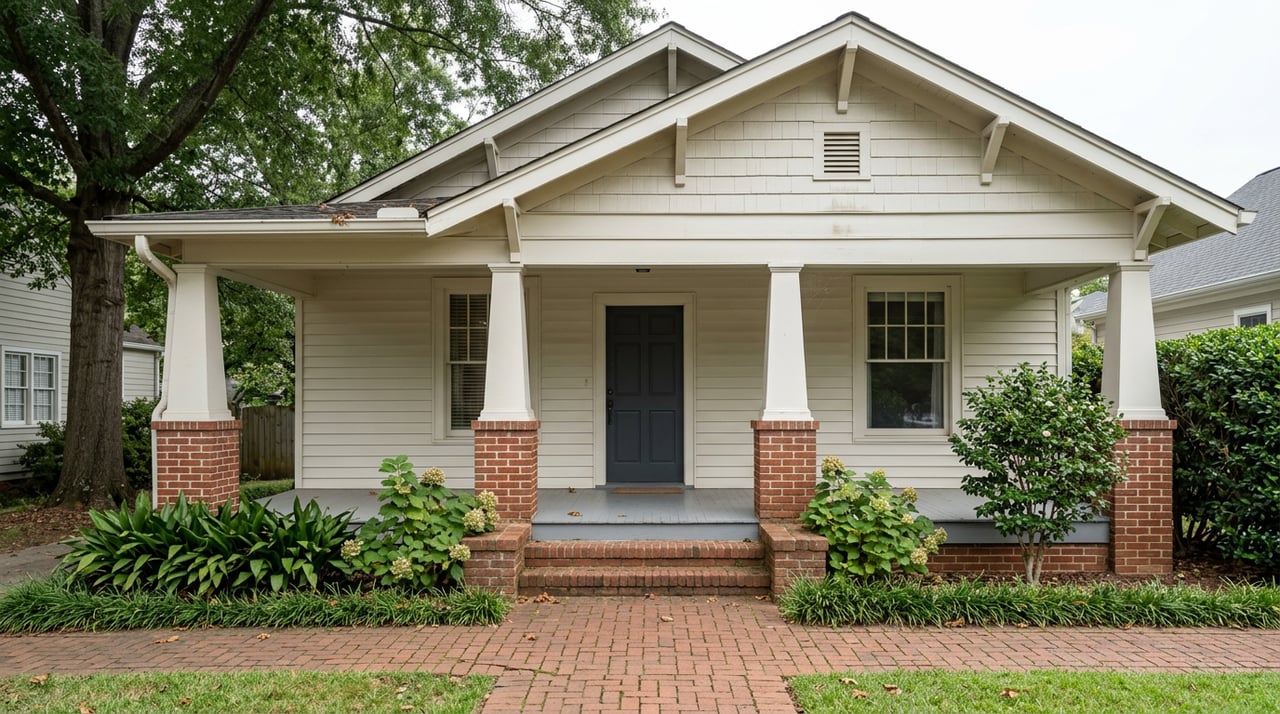
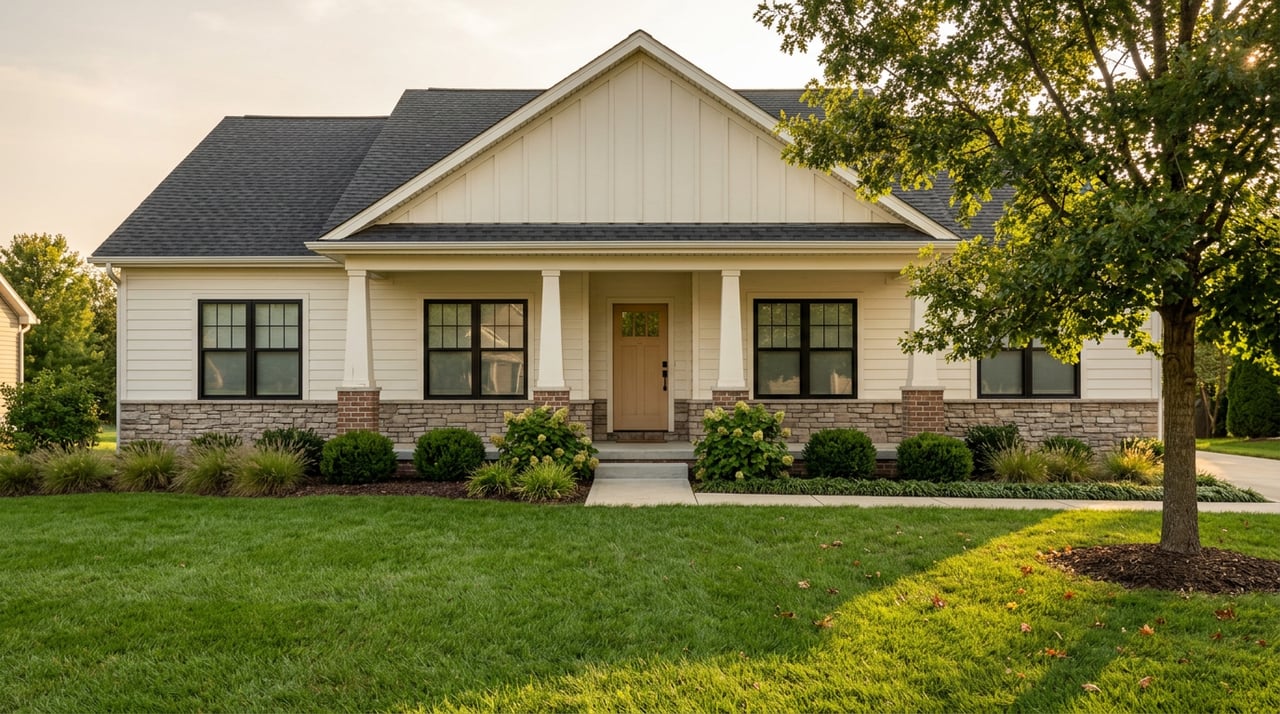
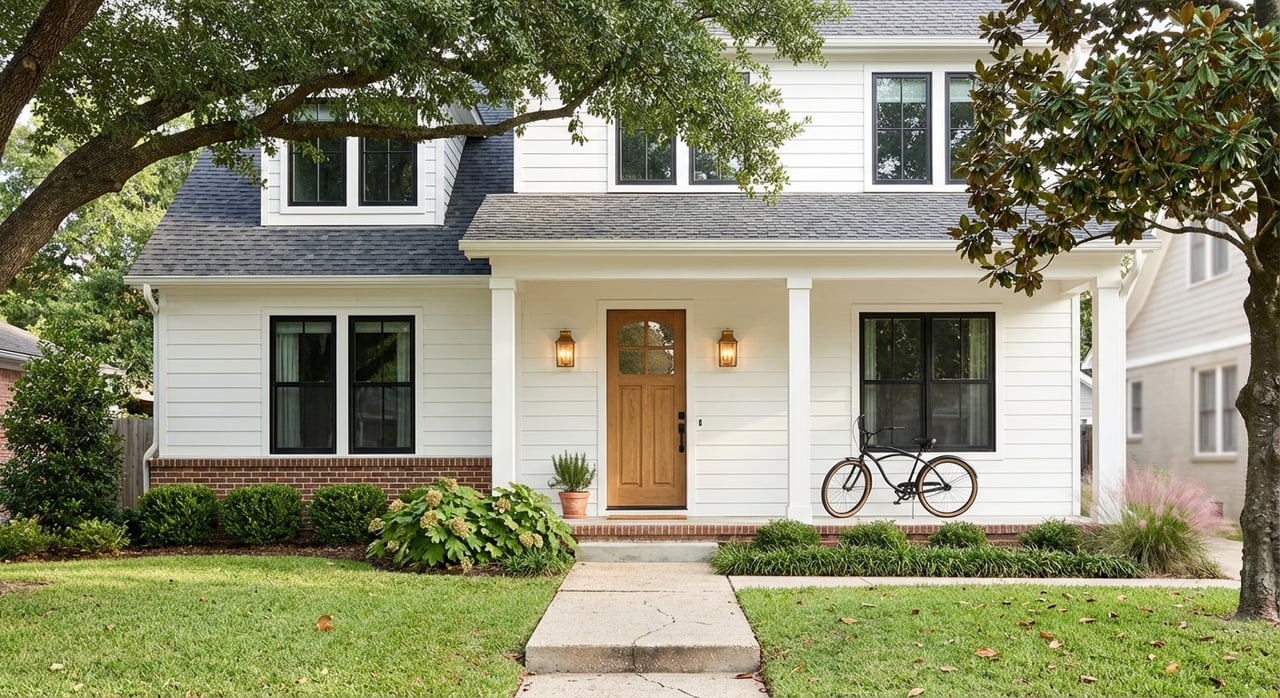
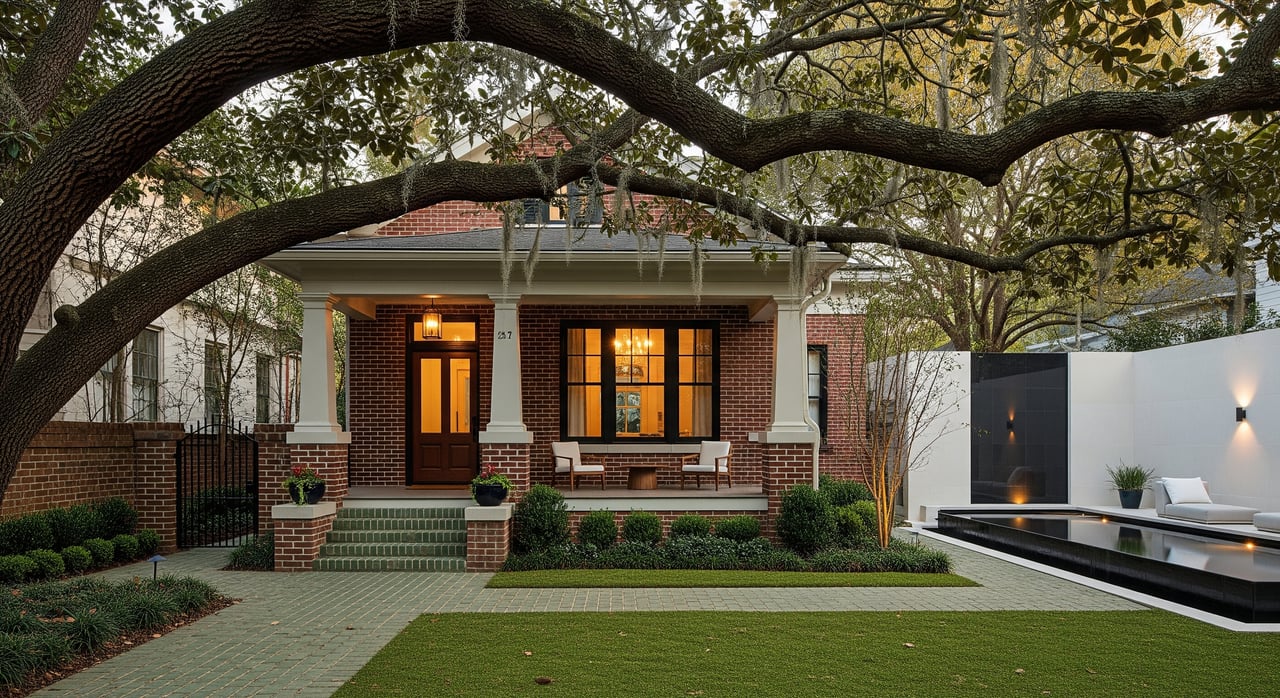
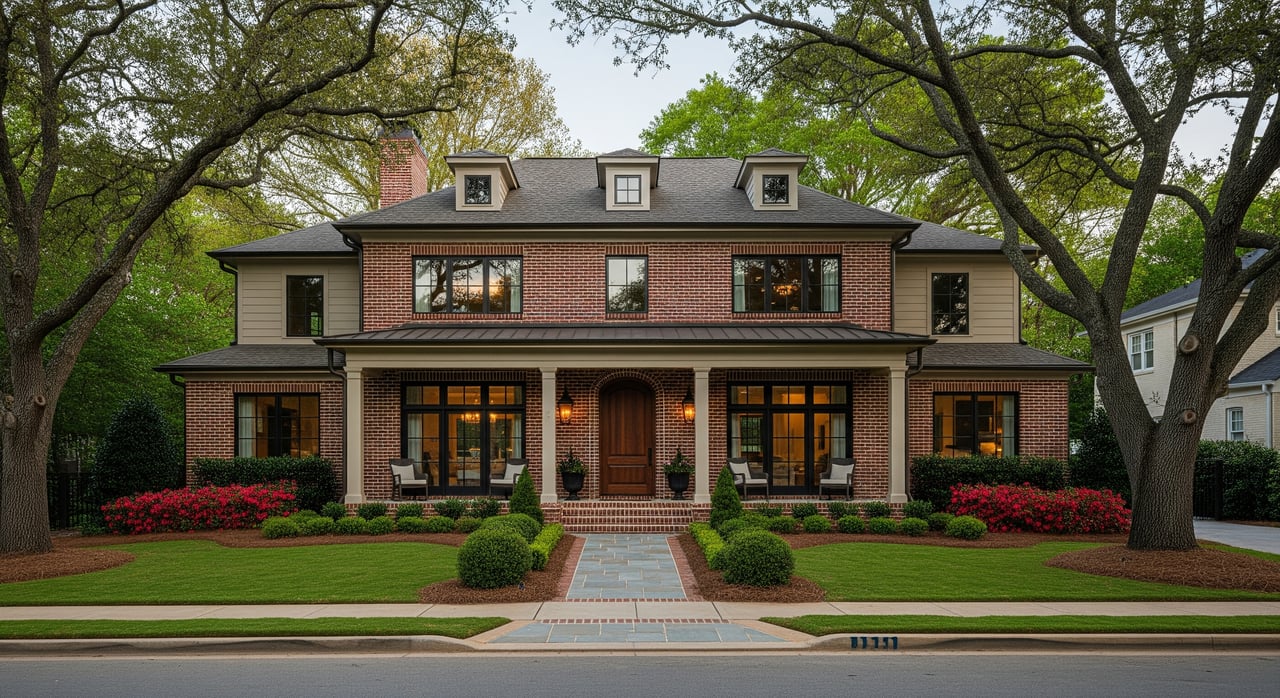
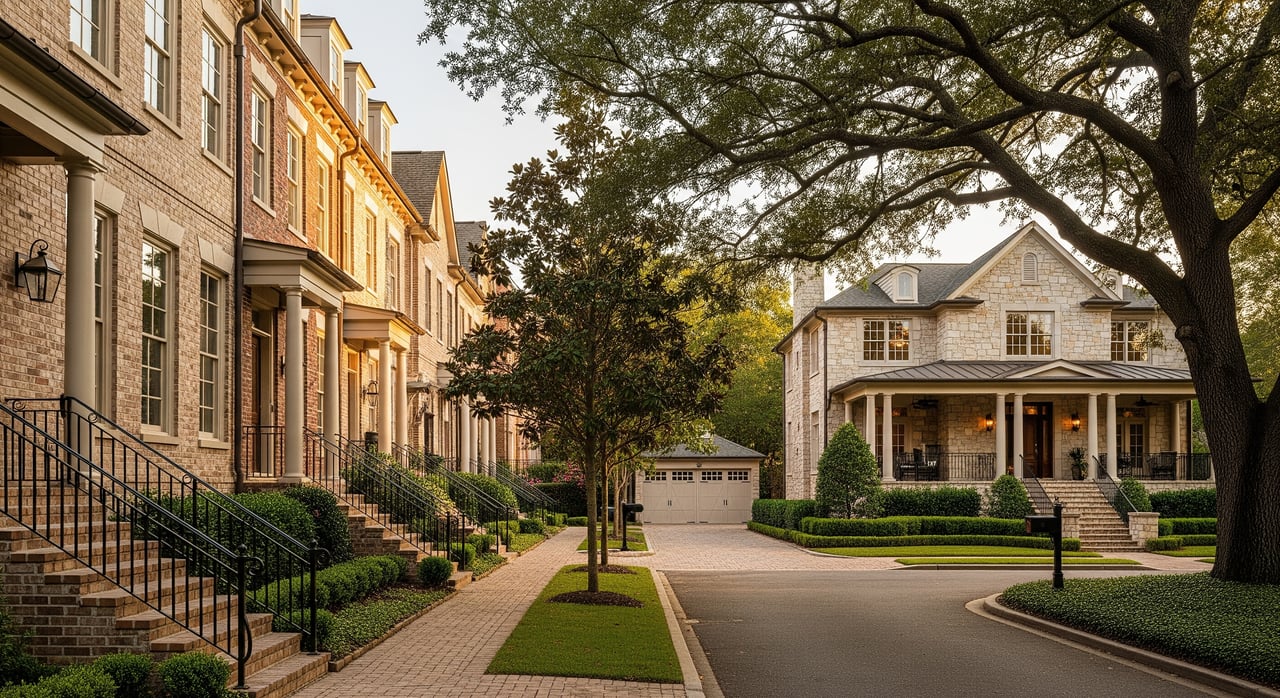
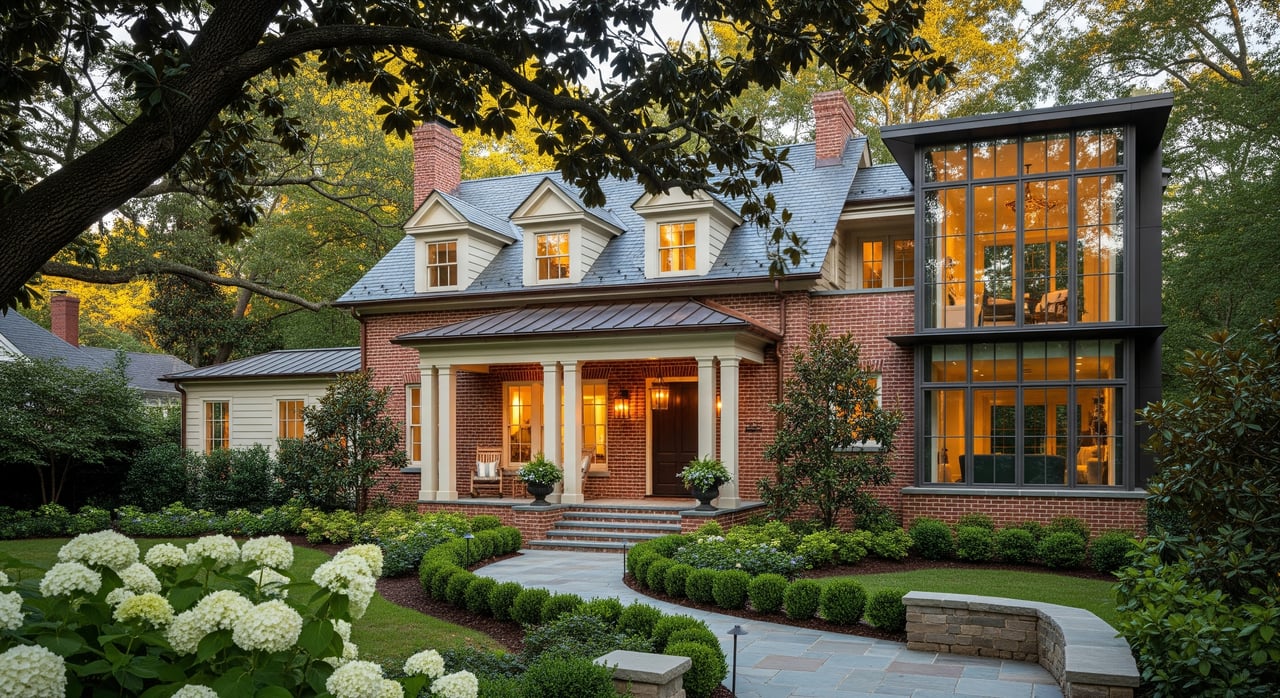
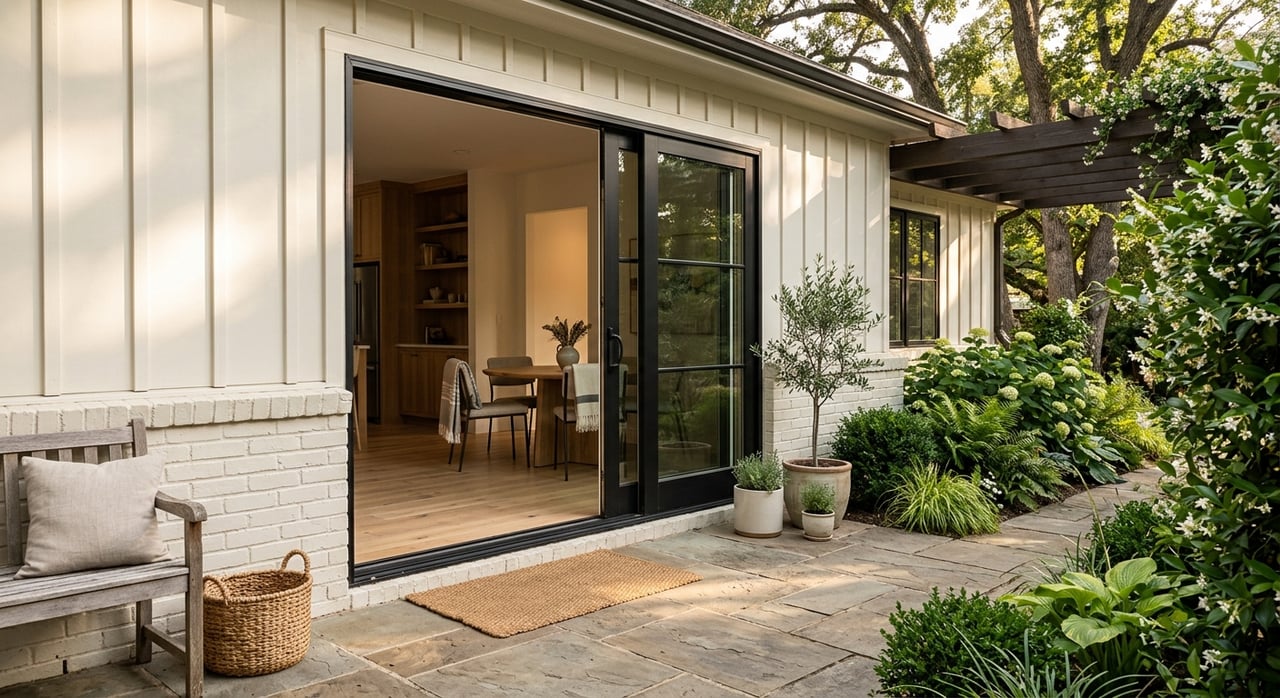
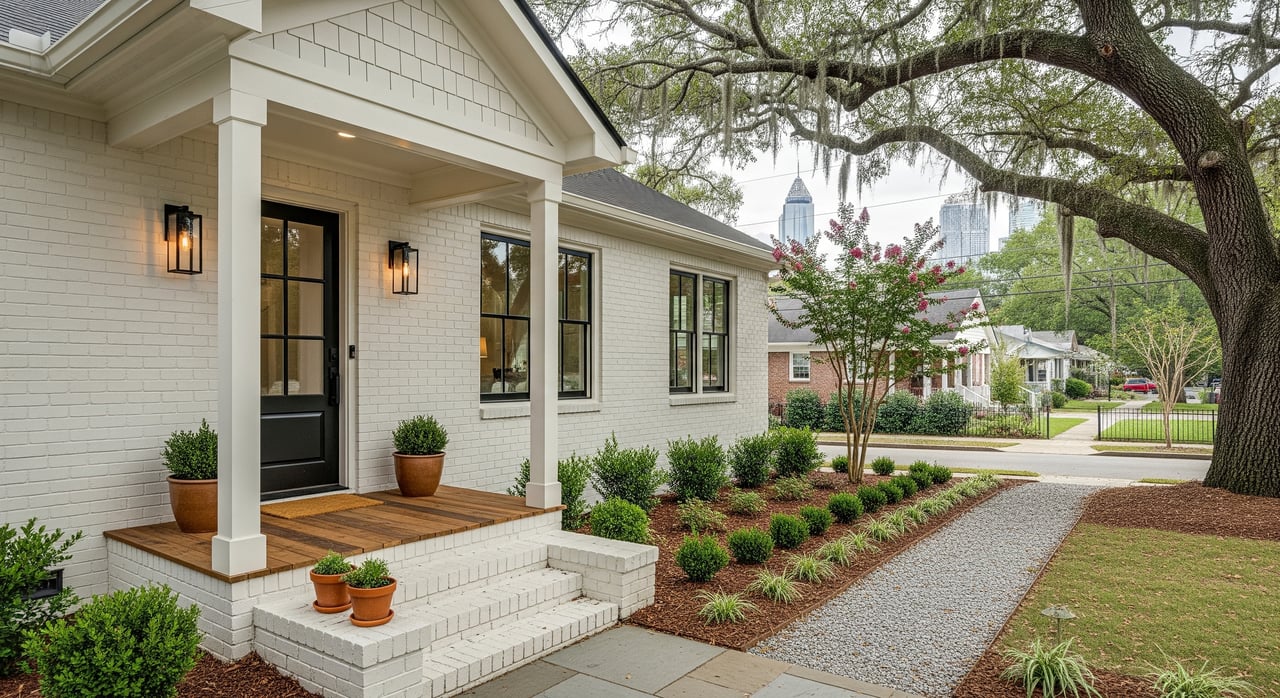
Cascade and West End sit in Atlanta’s Westside and Southwest corridors with shorter commutes to downtown and Midtown than many suburbs. You will find early 20th century bungalows, mid-century ranches, and newer infill townhomes in walkable pockets. Community investment and redevelopment are active in the area, which brings both opportunity and competition for listings.
Inventory at the most affordable price points can be limited, and investor activity is common. That means you should prepare strong offers and expect older homes to need repairs. With the right financing and inspection strategy, you can secure a solid first home and build equity over time.
What a starter budget buys
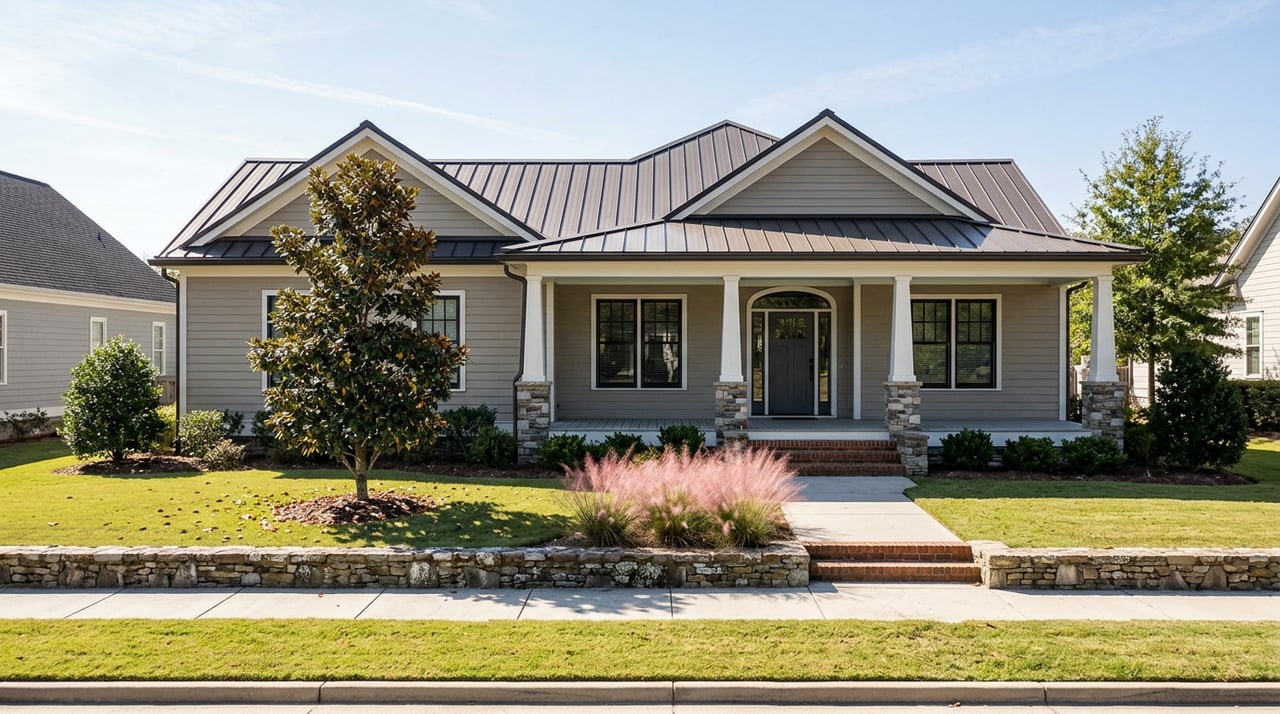
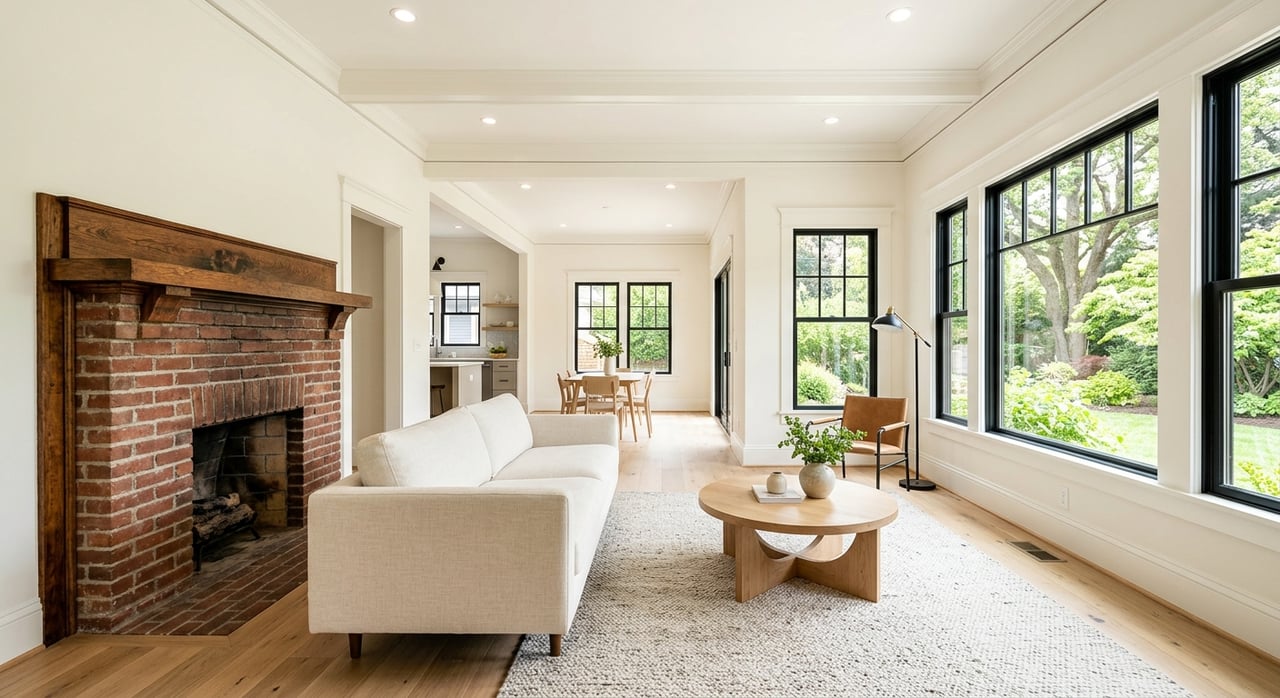
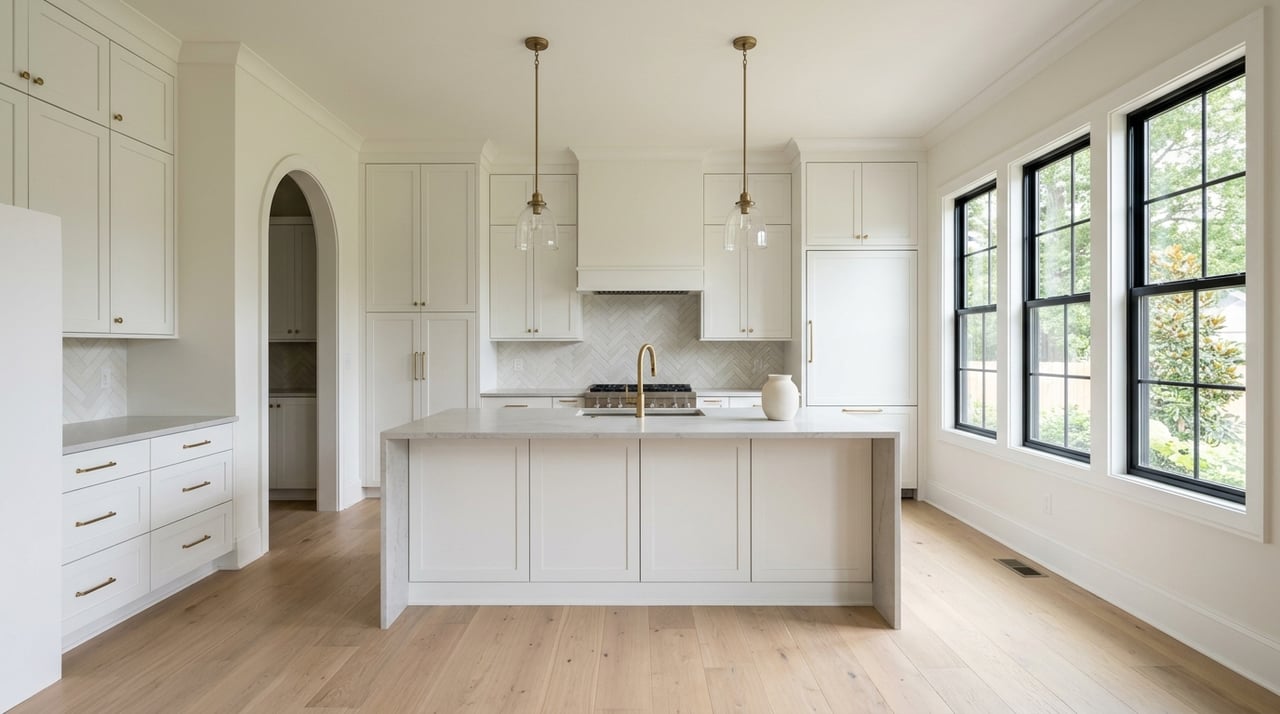
Entry-level options often include condos and townhomes, smaller single-family homes that need updates, and the occasional newly built starter townhome. Each option trades off size, condition, and monthly costs. Your goal is to match property type with your budget, repair tolerance, and commute needs.
Property types you will see
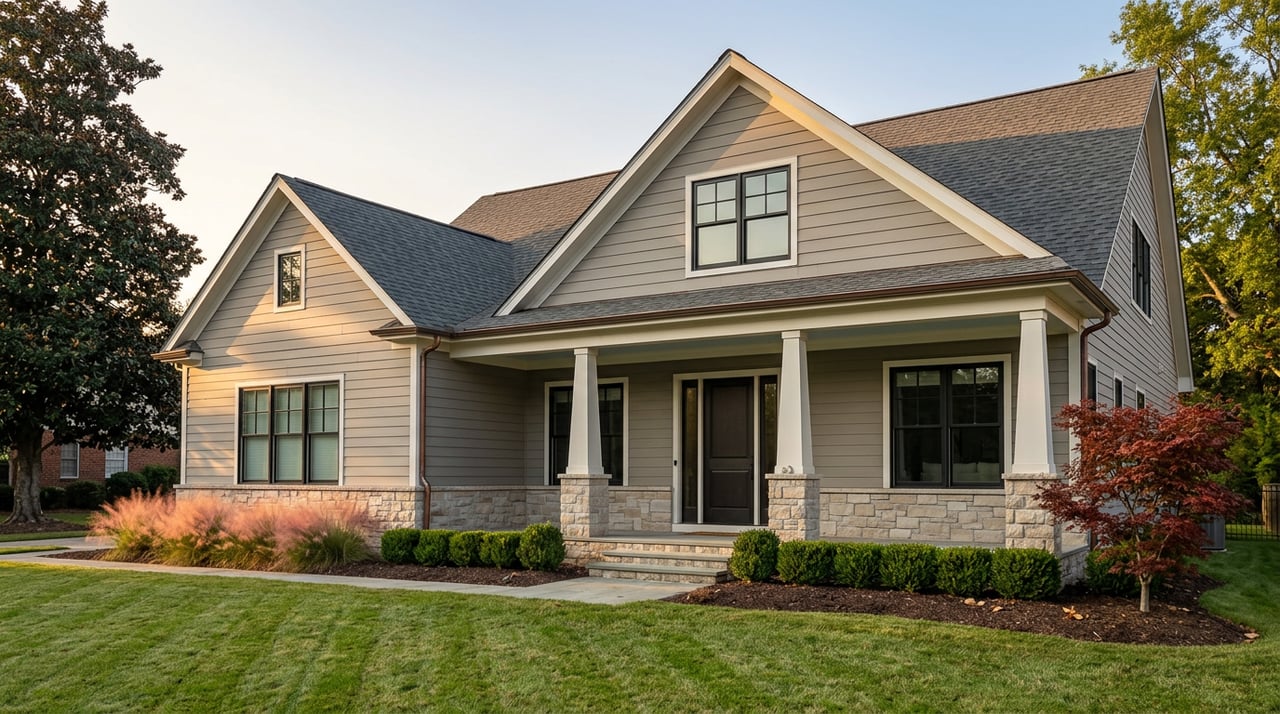
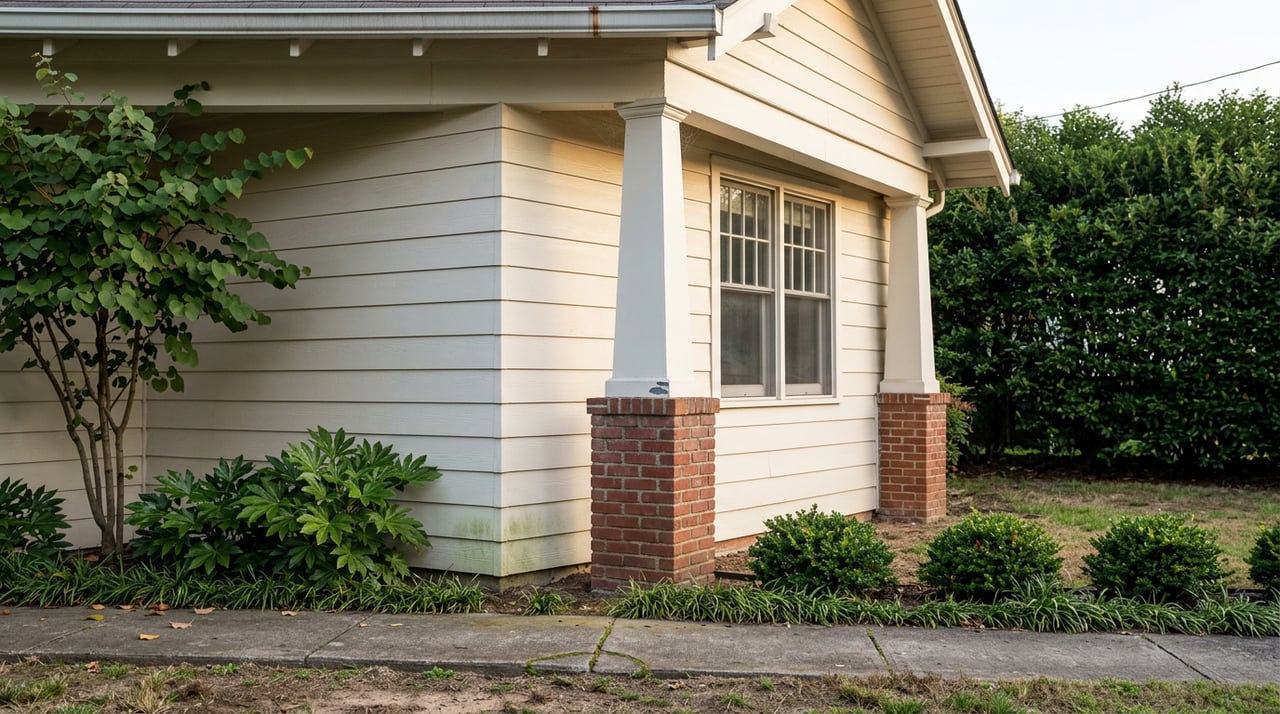
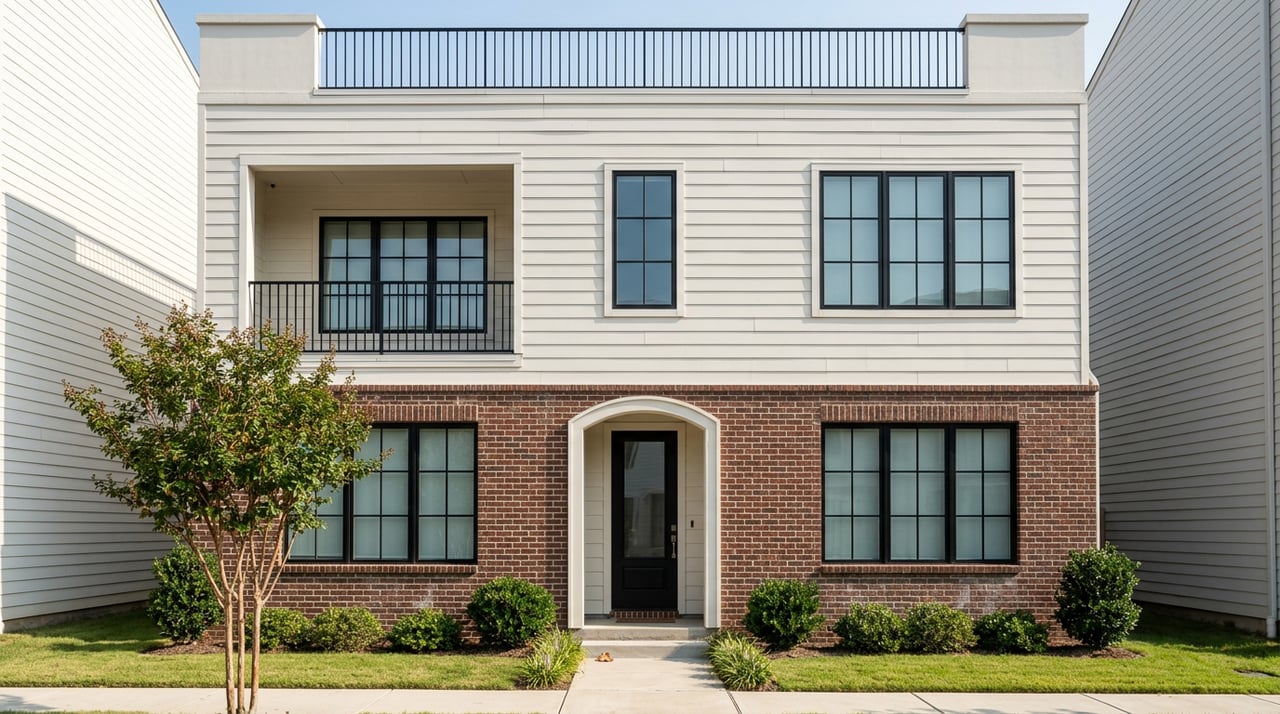
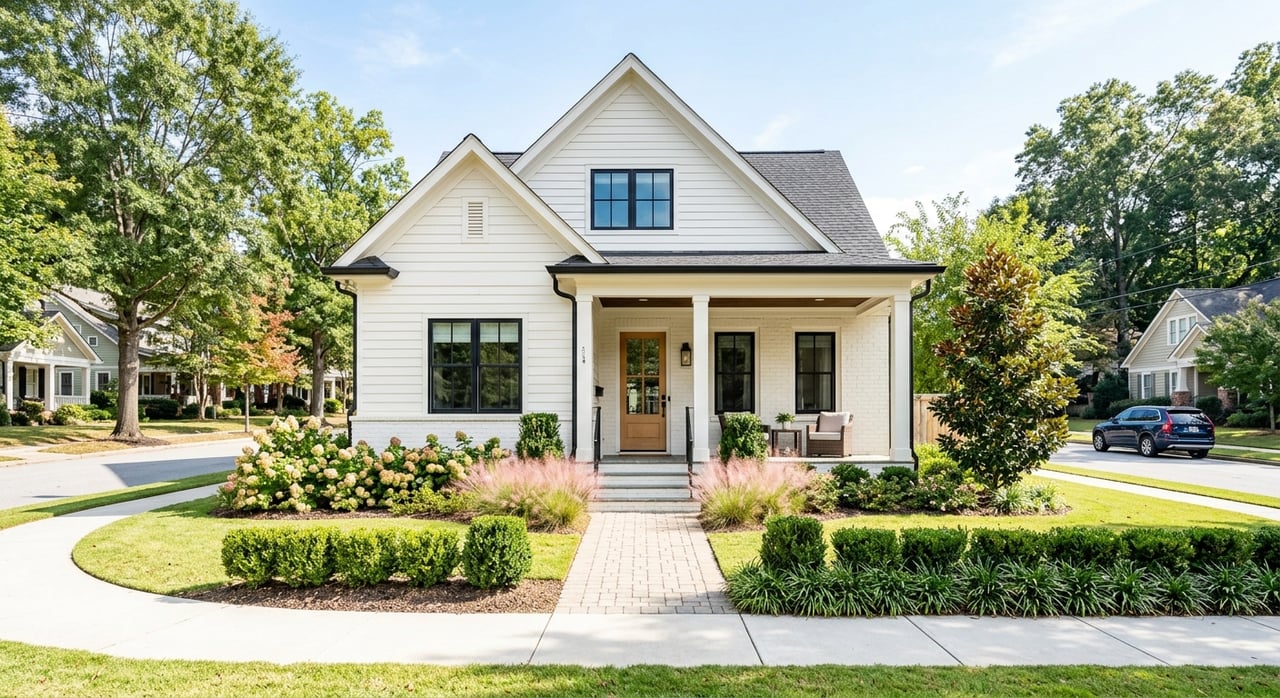
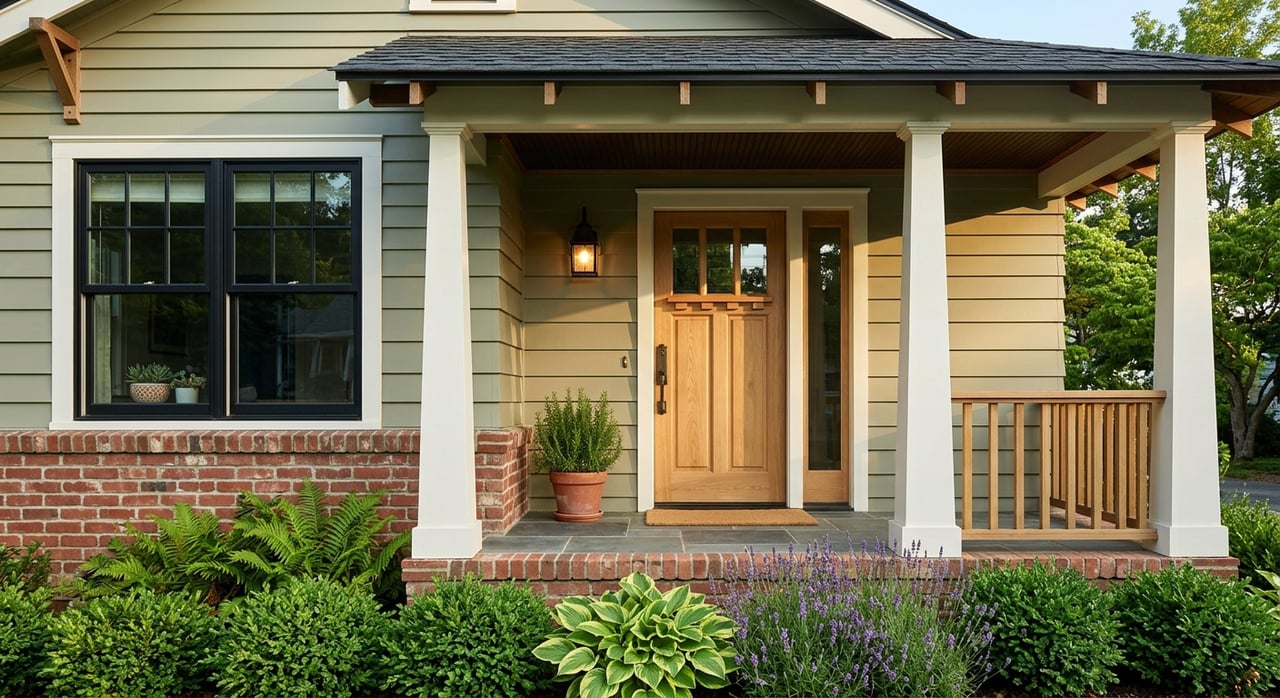
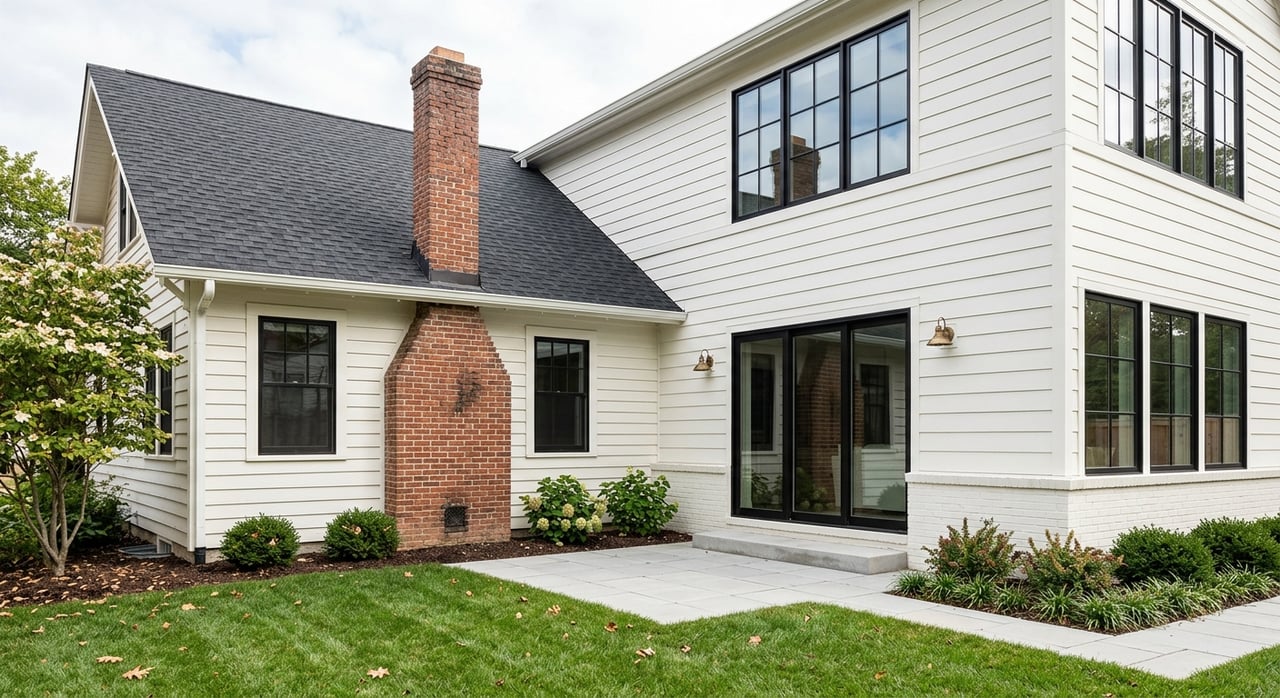
- Older single-family homes: Bungalows and brick ranches are common. They may need systems updates like HVAC, roof, plumbing, or electrical.
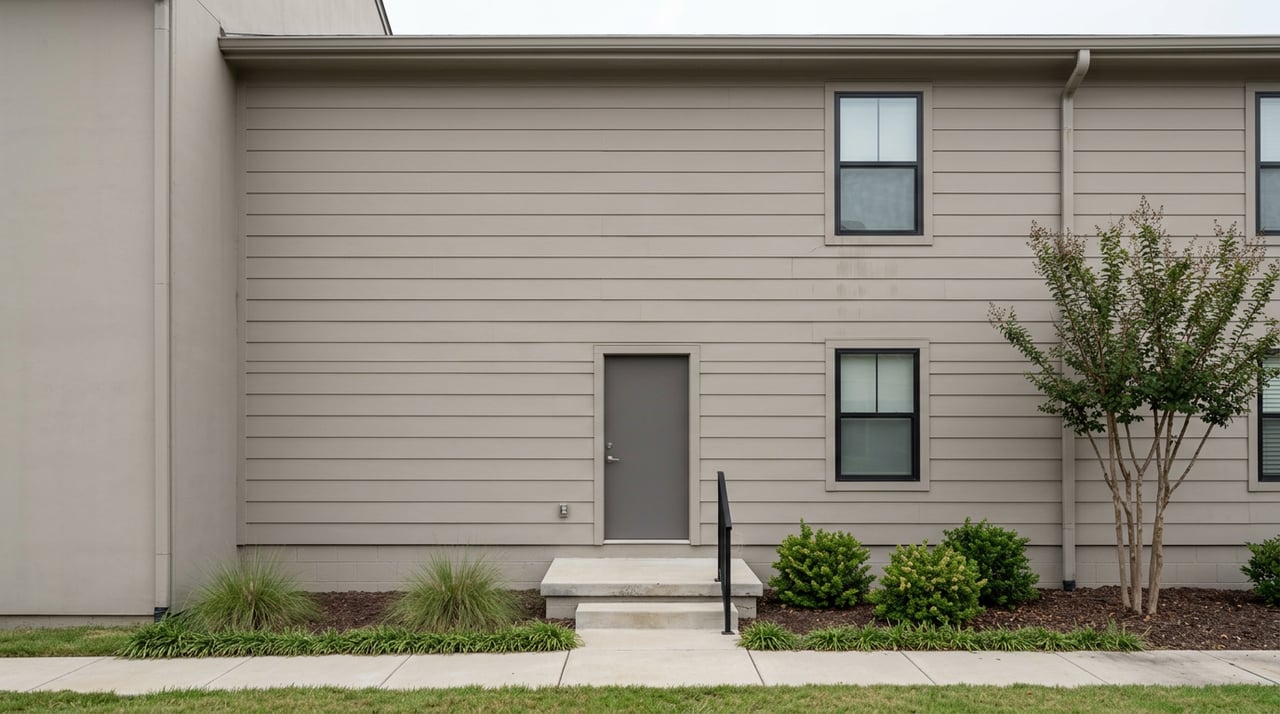
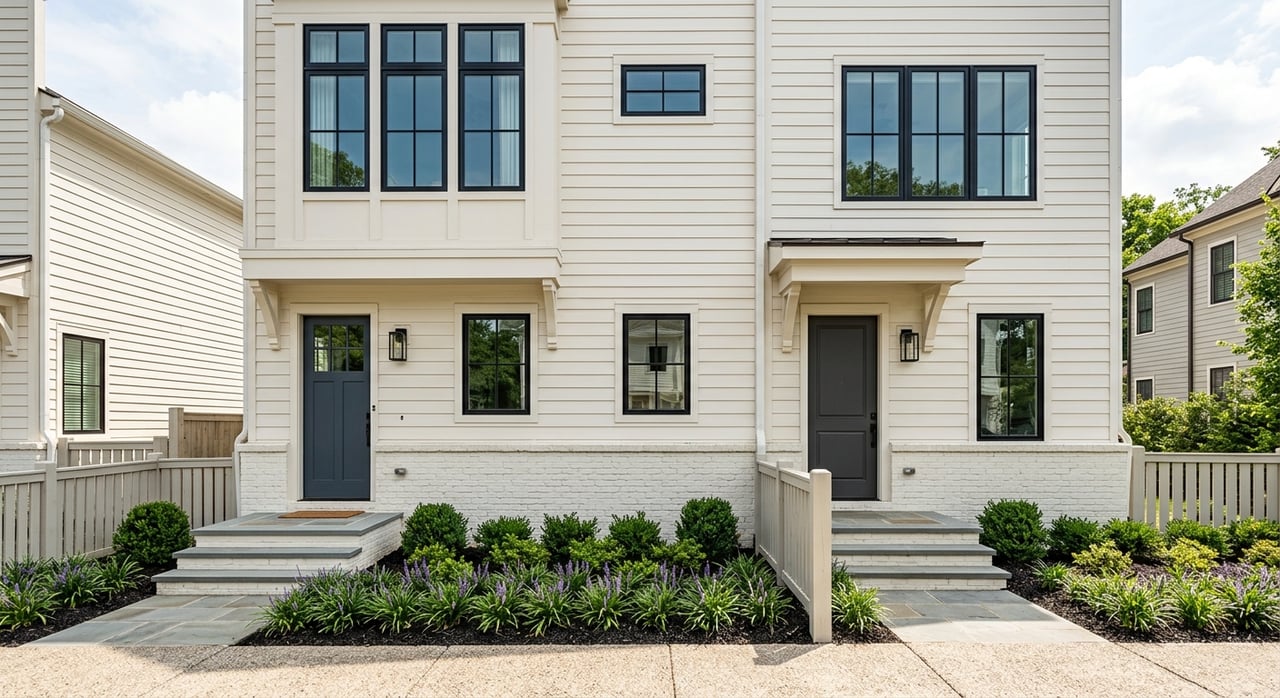
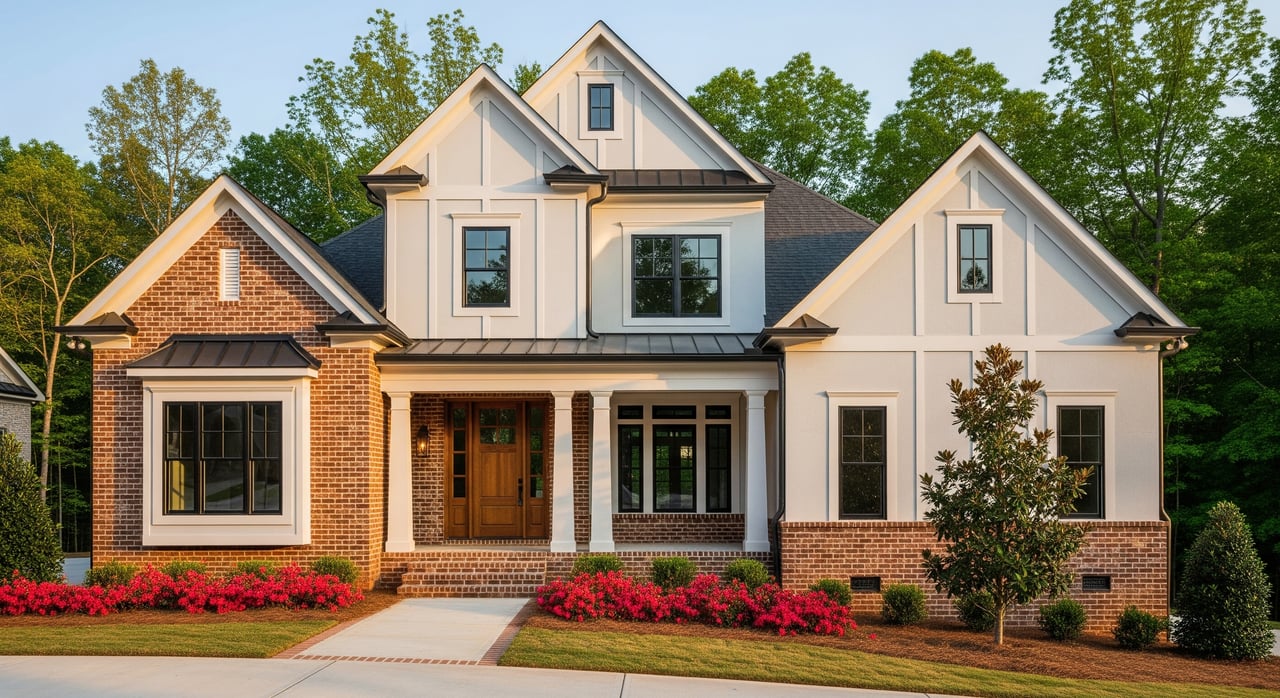
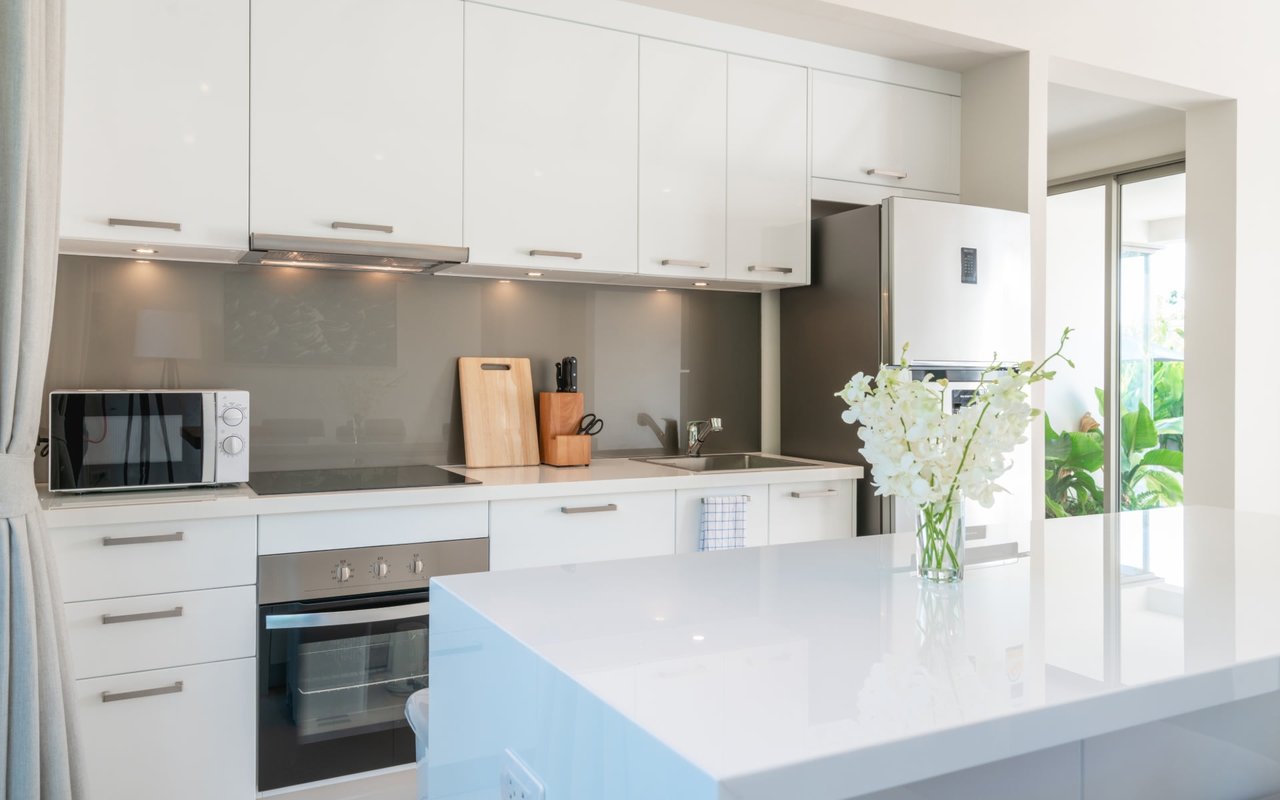
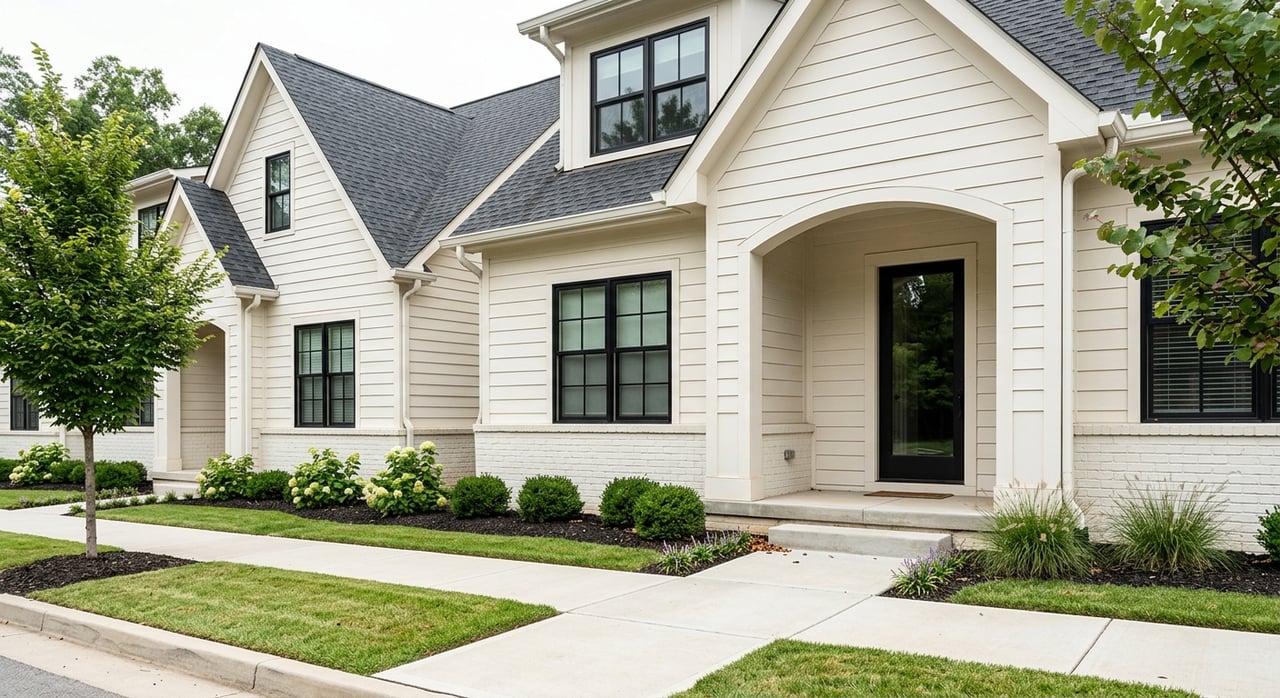
- Newer infill townhomes: Lower maintenance and efficient layouts, but higher price per square foot. Check HOA rules and monthly dues.
- Condos and older townhome communities: Often the lowest entry price. Budget for HOA dues and any special assessments.
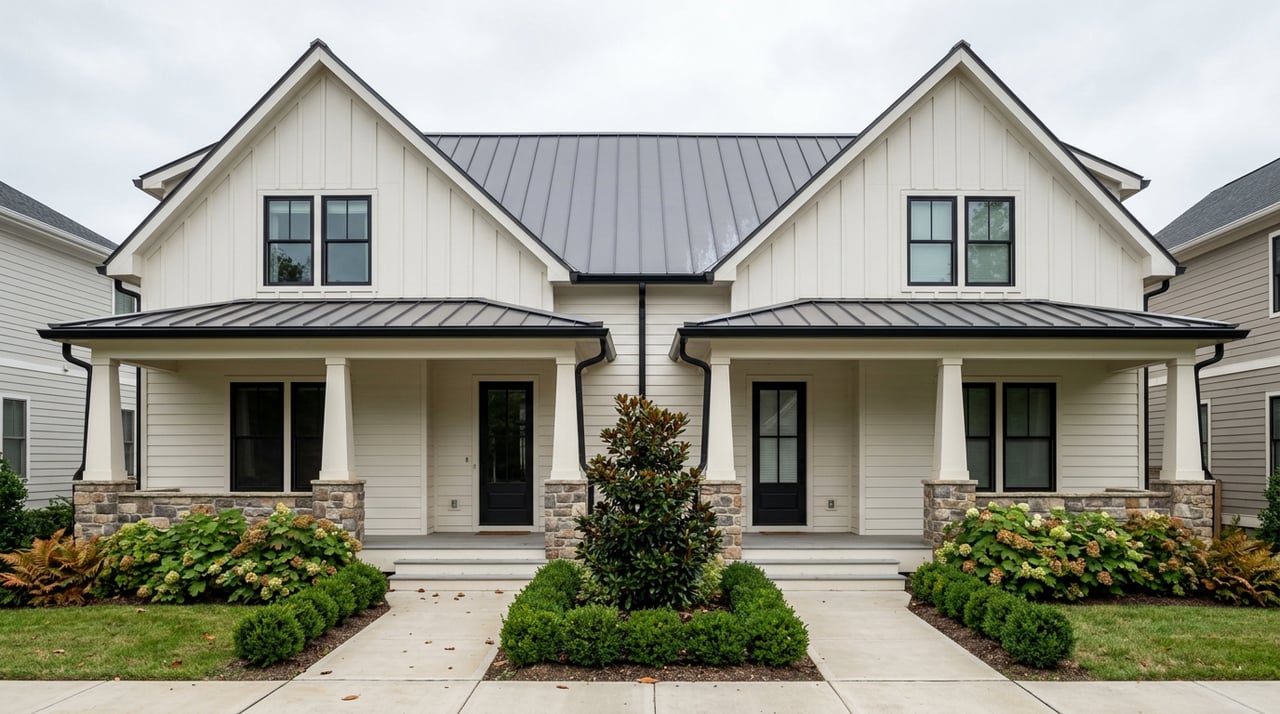
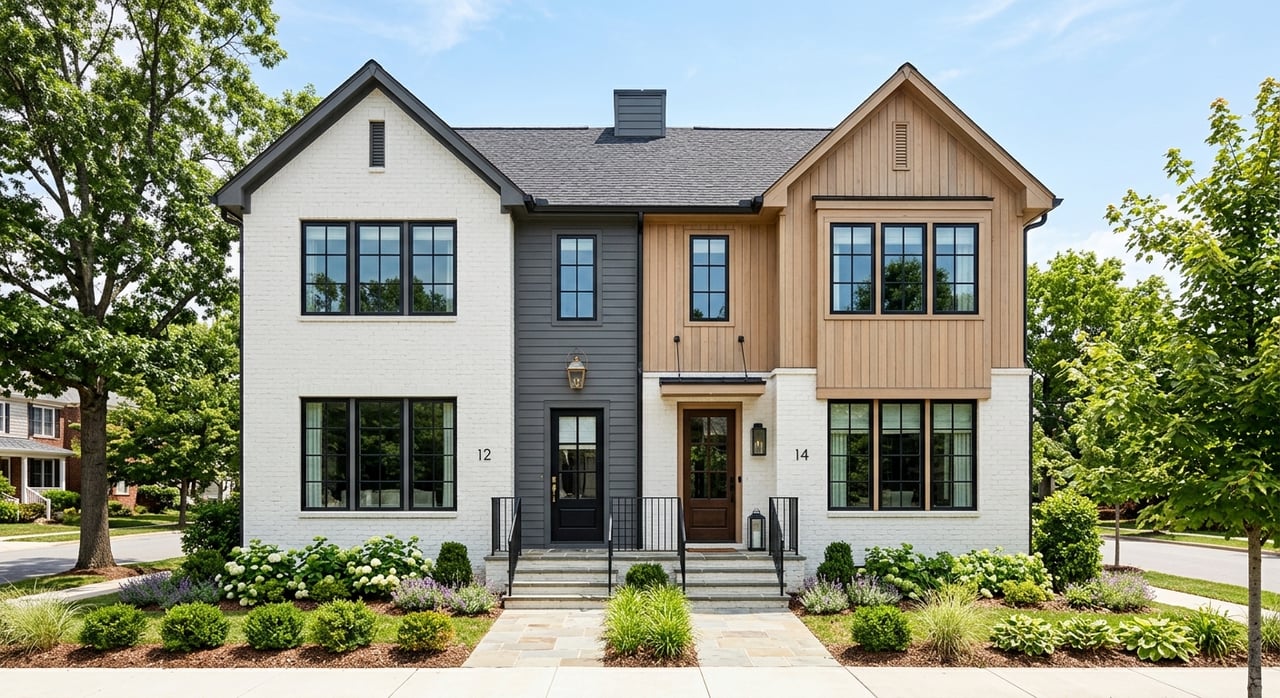
- Duplexes and two-flats: Potential to offset your mortgage with rental income. Confirm local zoning and any HOA or lending rules before you plan to rent.
Condition and inspection focus
Older homes can carry age-related risks. Look for signs of water intrusion, foundation settlement, or termite damage. In pre-1978 homes, plan for lead-based paint considerations, and ask about older plumbing or electrical panels. In West End’s historic district, exterior changes may require approvals, so confirm rules before planning renovations.
Realistic buyer profiles and tradeoffs
- Single buyer: Likely to target a condo or compact townhome for predictable maintenance. Tradeoff is HOA dues and possible rules on rentals or renovations.
- Couple: May focus on a smaller single-family home that needs light updates. Tradeoff is time and cash for repairs in exchange for a yard and privacy.
- Small household: A modest ranch or townhome near amenities may fit. Tradeoff is size and condition versus commute convenience and monthly costs.
Affordable pathways and programs
Income-restricted and mission-driven programs can make ownership possible in 30311. These options have rules on income, occupancy, and resale, so review details early.
State and local assistance
- Georgia Dream: State-supported down payment assistance paired with a 30-year fixed mortgage for eligible buyers. Expect income and purchase price limits, and plan for required homebuyer education.
- City and county support: City of Atlanta and Fulton County may offer down payment assistance, HUD-approved education, or partnerships with affordable developments. Application windows and documentation matter, so start early.
Nonprofit routes
- Habitat for Humanity: Builds permanently affordable homes for qualified buyers who meet income and contribution requirements. Expect sweat equity and education components.
- Community land trusts: You buy the home at an affordable price while a nonprofit retains ownership of the land. Resale formulas keep the home affordable for the next buyer.
Resale and occupancy rules
Shared-equity and CLT models often limit resale price growth and require owner occupancy for a set term. These rules help preserve affordability. Make sure you understand how equity works, how long you must live in the home, and what approvals are needed if you sell.
Financing and mortgage readiness
The right loan product can lower cash needed at closing and help you compete. Start with a full pre-approval and a clear picture of your monthly budget.
Loan options to compare
- FHA loans: As little as 3.5 percent down with flexible credit. Mortgage insurance stays for the life of the loan unless you refinance later.
- Conventional low-down options: Fannie Mae HomeReady and Freddie Mac Home Possible allow 3 percent down, often with lower mortgage insurance. Income limits and education may apply.
- VA loans: For eligible veterans, often zero down with powerful benefits. Confirm eligibility and certificate of entitlement early.
- Renovation loans: FHA 203(k) or similar conventional options finance purchase plus repairs, which can make a fixer possible without draining your savings.
Credit, income, and cash
Lenders look for stable income, manageable debt, and verified funds for down payment and closing costs. Many programs work with credit scores in the 580 to 640 range, but higher scores can lower costs. Closing costs often run 2 to 5 percent of the purchase price. Down payment assistance and seller credits can reduce cash due at closing if allowed by your loan.
A simple prep checklist
- Pull a full credit report and dispute errors. Build a plan to raise your score where possible.
- Complete HUD-approved homebuyer education if your program requires it. The course can also strengthen your application.
- Contact state, city, and county programs to confirm eligibility, paperwork, and timelines.
- Save for down payment, closing costs, and a repair reserve. Aim for an emergency fund of 3 to 6 months if possible.
- Choose a lender who works with FHA, HomeReady, Home Possible, and Georgia Dream so you can compare options in one place.
- Get contractor opinions before you finalize an offer on a fixer. Price out essential repairs like roofs, HVAC, and electrical.
- Understand mortgage insurance and refinancing scenarios if you plan to drop MI later.
Smart search and negotiation strategies
A thoughtful plan helps you win the right home and avoid costly surprises. Keep your pre-approval fresh and be ready to move when a good fit appears.
Make a strong offer
- Submit with a current pre-approval and a clean, complete offer package.
- Use inspection contingencies to request repairs for safety and code items. Save cosmetic upgrades for later if that makes your offer stronger.
- Ask for seller credits to cover closing costs when cash at closing is your main hurdle. That can be more impactful than a small price drop.
Plan for renovations and value
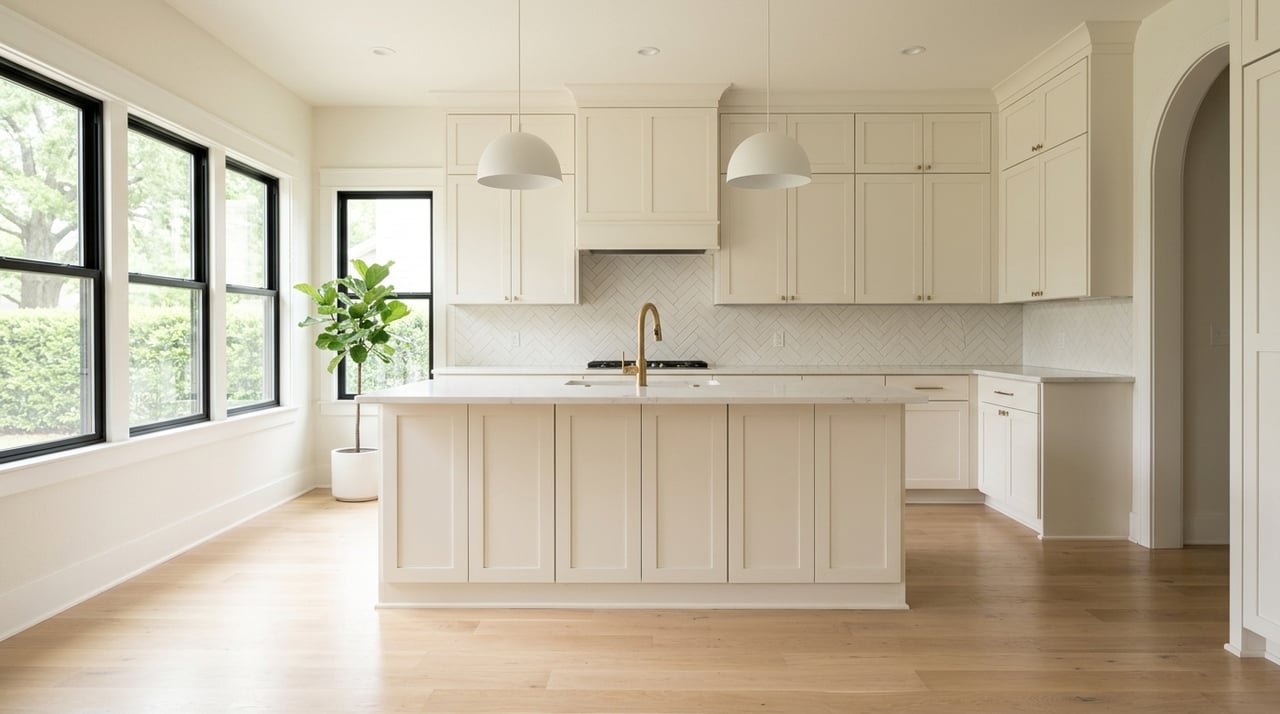
Focus on updates that improve livability and long-term value, like kitchens, baths, HVAC, and exterior maintenance. Get bids early if you plan to use a renovation loan. If you consider a duplex or small rental, confirm zoning, permitting, and lending rules before you count on rent in your budget.
Factor ongoing costs
HOA dues, insurance, and property taxes can change your monthly payment more than you expect. Check flood zone status and insurance requirements. Ask your lender to run payment scenarios with and without seller credits and different HOA dues.
Your 60-day action plan
- Days 1 to 10: Pull credit, start education, interview lenders and select one for pre-approval. Gather W-2s, pay stubs, and bank statements.
- Days 11 to 30: Confirm eligibility for down payment help. Build your monthly budget and set your max purchase target. Start touring homes and tracking HOA dues and likely repair items.
- Days 31 to 45: Shortlist homes and request contractor walk-throughs for any fixers. Compare FHA versus conventional and renovation options based on property condition.
- Days 46 to 60: Write offers with inspection and financing timelines that match your loan. Keep documents updated and prepare funds for earnest money and appraisal.
How The Sly Team helps
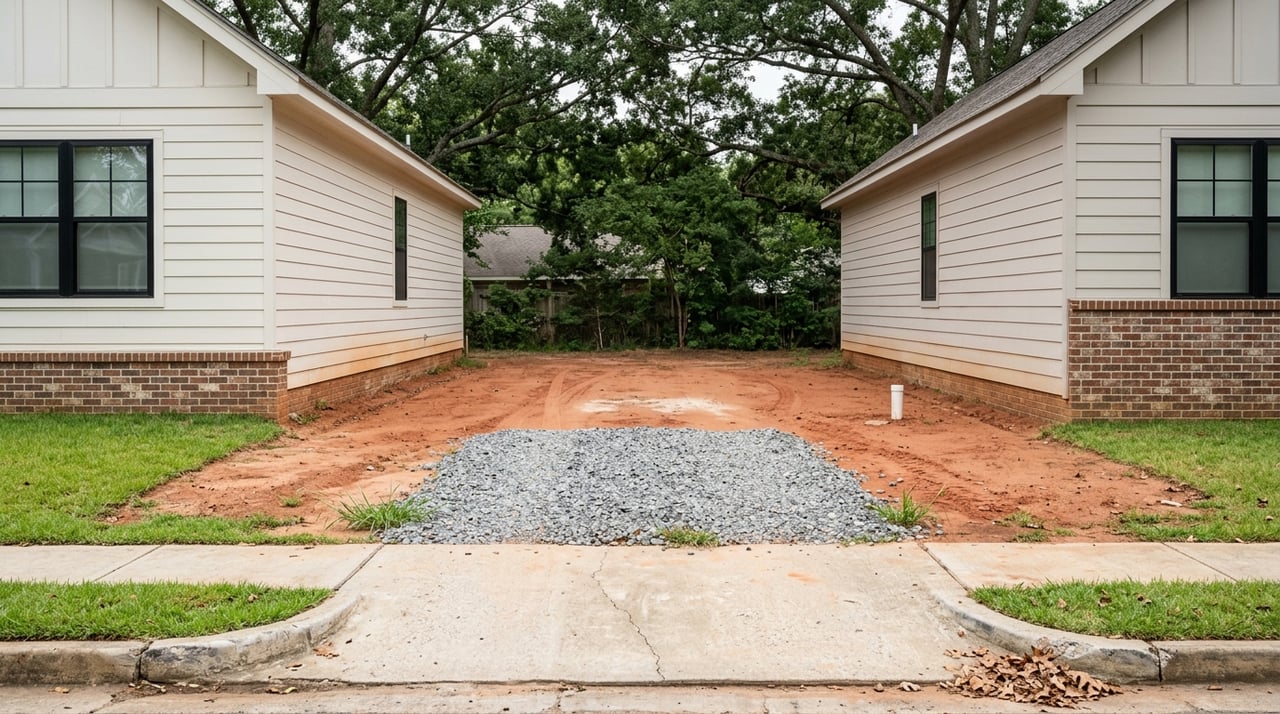
You deserve a clear, fair path to in-town ownership. Our team specializes in in-town infill, mission-driven affordable housing projects, and new-construction townhome communities across Southwest and Westside Atlanta. We guide you through financing options, eligibility steps, and property selection, then help you craft competitive offers that protect your budget.
If you are ready to take the next step in Cascade or West End, connect with Maja Sly for a focused plan tailored to 30311.
FAQs
Can I afford a home in 30311 on a starter income?
- Yes, if you target condos, townhomes, or smaller older homes, use down payment assistance where eligible, and prepare a strong pre-approval and inspection plan.
What down payment assistance can help in Atlanta?
- State programs like Georgia Dream and local city or county assistance can reduce cash needed at closing, usually with income and purchase price limits and required education.
Are condos or townhomes a smart first buy in Cascade and West End?
- Often yes, because entry prices and maintenance can be more predictable, but you must budget for HOA dues and review rules on rentals, renovations, and assessments.
What should I watch for during inspections on older homes in 30311?
- Focus on roof, HVAC, plumbing, electrical, signs of water intrusion, and termite history, and plan for lead-based paint considerations on pre-1978 homes.
How do community land trusts affect future resale?
- CLTs preserve affordability with resale formulas that cap price increases and require approvals, which limits windfall equity but lowers your entry cost and keeps homes accessible.