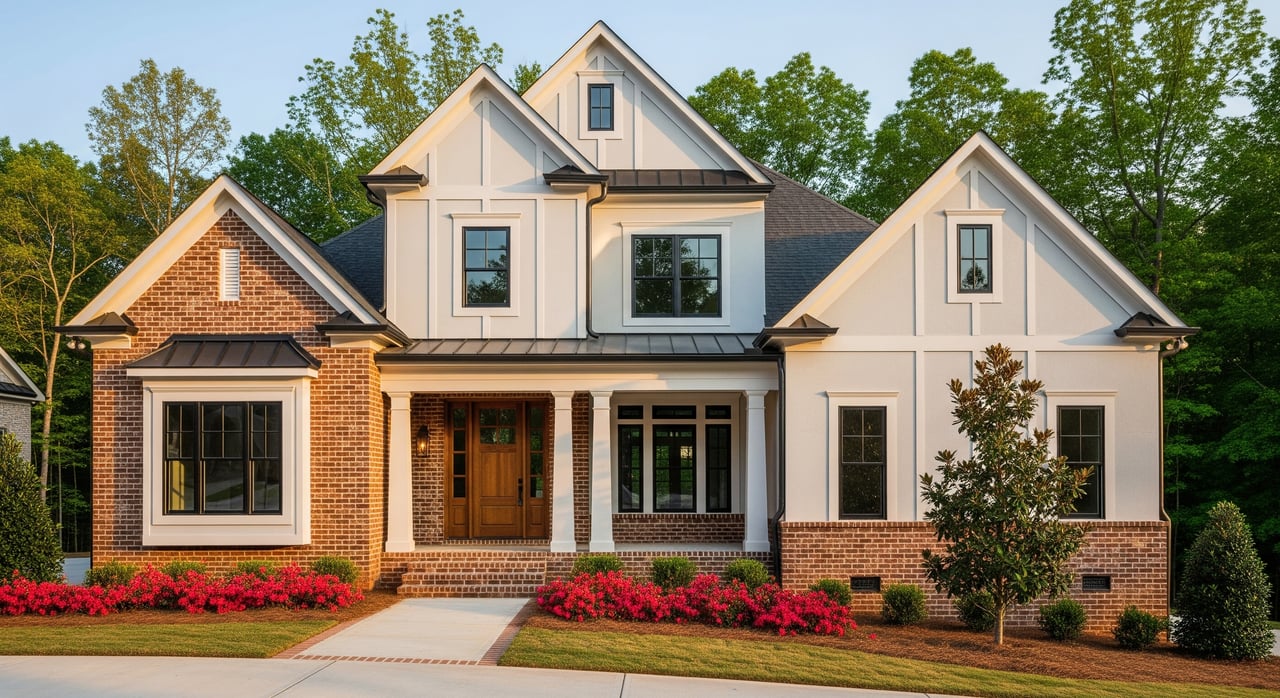
Buying new construction in Gwinnett is exciting, but the warranty paperwork can feel like a lot. You want to know what is covered, what is not, and how to get help fast if something goes wrong. This guide breaks down the common 1/2/10 warranty format, what to check before you close, and how to handle claims. You will also get a simple checklist you can take to your walkthrough. Let’s dive in.
What your builder warranty covers
Many new homes in Gwinnett follow a tiered warranty pattern known as 1/2/10. Exact terms vary by builder, but here is the general idea:
- 1 year — Workmanship and materials. Typical items include drywall cracks, paint touch-ups, trim and cabinet alignment, minor roofing or siding workmanship issues, and flooring defects tied to installation.
- 2 years — Mechanical systems. Coverage often includes installation defects in HVAC, plumbing, and electrical distribution. Manufacturer warranties usually cover the equipment itself, while the builder covers installation workmanship.
- 10 years — Structural. Limited coverage for major structural defects that affect load-bearing components and make the home unsafe or unlivable. This often includes foundation failure or framing collapse and is usually repair-focused.
Your written warranty controls the details, including definitions, timelines, and remedies. Always get the full document and read it closely.
Georgia and Gwinnett context
In Georgia, your rights usually come from the purchase contract and the written warranty. Statutes and case law exist, but your first step is to follow the warranty process. If a serious defect arises or a claim is denied, consider speaking with a Georgia construction attorney.
Gwinnett County permits and inspects new homes and issues Certificates of Occupancy. Ask for copies of permits, inspection records, and the CO at closing. Keep these with your warranty package.
What is not covered
Most builder warranties list exclusions and limitations. Common ones include:
- Normal settling, hairline cracks, and color variations.
- Wear and tear, misuse, or lack of maintenance.
- Damage from alterations by the homeowner or third parties.
- Acts of nature like storms or floods.
- Items covered by a manufacturer, such as appliances or roofing materials.
- Lot and landscaping issues with short coverage windows or specific limits, including grading and drainage.
When in doubt, check whether an item is a builder workmanship issue, a manufacturer issue, or an HOA/common-area issue.
Townhome and small-lot specifics
Shared elements and HOAs
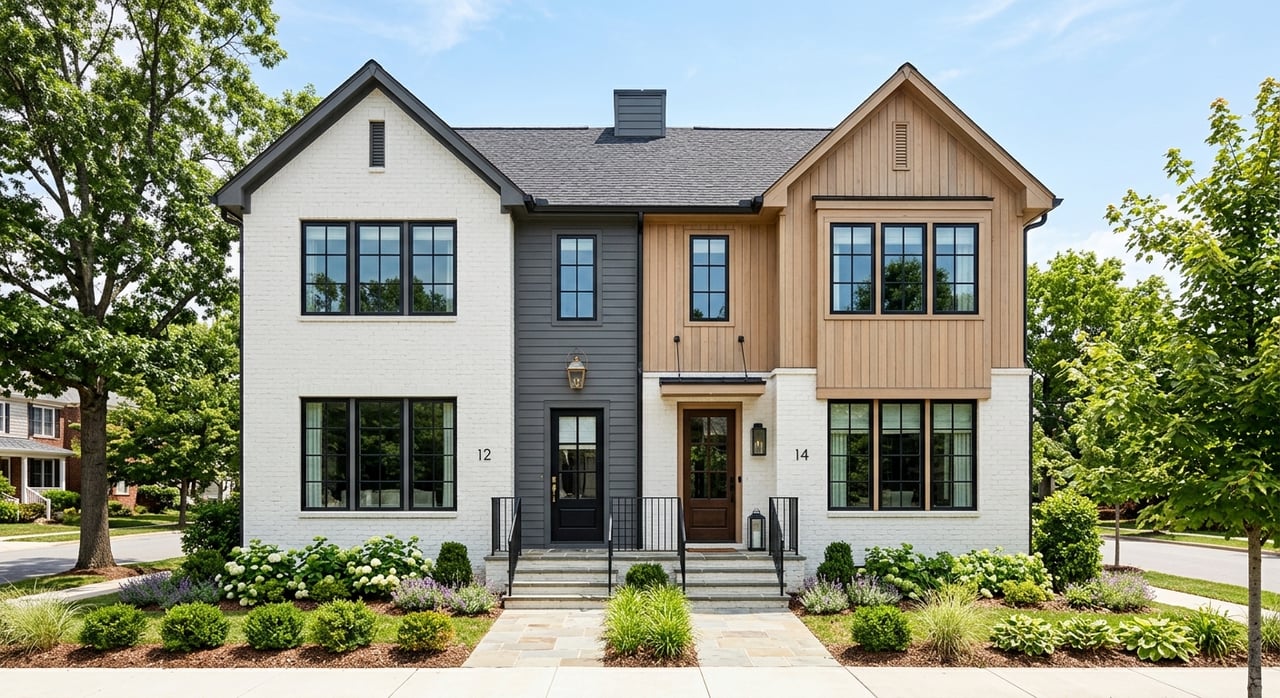
For townhomes, confirm how the warranty treats party walls, shared roofs, and framing that crosses units. Ask how responsibilities shift when the HOA takes control. Obtain any master warranty for common areas and understand how to file a claim for shared elements.
Drainage and grading
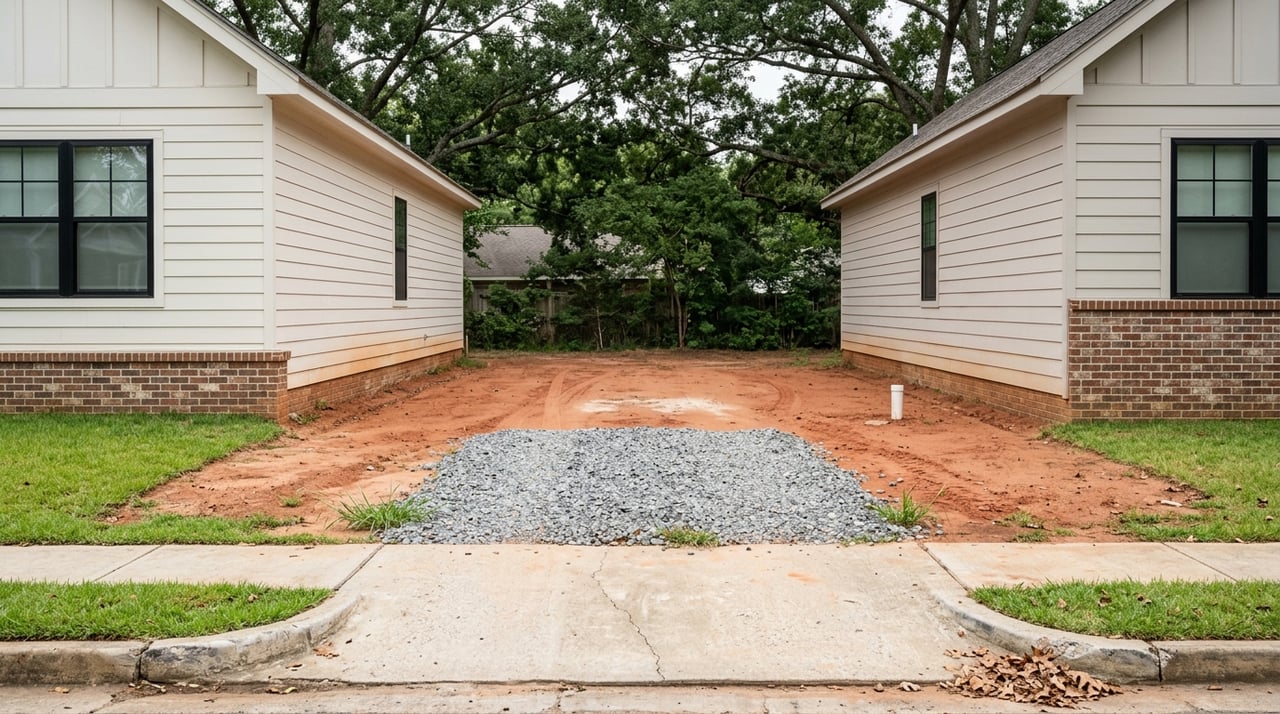
Small-lot communities can have tight drainage patterns. Clarify what the builder warrants for lot drainage, erosion control, retaining walls, and any shared stormwater features. Understand what falls to the HOA versus you as the homeowner.
Utilities, driveways, and streets
Driveways, sidewalks, curbs, and utility tie-ins can have different coverage windows depending on whether they are private, HOA controlled, or part of county infrastructure. Get clear instructions on who handles repairs.
HOA turnover timing
Builders typically turn over the community to the HOA after a certain phase or number of sales. Ask when turnover is expected, what open items remain, and how warranty rights for common elements will be protected.
How to file a warranty claim
Follow your warranty’s notice rules exactly. A simple process usually works best:
- Document the issue. Take dated photos or video and write a short description with location.
- Notify the builder in writing. Email is often fine, but follow any method the warranty requires.
- Track responses. Keep a log with dates, names, and promised actions.
- Be available for inspection. The builder or warranty administrator will assess whether the item is covered.
- Schedule repairs. Confirm scope, timelines, and access. Ask how completed work will be documented.
- Escalate if needed. Many warranties outline steps such as a warranty administrator, mediation, or arbitration. Serious defects may call for expert inspections and legal advice.
Response times vary by contract. Look for sections that describe when the builder will respond and how quickly repairs should be scheduled.
Pre-closing walkthrough checklist
Bring your warranty and contract addenda to the walkthrough. Walk once a few days before closing, then again on closing day.
Essential documents
- Builder warranty documents and any third-party warranty certificates
- Permits, inspection records, and the Certificate of Occupancy
- Manufacturer warranties for appliances and HVAC
- HOA documents and any master warranty for common areas
- Signed punch list items with target completion dates
Tools to bring
- Smartphone for photos and video
- Flashlight and level
- Outlet tester
- Tape measure and notepad
- A helper to double-check rooms
Exterior checks
- Grading and drainage move water away from the home. No ponding near the foundation.
- Roof and gutters are aligned, secured, and draining away from the house.
- Siding, brick, and trim have no large gaps and flashing is intact.
- Windows and exterior doors open, close, and lock smoothly with sealed caulking.
- Garage door and opener work and seals are tight.
- Driveway and sidewalks have no trip hazards and slope properly.
- Landscaping and erosion control match what was promised.
Interior checks
- Walls and ceilings: note drywall seams, nail pops, or paint touch-ups.
- Floors: check for levelness, gaps, scratches, and smooth transitions.
- Doors, trim, and cabinets: alignments are even and hardware functions.
- Windows: open, close, and lock; seals are intact; no fogging between panes.
- HVAC: thermostat works, system cycles on and off, filter is installed.
- Plumbing: test all fixtures, hot water, drains, and look for leaks.
- Electrical: test outlets and switches; verify GFCI and AFCI function; panel is labeled.
- Appliances: run basic cycles and confirm installer documentation.
- Safety: smoke and CO detectors installed and working; safety glazing where required.
- Attic, basement, or crawlspace: look for moisture or insulation gaps.
Townhome and small-lot checks
- Party walls: look for alignment issues and sound or seal concerns.
- Inter-unit flashing and lateral drainage at roof lines.
- Common elements like walks, lighting, and entries noted for completion.
- Fencing and retaining walls are stable and correctly placed.
Admin items to confirm
- Warranty contact info and claim instructions
- Completion timelines for punch list items
- Utility transfer steps and meter readings
- Location of manuals, keys, remotes, and spare parts
After closing
- Register any third-party warranties if required.
- Keep a maintenance log and all repair records.
- Schedule an independent new-construction inspection around month 11.
Your first 12-month plan
- Months 1 to 3: Log cosmetic and finish items as the home settles. Submit grouped requests so repairs can be coordinated.
- Months 4 to 10: Monitor systems performance during hot and cold seasons. Document any recurring issues.
- Month 11: Book an 11th-month inspection and submit final first-year claims in writing before the workmanship window expires.
Smart questions to ask your builder
- What are the exact timeframes for workmanship, systems, and structural coverage?
- What counts as a major structural defect under this warranty?
- How are shared elements and HOA areas covered, and who files those claims?
- What are the response times for inspections and repairs?
- Is arbitration required, and what are the notice rules and deadlines?
- Which items are covered by manufacturer warranties versus the builder?
Buying a new home should feel good and secure. With the right plan, you can use your warranty the way it was intended and protect your investment from day one. If you want a steady hand in your corner, connect with top Atlanta real estate agent Maja Sly for guidance on walkthroughs, punch lists, and a smooth path to closing in Gwinnett.
FAQs
What does a 1/2/10 new-home warranty mean in Gwinnett?
- It commonly means 1 year for workmanship and materials, 2 years for systems like HVAC, plumbing, and electrical installation, and up to 10 years for limited structural defects, with exact terms defined by your builder’s contract.
How do HOA and builder warranties work for townhomes?
- Builders may warrant shared elements during construction, then responsibilities can shift to the HOA after turnover; get the master warranty and clarify who files claims for common areas and party walls.
Are grading and drainage issues usually covered on small lots?
- Coverage is often limited and time-bound; confirm what the builder warrants for lot drainage, erosion control, and retaining walls, and what falls to the HOA or homeowner.
What should I do if my builder denies a warranty claim?
- Document the issue, request reinspection, review the warranty’s escalation steps, consider third-party expert inspections, and consult a Georgia construction attorney for significant defects.
Do I need an inspection on a brand-new home?
- Yes, an independent pre-closing inspection and an 11th-month inspection can catch workmanship and systems issues early and help you file timely claims.
When should I schedule the 11th-month inspection?
- Schedule it a few weeks before your one-year workmanship period ends so you have time to submit written claims with photos and a clear punch list.