If you want an intown Atlanta neighborhood where daily life can feel more connected and less car-dependent, Grant Park deserves a close look. Living near the Southside Trail puts you close to a major trail corridor, neighborhood gathering spots, and rail access that can shape how you move through the week. If you are wondering what that looks like in real life, this guide will walk you through the setting, routines, and homeownership considerations that matter most. Let’s dive in.
Grant Park at a Glance
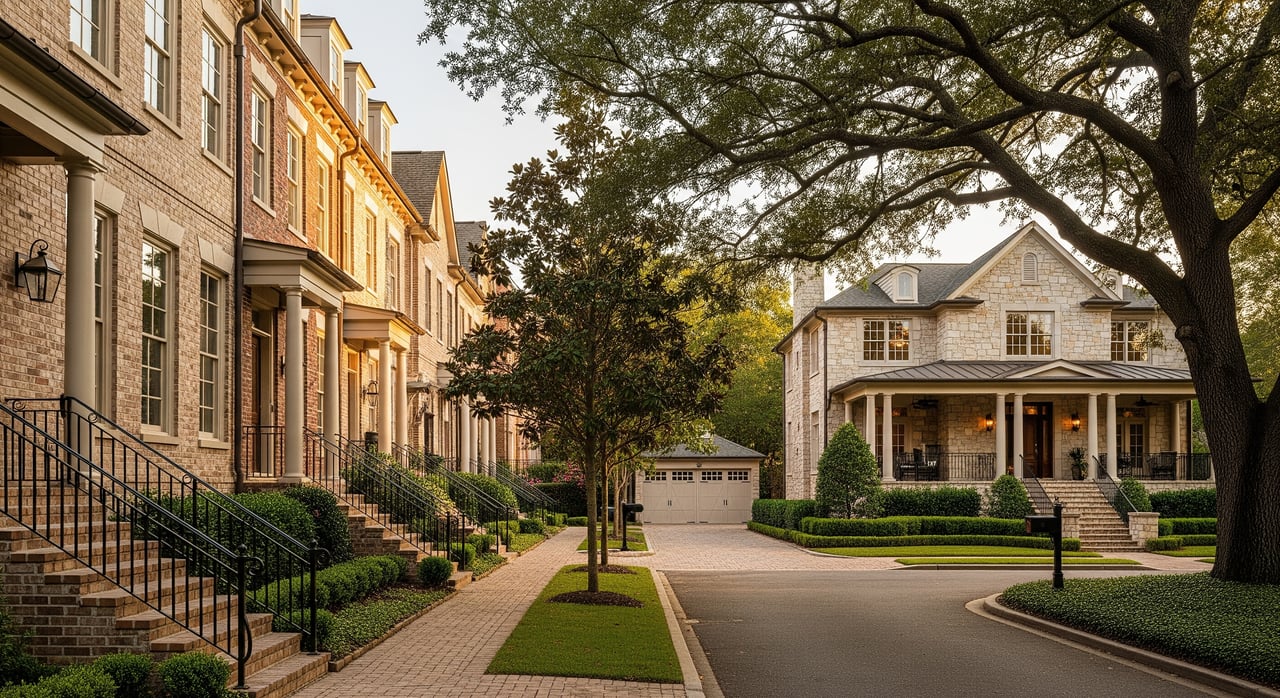
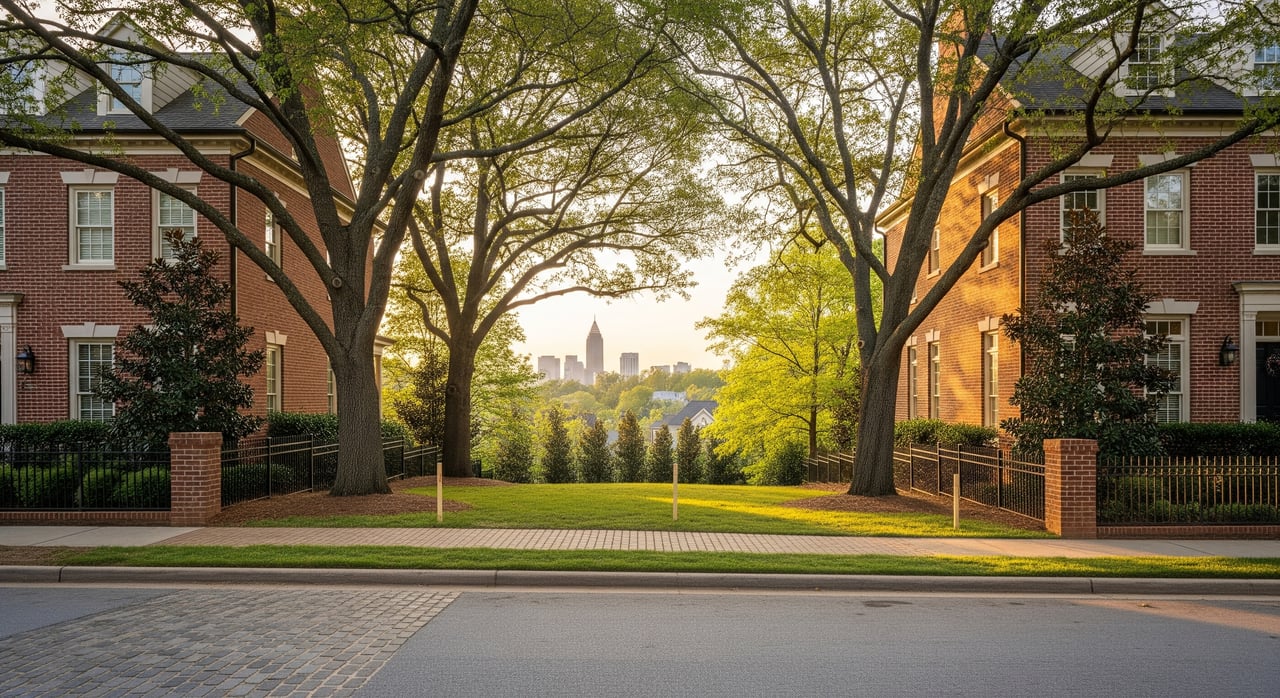
Grant Park is a historic district in the City of Atlanta, Fulton County, centered on a 131-acre park. The city describes the broader district as covering more than 430 acres of rolling terrain, mature trees, and an extensive sidewalk system.
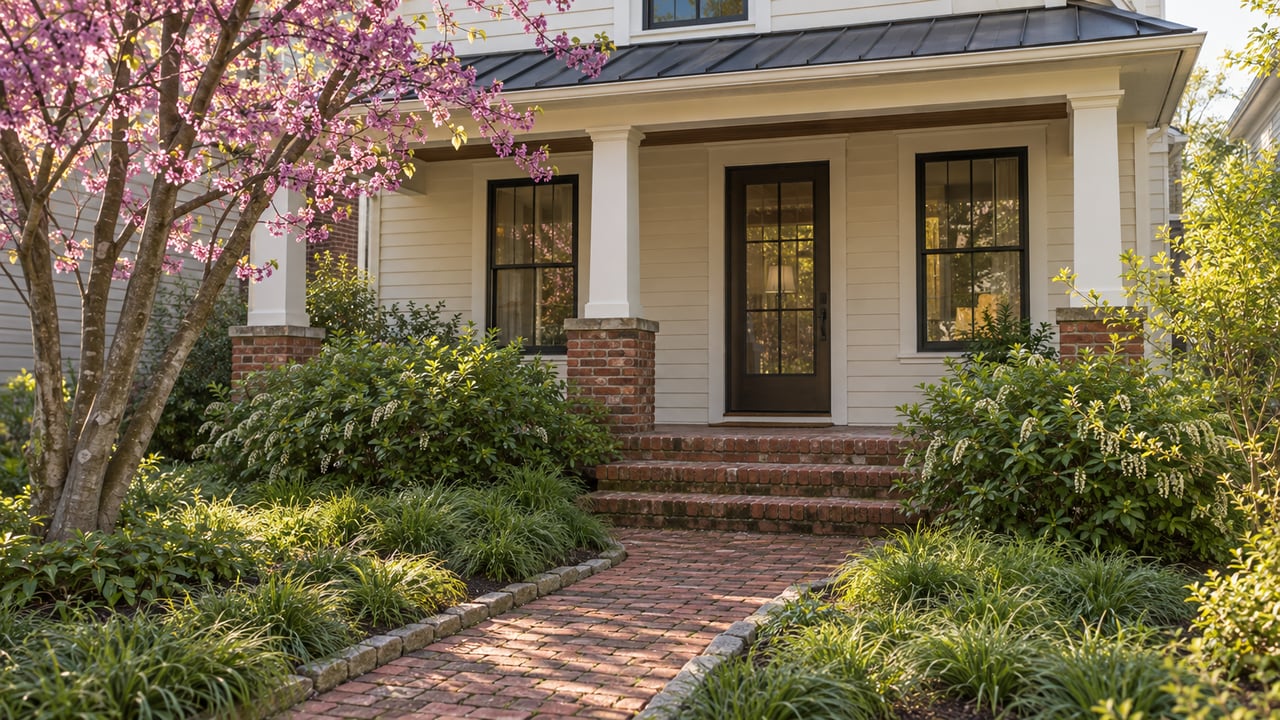
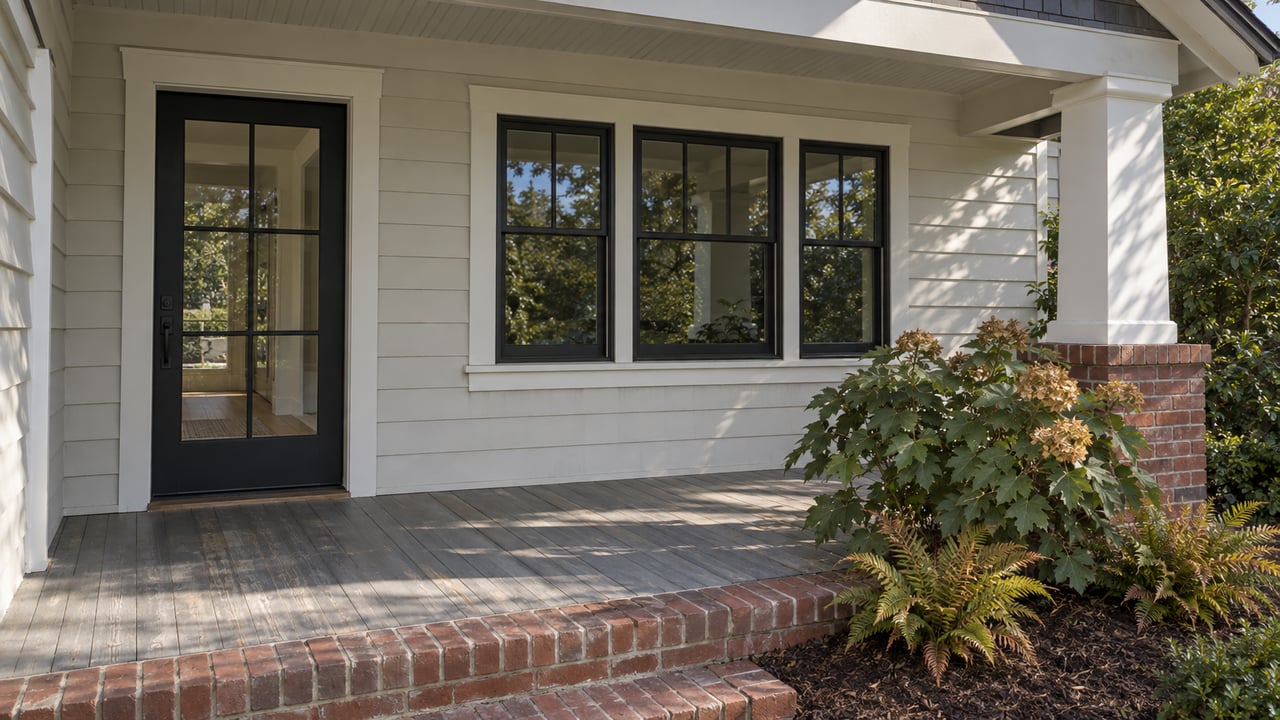
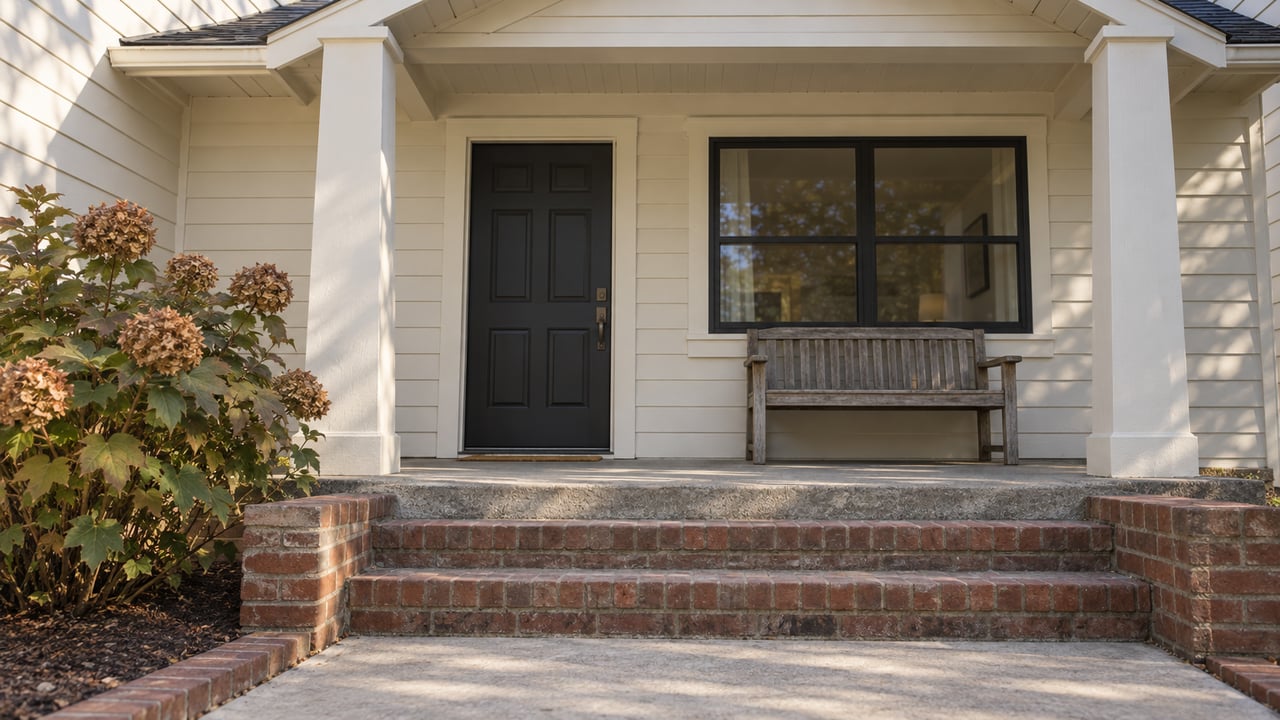
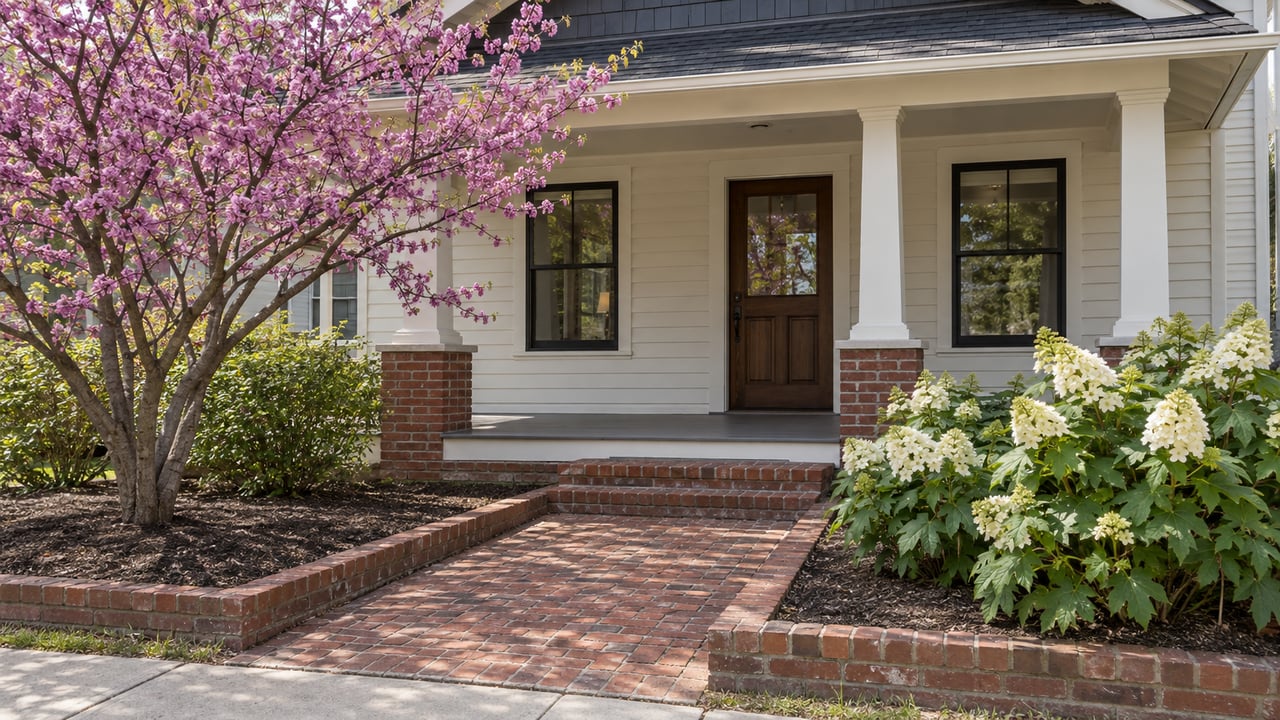
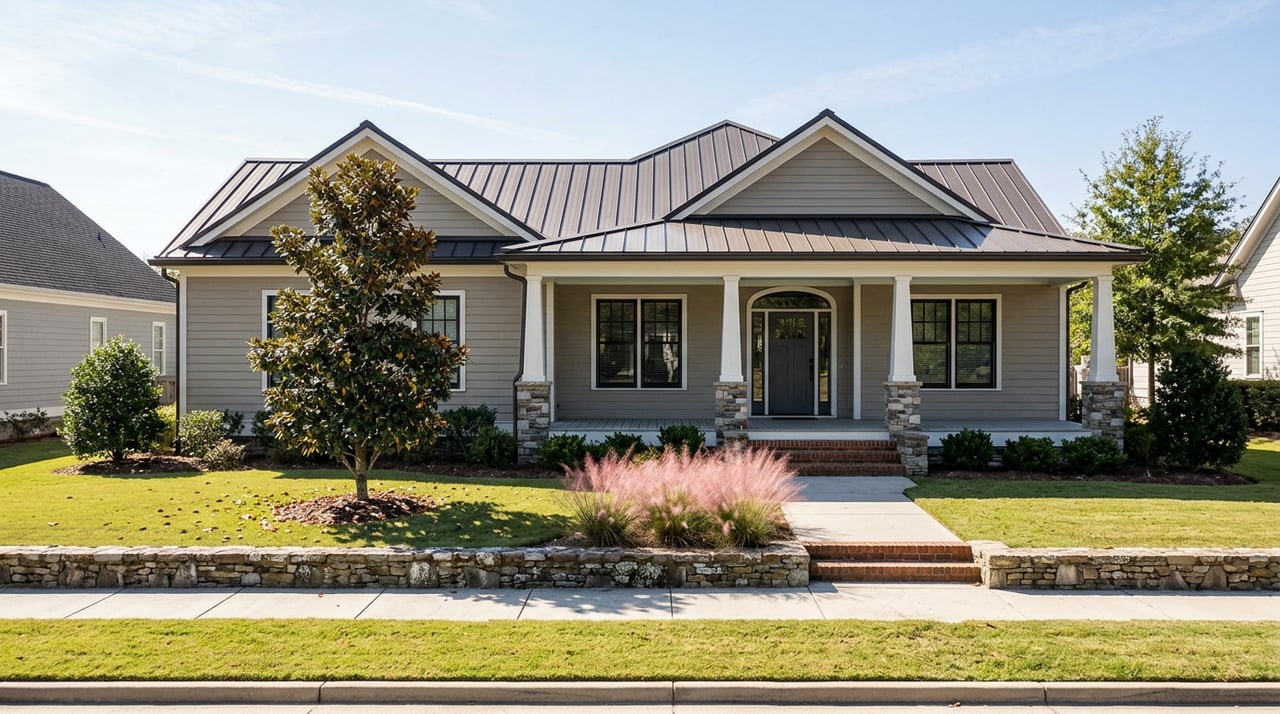
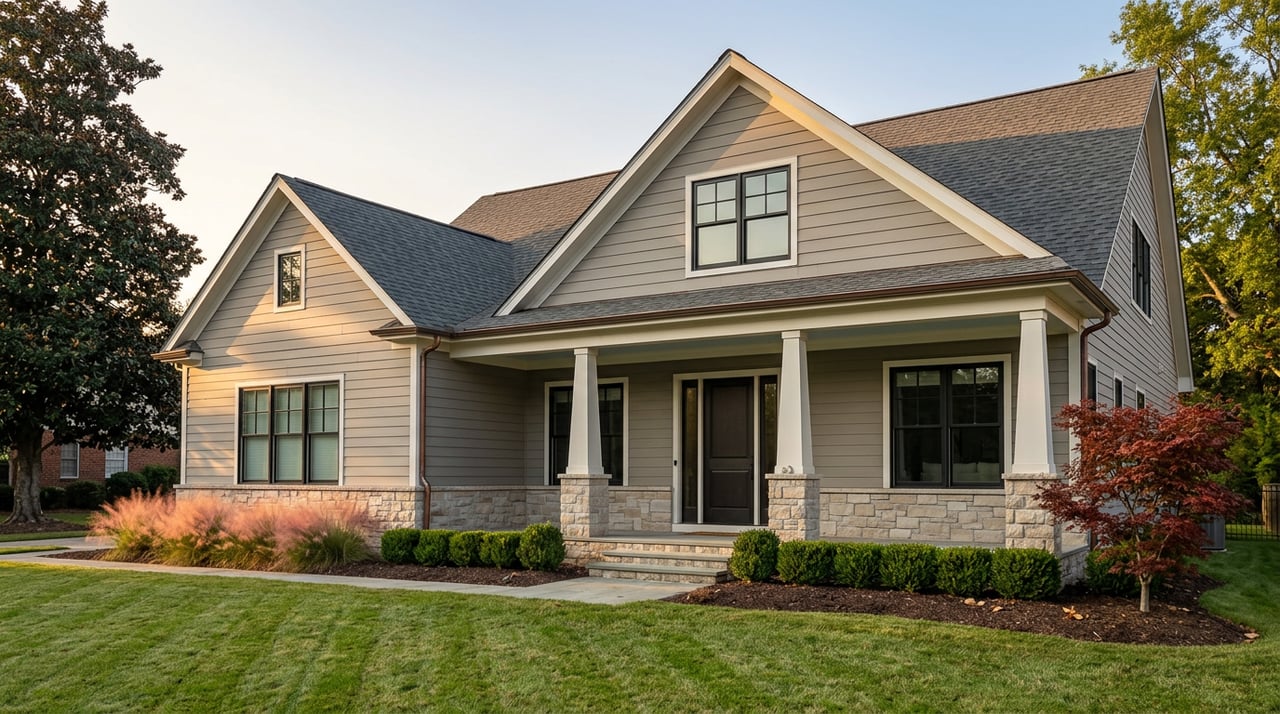
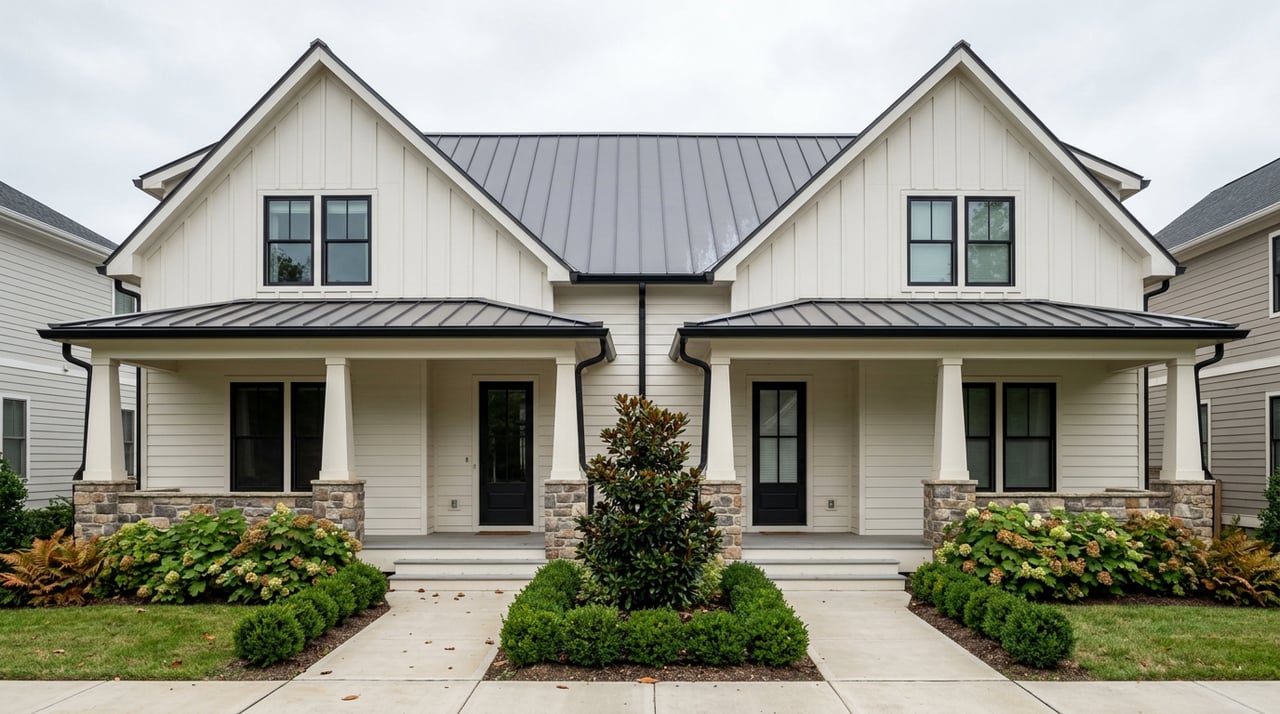
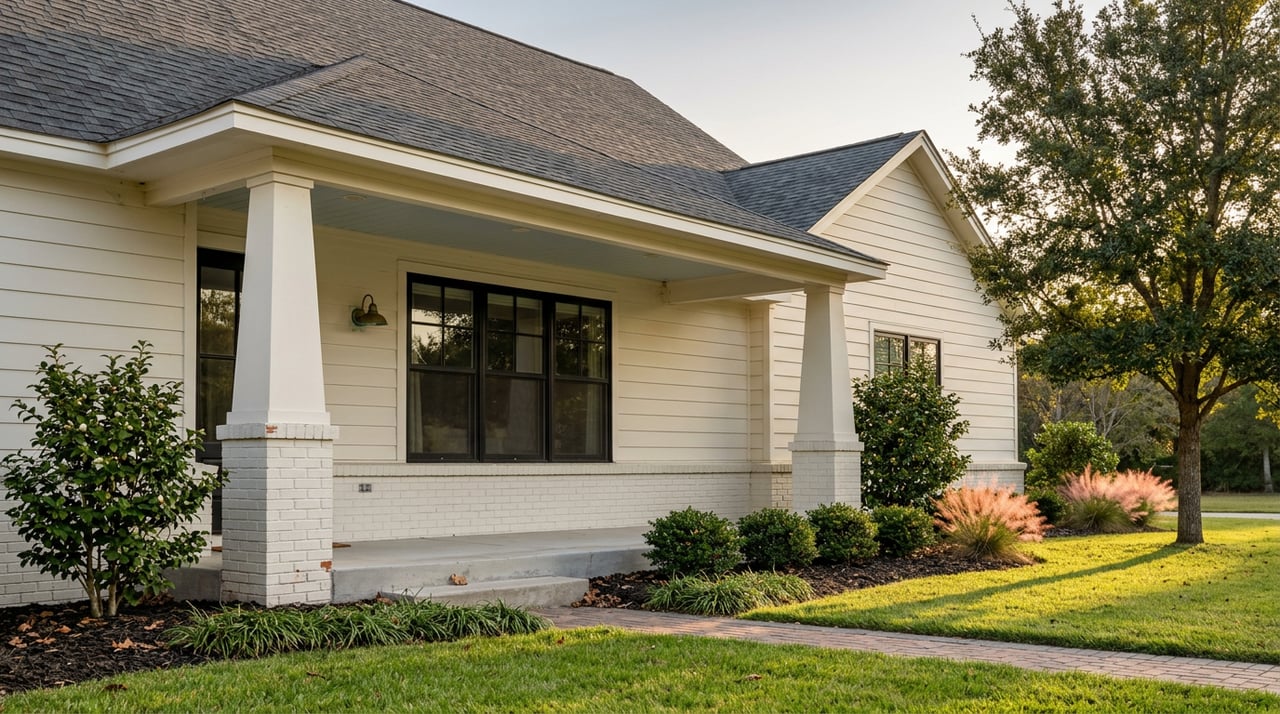
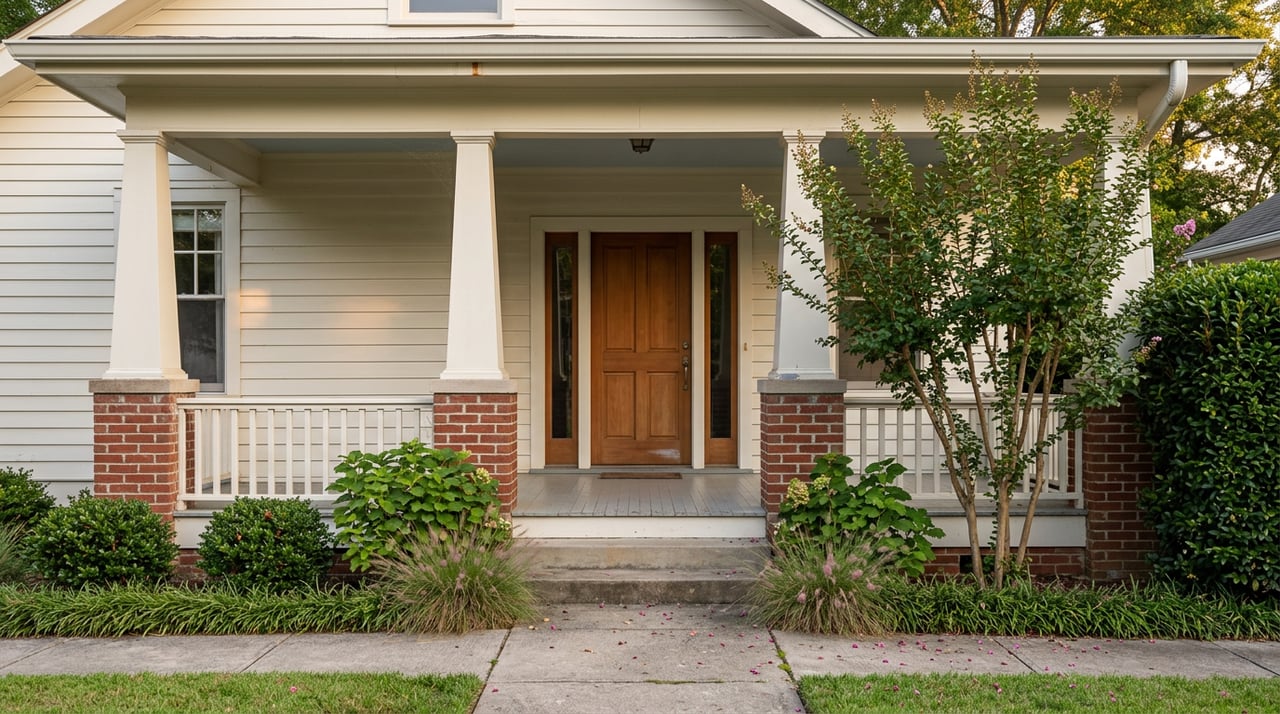
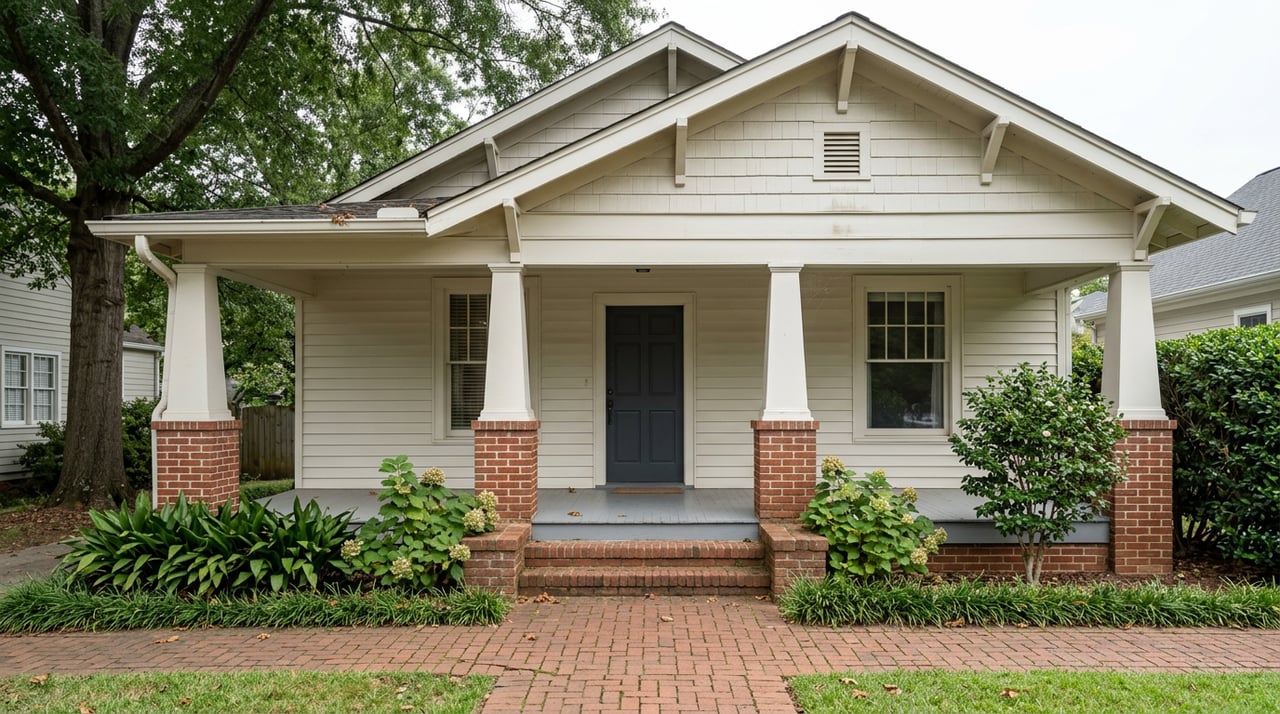
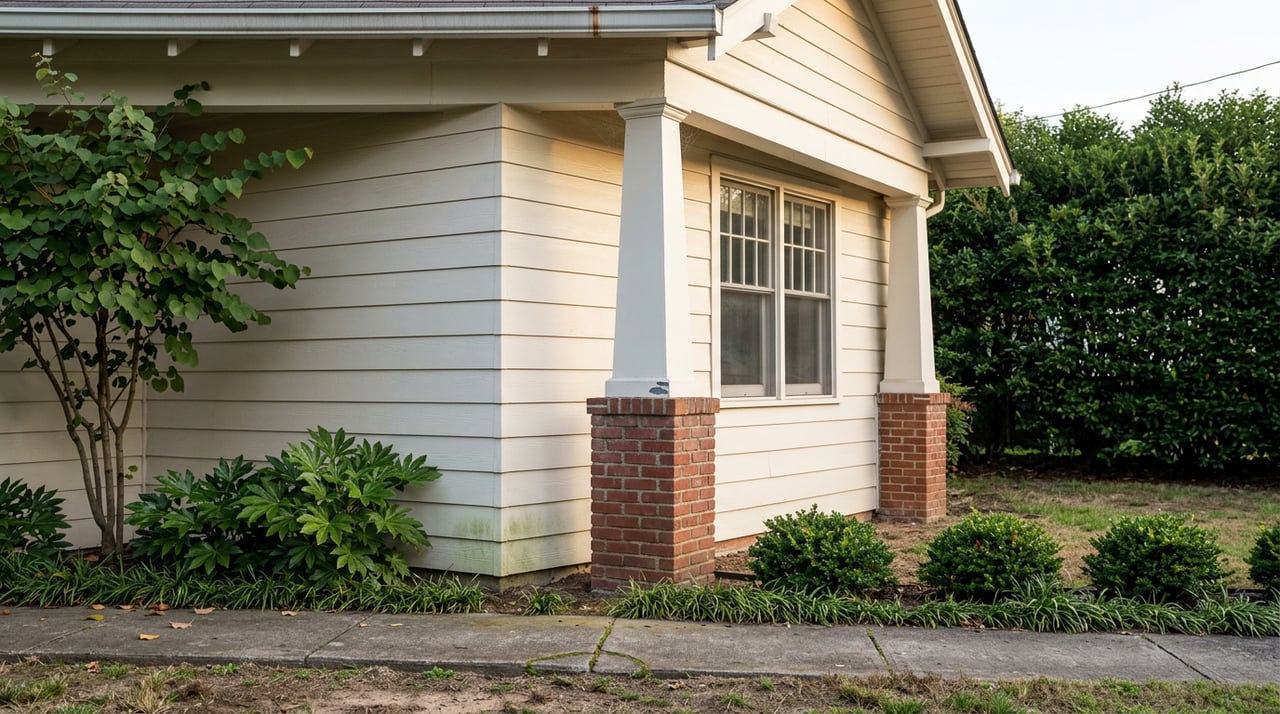
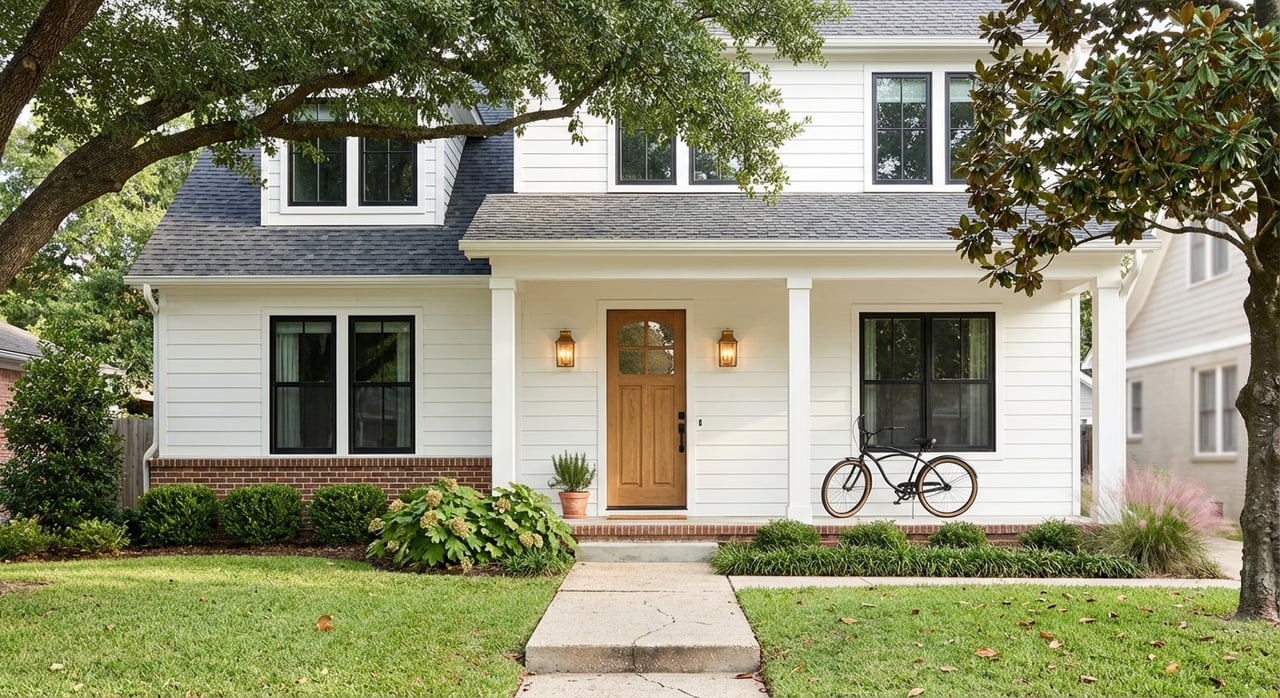
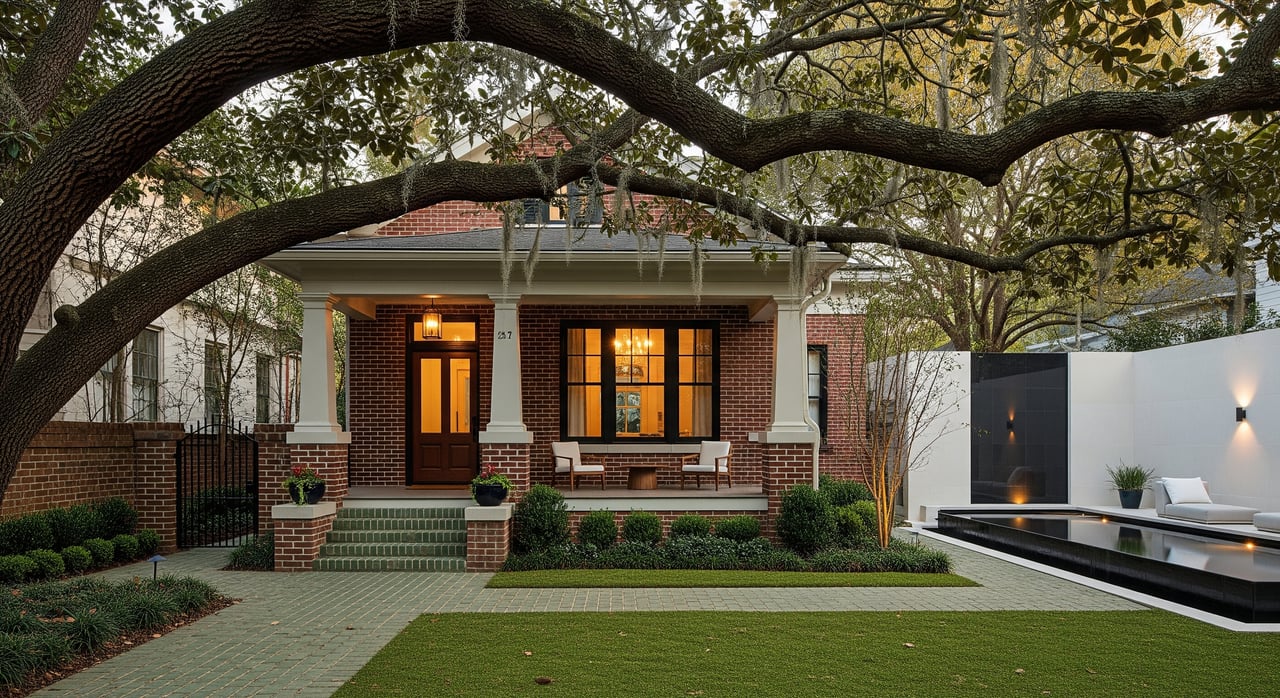
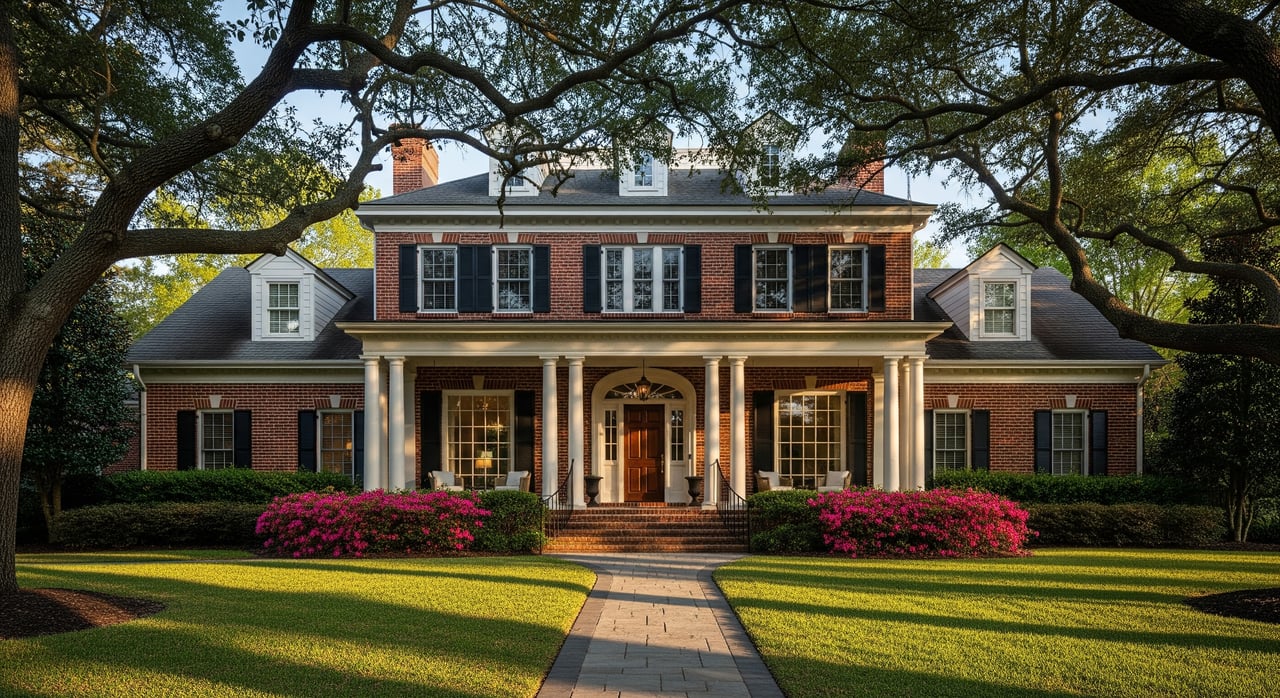
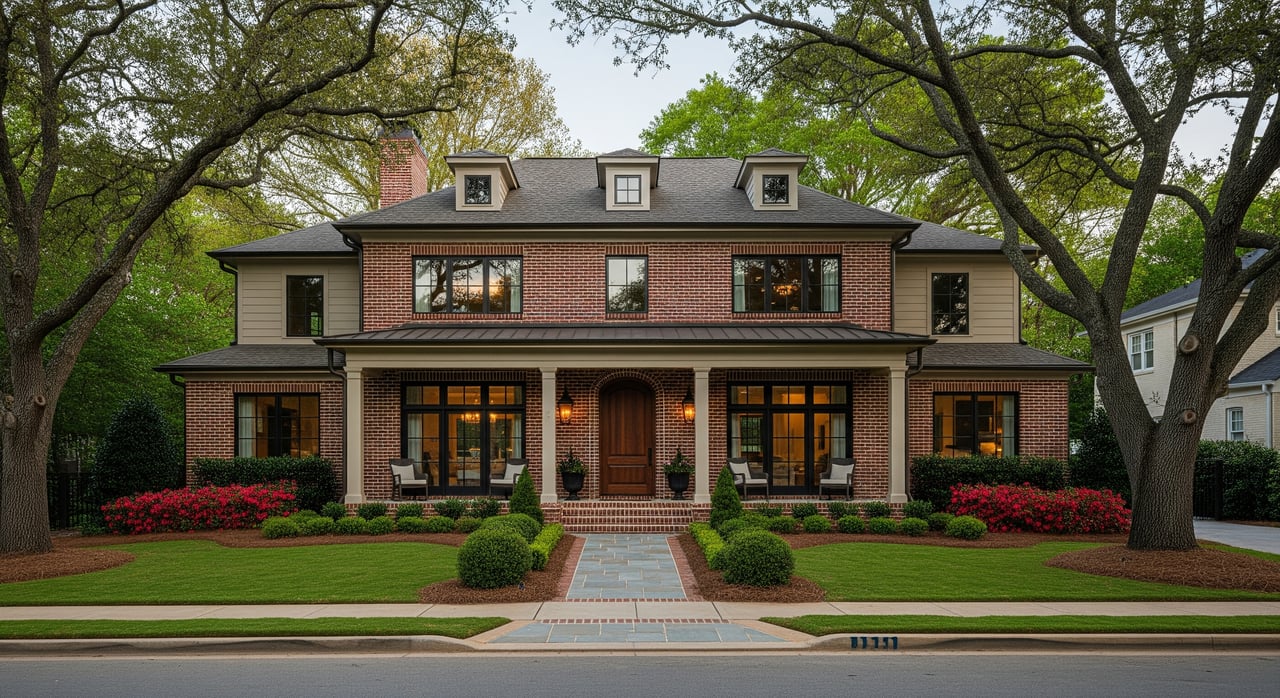
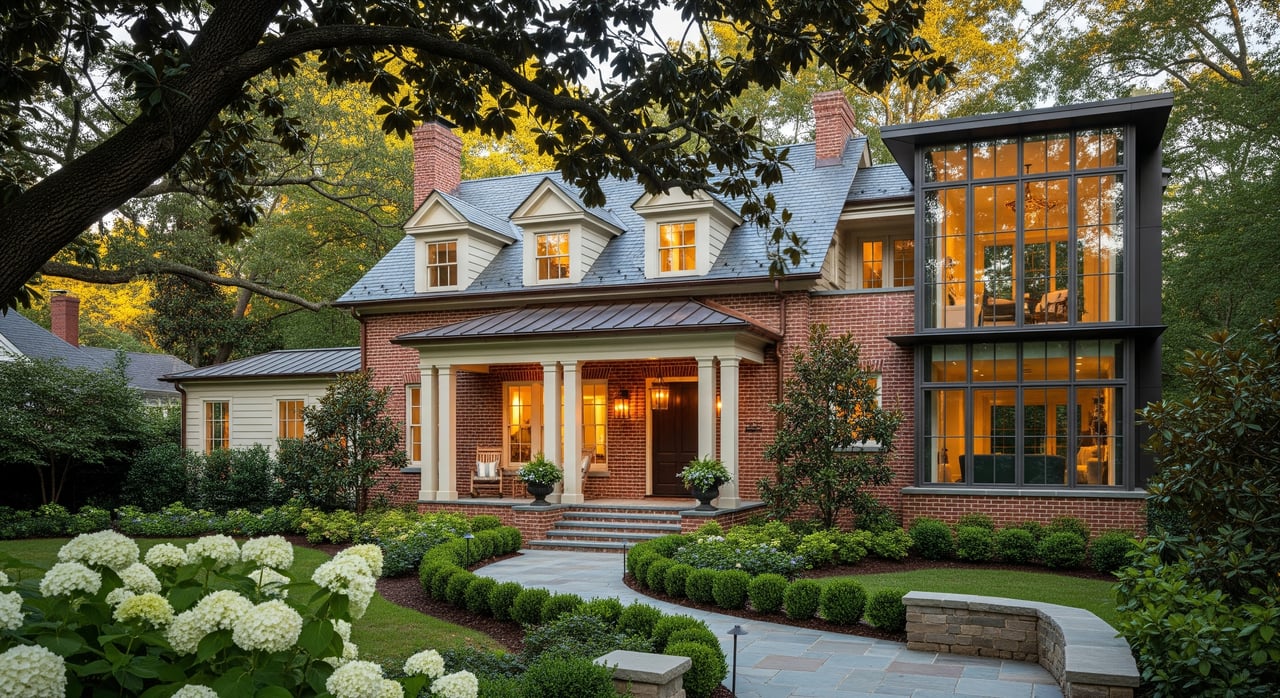
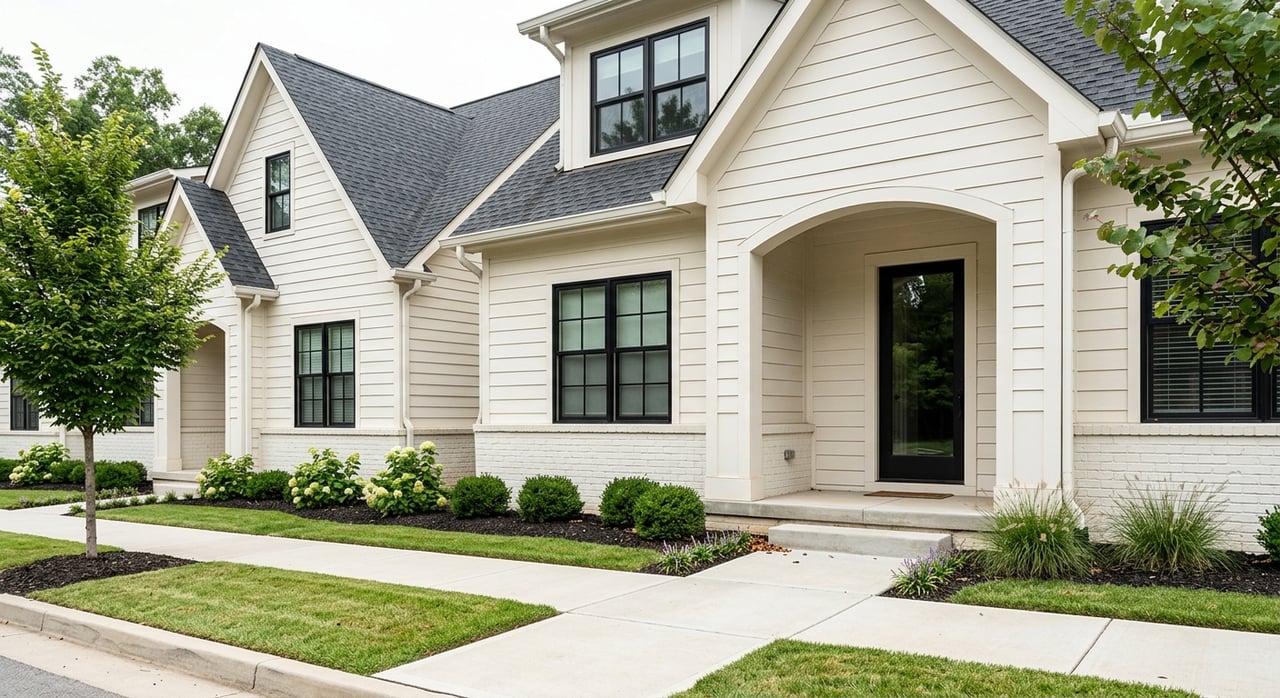
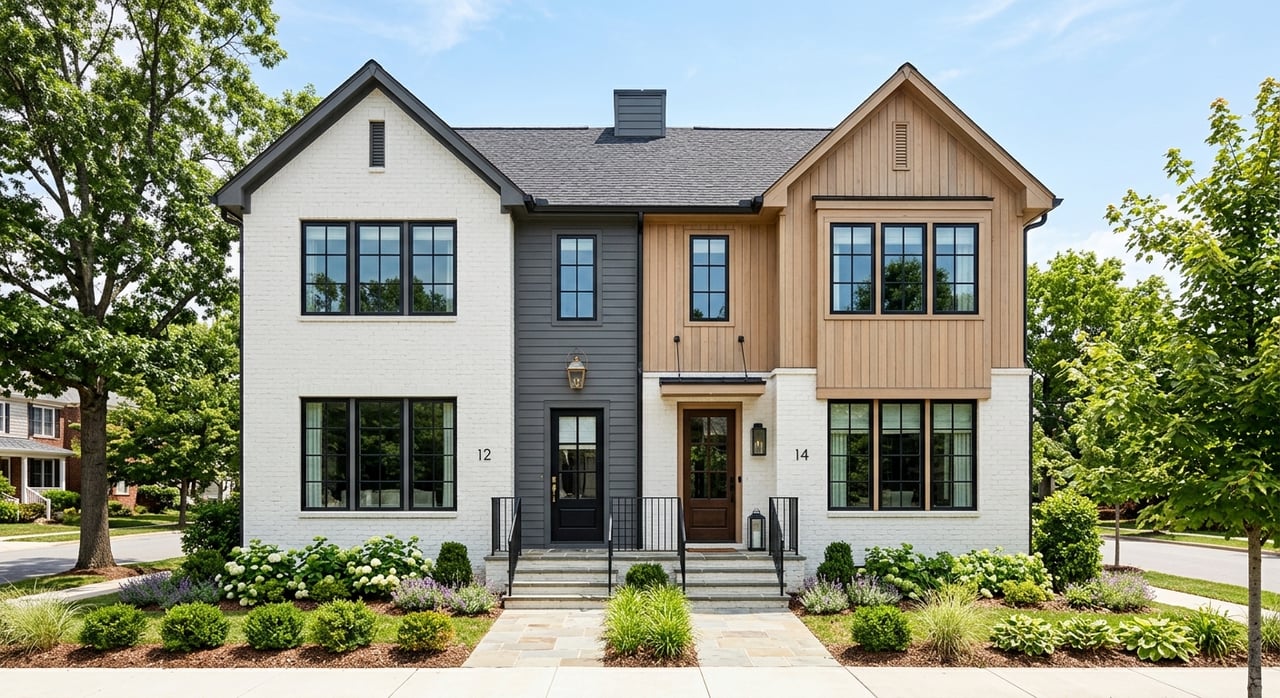
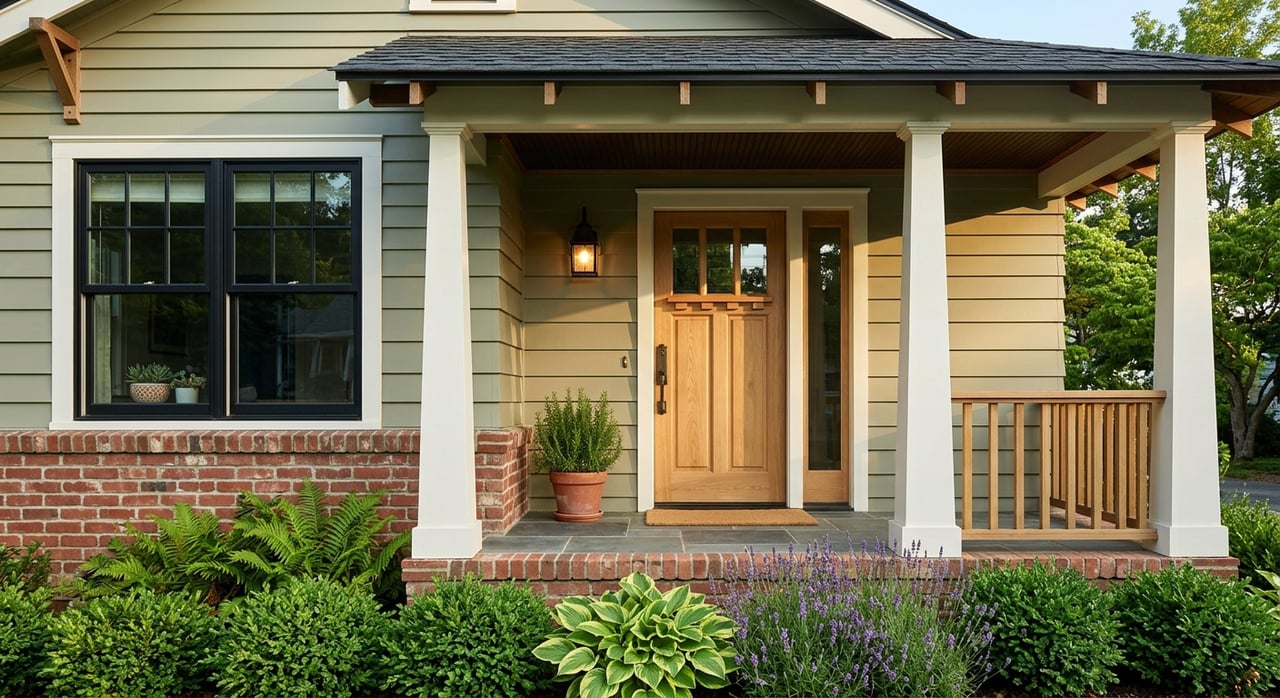
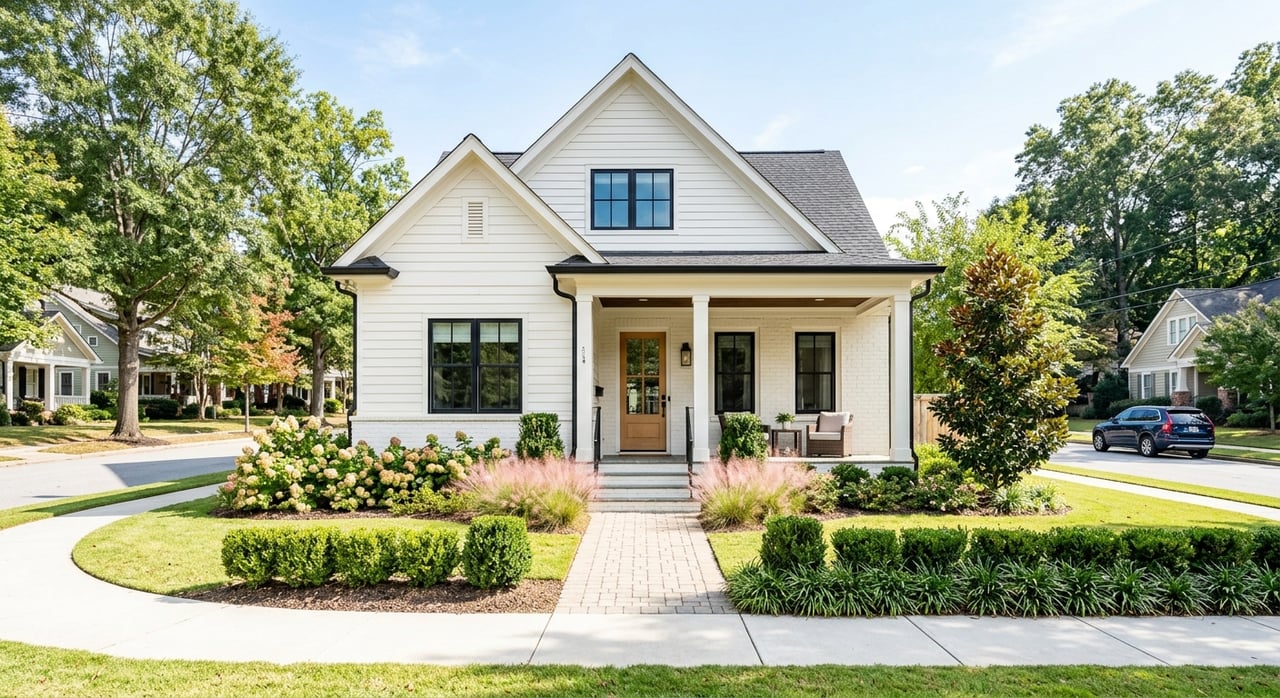
That setting gives the neighborhood a distinct feel. Much of the housing stock dates to the late 19th and early 20th centuries, with home styles that include Queen Anne, Folk Victorian, and Craftsman homes. If you are drawn to preserved streetscapes and older architecture, that is a big part of Grant Park’s appeal.
What the Southside Trail Means for Daily Life
The trail next to Grant Park is now the BeltLine’s Southeast Trail. In April 2026, the BeltLine opened the final segments from Boulevard to Glenwood Avenue, completing a 2.5-mile trail from Krog Street Tunnel to Boulevard Southeast.
That matters because the trail is more than a place to get outside on the weekend. The BeltLine positions this corridor as a space to bike, walk, run, socialize, and commute, which means it works as both a recreation amenity and a transportation route.
For you as a buyer, that can translate into more flexible routines. A short trip for coffee, a walk to a nearby destination, or a bike ride instead of a drive can become part of everyday life, not just an occasional extra.
Trail access is still evolving
One practical note is that some ramps at United Avenue, Ormewood Avenue, and Mercer were still closed for railing work when the updated trail information was published. If easy entry points are high on your list, it is worth paying attention to how close a home sits to your preferred access point.
Nearby Destinations You Will Actually Use
One reason the Southside Trail stands out is that it connects to places people already use. The BeltLine says the Southeast Trail provides access to Grant Park and Zoo Atlanta and links nearby southside neighborhoods including Reynoldstown, Glenwood Park, Ormewood Park, and Boulevard Heights.
That kind of connection can make the area feel bigger without making your daily life more complicated. You are not just near a trail. You are near a corridor that ties together parks, neighborhood destinations, and surrounding intown areas.
The Beacon adds a neighborhood hub
The Beacon at 1039 Grant Street SE sits along the trail and describes itself as a mixed-use destination with shopping, dining, working, and essential services. Its positioning as a gathering place matters because it helps support a routine built around short neighborhood trips.
Instead of thinking only in terms of driving to separate destinations, you can picture a more compact pattern. Grab a meal, run a quick errand, or meet up with friends, all within a walkable or bikeable setting near the trail.
The farmers market supports a weekly rhythm
The Grant Park Farmers Market is held at The Beacon every Sunday, year-round, from 9:00 a.m. to 1:00 p.m. According to the market and Beacon information, it includes locally grown produce, meats, breads, artisanal foods, chef demonstrations, children’s activities, live music on Second Sundays, seating, and picnic areas.
For many buyers, this is the kind of detail that helps a neighborhood move from interesting to livable. Weekly events can shape your routine in a simple way, especially when they are easy to reach and consistent throughout the year.
How Transit Fits Into the Picture
Living near the Southside Trail in Grant Park is not just about walking and biking. MARTA also plays an important role in how the area works.
King Memorial Station is on the Blue and Green lines at Decatur and Grant Street, with bus service and Kiss & Ride parking. MARTA’s station profile places the northern portion of Grant Park south of the station, which helps explain why this stop is part of the neighborhood conversation.
Georgia State Station also adds broader rail access. MARTA classifies it as an Urban Core station on the Blue and Green lines and says it provides rapid rail service to Downtown, Midtown, and Hartsfield-Jackson, with bus connections to several city destinations.
A car-light routine is realistic here
Taken together, the BeltLine, The Beacon, the farmers market, and MARTA point to a mixed-mode lifestyle. You may still use a car, but many nearby errands and outings can be handled on foot or by bike, while rail and bus service can support trips across the city.
Zoo Atlanta’s visitor guidance reinforces that pattern by encouraging MARTA, biking, walking, and Relay Bike Share. It also notes a bike-share hub at King Memorial Station, which gives another clue about how people can move through this part of Atlanta.
What Homebuyers Should Expect in Grant Park
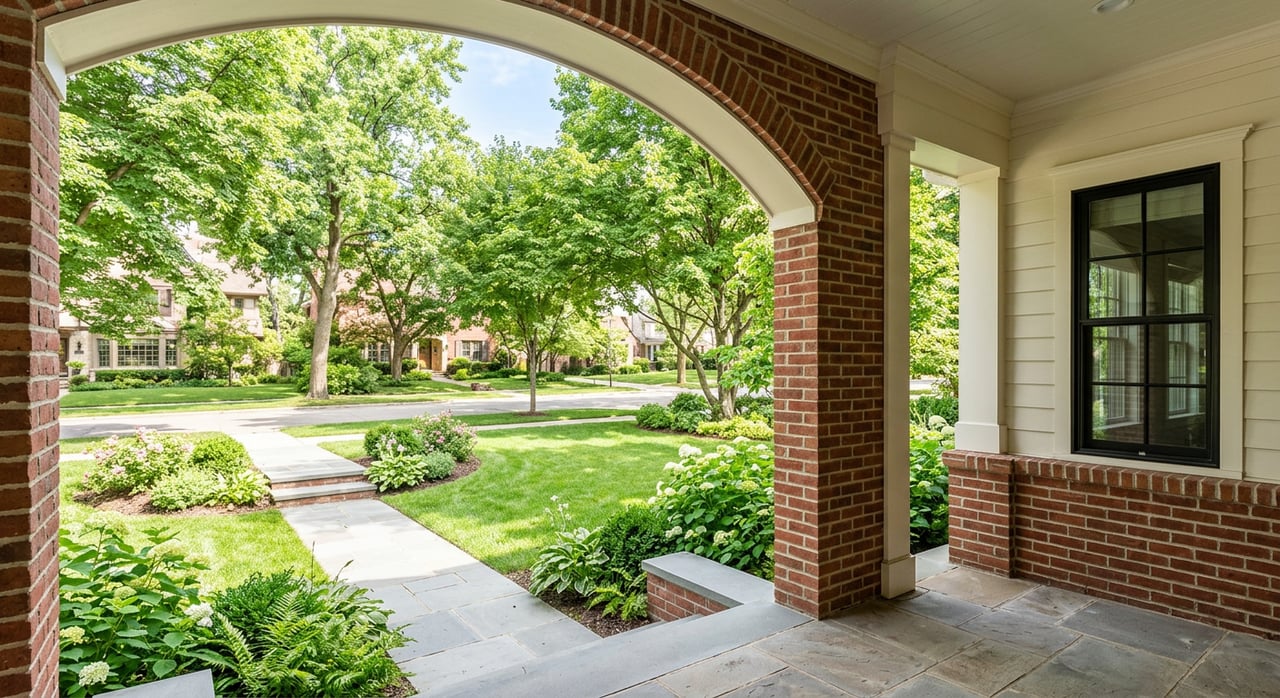
Grant Park’s appeal is closely tied to its history and physical character. The city describes an extensive sidewalk system, mature trees, and older homes across rolling terrain, so the neighborhood offers a different experience from a newer master-planned community.
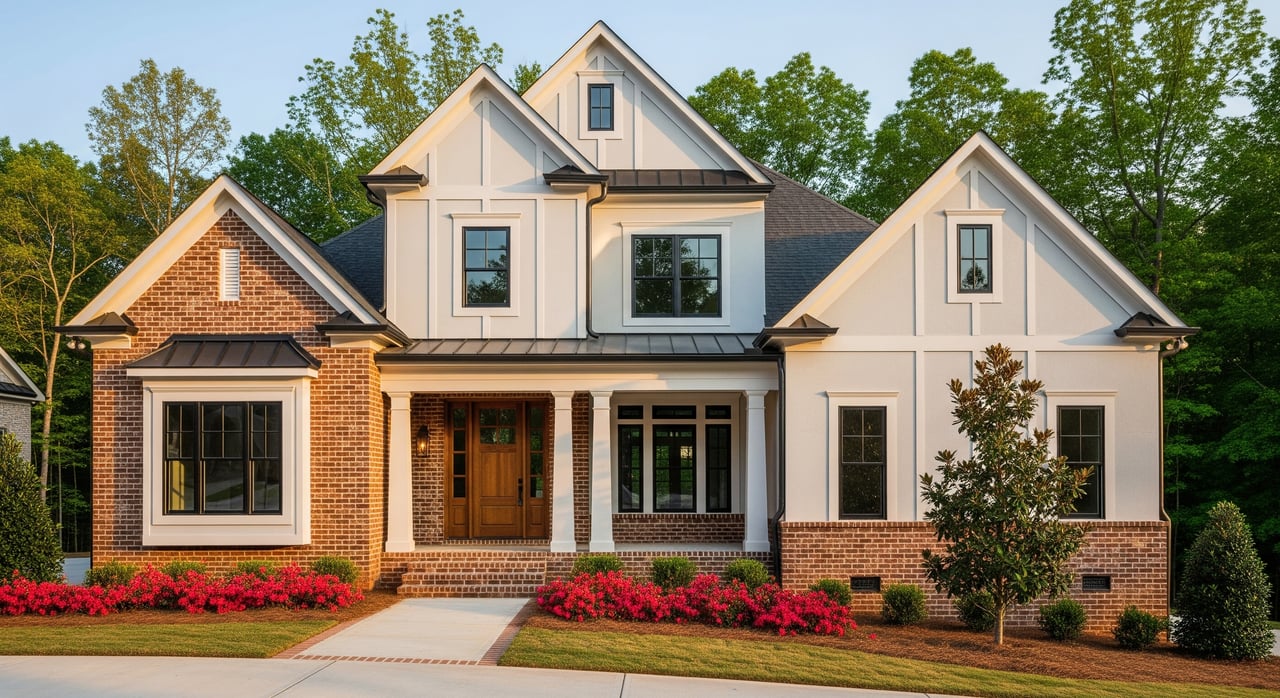
That tradeoff is important to understand before you buy. If you want preserved architecture, an established streetscape, and a location shaped by neighborhood amenities, Grant Park can be a strong fit. If you are expecting mostly newer housing and a more uniform layout, the neighborhood may feel different than you first imagined.
Older housing stock brings character and questions
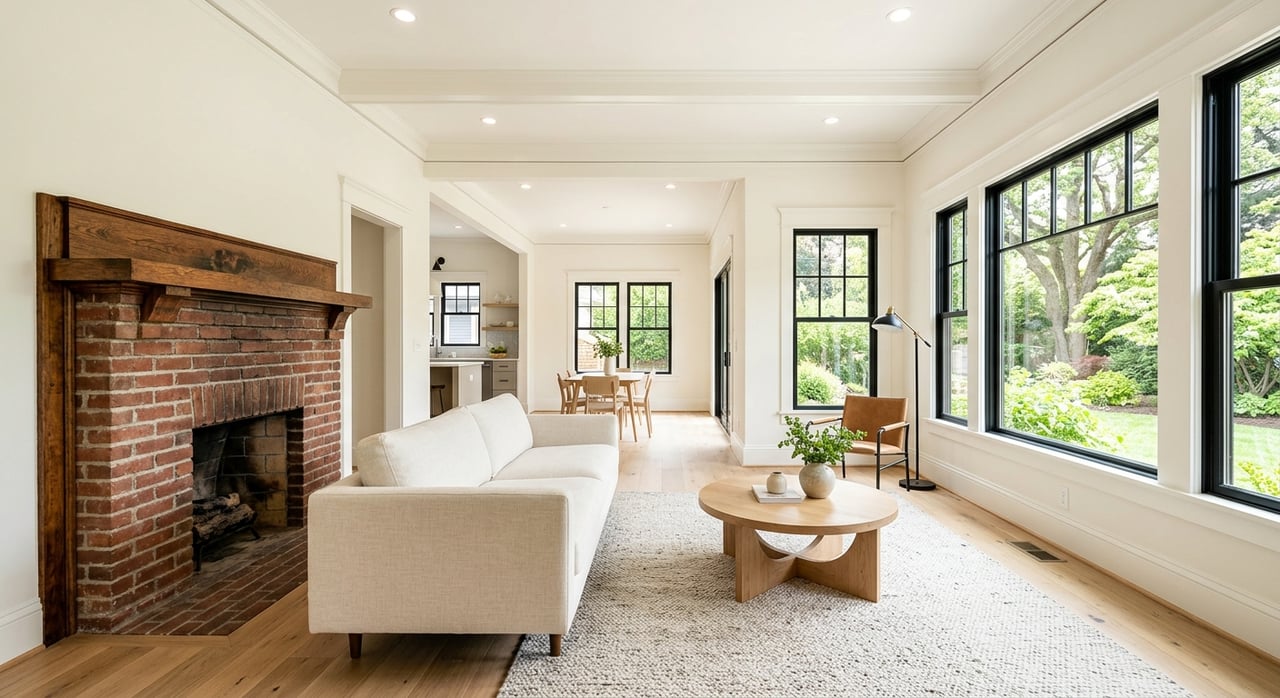
Older homes often offer details and charm that are harder to find in newer construction. In Grant Park, that can mean historic architectural styles and a strong sense of place.
At the same time, buyers should go in with clear eyes. When a neighborhood is known for older housing stock, it is smart to pay close attention to condition, updates, and how a specific home fits your budget and maintenance expectations.
The Neighborhood Culture Is Engaged
Grant Park is not just defined by its homes and trail access. It also has an active neighborhood association, GPNA, which holds a monthly general body meeting on the third Tuesday and maintains committees focused on land use and zoning, public safety, homes and history, transportation, and economic development.
That tells you something useful as a buyer. This is a neighborhood where residents regularly participate in conversations about change, preservation, and local priorities.
Why that matters when you buy
An engaged neighborhood culture can be a positive if you value local participation and stewardship. It can also mean that changes in the area tend to be discussed in a visible, organized way.
For buyers, that is less about labeling the neighborhood and more about understanding how it functions. If you want a place with established civic involvement and a strong identity, Grant Park offers that kind of environment.
Who Might Love Living Here
Living near the Southside Trail in Grant Park may be especially appealing if you want:
- A neighborhood with historic character
- Everyday access to walking and biking routes
- Nearby dining, shopping, and weekly market options
- MARTA access for broader city trips
- An intown lifestyle built around shorter local errands
It may be a strong match if your routine includes getting outside, meeting friends nearby, or reducing the number of car trips you take each week. The area’s appeal comes from how these pieces work together, not from any single feature on its own.
How to Evaluate a Home Near the Southside Trail
If you are considering a purchase in Grant Park, focus on how the location supports your actual routine. A home that looks great on paper may feel very different depending on trail access, proximity to neighborhood destinations, and how comfortable you are with older housing stock.
A few practical questions can help:
- How close is the home to your preferred Southeast Trail access point?
- Would you realistically use The Beacon or the farmers market each week?
- Is MARTA access important for your work or lifestyle?
- Does the home’s age and condition match your budget and comfort level?
- Are you looking for historic character, or would newer construction fit better?
These are the kinds of details that turn a home search into a smart decision. When your goal is in-town ownership, the right fit is often about how the neighborhood works day to day.
If you are exploring Grant Park or comparing it with other intown Atlanta options, working with a team that understands neighborhood patterns, buyer priorities, and practical tradeoffs can make the process clearer. When you are ready to take the next step, connect with Maja Sly for thoughtful, local guidance.
FAQs
What is the Southside Trail near Grant Park?
- The trail corridor next to Grant Park is the BeltLine’s Southeast Trail, which was completed as a 2.5-mile trail from Krog Street Tunnel to Boulevard Southeast in April 2026.
What is Grant Park known for as a neighborhood?
- Grant Park is known as a historic Atlanta neighborhood centered on a 131-acre park, with mature trees, sidewalks, rolling terrain, and mostly late-19th- and early-20th-century homes.
What can you walk to near the Southside Trail in Grant Park?
- Nearby destinations include Grant Park, Zoo Atlanta, and The Beacon, which brings together dining, shopping, workspaces, and essential services along the trail corridor.
When is the Grant Park Farmers Market at The Beacon?
- The Grant Park Farmers Market is held every Sunday year-round from 9:00 a.m. to 1:00 p.m. at The Beacon.
How does MARTA connect to Grant Park and the Southside Trail?
- King Memorial Station on the Blue and Green lines sits near the neighborhood, and Georgia State Station provides additional rail access to places including Downtown, Midtown, and Hartsfield-Jackson.
What should buyers know about homes in Grant Park?
- Buyers should expect older housing stock, historic architectural styles, and an established neighborhood setting rather than a newer master-planned feel.