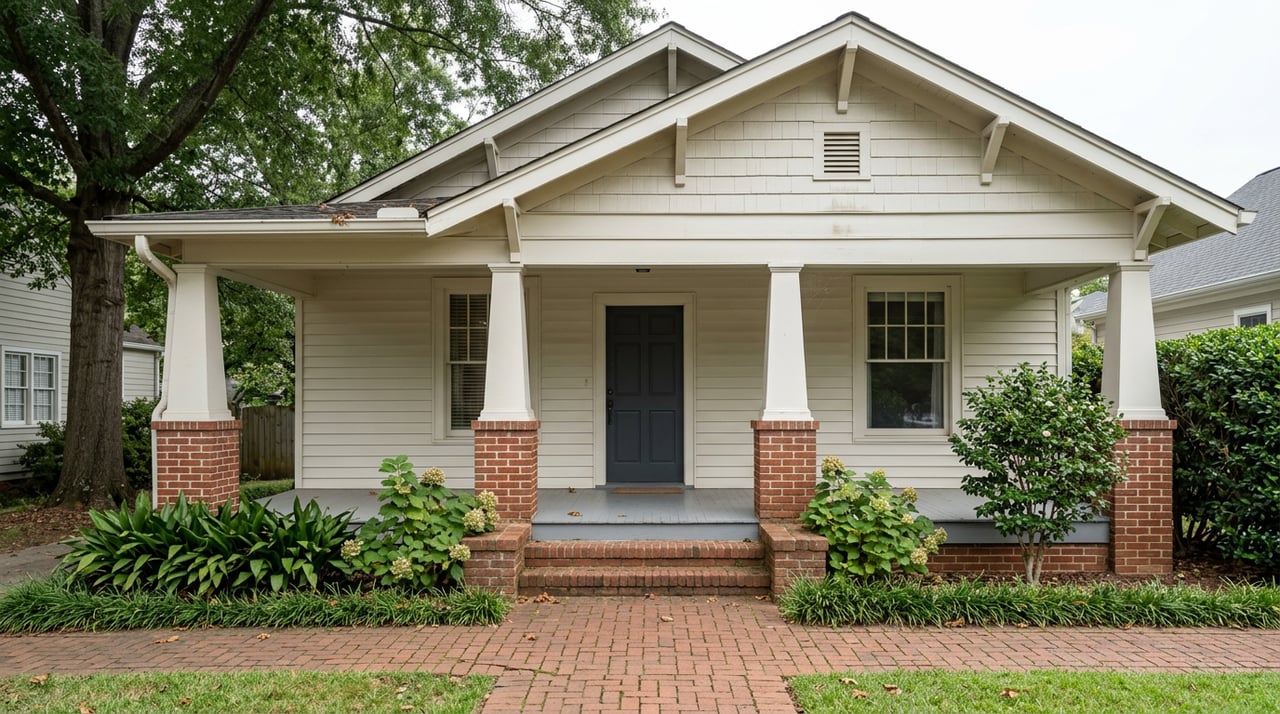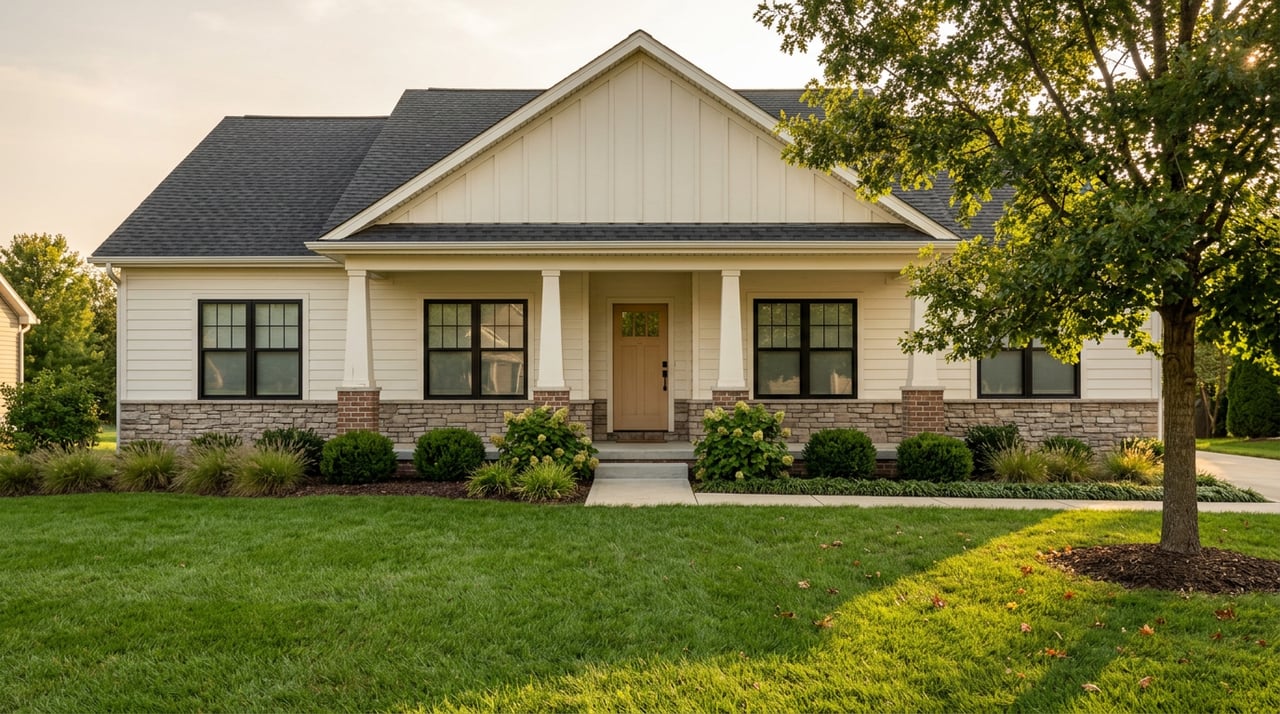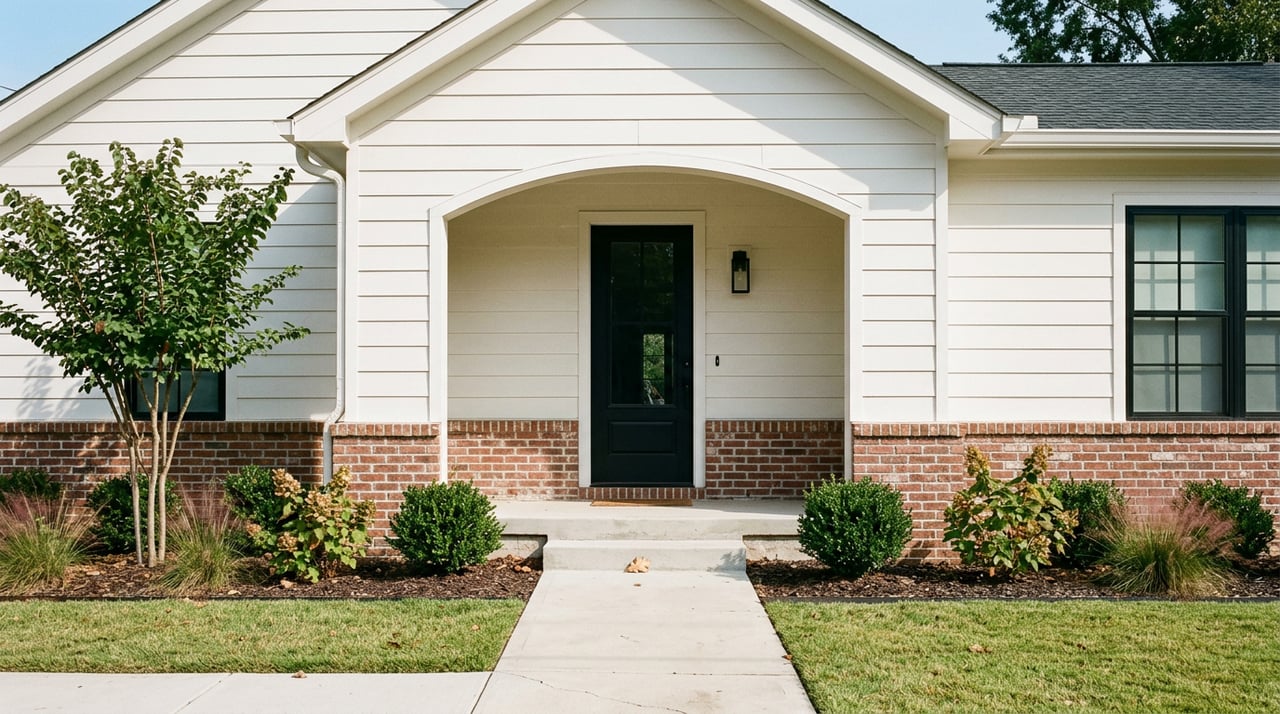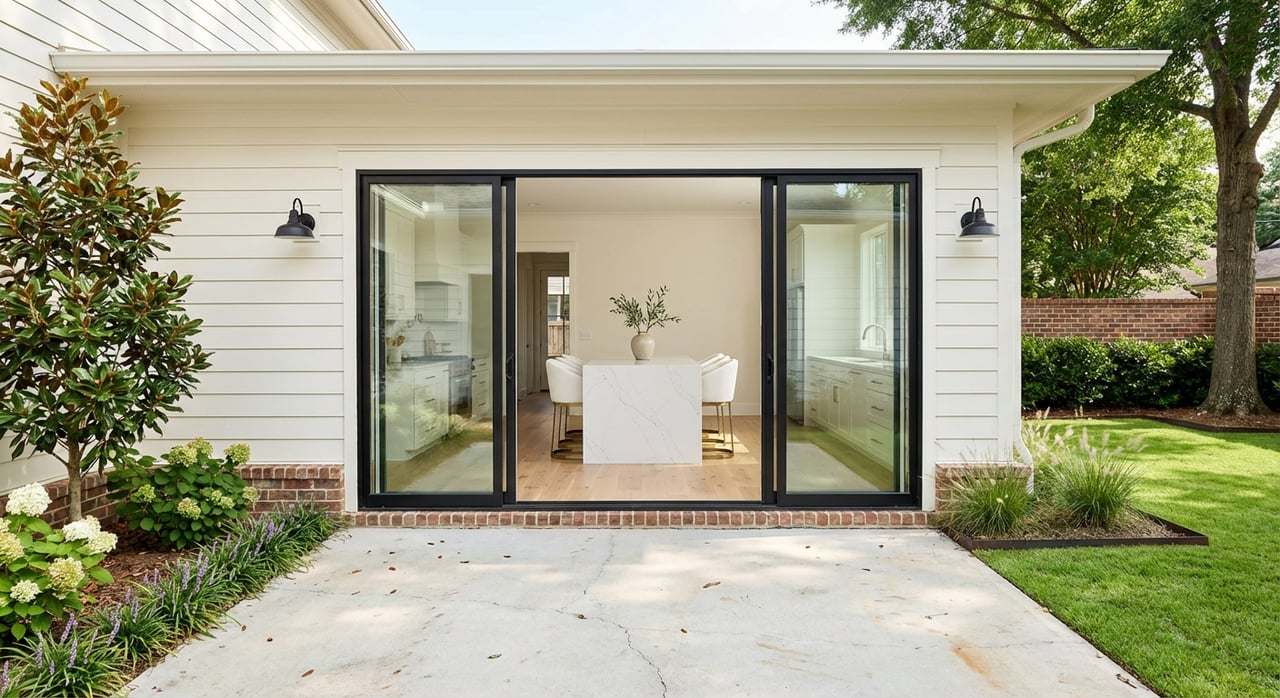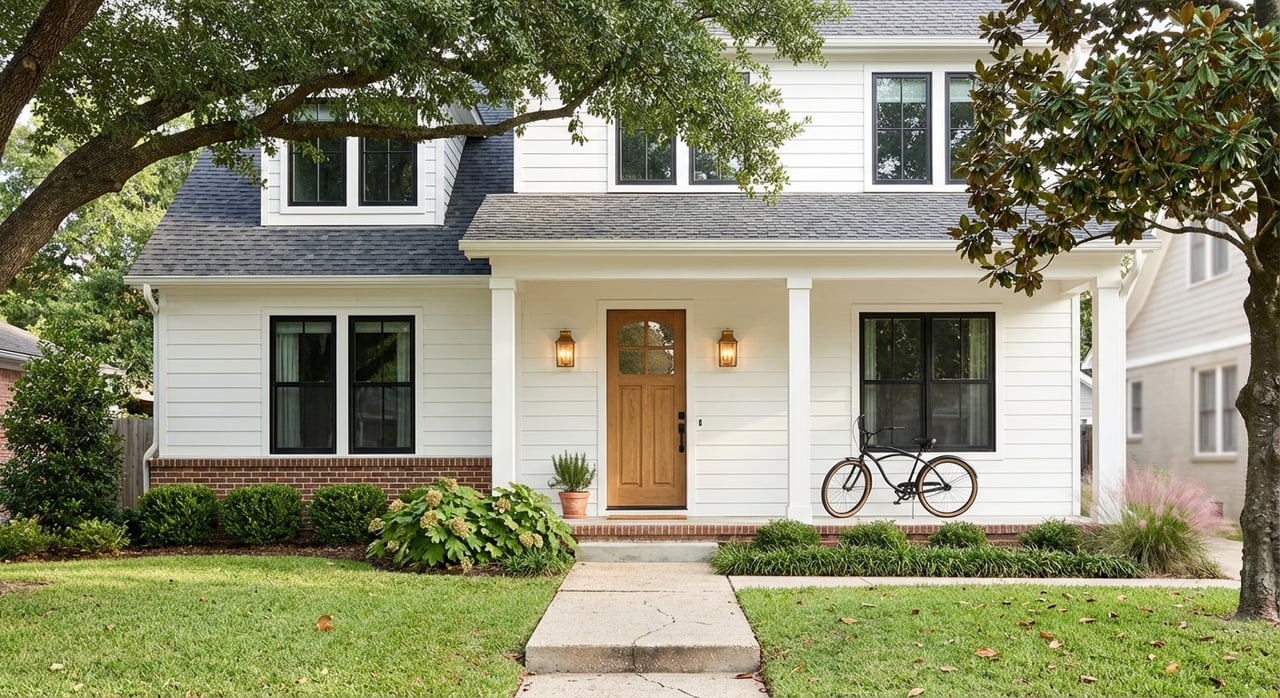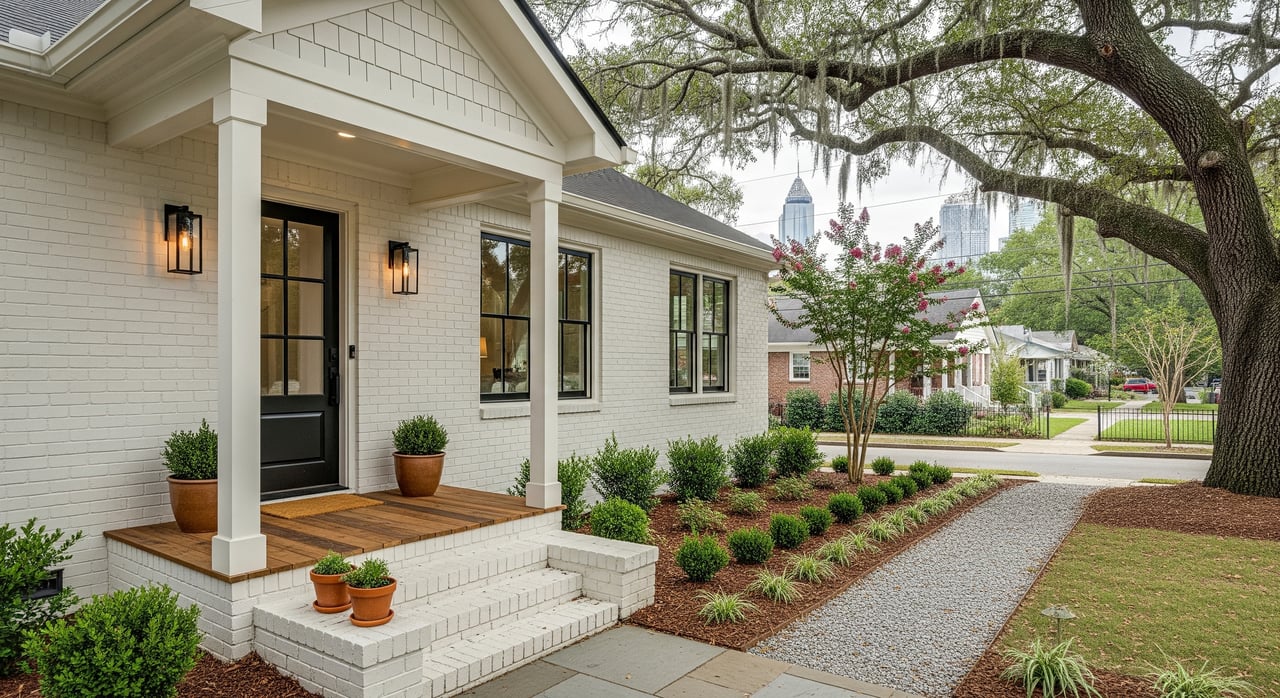
You can find a house with charm or a lot with potential near East Atlanta Village, but that does not automatically mean you can execute the plan you have in mind. If you are thinking about buying a fixer, tearing down an older home, or building on an infill lot, the real opportunity is not just the address. It is whether the parcel, zoning, trees, and review path all line up with your goals. This guide will help you think through the big questions before you make an offer, so you can move with more clarity and fewer surprises. Let’s dive in.
Why East Atlanta Village draws infill interest
East Atlanta Village sits within one of Atlanta’s walkable commercial districts, with shops, restaurants, service providers, and entertainment venues concentrated along Flat Shoals and Glenwood avenues. The district is also part of the city’s Main Street program, which supports older commercial corridors and local business districts. For buyers and small builders, that combination often makes nearby fixers and infill lots especially appealing.
That said, buying near the Village is not just about location. East Atlanta is part of NPU W, and the City of Atlanta says NPUs make recommendations on zoning, land use, and related planning issues. In practical terms, neighborhood process can matter almost as much as the lot itself when you are evaluating a project.
The city also maintains planning documents that shape the area’s long-term policy context, including the East Atlanta Village Study and Plan A: Atlanta’s Comprehensive Development Plan, updated in July 2025. If you are underwriting a rehab, teardown, or new build, it is worth checking those adopted plans early.
Start with zoning, not assumptions
Before you get attached to a property, confirm what the zoning actually allows. The City of Atlanta says zoning controls land use, building height, building size, placement, density, and required parking. That means zoning can directly affect whether your idea works as planned.
The city recommends starting due diligence with its GIS property tools and zoning resources. This gives you a first look at the parcel, but it is only the beginning. A listing description or even what you see on the block is not a substitute for a formal review.
A zoning verification letter is the city’s official record of a parcel’s zoning classification. It can confirm the zoning district, overlays, and certain recorded regulatory plan issues, but it does not confirm property lines, easements, building permits, certificates of occupancy, or code violations. In other words, it is an important screen, but it is not the full story.
Why one lot can differ from the next
Near East Atlanta Village, two properties on the same street can have very different redevelopment potential. That is because zoning standards can vary by district, and the details matter on small lots. Minimum lot area, setbacks, and frontage can all shape what you can build.
The city’s residential zoning summary shows how different those standards can be. For example, minimum lot area is listed as 9,000 square feet in R-4, 7,500 square feet in R-4A, 2,800 square feet in R-4B, and 7,500 square feet in R-5. Front setbacks also vary, at 35 feet in R-4, 30 feet in R-4A, 20 feet in R-4B, and 30 feet in R-5.
Those differences can affect whether a lot feels buildable on paper and in practice. A parcel that looks wide enough from the sidewalk may still have limits that change your footprint, parking layout, or placement options.
Fixer, teardown, or infill build?
When you are buying near East Atlanta Village, your path usually falls into one of three buckets: renovate what is there, tear down and rebuild, or buy land for new infill construction. Each path comes with a different level of review and risk.
The City of Atlanta says a building permit is generally required for construction, alteration, repair, removal, and demolition unless an exemption applies. So even a cosmetic rehab, a major addition, and a teardown are treated as different scopes of work. That matters when you are budgeting time and deciding how much uncertainty you are willing to take on.
When a rehab may be more straightforward
A rehab is often the simpler path when the work stays within existing zoning and does not trigger added reviews. If you are updating an older home rather than changing the lot pattern or removing the structure, you may avoid some of the issues that come with land-use changes.
Still, simple does not mean automatic. Permit scope, existing condition, and any site-specific restrictions can all affect your timeline. If the home has serious structural concerns, it is wise to bring in a contractor or structural engineer early.
Why teardown needs extra caution
Residential demolition gets special attention in Atlanta. Unless a structure has already been found unsafe or unfit, demolition applications for residential structures and ancillary buildings are referred to Planning so staff can determine whether the future use requires rezoning, a special use permit, a comprehensive plan amendment, or open-space treatment.
That means a teardown can involve more land-use review than many buyers expect. If your numbers only work under a fast demolition timeline, you may be taking on more risk than the asking price suggests.
What to know about new infill lots
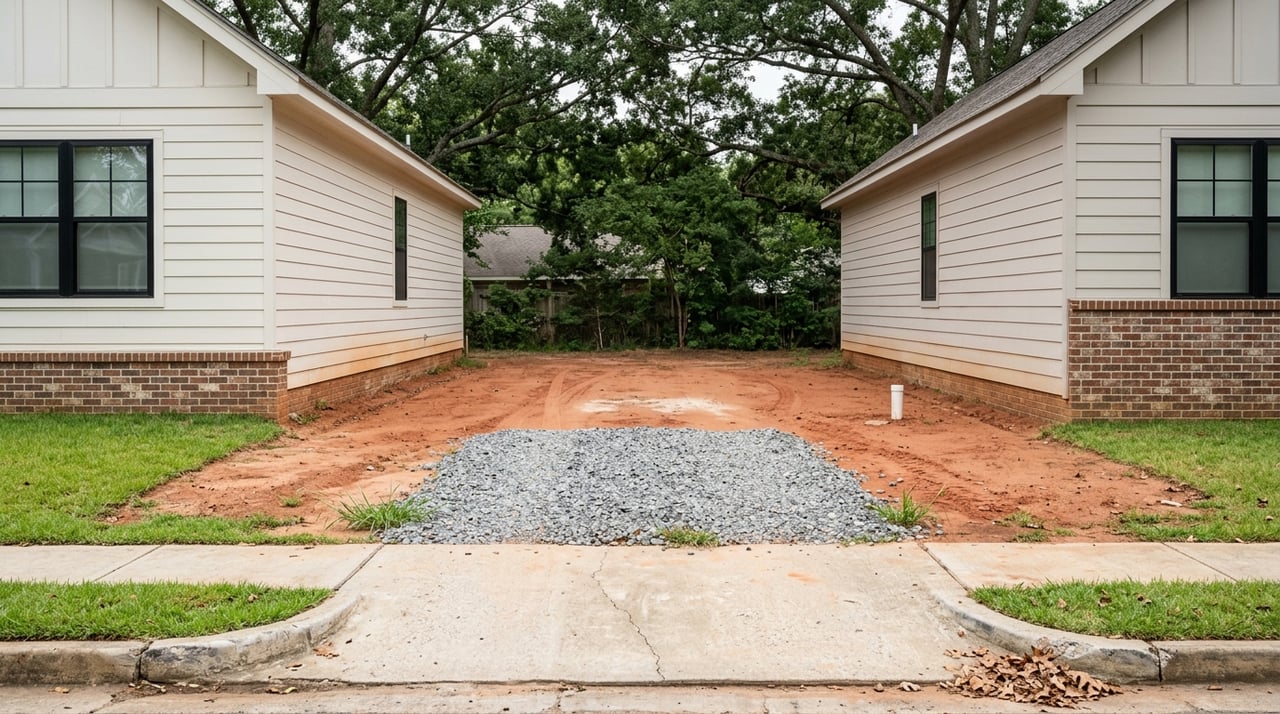
If you are buying vacant land or planning to create a new build site, remember that subdivision is a separate land-development process. It is not just another building permit. Atlanta requires a Concept Review Committee consultation before land subdivision applications.
The city’s checklist also says a minor subdivision is only available when several conditions are met. The parcel must front an existing street, no new street can be proposed, no more than three lots can be created, sanitary sewer service must be available, and the zoning must be R-4, R-4A, R-4B, or R-5.
Trees and historic review can change the deal
In Atlanta, small-lot projects are not only about the structure. Site conditions matter too, especially if trees or historic review are involved.
The Arborist Division protects the city’s tree canopy and handles tree review under building permits or separate applications for dead, dying, diseased, or hazardous trees. The city also says its Tree Protection Ordinance was updated effective January 1, 2026. If clearing is part of your plan, you should check the current rule set before closing or demolition.
Historic or landmark status can also affect the scope of work. If a property is in a historic or landmark district, exterior work can require a Certificate of Appropriateness in addition to the standard building permit. The city recommends checking GIS first to see whether those categories apply.
Lot lines, surveys, and nonconforming use
One of the easiest ways to lose time on a small infill deal is to assume the parcel is cleaner than it is. Narrow lots, odd shapes, and older property configurations can create questions that only a survey or title review can answer.
A boundary survey is especially important if the lot is irregular, lacks a clear address, or may be part of a subdivision or consolidation plan. The city’s guidance says a survey or plat should be attached in some zoning verification situations, and both subdivision and lot-consolidation applications require to-scale survey documentation.
You should also check for nonconforming use early. Atlanta has a separate non-conforming zoning verification process, and that process can require affidavits and an inspection by the Office of Buildings. An existing use that has been in place for years may still need documentation if it does not fit today’s zoning rules.
A practical due diligence checklist
If you are seriously considering a fixer or infill lot near East Atlanta Village, a methodical review can help you avoid overpaying for potential that is not really there. Start with the city’s own tools and build from there.
What to review before offering
- Property info map
- Zoning research
- Nearby zoning cases
- Adopted plans and studies
- Permit history
- Tree impacts
- Historic or landmark status
- Survey needs
- Demolition or subdivision triggers
- Nonconforming use questions
The City of Atlanta explicitly recommends its property research tools as the starting point for due diligence. It also notes that zoning verification letters are normally completed in seven to ten business days after the application is complete, though some take longer. Starting early can give you better information while you still have room to negotiate.
When to bring in professionals
Some properties are simple resale opportunities with light renovation potential. Others need a broader team before you can confidently move forward. If the deal touches lot lines, density, demolition, trees, or use changes, professional input early on can save real money.
Depending on the project, that may include a surveyor for lot lines and frontage, an architect or designer for site planning, an arborist for tree impacts, and a zoning attorney or consultant if a variance, rezoning, special use permit, or nonconforming-use issue seems likely. If the house condition is unclear, a contractor or structural engineer is also a smart addition to your due diligence process.
That kind of planning is especially important in a neighborhood context like East Atlanta, where parcel-level facts and city review can shape the outcome. A good opportunity is not just about buying the right address. It is about buying a project you can actually execute.
If you are weighing a fixer against a teardown or trying to understand whether a small lot is truly buildable, a clear process matters. That is where local guidance can make a big difference. When you are ready to evaluate your options, connect with Maja Sly for practical, neighborhood-aware support.
FAQs
What should you verify before buying a fixer near East Atlanta Village?
- You should review the parcel’s zoning, adopted plans, permit history, possible tree impacts, historic status, and whether a survey or zoning verification is needed.
Can you tear down a house near East Atlanta Village and rebuild?
- Possibly, but residential demolition in Atlanta can trigger Planning review to determine whether rezoning, a special use permit, a comprehensive plan amendment, or other action is required.
Can you split a lot for infill construction near East Atlanta Village?
- Sometimes, but Atlanta says minor subdivision is limited to parcels that meet street frontage, sewer, lot count, and zoning requirements.
Is a zoning verification letter enough for an infill lot in Atlanta?
- No. A zoning verification letter confirms zoning-related information, but it does not confirm property lines, easements, permits, certificates of occupancy, or code violations.
Do trees matter when buying a small lot in East Atlanta?
- Yes. Tree review is part of Atlanta’s permitting path, and the city says current tree rules should be checked before clearing, demolition, or closing on a site with redevelopment plans.
Why does neighborhood process matter near East Atlanta Village?
- East Atlanta is part of NPU W, and the city says NPUs make recommendations on zoning, land use, and related planning issues, so neighborhood review can influence the path of some projects.