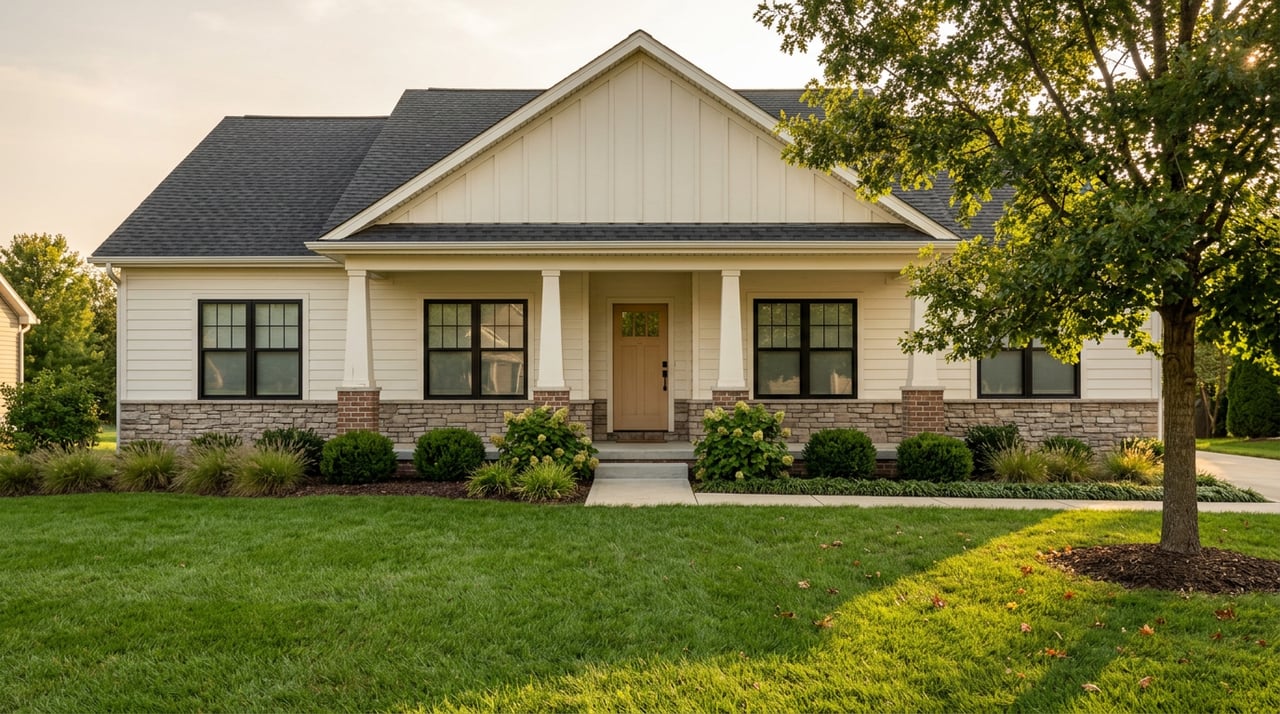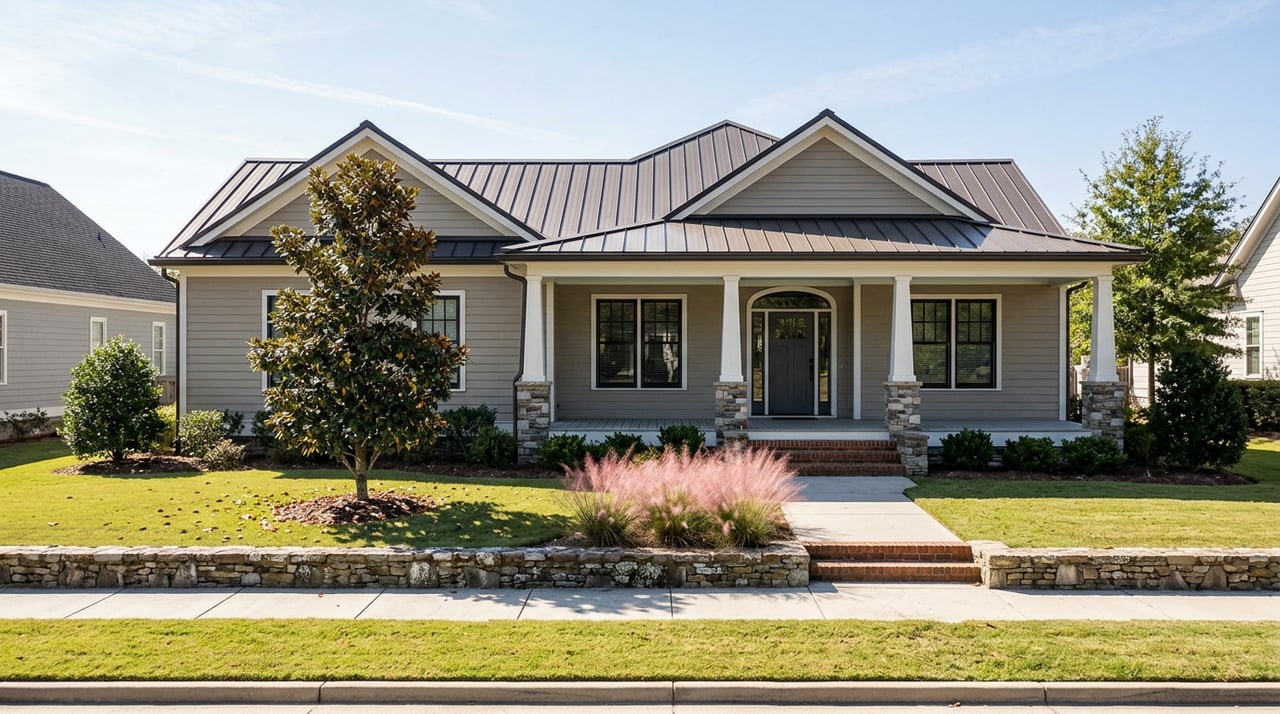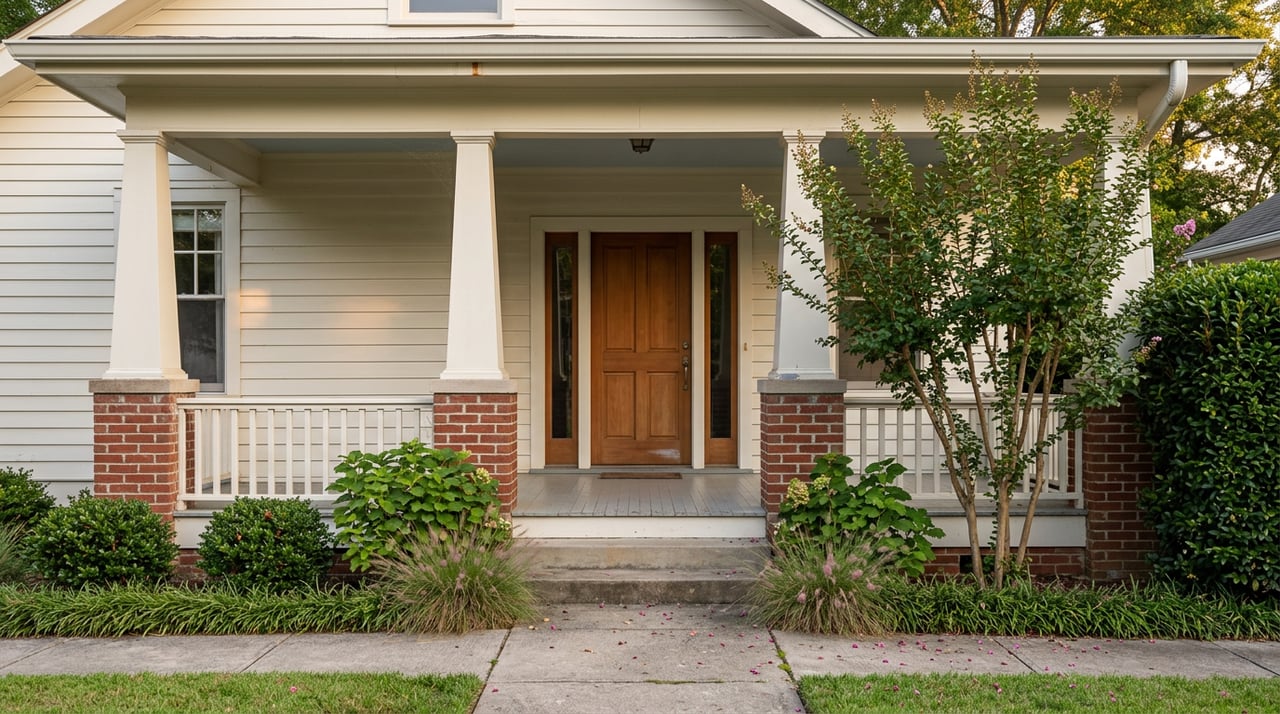
Buying your first home in Intown Atlanta can feel exciting and overwhelming at the same time. You may be trying to balance price, commute, housing style, and day-to-day convenience, all while learning a fast-changing market. The good news is that you do not need one perfect neighborhood. You need the right fit for your budget, lifestyle, and goals. Let’s break down four popular intown options so you can search with more clarity.
Start With the Right Lens
If you are a first-time buyer, it helps to compare neighborhoods by housing form, transit pattern, and budget tolerance instead of asking which one is simply “best.” In these intown Atlanta corridors, you will find a mix of historic detached homes, newer townhomes, and redevelopment-driven housing choices. The City of Atlanta’s neighborhood information supports that bigger-picture view, especially in areas shaped by historic preservation, redevelopment, and changing transportation access.
Atlanta’s broader market gives helpful context. According to Redfin’s Atlanta housing market snapshot, the city’s median sale price was $387,500 in February 2026, homes sold in about 83 days, and the market was rated somewhat competitive. That citywide baseline can help you understand which intown areas may feel more accessible and which may require more flexibility on size, condition, or home type.
Grant Park for Historic Character
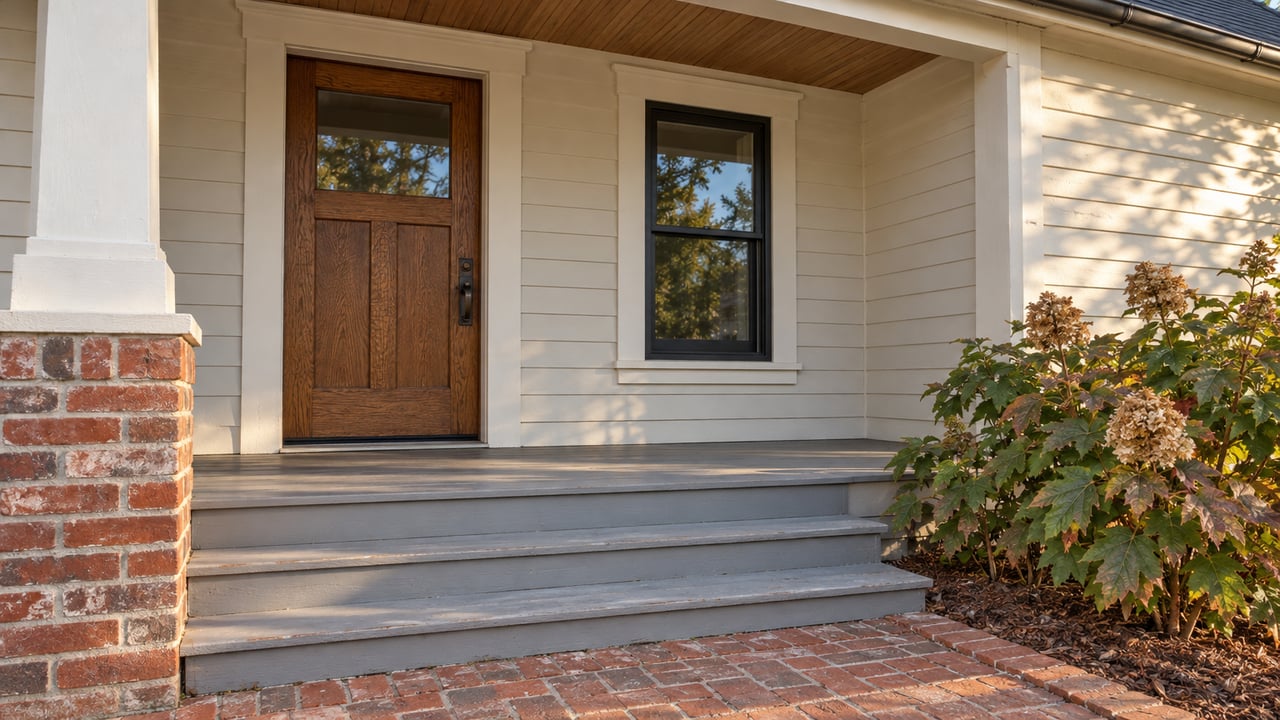
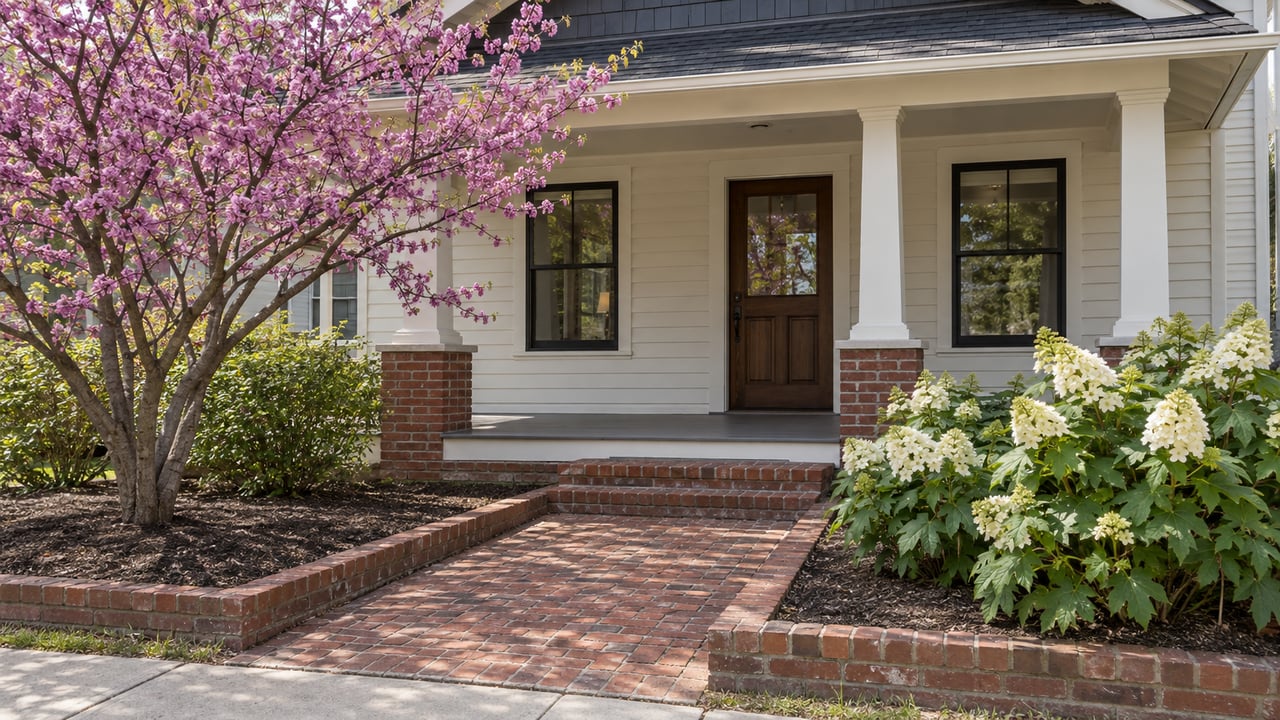
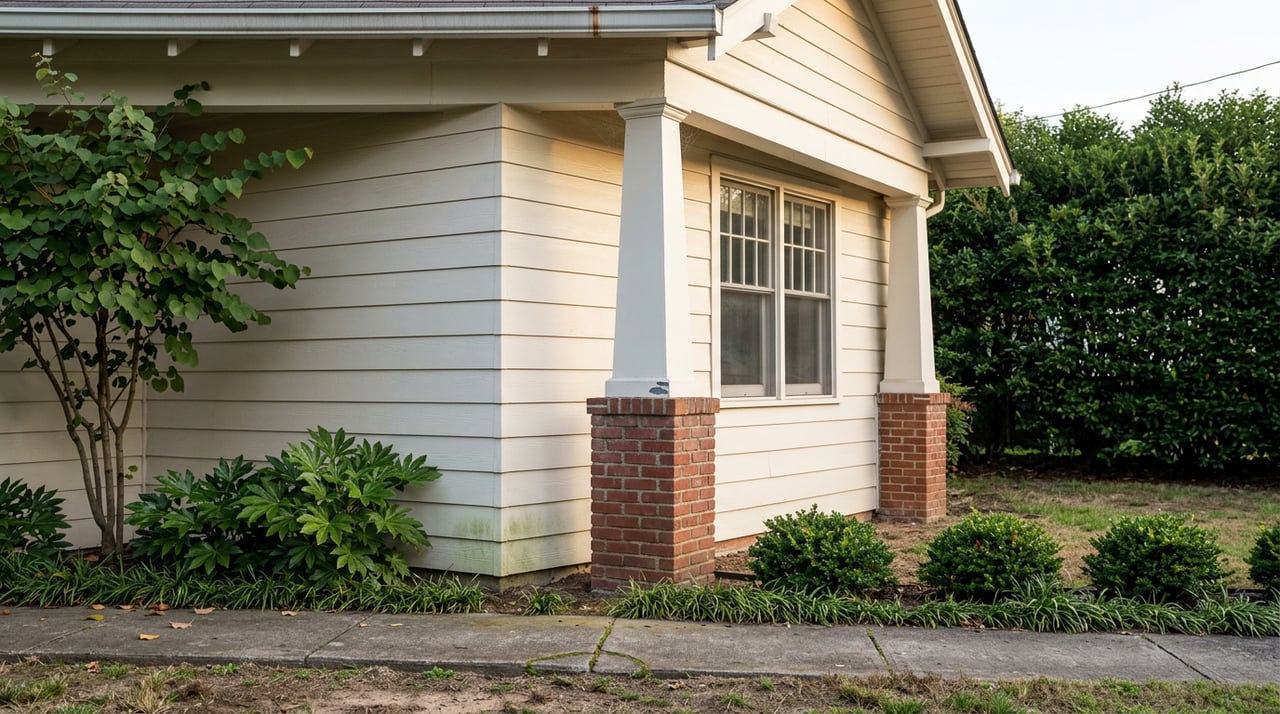
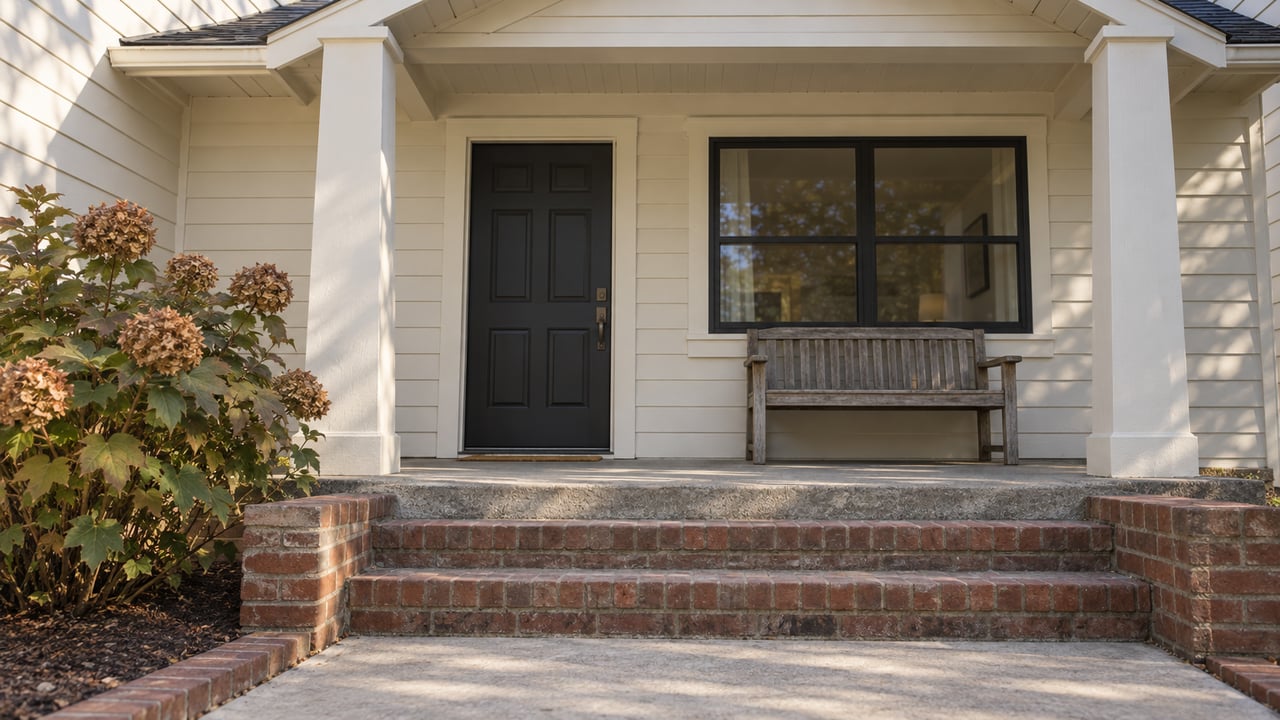
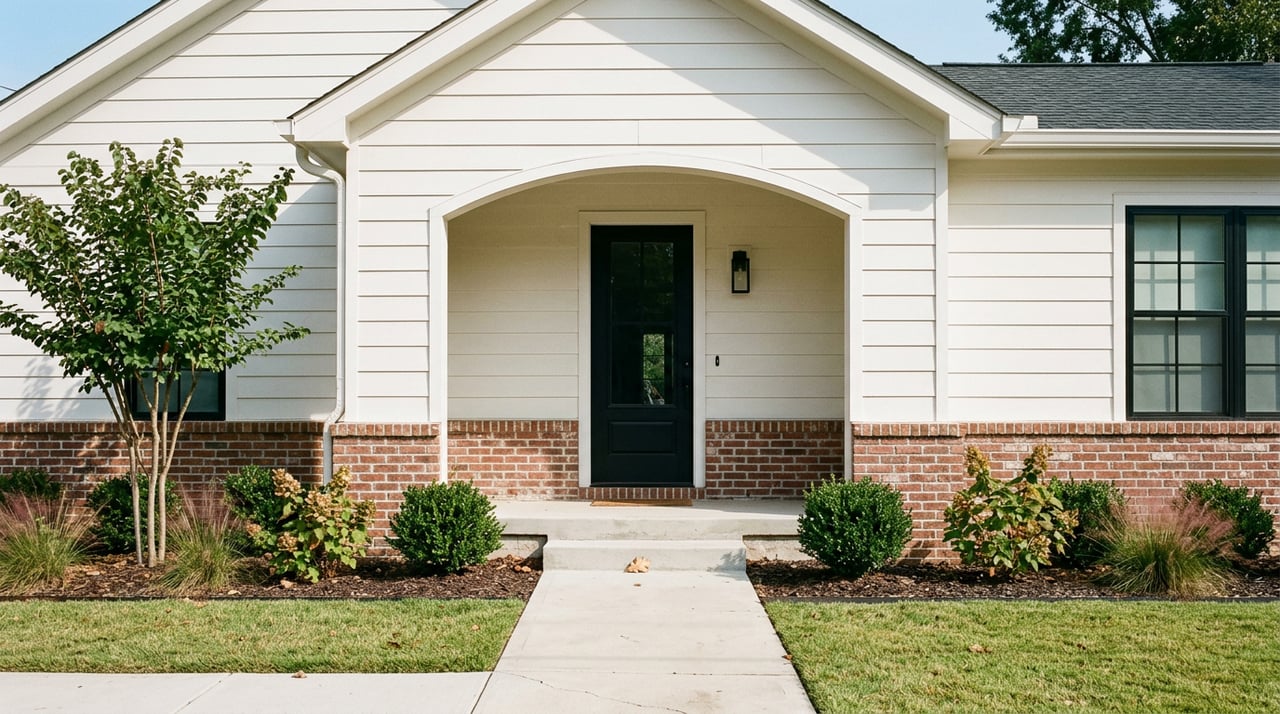
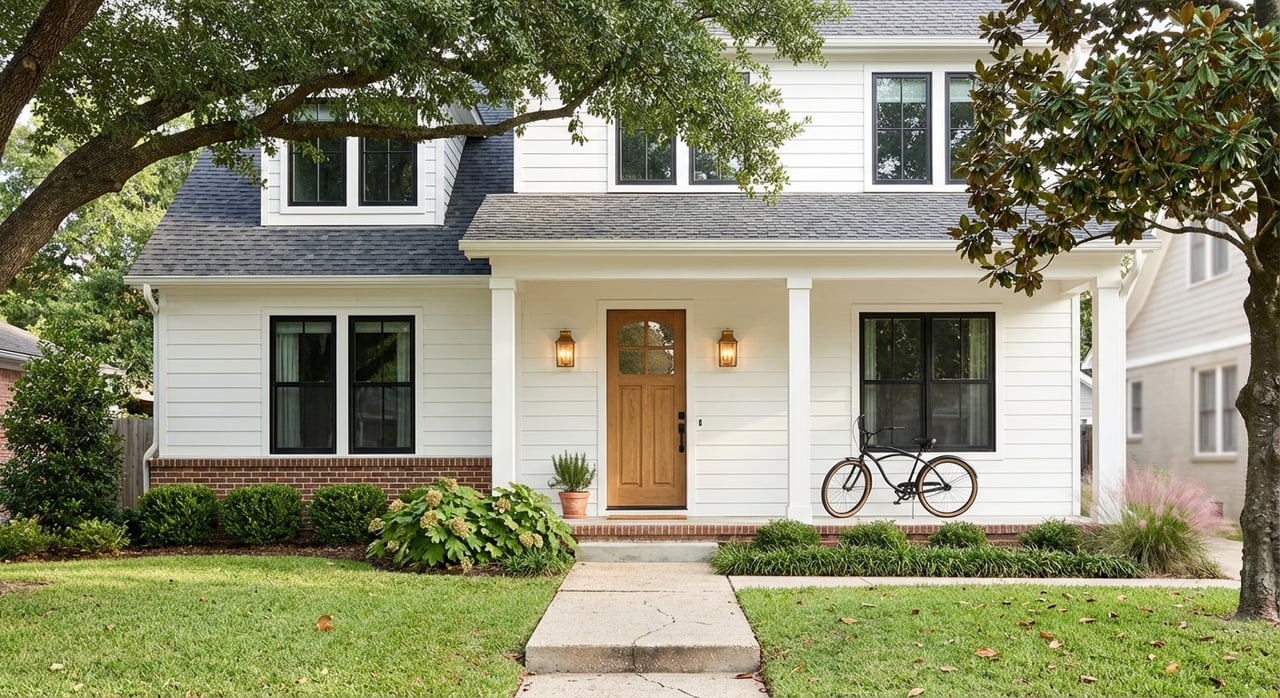
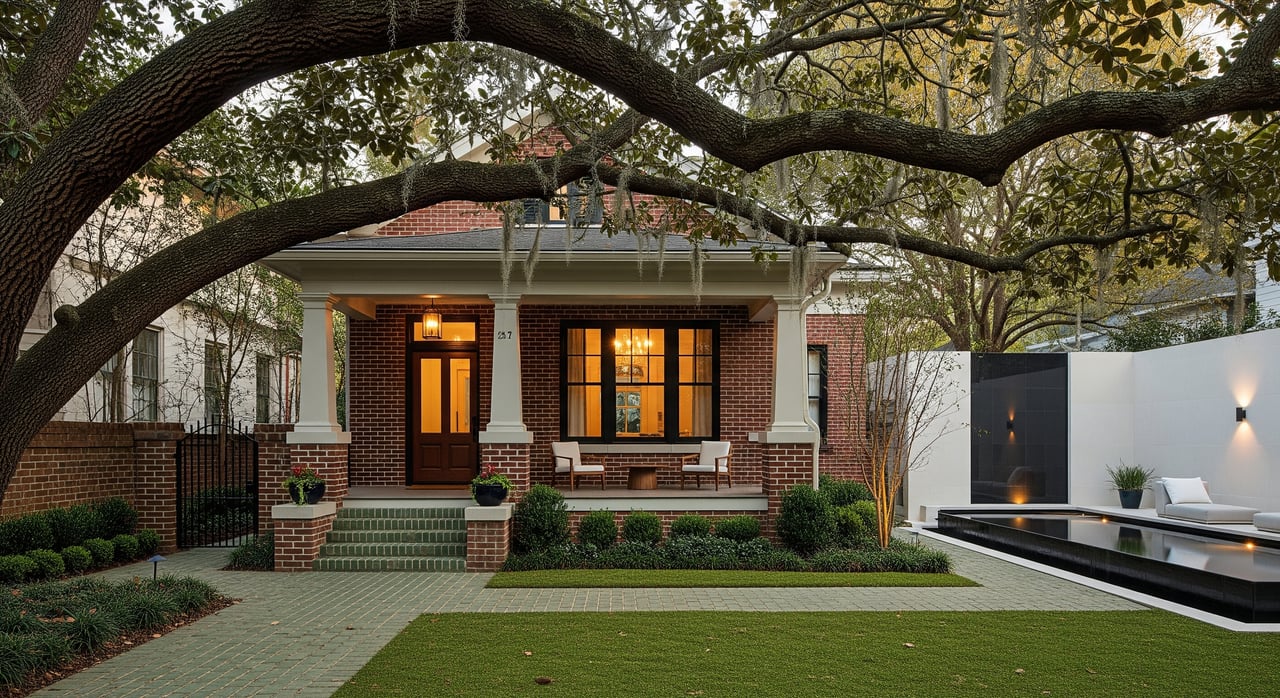
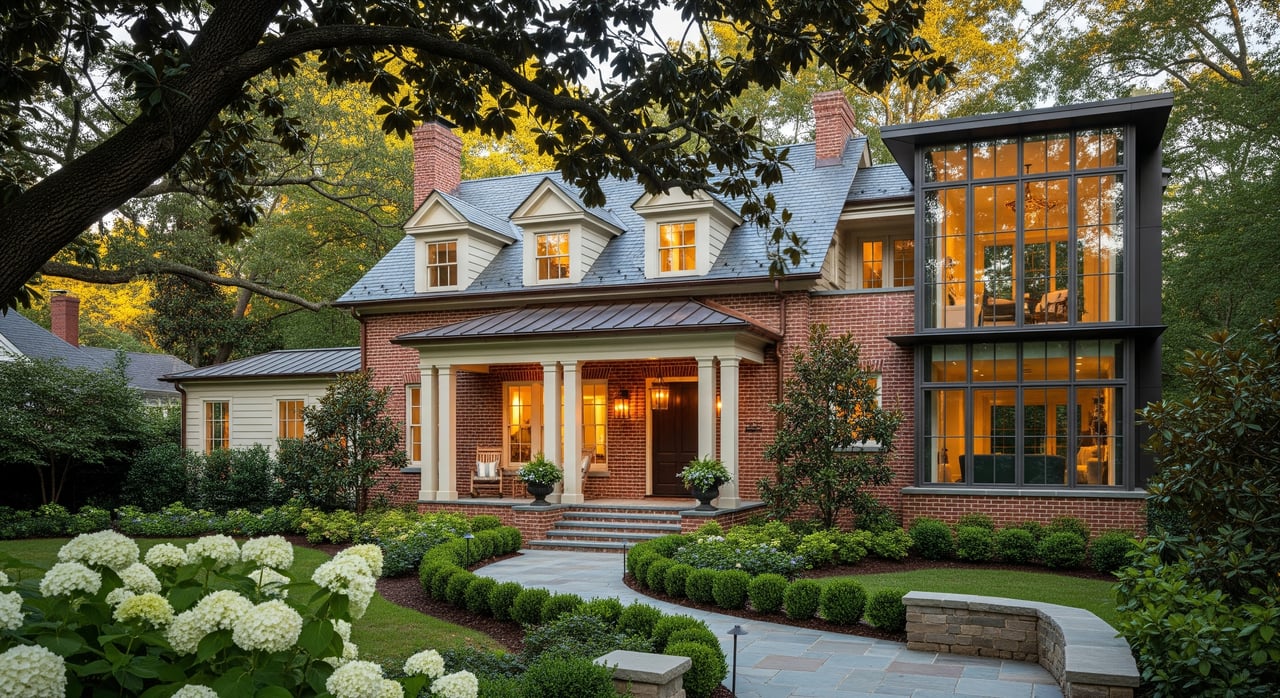
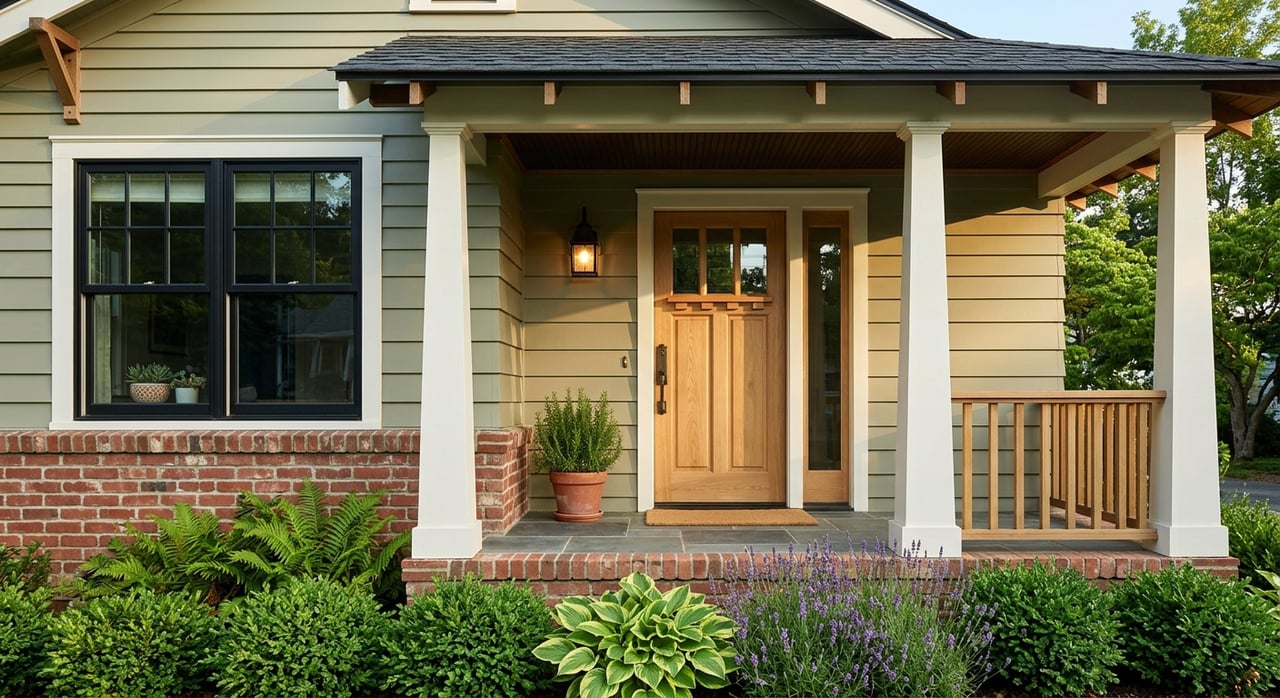
Grant Park is one of the clearest choices if you love historic housing stock and classic intown architecture. The City of Atlanta’s historic district page describes large two-story homes facing the park, more modest modified Queen Anne dwellings on nearby streets, and one-story Victorian cottages and Craftsman bungalows east of the park. That mix gives the area a strong sense of architectural character.
For many first-time buyers, the appeal is not just the homes themselves. Grant Park also benefits from established street patterns, public amenities, and access tied to the park and nearby trail connections. The Atlanta BeltLine’s southside planning context referenced by the city helps explain why buyers often see Grant Park as both a neighborhood with history and a practical intown location.
Price is the main challenge here. Redfin’s Grant Park market snapshot shows a $574,088 median sale price in February 2026, with homes averaging 76 days on market. That puts Grant Park well above the citywide median, so if this area is on your list, you may need to be open to smaller homes, homes needing updates, or a longer search timeline.
Who Grant Park May Fit
Grant Park may be a strong fit if you want:
- Historic homes with visible architectural detail
- A downtown-adjacent location
- Trail-connected living
- A neighborhood where character matters as much as square footage
Summerhill for Newer Development
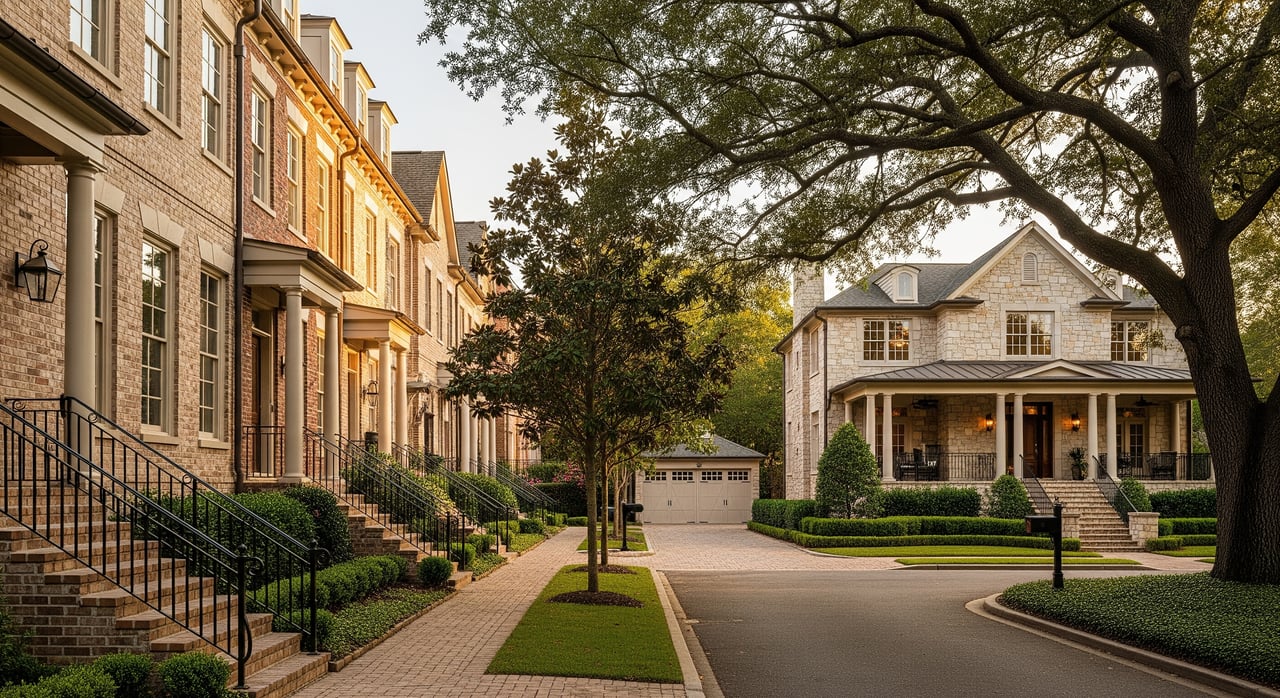
If you prefer newer housing and a more redevelopment-driven environment, Summerhill stands out. The official Summerhill site frames the area as the redevelopment of Atlanta’s former Olympic stadium and surrounding 80 acres, with a long-term focus on preservation and rehabilitation. Today, that translates into a more mixed-use setting with a stronger presence of newer housing product.
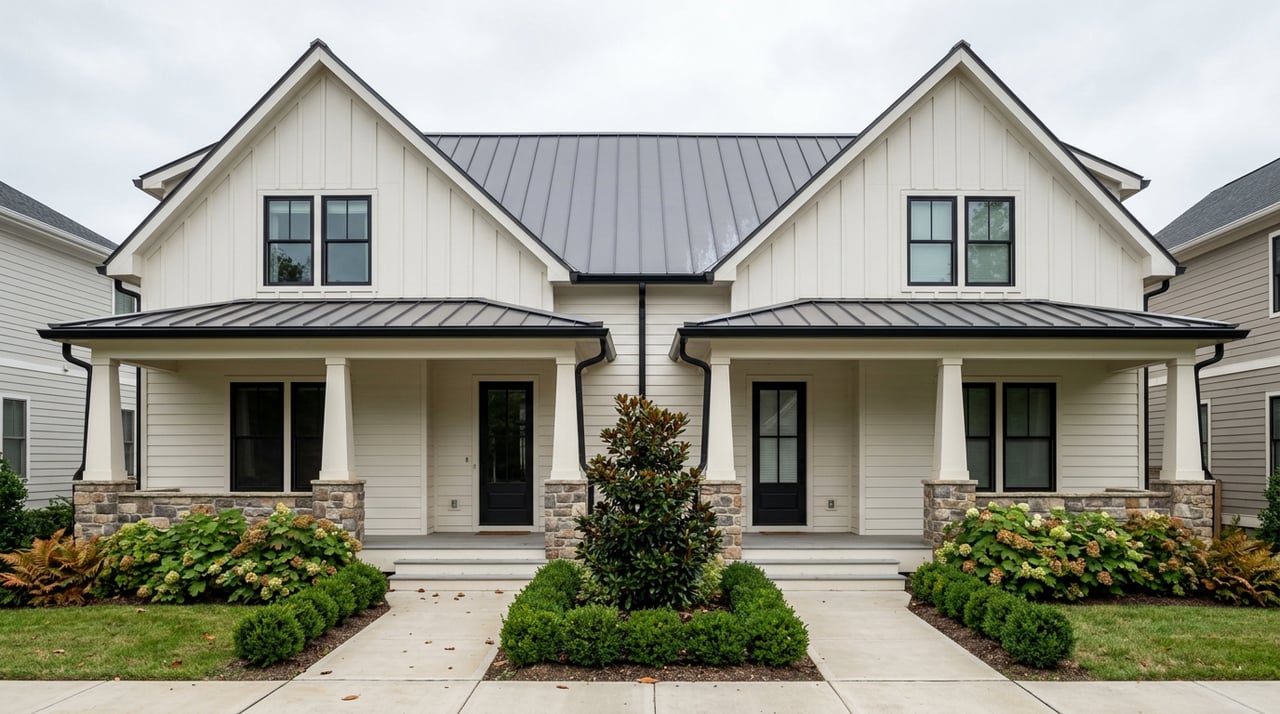
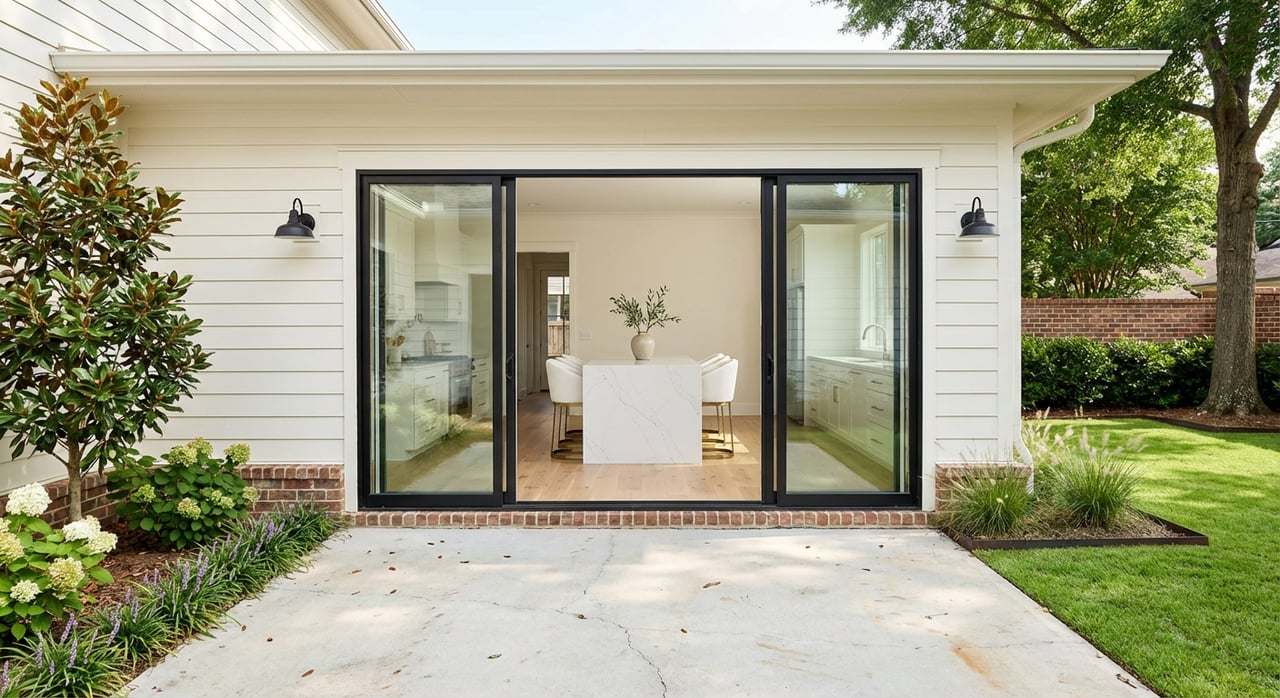
This is especially relevant if you are a first-time buyer who wants lower-maintenance living. Summerhill’s current housing identity leans more toward newer apartments and for-sale townhomes than the older detached-home pattern you see in some other intown areas. That can be attractive if you want a more predictable floor plan, newer systems, and a neighborhood with an active development pipeline.
Summerhill also has a strong daily-convenience story. The Georgia Avenue district page highlights restaurants, retail, services, and a grocery store, which adds to the appeal for buyers who want errands and dining options nearby. MARTA has also identified the corridor for the Rapid A-Line, which is expected to connect Downtown Atlanta with the Capitol Gateway, Summerhill, Peoplestown, and BeltLine area, with heavy-rail connections at Five Points, Georgia State, and Garnett.
The tradeoff is price. Redfin’s Summerhill market page shows a $583,500 median sale price in February 2026, the highest among the four corridors in this comparison. For first-time buyers, that means Summerhill may be most realistic if your budget supports newer in-town housing or if a townhome format fits your needs better than a detached house.
Who Summerhill May Fit
Summerhill may be a strong fit if you want:
- Newer townhome product
- Mixed-use surroundings with shops and services nearby
- A redevelopment-focused area
- A location with a strong near-term transit story
East Atlanta Village for Walkable Energy
East Atlanta Village, often called EAV, is worth a close look if you want a neighborhood built around a walkable commercial core. The City of Atlanta’s Main Street page describes EAV as one of the city’s most walkable commercial districts, with a mix of shops, restaurants, service providers, and entertainment venues along Flat Shoals and Glenwood avenues. Public investments like crosswalk art and the EAV Porch reinforce that pedestrian-oriented identity.
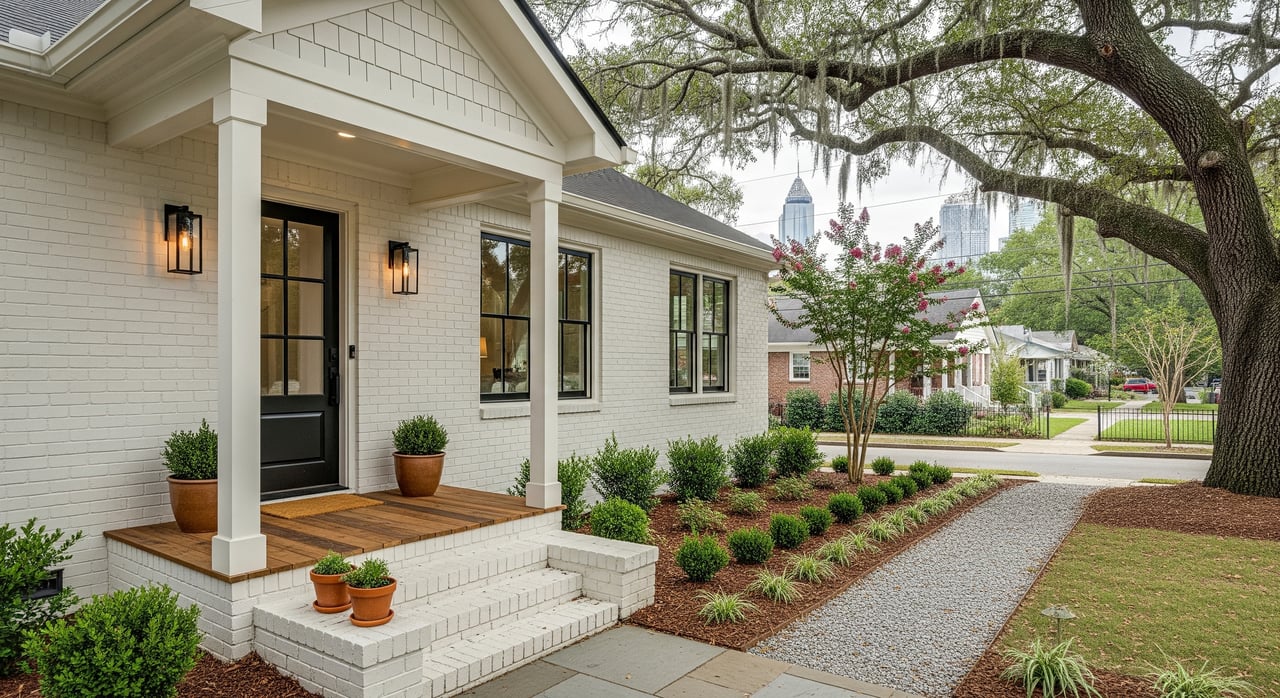
For first-time buyers, EAV can be appealing because it often combines neighborhood personality with housing types you already picture when you think “intown Atlanta.” Current listing examples cited in the research include a Craftsman bungalow and townhome product in the Village area. That means your search may include both older detached homes and attached options, depending on your budget and priorities.
Pricing is also part of EAV’s appeal, at least in the current snapshot. Redfin’s February 2026 listing example and market data put East Atlanta Village at a $395,000 median sale price, which is closest to Atlanta’s citywide median among the four corridors discussed here. Still, the sample size was very small, so it is best to view that number as a directional snapshot, not a guaranteed long-term benchmark.
Who East Atlanta Village May Fit
East Atlanta Village may be a strong fit if you want:
- A walkable district-centered feel
- Proximity to local shops and dining
- A mix of bungalow and townhome options
- Pricing that is closer to the citywide median, at least in the current snapshot
East Lake for Rail Access
If transit is your top priority, East Lake deserves serious attention. According to MARTA’s East Lake station page, the station sits on the Blue Line and offers bus connections, Zipcar access, and more than 600 free daily parking spaces. Of the four areas in this article, East Lake is the clearest current rail-oriented option.
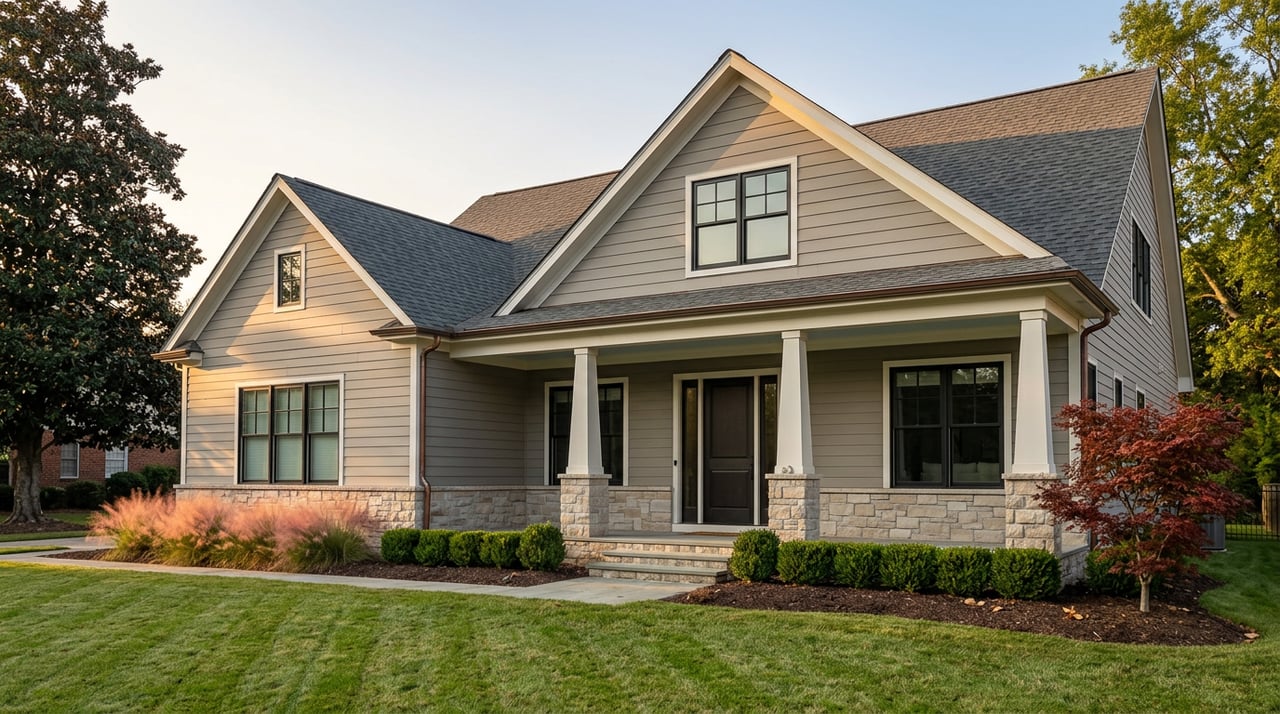
That rail access matters, but so does the housing mix around it. The same research points to an inventory that includes vintage homes, townhouses, a condo, and multi-family options. That gives first-time buyers more variety than you might expect if you are trying to balance budget, commute, and home style.
Redfin’s East Lake inventory and market data show a $481,000 median sale price in February 2026. That places East Lake above the Atlanta median but below Grant Park and Summerhill in this comparison. For buyers who want a stronger transit story without jumping to the highest price tier, East Lake may offer a useful middle ground.
Who East Lake May Fit
East Lake may be a strong fit if you want:
- Direct MARTA rail access
- A mix of vintage homes and townhouses
- More transportation flexibility
- A price point between the lower and higher ends of this group
Compare the Four Options
Each corridor offers something different, and that is exactly why your home search should start with priorities rather than labels. One neighborhood is not automatically better than another. What matters is whether the housing type, location pattern, and price range support your daily life.
Here is a simple way to think about the tradeoffs:
Corridor | Best Known For | Current Price Pattern | Housing Pattern | Transit Pattern |
|---|---|---|---|---|
Grant Park | Historic character | Upper price tier | Victorian, Queen Anne, Craftsman, detached homes | Trail-connected, downtown-adjacent |
Summerhill | Redevelopment and newer product | Highest in this snapshot | Newer townhomes and mixed-use product | Strong near-term transit story |
East Atlanta Village | Walkable commercial core | Closest to citywide median in this snapshot | Bungalows and townhomes | Verify block-by-block |
East Lake | Rail access | Mid-to-upper tier | Vintage homes and townhouses | Clearest current rail option |
How First-Time Buyers Can Narrow the Search
A clearer search usually starts with just three questions:
- What is your comfortable monthly payment? That number helps determine whether you should focus on city-median pricing, stretch options, or attached housing.
- How do you want to get around? If rail matters most, East Lake may rise to the top. If trail access or walkability matters more, Grant Park or EAV may move up your list.
- What kind of home do you want to maintain? Older detached homes can offer charm, but newer townhomes may offer a simpler maintenance picture.
For many first-time buyers, the smartest move is to stay flexible on one of those three. If you want historic charm, you may need to stretch on price or condition. If you want newer construction, you may need to consider a townhome instead of a detached home. If you want the shortest transit connection, you may need to adjust your wish list on size or finishes.
Intown Atlanta Is About Fit
Intown Atlanta gives first-time buyers more than one path to ownership. Grant Park offers historic character, Summerhill offers redevelopment and newer housing, East Atlanta Village offers walkable district energy, and East Lake offers the clearest rail access in this group. When you compare them through the lens of budget, housing type, and commute, your next step becomes much easier to see.
If you want help sorting through intown options and building a realistic first-home plan, connect with Maja Sly. You will get clear guidance, practical next steps, and a more confident way to move from browsing to buying.
FAQs
What is the most affordable intown option for first-time buyers in this Atlanta comparison?
- Based on the February 2026 snapshot, East Atlanta Village was closest to Atlanta’s citywide median sale price, though the sample size was small and should be treated as directional.
Which intown Atlanta area has the best rail access for first-time buyers?
- East Lake has the clearest current rail access because it is served by MARTA’s Blue Line station with bus connections and daily parking.
Which intown Atlanta neighborhood has the most historic homes for first-time buyers?
- Grant Park is the most historic of the four, with the city specifically identifying Victorian cottages, Queen Anne dwellings, and Craftsman bungalows in its historic district.
Which intown Atlanta corridor has the newest housing options for first-time buyers?
- Summerhill is the most redevelopment-heavy option in this comparison and is the strongest fit if you want newer townhomes and mixed-use housing product.
Is East Atlanta Village a good fit for buyers who want walkability in Atlanta?
- East Atlanta Village is best understood as a walkable, district-centered area shaped by its commercial core along Flat Shoals and Glenwood avenues.
How should first-time buyers compare intown Atlanta neighborhoods?
- The most helpful approach is to compare each area by budget, housing form, and transit pattern instead of assuming one neighborhood is best for every buyer.