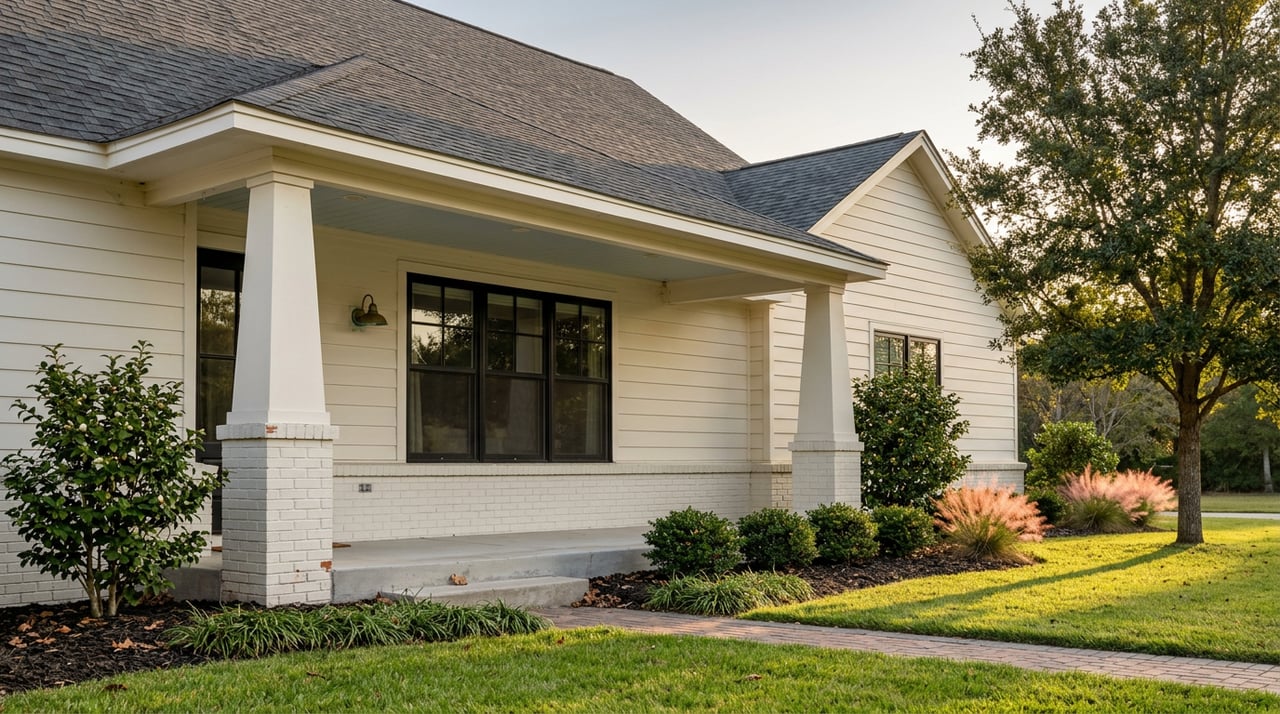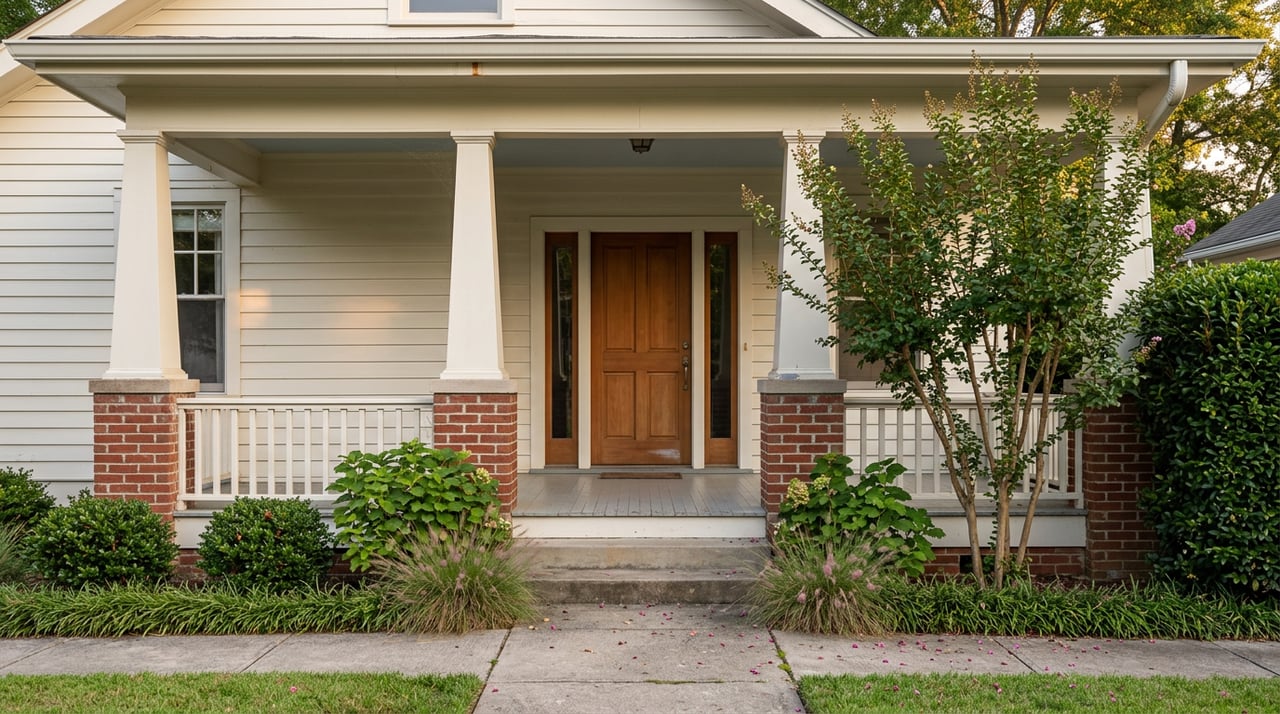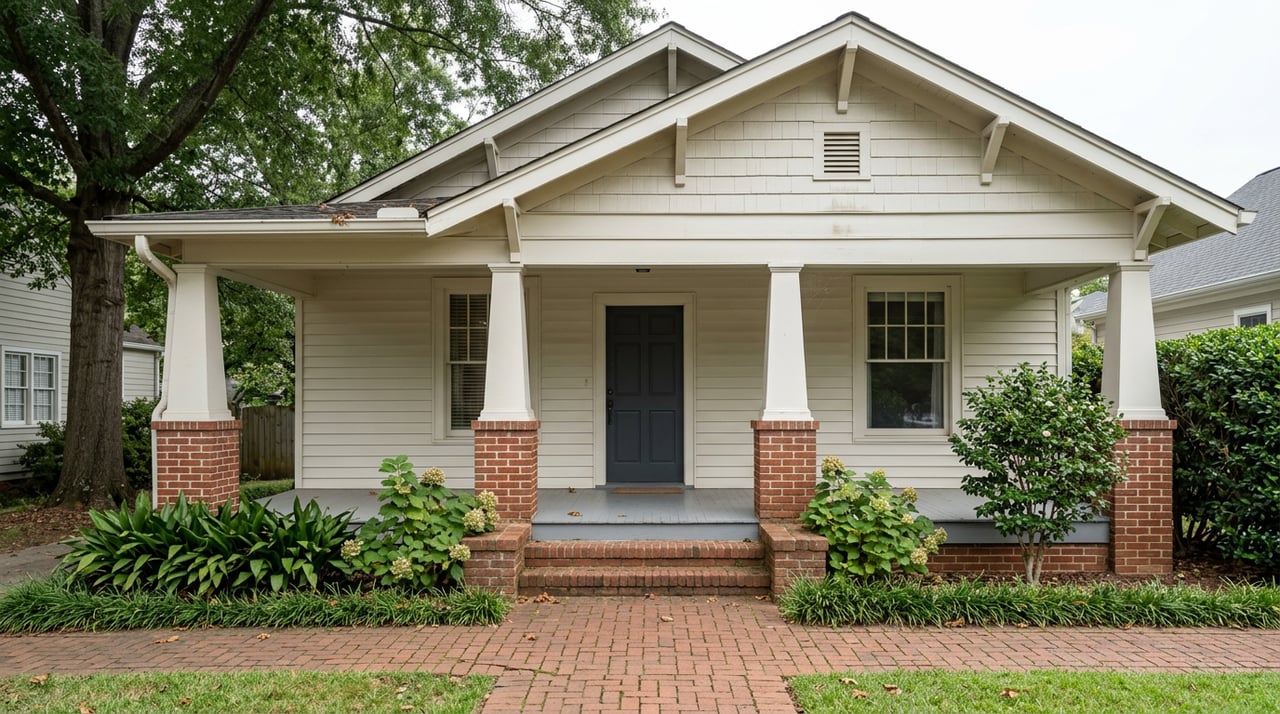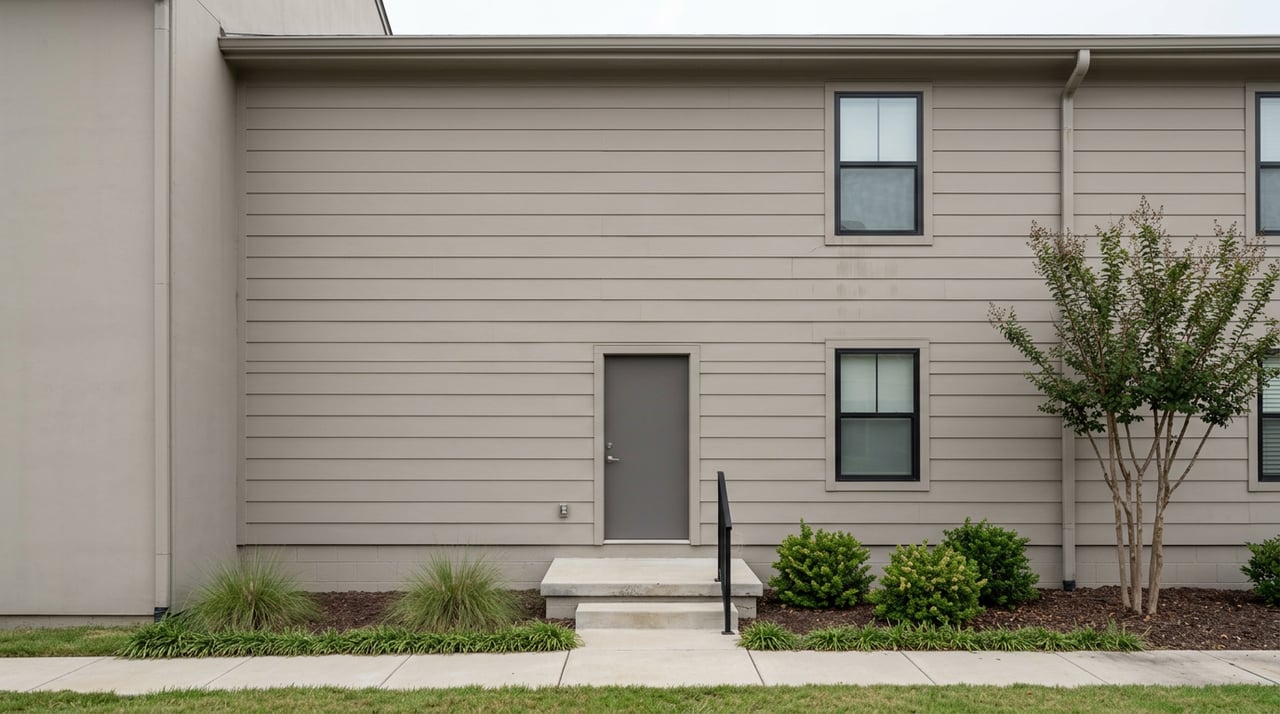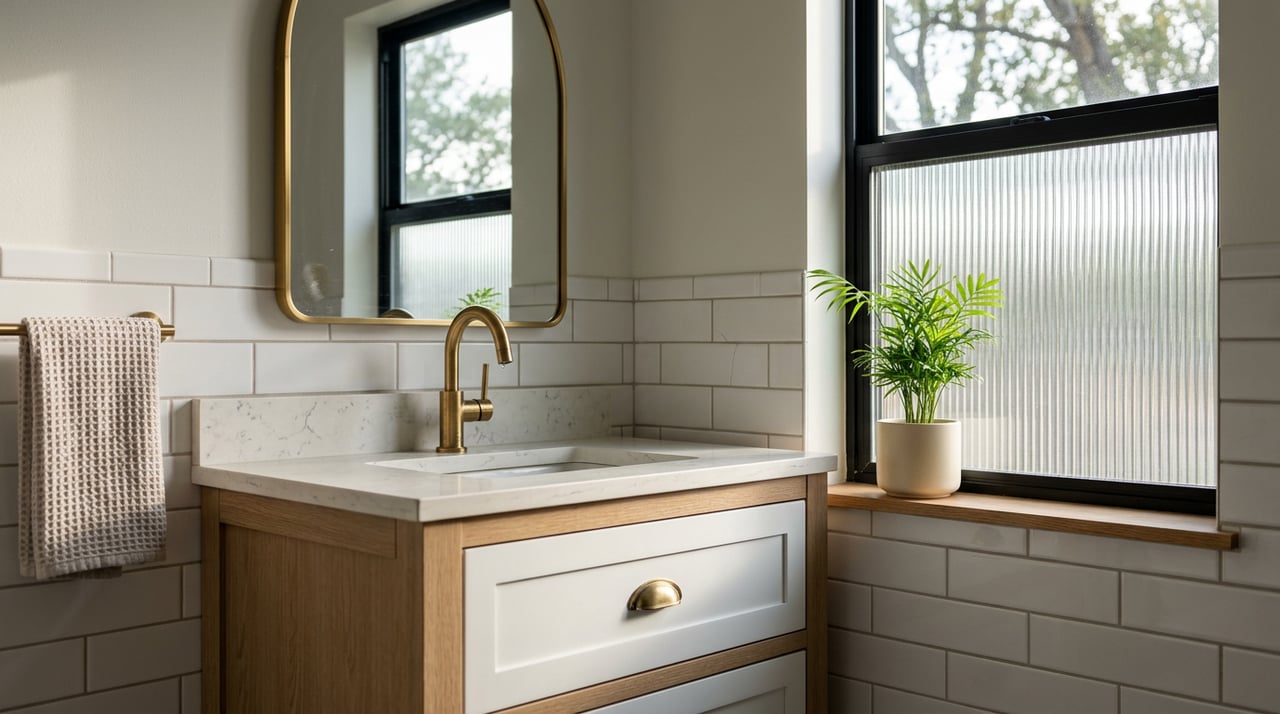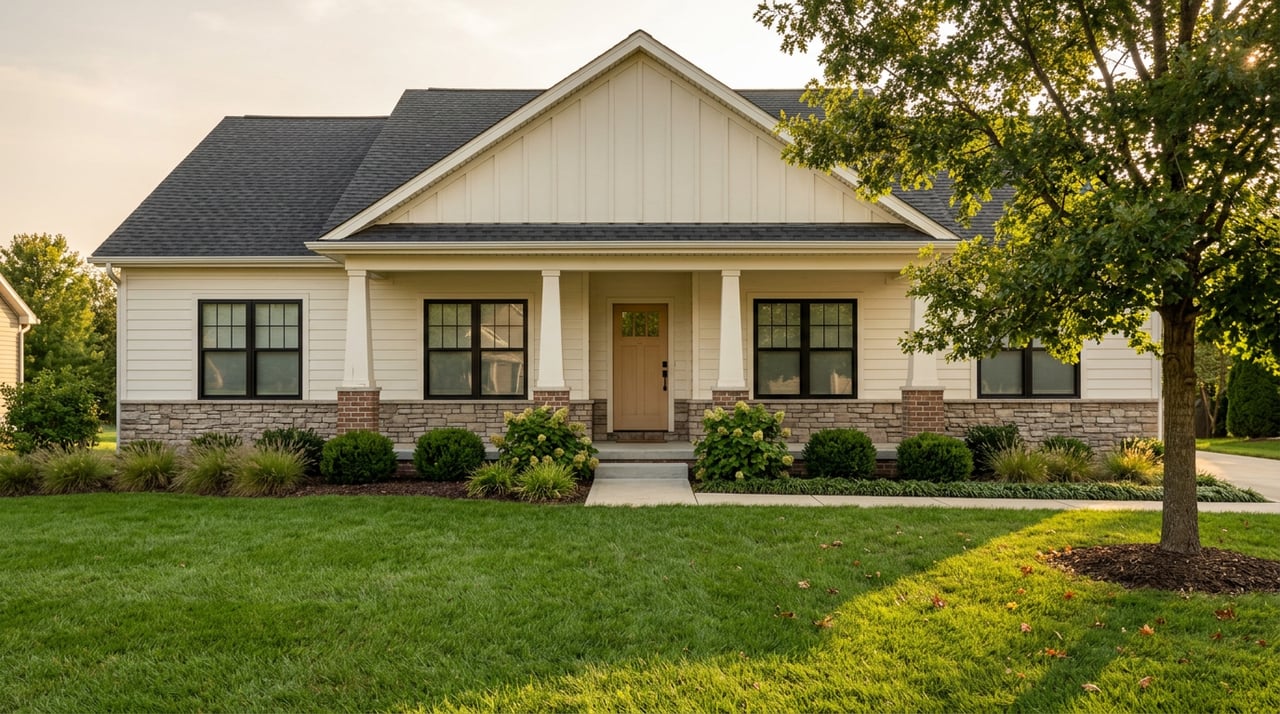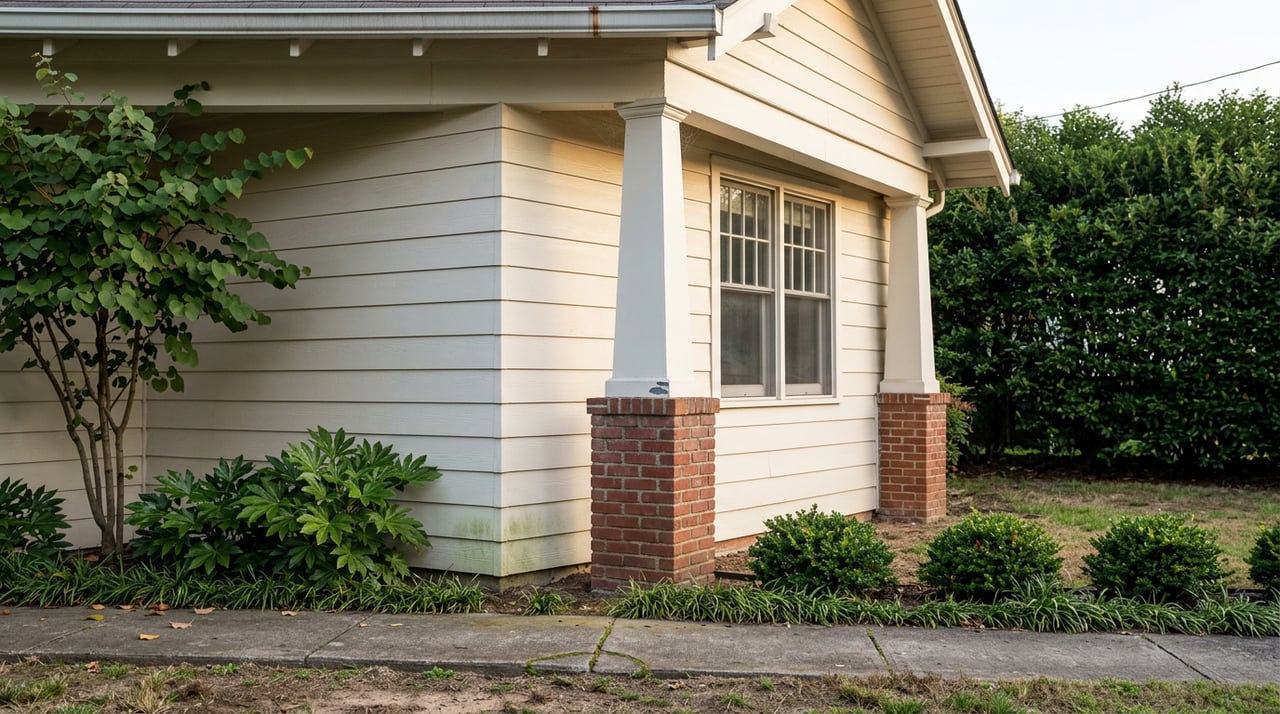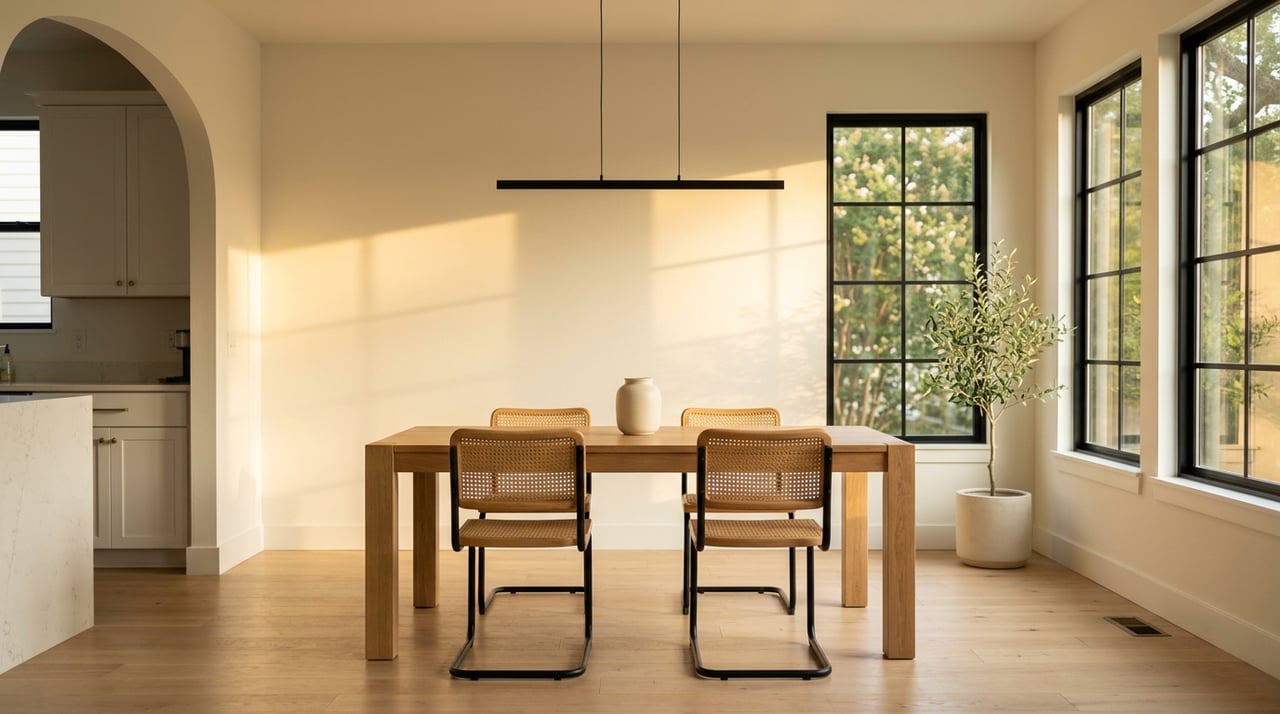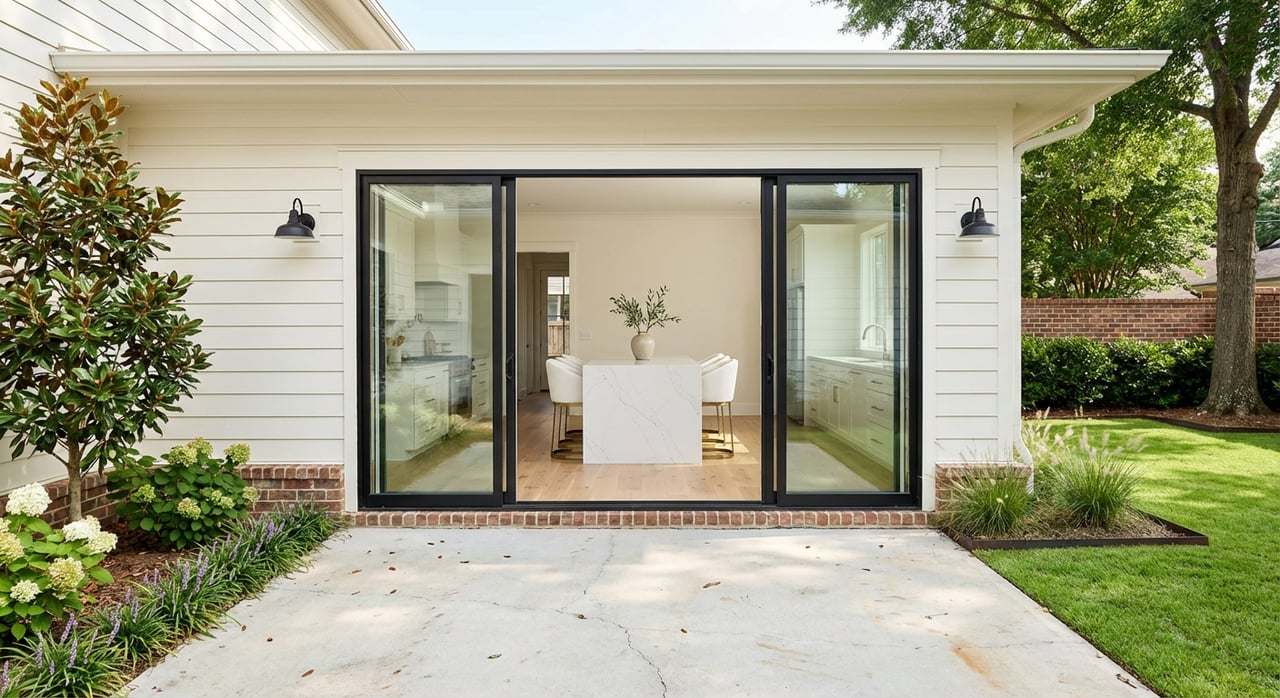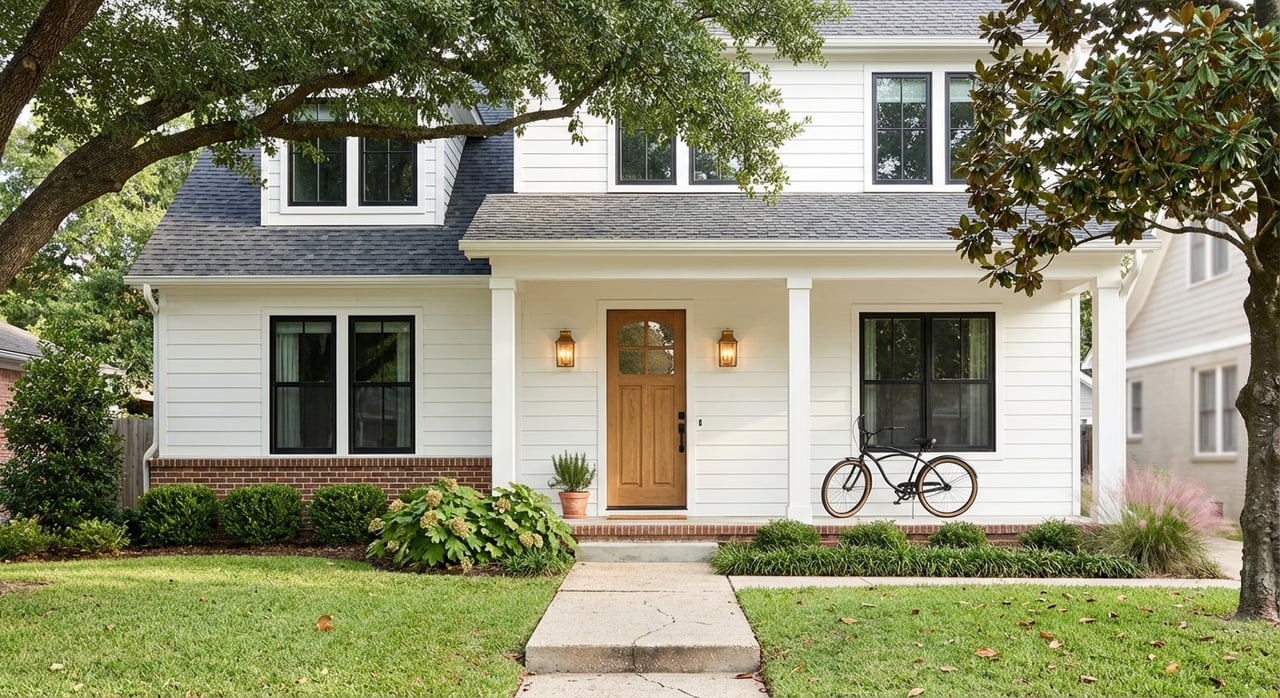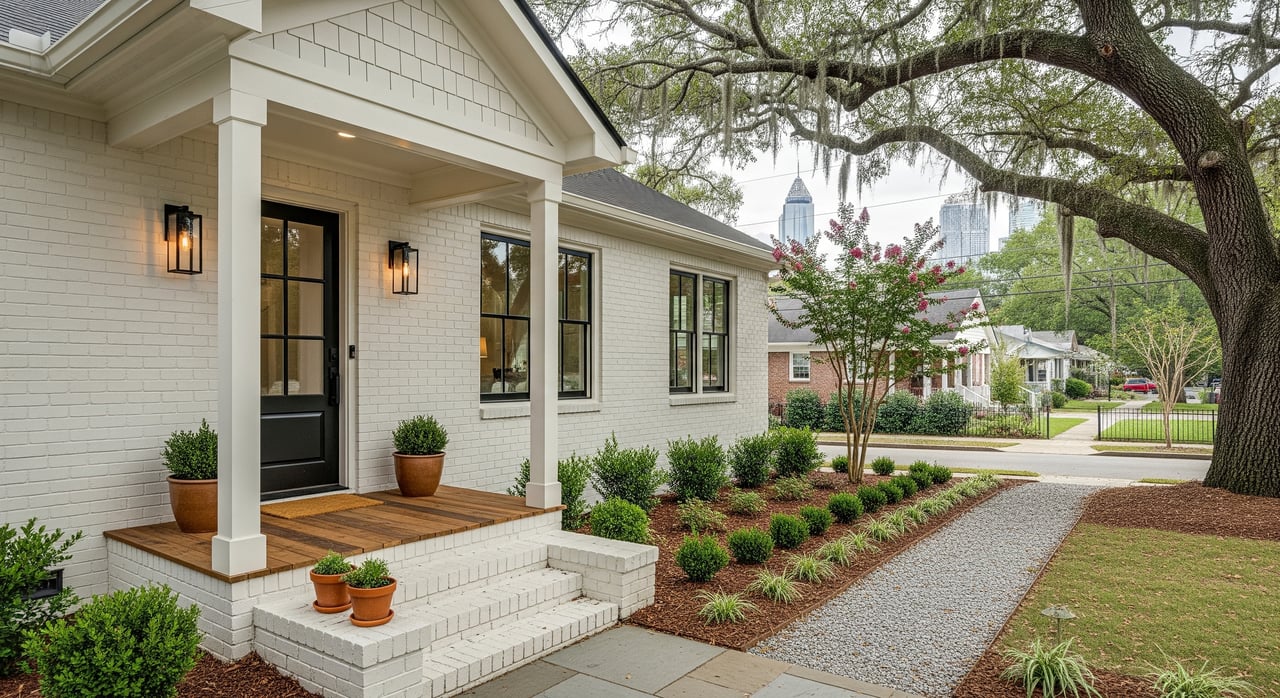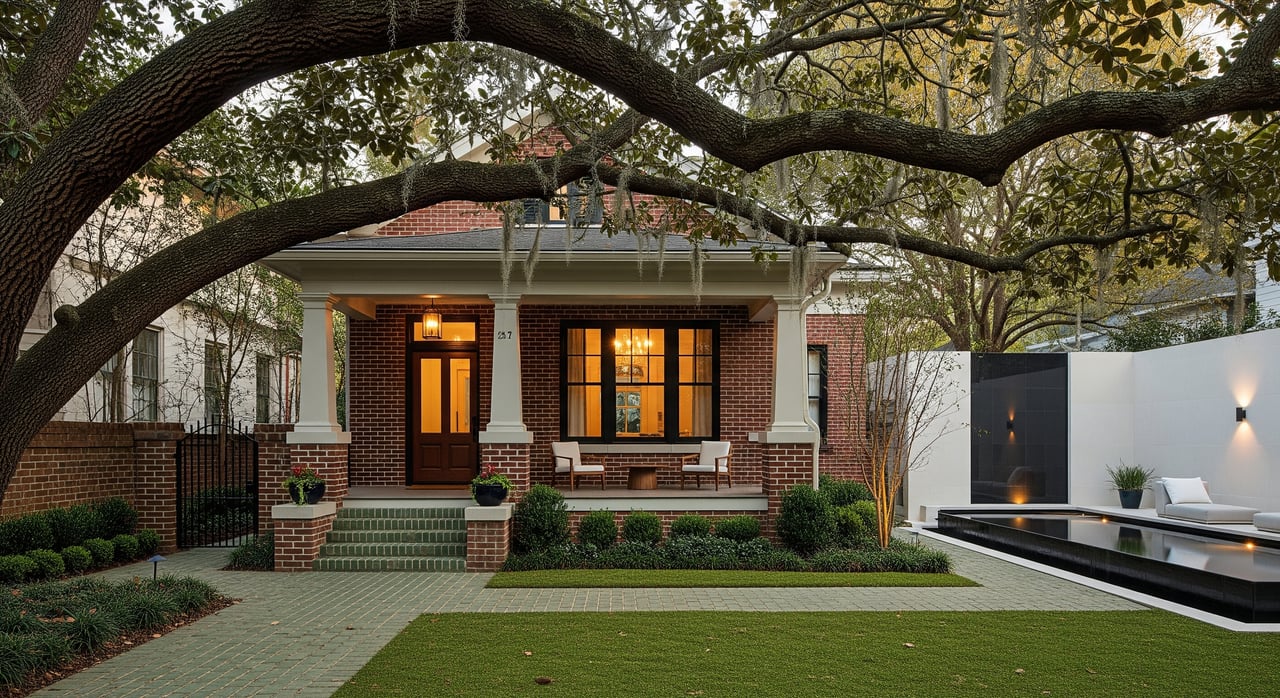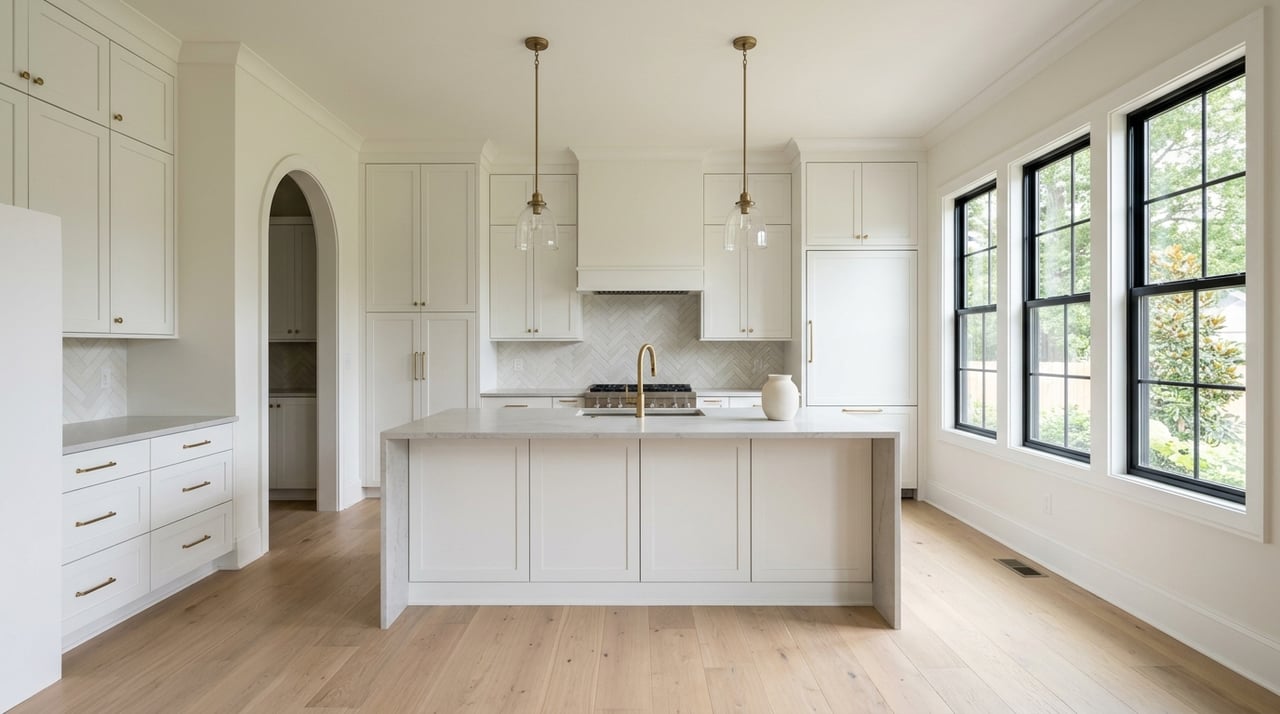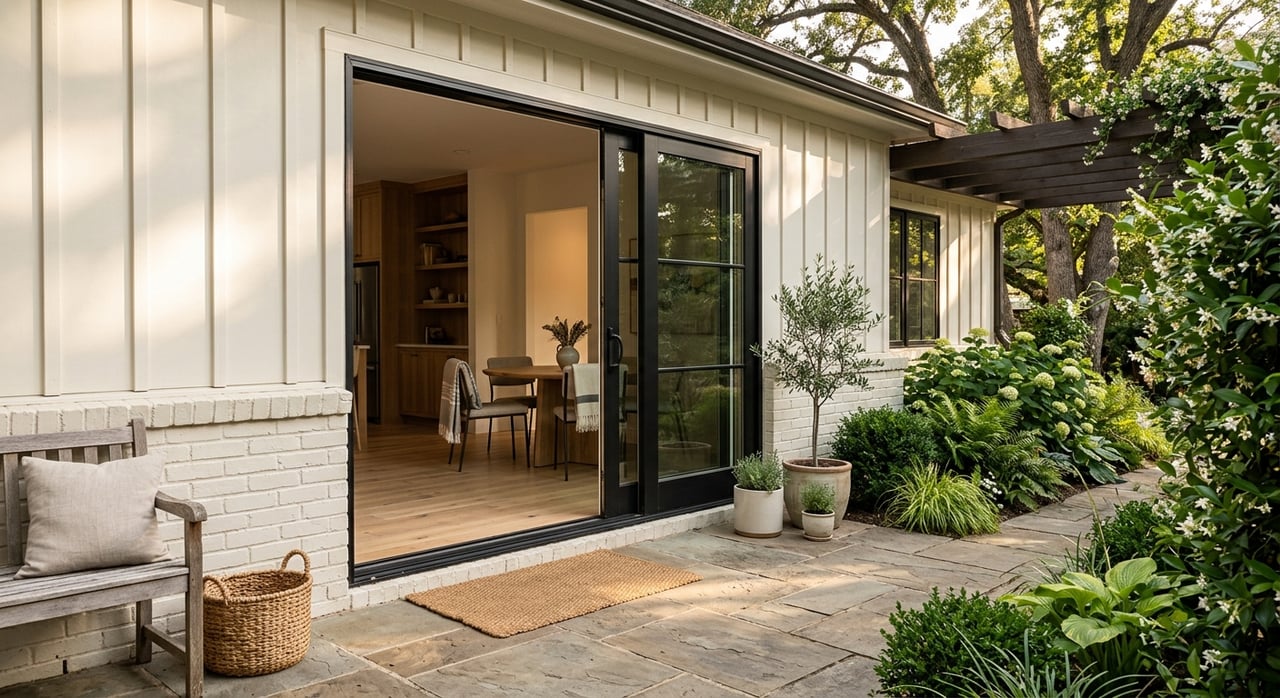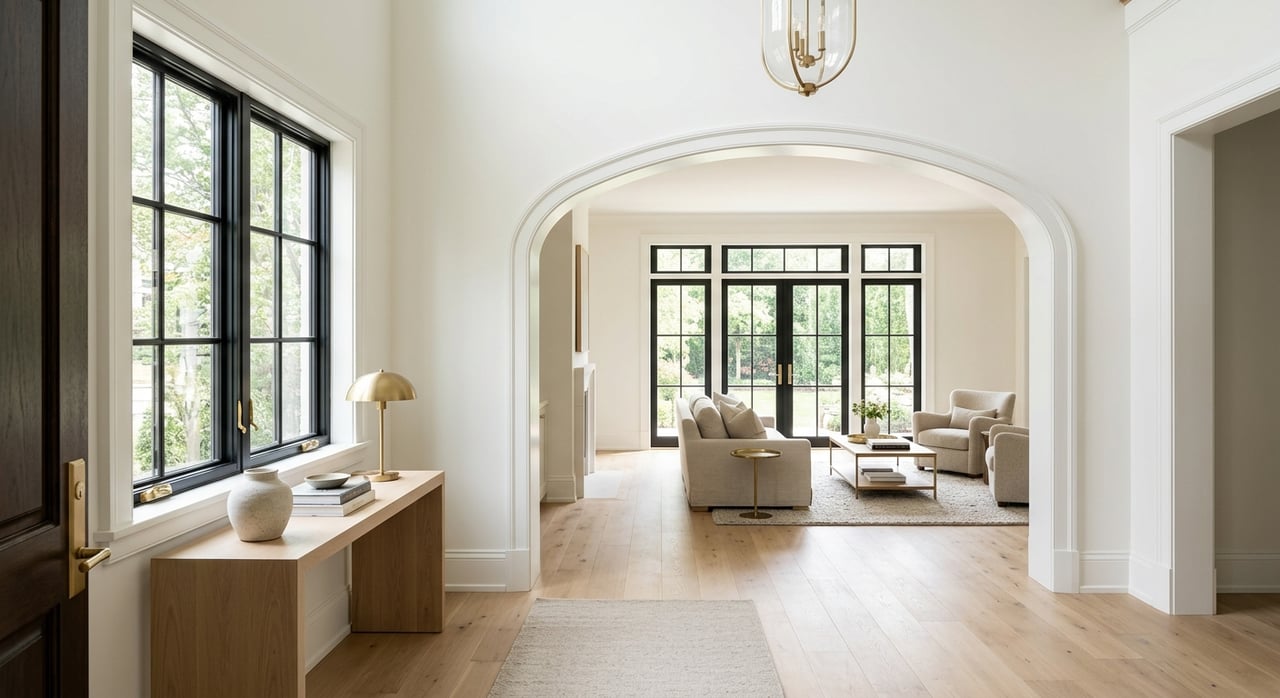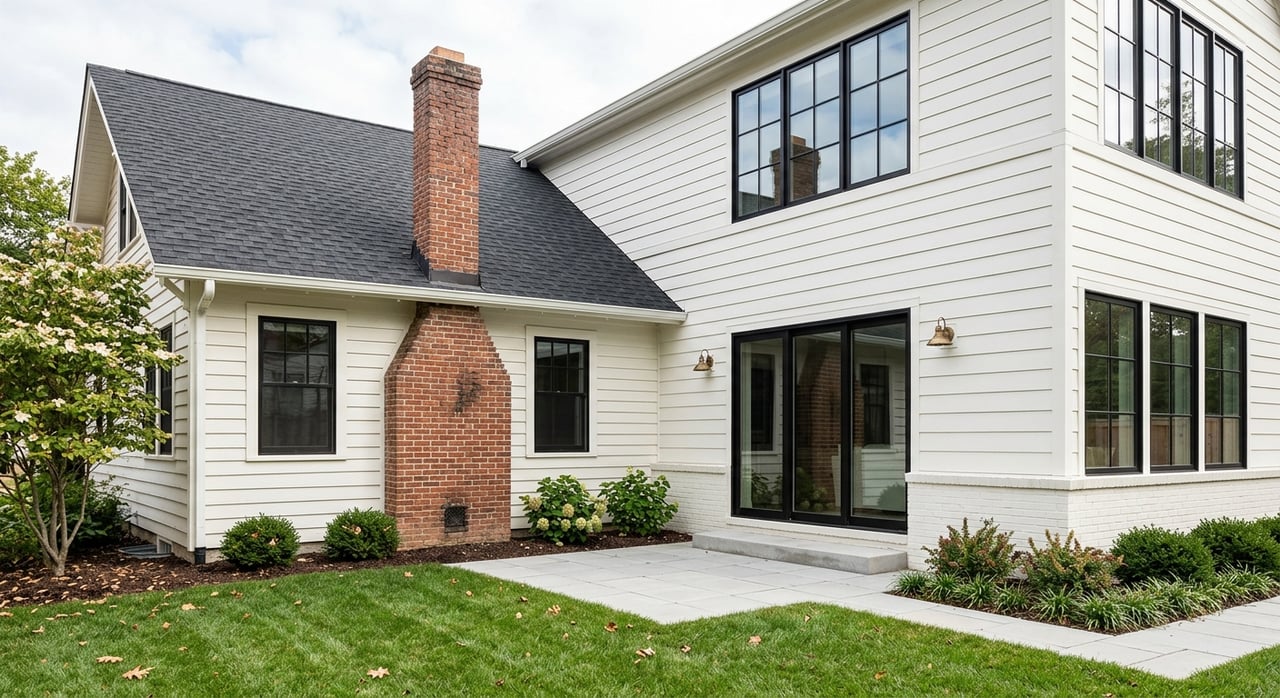
You can love Grant Park and still feel torn about the home itself. One block might offer a classic Craftsman bungalow with deep character, while the next presents a newer townhome with a more predictable maintenance profile. If you are trying to decide between historic charm and newer construction, this guide will help you compare the tradeoffs in a clear, practical way. Let’s dive in.
Grant Park’s Housing Mix
Grant Park is one of Atlanta’s oldest residential neighborhoods, built around a 131-acre park donated in 1883. According to the City of Atlanta, the neighborhood covers more than 430 acres and became a local historic district in 2000, with an expansion in 2003. That history still shapes what you see on the street today.
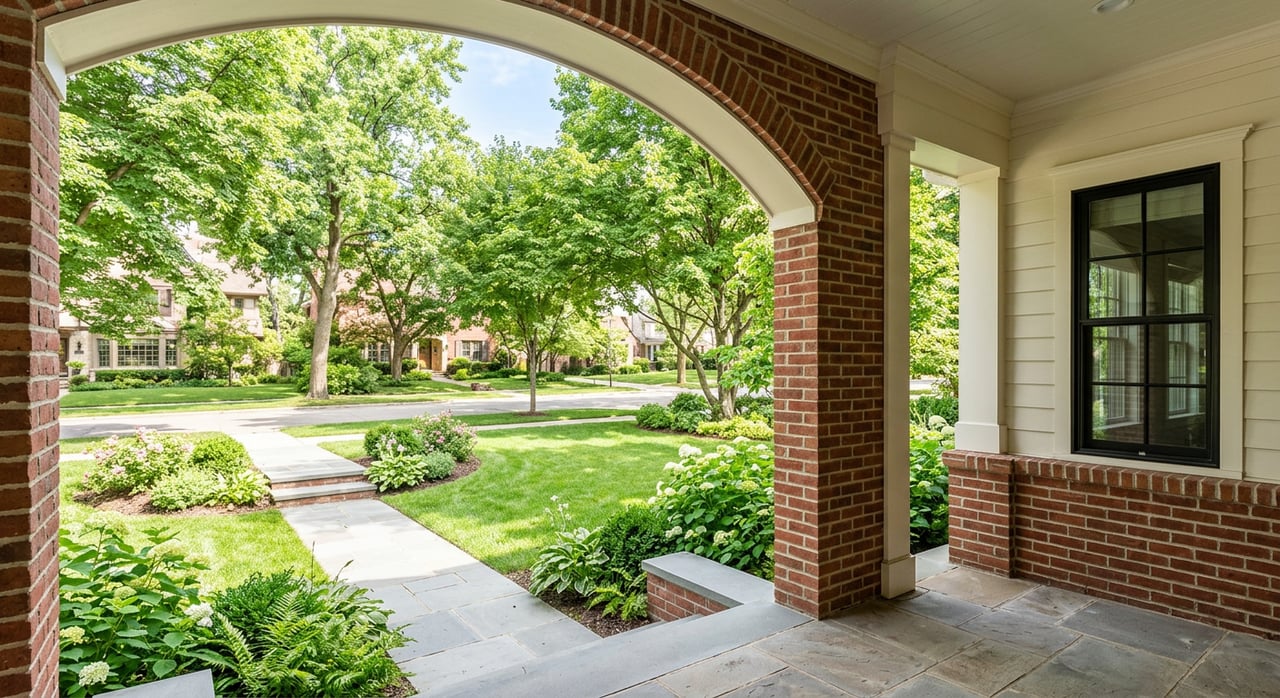
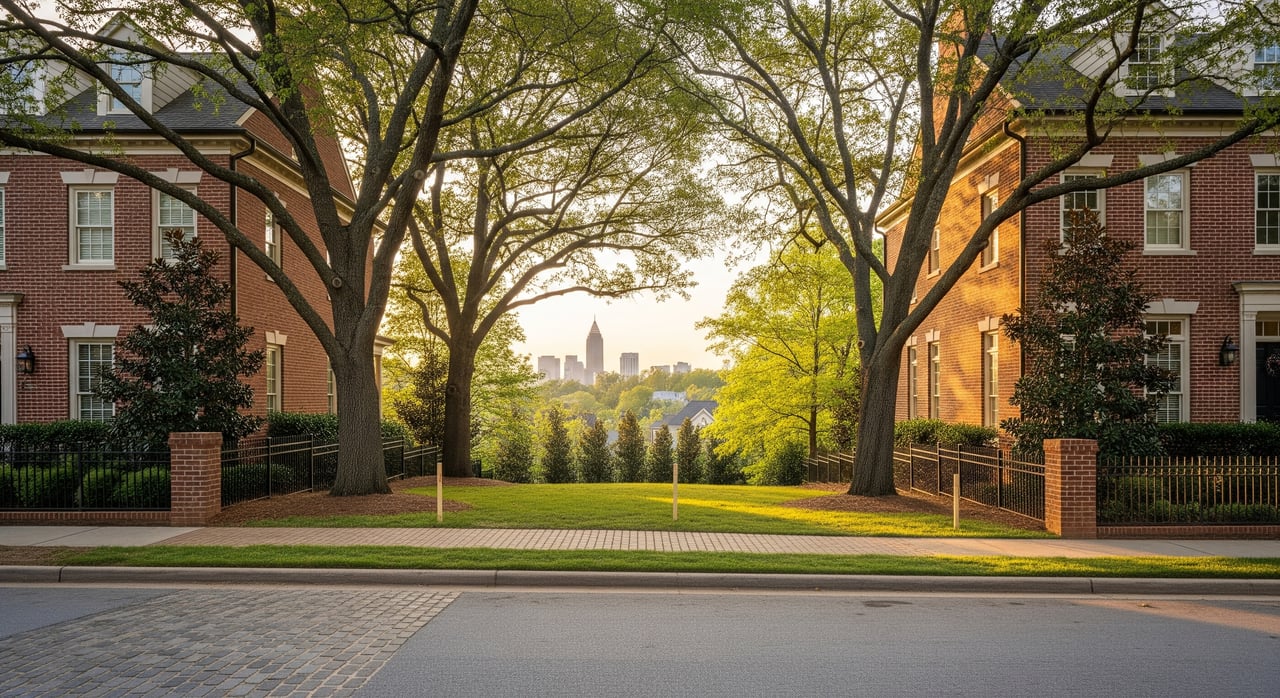
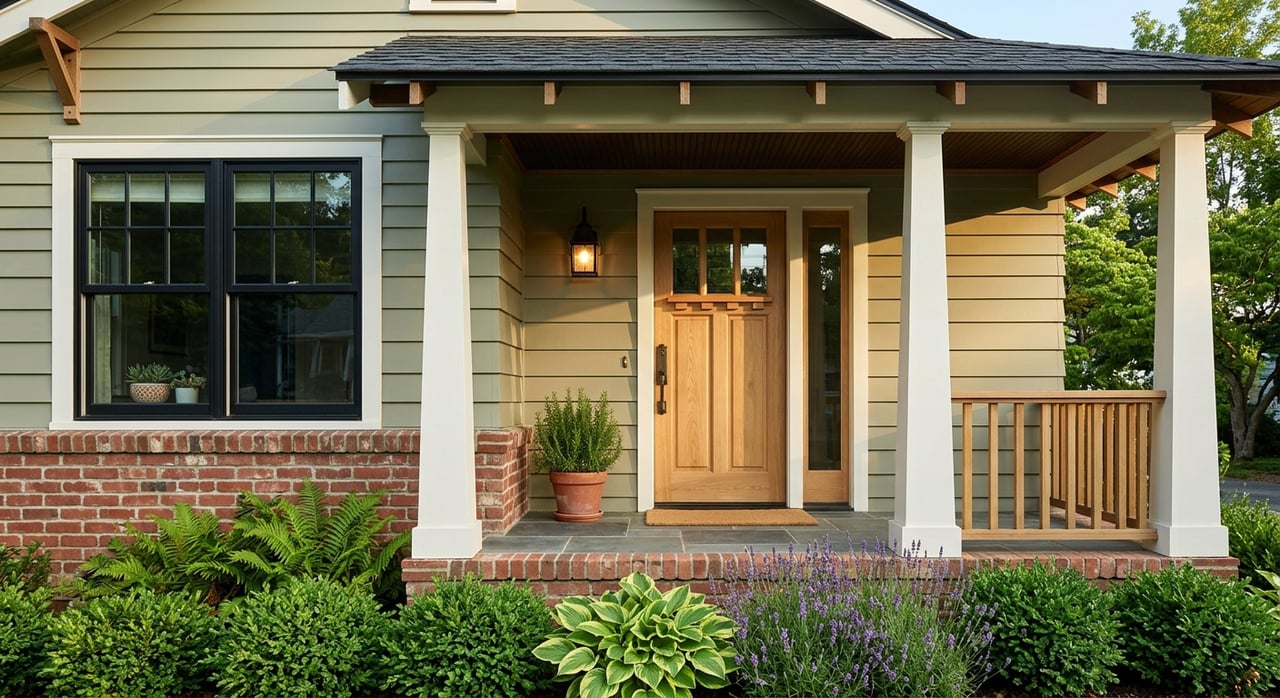
The city documents a housing stock that includes large two-story homes facing the park, Queen Anne and Folk Victorian houses, English Vernacular Revival homes, and many Craftsman bungalows. It also notes the neighborhood’s grid street pattern, narrow rectangular lots, mature trees, and original brick sidewalk sections. In other words, the setting is a big part of the appeal, no matter which type of home you choose.
Why Buyers Choose Historic Homes
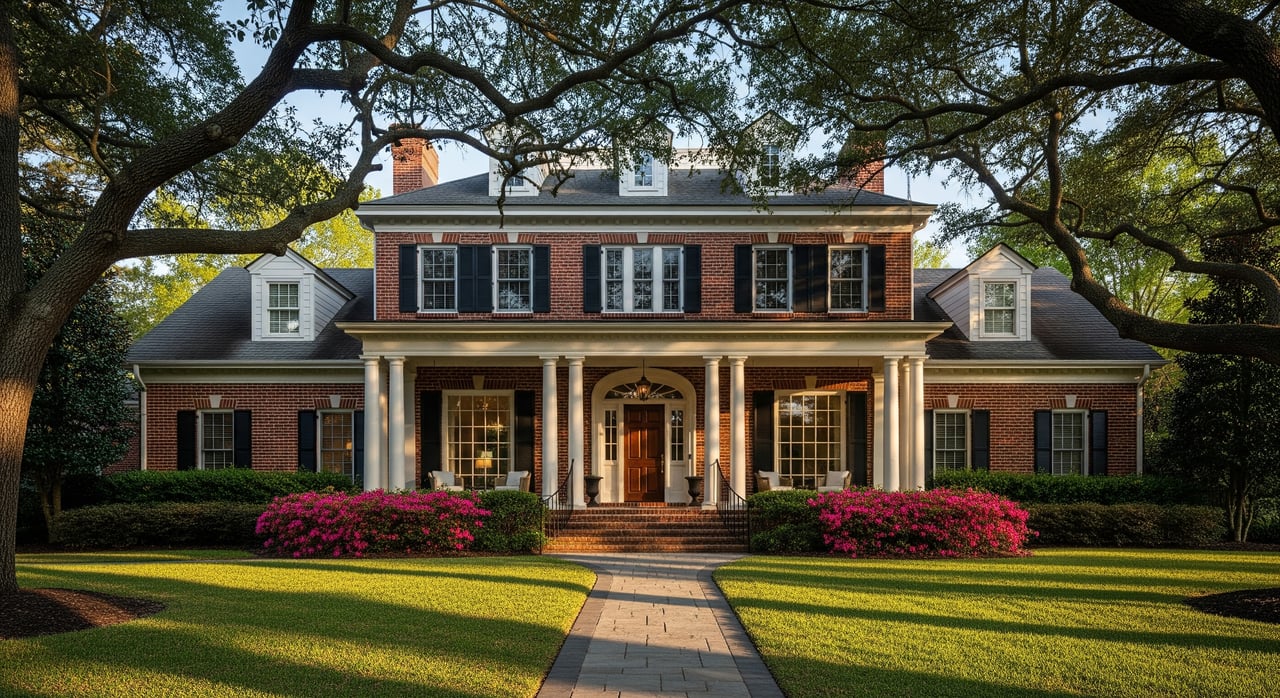
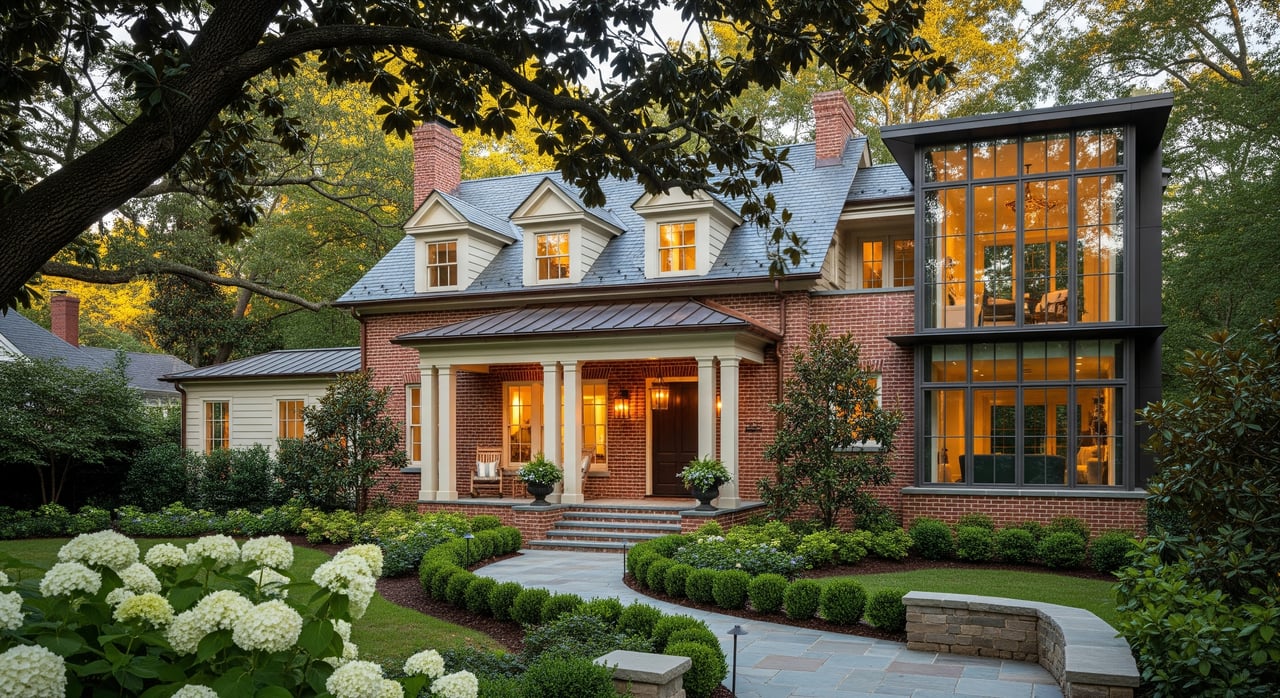
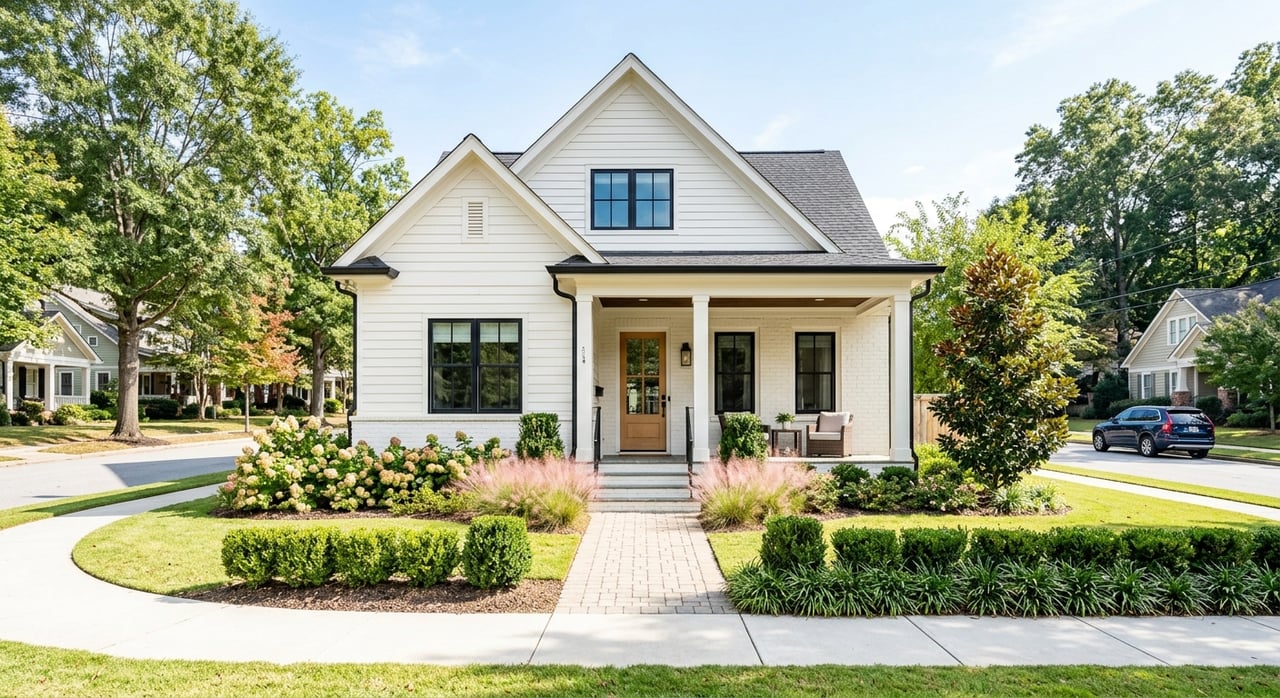
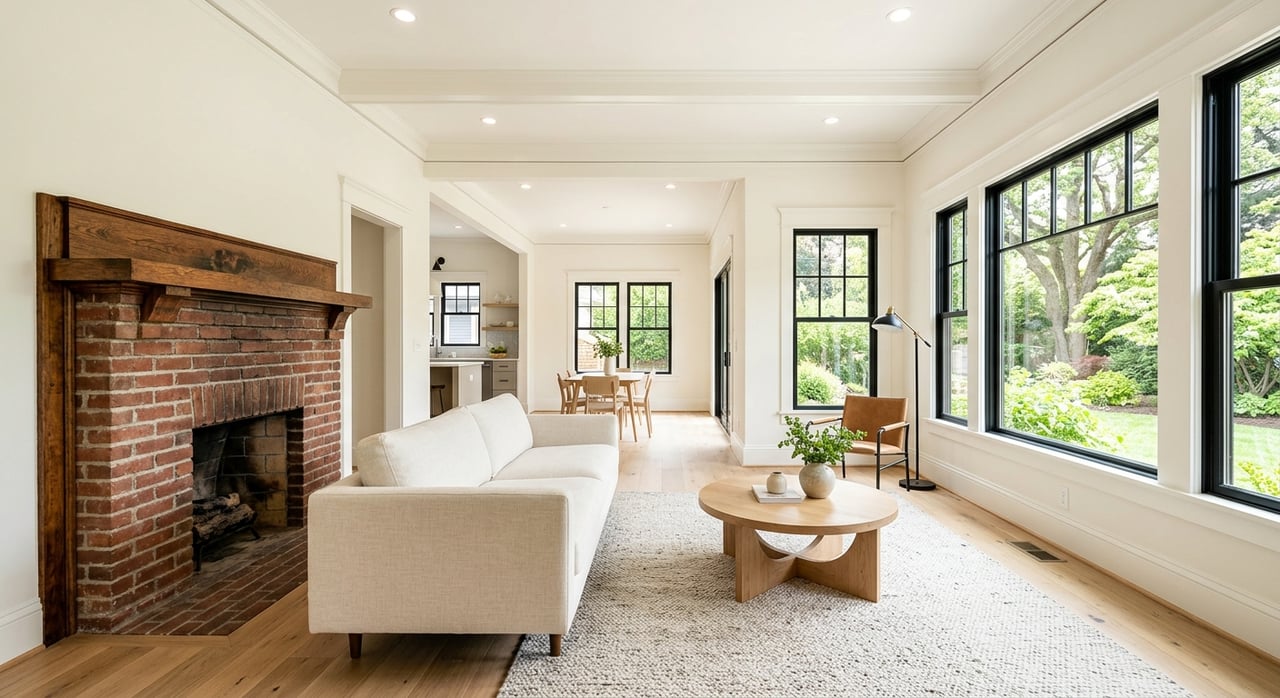
Historic homes in Grant Park often stand out because they feel connected to the neighborhood’s original character. If you are drawn to architectural detail, established streetscapes, and homes with a story, these properties may feel especially compelling. That can be true whether you are looking at a Queen Anne, a Folk Victorian, or a classic Craftsman.
For many buyers, the value of a historic home is not just inside the walls. It is also about living in a place where the lot pattern, street layout, and older housing fabric create a distinct sense of continuity. Grant Park’s historic district status helps preserve that setting over time.
What to Expect With Historic Ownership
Owning a historic home can require a more hands-on mindset. In Grant Park’s local historic district, exterior changes may require a Certificate of Appropriateness, and the review may be handled by Historic Preservation staff or the Urban Design Commission depending on the scope of work. That means your timeline for updates can involve review and permitting, not just budget and contractor availability.
This matters if you already have renovation ideas in mind. Before you plan changes to windows, porches, roofs, fences, or additions, you will want to confirm what review may be required. For some buyers, that preservation framework is part of the appeal. For others, it can feel like an extra layer of process.
Inspections and Appraisals Matter
Historic homes can also require more careful due diligence during the buying process. Lenders rely on appraisals and inspections, and appraisal outcomes are shaped by a property’s condition, characteristics, location, and market trends. If an appraisal comes in lower than expected, it can reduce the loan amount or mean you need more cash to close.
Inspections are especially helpful for understanding structural and mechanical systems such as HVAC and electrical. In an older home, that information can help you budget more realistically and avoid surprises. A beautiful exterior and great location are important, but so is knowing how the home functions behind the scenes.
Why Buyers Choose Newer Homes
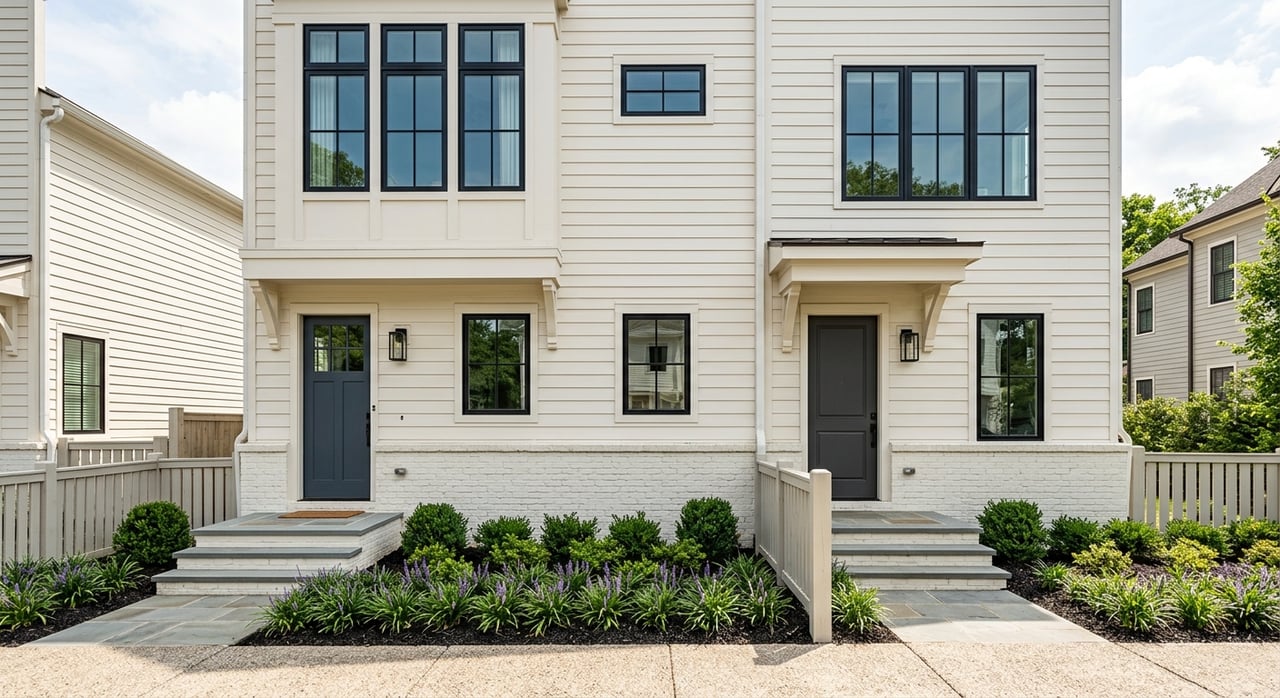
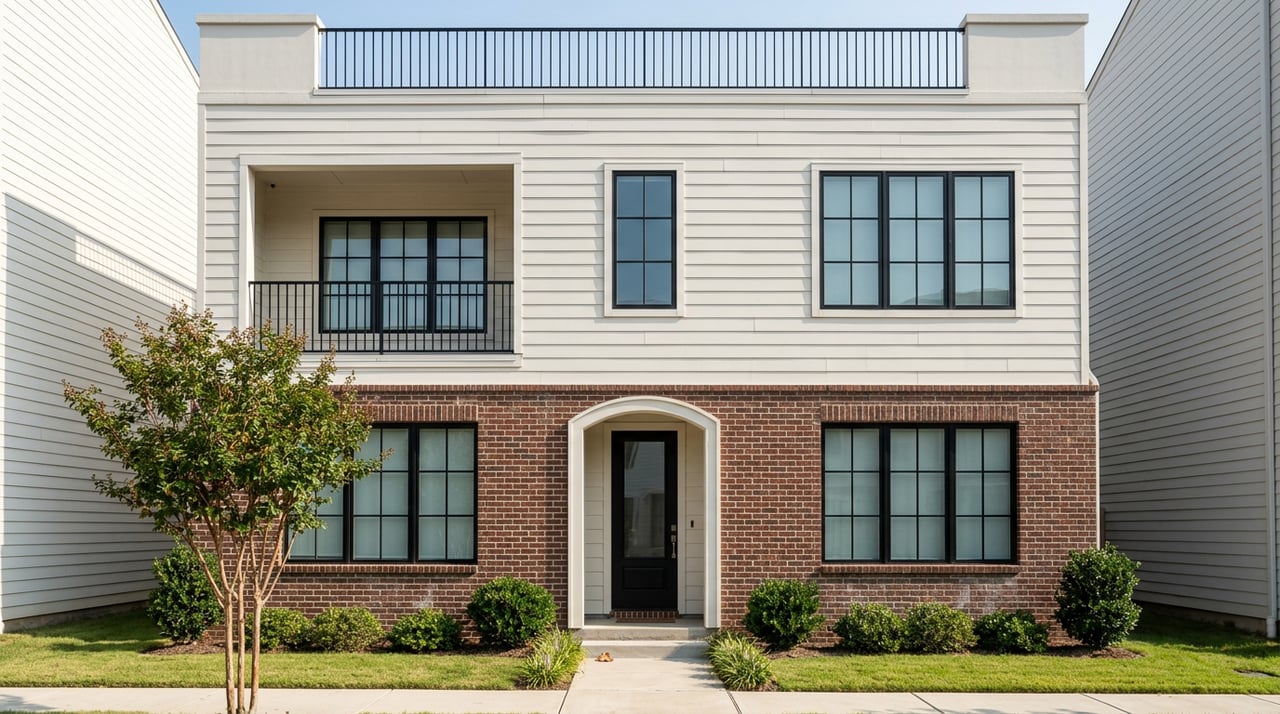
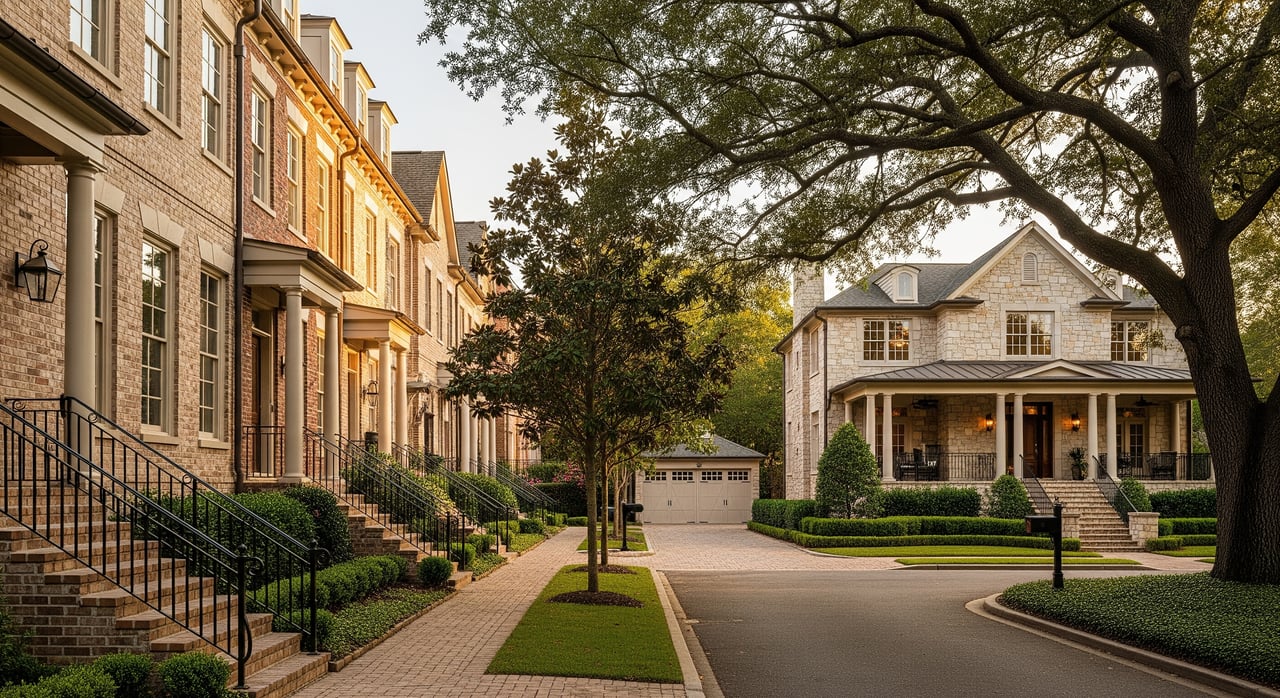
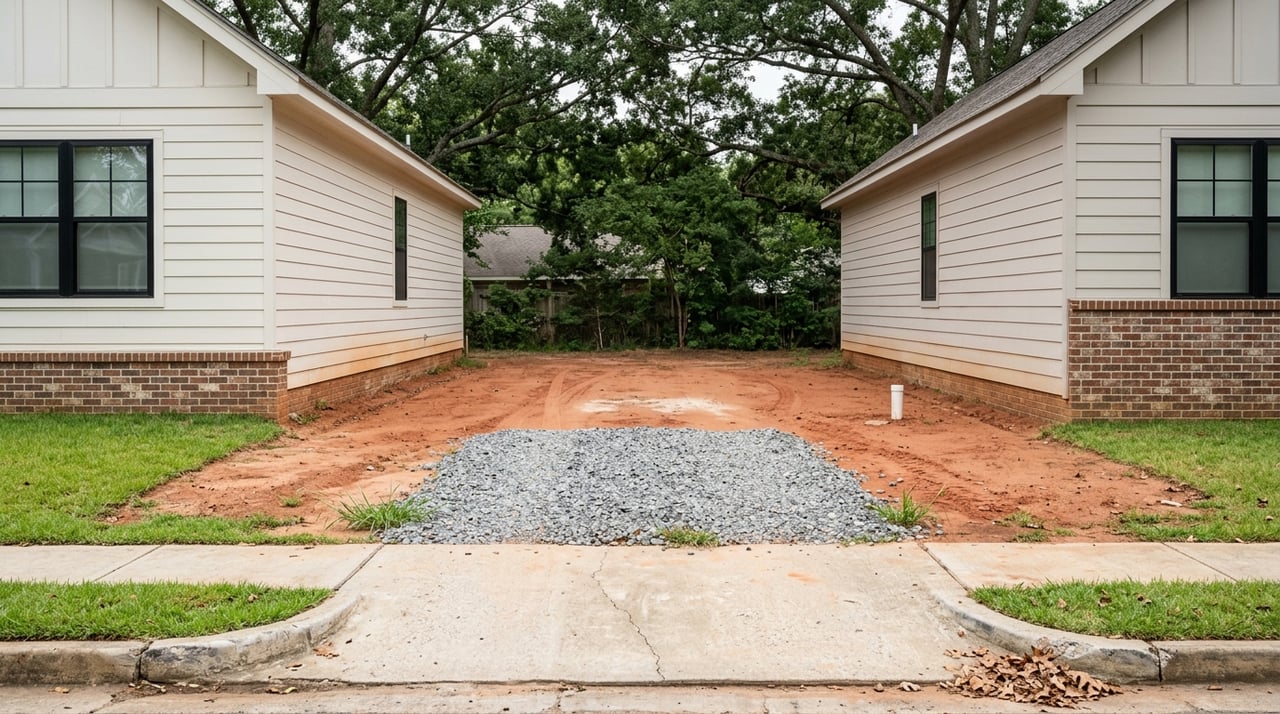
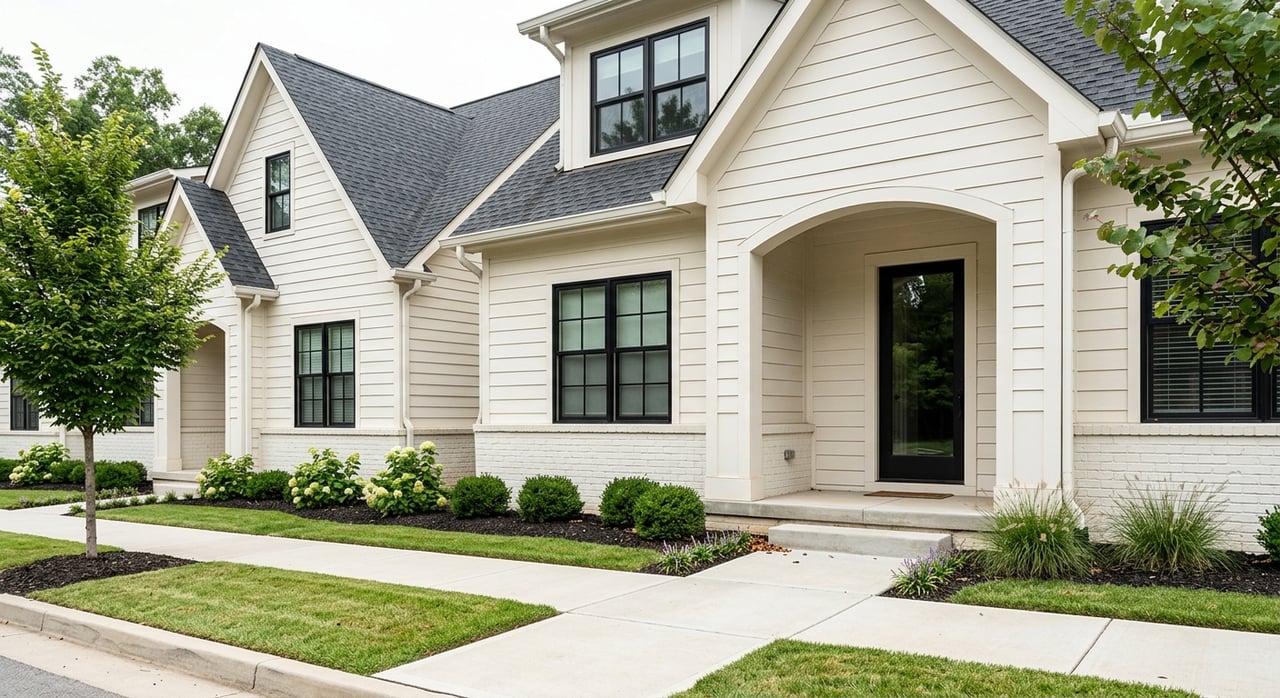
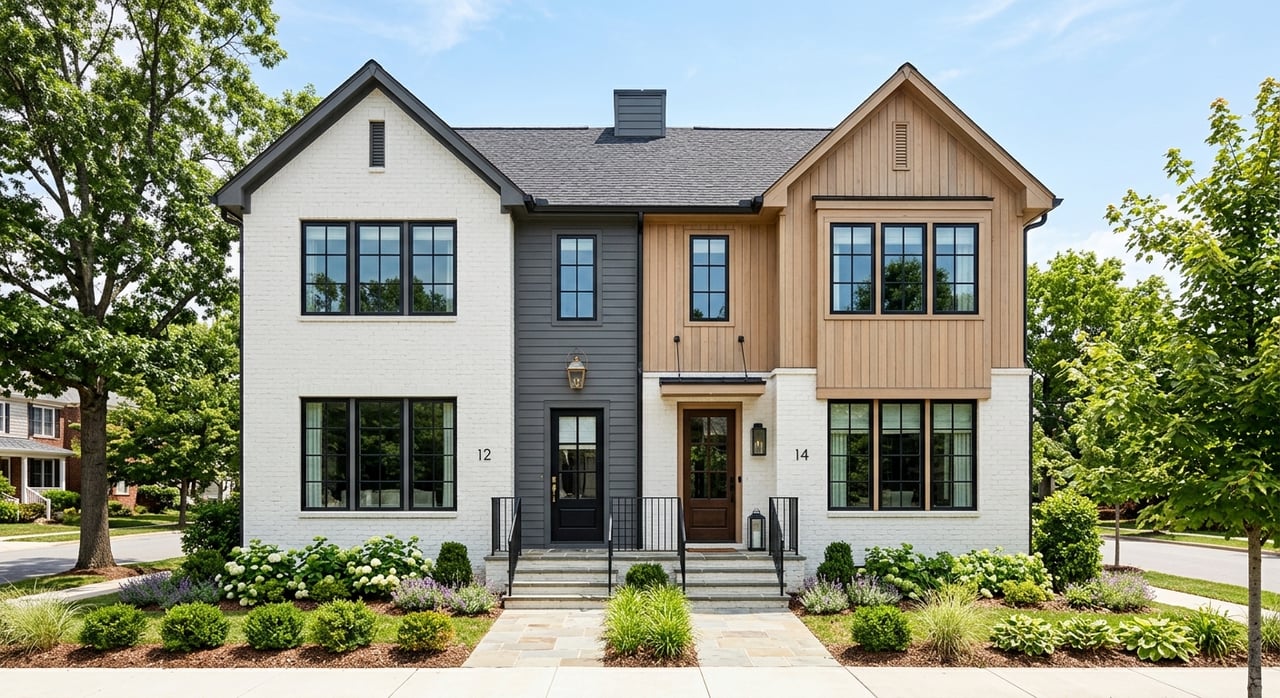
In a neighborhood like Grant Park, newer housing tends to show up as infill rather than in a large new subdivision. That fits the area’s built-out pattern, narrow lots, and historic overlay. So when you look at newer homes here, you are often comparing a more recent build inserted into an established neighborhood fabric.
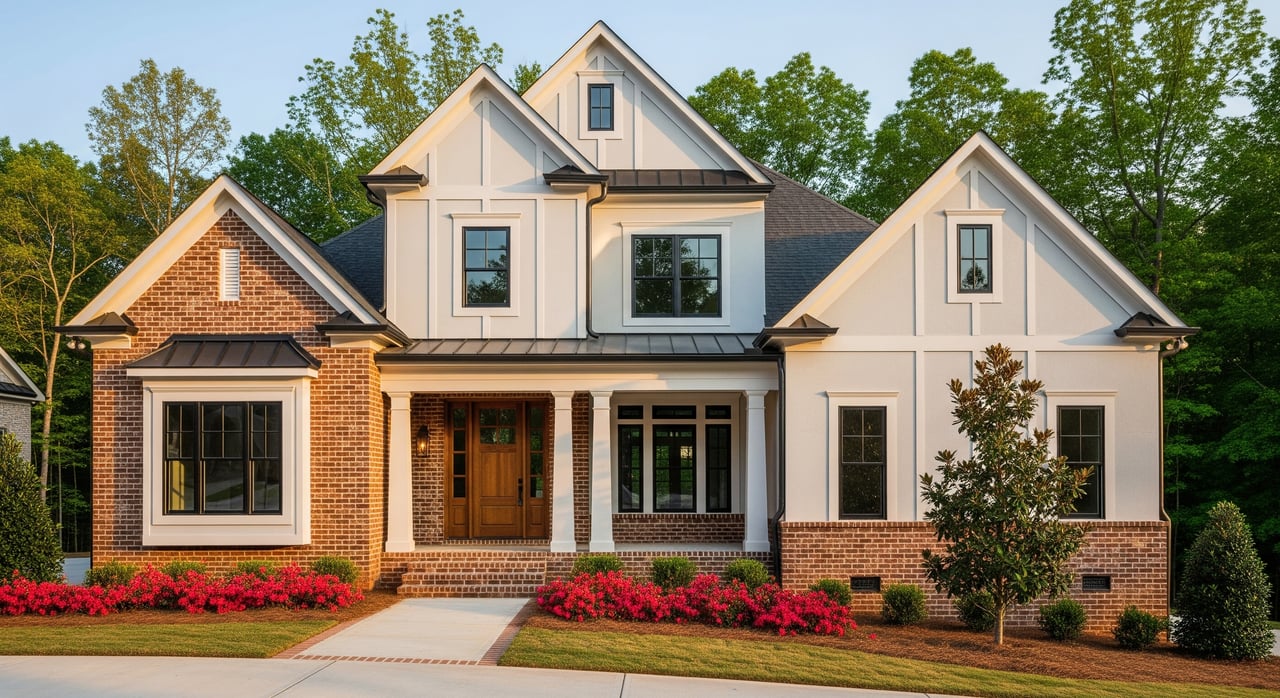
The big draw is usually predictability. Newer townhomes and infill homes can reduce immediate deferred-maintenance concerns, which can make budgeting feel more straightforward. If you want a home that may need fewer near-term repairs, newer construction can be an appealing option.
Condition Can Affect Financing
Fannie Mae’s appraisal guidance treats very recent new construction, or homes remodeled to the studs within 36 months with no deferred maintenance, as a top condition tier. Even so, the lender still evaluates the property’s condition and comparable sales. So while newer homes may look simpler on paper, they still need to support the value through the appraisal process.
For buyers, that means newer does not automatically mean easier in every respect. It may reduce some maintenance uncertainty, but financing still depends on the property, the market, and the lender’s review. Asking direct questions early can save time later.
HOA Costs Are Part of the Equation
Many newer townhomes come with an owners association, and that changes your monthly cost picture. HOA dues are usually paid separately from the mortgage payment and may cover things like landscaping and maintenance. In condo-style settings, the association may also take on more responsibility for driveways, shared structures, and roofs.
That structure can be a benefit if you want less personal responsibility for exterior upkeep. But it also means you need to understand the rules and the full cost, not just the listing price. One-time special assessments are another key item to review because they are separate from regular dues and can affect affordability.
How to Compare the Tradeoffs
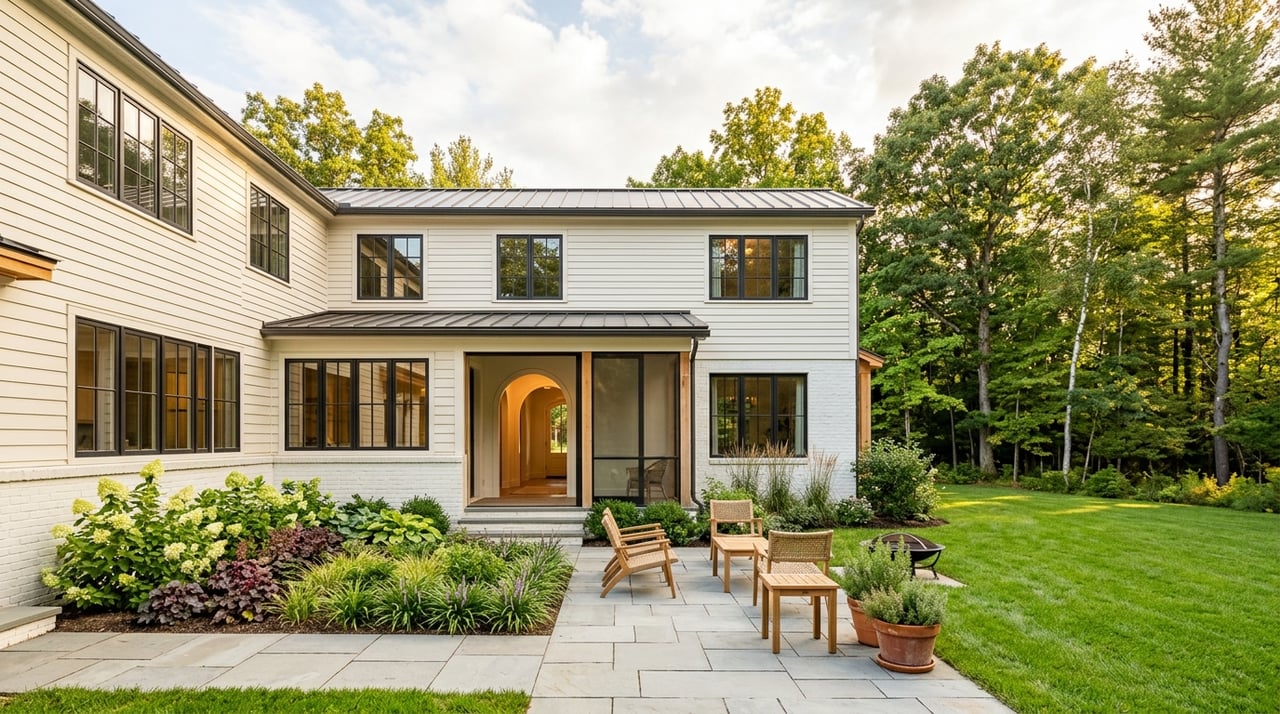
The best choice often comes down to what kind of ownership experience fits you. Historic homes may offer more character and a closer connection to Grant Park’s architectural identity, but they can also involve more self-managed upkeep and preservation review. Newer homes may offer a more predictable maintenance profile, but often come with HOA dues and association rules.
If you are deciding between the two, it helps to compare them across the same practical categories. That keeps the decision grounded in your budget, your timeline, and your comfort level with ongoing responsibilities.
Category | Historic Home | Newer Home |
|---|---|---|
Architecture | Often includes original styles like Queen Anne, Folk Victorian, and Craftsman | Typically newer infill or townhome design within an established neighborhood |
Maintenance | May involve more deferred maintenance or older systems | Often fewer immediate maintenance concerns |
Exterior changes | May require historic review and a Certificate of Appropriateness | May still have rules, but usually tied more to HOA or development standards |
Monthly costs | May have fewer association costs, depending on the property | May include HOA dues and possible special assessments |
Ownership style | More individualized and less standardized | More structured and often more predictable |
Questions to Ask Before You Buy
Whether you are leaning historic or new, a few early questions can help you make a stronger decision. These questions can also help you compare homes more fairly when the options feel very different.
Questions for Your Lender
Ask your lender how they will evaluate condition, deferred maintenance, and any unique property features that could affect the appraisal. This is especially important if you are comparing an older home with architectural character to a newer townhome with fewer visible maintenance issues.
You should also ask what proof of homeowner’s insurance the lender will require at closing. Lenders generally require proof of homeowner’s insurance, and it is best to understand that requirement early in the process.
Questions About HOA Documents
If you are considering a townhome or any property with an association, ask for the HOA documents as early as possible. Review the regular dues, reserve information, and any recent or pending special assessments.
Those costs are usually outside the mortgage payment, so they need to be part of your full affordability review. A home that looks manageable at first glance can feel very different once all monthly and one-time obligations are on the table.
Questions About Historic Review
If you are considering an older home, ask whether the property is inside the local historic district and what kinds of exterior changes would require review. This is especially important if you are already thinking about replacing windows, updating a porch, changing a roof, adding a fence, or building an addition.
Knowing the process upfront can help you avoid frustration later. It also helps you decide whether you want a home with preservation responsibilities or a property with a more flexible path for future changes.
Which Option Fits You Best?
If you want original architecture, established streetscapes, and a home that feels deeply tied to Grant Park’s history, a historic home may be the better fit. You just need to be comfortable with inspections, maintenance planning, and the added step of preservation review for some exterior work.
If you want a more predictable maintenance profile and a more structured ownership experience, a newer townhome or infill home may make more sense. You will still want to review appraisal factors and association documents carefully, but the day-to-day upkeep may feel more manageable.
In Grant Park, this is rarely a simple old-versus-new choice. It is really a choice about how you want to live, maintain your home, and plan for future costs. If you want help weighing those tradeoffs in a practical, transparent way, connect with Maja Sly for guidance tailored to your goals.
FAQs
What makes Grant Park historic homes different from newer homes?
- Grant Park historic homes often offer original architecture and a stronger connection to the neighborhood’s historic streetscape, while newer homes usually offer a more predictable maintenance profile and may include HOA structure.
Do Grant Park historic homes require approval for exterior changes?
- Yes, because Grant Park is a local historic district, some exterior changes may require a Certificate of Appropriateness and review by Historic Preservation staff or the Urban Design Commission.
Are HOA dues common in newer Grant Park townhomes?
- They can be, and those dues are usually paid separately from the mortgage payment. Buyers should also ask about any recent or pending special assessments.
How do appraisals affect buying a historic or newer Grant Park home?
- Lenders consider condition, characteristics, location, and market trends when appraising a home. A lower appraisal can reduce the loan amount or require you to bring more cash to closing.
Why is a home inspection important in Grant Park?
- Inspections help you better understand structural and mechanical systems, including HVAC and electrical, which is especially helpful when evaluating older homes.
What should you ask before buying a home in Grant Park?
- Ask about appraisal treatment, deferred maintenance, homeowner’s insurance requirements, HOA dues and special assessments, and whether the home is in the local historic district with exterior review requirements.