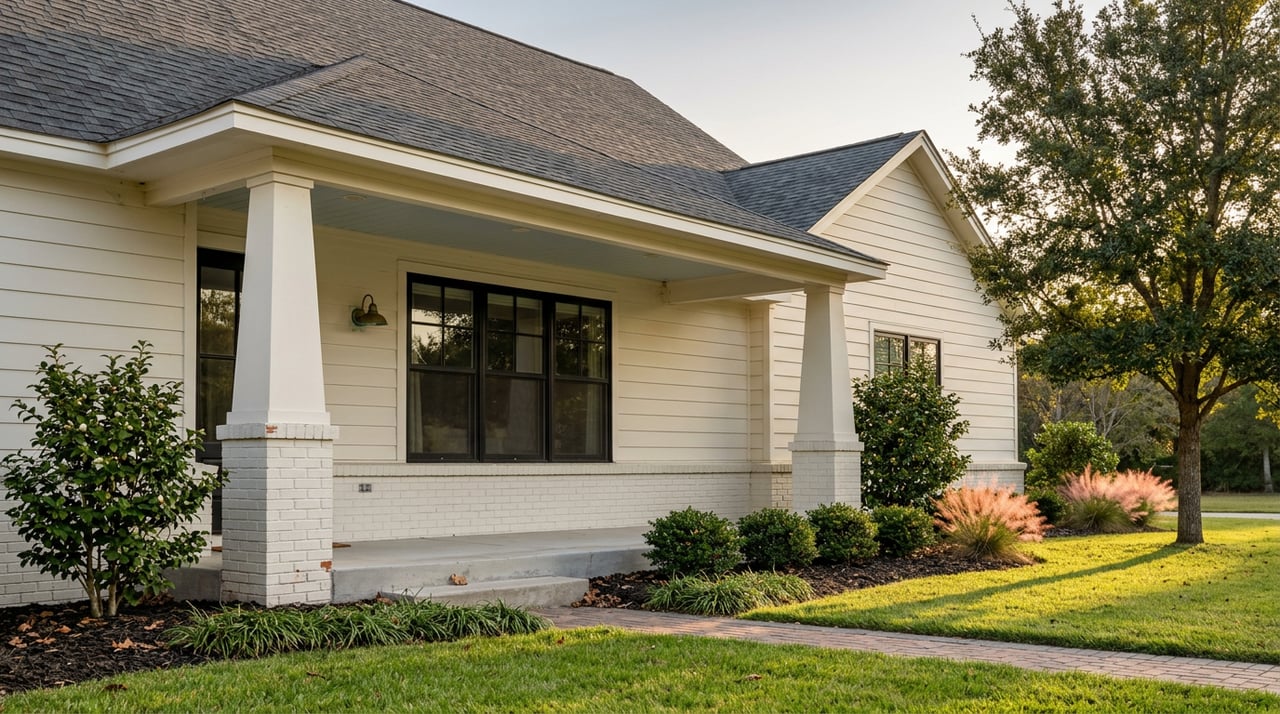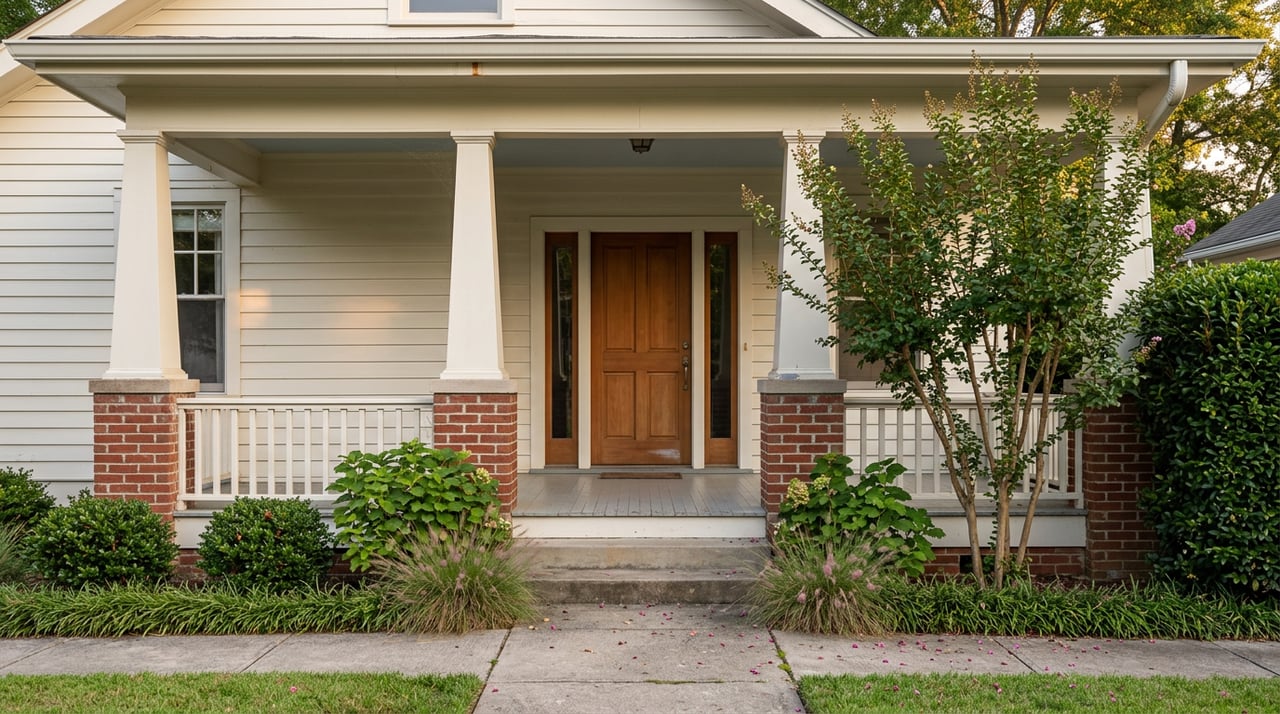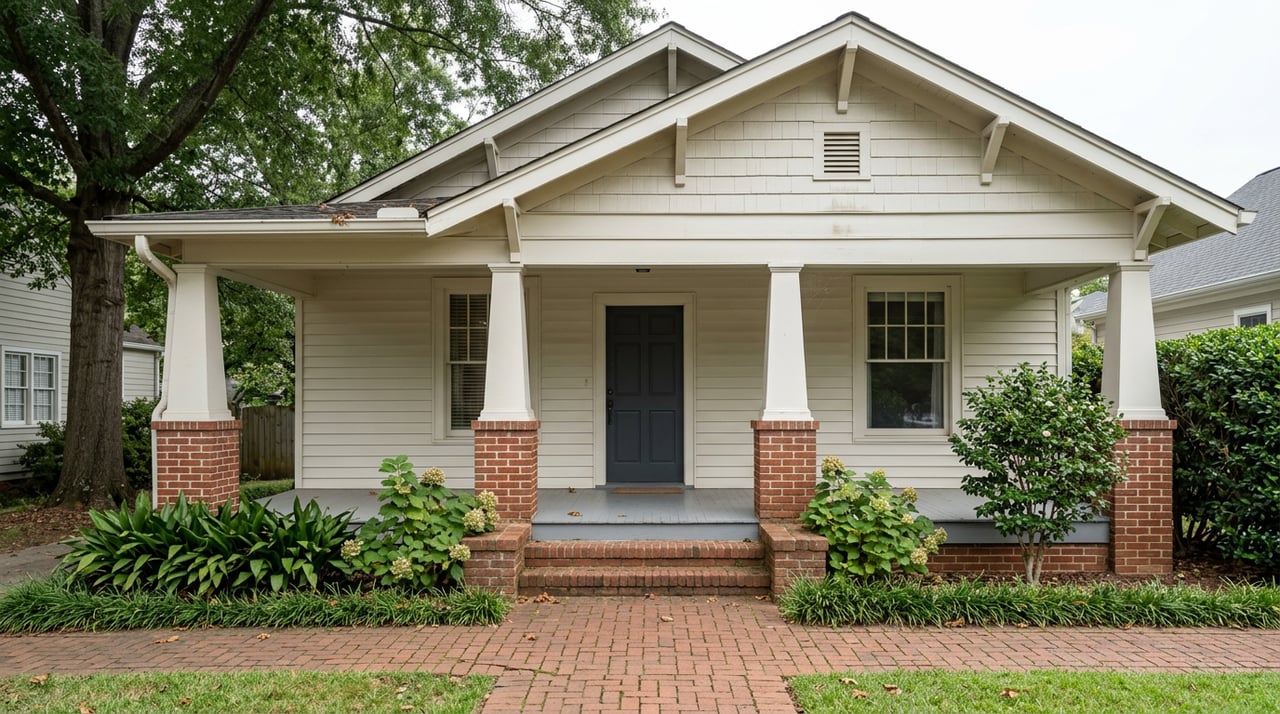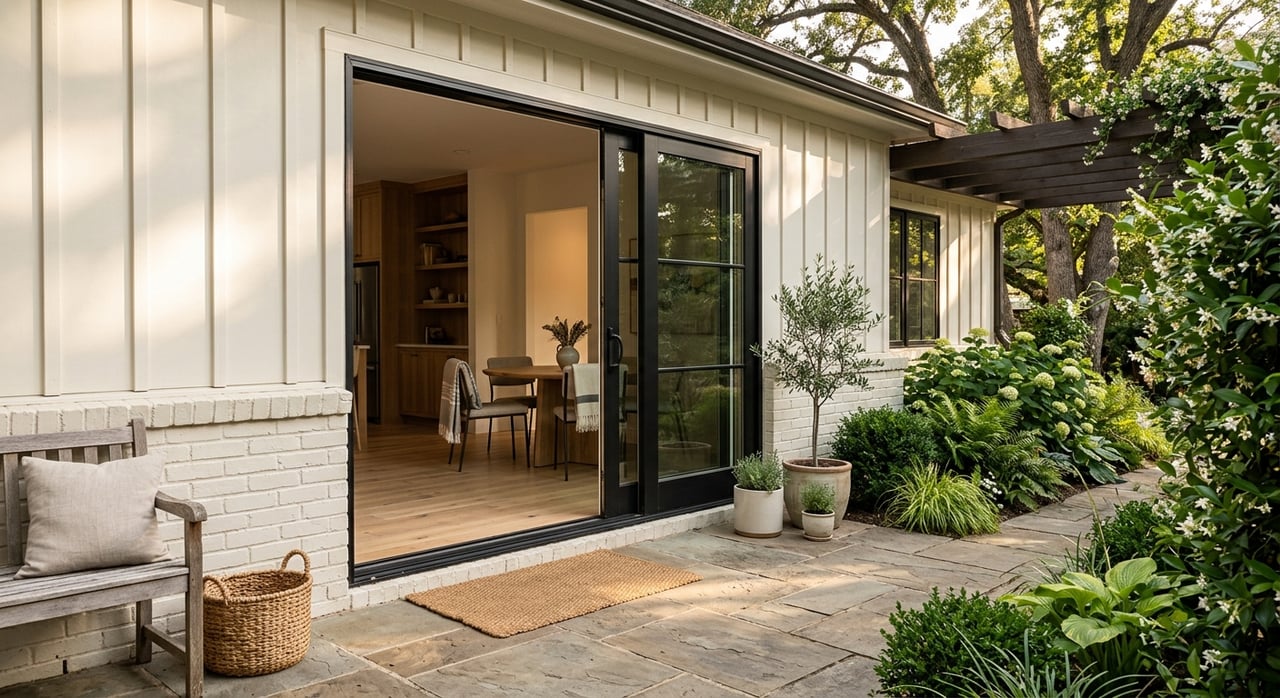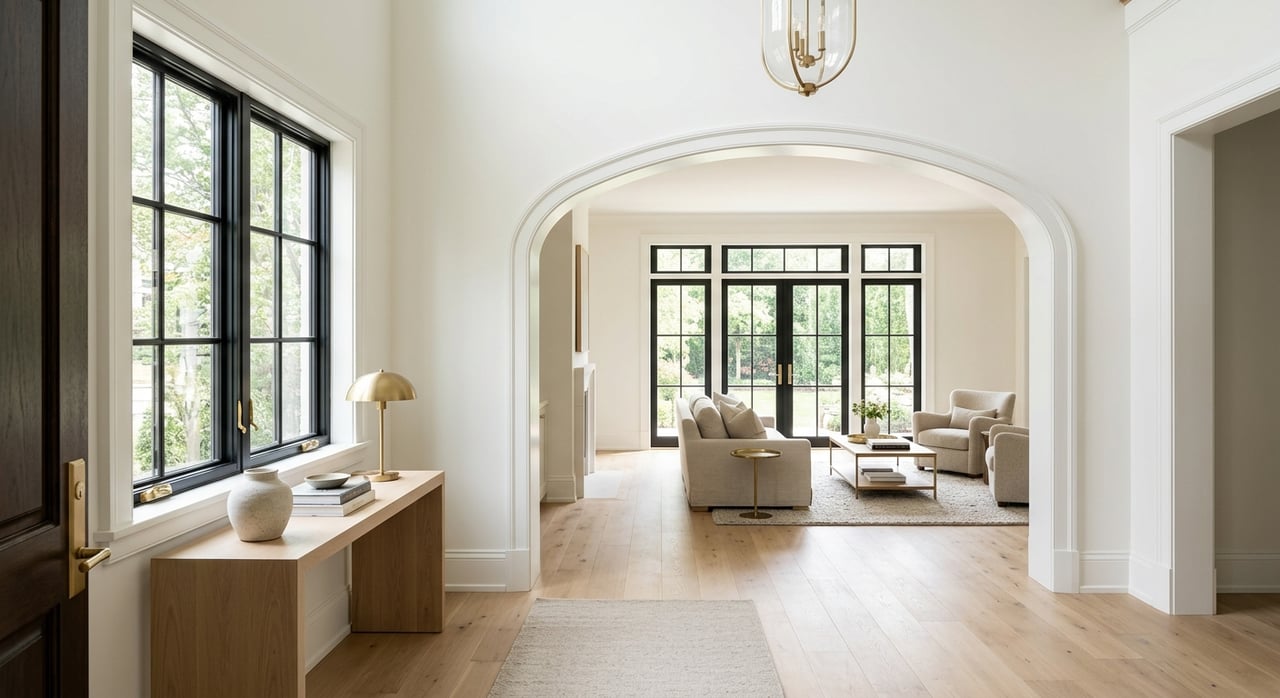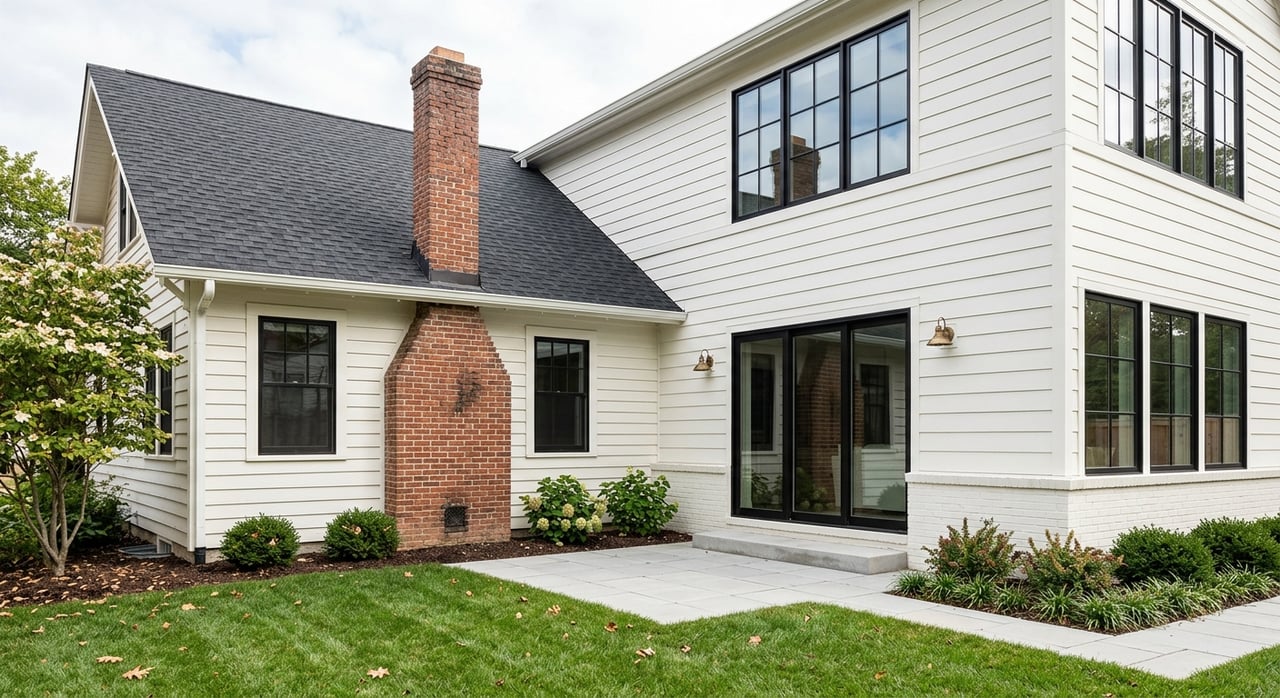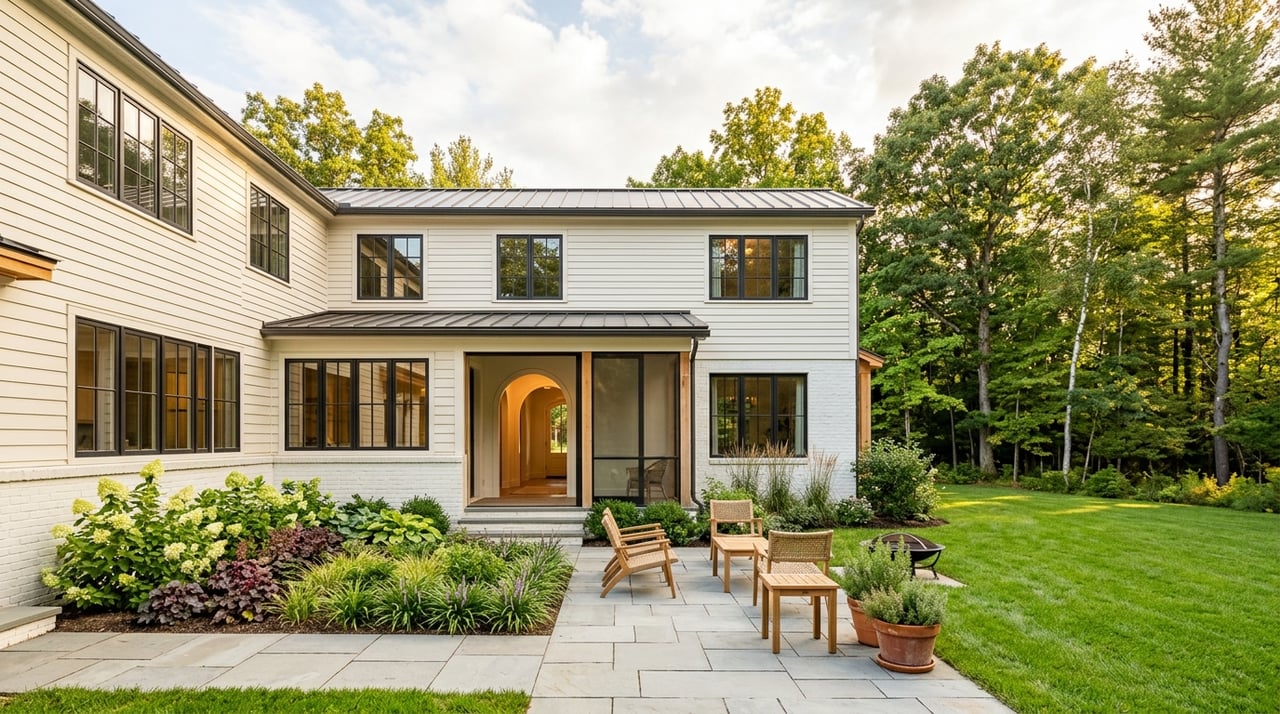
If you have toured one new construction community in Gwinnett County, you already know how easy it is for the options to blur together. One neighborhood highlights amenities, another advertises incentives, and a third promises future features that sound great on paper. When you are trying to make a smart move, you need a way to compare communities clearly and fairly. This guide will help you evaluate what really matters in Gwinnett so you can choose with more confidence. Let’s dive in.
Why Gwinnett comparisons matter
Gwinnett County is a large and growing market with an estimated 2026 population of 1,037,017 spread across 437 square miles and 17 municipalities, according to Gwinnett County Fast Facts. That size creates real differences from one community to the next, including commute routes, utility conditions, amenity packages, and school assignments.
It also means you are not just comparing homes. You are comparing submarkets within a county that stretches about 30 miles northeast of Atlanta. A townhome community in Suwanee, a detached home neighborhood in Dacula, and a single-family community in Lawrenceville may all fall under the same county label, but your day-to-day experience can look very different in each one.
Start with the home type
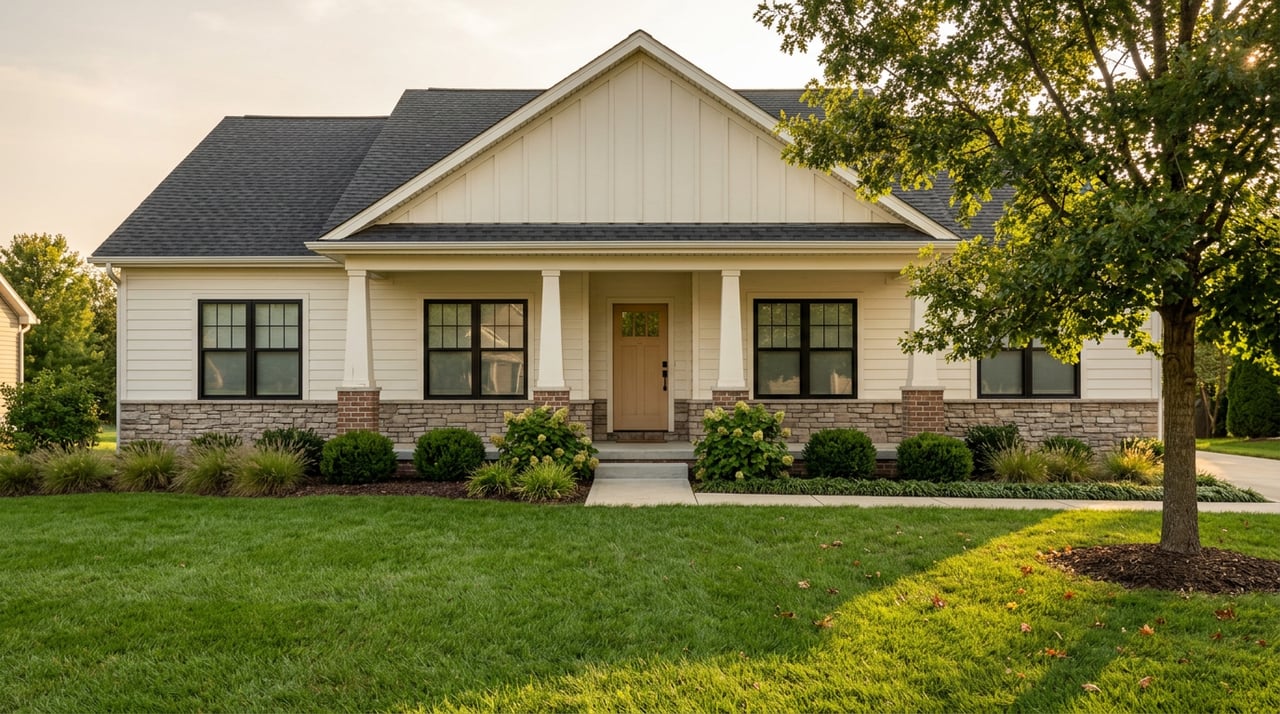
Before you compare price, start with the kind of home you actually want. In Gwinnett, attached townhomes and detached single-family homes often come with very different lot sizes, maintenance expectations, HOA structures, and amenity access.
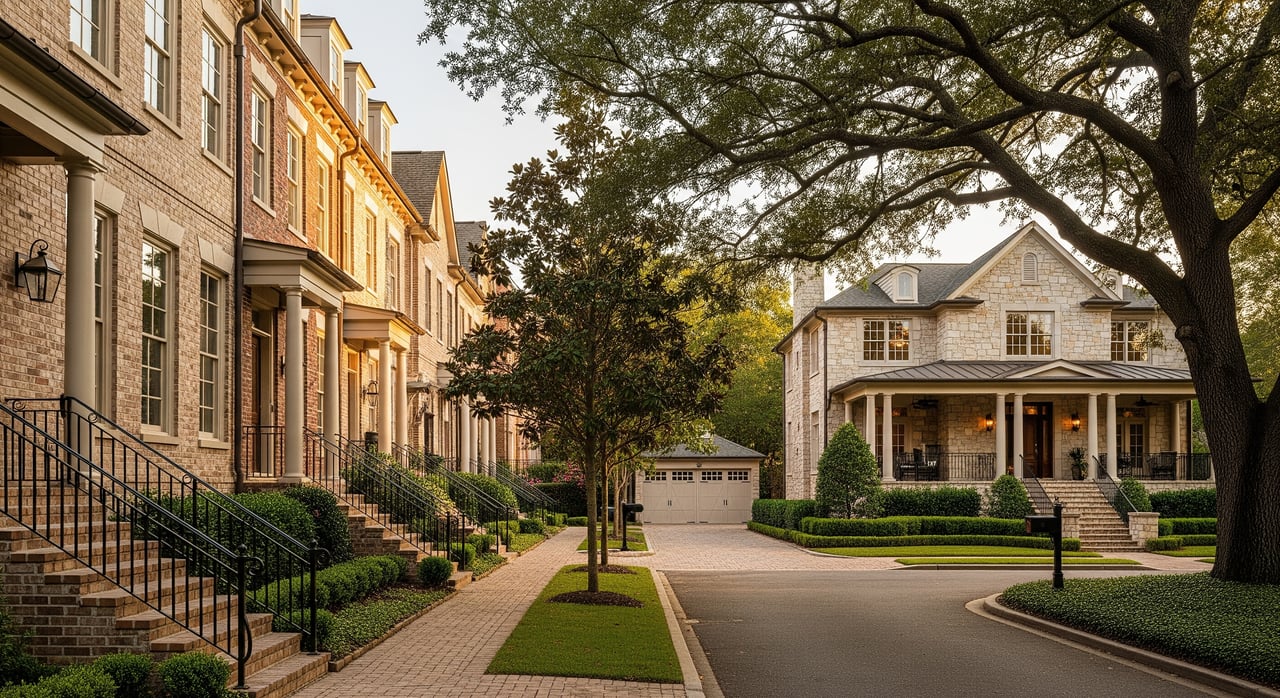
The current builder examples in the county make that clear. Lennar’s Suwanee Walk is a townhome community, while Pulte’s Riversprings is described as a larger single-family community with spacious homesites, and Toll Brothers’ Ledgestone is a luxury single-family community with future resort-style amenities. If you compare those communities by sticker price alone, you may miss the bigger picture.
Compare lifestyle, not just square footage
A lower-maintenance townhome may fit your schedule and monthly budget better than a larger detached home. On the other hand, you may decide that more indoor space, a larger yard, or a broader amenity package is worth the tradeoff.
As you tour, ask yourself a few simple questions:
- Do you want lower exterior maintenance?
- Do you need extra bedrooms or flex space?
- Are shared amenities important to you?
- Would you rather prioritize location over lot size?
Verify the exact school assignment
In Gwinnett, this step is too important to skip. Gwinnett County Public Schools organizes students by cluster attendance zones, but the district says the cluster map is only a general guide.
GCPS also notes that attendance boundaries can change when new schools open, additions are built, or enrollment needs balancing. That is why you should verify the exact assignment through the district’s process instead of relying on a community brochure or a sales sign.
Why this matters during your search
If school assignment is part of your decision, confirm it before you write an offer or sign a builder contract. The district’s attendance zone procedures explain that school zones are set by geographic boundaries and can change through redistricting.
The safest approach is simple: ask for current verification and document it in your comparison notes. That gives you a more accurate side-by-side review of each community you visit.
Look closely at HOA costs
Monthly ownership costs are about more than principal and interest. The Consumer Financial Protection Bureau notes that HOA dues are usually paid directly to the HOA, not included in your mortgage payment, and can range from a few hundred dollars a month to more than $1,000 a month.
That makes HOA dues a core part of affordability. When you compare communities, review the dues alongside your mortgage, insurance, utilities, and maintenance expectations.
Ask what the dues actually cover
Two communities with similar monthly dues may offer very different value. One may include exterior maintenance or shared landscaping, while another may focus more on amenity access.
Ask these questions during every tour:
- What are the monthly HOA dues?
- What services or amenities do they cover?
- Are there different dues for townhomes and detached homes?
- Are amenities open now or still planned?
Separate built amenities from planned amenities
Amenities can make a community feel exciting, but timing matters. Current builder materials in Gwinnett show a wide range of offerings, from a pool, cabana, and tot lot at Suwanee Walk to a clubhouse, pool with water slide, pickleball, tennis, trails, and a soccer or multi-purpose field at Riversprings, plus a pool, clubhouse, cabanas, bocce courts, playground, and fire pit at Ledgestone.
Those features may sound similar in a brochure, but your actual experience depends on what is already complete. A future amenity is not the same as one you can use on move-in day.
Use a practical amenity checklist
When you visit a community, separate amenities into two categories:
- Open now
- Planned for a future phase
Then ask yourself whether you are comfortable paying current HOA dues for amenities that may arrive later. That small step can prevent a lot of frustration after closing.
Compare commute and location tradeoffs
Location means more than a city name. In a county as large as Gwinnett, small shifts in location can change your drive time, trail access, and connection to retail or daily errands.
According to Gwinnett County Fast Facts, major mobility corridors include I-85, I-985, and GA 316. The county also reports that SPLOST transportation dollars have funded more than a billion dollars in road projects since 1988, and Gwinnett Trails includes more than 145 miles of multi-use paths.
Think about your real daily pattern
A community farther from major corridors may offer larger homesites or stronger amenity packages. A community closer to key routes may support an easier commute but come with different price points or lot sizes.
As you compare communities, think about:
- Your most common commute route
- Weekend travel patterns
- Access to parks and trails
- How often you want to drive for daily needs
Gwinnett’s long-range planning vision also includes a network of Daily Communities designed to support access to everyday needs within a 15-minute trip, as outlined in the 2045 Unified Plan. That can be useful context when you are weighing convenience against space.
Review nearby growth plans
A new construction purchase is not just about what is there today. It is also about what may change around you over the next several years.
Gwinnett’s 2045 Unified Plan, adopted on February 20, 2024, addresses land use, transportation, housing, infrastructure, and community resources. In July 2025, the county also adopted six small area plans for Bethesda, Centerville, Killian Hill, Northbrook Parkway, Oakbrook Parkway, and Venture Drive.
Why planning research helps
If a community sits near an active planning area, you may see future changes in traffic patterns, redevelopment, open space, or nearby commercial activity. That does not automatically make a location better or worse, but it does make planning context worth reviewing before you commit.
This is especially helpful if you are buying in a partially built area where the surrounding environment may still evolve.
Ask about utilities and development status
In a fully completed neighborhood, this may feel less urgent. In a community that is still being phased, it becomes much more important.
Gwinnett Water Resources manages water, sewer, and stormwater infrastructure, and the county’s development resources include availability letters, GIS mapping, sewer capacity requests, and plan review contacts. That makes utility readiness a practical part of comparing communities that are still under construction.
Questions worth asking
Request clear answers on:
- Current phase status
- Expected build-out timeline
- Utility readiness for your phase or lot
- Any development-related timing issues that could affect closing or move-in
You can also ask for development information if the community is still under construction and you want more context.
Understand the contract before you sign
Builder contracts often look different from resale contracts. If the home is not yet complete, timelines, deposits, and lender options deserve extra attention.
The CFPB explains in its home search and purchase guidance that builders may ask for an upfront builder deposit or earnest money, and you should ask under what conditions that money can be returned. The CFPB also states that builders often have an affiliated mortgage lender, but you do not have to use that lender and can shop around.
Focus on these contract points
As you compare communities, make sure you understand:
- The deposit amount
- Whether and when the deposit is refundable
- What happens if the closing date changes
- How delays or change orders are handled
- Whether updated pricing or disclosures may apply
- Which lender, title, or closing services are preferred or required
The CFPB also notes that closing costs typically run 2% to 5% of the home price, excluding the down payment. That is another reason to compare the full cost of ownership, not just the list price.
Do not skip inspection and warranty review
A new home is still a home that needs careful review. New construction does not mean defect-free construction.
The CFPB recommends scheduling an independent inspection as early as possible and leaving enough time to resolve issues before closing, as outlined in its inspection guidance. It is also smart to review the builder warranty in writing and understand who handles claims after move-in.
Know what warranty coverage means
The research report notes that most newly built homes come with a builder warranty, but coverage is often limited by category and timeframe. Workmanship and materials on many items may expire after one year, HVAC, plumbing, and electrical coverage is generally two years, and some builders offer up to 10 years for major structural defects.
That is why your checklist should include both an inspection plan and a warranty summary. Do not assume all builders handle repairs or post-closing service the same way.
A simple Gwinnett comparison checklist
If you want a straightforward way to compare communities, bring this list with you on every tour:
- Home type and community format
- Base price versus upgrades
- Exact school assignment verification
- HOA dues and what they cover
- Amenities open now versus future phases
- Commute route and corridor access
- Nearby planning or redevelopment activity
- Utility readiness and phase status
- Deposit terms and refund conditions
- Lender and closing flexibility
- Inspection timeline
- Builder warranty details
You should also request key documents when available:
- Site plan and phase map
- HOA budget summary and rules
- Builder warranty summary
- Standard features list and upgrade pricing
- School assignment verification
- Utility or development-status information
Make the best comparison, not the fastest one
The right community is not always the one with the flashiest model home or the lowest advertised starting price. In Gwinnett County, the strongest comparison usually comes down to the full picture: school assignment, commute route, HOA cost, amenity timing, contract flexibility, warranty coverage, and the kind of home that fits your life.
If you want a clear, step-by-step way to compare new construction communities without missing the fine print, working with a process-driven advisor can help. When you are ready for thoughtful guidance on your next move, connect with Maja Sly and take the next step with more clarity.
FAQs
How do you compare new construction communities in Gwinnett County?
- Compare the home type, HOA dues, amenity timing, exact school assignment, commute routes, contract terms, utility status, and builder warranty instead of looking at price alone.
Why should you verify school assignments for Gwinnett County new construction homes?
- GCPS says cluster maps are only a general guide, and attendance boundaries can change, so you should verify the exact current assignment before committing to a home.
What should you ask about HOA fees in a Gwinnett County new construction community?
- Ask how much the dues are, what they cover, whether there are different dues by home type, and whether the amenities tied to those dues are already open or still planned.
What documents should you request from a Gwinnett County builder?
- Ask for the site plan, phase map, HOA summary, community rules, builder warranty summary, standard features list, upgrade pricing, school verification, and any utility or development-status information.
Why do contract terms matter when buying new construction in Gwinnett County?
- Contract terms affect your deposit, refund options, lender flexibility, closing timeline, and how delays or pricing updates are handled, so they have a direct impact on your risk and overall cost.