Trying to choose between a Grant Park townhome and an infill home? You are not alone. In one of Atlanta’s oldest residential neighborhoods, newer housing options can offer a different ownership experience than the area’s classic historic homes, but the right fit depends on how you want to live day to day. This guide will help you compare the tradeoffs, understand the local historic context, and focus your search with more confidence. Let’s dive in.
Why Grant Park draws buyers
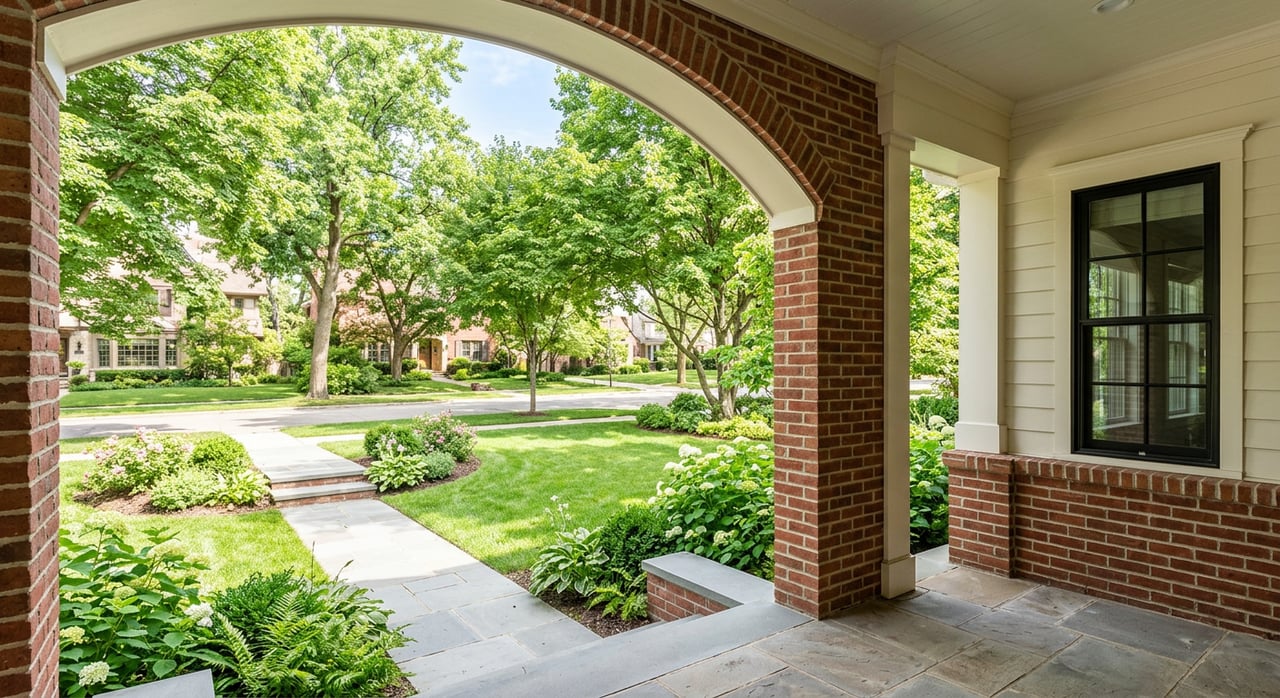
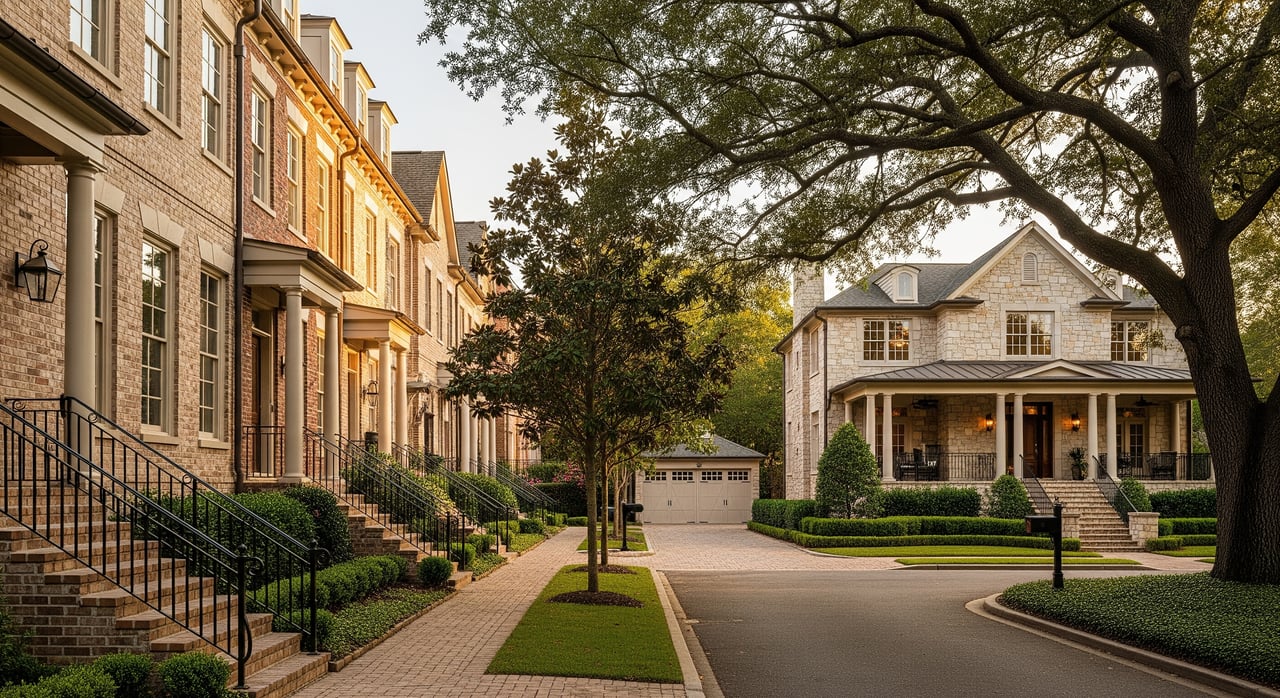
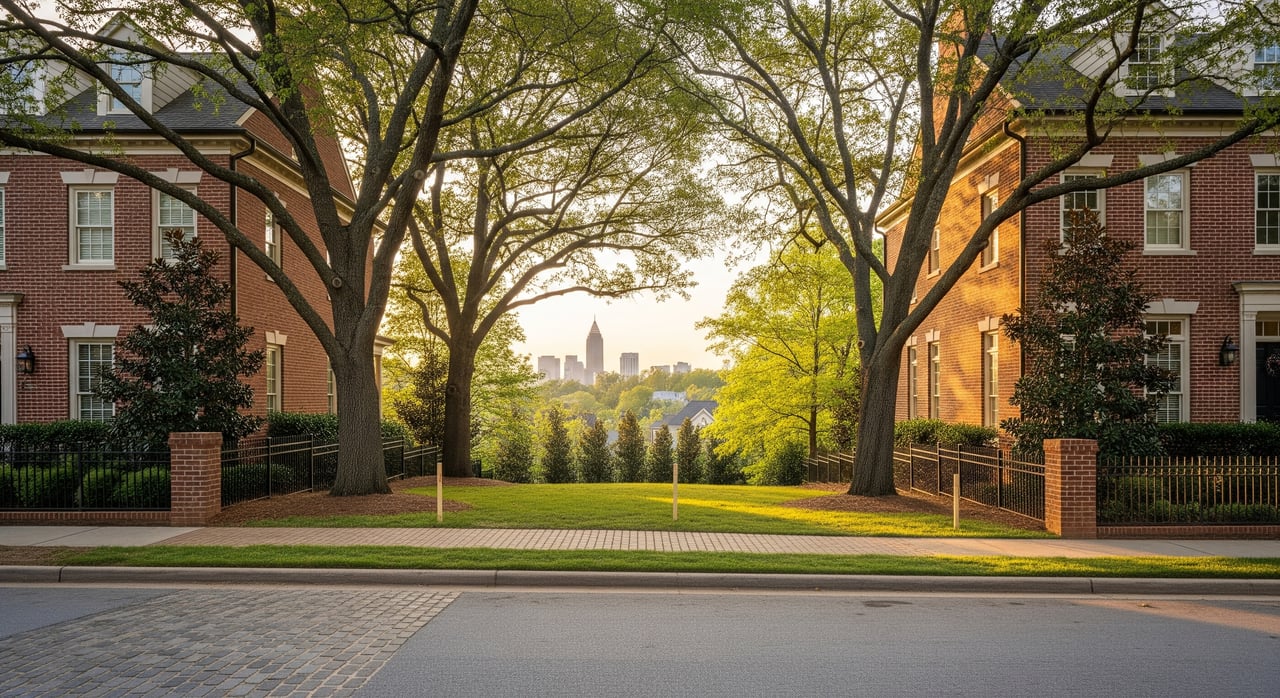
Grant Park is built around the 131-acre park that gives the neighborhood its name, and city materials describe the broader area as having more than 430 acres of rolling terrain. You will also see features that reflect its late-19th- and early-20th-century development, including mature trees, brick sidewalks, narrow rectangular lots, and retaining walls.
That physical setting shapes how homes feel and function here. It is part of the reason buyers are often drawn to Grant Park for a blend of older neighborhood character and newer housing choices that support in-town living.
Grant Park market snapshot
Recent market data show a neighborhood where buyers still have options, but pricing remains meaningful. Over the three months ending April 2026, the median sale price in Grant Park was $637,213, up 12.8% year over year, with a median 80 days on market and a 98.7% sale-to-list ratio.
That same snapshot also noted that 21.0% of homes had price drops. In plain terms, demand appears solid, but pricing strategy and property fit still matter when you are shopping in this neighborhood.
Here is another helpful way to frame the current inventory mix:
- Condos had a median listing price of $395K
- Townhouses had a median listing price of $775K
- Vintage homes had a median listing price of $608K
These figures are snapshots, not guarantees of value. Still, they help show that Grant Park buyers may find very different price points depending on product type.
How walkable is Grant Park?
Grant Park supports a walkable urban lifestyle, but it is not truly car-free for most households. Walk Score rates the neighborhood 59 for walkability, 44 for transit, and 60 for biking.
That means your exact block and your daily routine matter. If you want to walk to parks or some nearby destinations, the neighborhood may work well, but you may still prefer a home with dedicated parking and practical access in and out.
What counts as a townhome or infill home?
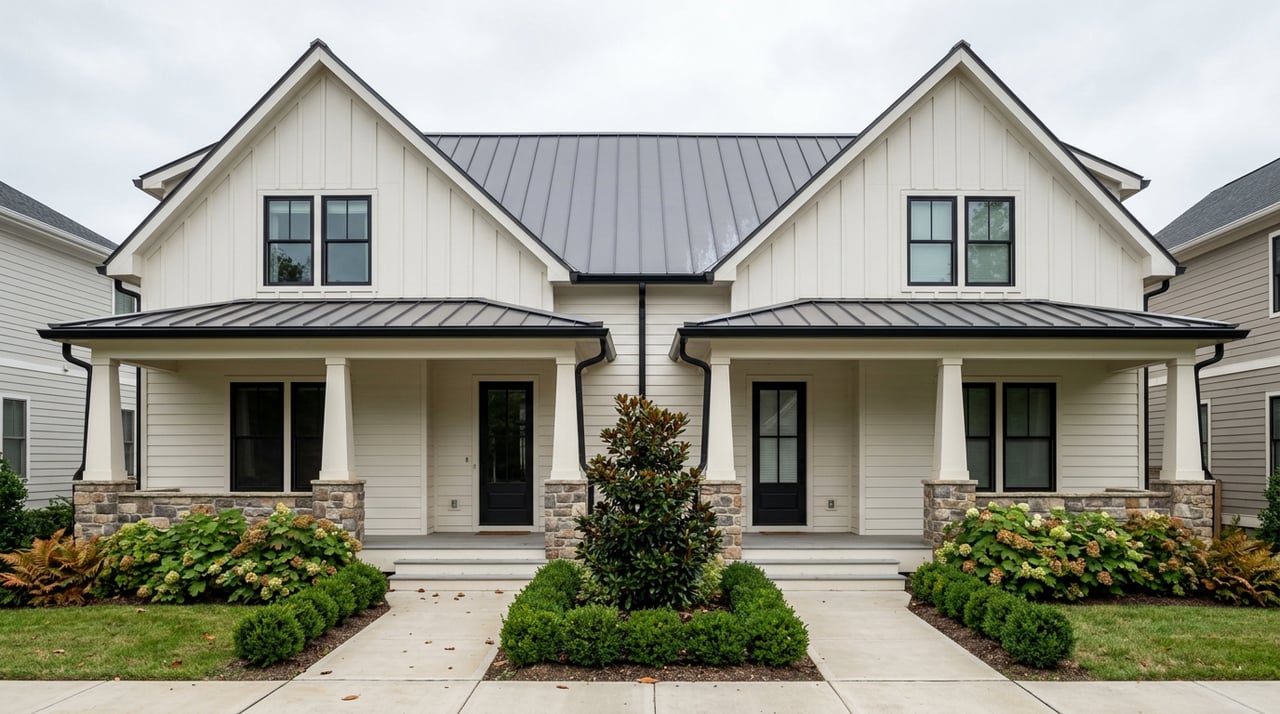
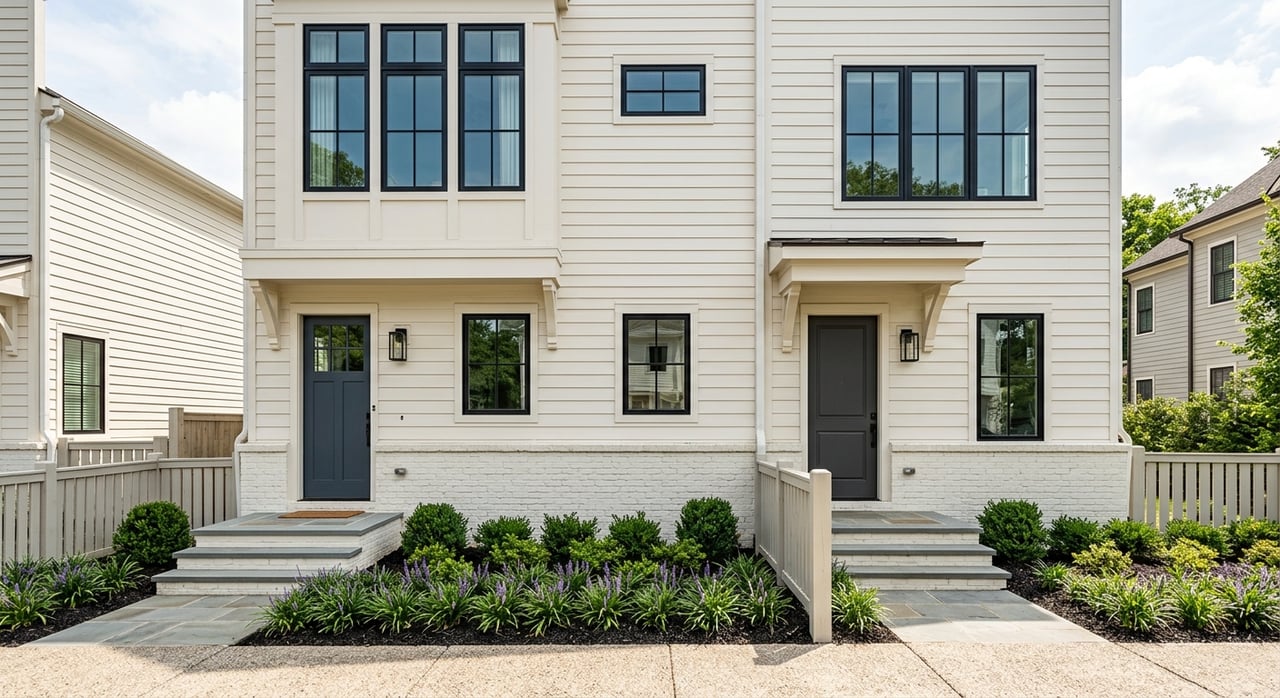
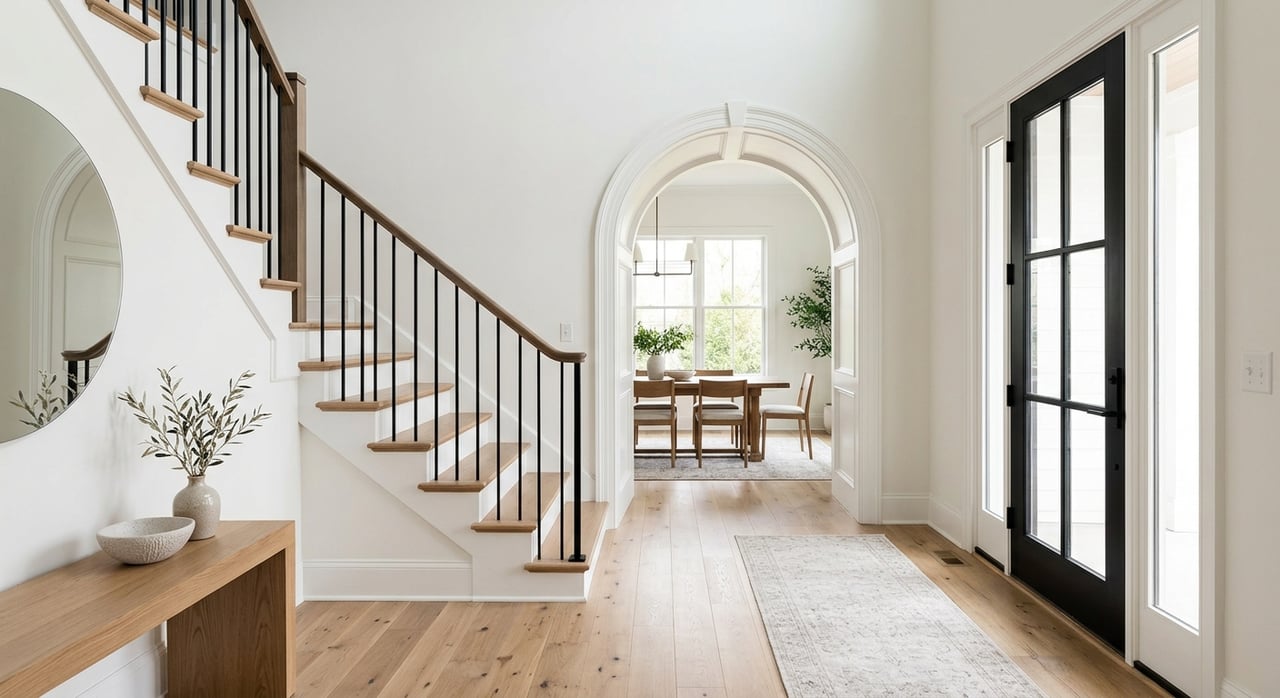
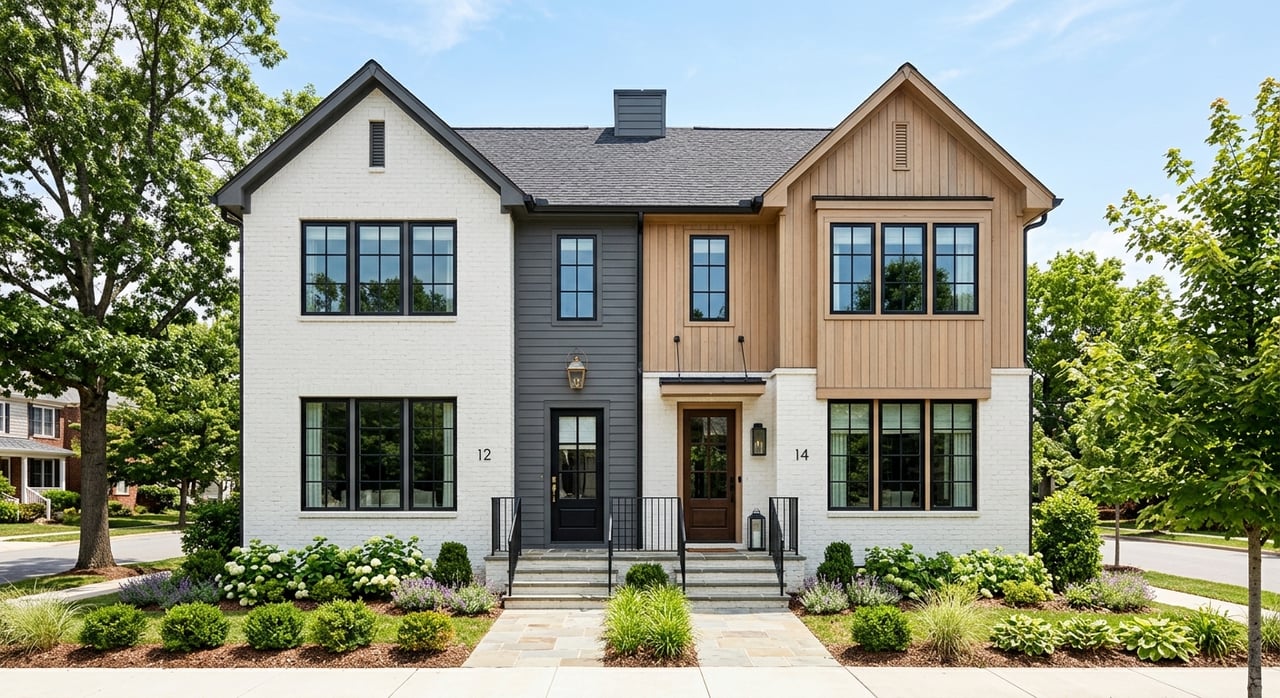
In Grant Park, buyers often compare newer townhomes and small-lot infill single-family homes because both can offer modern layouts in an established neighborhood. Even so, they usually serve different priorities.
Townhomes tend to focus on low-maintenance living, shared community structure, and efficient use of space. Small-lot infill homes usually offer a more traditional single-family setup on a smaller parcel, often with a newer build date and a more compact yard.
Grant Park townhomes: what to expect
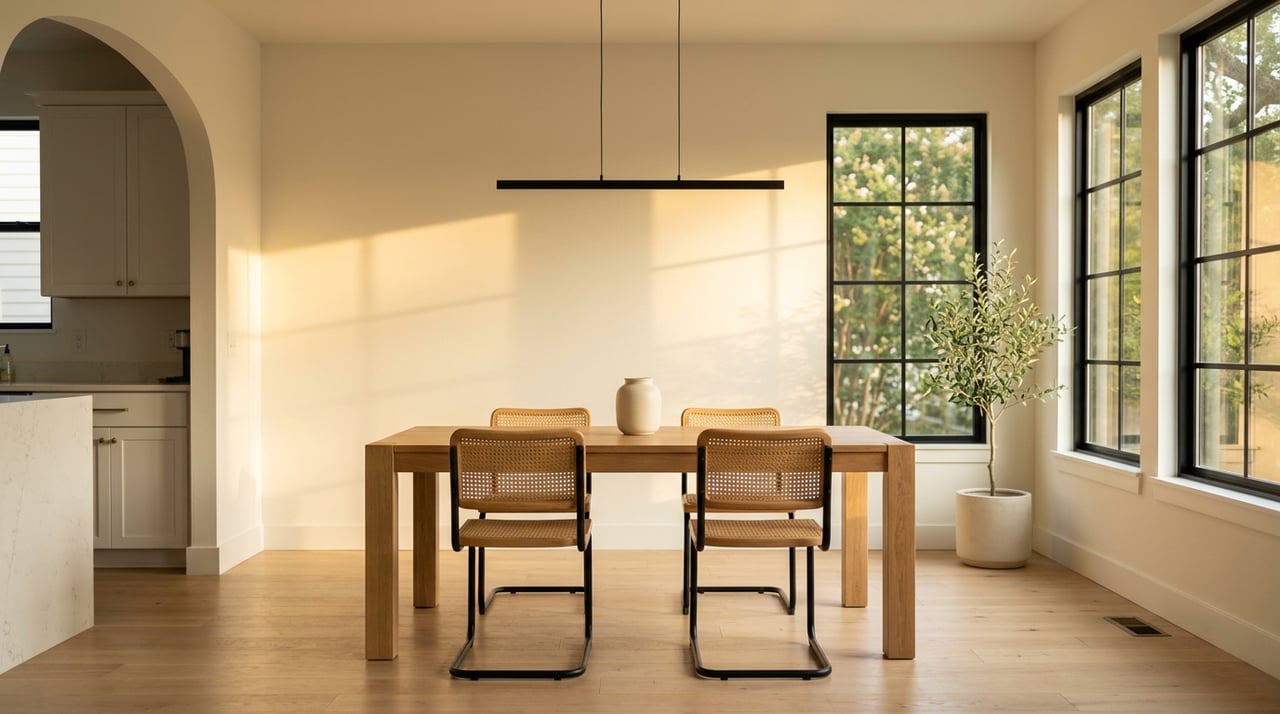
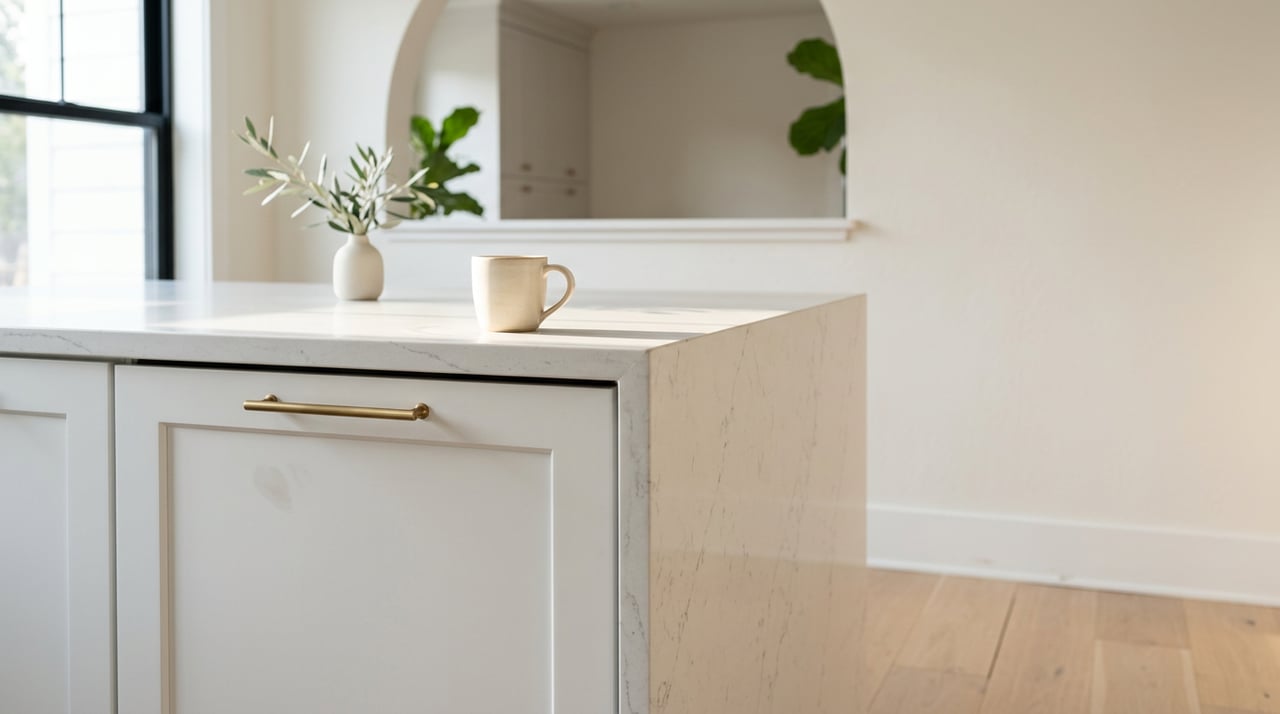
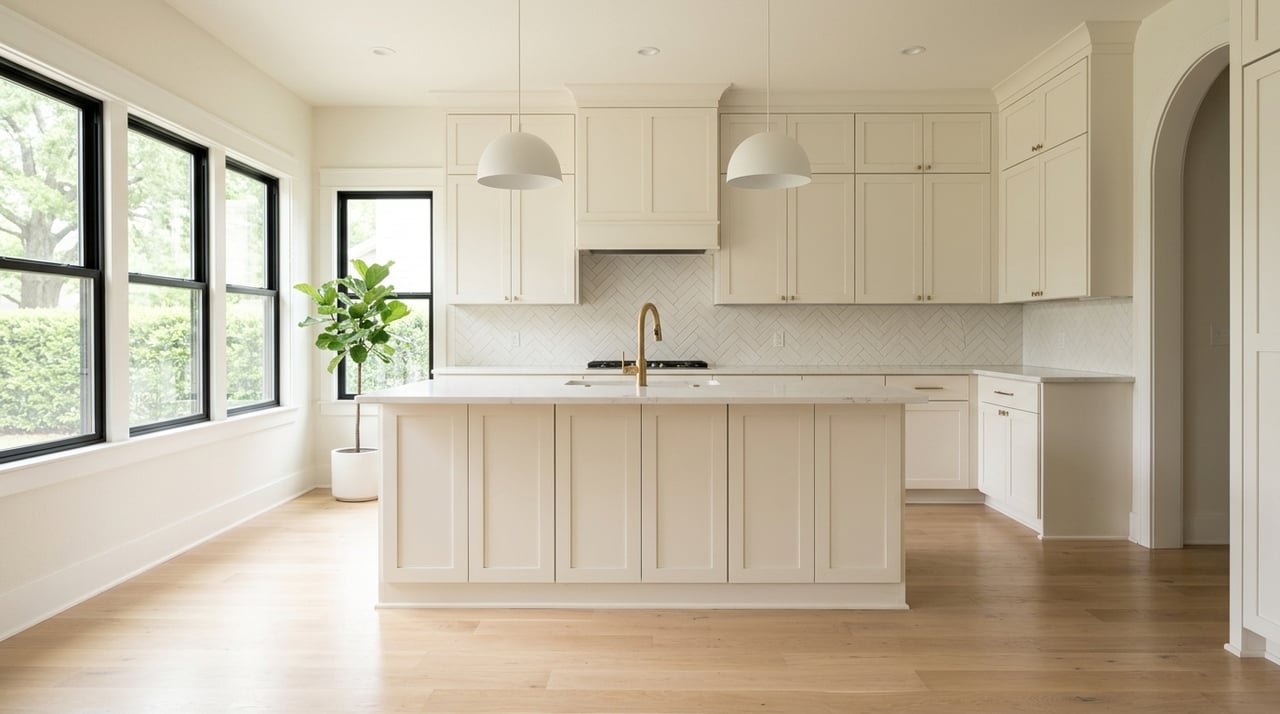
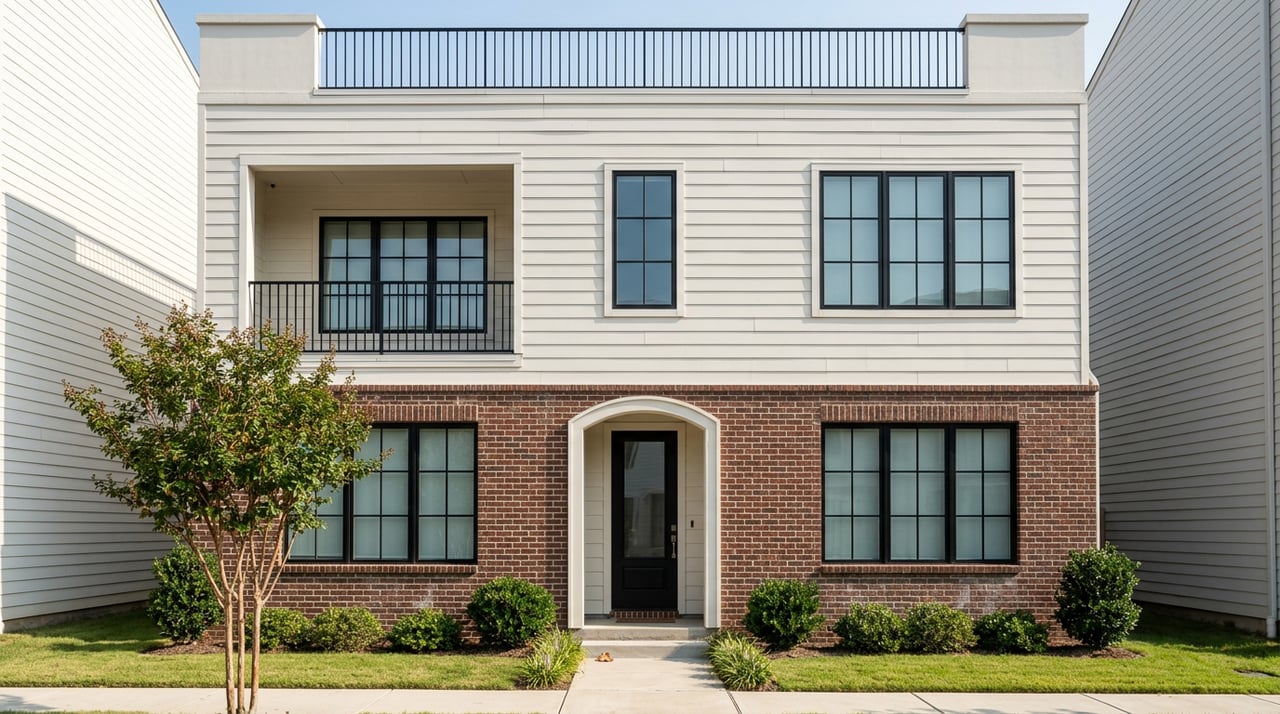
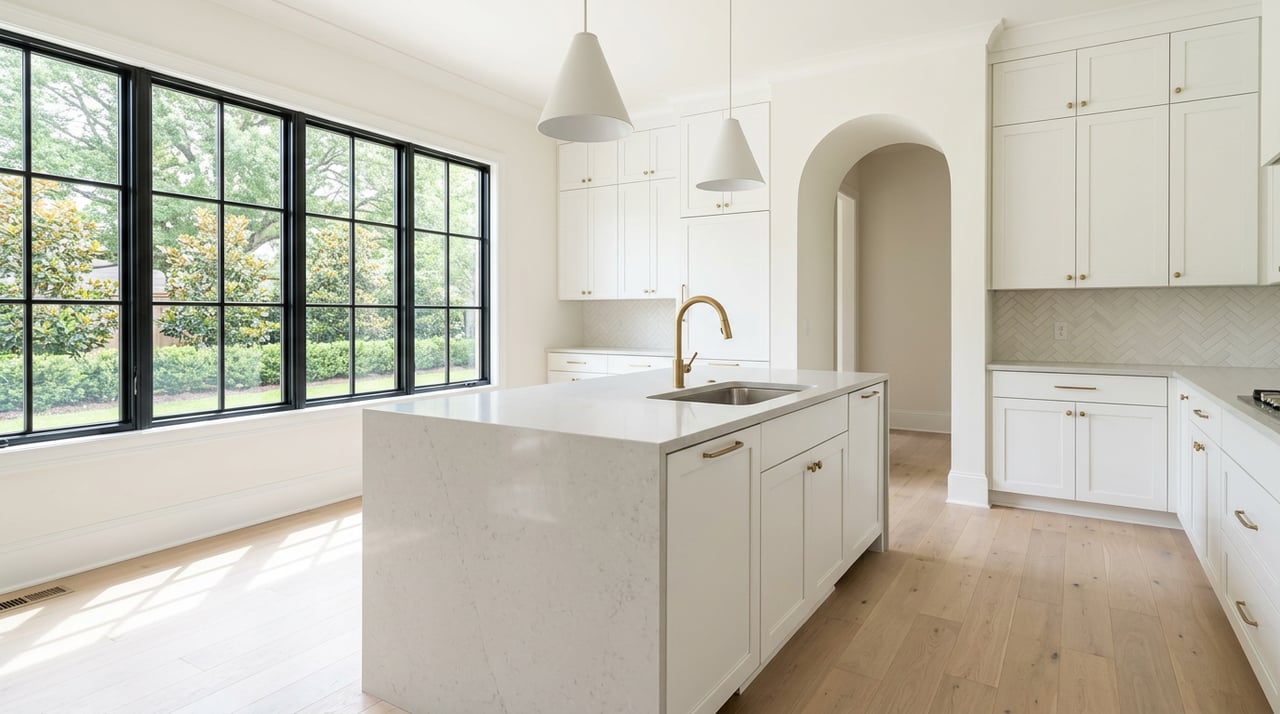
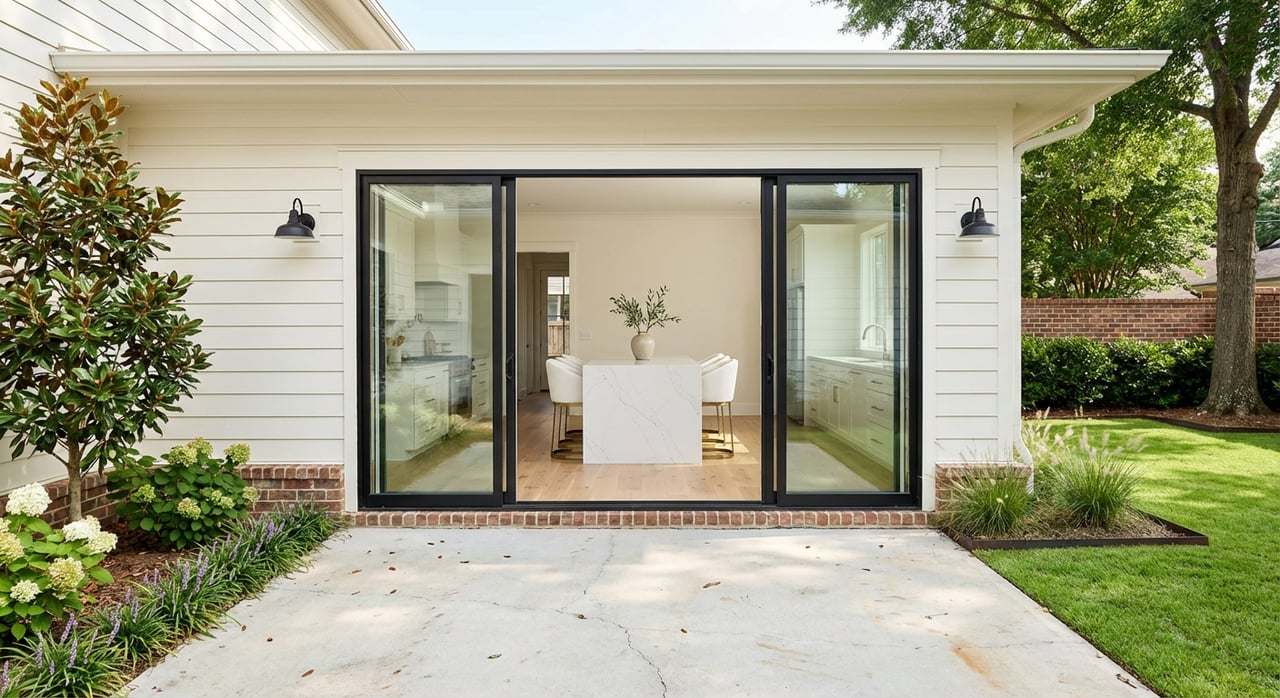
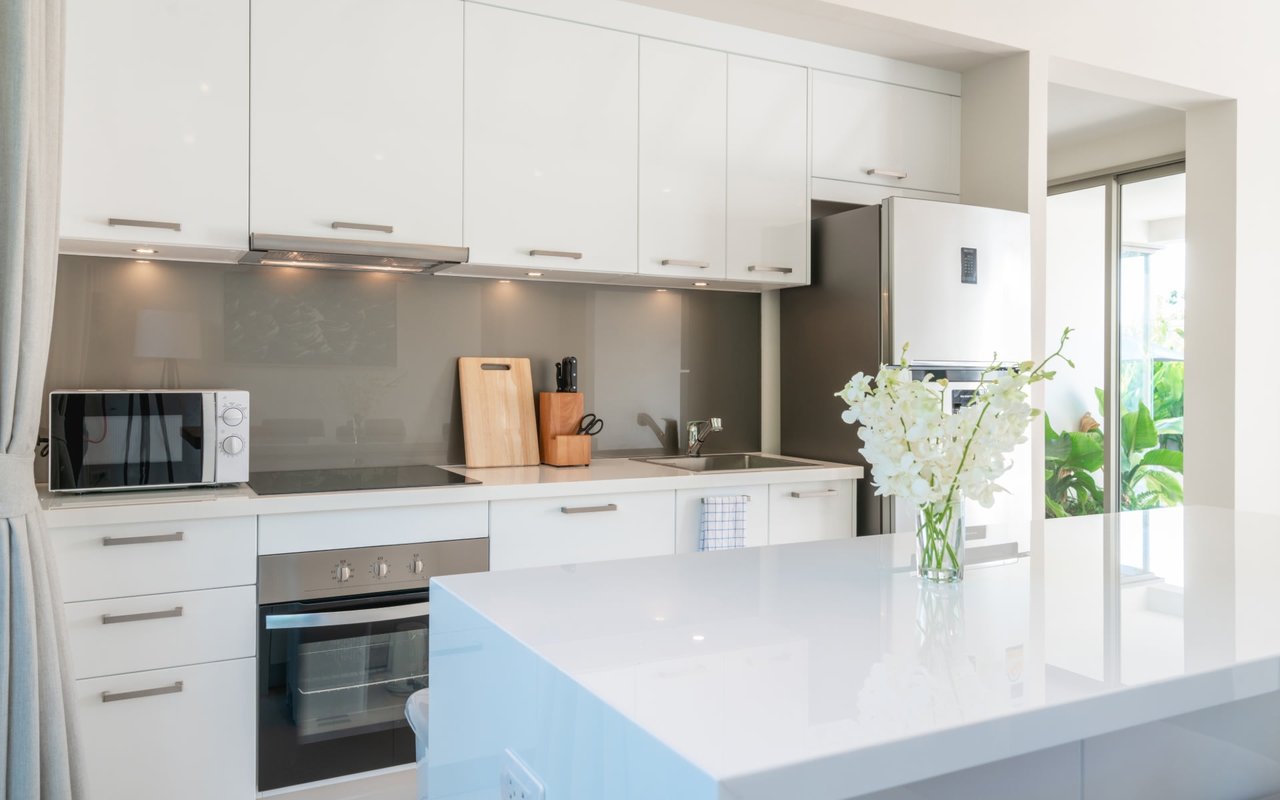
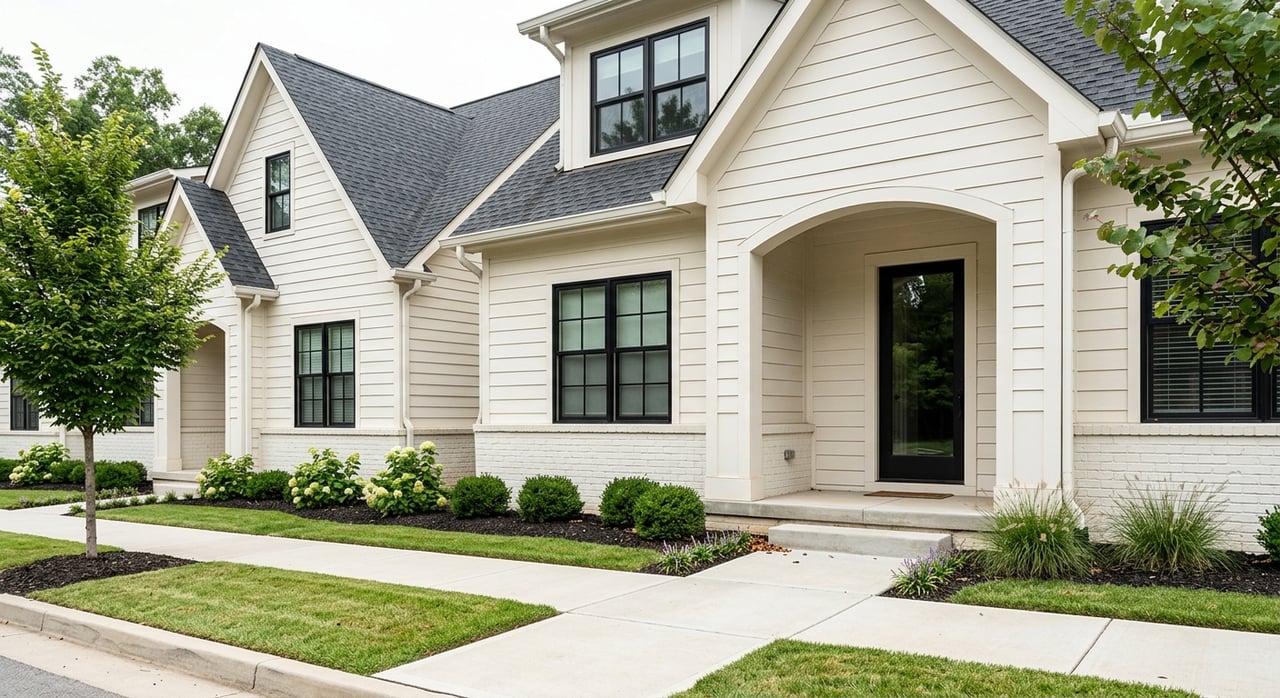
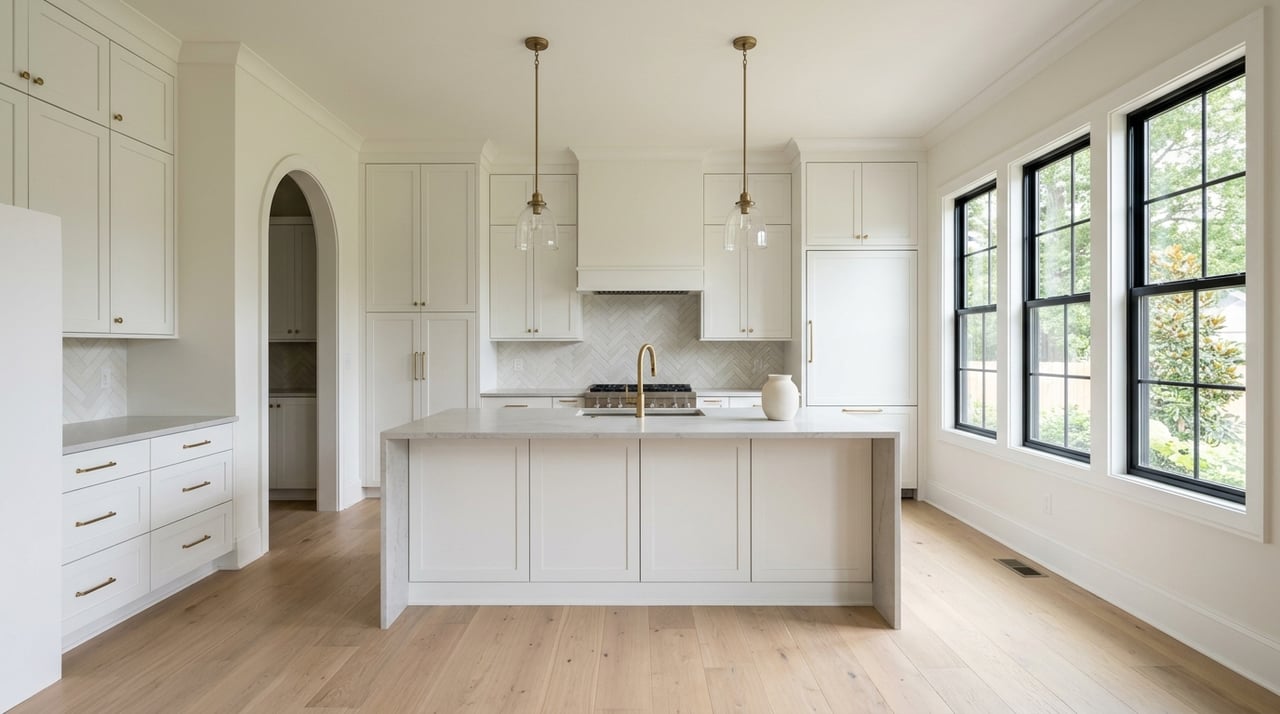
Townhomes in Grant Park often emphasize convenience. Based on current product descriptions, buyers can expect features like modern floor plans, garages, rooftop terraces, and updated finishes.
A clear example is Eloise at Grant Park, a community announced with 12 townhomes and 18 condominium homes. Its townhome collection features three-story plans, rooftop terraces, 2 to 3 bedrooms, 2.5 to 3.5 baths, and two-car garages.
Current snapshots show asking prices such as $599,900 for 734 Eloise Way SE and $550,000 for 407 Pratt Dr SE #1104. Another newer townhome example at 541 Oakland Ave SE Unit A sold for $845,000 and included a covered front porch, tall ceilings, quartz island, walk-in pantry, mudroom, one-car garage, and an unfinished basement.
Best fit for townhome buyers
A townhome may be a strong fit if you want:
- Lower exterior maintenance responsibility
- More structured, lock-and-leave living
- Attached garage parking
- Contemporary floor plans
- Outdoor space in the form of a terrace or smaller footprint area
The tradeoff is that you will often need to weigh HOA dues against the convenience those communities provide.
Grant Park infill homes: what to expect
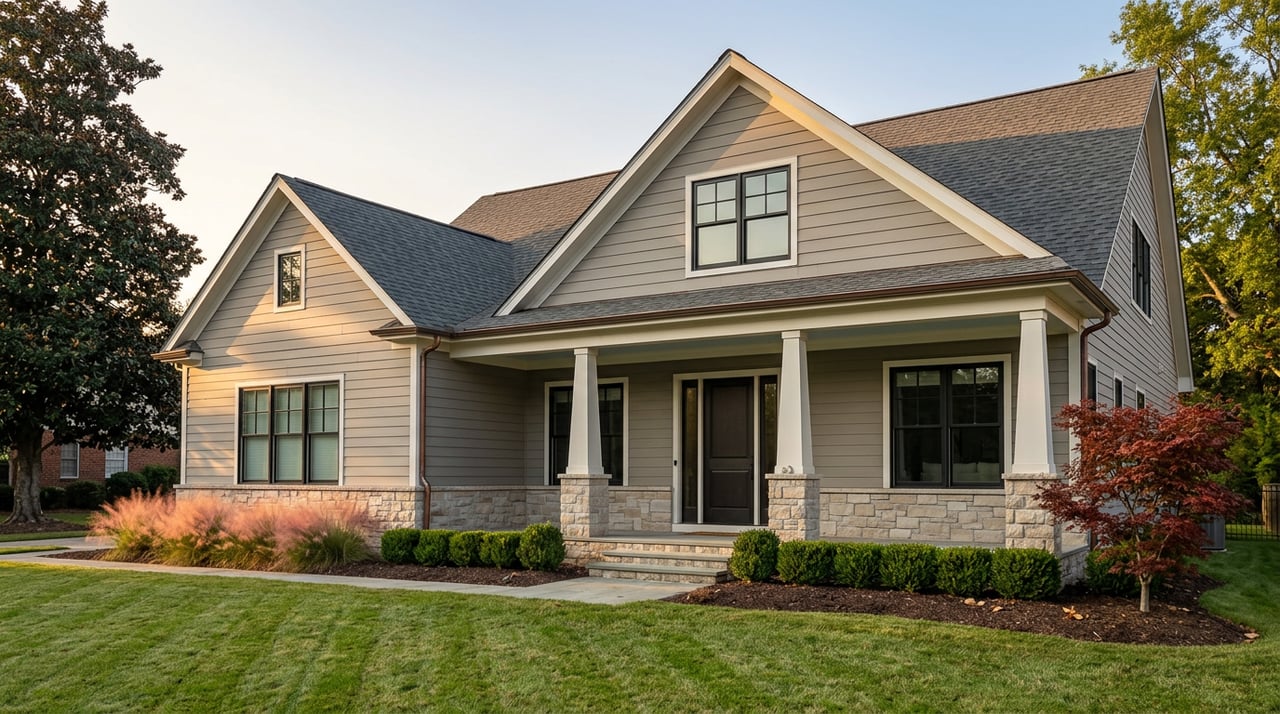
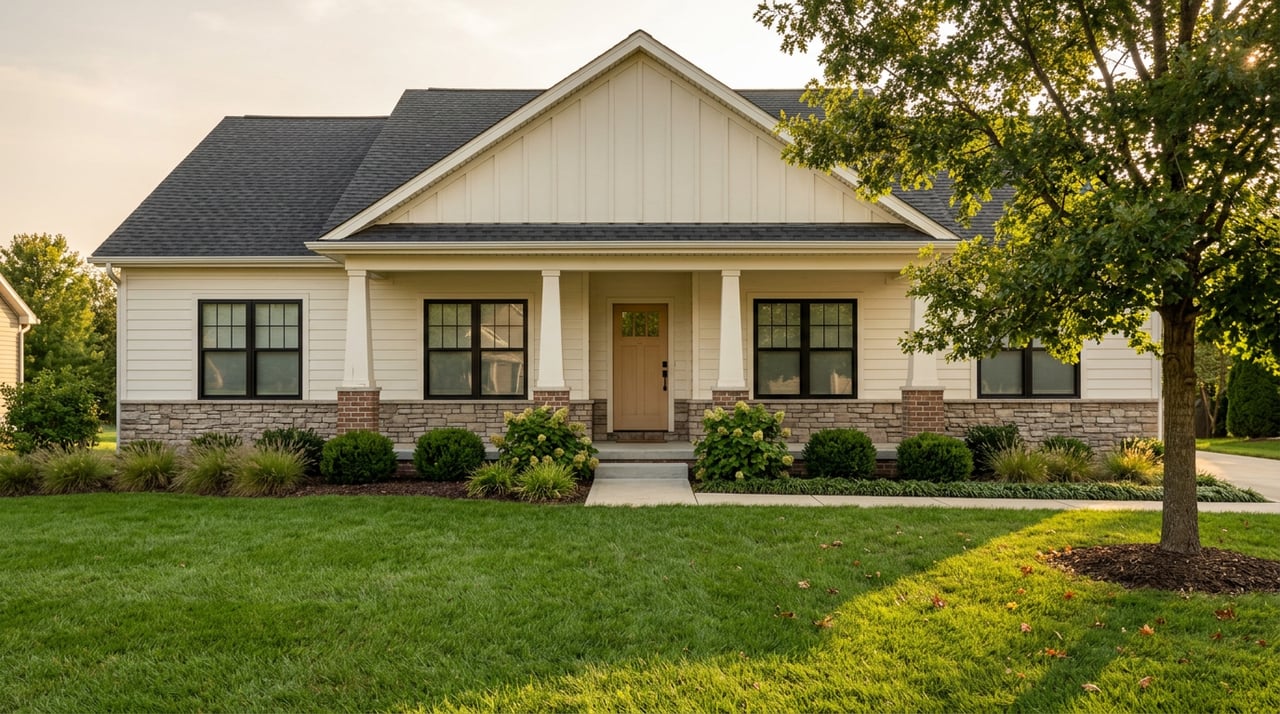
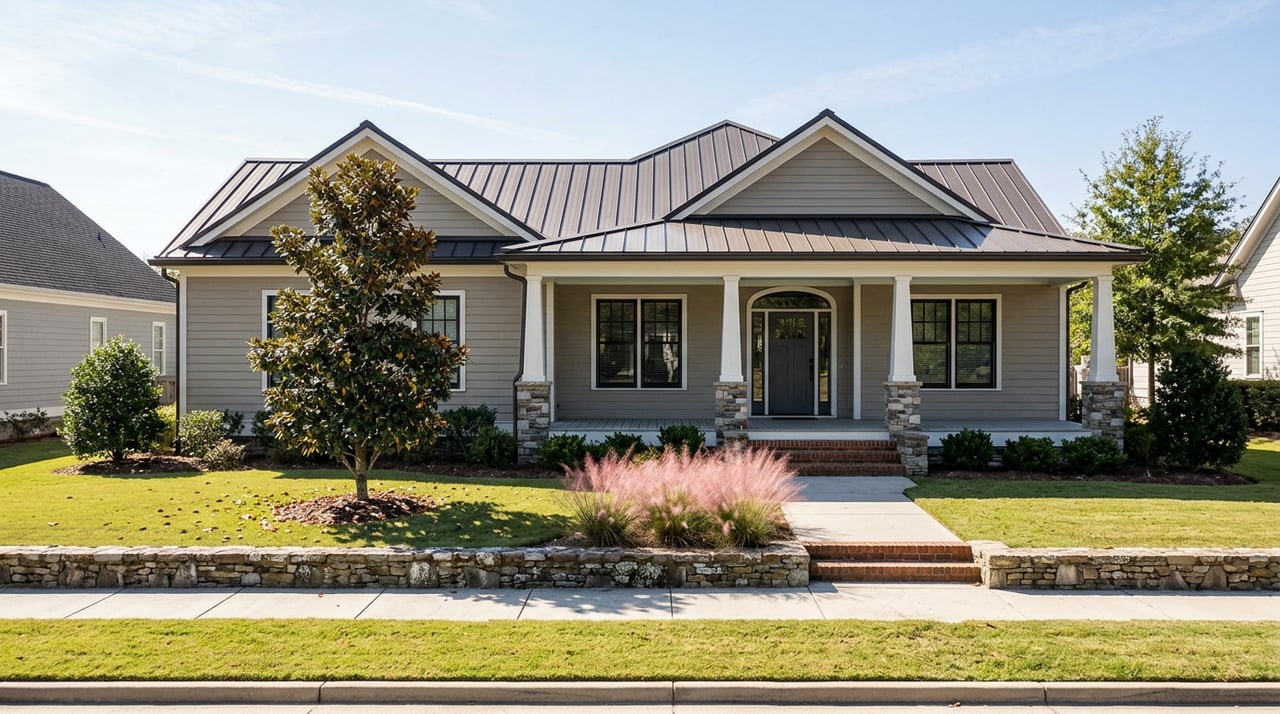
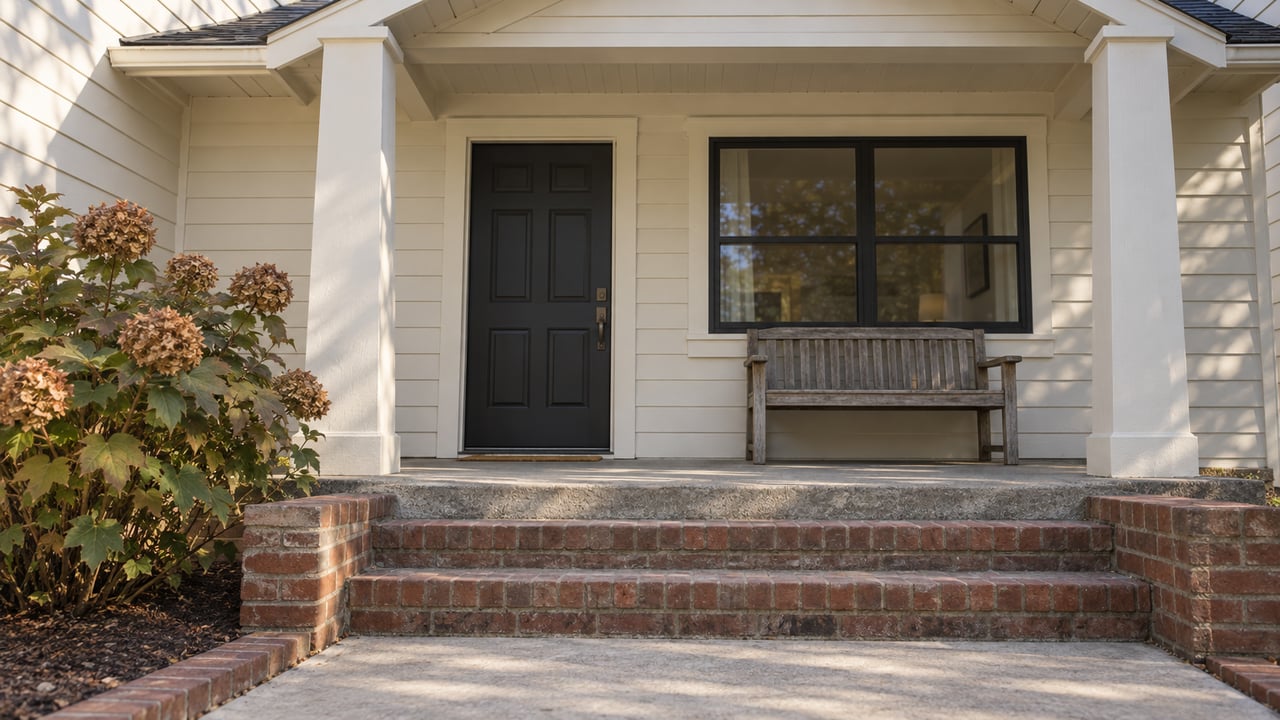
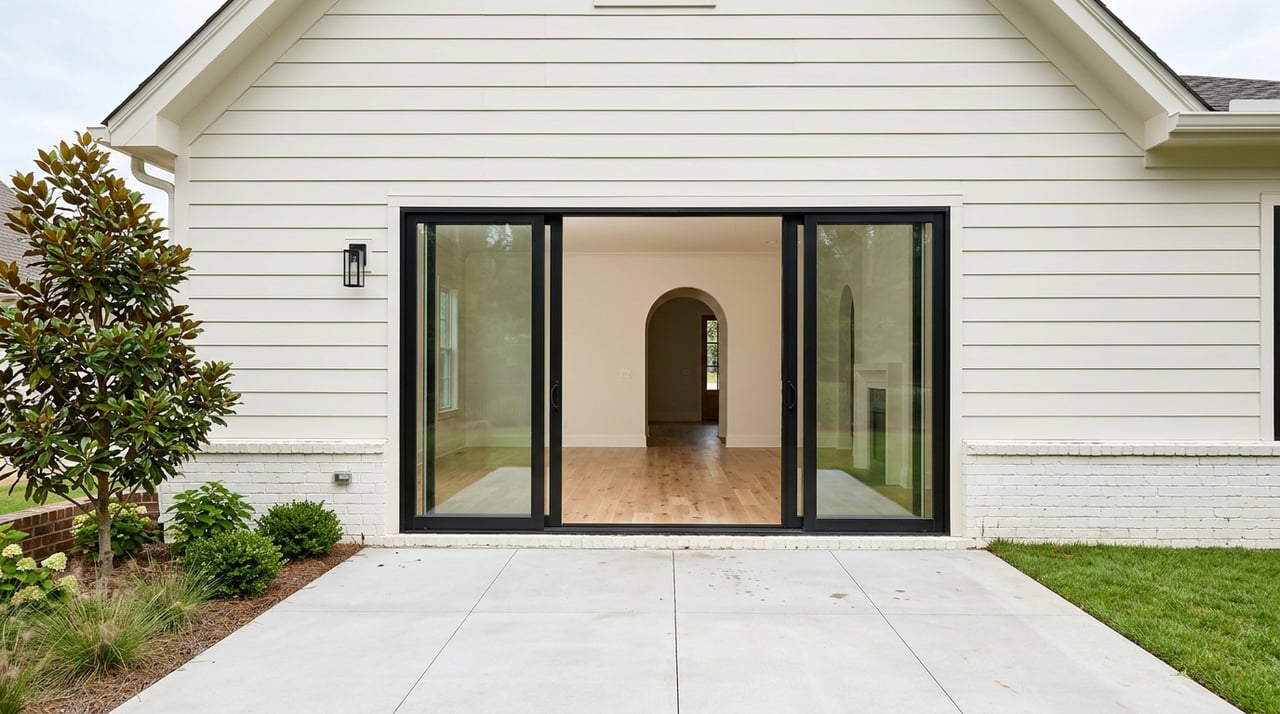
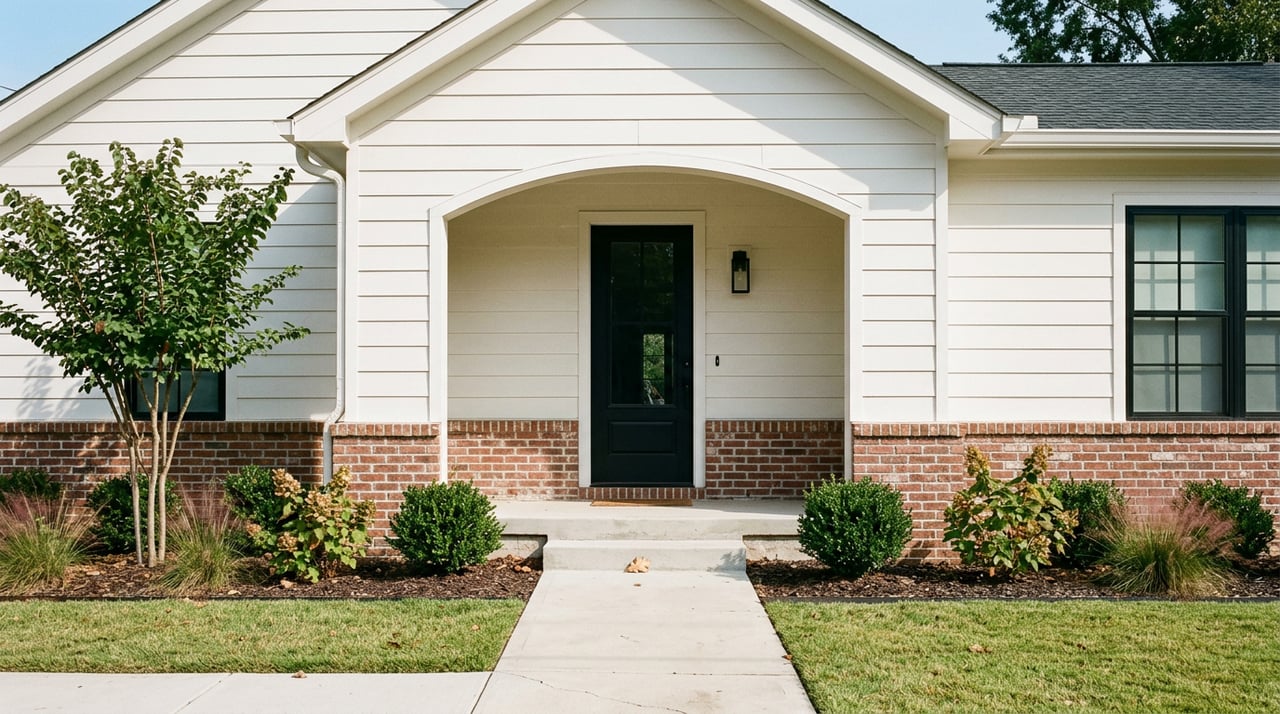
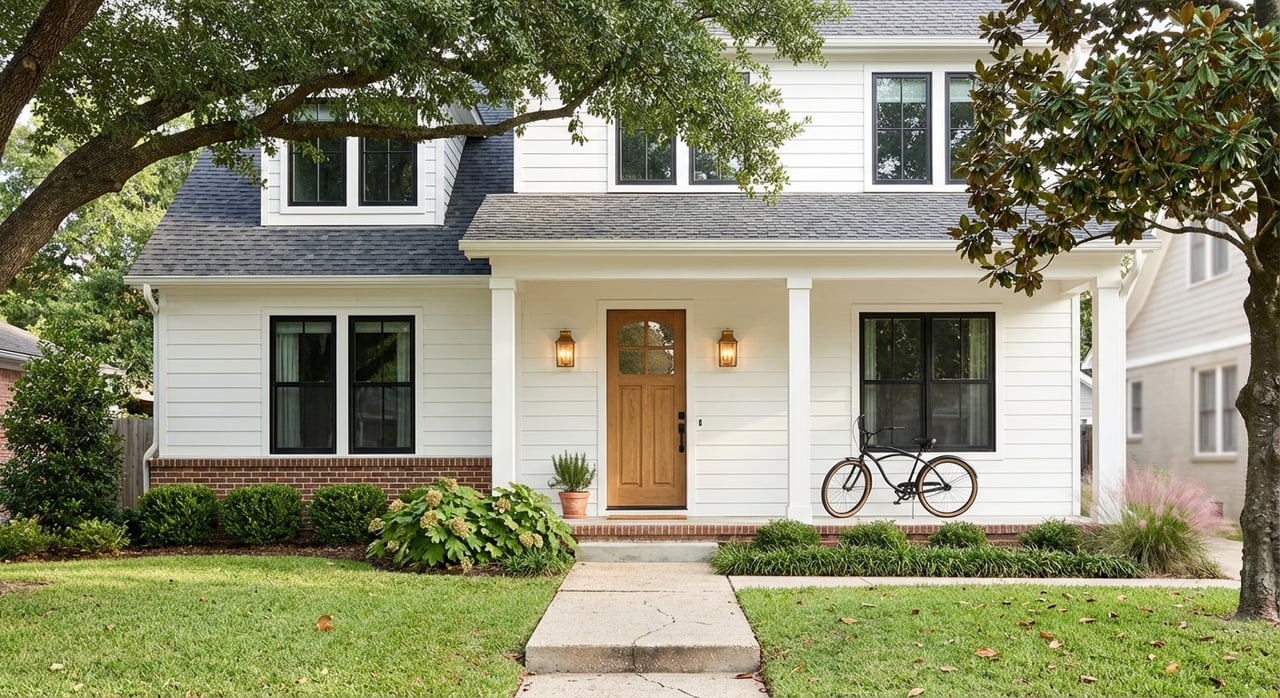
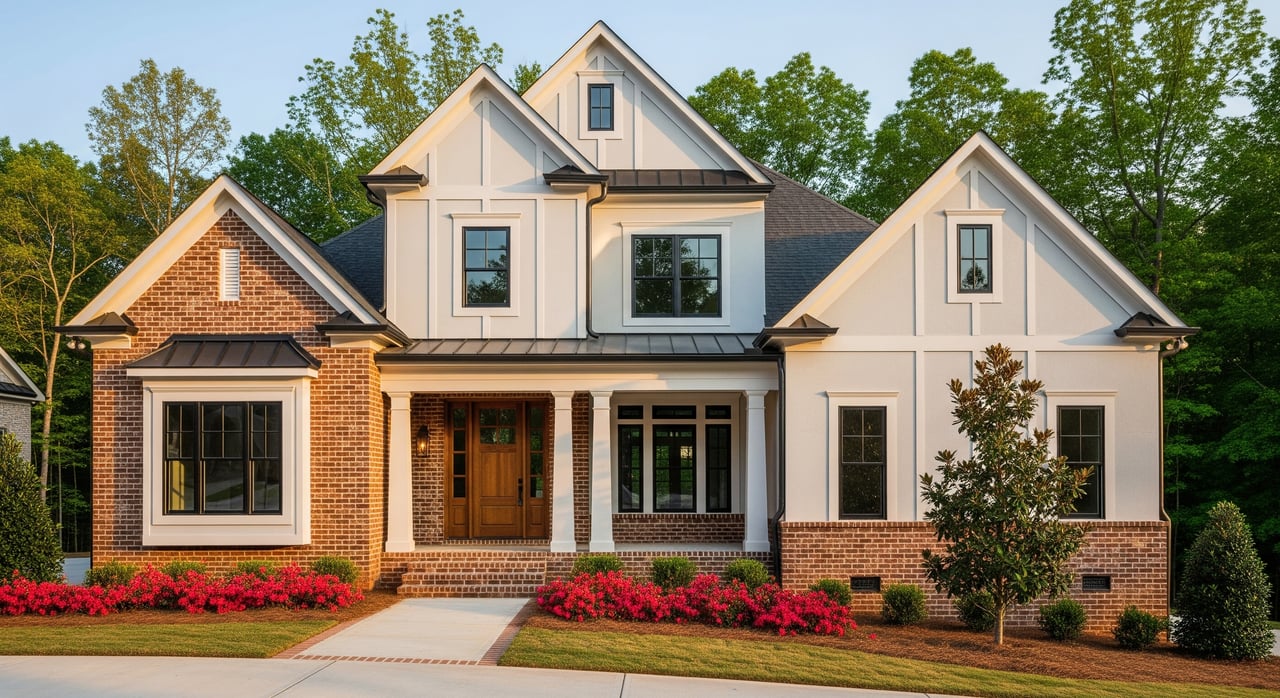
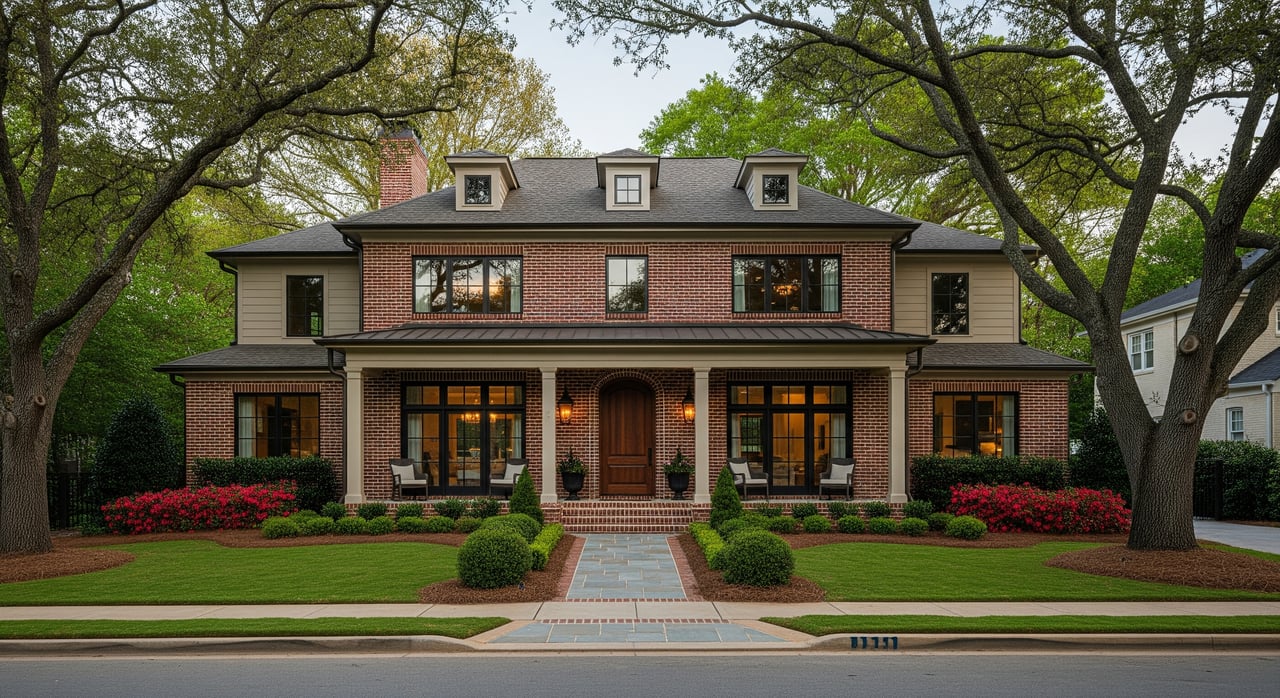
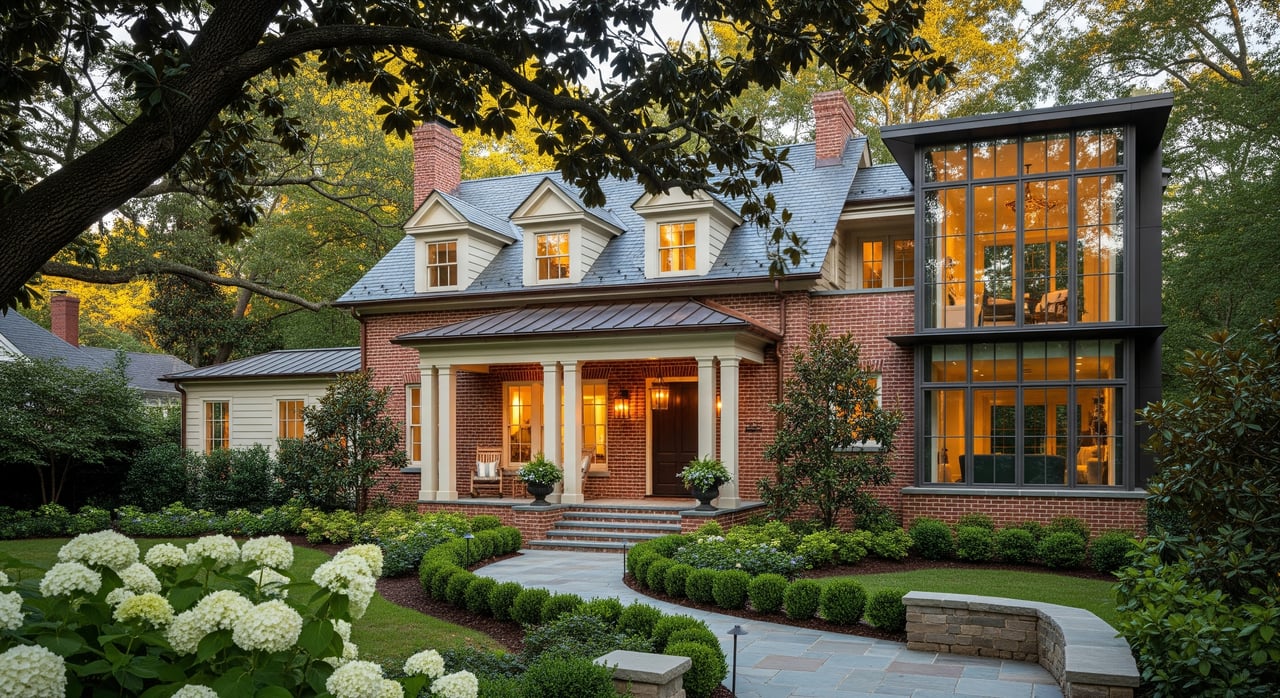
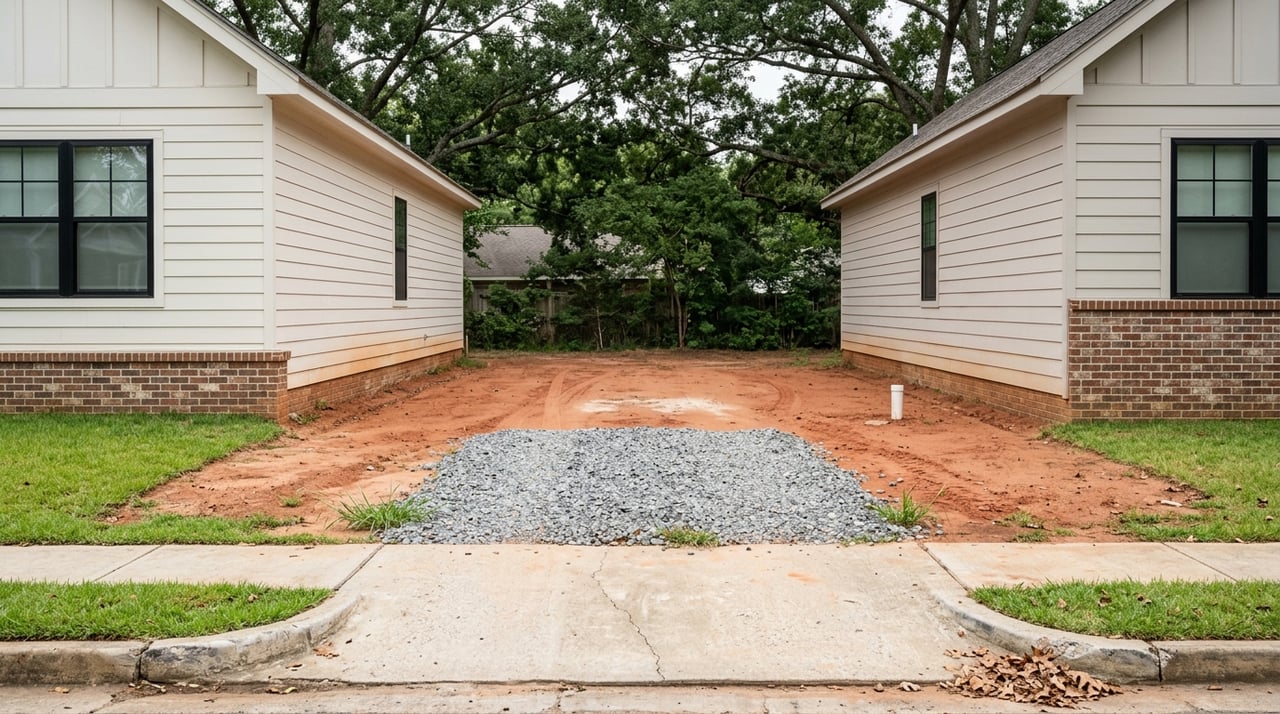
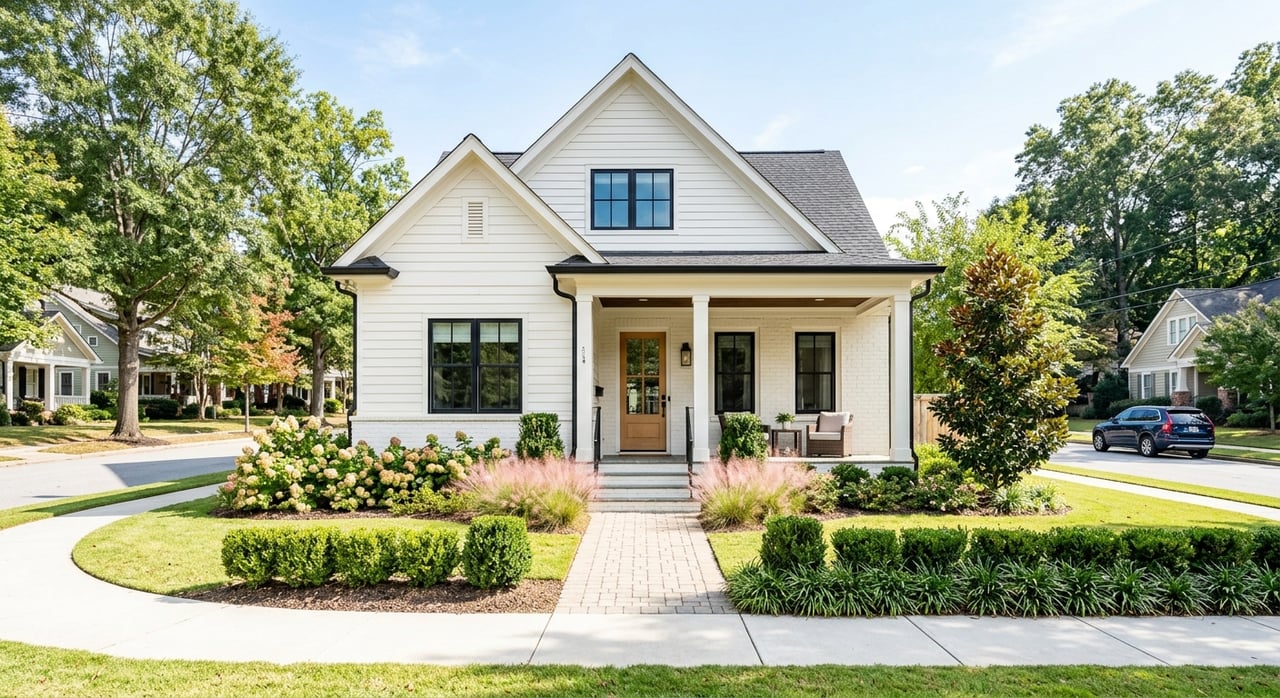
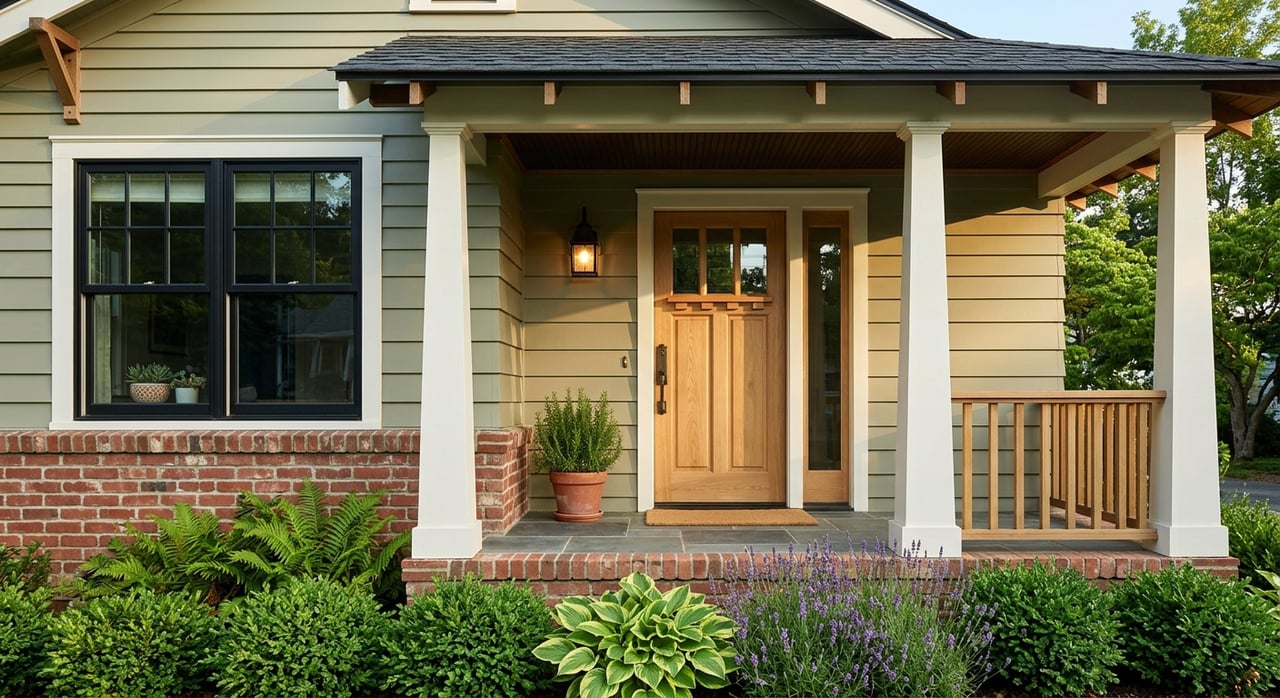
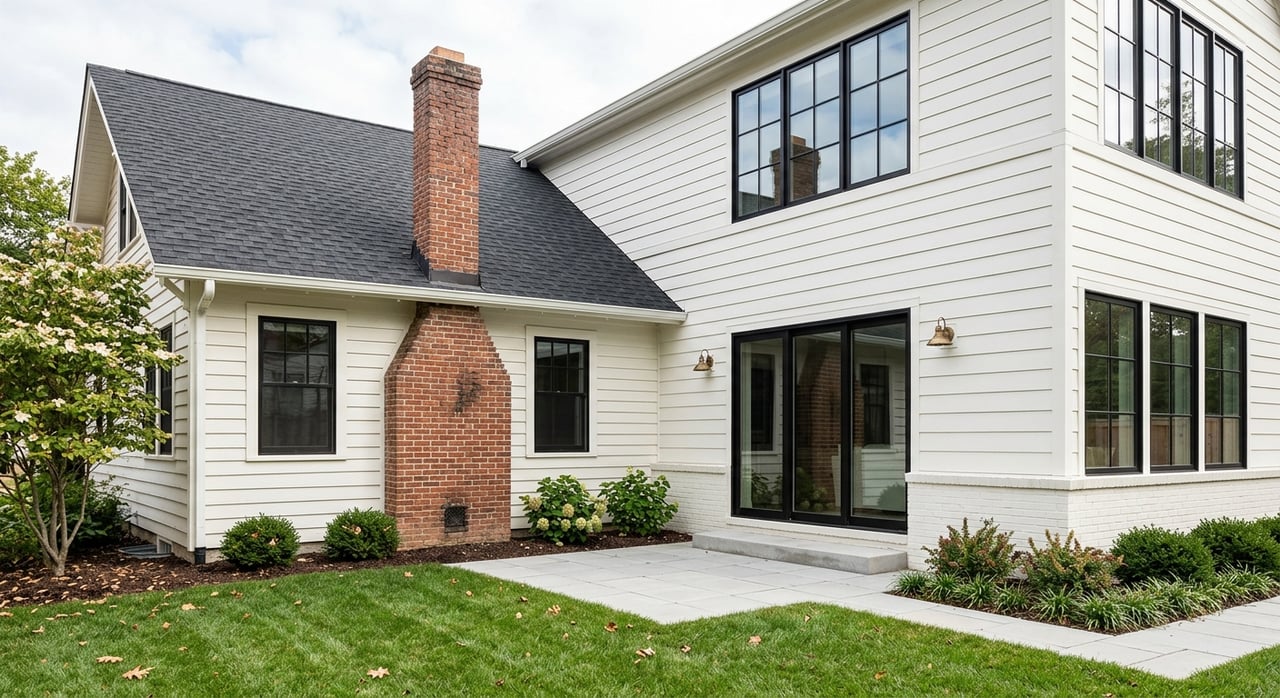
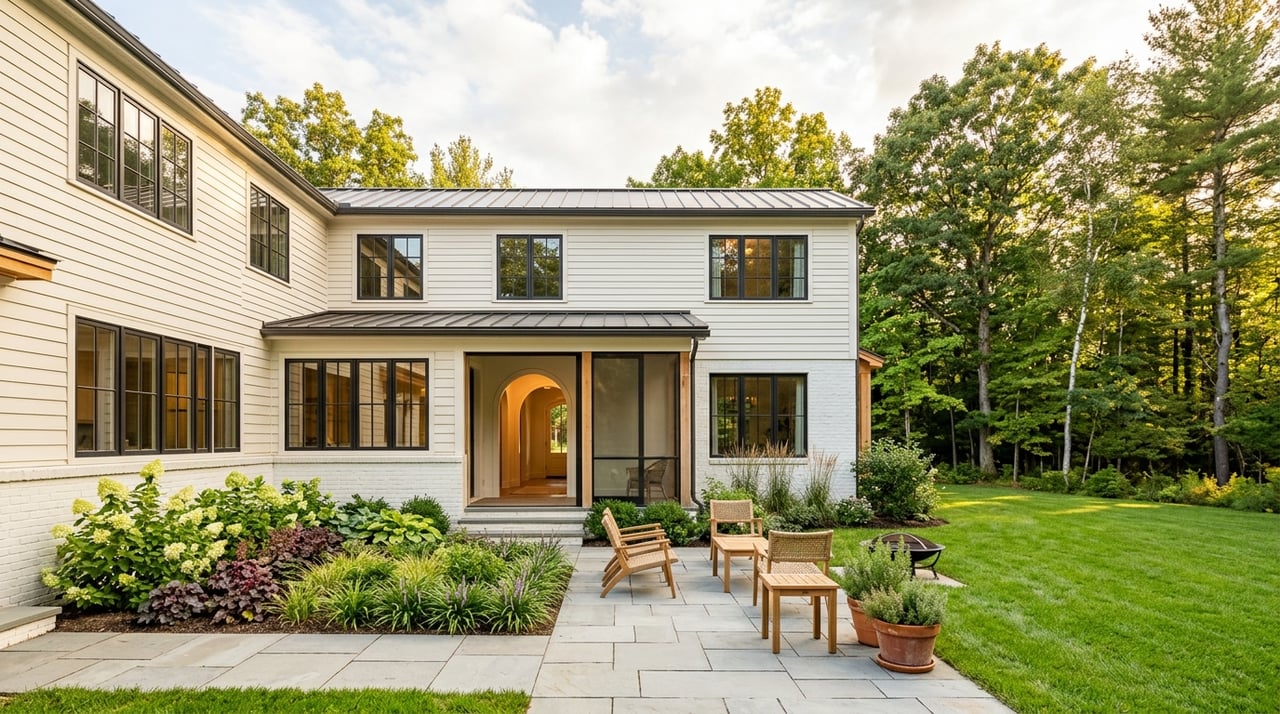
Small-lot infill homes usually aim to blend newer construction with the neighborhood’s existing streetscape. In practice, that can mean modern interiors paired with design choices like front porches, narrower footprints, and scale-conscious massing.
A current example is 960 Rawlins St SE Unit B, a 2018 single-family home with 4 bedrooms, 3 baths, 2,992 square feet, a 4,356-square-foot lot, and no HOA. The listing also noted access to parks, sidewalks, street lights, nearby public transport, and shopping.
Compared with a townhome, an infill house may give you more of a single-family feel. You may also get more flexibility around how you use the home, along with more private outdoor space, though usually on a smaller lot than many older detached homes.
Best fit for infill-home buyers
An infill home may be a strong fit if you want:
- A detached single-family setup
- More interior space for bedrooms, office use, or storage
- A smaller lot that still feels more private than attached housing
- The possibility of no HOA in some cases
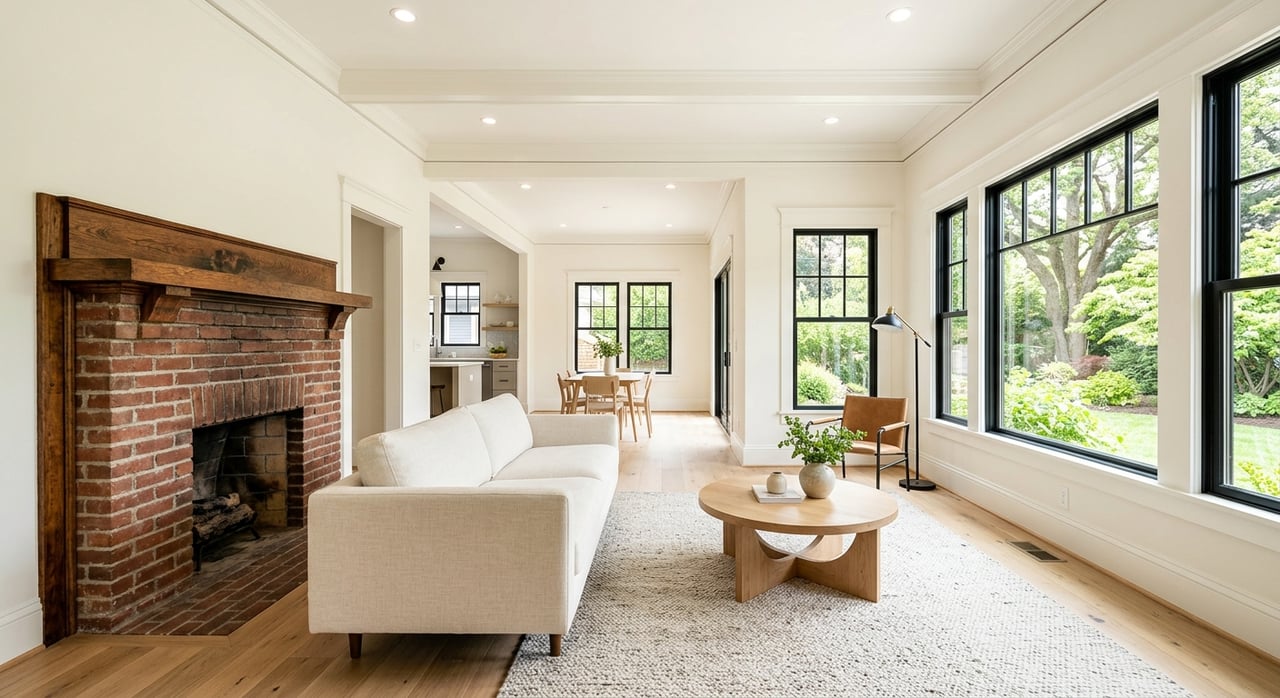
- Modern systems and finishes in a newer build
The tradeoff is that you may take on more direct upkeep than you would in a townhome community.
How newer homes compare with historic homes
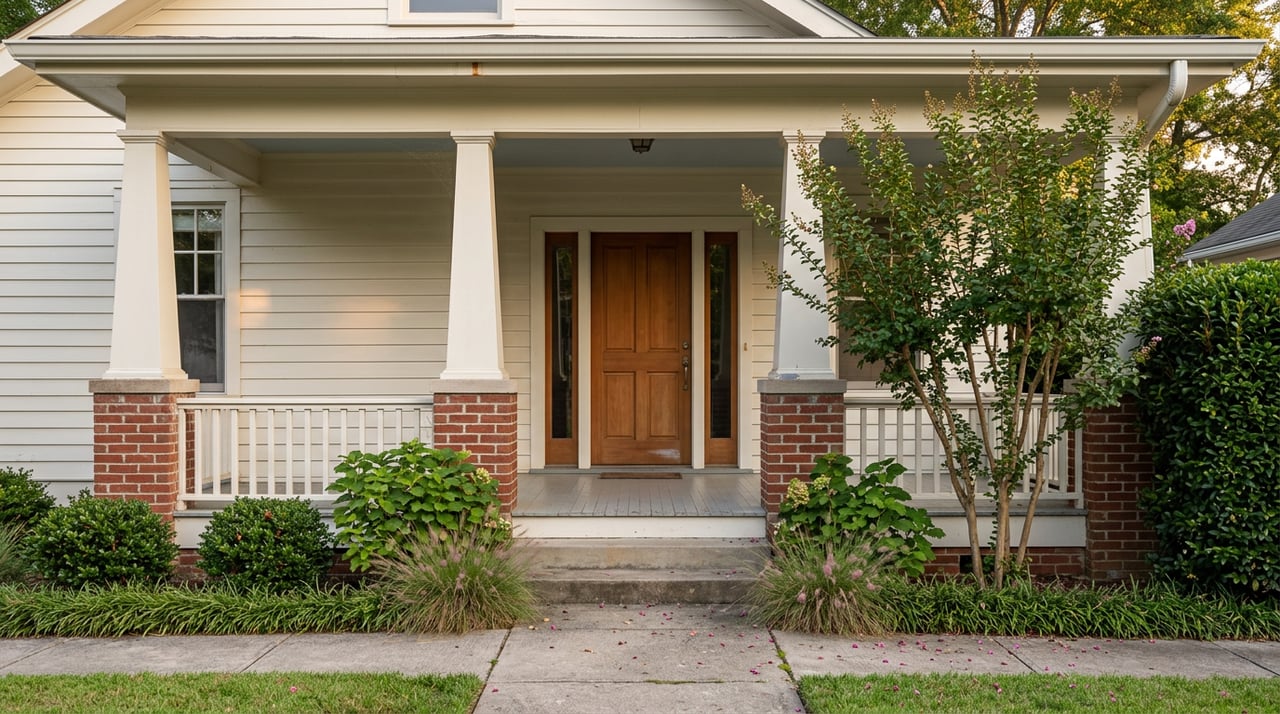
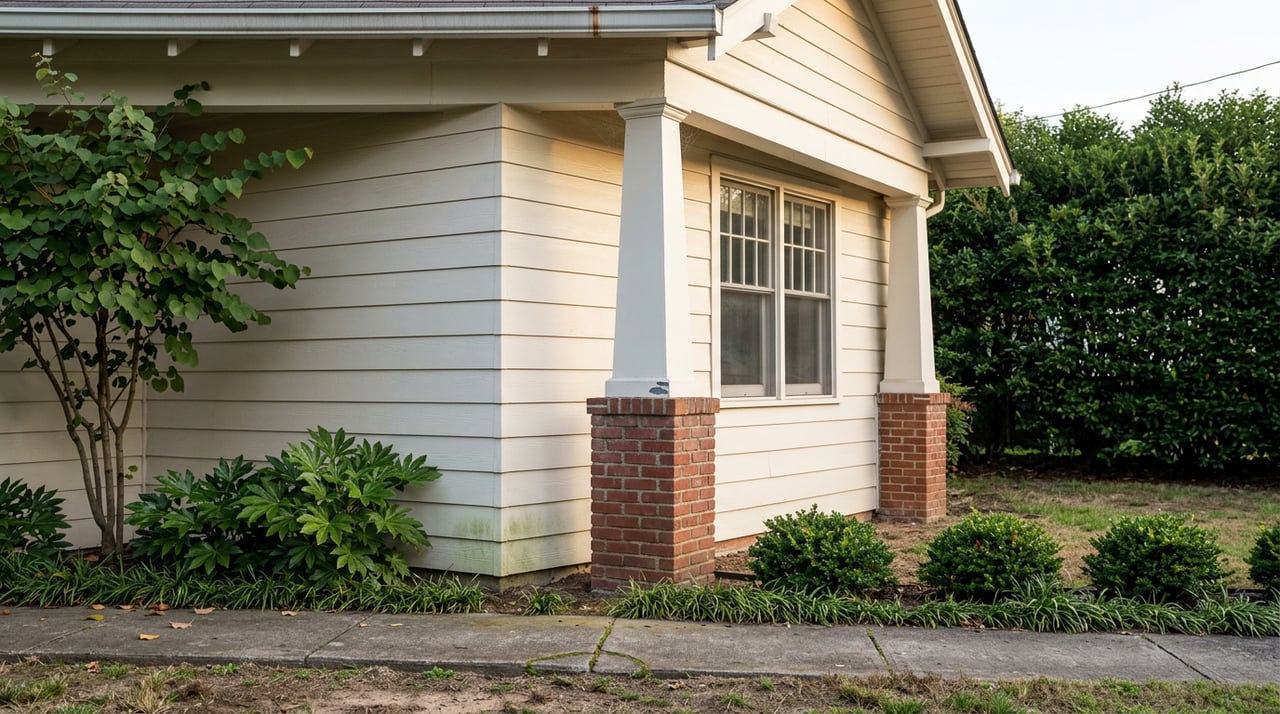
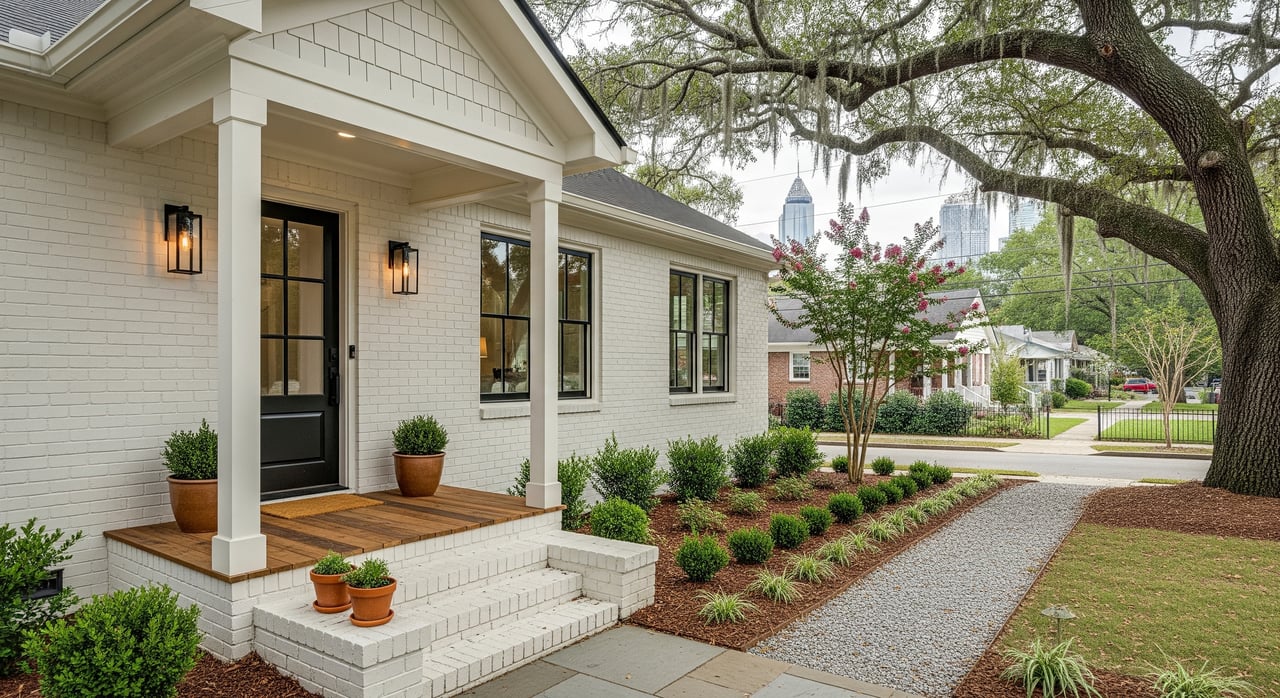
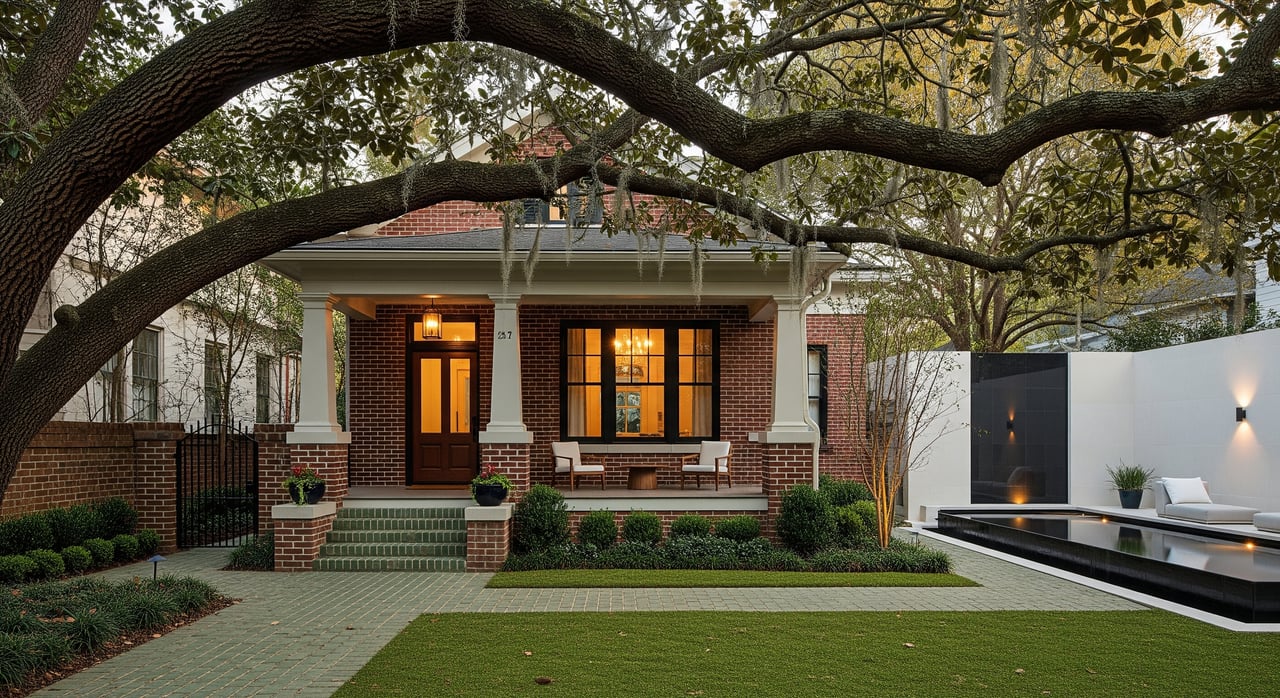
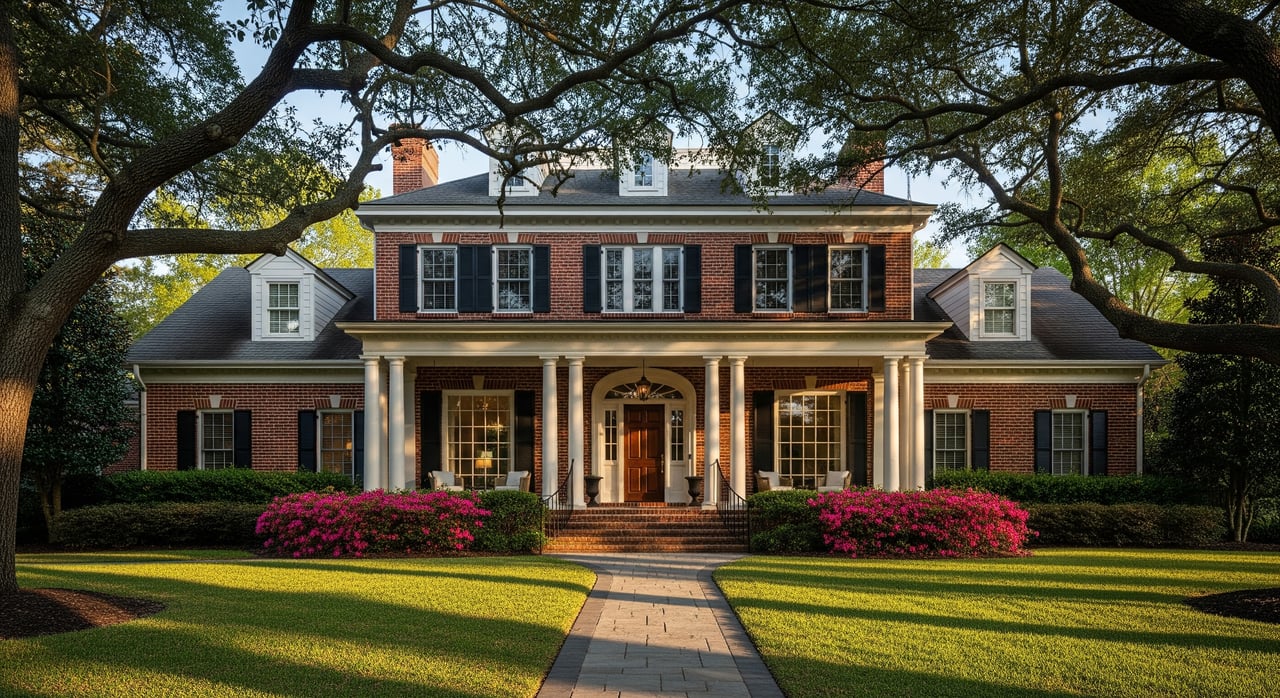
Historic homes remain a major part of the Grant Park identity. The neighborhood includes Queen Anne, Folk Victorian, Craftsman, and English Vernacular Revival homes, and those properties sit within a streetscape shaped by mature trees, narrow lots, brick sidewalks, and retaining walls.
A recent sale at 378 Grant Park Pl, a renovated 1920s home, closed for $785,000. For many buyers, historic homes offer character that is hard to replicate, but ownership can also involve more individualized upkeep and renovation oversight depending on the property’s condition.
That is why many buyers compare historic homes with townhomes and infill homes side by side. In broad terms, townhomes often maximize convenience, infill homes split the difference, and historic homes can offer the deepest connection to the neighborhood’s original housing stock.
The historic district matters
This is one of the most important parts of your due diligence. The City of Atlanta designates the Grant Park Historic District as a historic district, and the city zoning list identifies it as HD-20K.
If you are considering a property in the district, exterior work may require review before permits are issued. Atlanta advises owners to verify a property’s designation through the city’s GIS Property Info map and review Chapter 20 of the zoning code. Depending on the scope of work, a Certificate of Appropriateness and, in some cases, Urban Design Commission review may be required.
Why this matters for buyers
You do not need to avoid the historic district. You do need to understand it before you buy, especially if you are already thinking about additions, exterior updates, fencing, windows, porches, or major site changes.
For some buyers, these rules are worth it because they help preserve the neighborhood’s physical character. For others, a property outside the district, or a newer home with fewer planned changes, may feel simpler.
HOA costs and ownership style
Monthly carrying costs can look very different from one property type to another. Current examples range from $170 per month at Eloise at Grant Park to $400 per month at Crown Candy Lofts, while some infill homes have no HOA at all.
This is why the better question is not just, “Is the HOA high?” It is, “What am I getting in exchange for that monthly cost, and does it match how I want to live?”
Questions to ask about HOA value
Before you buy, review the HOA documents carefully and ask:
- What does the monthly fee cover?
- Are there rental restrictions or use restrictions?
- How are maintenance responsibilities divided?
- Are there upcoming assessments?
- How do the dues affect your total monthly budget?
For many buyers, the right answer comes down to whether you value lower exterior maintenance more than you value avoiding a monthly fee.
Inspection items Grant Park buyers should not skip
Because Grant Park includes rolling terrain and many retaining walls, site conditions deserve real attention. Drainage, grading, garage access, and basement or crawlspace conditions should all get careful review during inspections.
Those issues can matter whether you are buying a townhome, an infill home, or an older property. In this neighborhood, the lot can be just as important as the floor plan.
Smart due diligence checklist
As you narrow your options, make sure you confirm:
- Whether the property is inside the Grant Park Historic District
- Whether any planned exterior work could require city approval
- HOA dues, rules, and reserve health if applicable
- Drainage and grading conditions on the site
- Retaining wall condition if present
- Garage access and functionality on sloped lots
- Basement or crawlspace condition where applicable
Which option makes the most sense for you?
If you want a more streamlined ownership experience, a townhome may offer the clearest path. If you want a detached home with a newer build date and a smaller lot, infill housing may strike the best balance.
Your decision may come down to a few practical questions:
- Do you want attached or detached living?
- How much exterior maintenance do you want to handle?
- Is garage parking a must-have?
- Are you comfortable with HOA dues?
- Do you want flexibility for future exterior changes?
- How important is historic context versus modern efficiency?
In Grant Park, there is no one-size-fits-all answer. The best choice is the one that supports your budget, your daily routine, and your comfort with the neighborhood’s historic and site-specific considerations.
If you want help comparing newer townhomes, small-lot infill homes, and resale opportunities in Grant Park, Maja Sly can help you evaluate the tradeoffs clearly and move forward with a plan that fits your goals.
FAQs
What is the difference between a Grant Park townhome and a Grant Park infill home?
- A Grant Park townhome is usually attached housing designed for lower-maintenance living, while a Grant Park infill home is typically a newer detached single-family house on a smaller lot.
Are Grant Park townhomes less expensive than other home types?
- Not always. Recent listing snapshots showed townhouses at a median listing price of $775K, compared with $395K for condos and $608K for vintage homes.
Do Grant Park homes fall inside a historic district?
- Some do. The City of Atlanta designates the Grant Park Historic District, so buyers should verify whether a specific property is inside the district before planning exterior work.
What approvals might a Grant Park buyer need for exterior changes?
- Depending on the property and the scope of work, exterior changes in the historic district may require a Certificate of Appropriateness and, in some cases, Urban Design Commission review before permits.
Are HOA fees common in Grant Park townhomes and lofts?
- They can be. Current examples in the neighborhood range from $170 per month at Eloise at Grant Park to $400 per month at Crown Candy Lofts, while some infill homes have no HOA.
How walkable is Grant Park for daily living?
- Walk Score rates Grant Park 59 for walkability, 44 for transit, and 60 for biking, which supports walkable urban living but not fully car-free living for most households.
What should buyers inspect carefully in Grant Park homes?
- Buyers should pay close attention to drainage, grading, retaining walls, garage access, and basement or crawlspace conditions because of the neighborhood’s rolling terrain and site patterns.