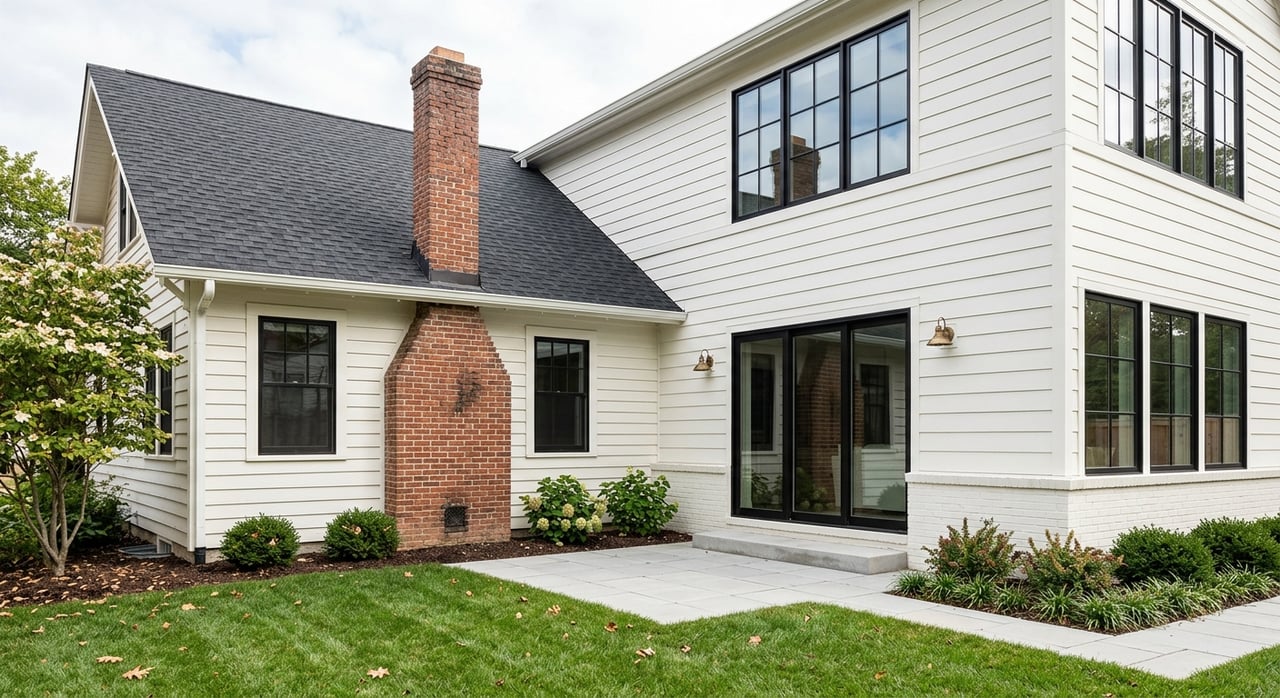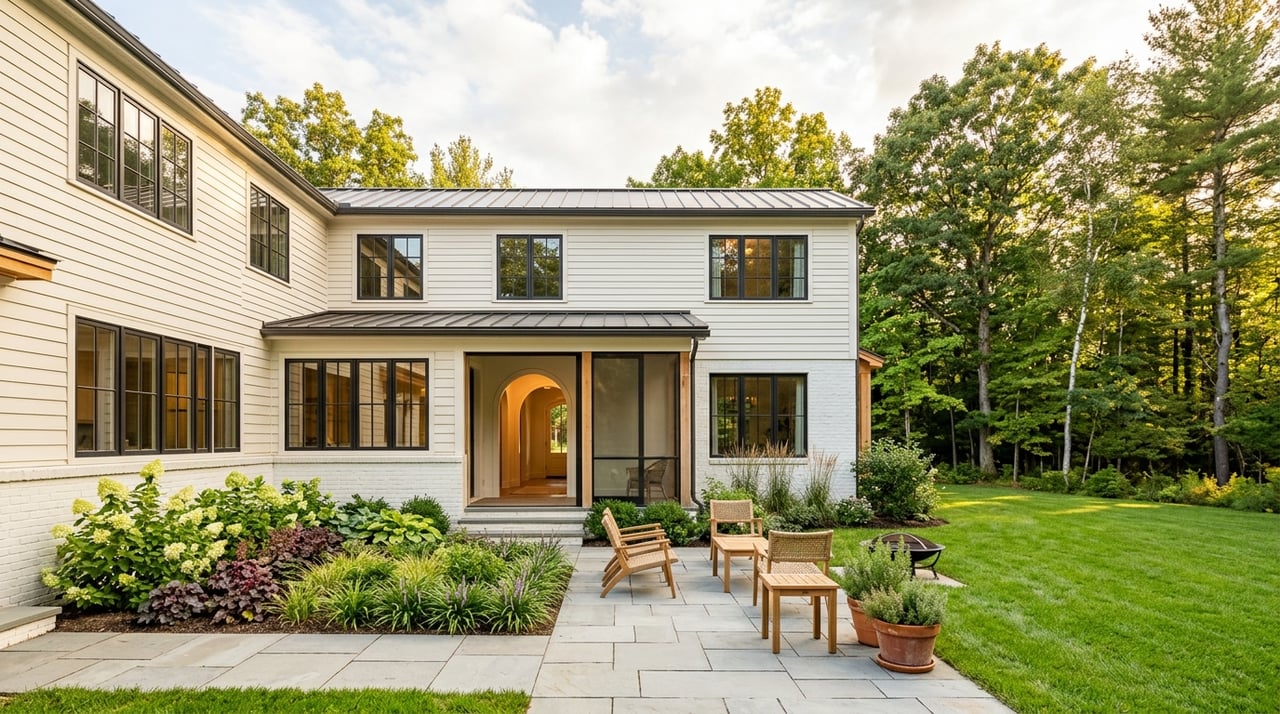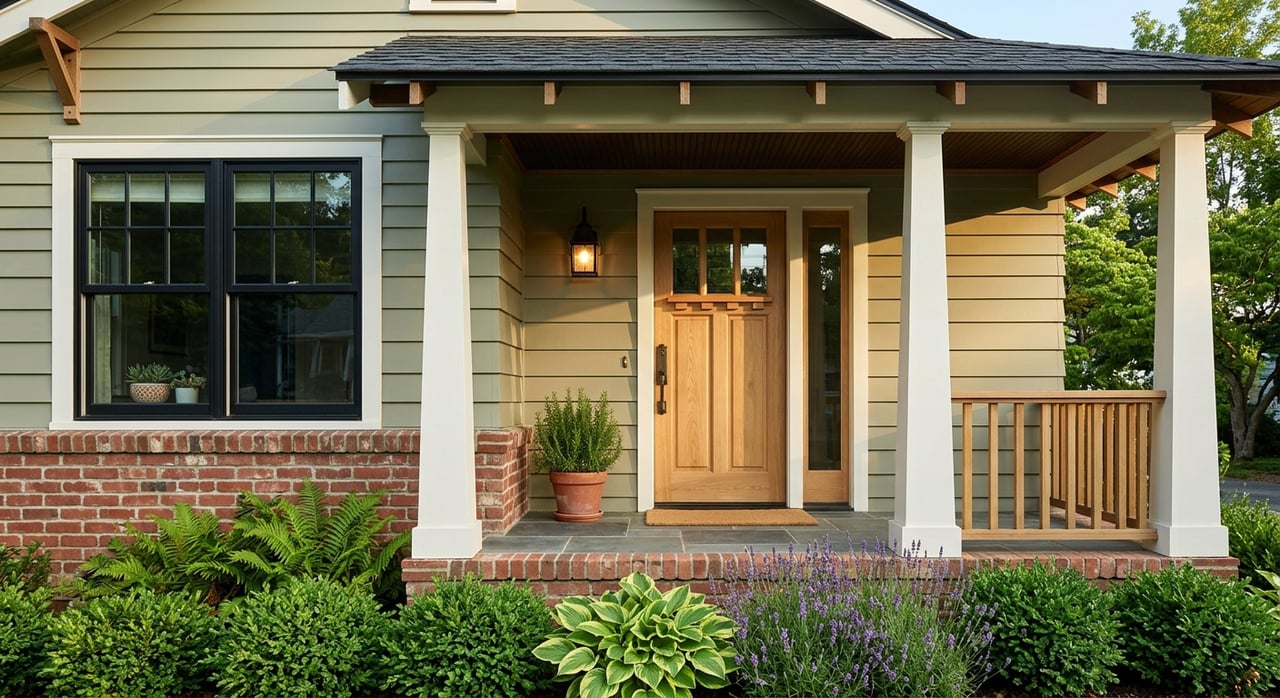
Choosing between a newer townhome and a historic home in Summerhill is not just about style. It is about how you want to live, what kind of upkeep you can handle, and how much structure you want around your homeownership experience. If you are weighing both options, Summerhill gives you a rare chance to compare convenience and character in the same in-town neighborhood. Let’s dive in.
Why Summerhill creates this choice
Summerhill is one of Atlanta’s oldest neighborhoods, and Georgia Avenue played a central role in its commercial life in the early 1900s. Today, the area is also shaped by an 80-acre downtown-adjacent redevelopment that blends preservation, rehabilitation, new housing, retail, office space, and transit access.
That mix is what makes Summerhill especially interesting for buyers. You may find newer townhomes near the Georgia Avenue core, while nearby streets can offer older cottages that are already renovated or may need work. In one neighborhood, you can compare two very different paths to ownership.
Townhomes: simpler upkeep, more shared structure
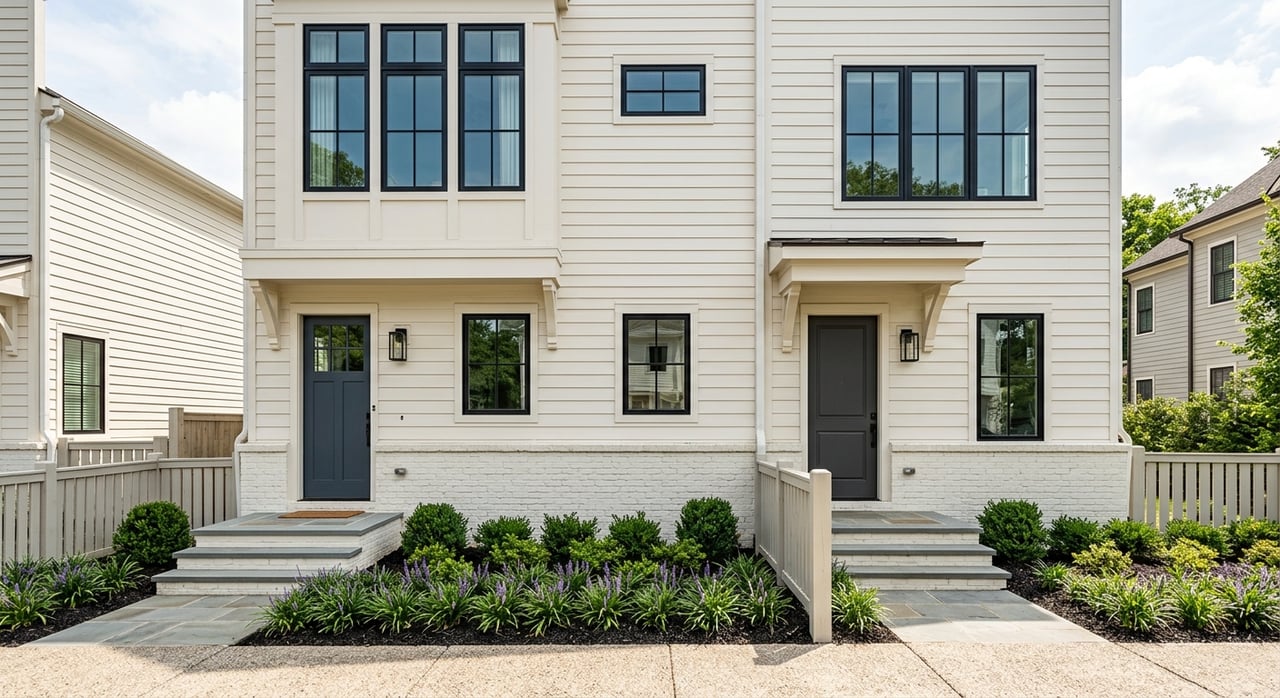
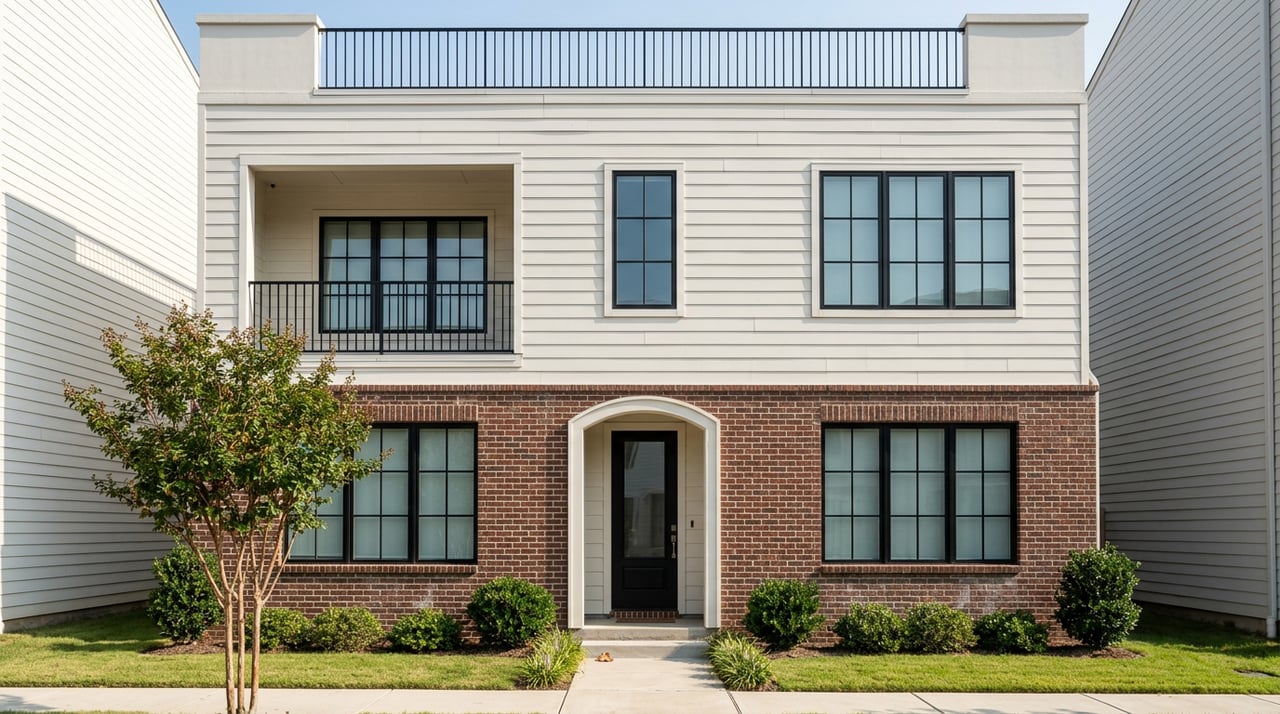
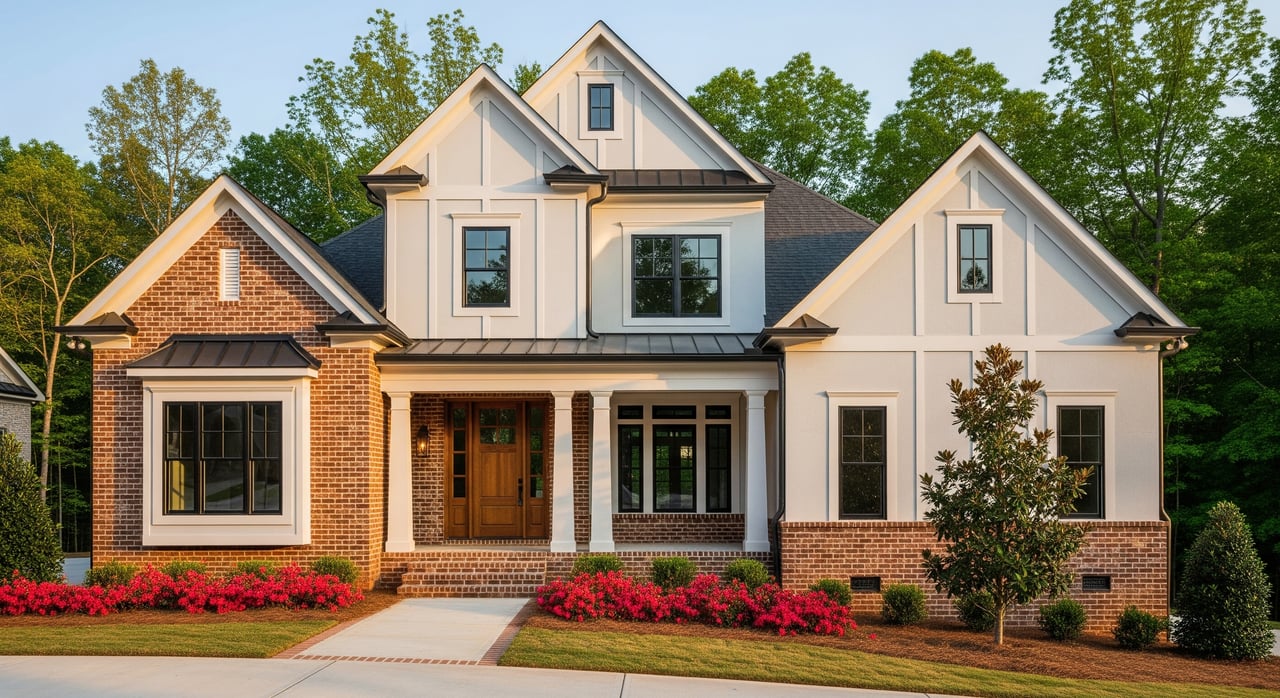
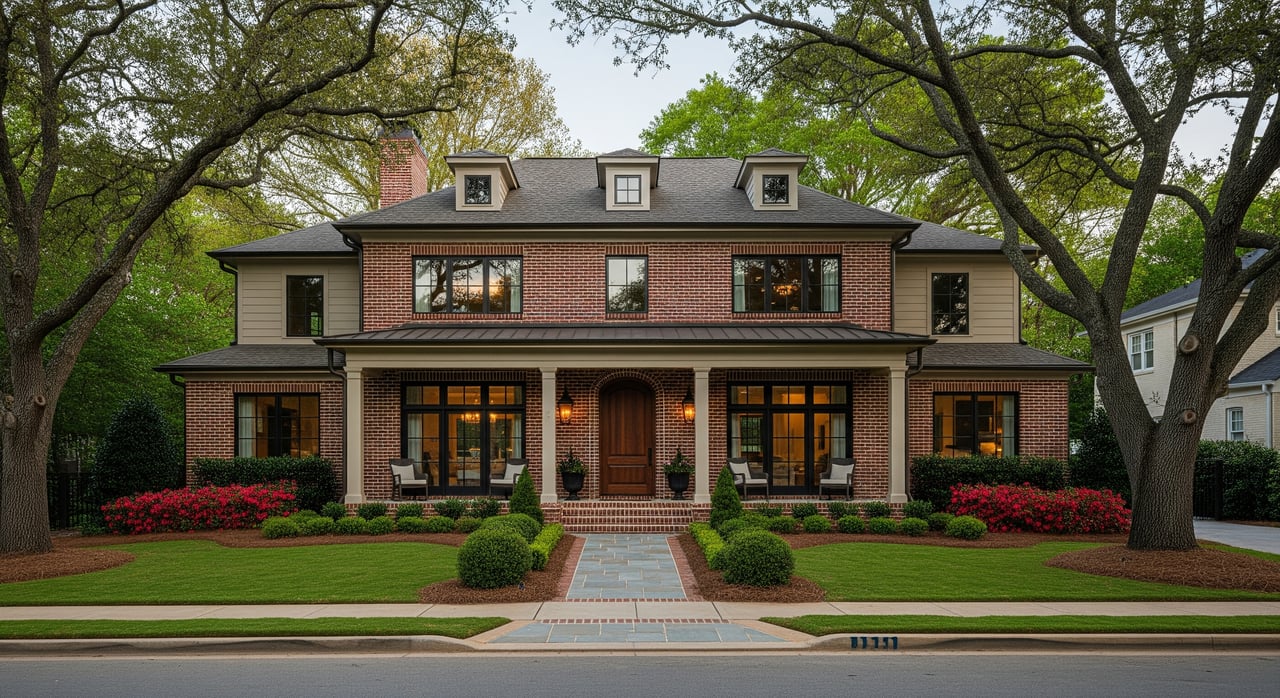
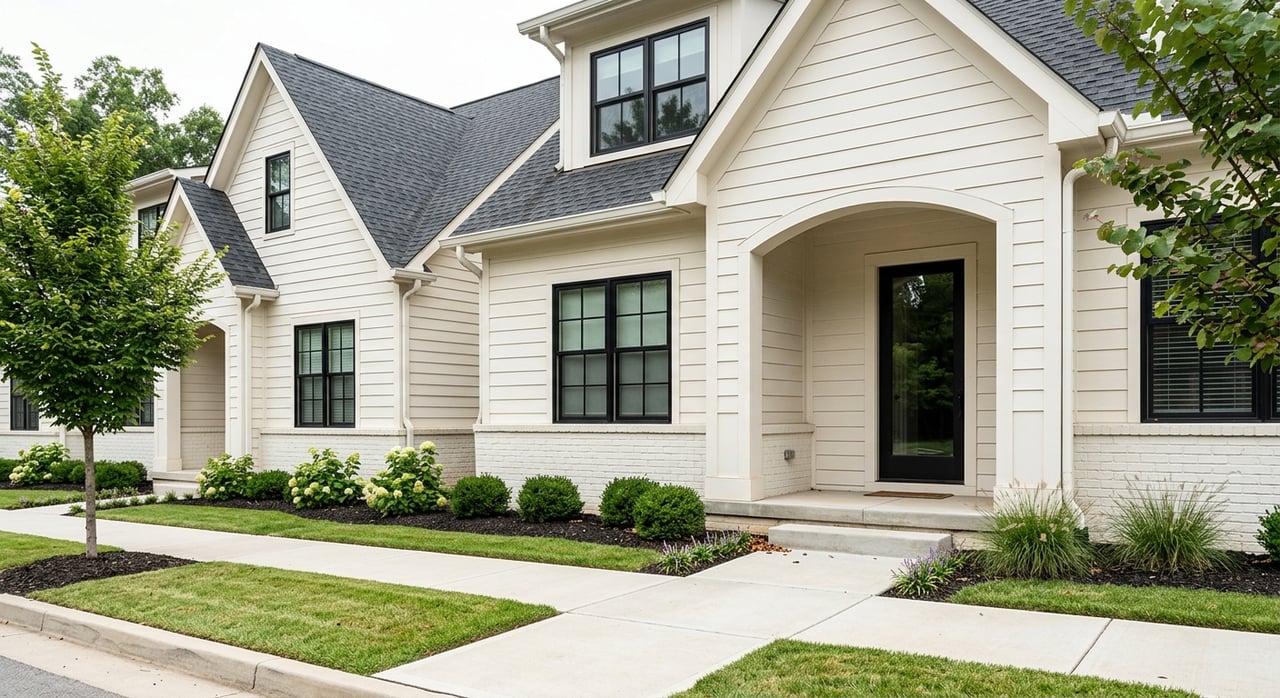
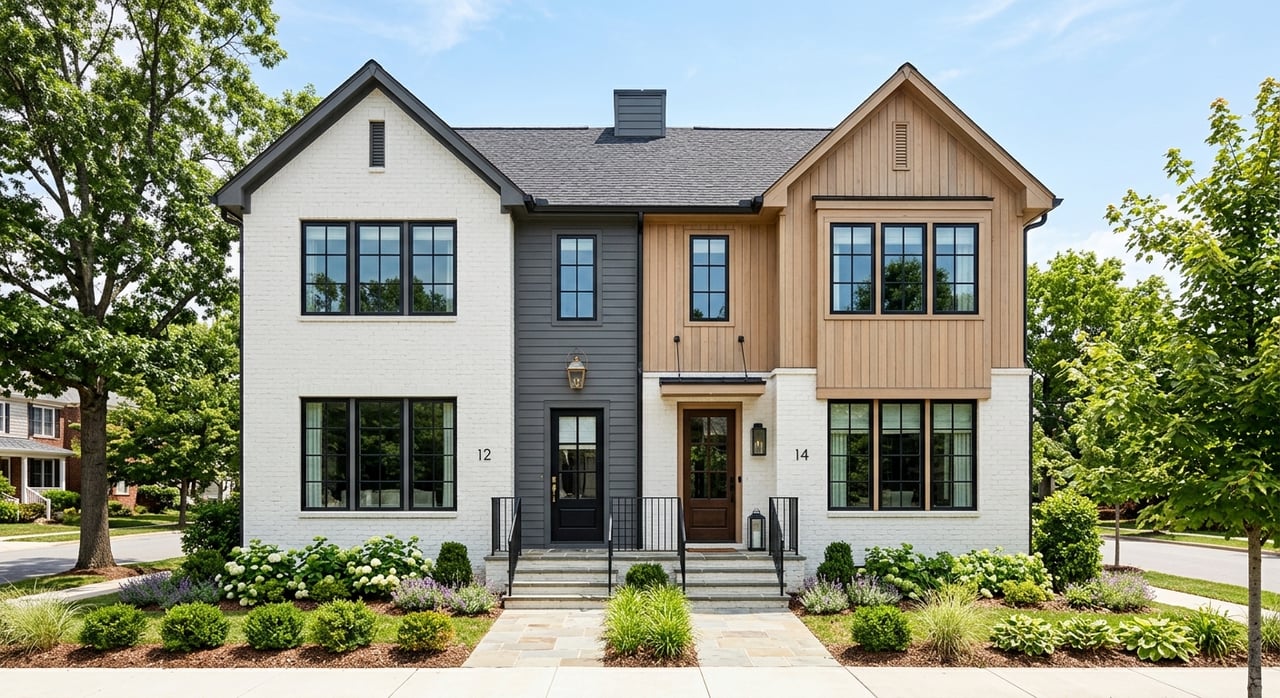
If you want a home that may feel more predictable day to day, a townhome can be appealing. A newer property often lowers the chance of major near-term repairs compared with an older home, which can make budgeting feel more manageable.
The tradeoff is that townhome ownership usually comes with an HOA. That means your monthly housing cost is not just your mortgage payment. You also need to account for HOA dues, possible special assessments, and the rules that govern how the community operates.
What HOA dues can mean for your budget
In Georgia, HOA dues are usually paid directly to the association rather than through your mortgage payment. That matters because buyers sometimes focus on principal and interest first, then realize later that the true monthly cost is higher.
You should also understand the consequences of falling behind. Georgia Consumer Ed says an HOA or condominium association can place a lien on a home for unpaid fees and, with notice, may foreclose.
What to review before buying a townhome
Before you buy, ask for the documents that help you understand both the cost and the rules. Georgia Consumer Ed says owners can request documents showing how HOA money is being spent, including financial reports and budget information at the annual board meeting when the association is subject to the Georgia Condominium Act or the Georgia Property Owners’ Association Act.
A smart review list includes:
- Current HOA dues
- Any known or upcoming special assessments
- Rules on exterior changes and maintenance responsibilities
- Reserve and budget information
- Delinquency or fee collection policies
For many buyers, the big benefit of a townhome is convenience. You may give up some autonomy, but you gain a more structured ownership setup that can feel easier to manage.
Historic homes: more character, more case-by-case review
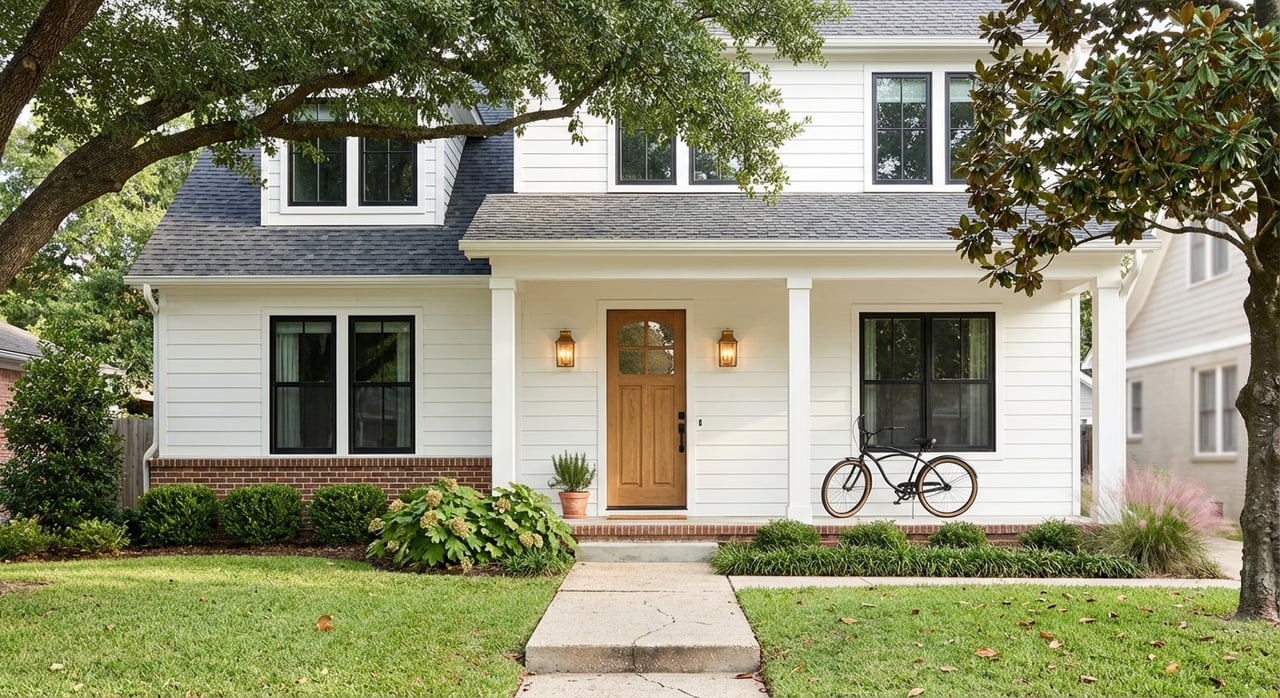
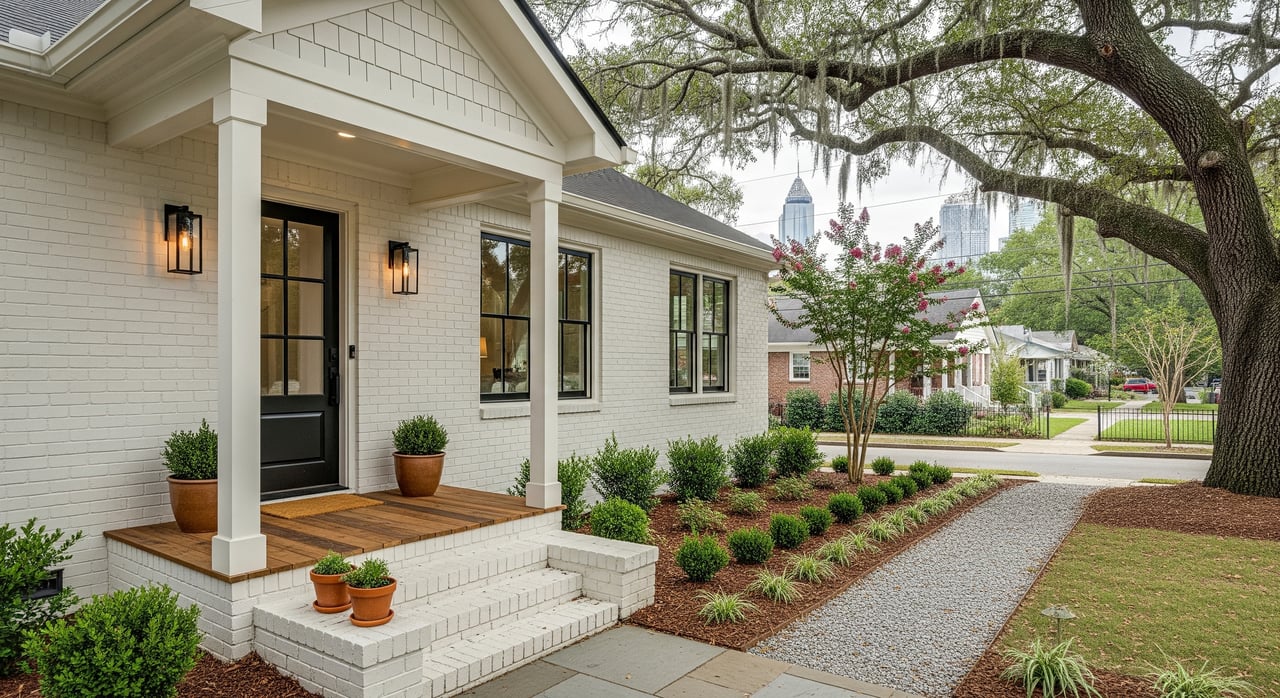
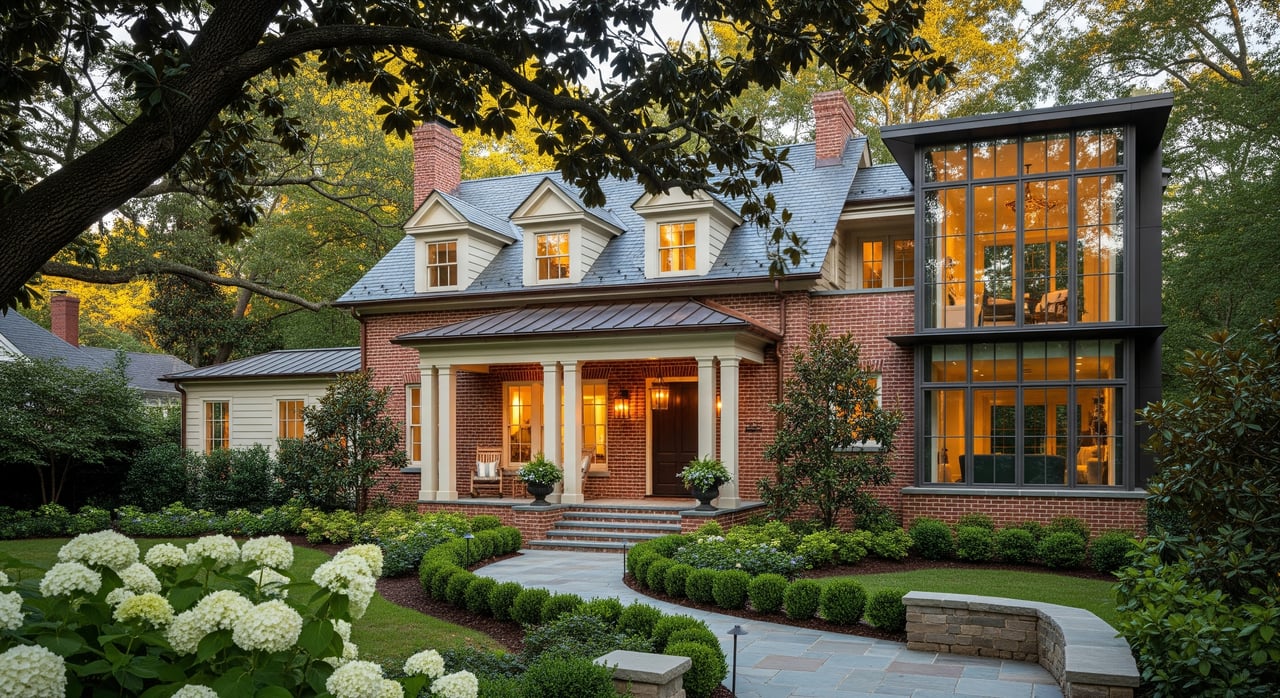
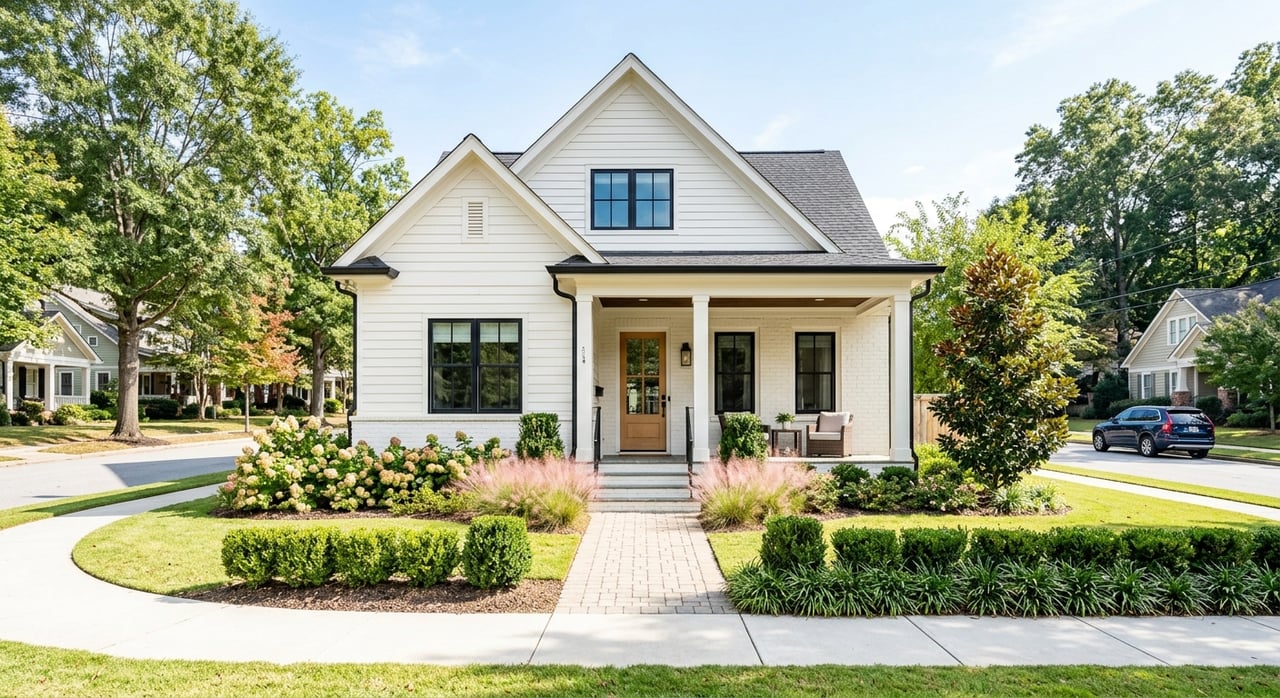
If you are drawn to architectural character and the idea of shaping a home over time, a historic cottage may feel like the better fit. Summerhill’s age and redevelopment pattern make that a real possibility for buyers who want charm and are comfortable with a little more complexity.
Older homes can offer more individuality, but they also require more due diligence. In Summerhill, one of the first questions is whether the specific parcel is in a locally designated historic or landmark district, or is individually designated.
Why designation matters
The City of Atlanta recommends using its GIS Property Info map to verify whether a property has a historic designation. If preservation rules apply, the kind of work you want to do will help determine whether you need a Certificate of Appropriateness and whether the Urban Design Commission must hold a public hearing.
This is where historic-home buying becomes very property specific. Two cottages on nearby blocks may look similar, but the approval path for exterior work could be very different depending on designation.
What this means for renovations
If you are planning to update a historic cottage, build your timeline carefully. Approval timing, scope of work, and city review requirements should be part of your decision before you make an offer, not after.
That does not mean historic homes are harder across the board. It means you need clarity early. If the parcel is not designated, you may have more freedom. If it is designated, some exterior changes may involve a formal review process.
Maintenance and repair differences
One of the biggest practical differences between townhomes and historic homes is maintenance risk. A newer townhome may reduce the odds of immediate work on major systems, while an older cottage is more likely to need attention on the roof, plumbing, HVAC, electrical systems, or structure.
That does not make one option better than the other. It simply means your budget and tolerance for projects need to match the property you choose.
When renovation financing may help
If a historic cottage needs work, financing may be part of the strategy. The research report notes that HUD’s 203(k) program and Fannie Mae’s HomeStyle Renovation mortgage can allow purchase or refinance funds to be combined with repair costs.
For buyers, the key lesson is simple: if the home needs significant updates, talk through financing early. Renovation costs, lender requirements, and project planning should all be part of your home search.
Historic rehab incentives to know
For the right buyer, a renovation-ready historic home may offer another layer of value. Georgia’s historic home rehabilitation credit is available for tax years 2023 through 2029, and the Georgia Department of Revenue says it is capped at $100,000 for a principal residence in any 120-month period.
The Georgia Department of Community Affairs says the updated credit can apply to owner-occupied primary residences that are locally designated or contributing to a local historic district, but only if the rehabilitation meets DCA standards and the substantial rehabilitation test.
This is important because not every older home will qualify. If you are considering a cottage in Summerhill partly because of this incentive, confirm eligibility, certification needs, and project standards before you rely on the credit in your numbers.
Lifestyle: convenience versus control
Summerhill’s location is one of its strongest selling points no matter which property type you prefer. The neighborhood is just south of Downtown Atlanta, and the neighborhood site describes it as walkable and bikeable, with Georgia Avenue at the heart of the district.
Transit is also part of the appeal. The area is about a 20 to 25 minute walk from Georgia State Station, and MARTA says the Rapid A-Line serves Summerhill and connects Downtown Atlanta, Capitol Gateway, Summerhill, Peoplestown, and the Beltline’s Southside Trail, with rail connections at Five Points, Georgia State, and Garnett Stations.
How the lifestyle tradeoff usually works
In simple terms, townhomes often lean toward convenience. Historic homes often lean toward control and character, though that control may narrow if the parcel is designated and exterior work requires city review.
Here is the everyday version of that tradeoff:
- Townhome: less personal maintenance, more HOA structure
- Historic home: more individuality, more project oversight
- Townhome: easier for buyers who want a more predictable routine
- Historic home: appealing for buyers who want to shape the home over time
Neither choice is automatically smarter. The right fit depends on how you want to spend your time, money, and energy after closing.
Questions to ask before you decide
If you are comparing Summerhill townhomes and historic homes, keep your due diligence focused on the issues that most affect ownership.
For a townhome, ask:
- What does the HOA fee cover?
- Are there any planned special assessments?
- What financial documents are available for review?
- What rules affect exterior changes, rentals, parking, or maintenance?
For a historic home, ask:
- Is the parcel locally designated or in a historic district?
- Will planned exterior work require a Certificate of Appropriateness?
- What systems or structural items may need repair soon?
- Could the property qualify for Georgia’s historic rehabilitation credit?
These questions help you compare the real ownership experience, not just the listing photos.
Which buyer tends to prefer each option?
A townhome may be a better match if you want lower near-term maintenance risk, value a newer layout, and are comfortable with HOA rules and shared costs. This path often works well if you want an in-town homeownership option with a more defined operating structure.
A historic home may be a better match if you want original character, are open to repairs or phased improvements, and are willing to research parcel-specific preservation requirements. This option can be especially compelling if you enjoy the idea of restoring or improving a home over time.
In Summerhill, both options connect you to a neighborhood with deep roots, active redevelopment, and strong access to Downtown and transit. The best choice is the one that fits your budget, your lifestyle, and your comfort with the process.
If you want help comparing Summerhill townhomes and historic homes with a clear, step-by-step approach, Maja Sly can help you weigh the tradeoffs and find the path that makes the most sense for you.
FAQs
What should you review before buying a Summerhill townhome?
- Review HOA dues, what those dues cover, any possible special assessments, budget or financial records, and the community rules that may affect how you use and maintain the property.
How can you check if a Summerhill historic home has preservation rules?
- The City of Atlanta recommends using the GIS Property Info map to verify whether a parcel is locally designated or located in a historic district.
Do HOA fees in Summerhill townhomes usually go into your mortgage payment?
- No. The research report says HOA dues are usually paid directly to the HOA rather than through your monthly mortgage payment.
Can a Summerhill historic home qualify for Georgia tax incentives?
- It may, but eligibility depends on factors such as local designation or district status, DCA standards, and meeting the substantial rehabilitation test.
Is Summerhill a good fit if you want transit access?
- Summerhill offers strong in-town access, including walkability, bikeability, proximity to Georgia State Station, and service from MARTA’s Rapid A-Line.