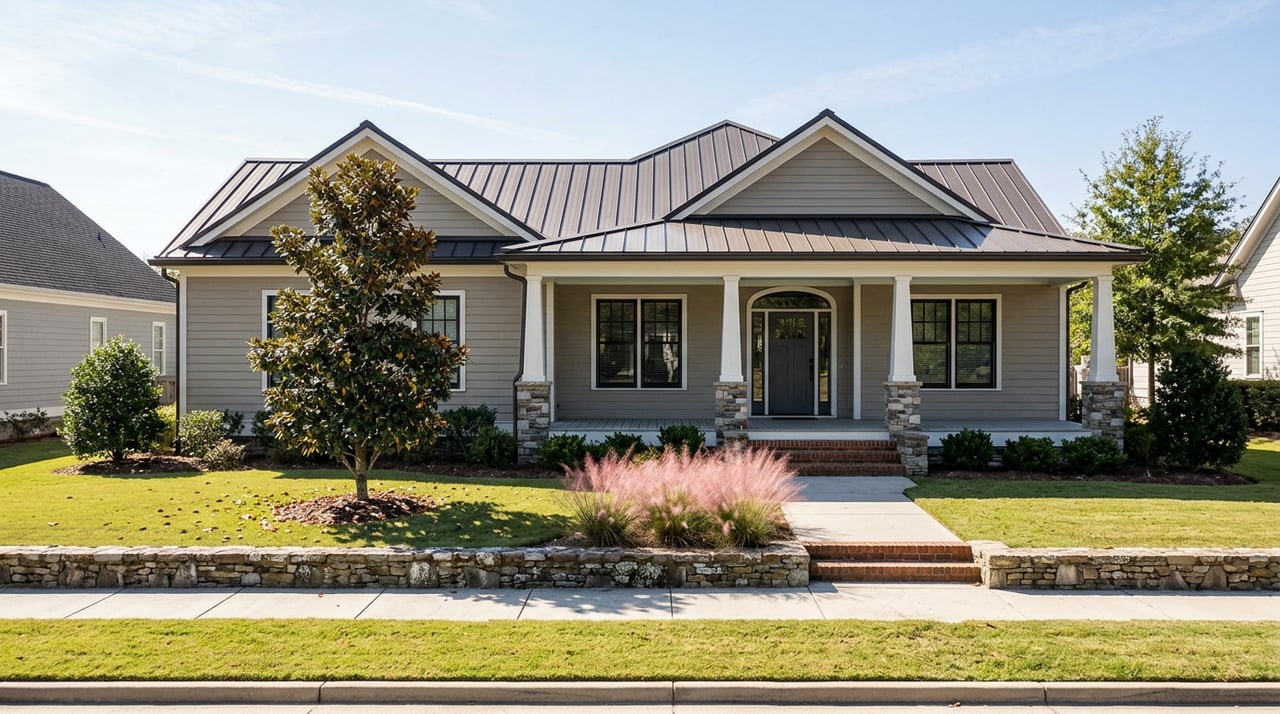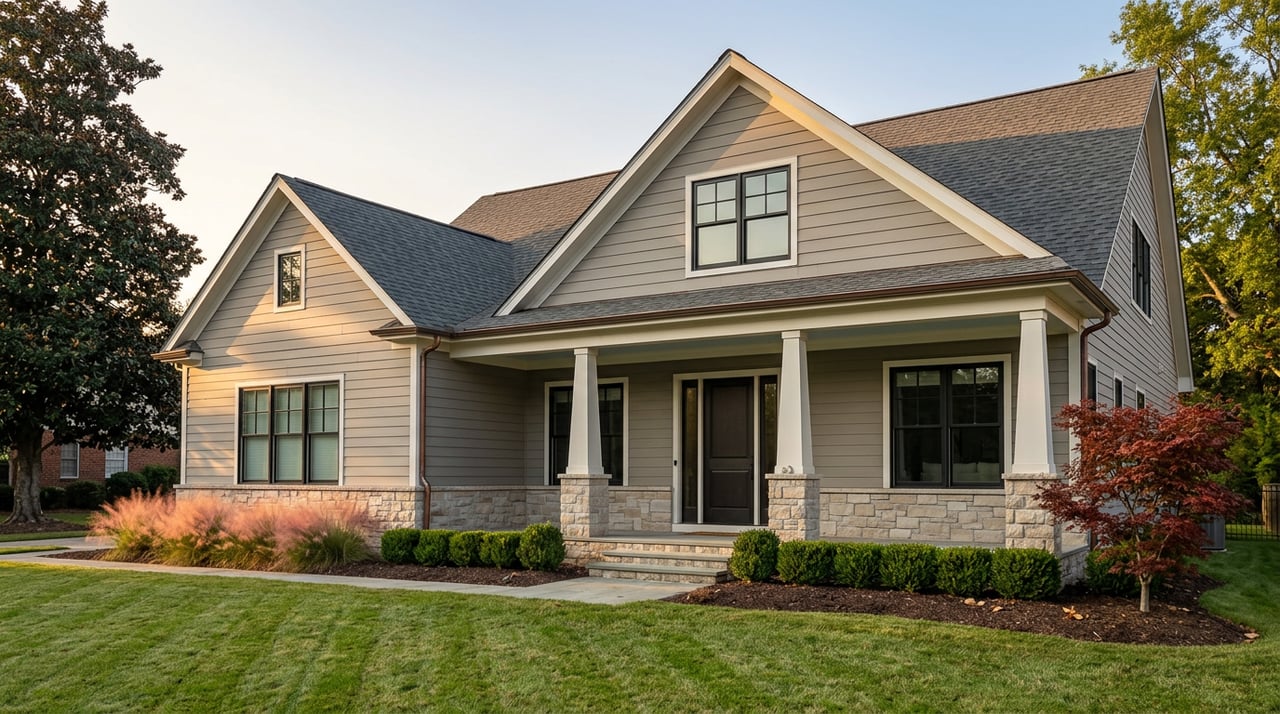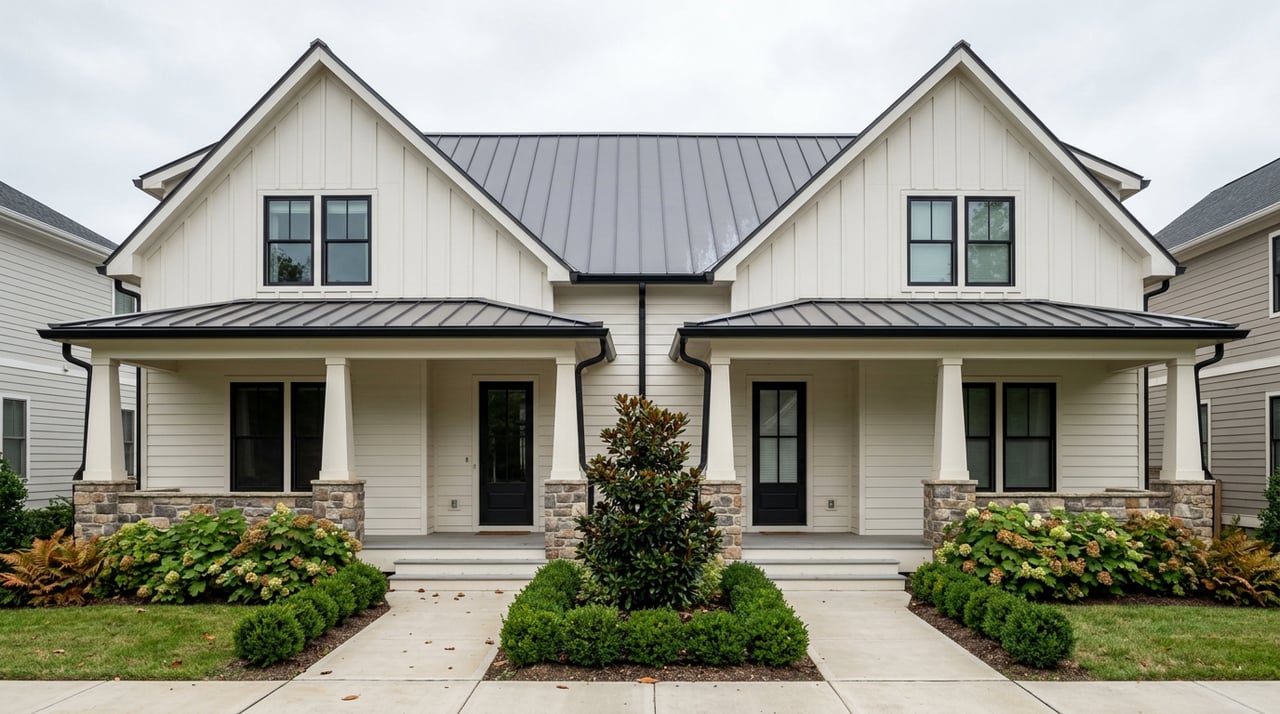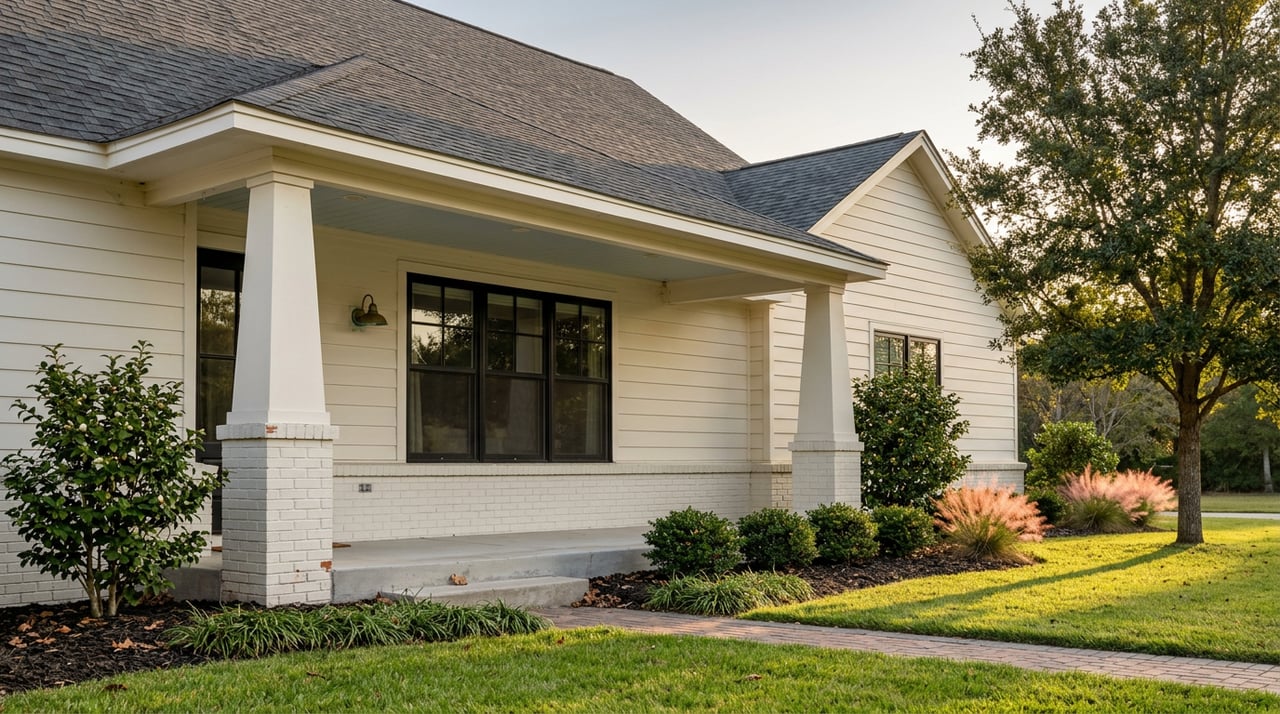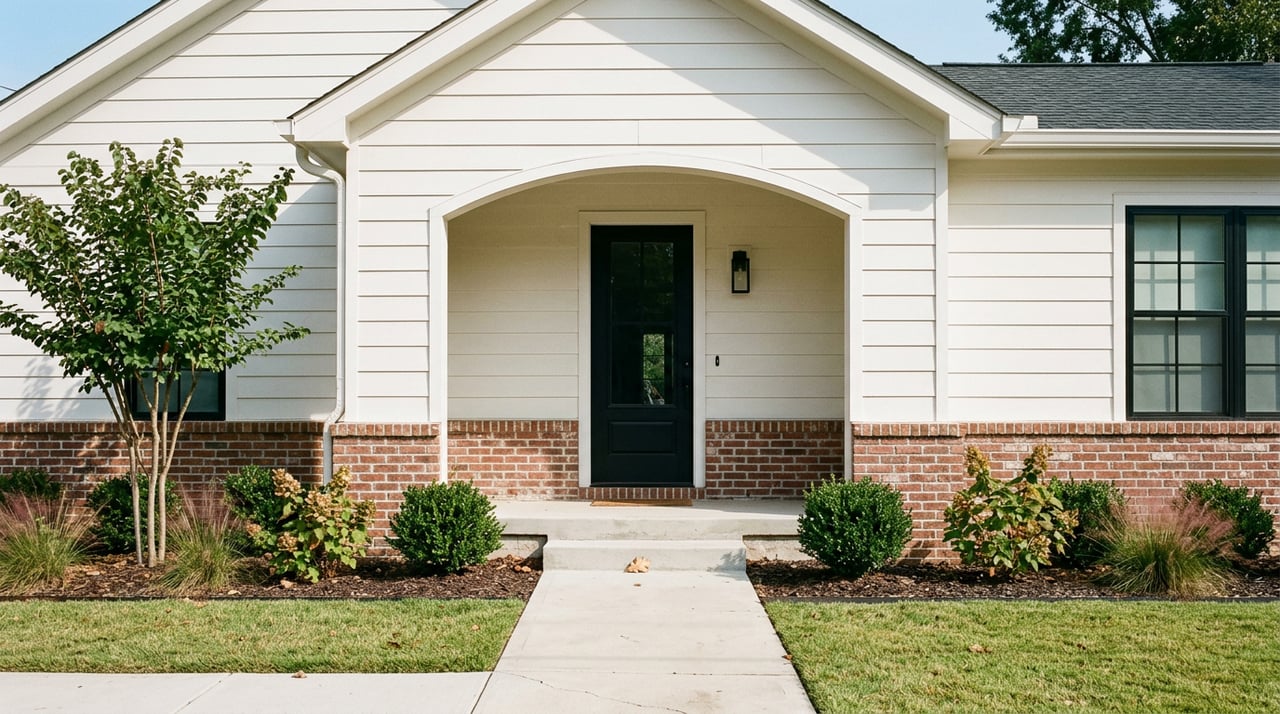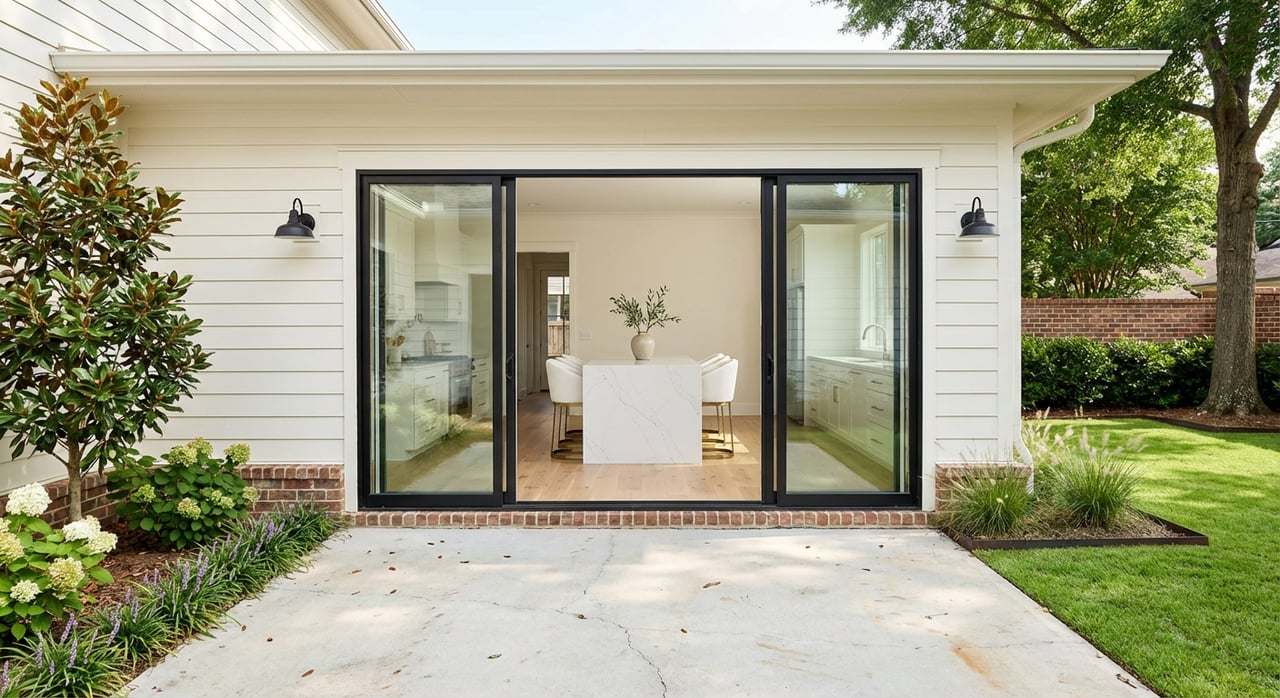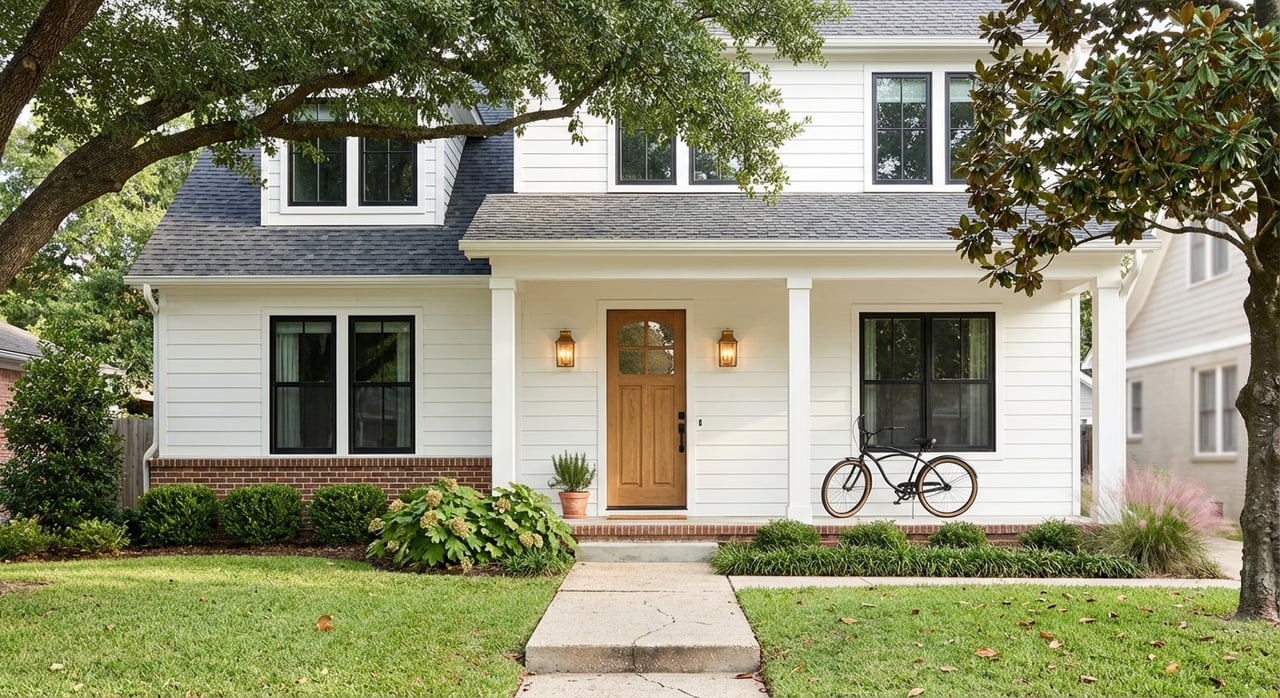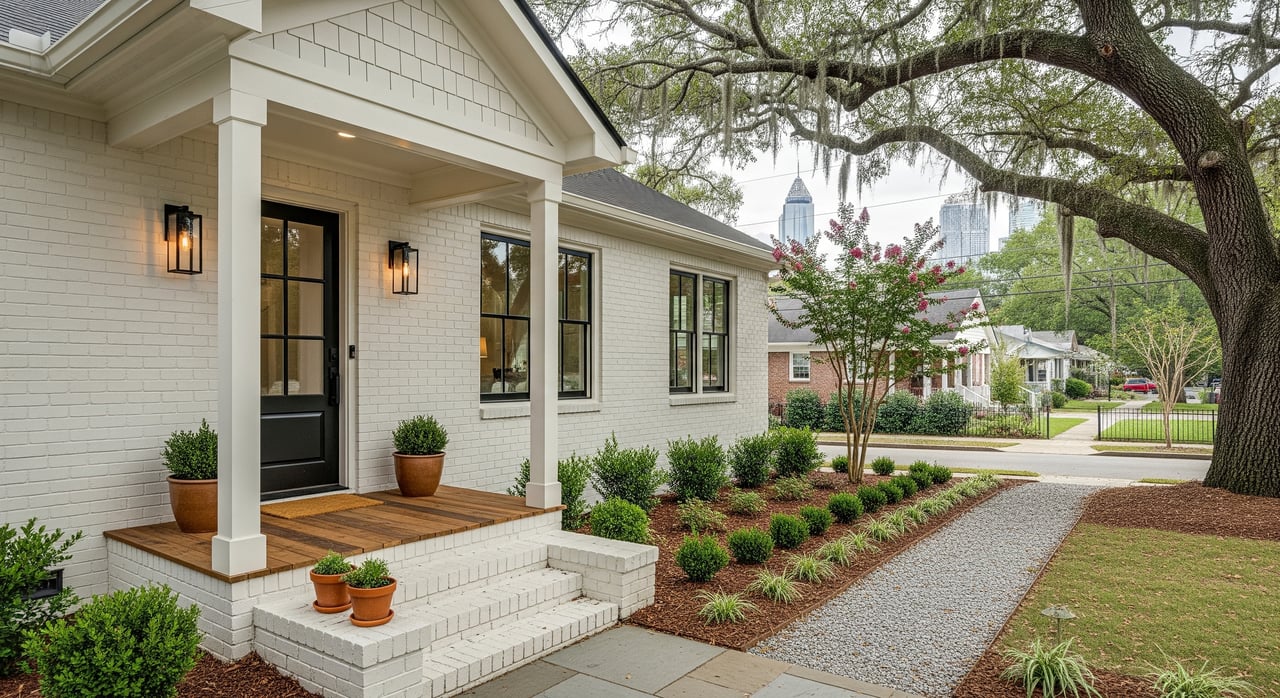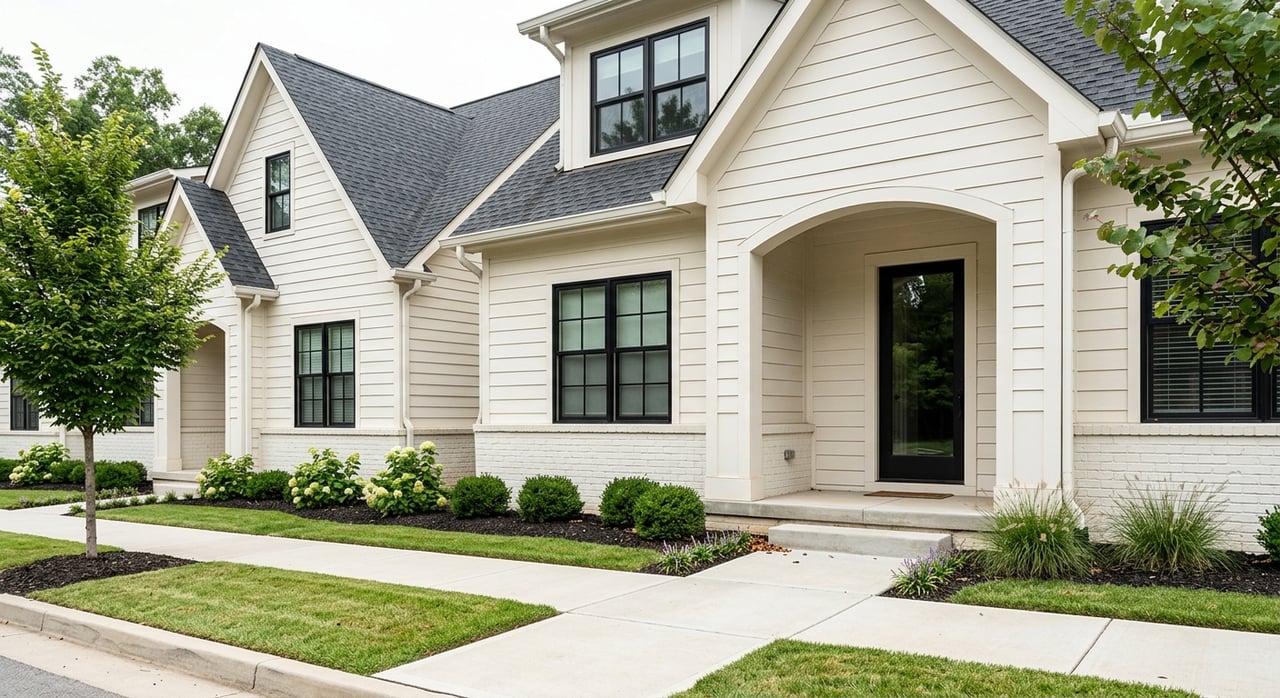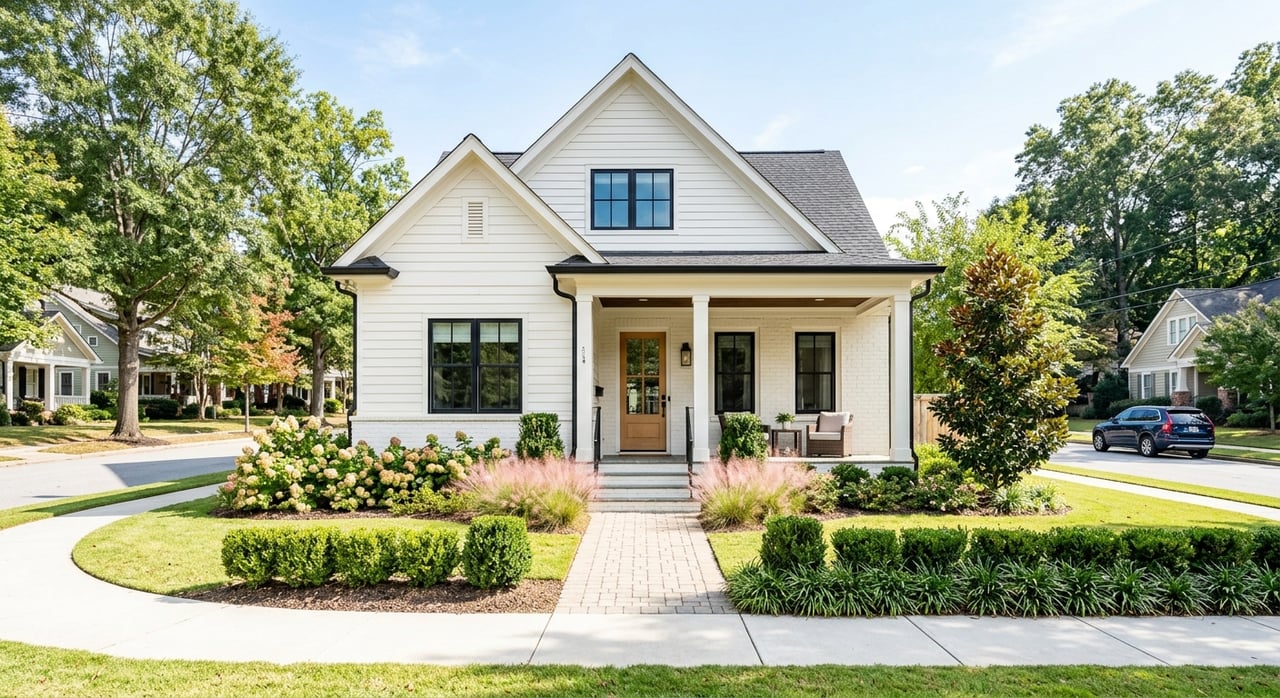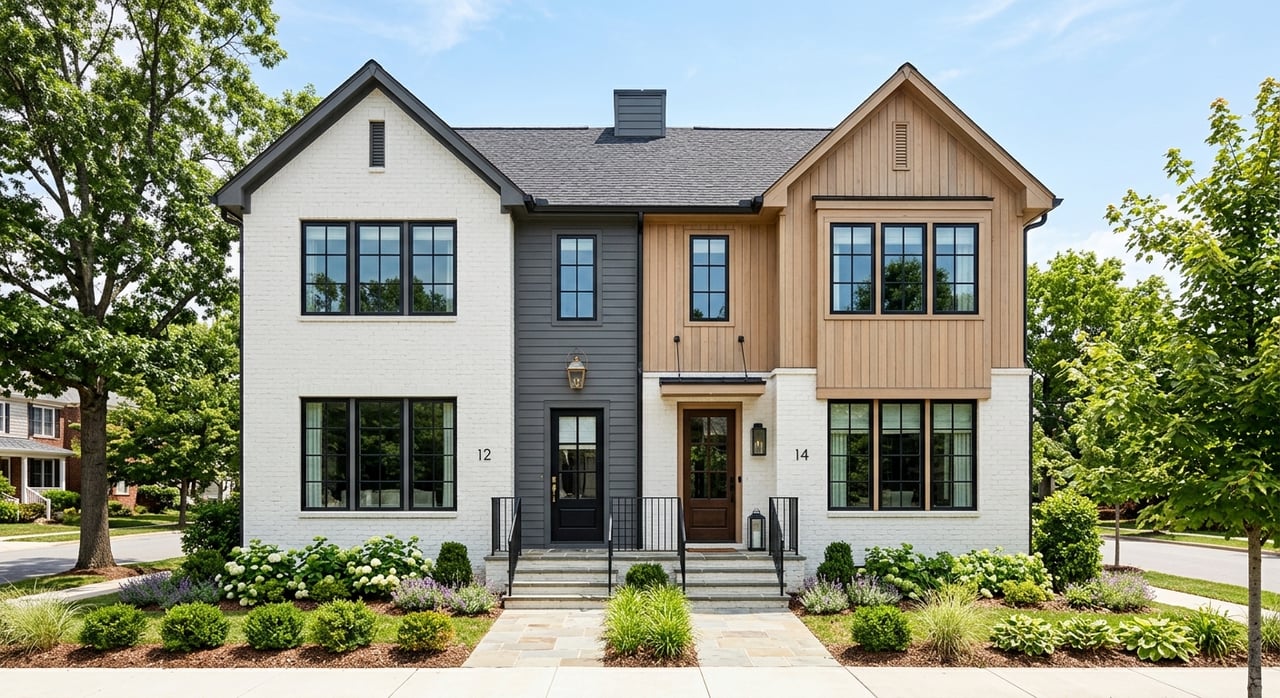
"It's definitely not an overhaul, and that's pretty much by design. They're not trying to upzone."
That's how one housing advocate described Atlanta's zoning code rewrite to Atlanta Civic Circle in May 2026, after years of drafts and a planning department now working through what could be the final version before it goes to City Council. It reads like a story about bureaucracy grinding slowly. For anyone shopping small lots in East Atlanta Village, it's actually a story about money that's already showing up in asking prices, tied to a rule that hasn't been voted on yet.
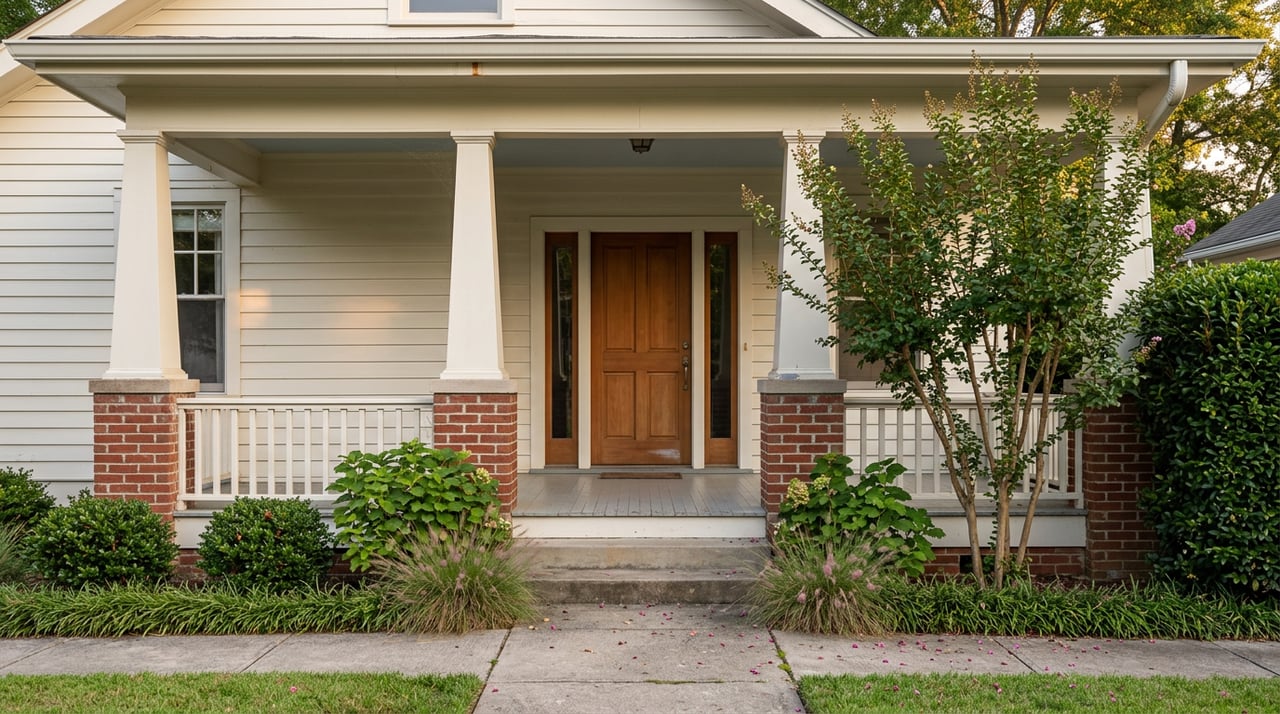
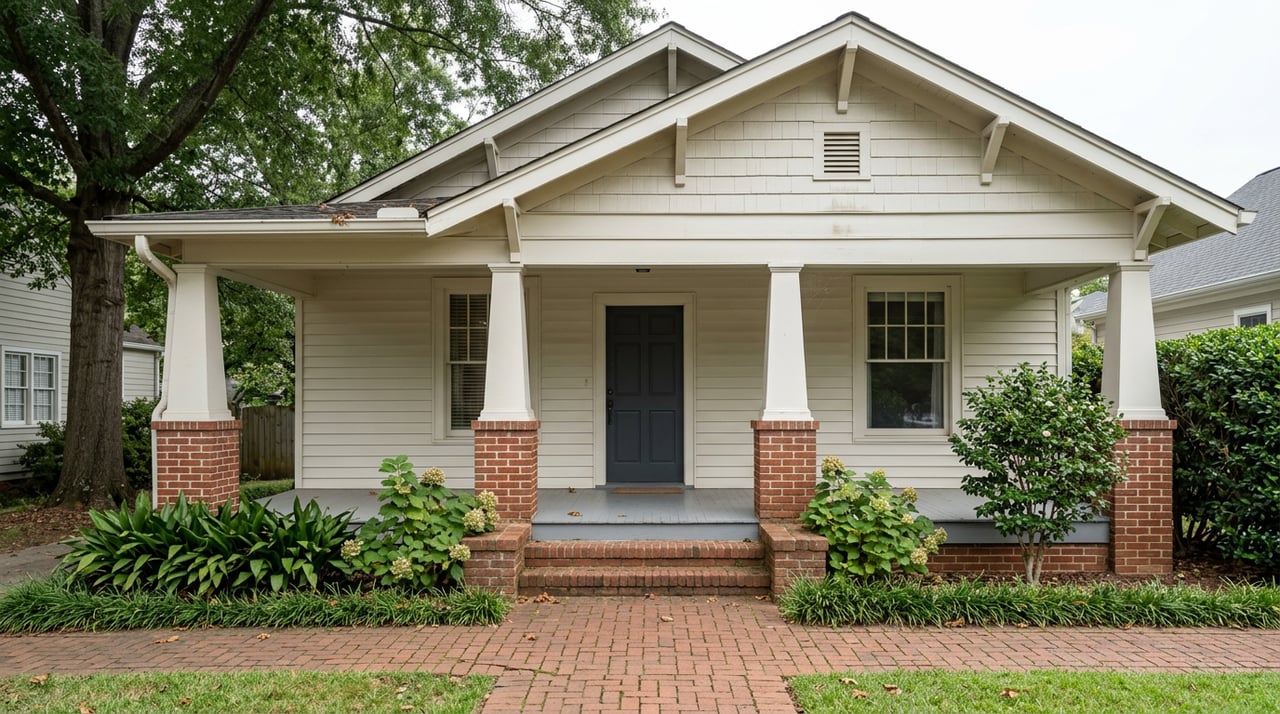
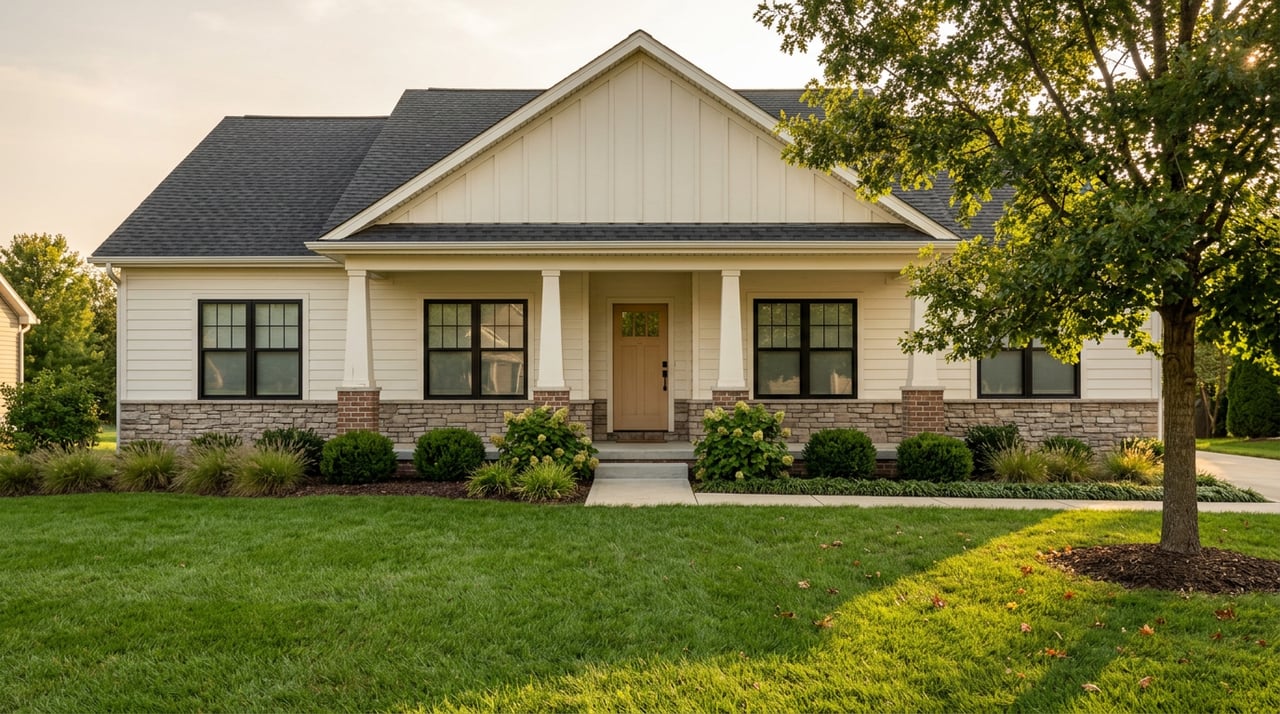
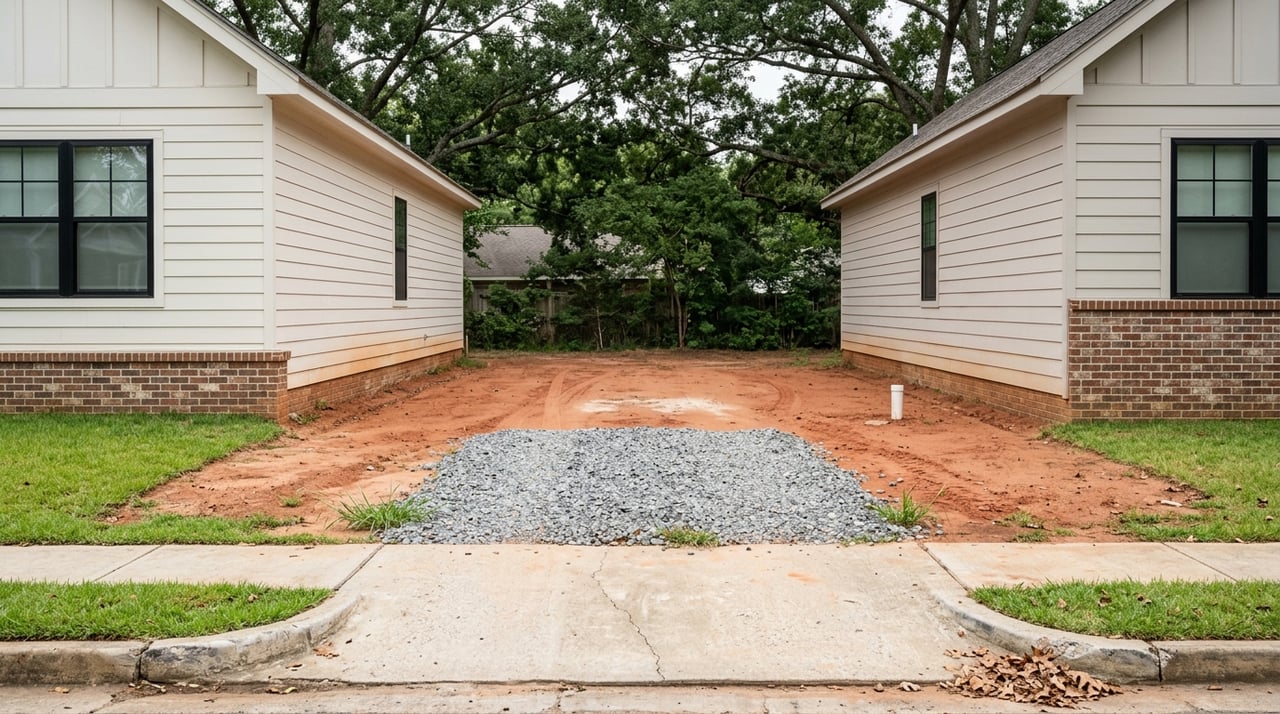
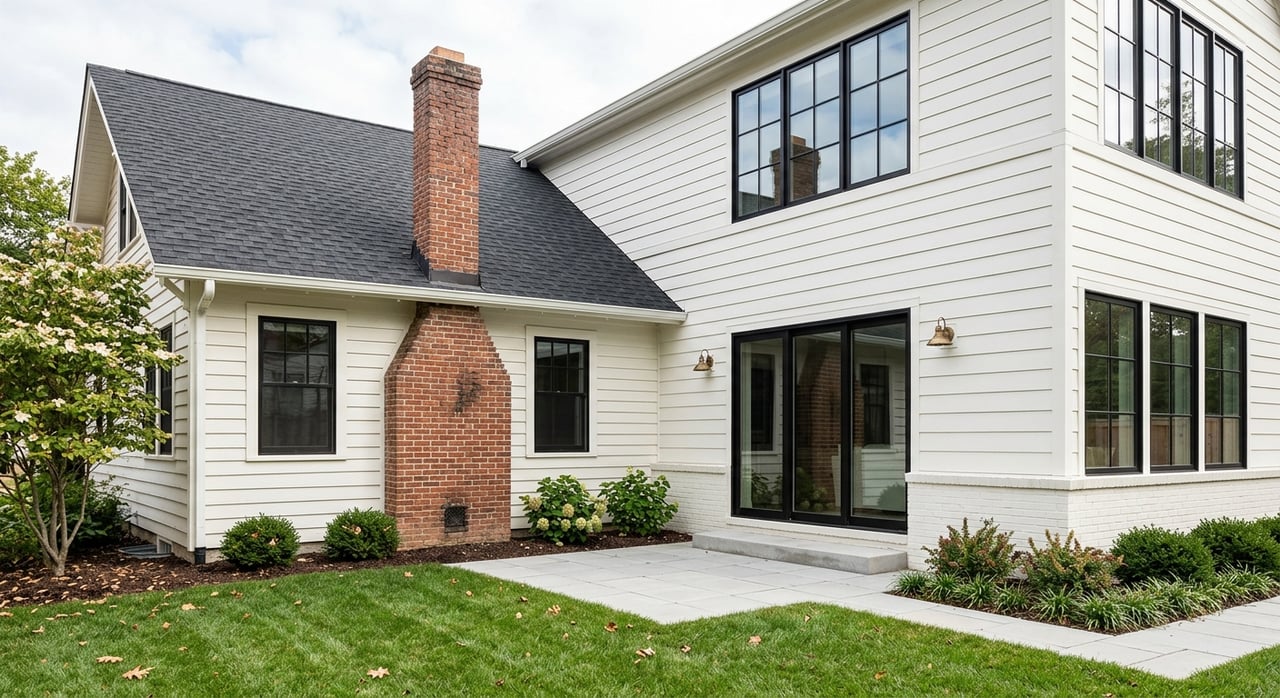
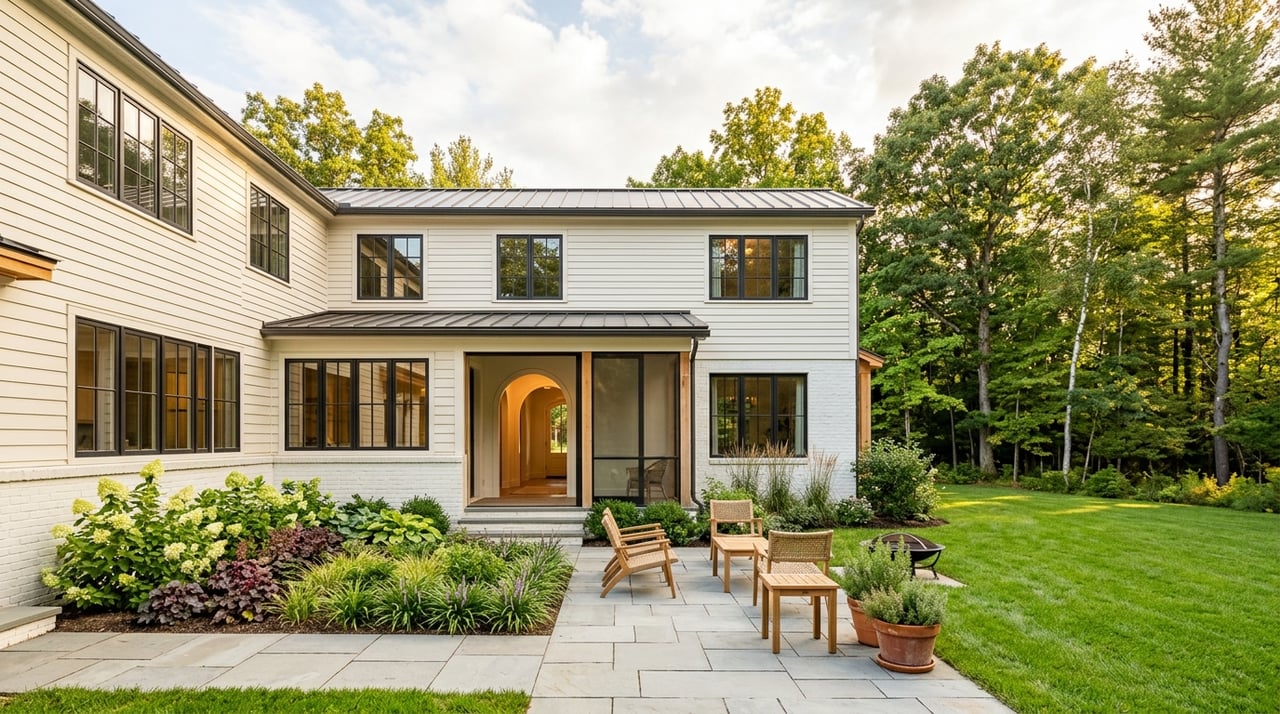
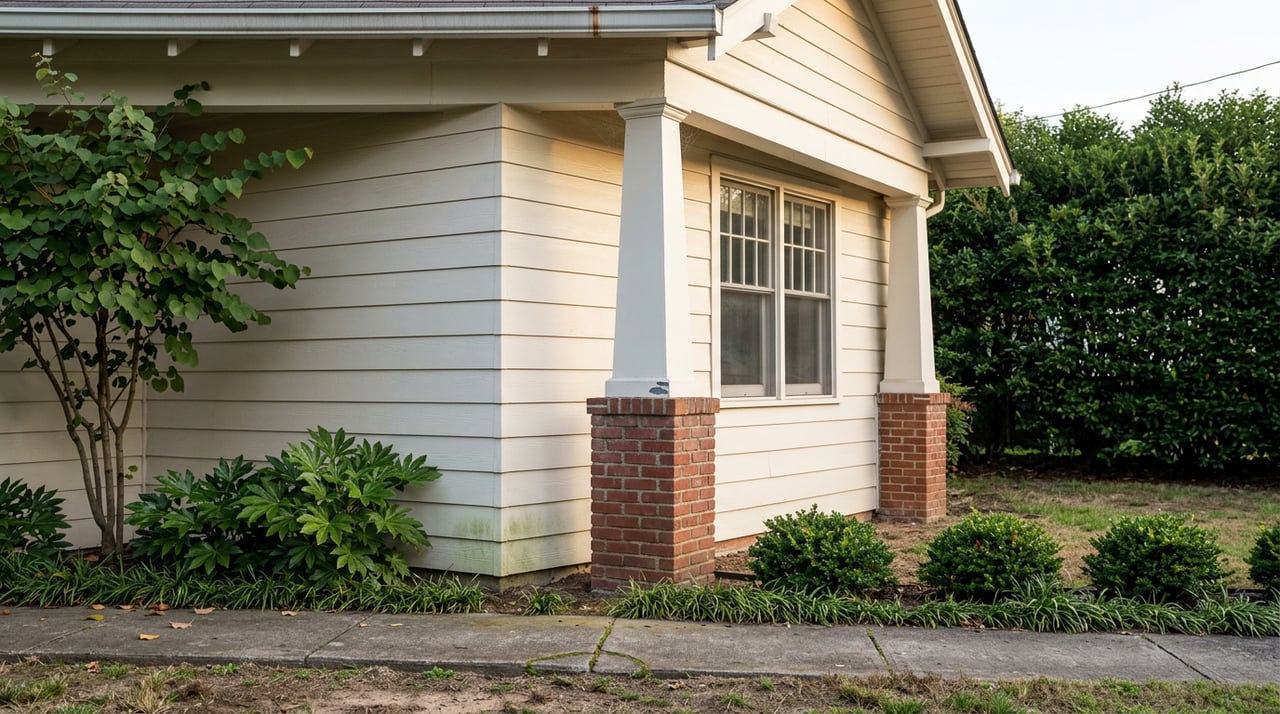
Here's the mechanism. Two lots on the same East Atlanta Village block can carry the same square footage, the same bungalow floor plan, even the same asking price range, and still be worth meaningfully different amounts to a buyer who wants the option to add a second unit. The difference isn't visible in a listing photo. It's in the backyard, and in a zoning code the city has been rewriting since 2015.
The Backyard Test
Atlanta allows accessory dwelling units, ADUs, on lots zoned R-4, R-4A, and R-5. As of May 2026, these three residential districts covered more than 60 percent of the city's residential land, and much of East Atlanta Village's older single-family stock sits inside them. Georgia has no statewide ADU law, so every rule that matters here is a local one, written into the Atlanta Land Development Code.
Under the current rules, a detached ADU can be up to 750 square feet or half the size of the main house, whichever is smaller. But the setback that actually determines whether that ADU fits depends entirely on which subdistrict the lot falls in:
- In R-4 and R-4A, the rear setback is 15 feet and the side setback is 7 feet.
- In R-5, both the rear and side setbacks drop to just 4 feet, giving those lots meaningfully more buildable rear yard.
- On a corner lot, there's an added side-street setback of 17.5 feet in R-4 and 15 feet in R-4A and R-5.
- If a lot backs onto an alley, the rear setback is measured from the alley's centerline instead of the property line, which can add several feet of usable depth.
Run the math on a modest ADU footprint of 14 feet of building depth in an R-4 or R-4A lot, and the front of that structure has to sit at least 29 feet from the rear property line once the setback is added in. A backyard shorter than about 40 feet from the house to the rear line starts to get tight. An R-5 lot with the same house doesn't have that problem. Two comparable East Atlanta Village properties, one buildable second unit, one not, and nothing about that shows up in a comps sheet unless someone pulls the parcel's zoning and measures the yard.
A Rewrite That's Deliberately Not a Rewrite
The version of the zoning code Atlanta is working through right now, sometimes called ATL Zoning 2.0, would change several of those numbers. The most recent public tracking, as of mid-2026, still shows it unadopted. If it passes largely as drafted, current proposals would:
- Raise the detached ADU size cap from 750 to 1,000 square feet
- Allow attached ADUs, like a basement apartment or garage conversion, for the first time
- Raise the height limit from 20 to 24 feet, enough for a unit over a garage
- Reduce the rear and side setback in R-4, R-4A, and a new R-4B district to 4 feet, matching what R-5 lots already get
- Allow three total units in R-5, meaning a duplex plus an ADU, or a single-family home plus two ADUs
| Current rule | Proposed (not yet adopted) | |
|---|---|---|
| Detached ADU max size | 750 sq ft | 1,000 sq ft |
| Height limit | 20 ft | 24 ft |
| Attached ADUs | Not allowed | Allowed |
| R-4 / R-4A rear setback | 15 ft | 4 ft |
| Max units on R-5 lot | 2 | 3 |
That last column matters for East Atlanta Village specifically. A tight backyard that can't legally fit a second unit today, because it falls three or four feet short of the current 15-foot rear setback, could clear that bar the moment the rewrite drops that number to 4 feet. The lot doesn't change. The code around it does.
Half the City Already Lives This Way
None of this is theoretical for Atlanta as a whole. The Department of City Planning has documented at least 2,418 two- and three-family housing units already standing in neighborhoods zoned exclusively for single-family use, including Atkins Park, Virginia-Highland, Morningside, Lenox Park, West End, Grove Park, and Adair Park. Duplexes and small multi-unit buildings tucked into single-family blocks aren't a hypothetical outcome of the zoning rewrite. They're already part of the fabric in the neighborhoods East Atlanta Village gets compared to most often.
That history is part of why the current rewrite reads as cautious rather than sweeping. The planning department's own housing proposal notes that the original 2017 vision for expanding ADU allowances into R1 through R3 districts got pulled back after resident feedback, and R1 through R3 remain outside the ADU allowance entirely, both today and under the current draft. The rewrite is extending and formalizing a pattern that's already visible on the ground in East Atlanta Village's peer neighborhoods, not inventing a new one.
What to Check Before You Fall for a Lot in East Atlanta Village
If you're comparing small lots and a second unit is even a maybe for you, five minutes with the city's parcel data tells you more than the listing description will:
- Pull the parcel's zoning designation on the City of Atlanta's GIS property information map. R-4, R-4A, and R-5 each carry different setback math.
- Measure the depth from the back of the existing house to the rear property line. Anything under roughly 40 feet in an R-4 or R-4A lot deserves a closer look before you assume an ADU fits.
- Ask whether the lot backs onto a platted alley. That single detail can shift where the rear setback is measured from and open up buildable space a straight property-line measurement would rule out.
- If short-term rental income is part of your plan, know that Atlanta requires the owner to live on-site to legally operate an ADU as an Airbnb. Long-term rental carries no such occupancy requirement. That's a city ordinance, separate from the zoning code, and it applies regardless of which district the lot sits in.
- Ask your agent or a permit-savvy contractor whether the property is affected by any proposed R-4B redesignation, since that's a new district being created specifically for this rewrite.
The Value Nobody's Pricing Yet, Except the People Who Should Be
Every one of these facts is available today, in the current code, on a public map, in a published city planning proposal. None of it requires the rewrite to pass. A buyer who checks the setback math on a corner lot with alley access in East Atlanta Village is making a better-informed decision right now, whether or not Version 3 ever reaches a council vote. If it does pass close to its current draft, the lots that already cleared today's stricter setback math get more room to build, and the ones that didn't quite qualify might clear the bar for the first time. Either way, the backyard was always the asset. The code just hasn't finished catching up to it.
Straight Answers for Lot Shoppers
- Do I need to live in the ADU to rent it out? No, not for a long-term rental. Atlanta's ADU rules carry no owner-occupancy requirement for standard leasing. Short-term platforms like Airbnb are a different matter and do require the owner to live on-site.
- Is East Atlanta Village zoned R-4, R-4A, or R-5? It varies by parcel. Pull your specific address on the city's GIS property map before assuming either way.
- When does the zoning rewrite take effect? As of mid-2026, the proposal has not been adopted. The planning department is working through what it has described as a possible final draft, but no vote date has been set.
- Can I add an ADU on a lot zoned R-1, R-2, or R-3? Not under current rules, and not under the current rewrite draft either. Those districts remain outside the ADU allowance.
Small-lot infill is where The Sly Team spends most of its time, from reading a parcel's zoning before you tour it to walking builders through what a lot can legally support. If you're weighing a purchase in East Atlanta Village and want someone to run the numbers on a specific address before you write an offer, get started with The Sly Team.