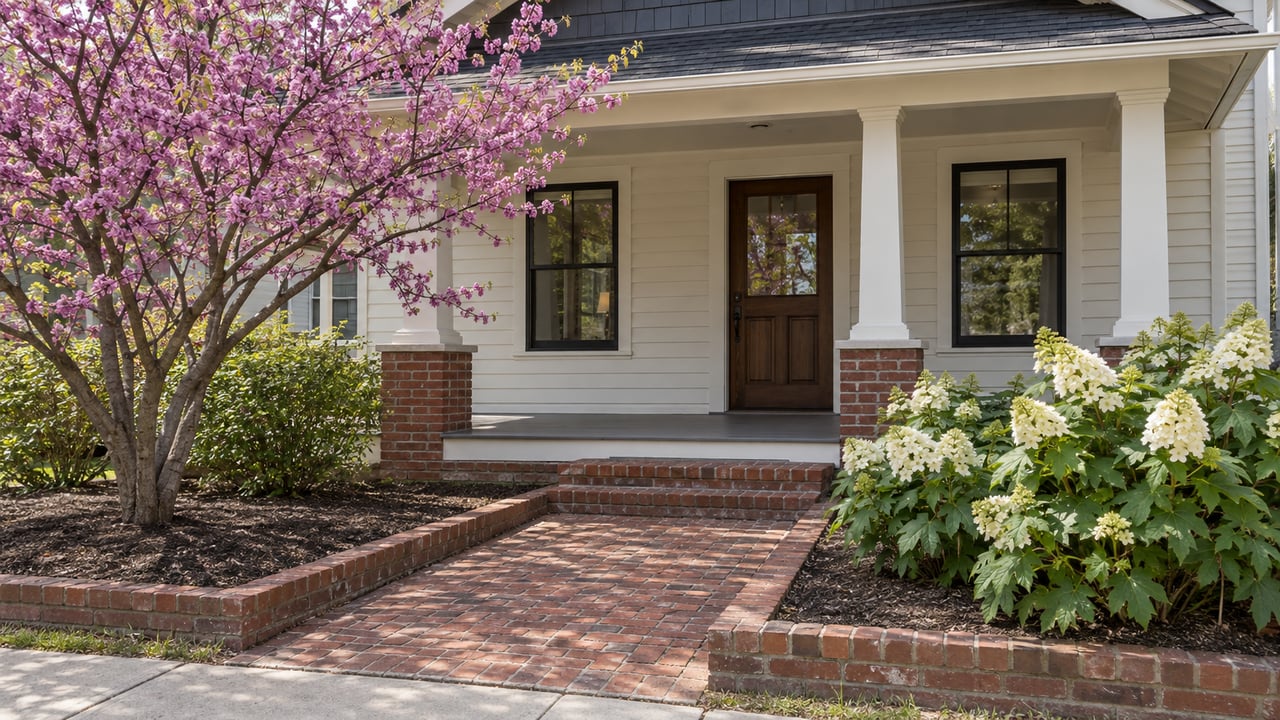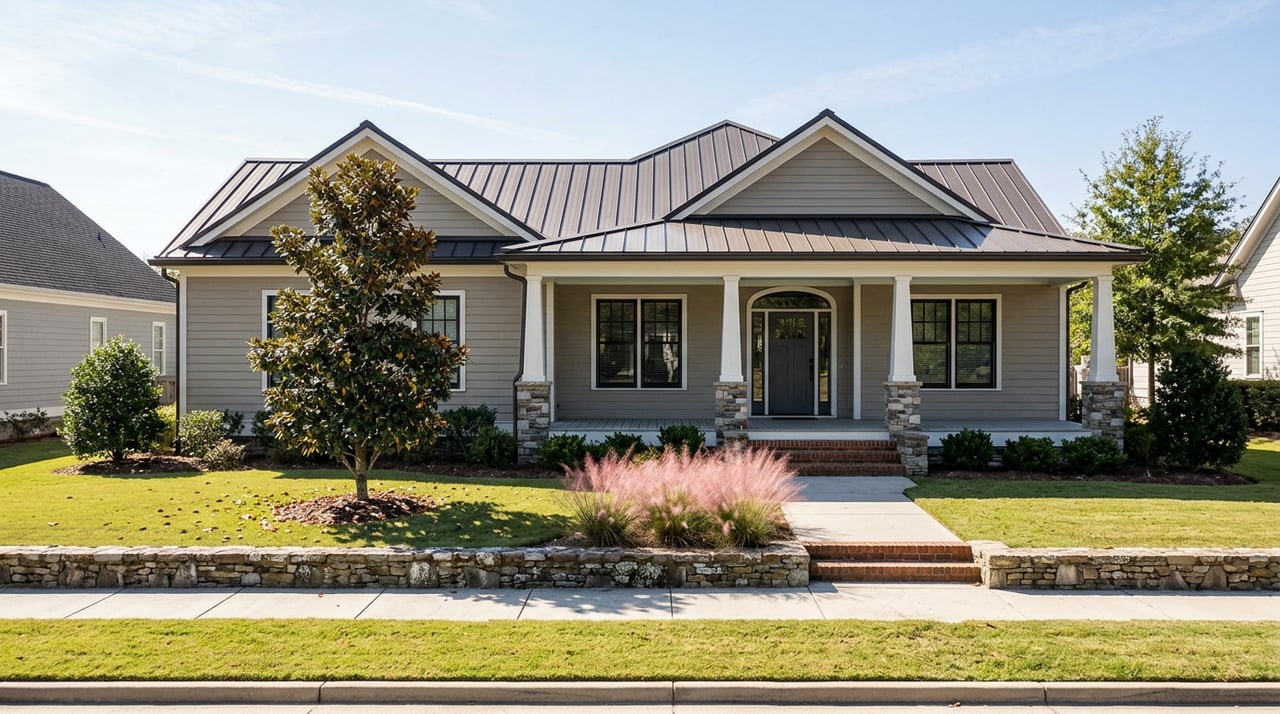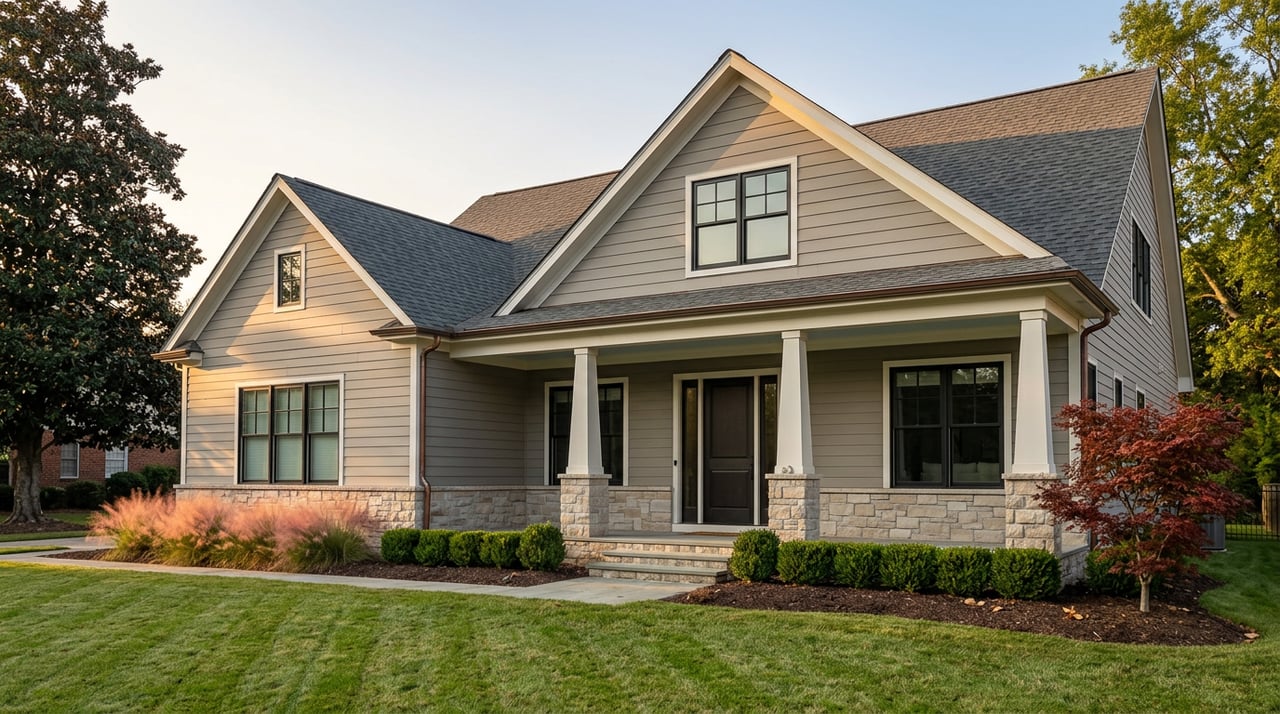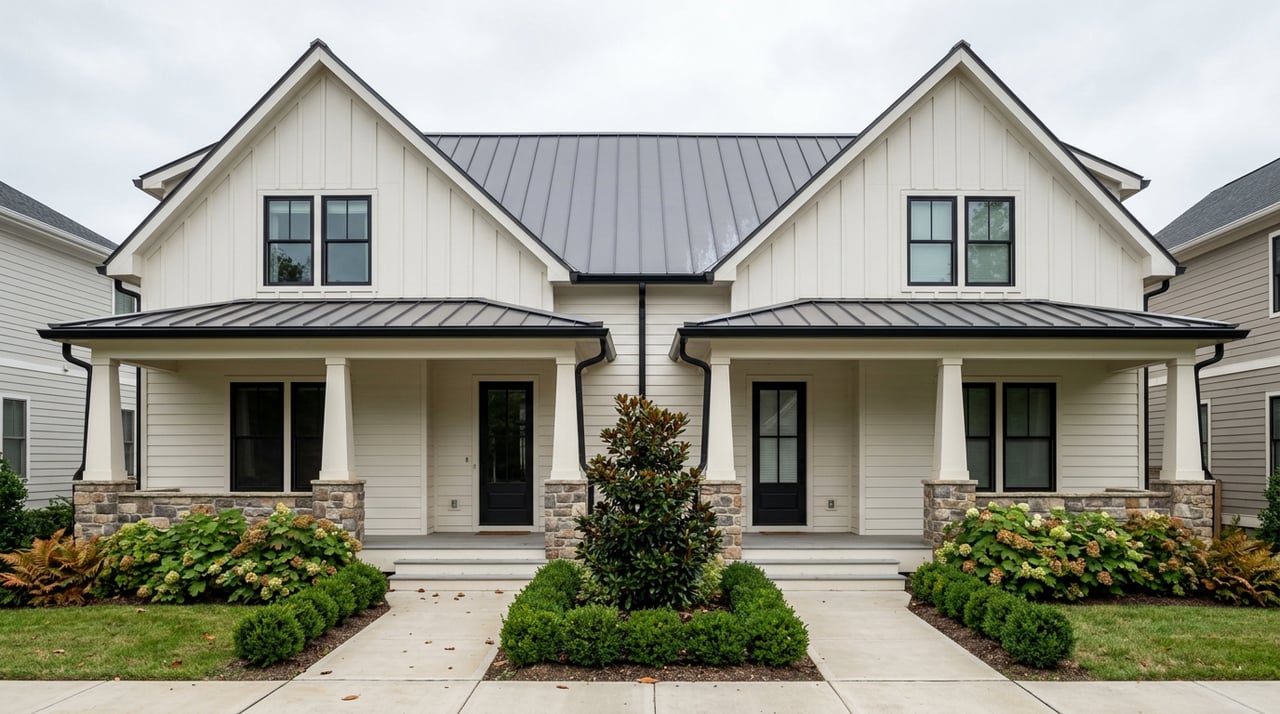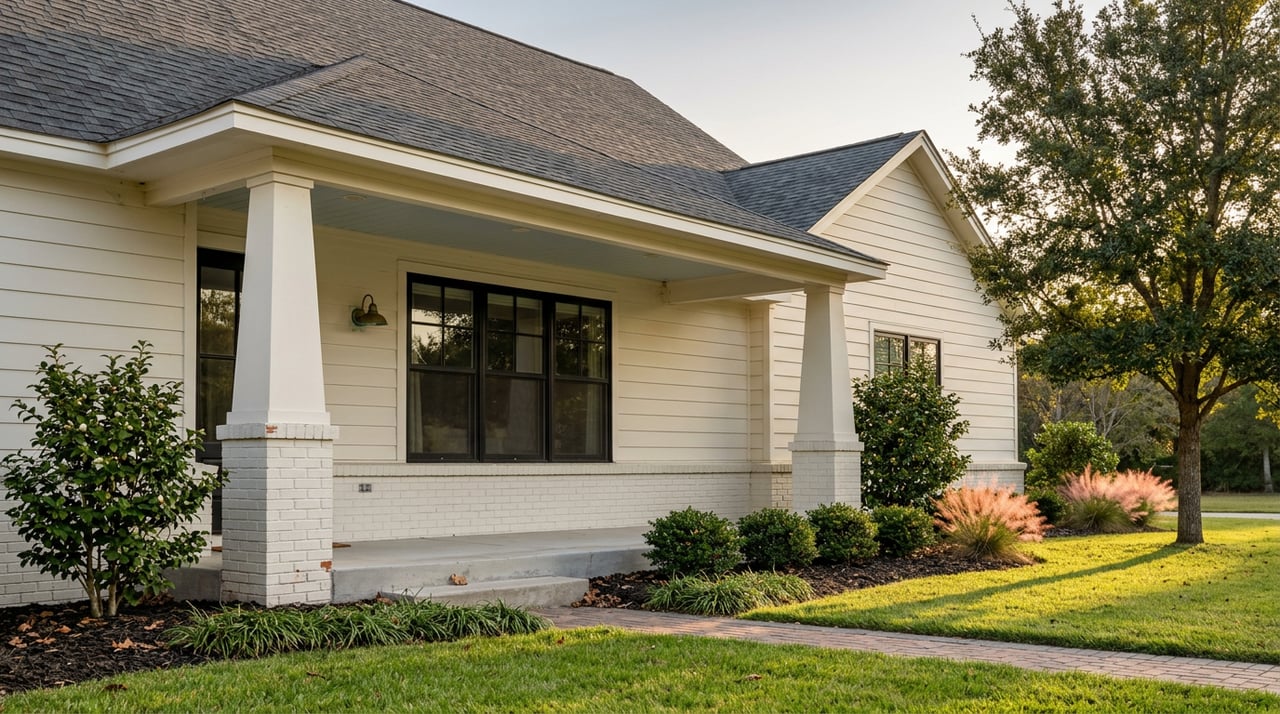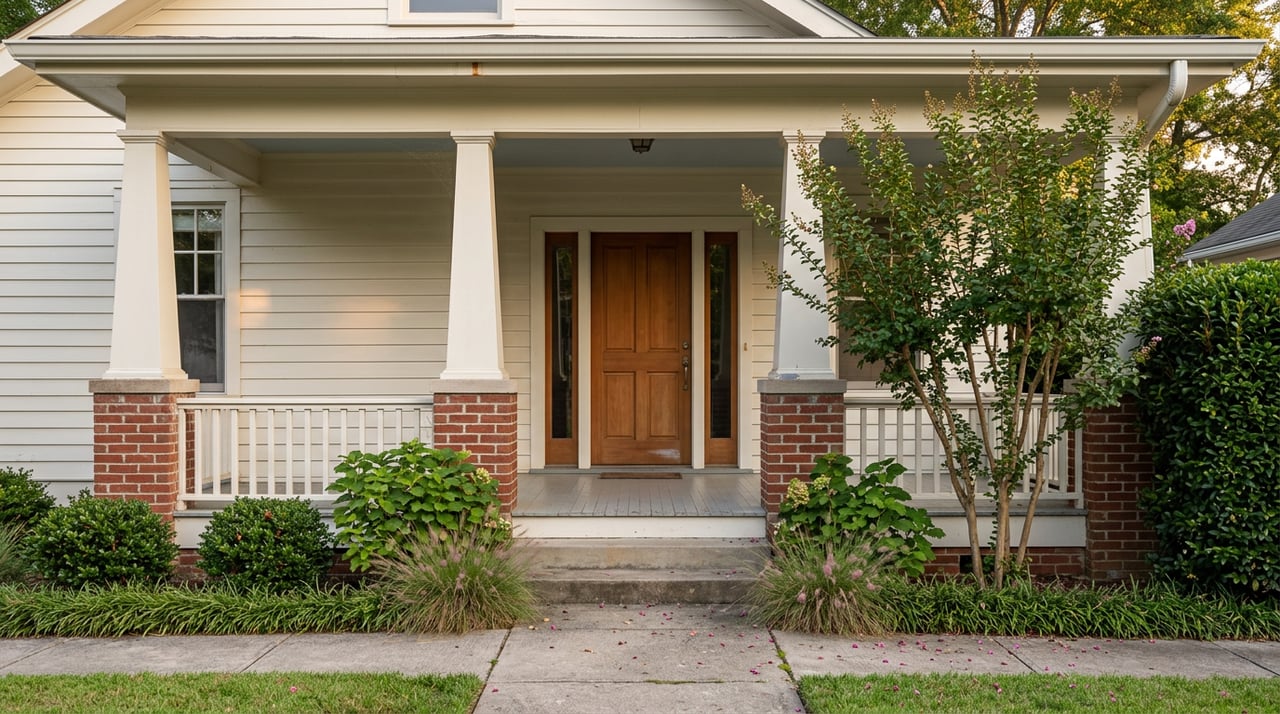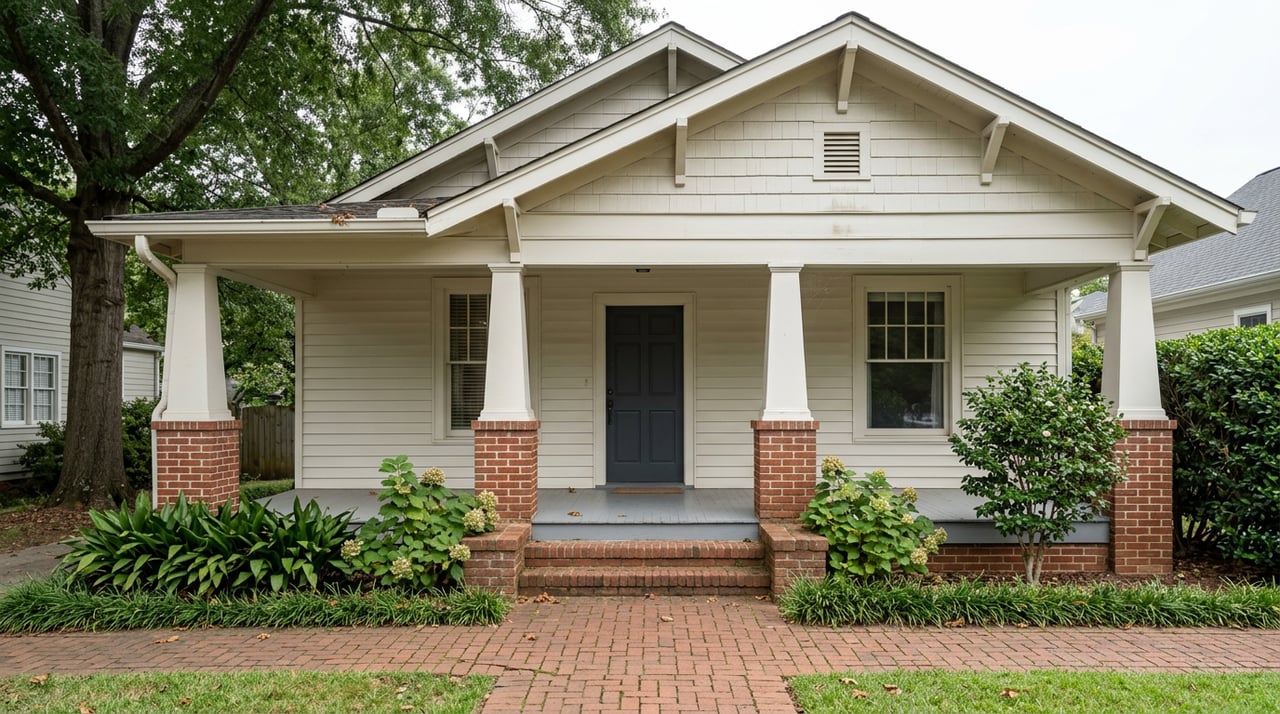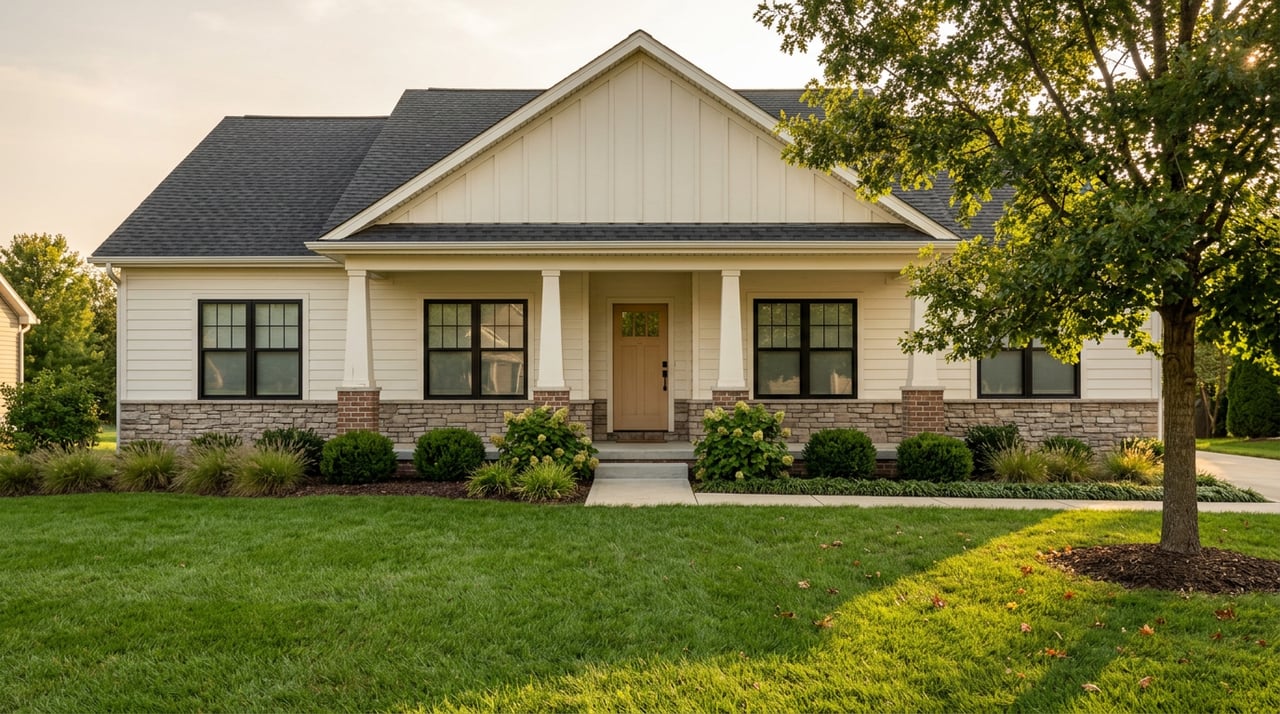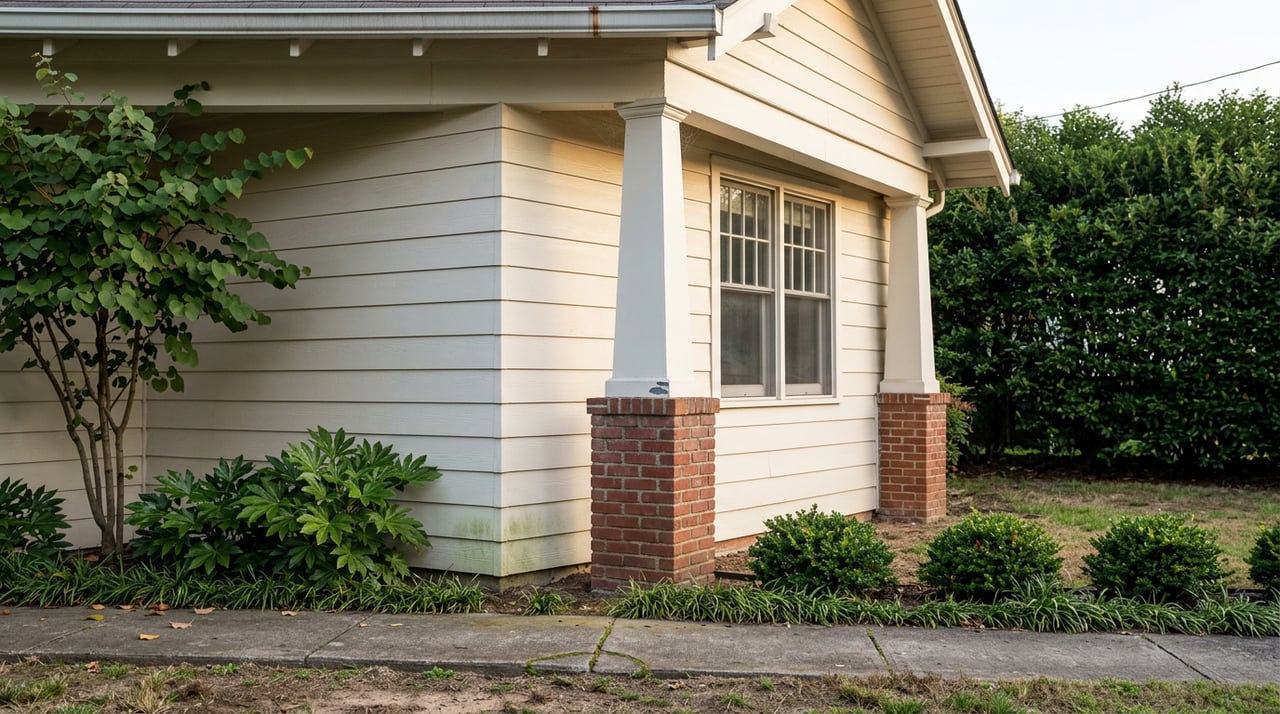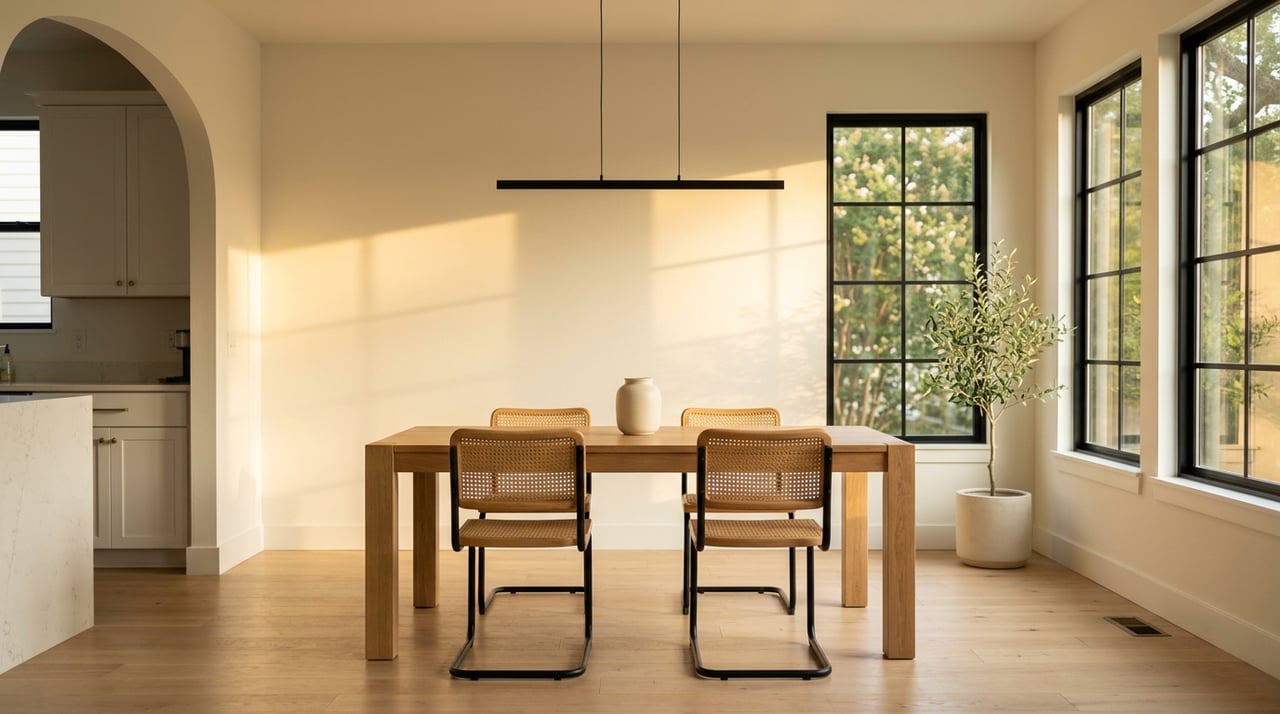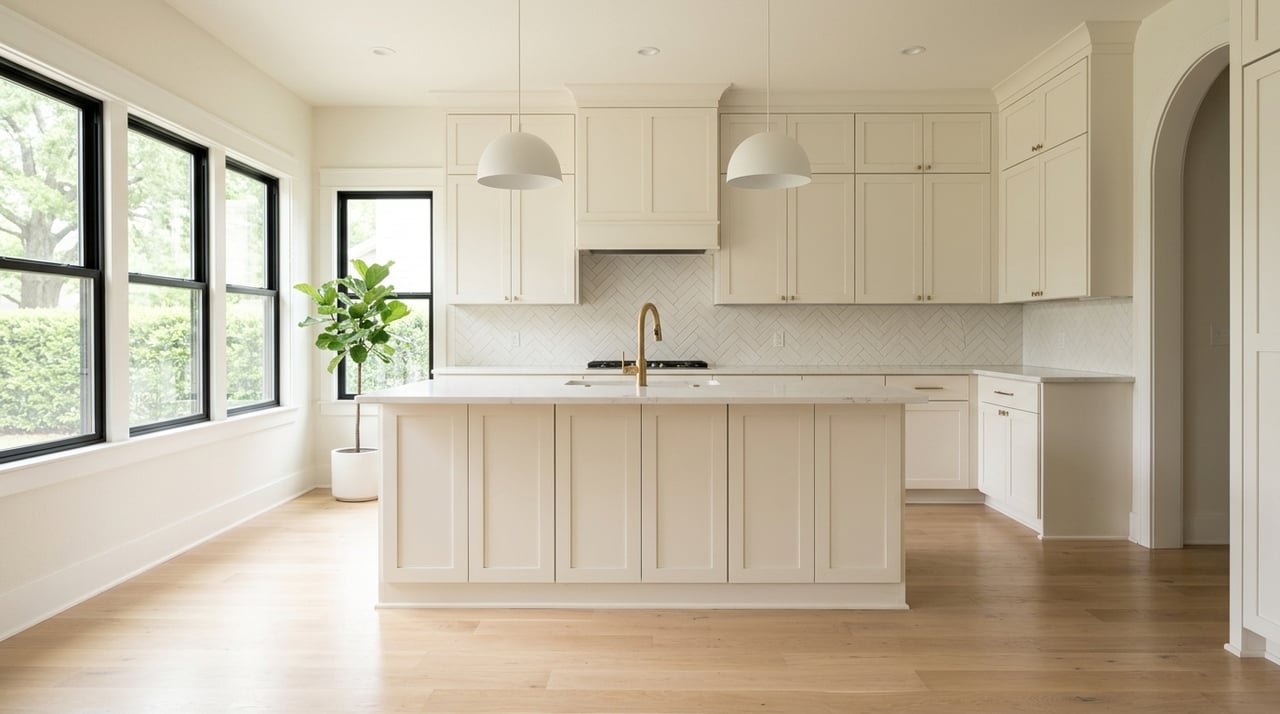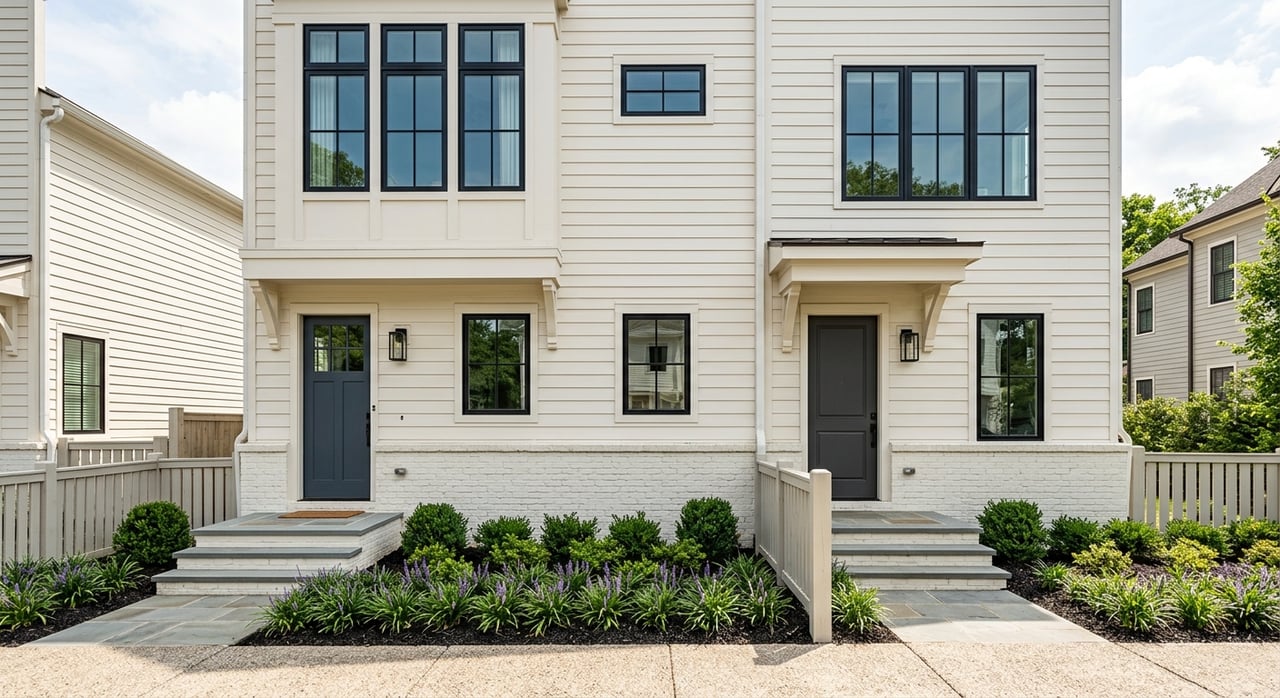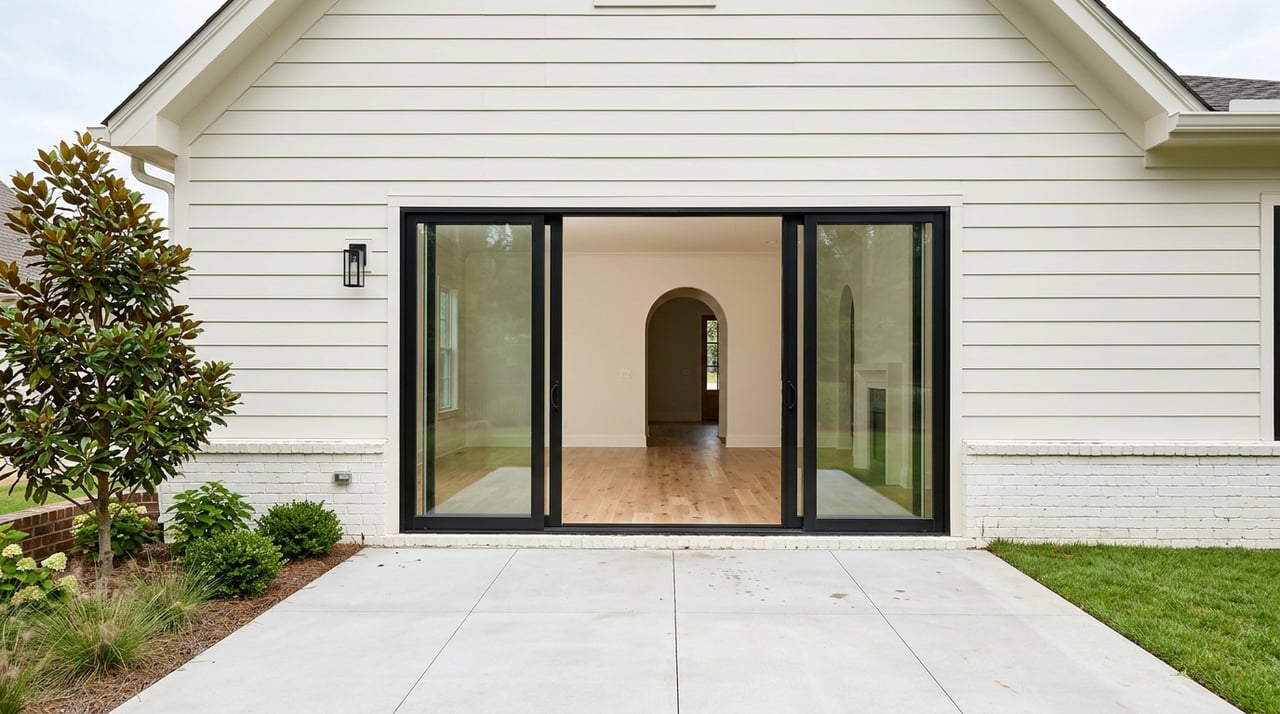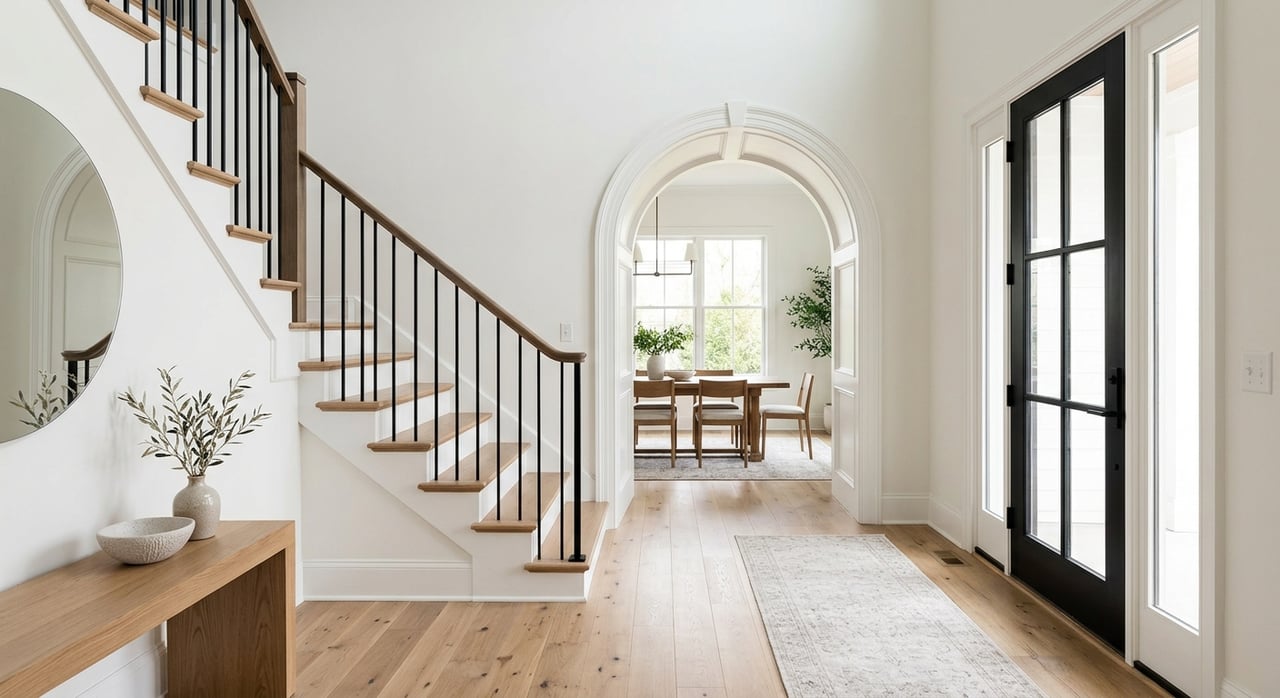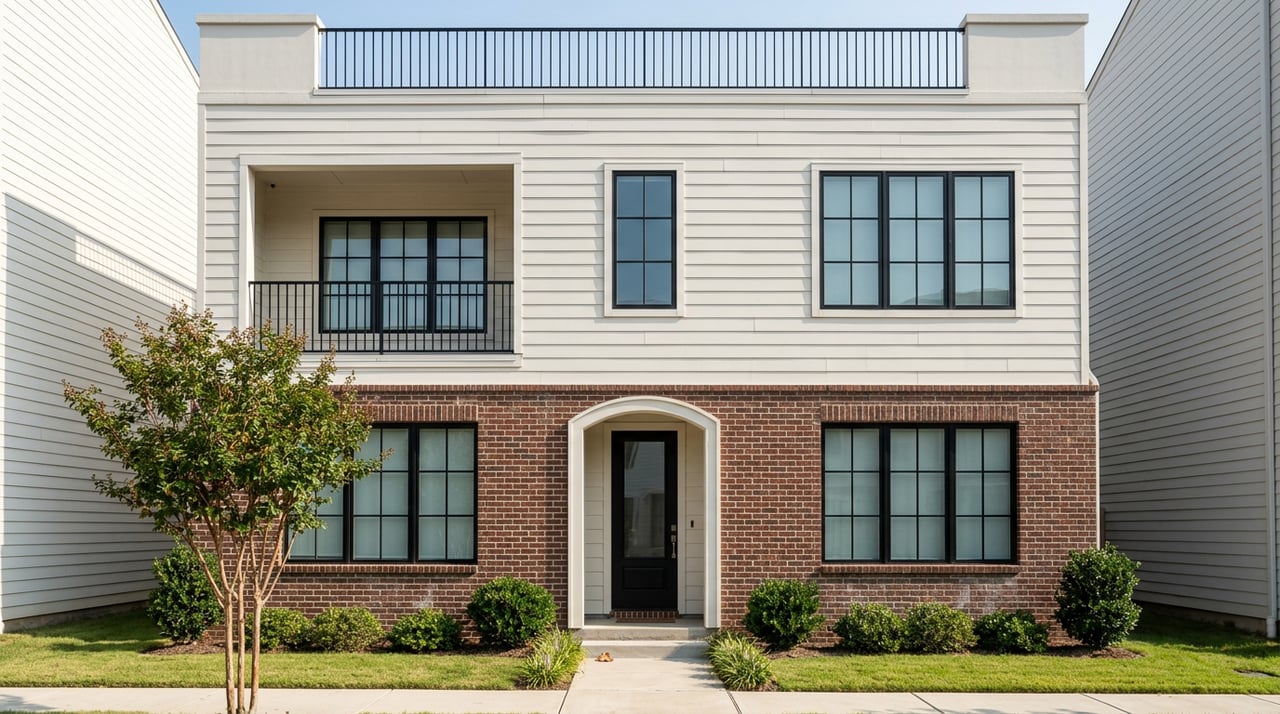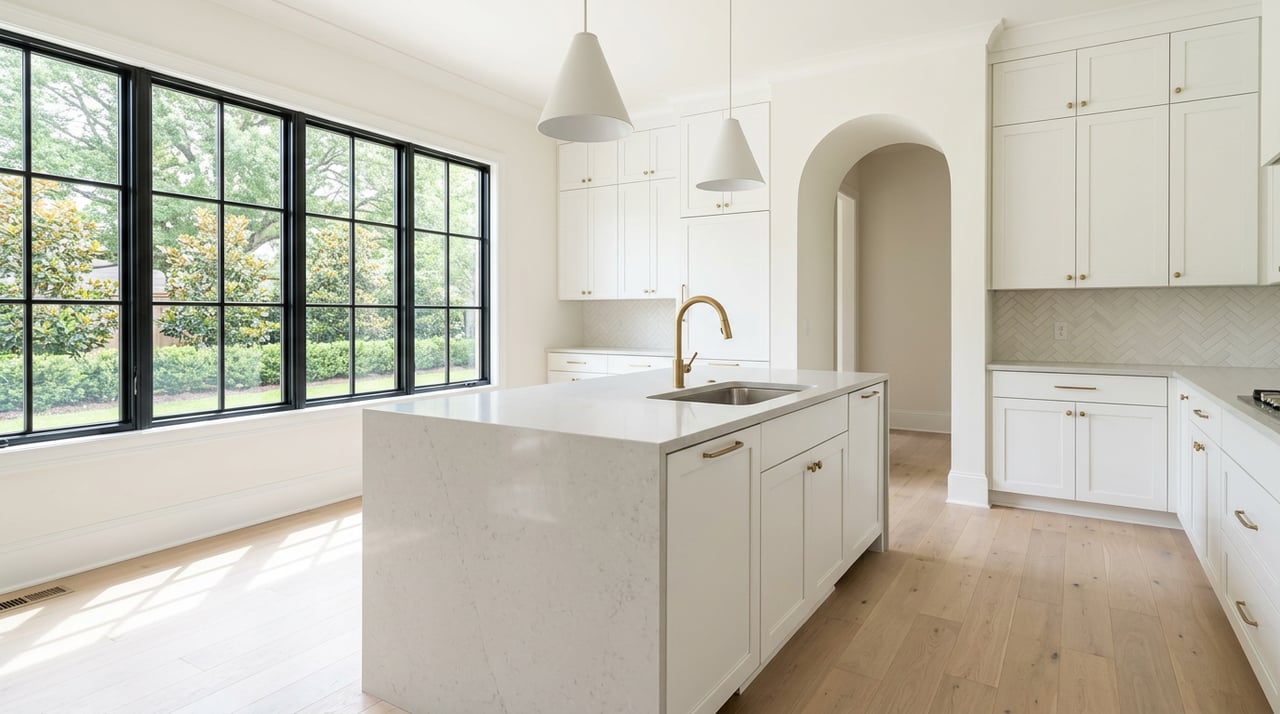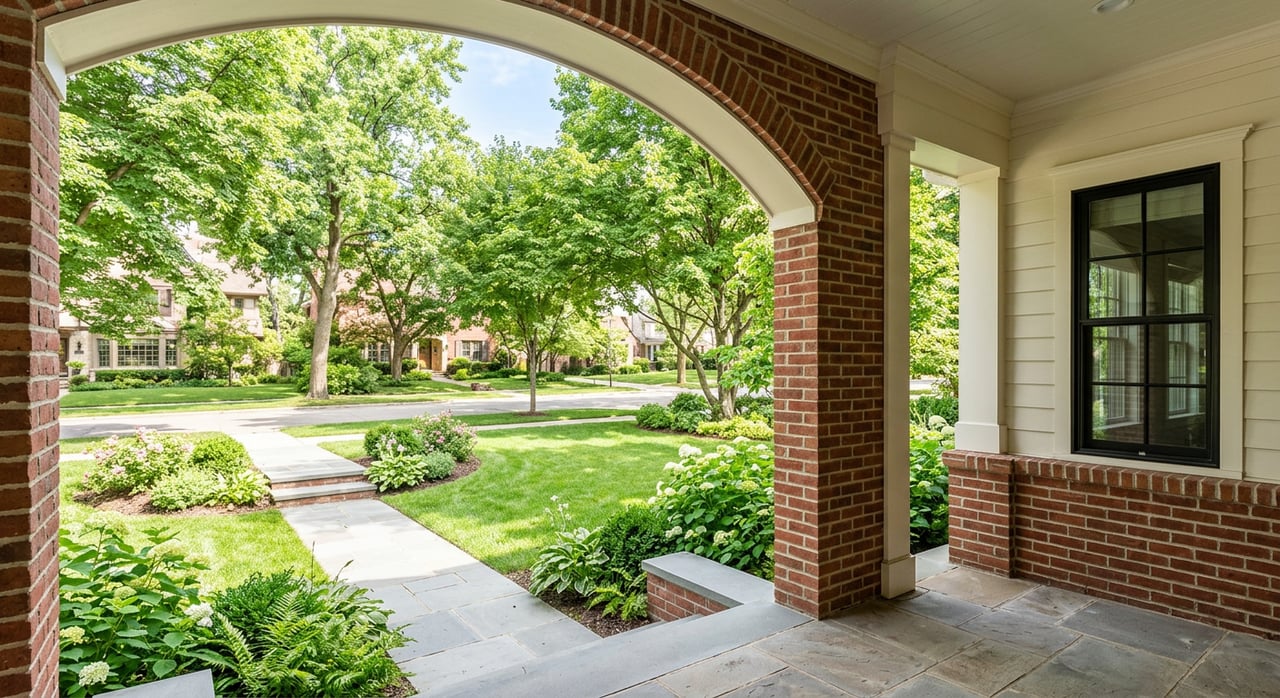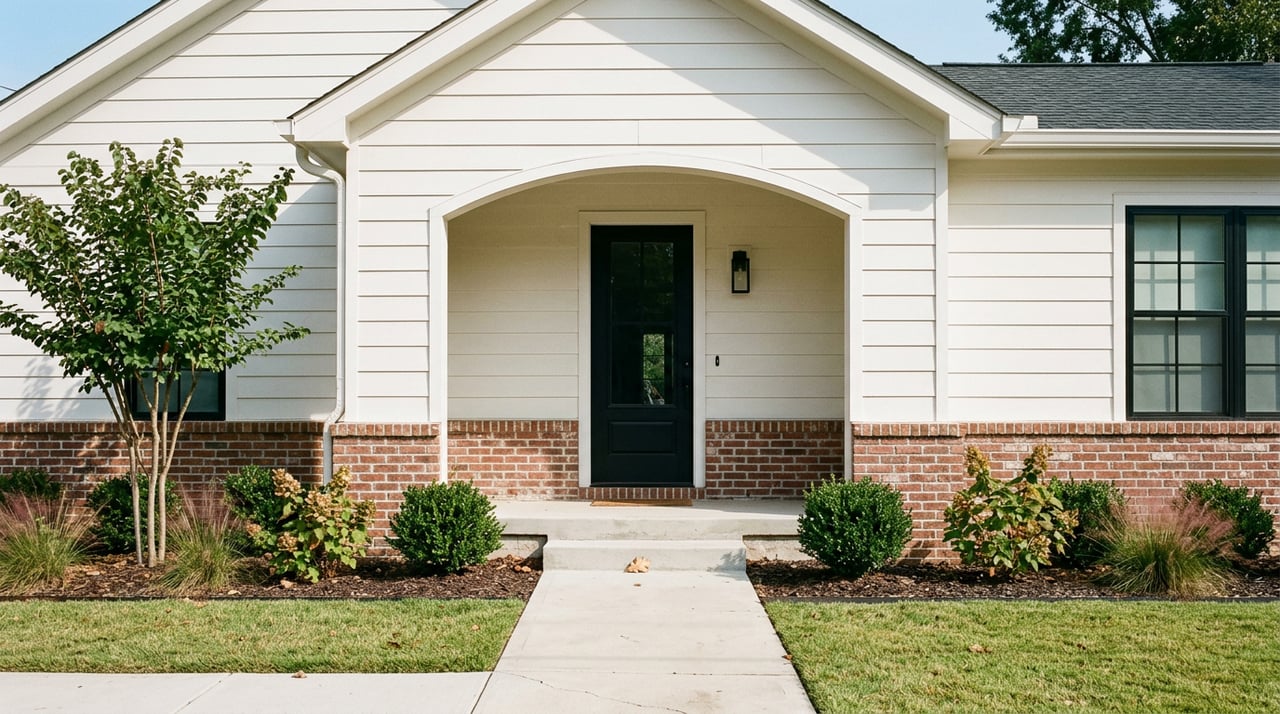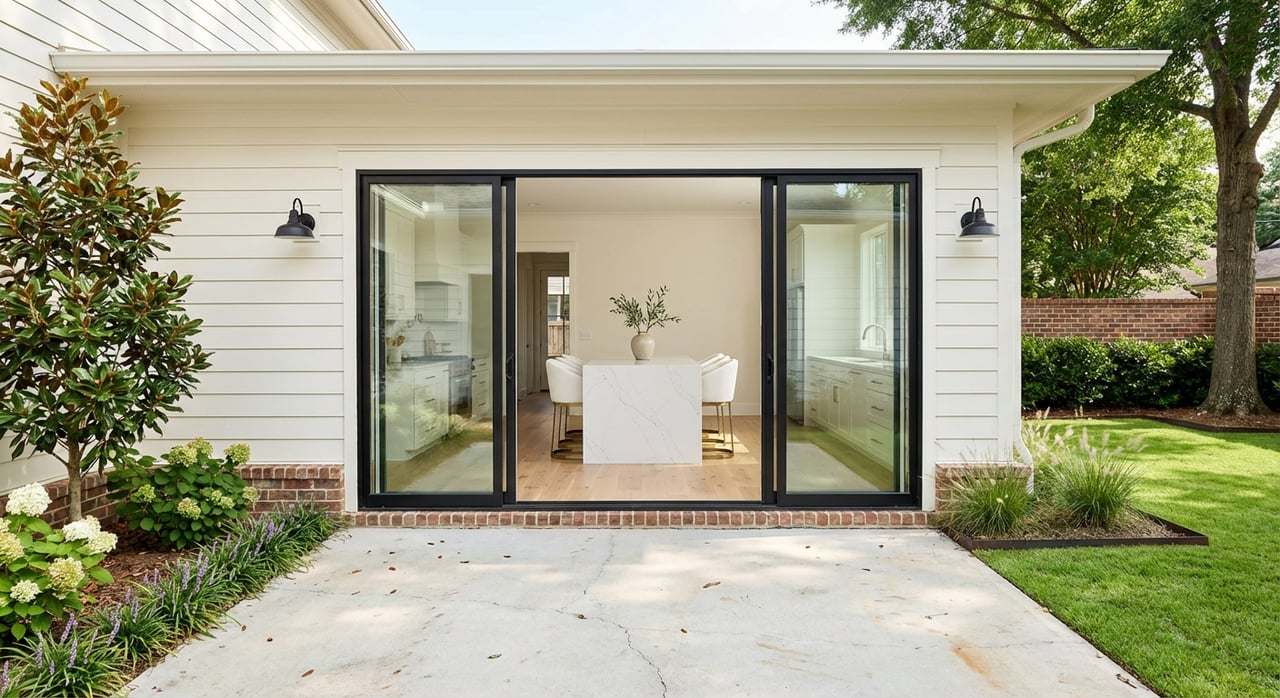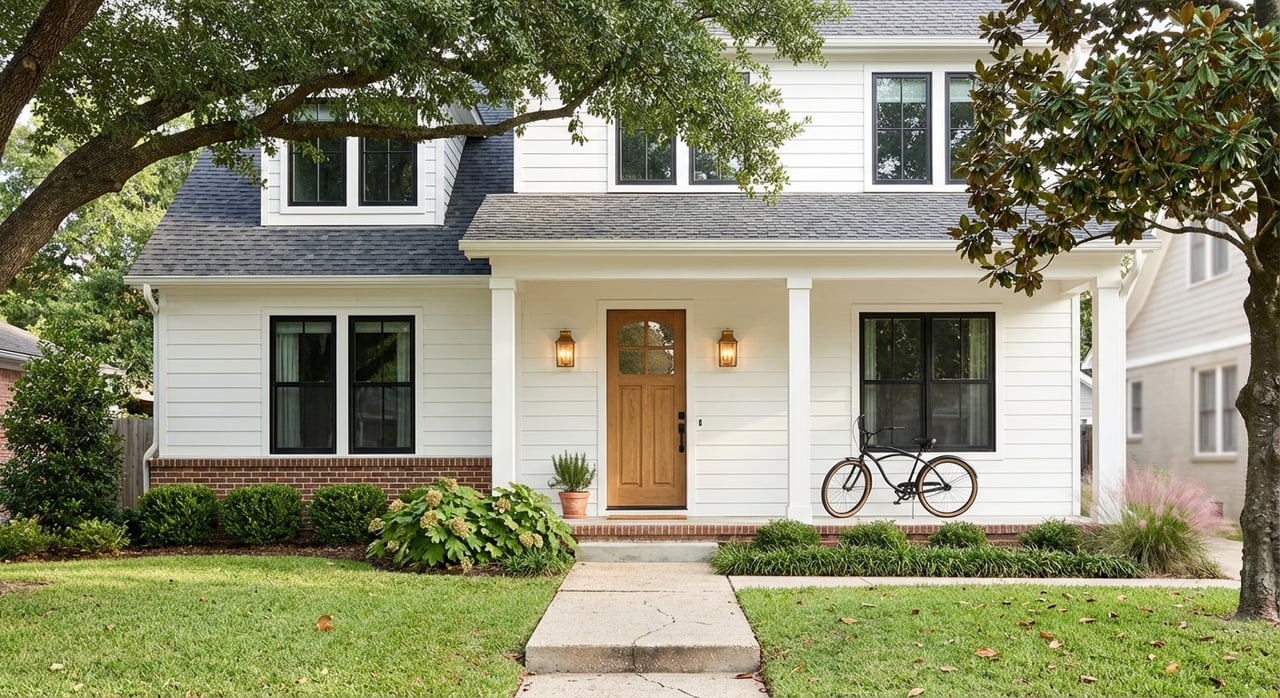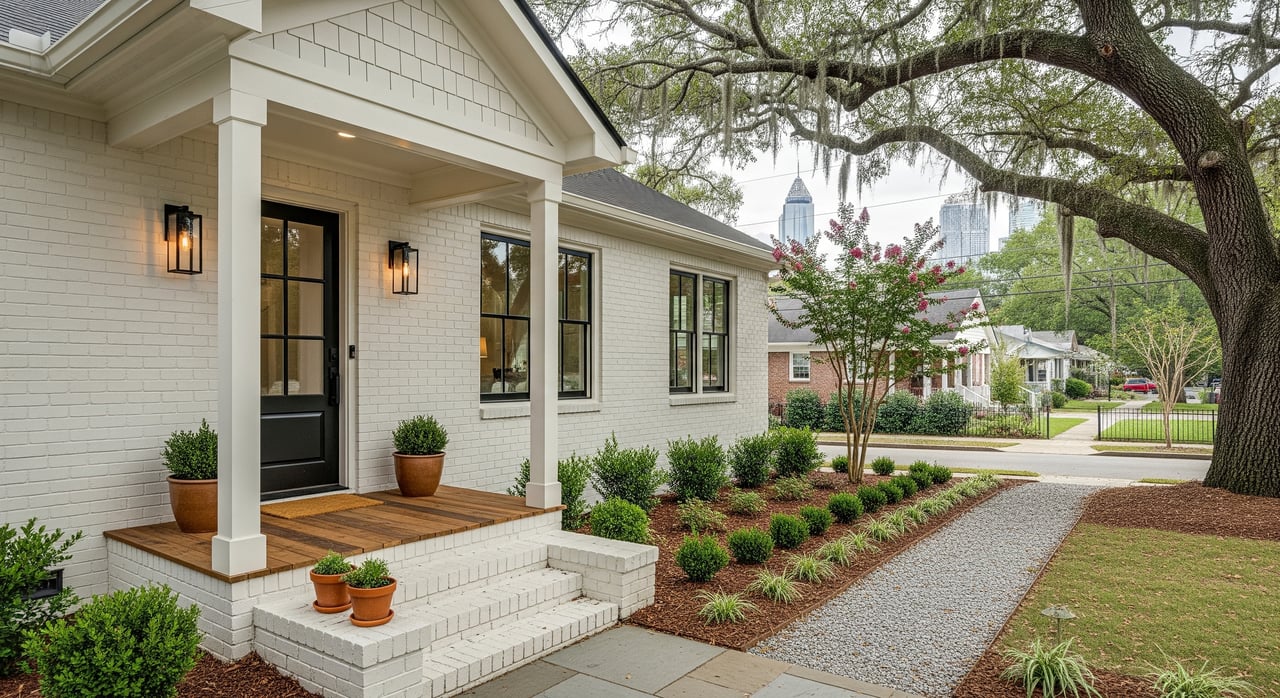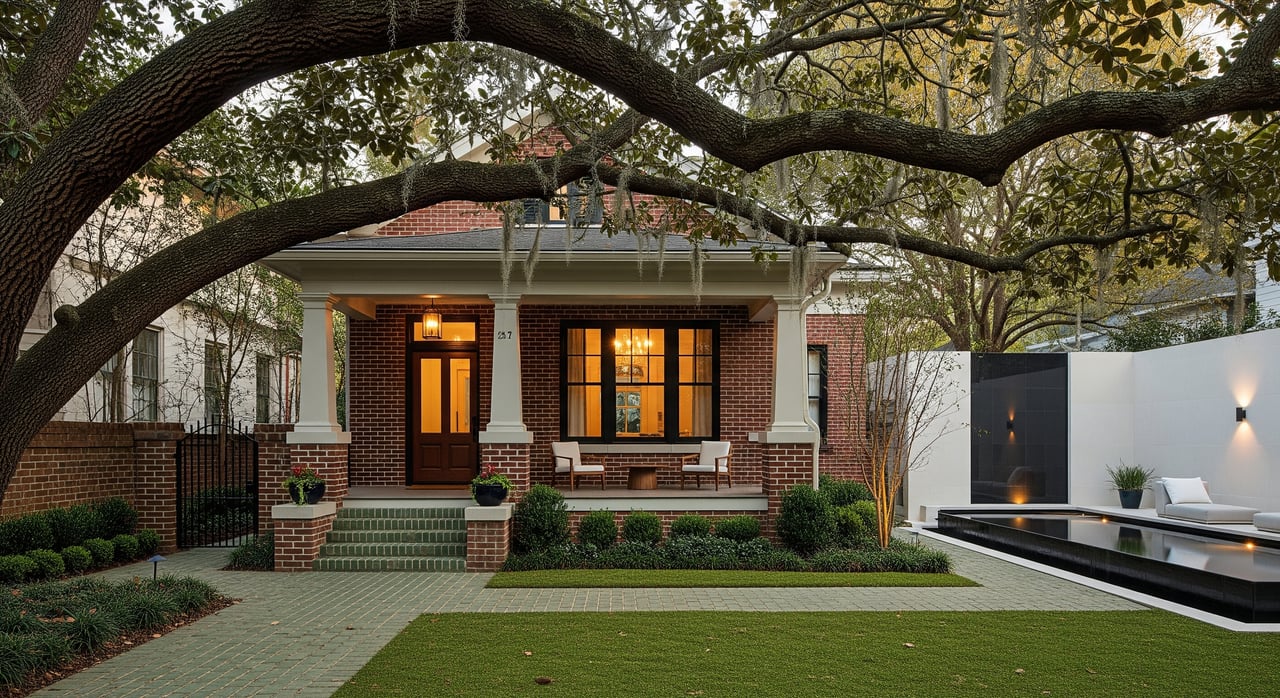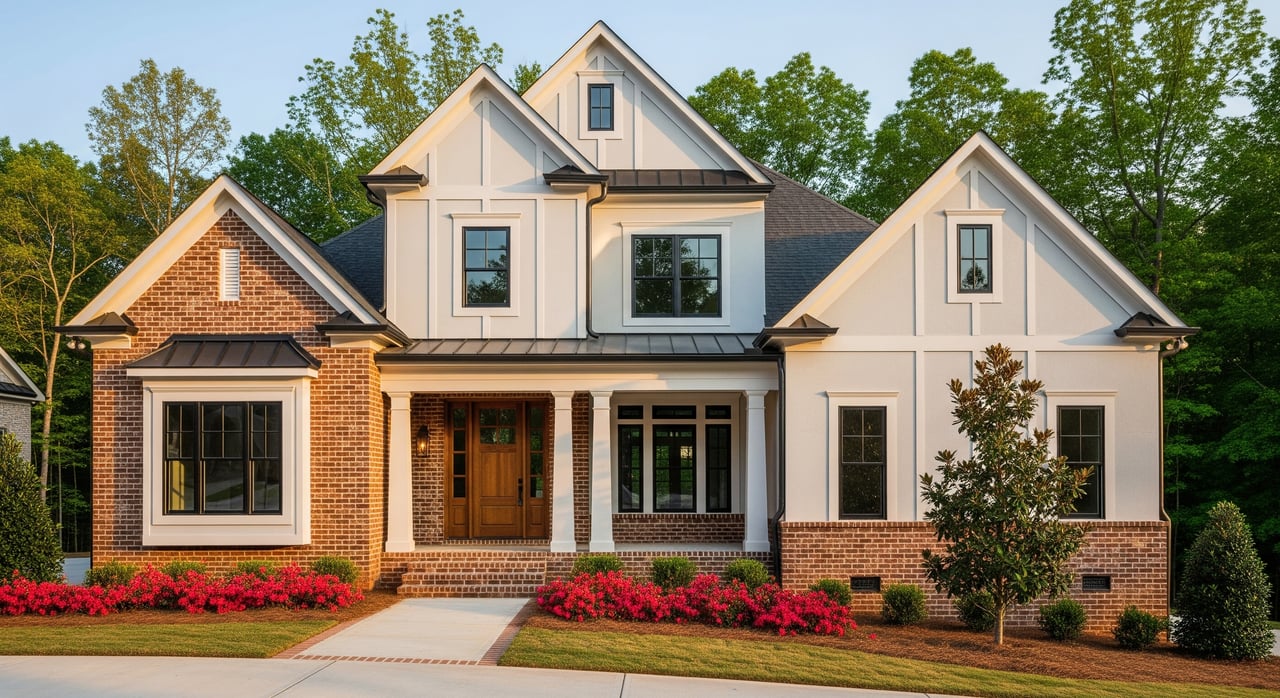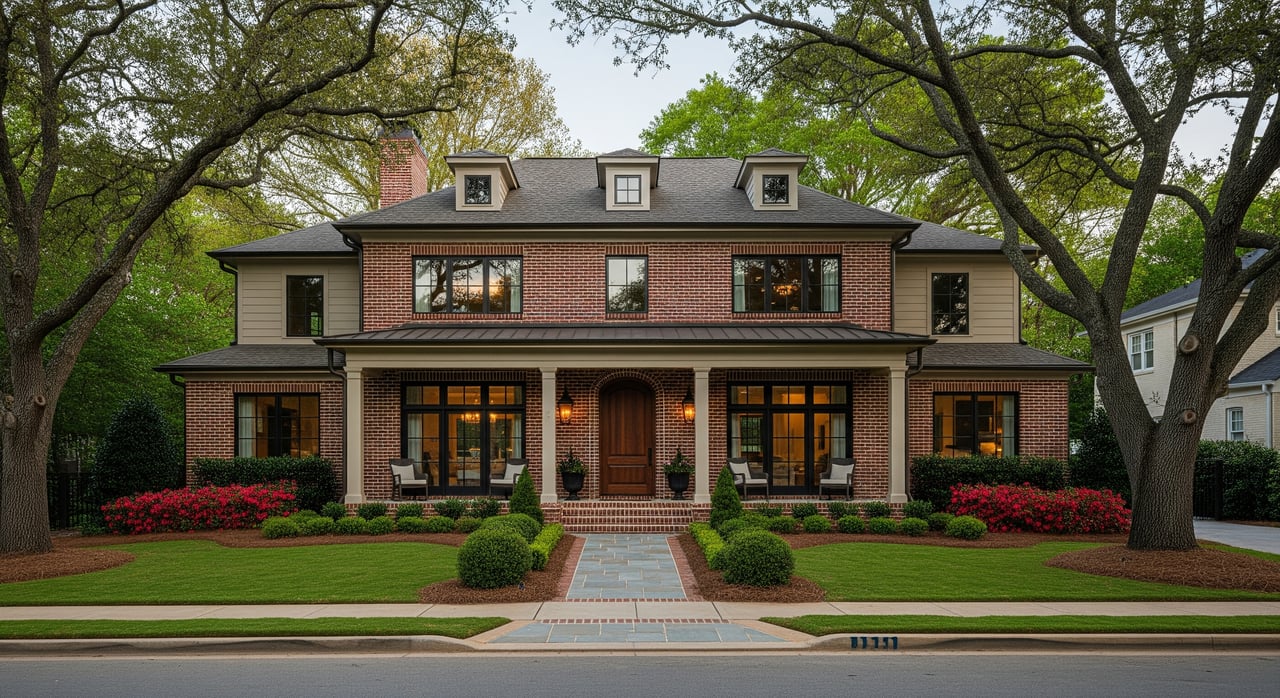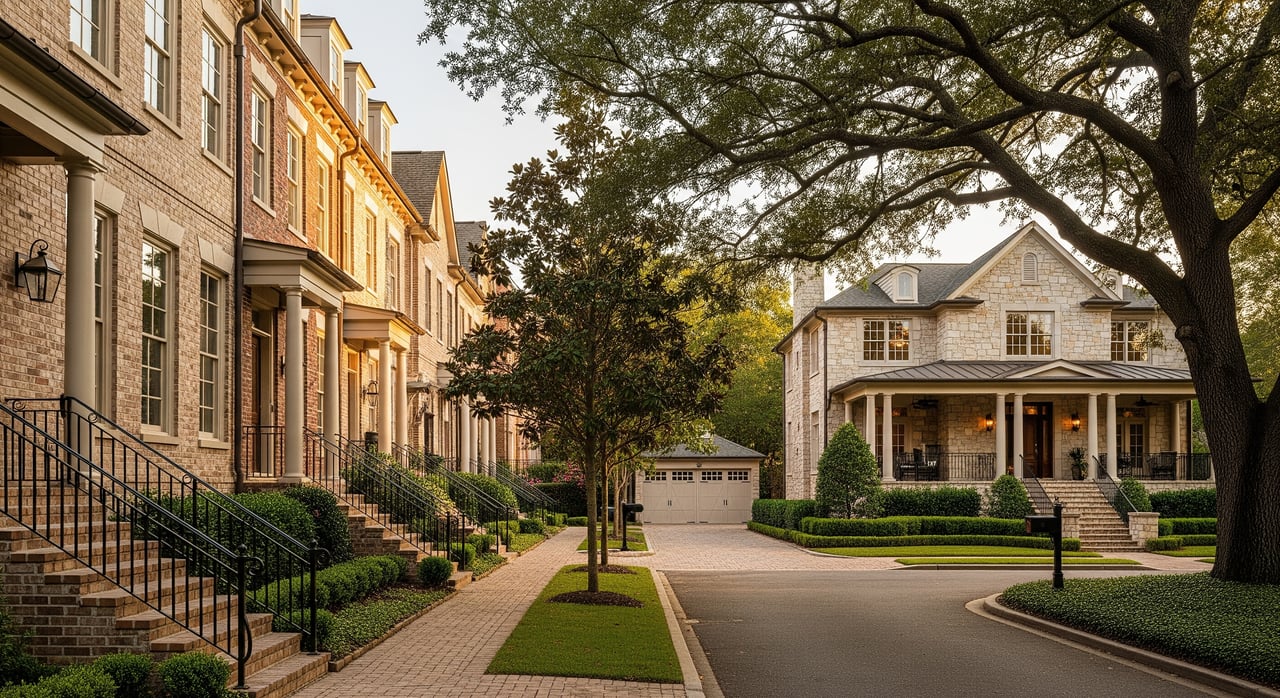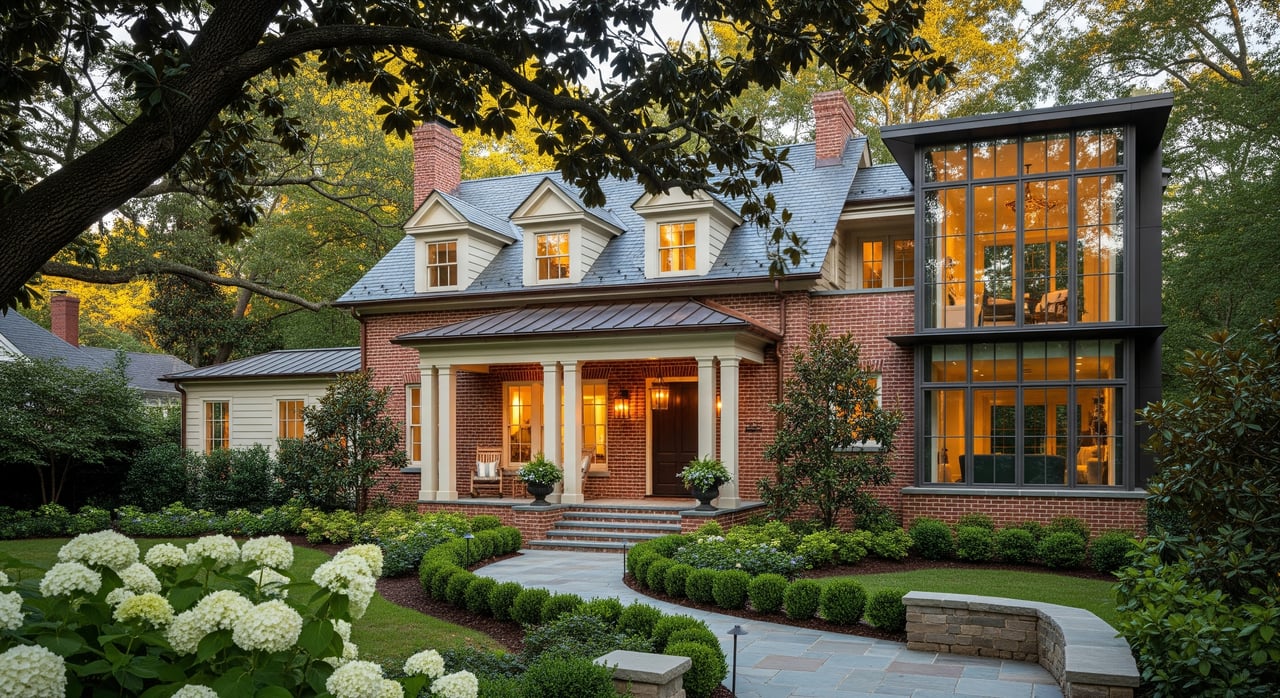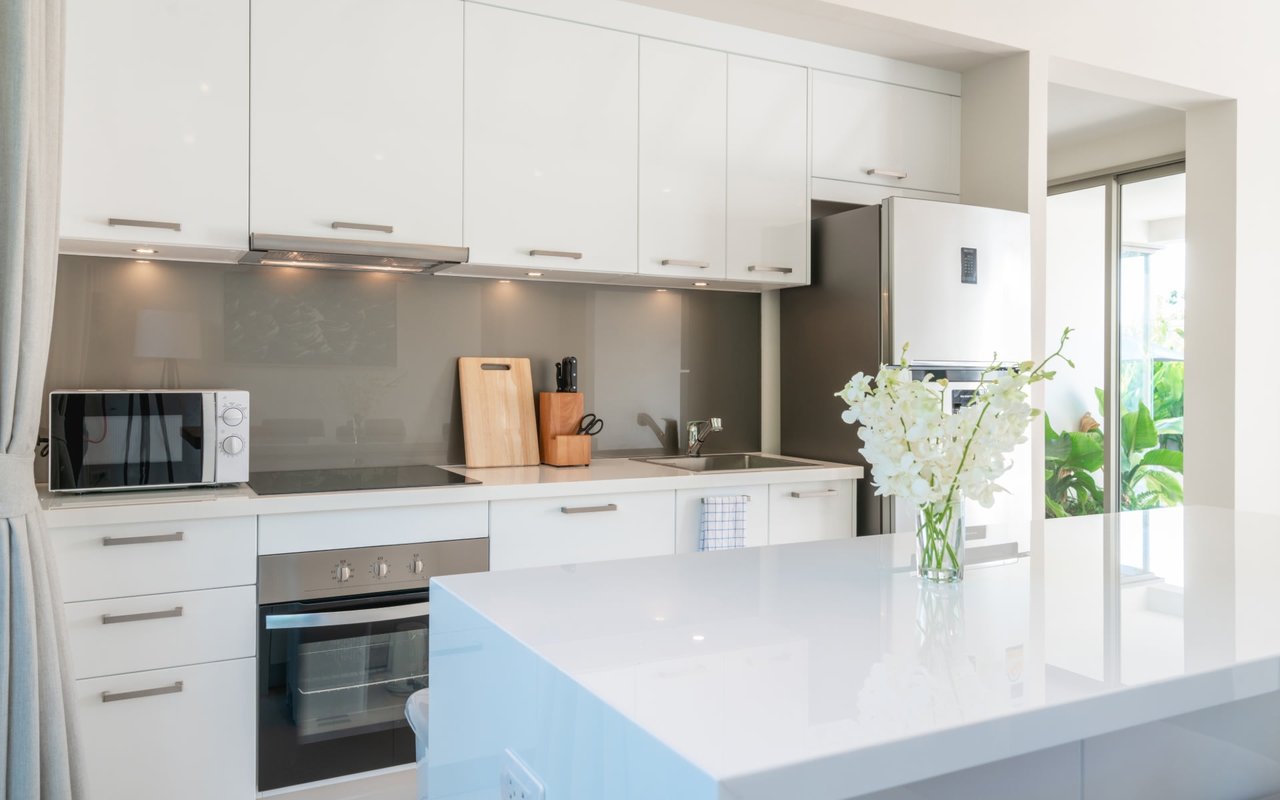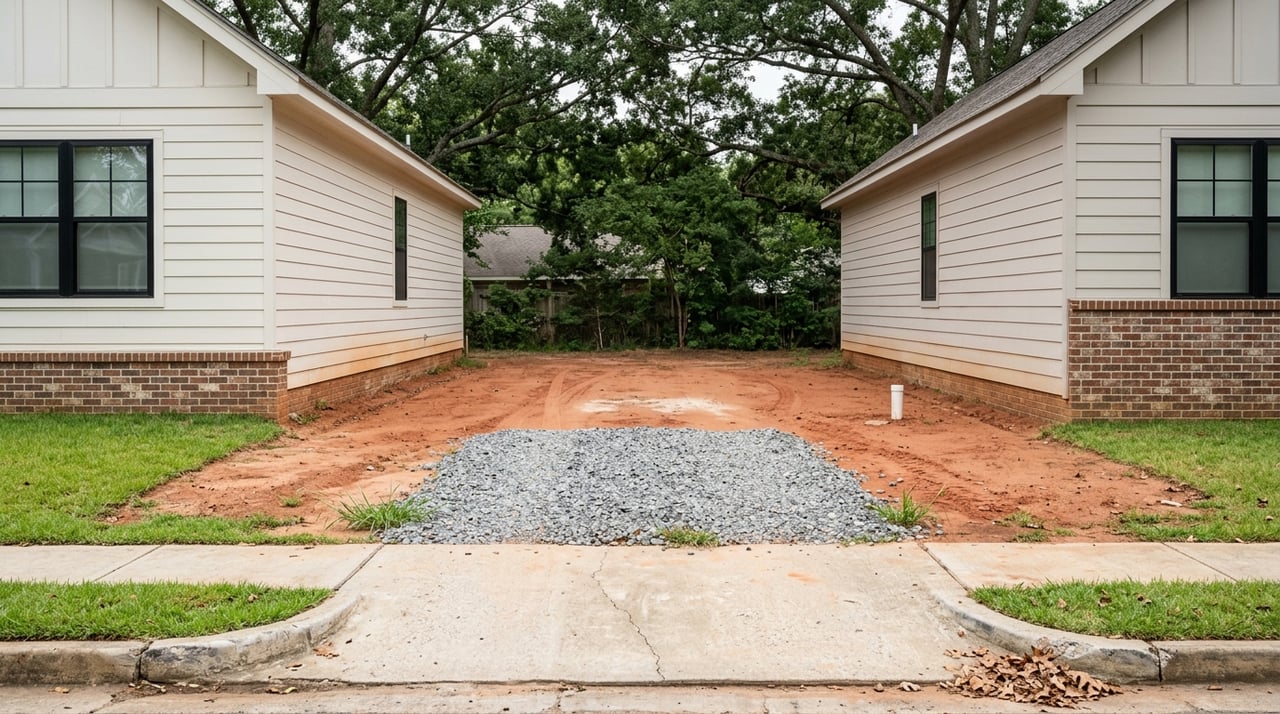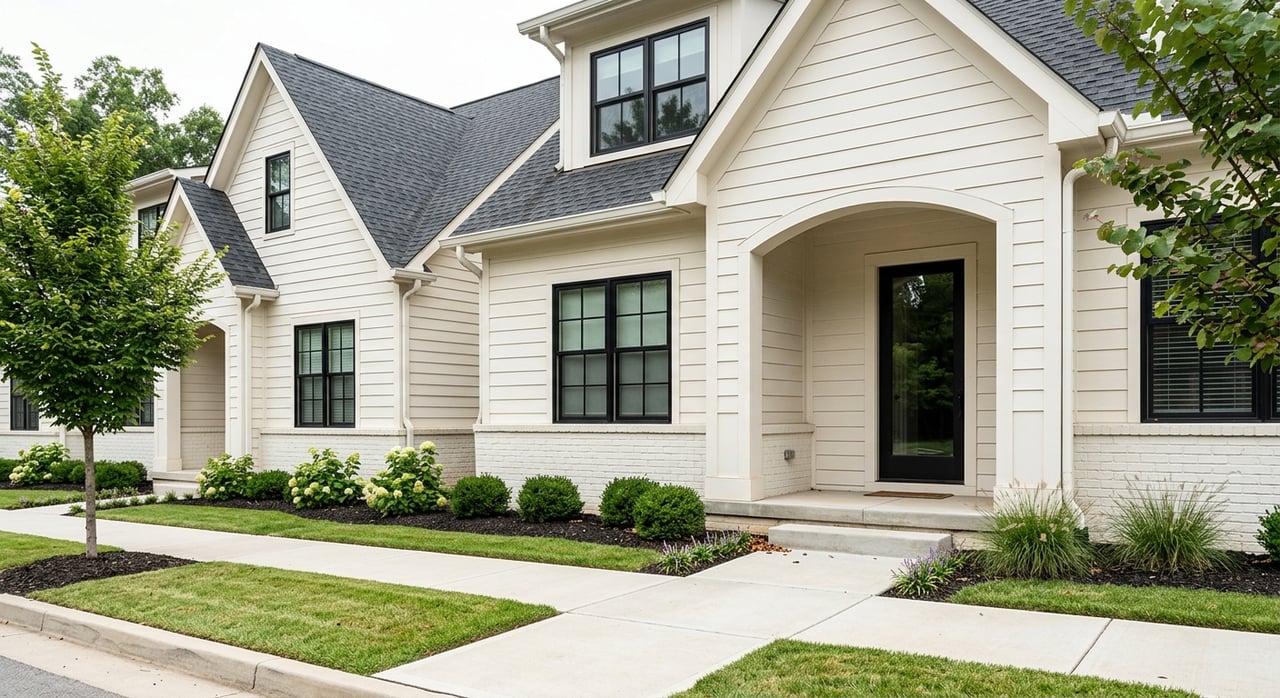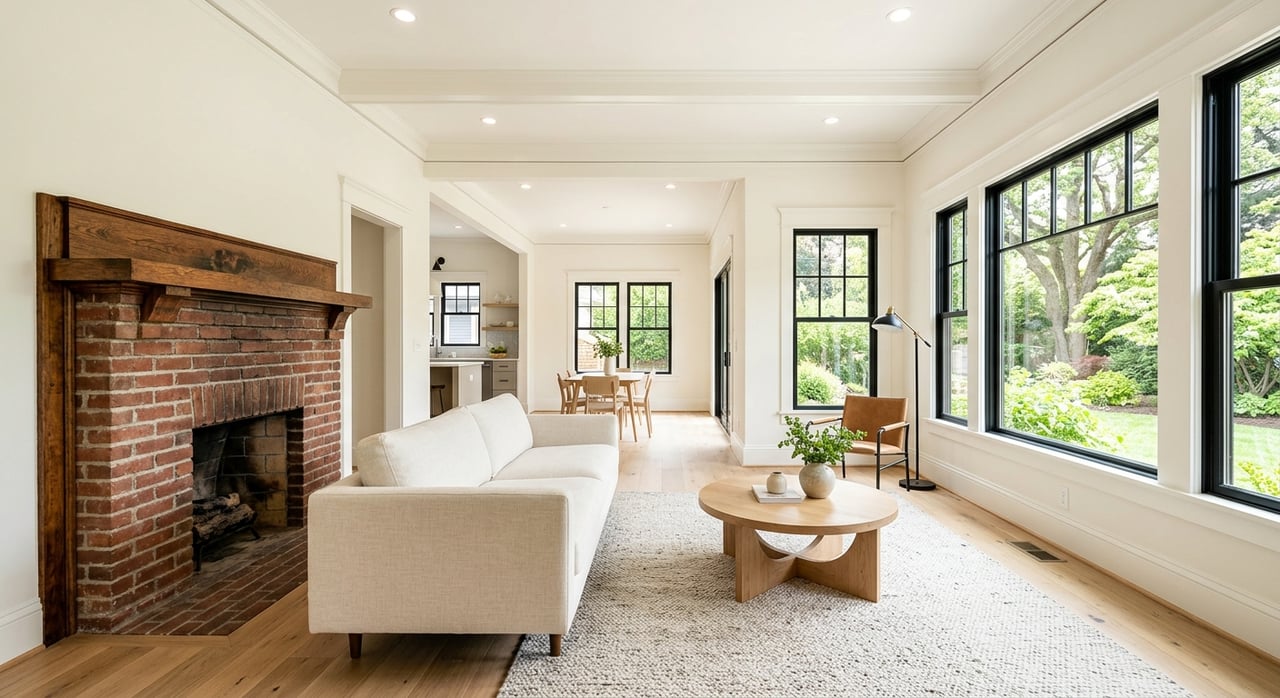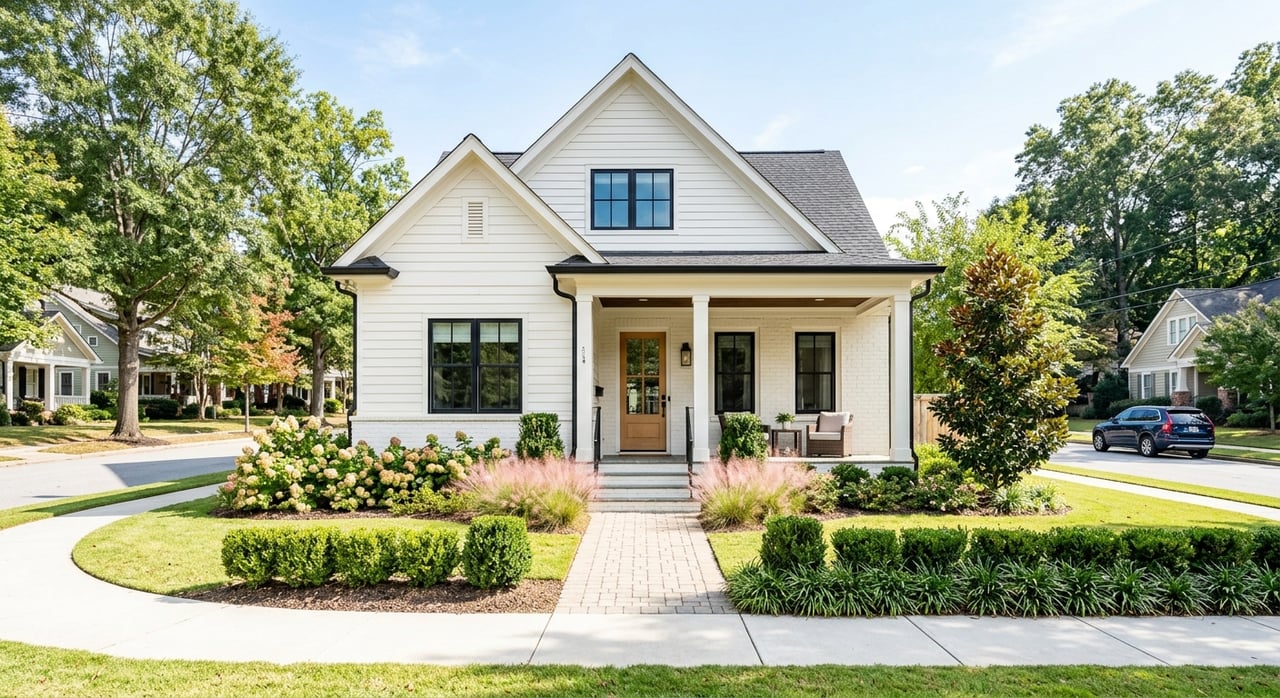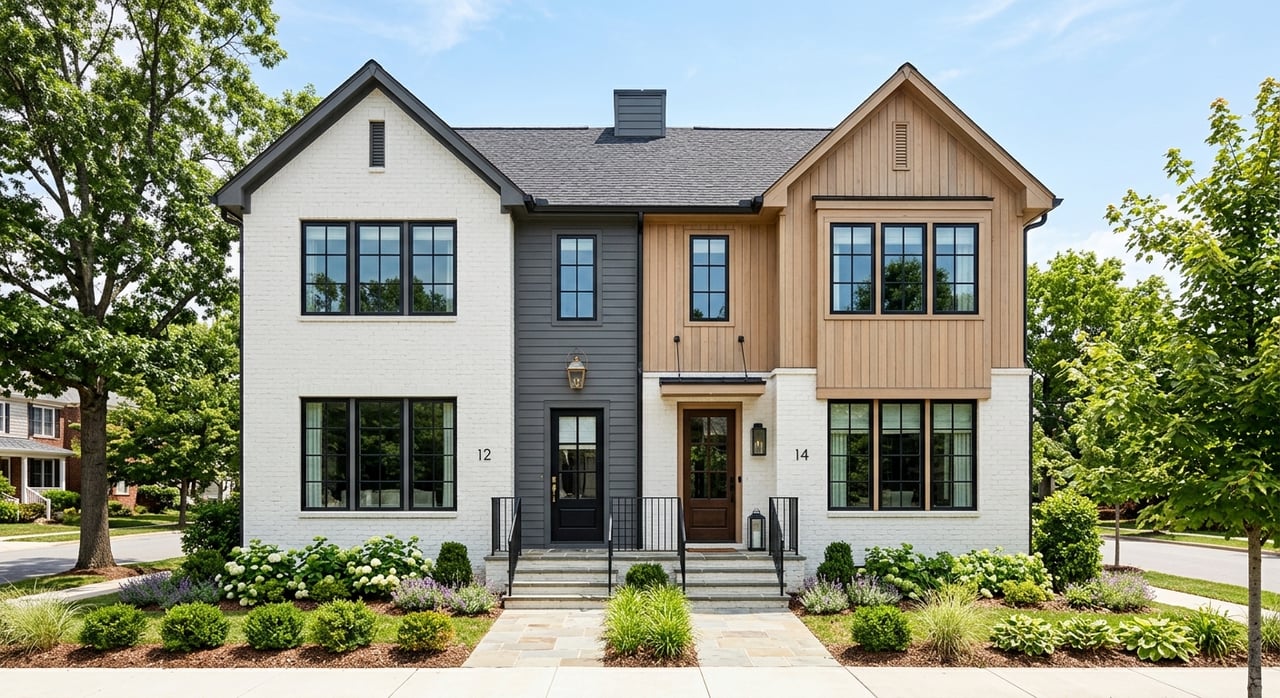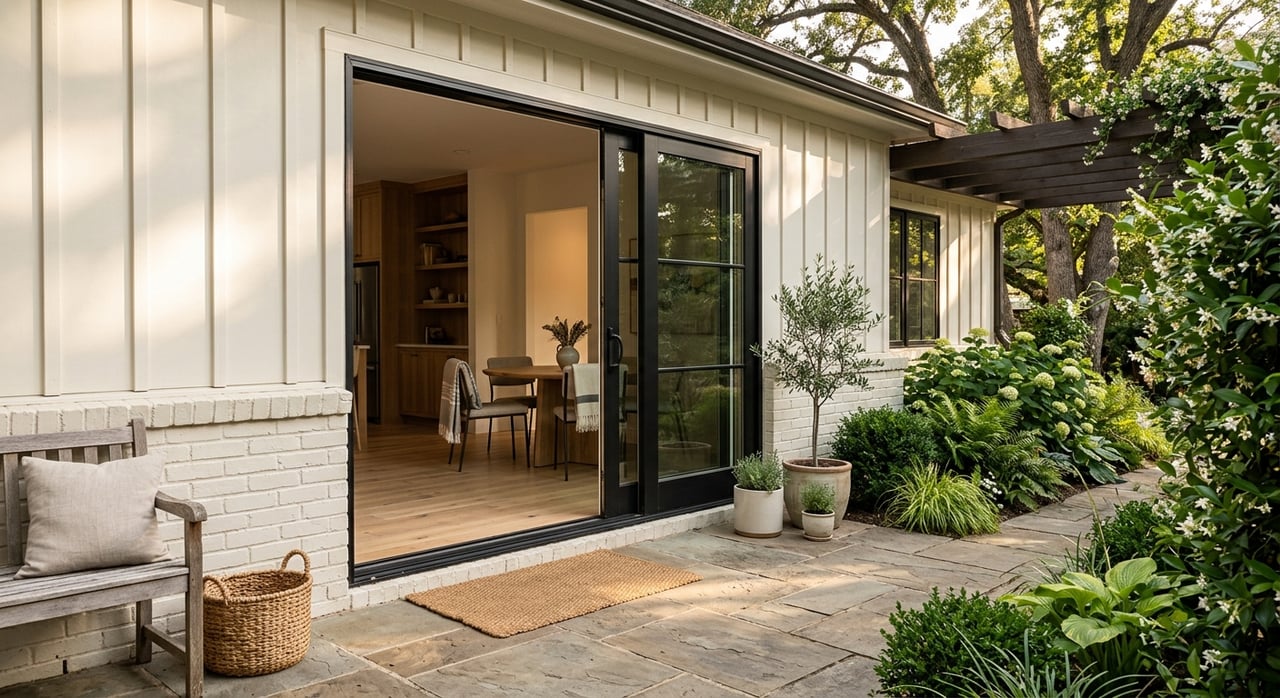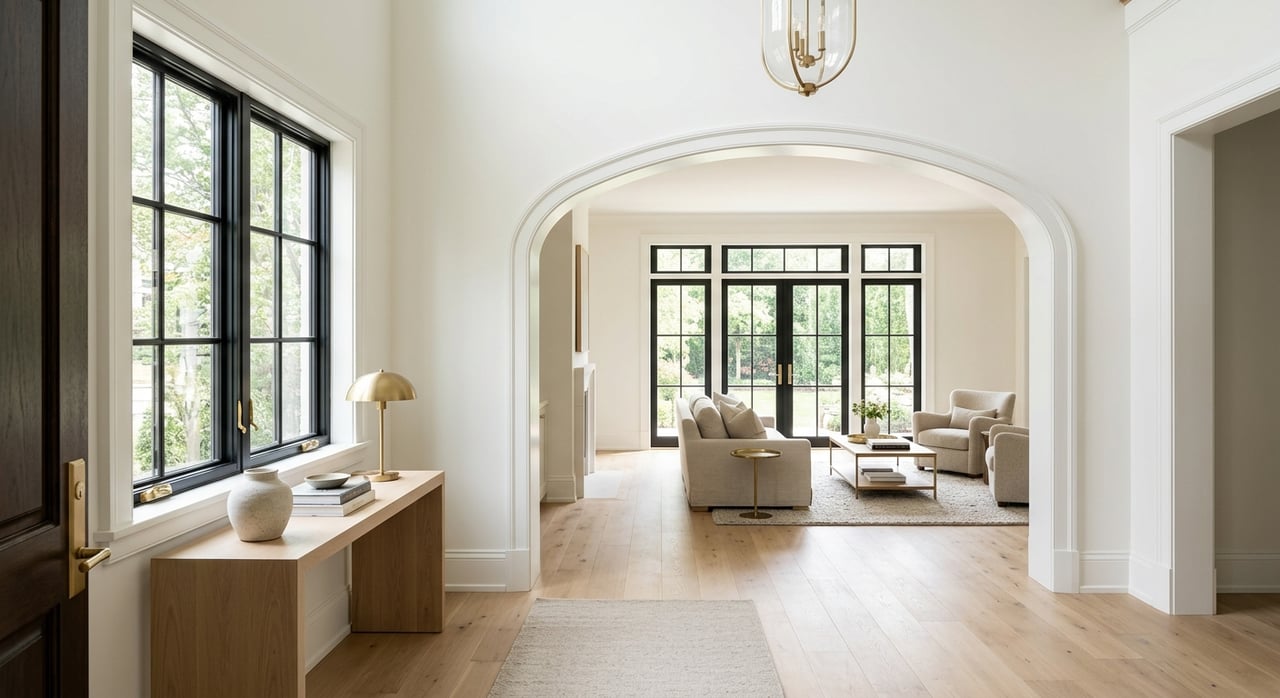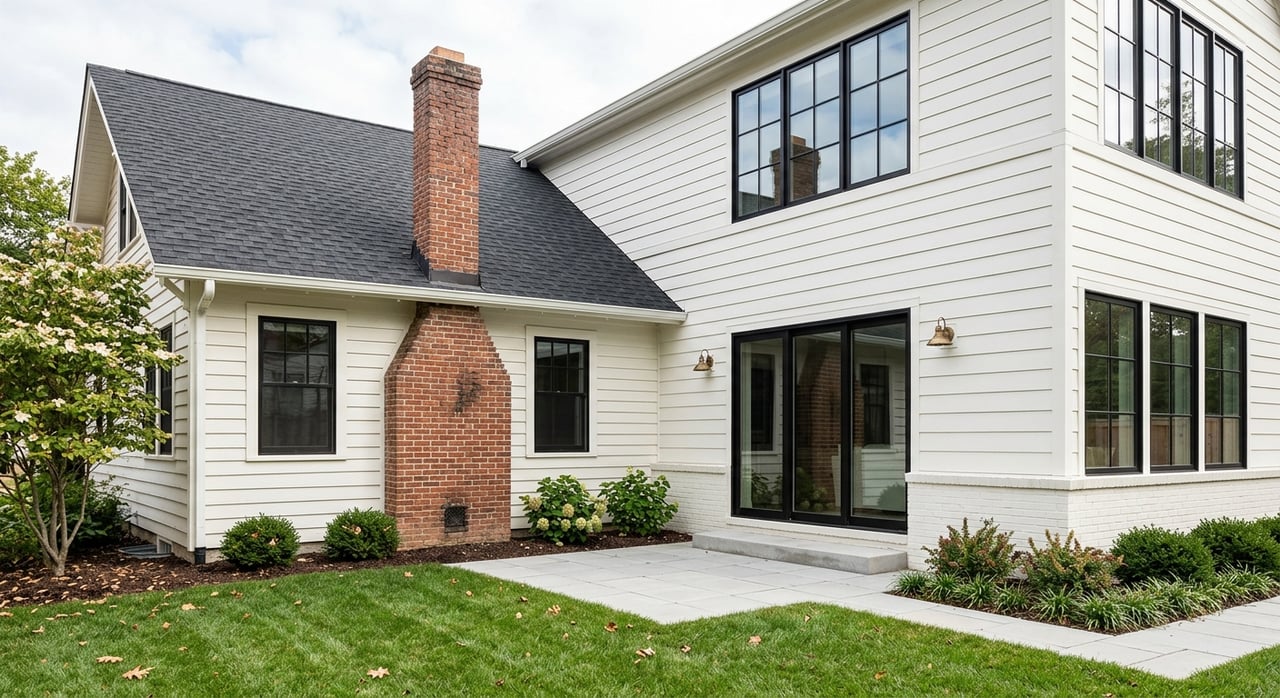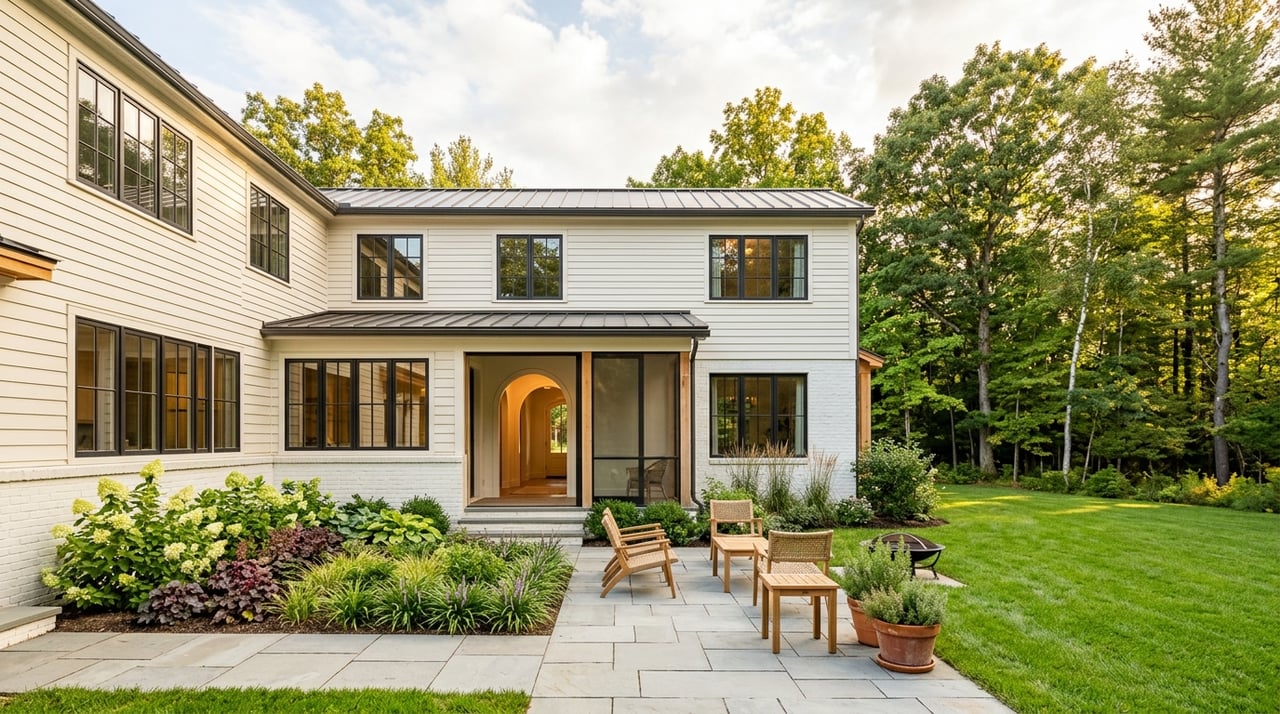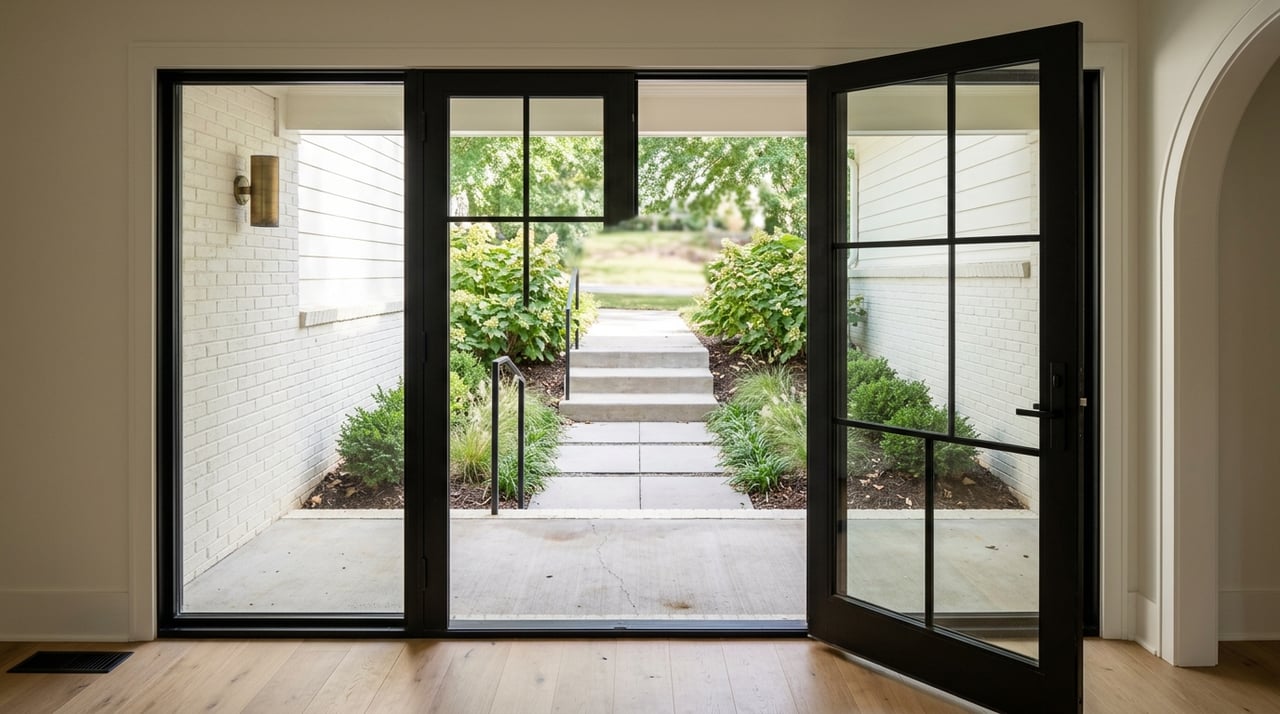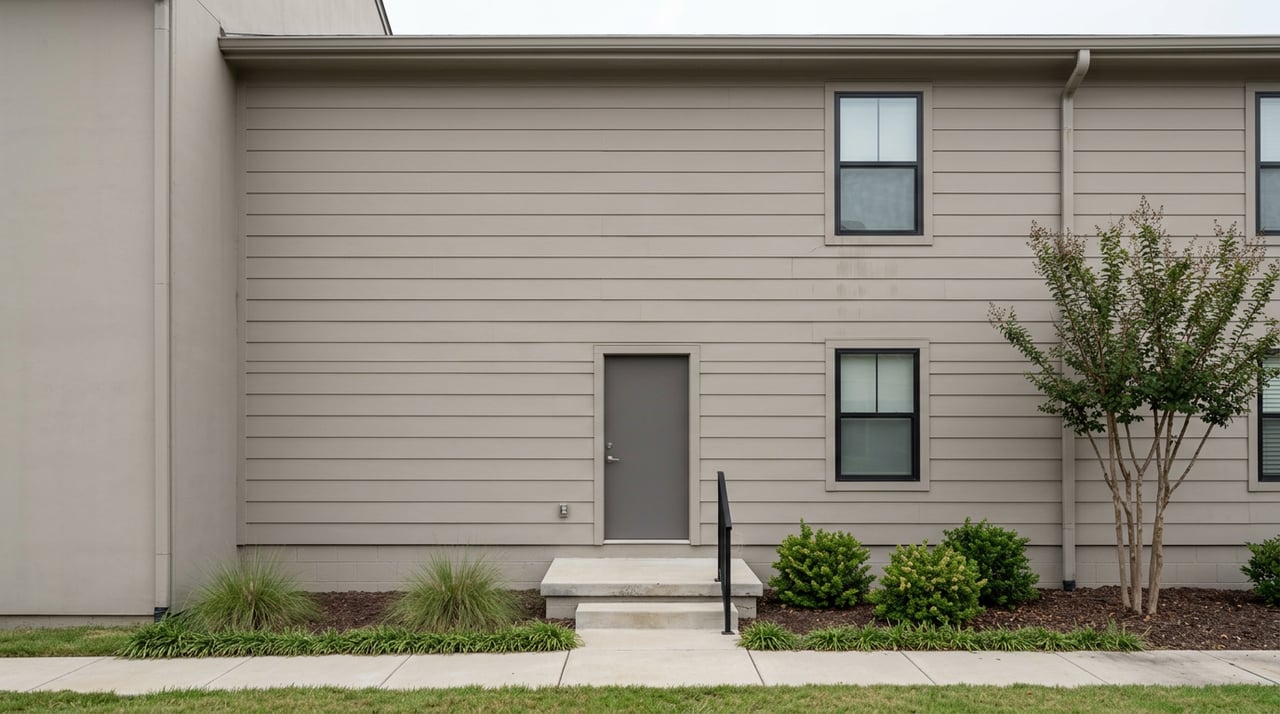
Both are new construction. Both sit inside the same historic Oakland City community, within a few minutes of the Beltline's Westside Trail. One townhome starts at $213,560. The other starts at $137,880. A buyer scrolling listings for this corridor could be forgiven for assuming the cheaper one is smaller, older, or missing something the pricier one has. It isn't. The gap has almost nothing to do with square footage and everything to do with a form neither buyer will read until they're already under contract.
That's the friction that catches people off guard here: in Southwest Atlanta's Beltline-adjacent blocks, price is doing a different job than it does almost anywhere else in the metro. It isn't ranking homes by quality. It's sorting them by who's legally allowed to buy them, and what they're allowed to do with the home after.
Four Ways to Buy the Same Half-Mile
Culdesac's 1121 Allene sits where Allene Avenue meets Warner Street, a block from the Beltline corridor and directly across from Trees Atlanta's headquarters. Prices there start at $213,560 for a two-bedroom, one-bath unit at 648 square feet, climbing to $301,860 for a three-bedroom, two-bath layout at 960 square feet. Buyers have to earn between 80 and 120 percent of area median income, which caps a family of four at roughly $137,000 a year. A sister project about a mile away, 1070 Dill, starts even lower, at $190,000 for a one-bedroom unit.
Then there's The Trust at Oakland City, a joint project from the Atlanta Land Trust and Cityscape Housing that broke ground on a 3.5-acre site funded partly through Beltline Tax Allocation District money channeled by Invest Atlanta. It delivered 42 units earlier this year, priced starting at $137,880, with half the units set aside for households at or below 60 percent AMI and the other half at or below 80 percent. Avenue at Oakland City, a separate Atlanta Land Trust community near the same MARTA station, has listed three-bedroom townhomes at $250,000 and $265,000, both requiring 80 percent AMI qualification.
Meanwhile, the neighborhood's overall resale median sat around $375,000 as of late 2025, up 13.6 percent year over year, according to local sales data. One dataset tracking a wider slice of transactions puts that median closer to $471,000. That spread between $375,000 and $471,000 for the same neighborhood in the same window isn't a rounding error. It's the same signal showing up twice: Oakland City's median price is a blend of products that don't actually compete with each other, and no single number describes what a buyer will pay to live there.
The Deed Is the Product, Not the Drywall
The reason The Trust at Oakland City can price a brand-new townhome at $137,880 while a resale elsewhere in the same neighborhood trades near the median comes down to what's actually being sold. Atlanta Land Trust developments use a dual-ownership structure: the buyer purchases the house but leases the underlying land from the land trust. That structure is what keeps the sale price low in the first place, and it's also what limits the buyer's upside later. Resale price is capped by a formula tied to the covenant, not by whatever the open market will bear. The buyer builds some equity, but not the kind that tracks a hot Beltline-adjacent market the way a fee-simple resale would.
That's a fundamentally different financial product than a market-rate purchase, even when the two homes look identical from the sidewalk. A buyer comparing "starts at $137,880" to "starts at $213,560" as if they're shopping the same shelf is comparing a capped, income-restricted asset to an open-market one with income eligibility attached but no resale ceiling. Neither is better in the abstract. They serve different financial goals, and conflating them is the single easiest way to misjudge a listing in this corridor.
Down Payment Assistance Changes the Real Number
The sticker price at 1121 Allene tells only part of the story. According to the project's sales team, buyers there can qualify for up to $45,000 in combined down payment assistance, layered from multiple sources depending on the buyer's situation. That's not a discount on the list price. It's assistance applied at closing that changes the buyer's actual cash outlay and monthly payment without changing what the unit is listed for. Two buyers looking at the identical $213,560 listing could walk away with materially different effective purchase prices depending on which assistance programs they qualify to stack.
This is the part that rewards working with someone who tracks these programs rather than assuming the listed price is the whole conversation. Down payment assistance amounts, sources, and stacking rules shift by project and by household, and they rarely show up in a portal search filter.
Not Everything New Is For Sale Right Now
There's a second layer of confusion worth naming directly: some of the newest construction in this corridor isn't for sale at all. The $77 million 840 Woodrow project, rising on seven acres of formerly industrial land adjacent to the historic Murphy Crossing site, was on track to deliver its first 25 townhomes this summer as build-to-rent units, not for-sale homes. The overall project calls for more than 300 apartments and rental townhomes across multiple phases, with 20 percent designated affordable, developed by Woodfield Development and Vida Companies alongside American South Capital Partners. A buyer who spots "840 Woodrow" in a search and assumes it's purchasable inventory is working from outdated information about what phase is actually open and to whom.
The same caution applies just west in West End, where a proposal for 16 townhomes at 1247 Ralph David Abernathy Boulevard, a block from Gordon-White Park, was still working through the city's zoning process this spring, with two units slated for 50 to 80 percent AMI buyers but no price range yet attached. It's a real project on a real corner, but it isn't a listing you can act on today.
The Bigger Corridor Explains the Urgency
None of this is happening in isolation. Murphy Crossing, the 20-acre Beltline-owned site at the center of the neighborhood, has been through a stalled redevelopment deal and is now back in active planning. A few blocks south in Capitol View, a proposed 25-acre district could eventually bring more than 4,000 housing units, with an Empire Communities component of 124 townhomes already under construction. In West End proper, the Mall West End site is moving through a $450 million redevelopment led by BRP Companies and the Atlanta Urban Development Corporation, with Planet Fitness signed as an early tenant and Concorde Career Colleges committing to space nearby.
That much simultaneous activity means the corridor will keep producing new listings that look similar at a glance and price wildly differently underneath. The mechanism explained here, AMI targeting, ground-lease versus fee-simple ownership, and assistance stacking, isn't a one-time quirk of this year's inventory. It's the structure this part of Atlanta is going to keep using as more of these projects deliver.
What to Actually Check Before You Compare Two Listings
Before treating any two townhomes in this corridor as comparable, it's worth confirming a few things that a listing photo won't tell you:
- Is the land owned by the buyer or leased from a land trust, and what does the resale covenant say about future sale price
- What AMI band does the household need to qualify under, and does that match the household's actual size and income
- Is the unit currently for-sale inventory or a build-to-rent phase that isn't available to purchase yet
- What down payment assistance programs apply to this specific project, and can they be combined
- Whether the project requires owner-occupancy or restricts cash-out refinancing down the line
We've written in more detail about how Atlanta's affordable housing lotteries work step by step, including how AMI eligibility and preference weighting get applied, in our guide to how Atlanta home lotteries work.
Quick Answers
Why do two new townhomes in the same neighborhood have such different prices? Most of the spread comes from ownership structure and income-eligibility targeting rather than the physical home. A land-trust unit with a capped resale covenant is priced to stay affordable long-term, while an open-market new build reflects what the site and materials cost with income eligibility layered on top but no resale cap.
Does a lower price mean less house? Not necessarily. Some of the lowest-priced units in this corridor are new construction with similar finishes to market-rate product nearby. The lower price reflects the land-lease structure and the AMI band the unit is built to serve, not reduced quality.
Is down payment assistance available on every project? No. Assistance amounts and eligibility are set project by project and sometimes buyer by buyer. The programs available at one development may not apply at a similar-looking project a few blocks away.
If you're weighing new construction against resale in Oakland City, West End, or anywhere else along Atlanta's Southwest corridor, and you want someone to walk through which ownership structure and AMI band actually fits your situation, The Sly Team can help you compare what's really on offer, not just what's on the sign.