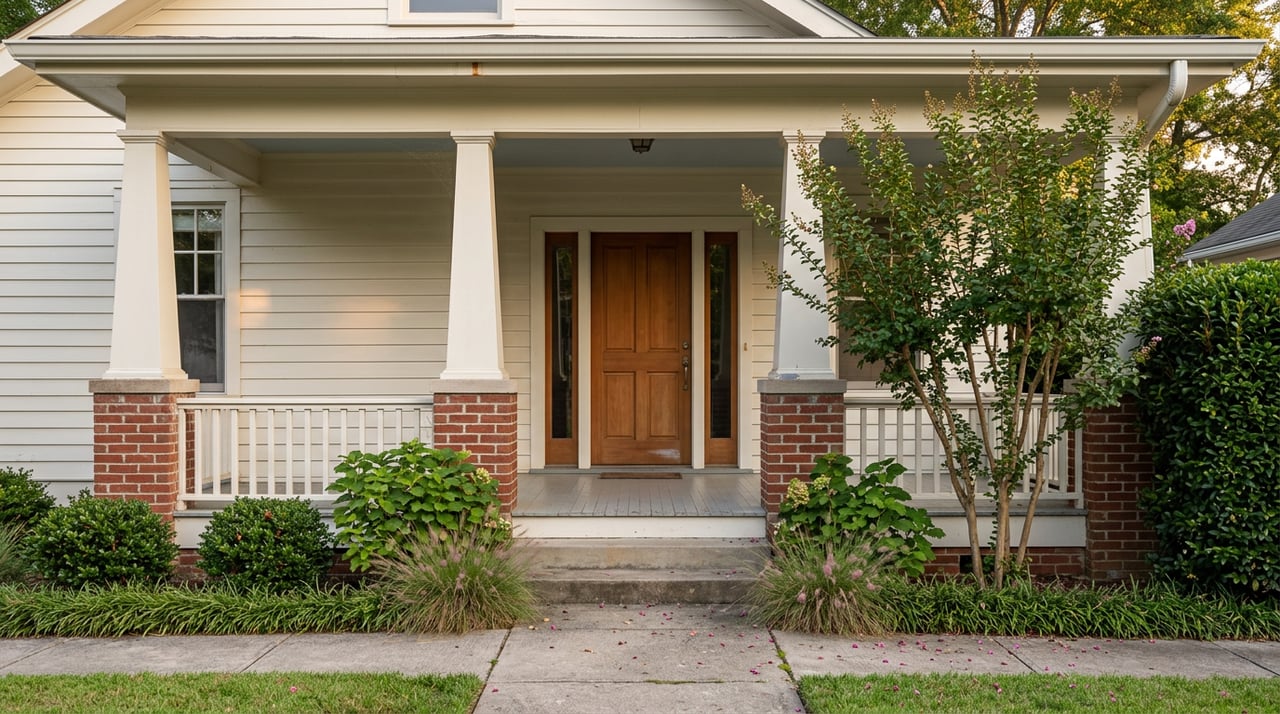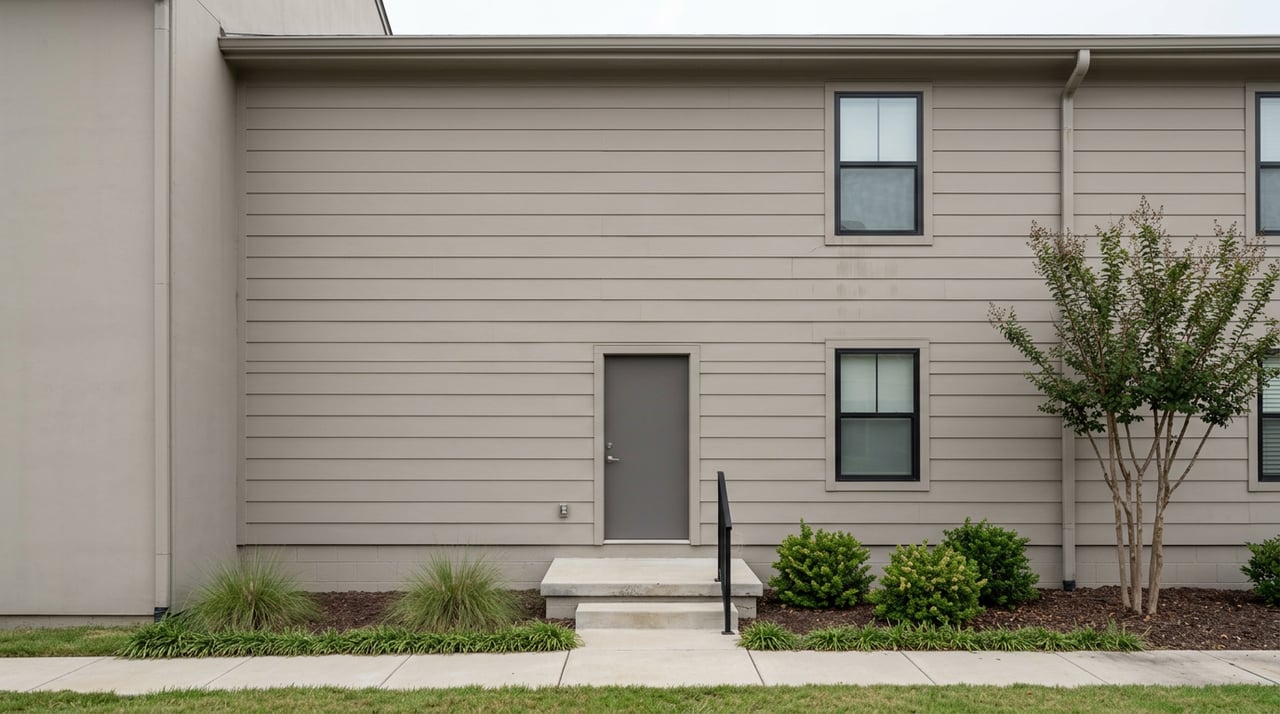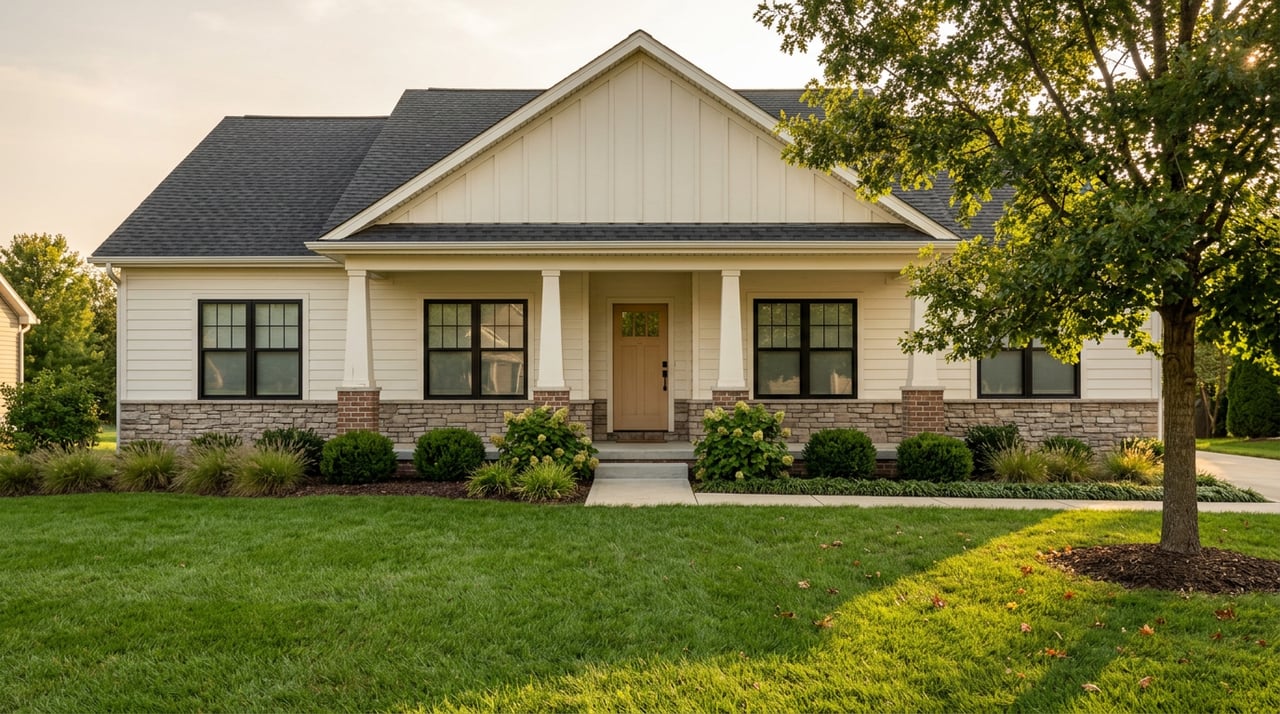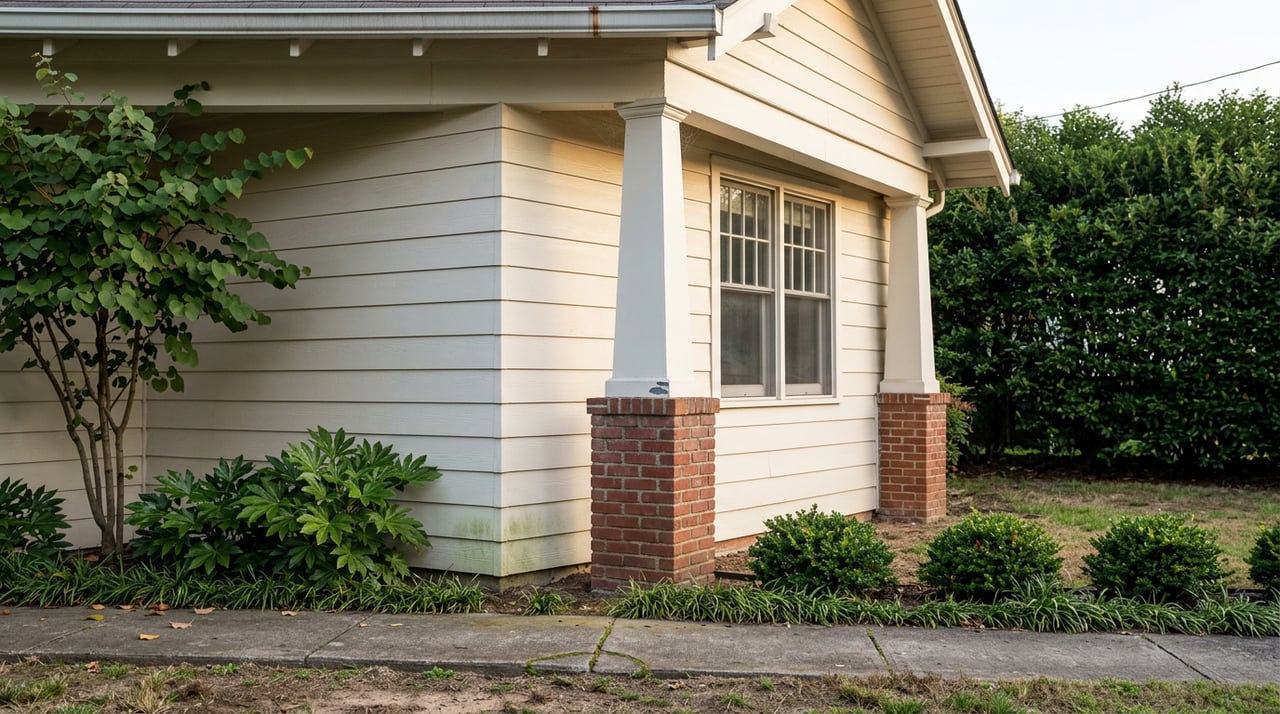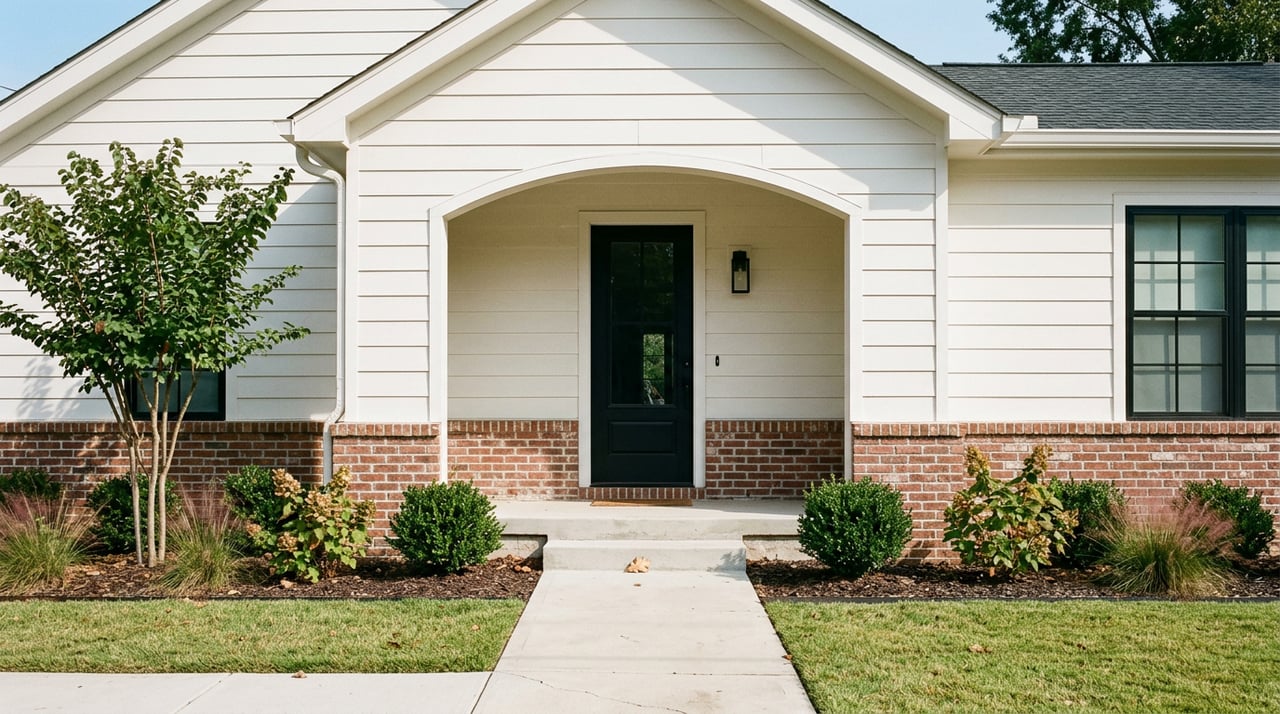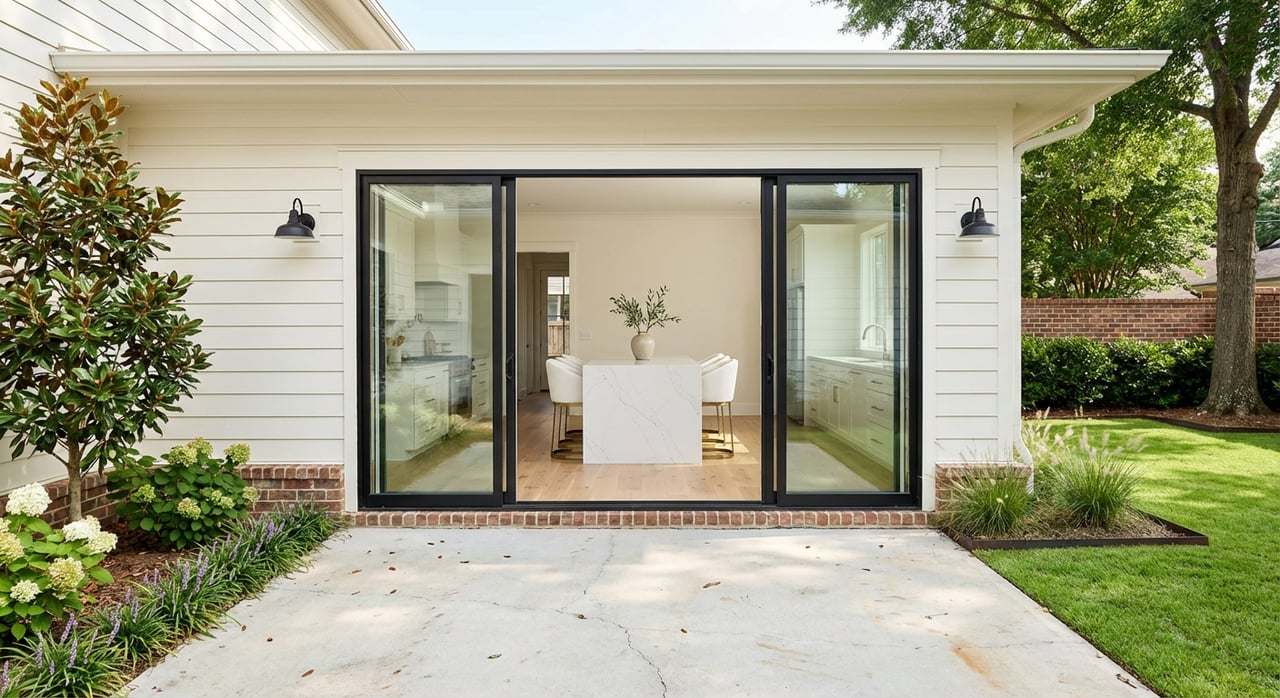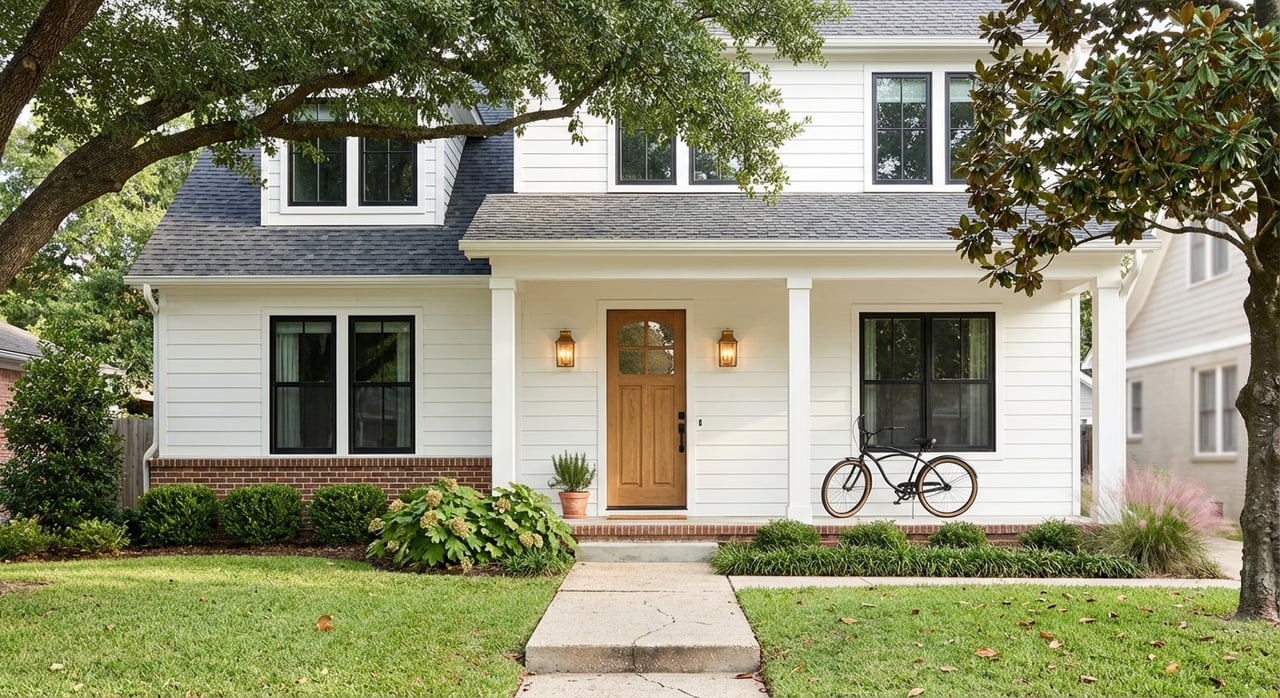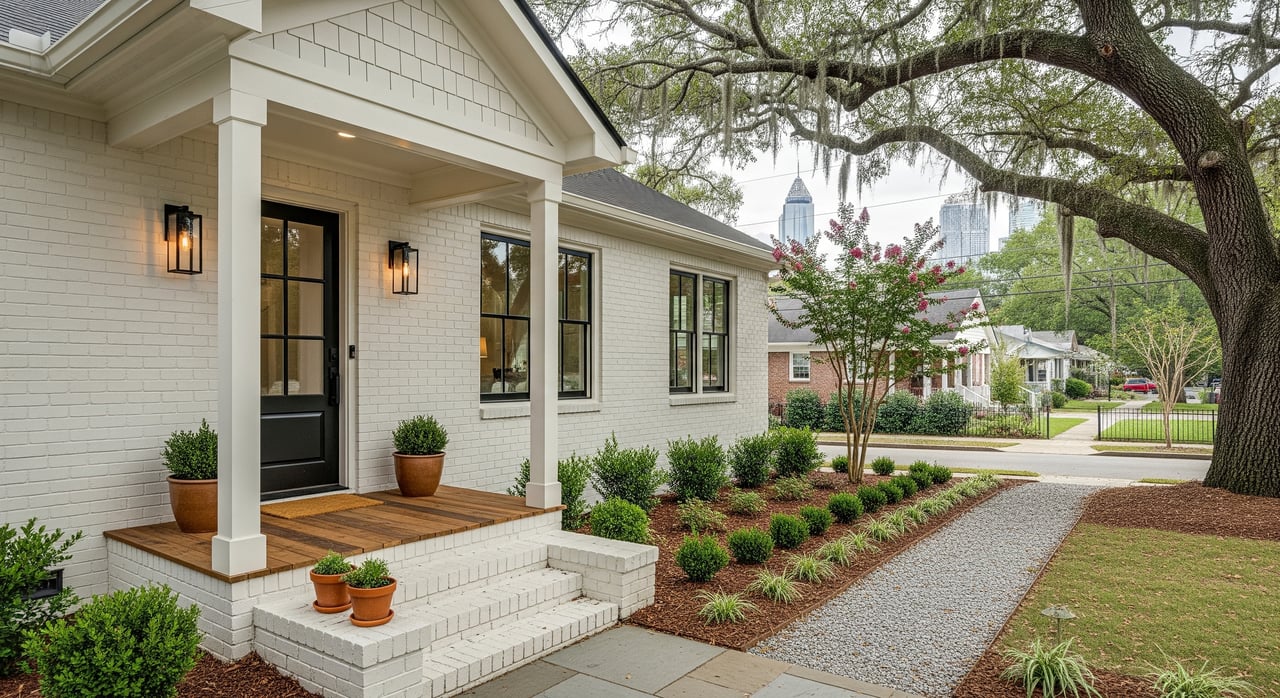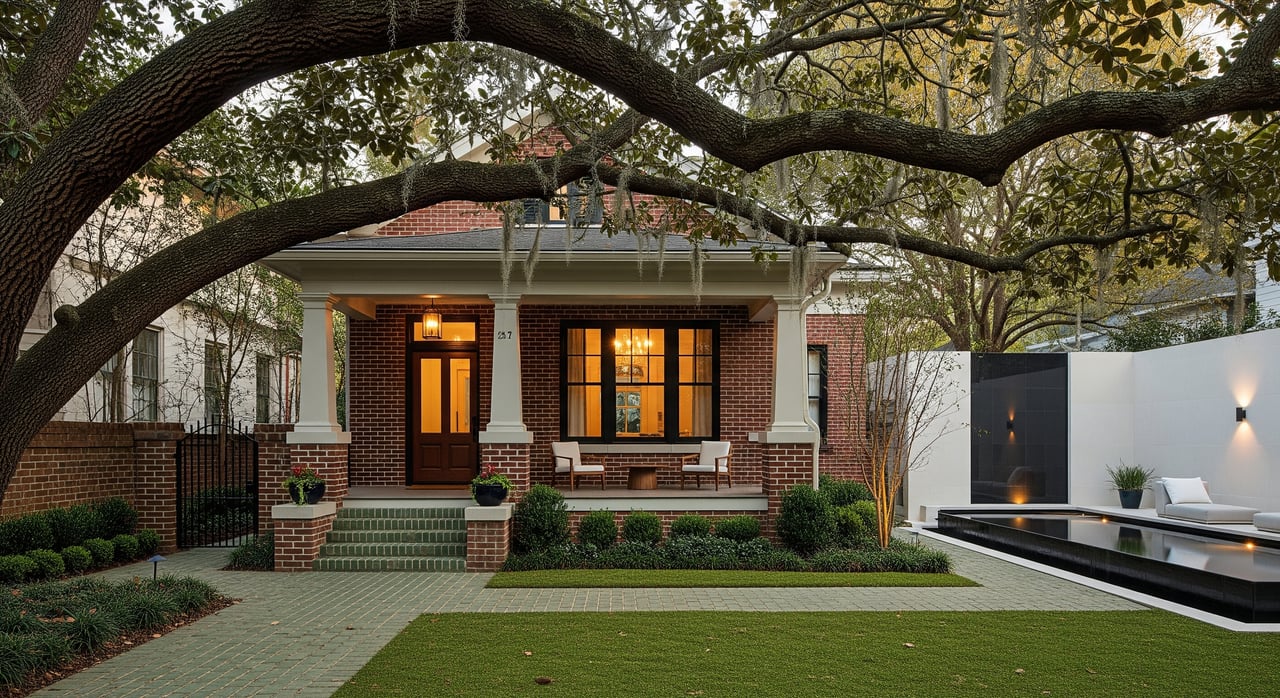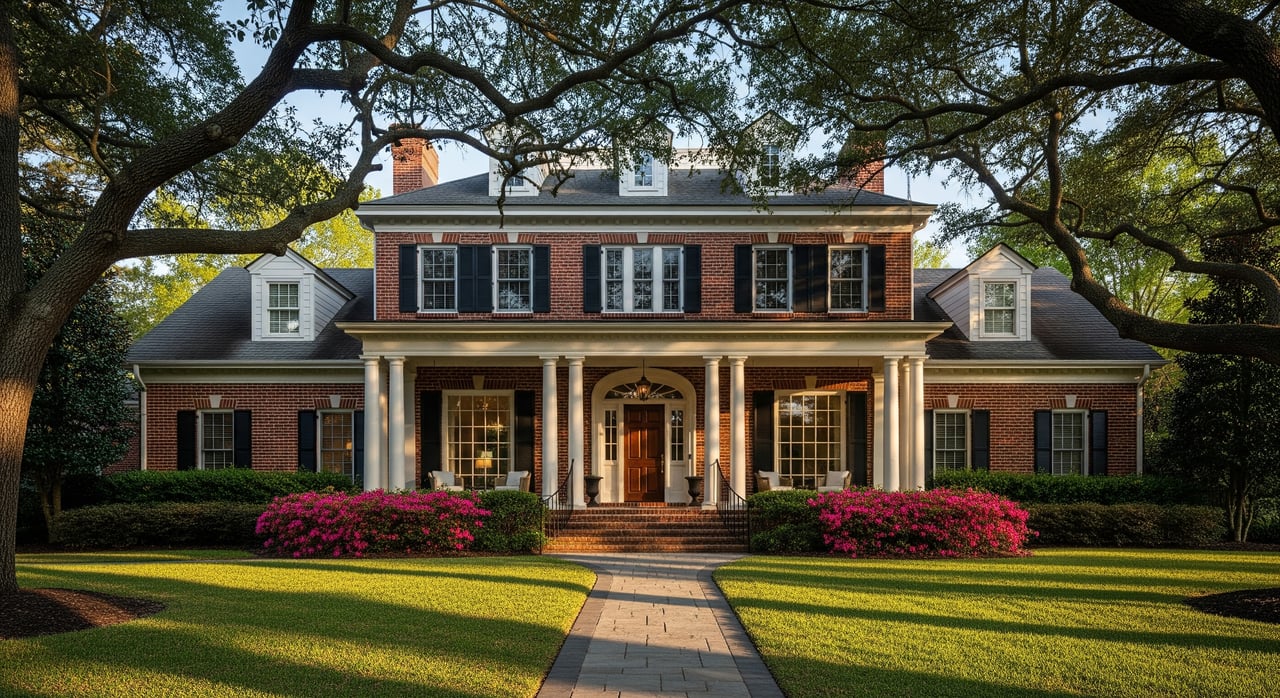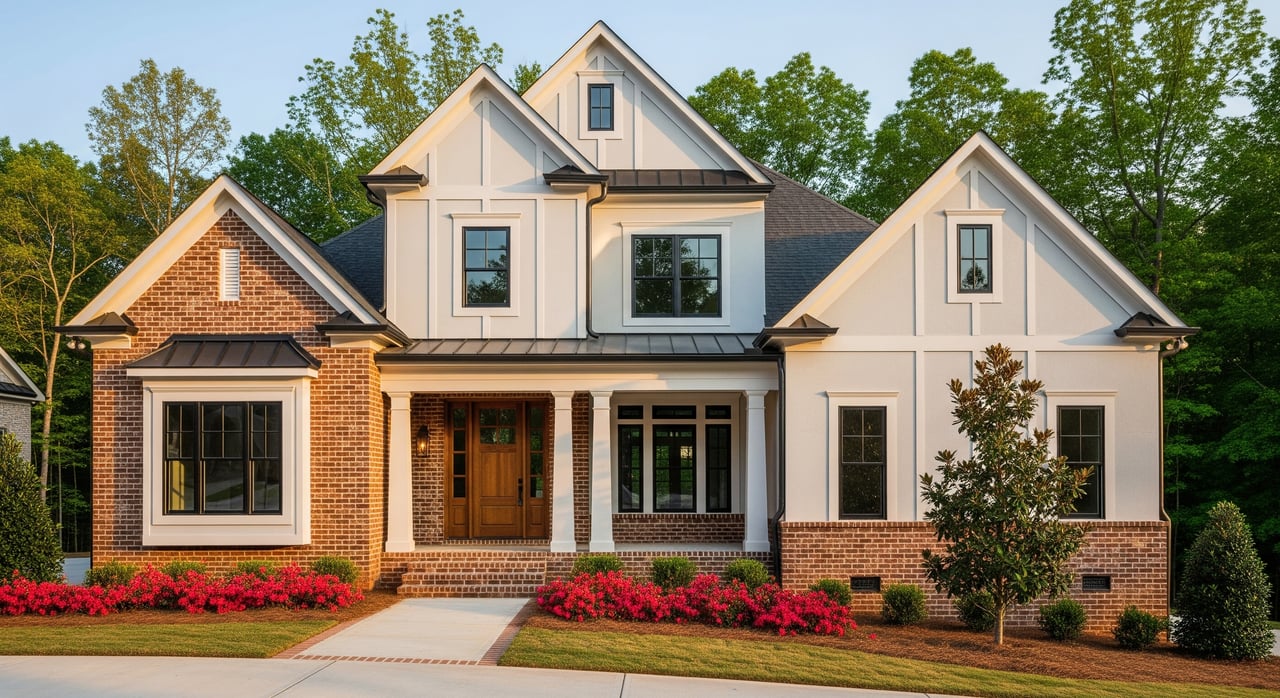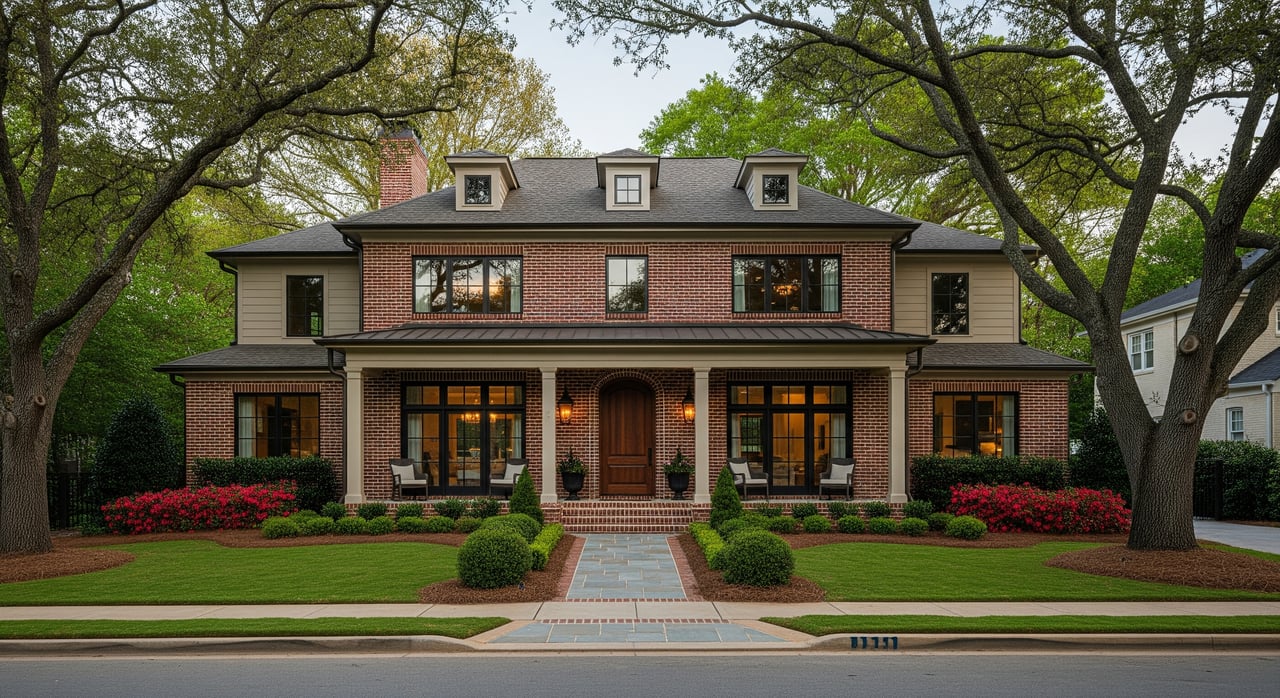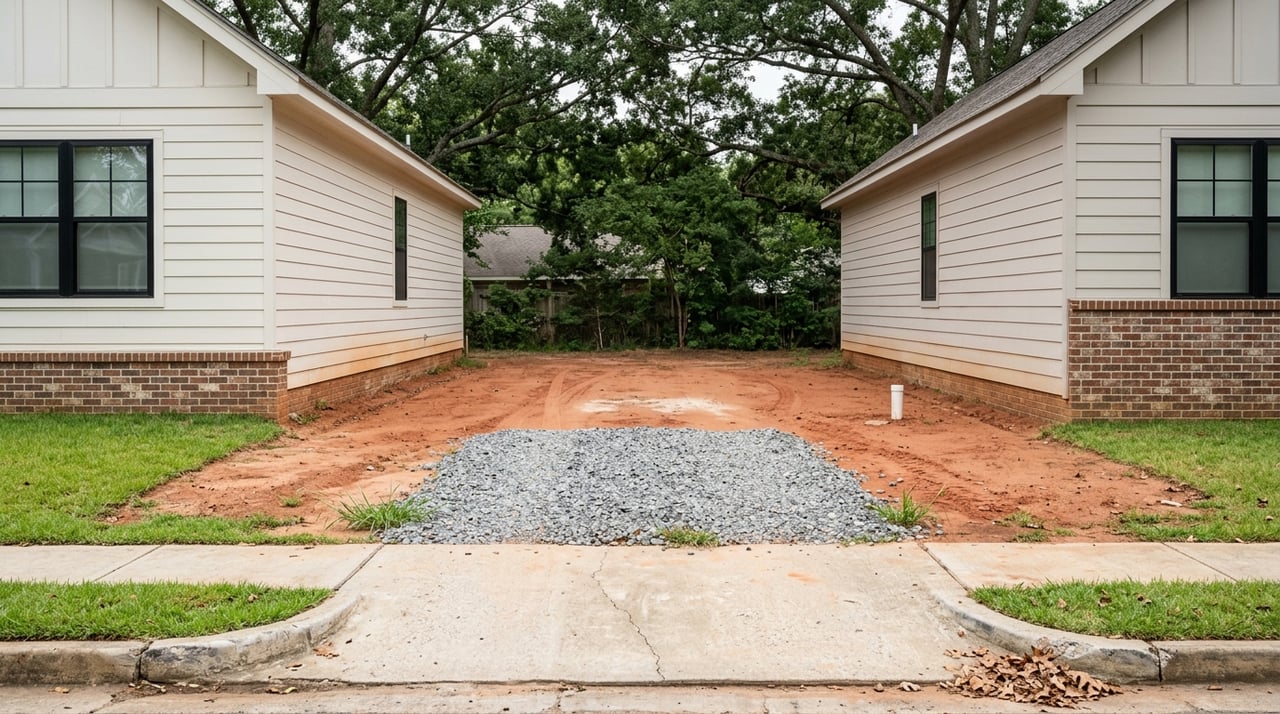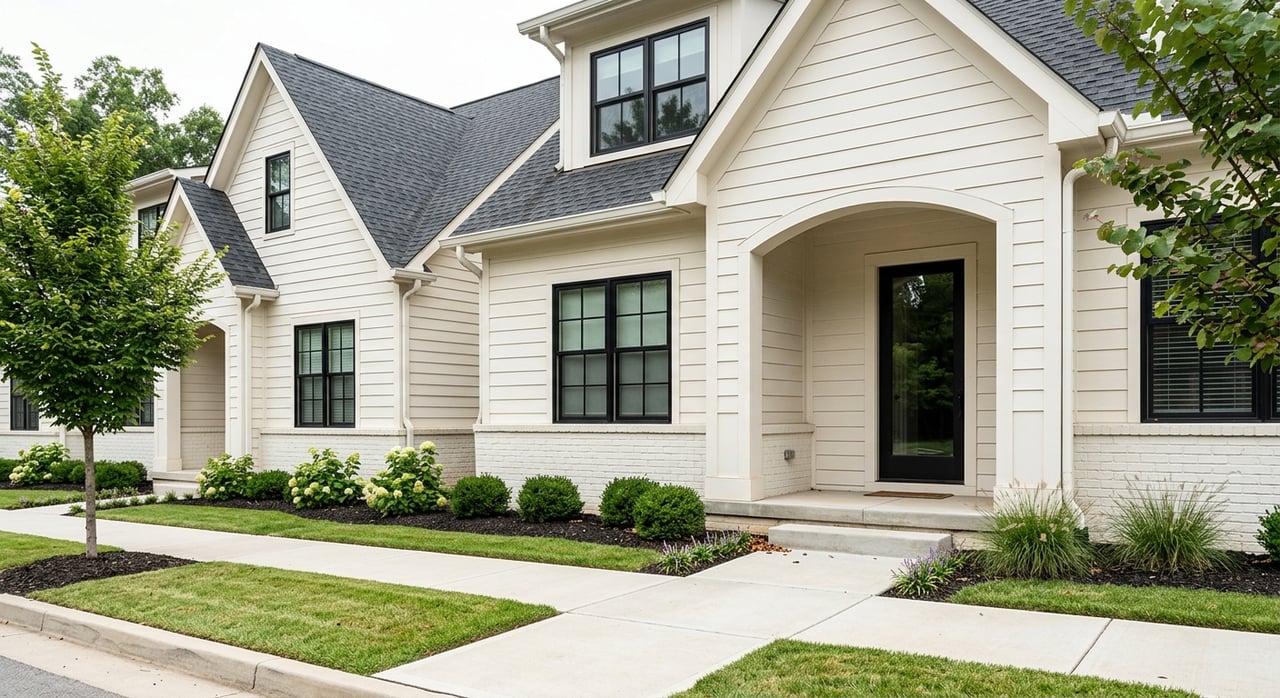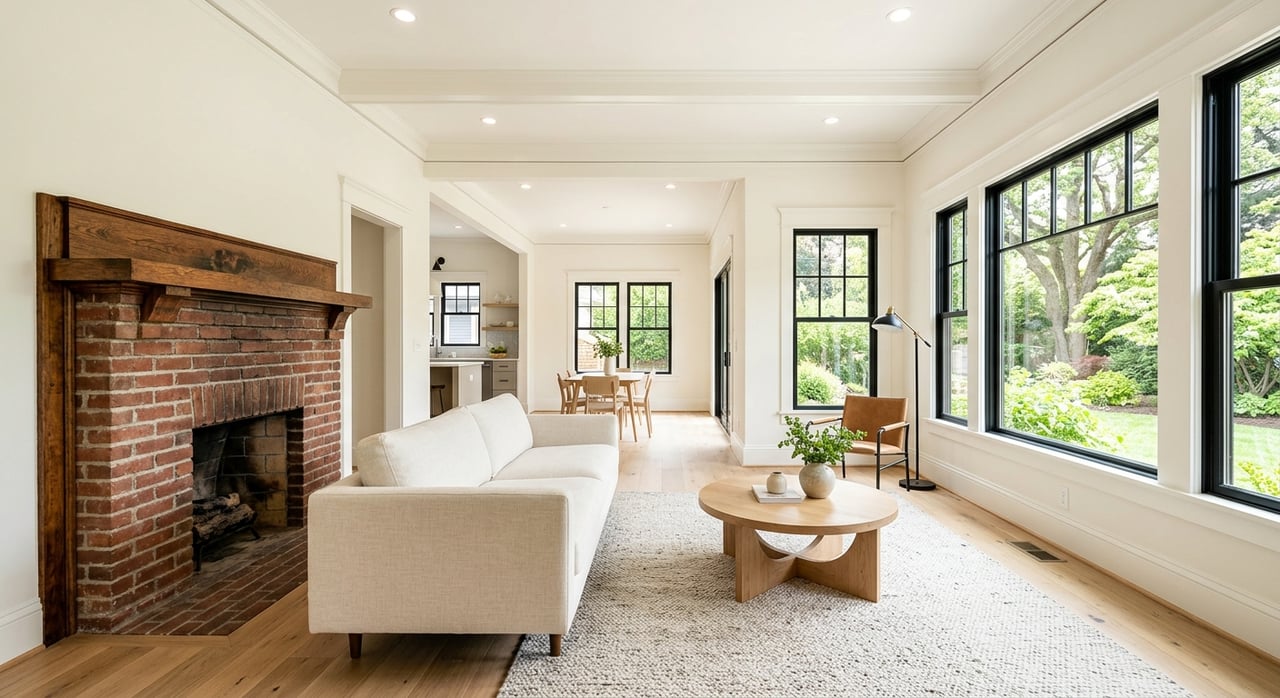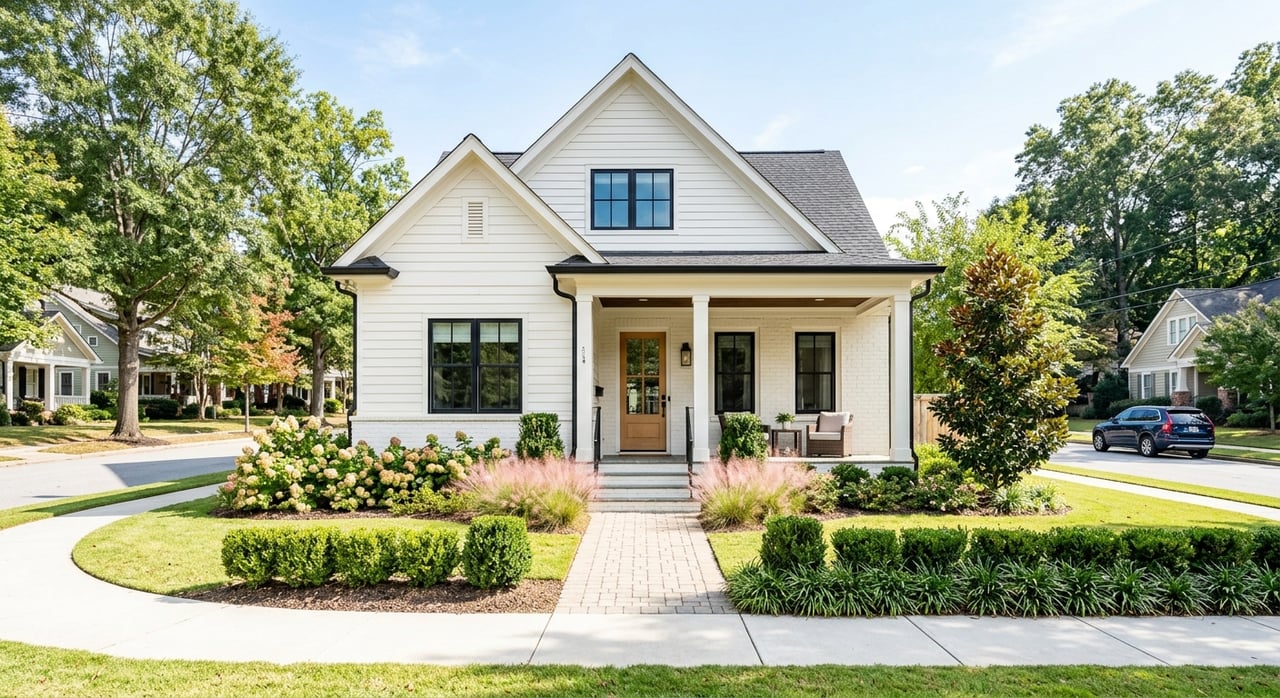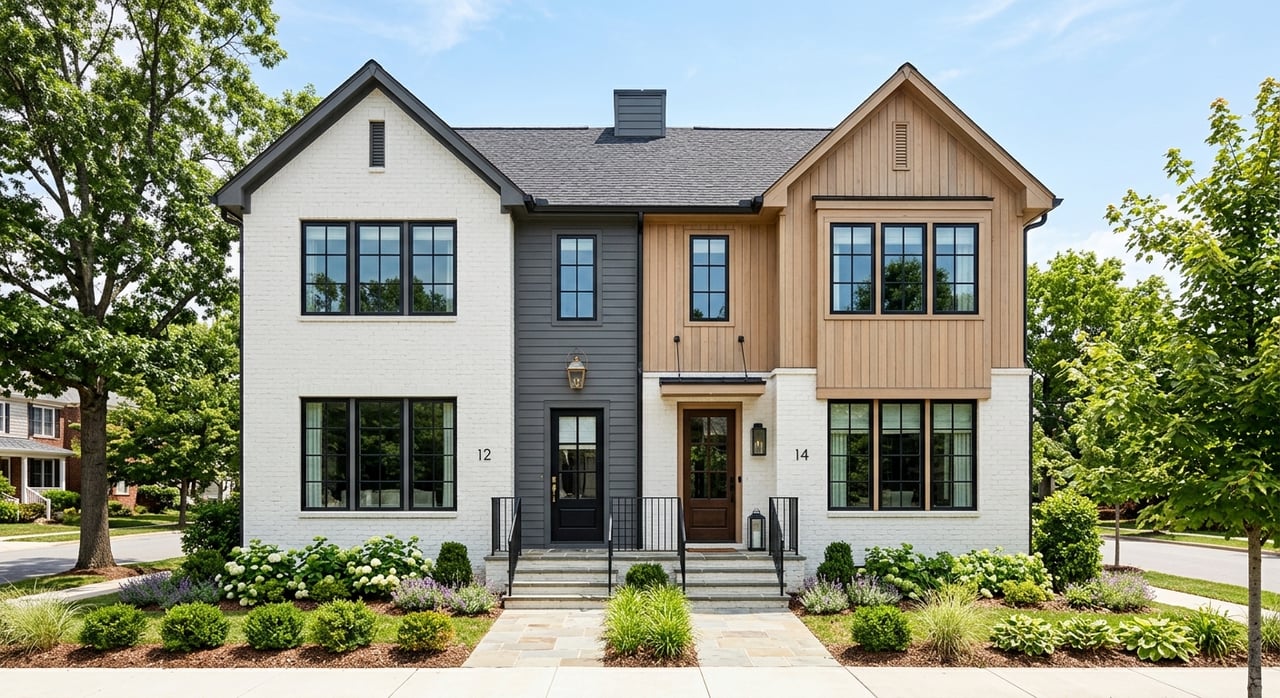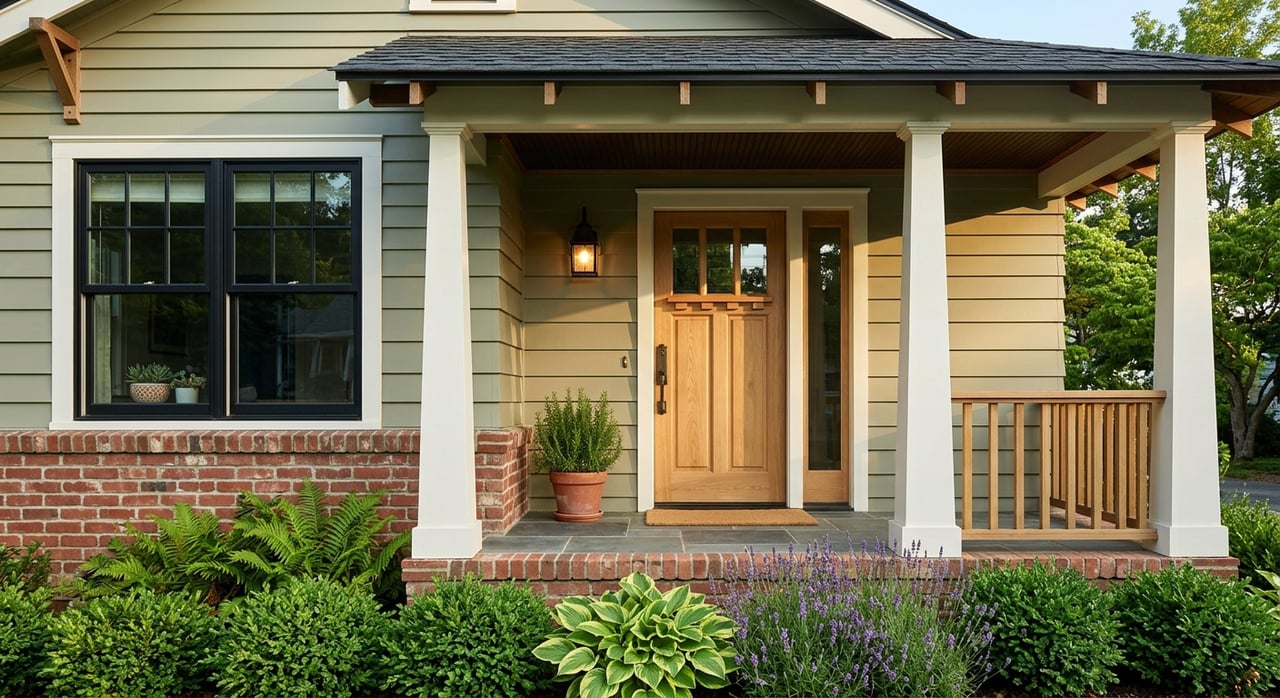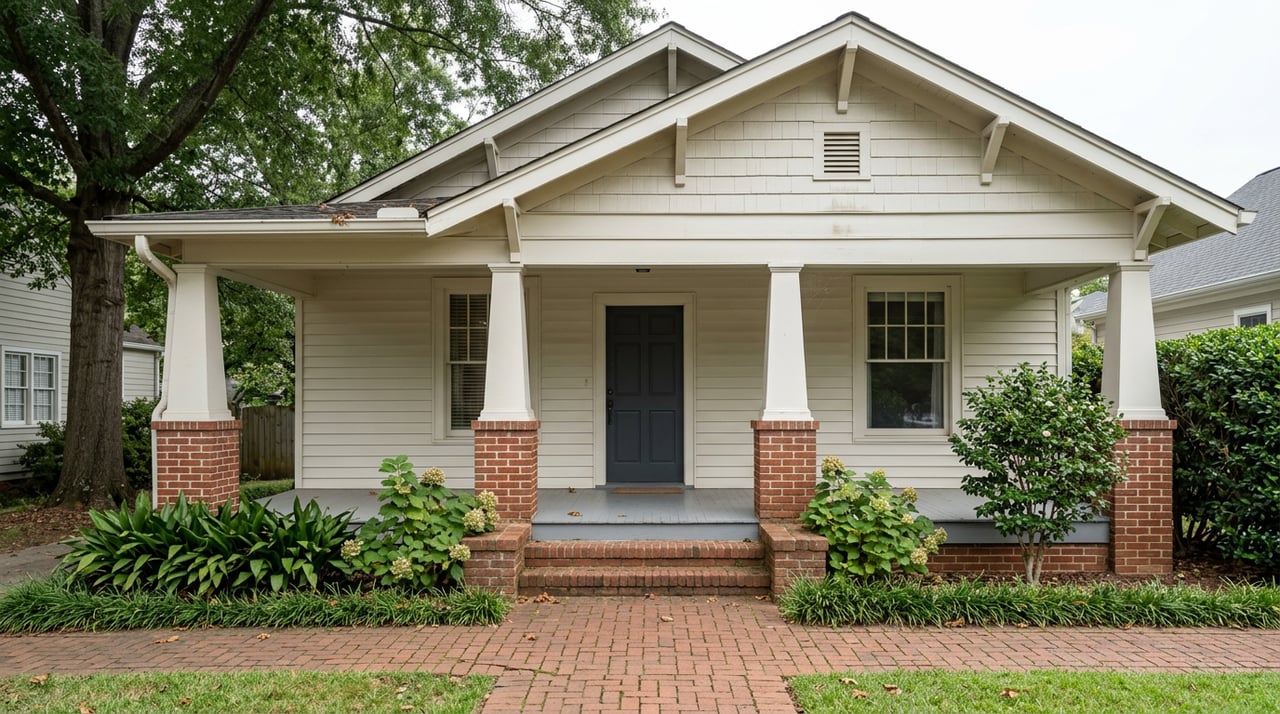
You find the house. Maybe it's a Queen Anne cottage a few blocks off the park, maybe a Craftsman bungalow with a porch that needs work. You pull up the Certificate of Appropriateness rules before you write the offer, because you're smart enough to know Grant Park is a historic district and any addition or facade change has to clear the Atlanta Urban Design Commission first. You read the code. You plan around it.
Here's what the code doesn't tell you: a group of your future neighbors has spent close to a decade rewriting it.
That matters more than it sounds like it should. If you're buying a fixer-upper in this district with renovation plans already sketched out, you're not just designing against a fixed rulebook. You're designing against one that's mid-revision, somewhere between a neighborhood committee's draft and whatever the city eventually adopts.
The Permit System You Think You Understand
Grant Park was designated a historic district by the City of Atlanta on April 11, 2000, one of 21 such districts citywide, each governed by its own chapter of the zoning code and reviewed by the Atlanta Urban Design Commission. The district itself runs to roughly 430 acres, most of it residential, wrapped around the 131-acre Grant Park, home to Zoo Atlanta, that gives the neighborhood its name.
The Certificate of Appropriateness system that governs exterior work here isn't one-size-fits-all. It has tiers. Painting and repainting need no review at all, an explicit carve-out in the Grant Park chapter of the zoning code. Type I certificates for ordinary repairs and maintenance aren't required either. Type II covers minor alterations to street-facing facades, fences, walls, accessory structures, decks, and paving. If your plan meets the district's specific design standards, the commission's director can issue that certificate directly. If it doesn't, the director denies it, no hearing required. Anything bigger, a major addition, new construction, demolition, a variance, goes to the full commission as a Type III application.
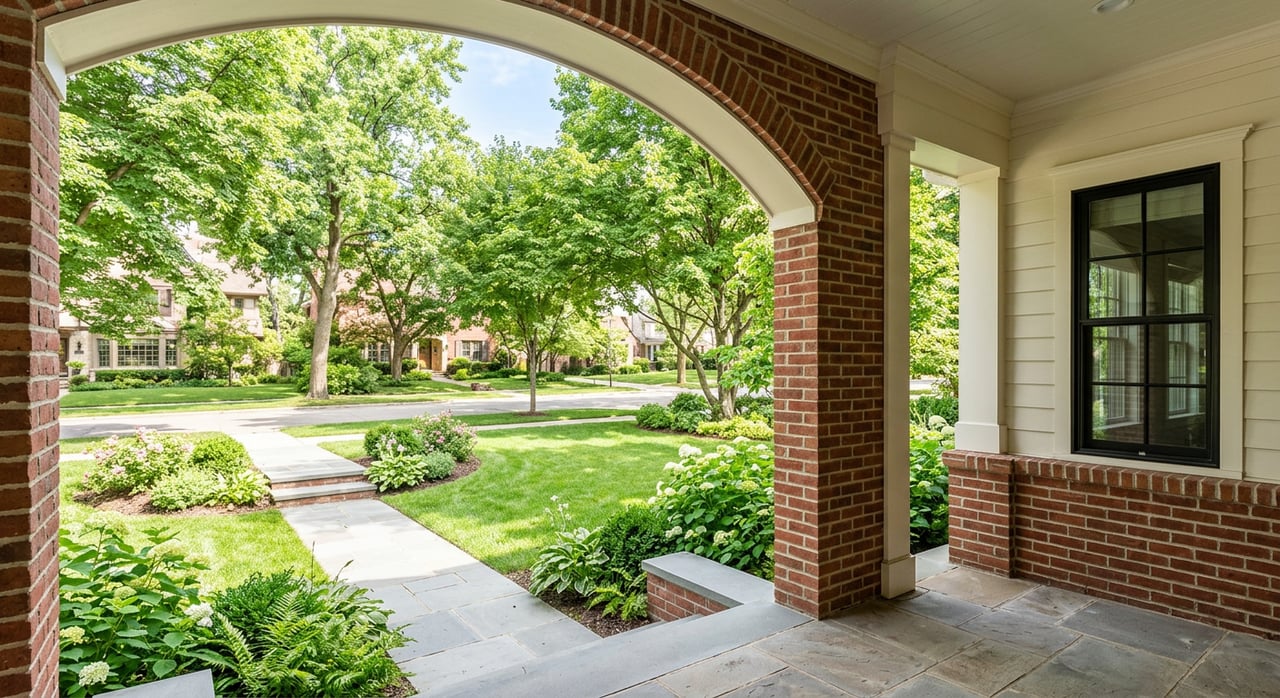
The design standards themselves get specific. Front porches on the main structure have to be at least a third the width of the front facade and at least seven feet deep. Side porches need a minimum of four feet. Roof pitch above the front facade can't go below 6 in 12. Building height tops out at 35 feet. Foundations have to use brick, stone, concrete, stucco, or architectural concrete masonry units, with plain unfinished block and stacked stone both prohibited. Siding options include horizontal lap, vinyl, aluminum, shingles, brick, hard stucco, and stone, again with stacked stone off the table. Black asphalt isn't allowed for walks or drives.
Staff took these standards seriously in 2024. One application proposing a front addition that would have removed a historic roof form and its chimneys did not get staff support. The applicant was asked to keep the chimneys and revise the design. A separate 2024 review of a Cameron Street property focused on the street-facing facade, where staff pushed back on replacing historic wood siding, soffits, trim, and windows with non-original materials and recommended in-kind wood repair instead.
None of this is unusual for a designated district. What's unusual is that the rulebook producing these decisions is not the version currently being finalized.
The Draft Working Its Way Through the System
The Grant Park Neighborhood Association's Homes and History Committee has been rewriting the district's design regulations since around 2014. As of the association's most recent detailed public update, the committee, working alongside more than a dozen neighbors, industry professionals, and City of Atlanta planning staff, had spent eight years on the draft and was preparing to send it to NPU-W for review, then to the Atlanta Urban Design Commission, then to City Council for adoption. Association leaders described that final stretch as a three to four month process once it formally begins, with public comment built into every stage.
Whether the draft has cleared each of those stages since is not something a home search will surface for you. It's something you ask about, ideally before you finalize a renovation budget around the current code's porch depth minimums or its list of approved siding materials. A rewrite eight years in the making isn't cosmetic. It exists because residents on the Homes and History Committee felt the 2000 standards, now in place for more than a quarter century, no longer matched how the neighborhood actually builds and repairs.
If you're weighing an offer on a house you plan to add onto, the practical question isn't just "what does the code say today." It's "how far along is the version that might govern my actual permit," and the honest answer right now is that the public record doesn't confirm an adoption date. That uncertainty is the cost of buying into an active historic district mid-revision, and it's worth pricing into your timeline the same way you'd price in a slow-moving HOA vote or a pending zoning change.
What the Value Trackers Actually Disagree About
Grant Park's recent numbers tell three different stories depending on which one you read. Redfin put the median sale price over the three months ending May 2026 at $674,773, up 14.5 percent year over year, with homes selling after a median 32 days on market. Realtor.com's figures for the same window showed a $617,500 median listing price, the same 32-day median, and a 100 percent sale-to-list ratio. Zillow's home value index, a different kind of measure entirely, put the neighborhood at $582,447 as of May 31, 2026, down 1.7 percent from the year before.
These aren't small rounding differences. One tracker shows double-digit growth. Another shows a modest decline. Part of that gap is methodology, a rolling median of actual closed sales versus an algorithmic estimate applied to the entire housing stock. But in a district where the difference between a compliant, well-documented renovation and an undocumented one can decide whether a buyer's own future addition sails through staff review or gets sent back for revision, it's reasonable to read some of that spread as a documentation premium. A home with a paper trail of approved Certificates of Appropriateness signals to a buyer that whatever changes were made will hold up under future review too. A home without one is a bigger unknown, and unknowns in a historic district aren't just cosmetic risk. They're permitting risk.
What to Actually Check Before You Renovate
Grant Park's older housing stock, much of it built in the decades on either side of 1900, carries the same systems issues you'd expect anywhere this old inside the perimeter: galvanized plumbing prone to corrosion and reduced water pressure, original knob-and-tube wiring in homes that haven't had a full rewire, and clay sewer laterals that can be partially collapsed or rooted through by the time anyone thinks to check. None of these show up in the Certificate of Appropriateness process, which only governs what's visible from the street. They show up in your inspection report, and they're a separate cost bucket from any facade or addition work you're planning.
Before you write an offer with renovation plans attached, it's worth asking for a few specific things:
- Permit records and Certificate of Appropriateness documentation for any visible exterior work already done, additions, siding, window replacements, roofing
- Whether the seller's contractor pulled permits for plumbing or electrical work, separate from any COA paperwork
- The current status of the GPNA design regulation rewrite, since a call to the neighborhood association or a look at recent NPU-W agendas will tell you more than the code text alone
- A sewer scope, standard practice for homes built before 1990 in this part of the city
- Whether your planned addition or facade change would need a Type II or Type III review, since that difference alone can add weeks to your timeline
Certificate of Appropriateness review generally adds four to eight weeks to a project timeline in Atlanta's designated historic districts, on top of standard building permitting. Build that into any renovation schedule before you commit to a closing date that assumes work starts immediately.
Quick Answers
Do I need a Certificate of Appropriateness to repaint my house in Grant Park? No. Painting and repainting are explicitly excluded from review under the district's regulations.
Is Grant Park the only Atlanta neighborhood with this kind of design code? No. It's one of 21 designated historic districts citywide, each reviewed by the Atlanta Urban Design Commission under its own chapter of the zoning code.
Where can I read the current Grant Park regulations myself? The full text is available through the City of Atlanta's Code of Ordinances, under Chapter 20K.
Buying into a historic district means buying into a set of rules that most neighborhoods don't have to think about. In Grant Park right now, it also means buying into a set of rules that's actively being redrawn by the people who live there. If you're weighing a fixer-upper and want a second set of eyes on what a renovation timeline actually looks like once the Certificate of Appropriateness process is factored in, The Sly Team can walk through the specifics with you before you write the offer, not after. Get started with The Sly Team.