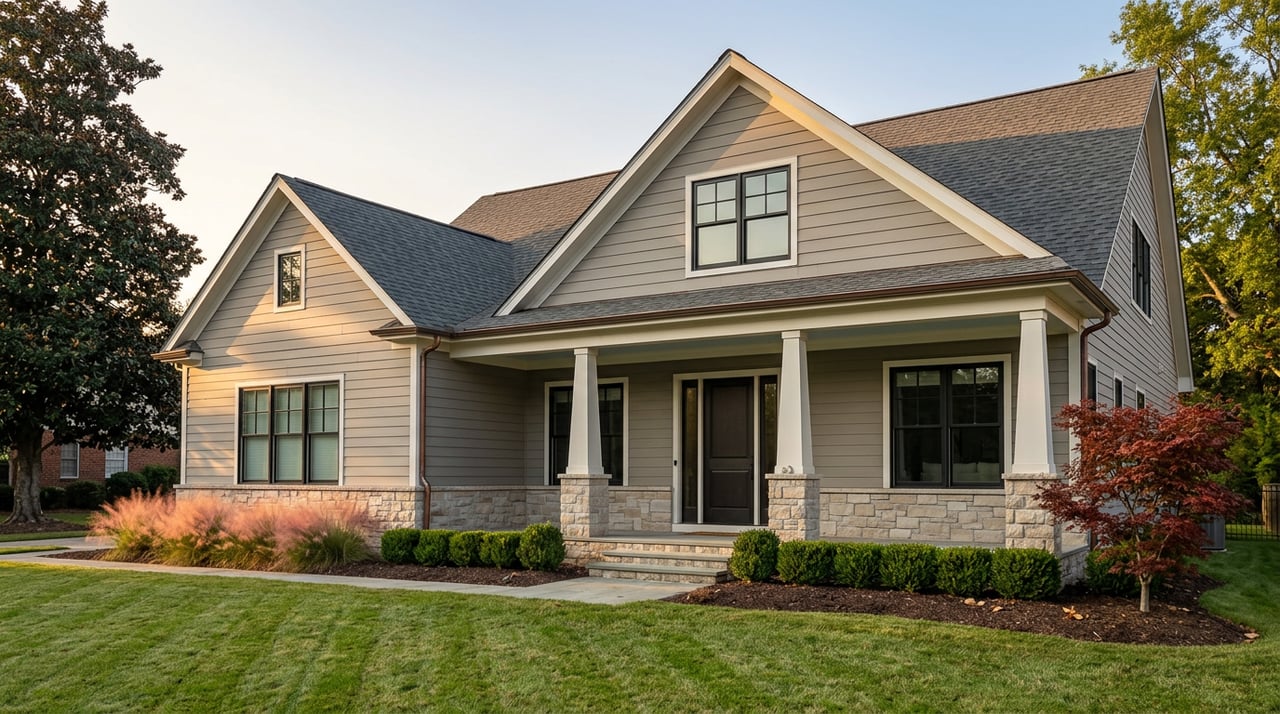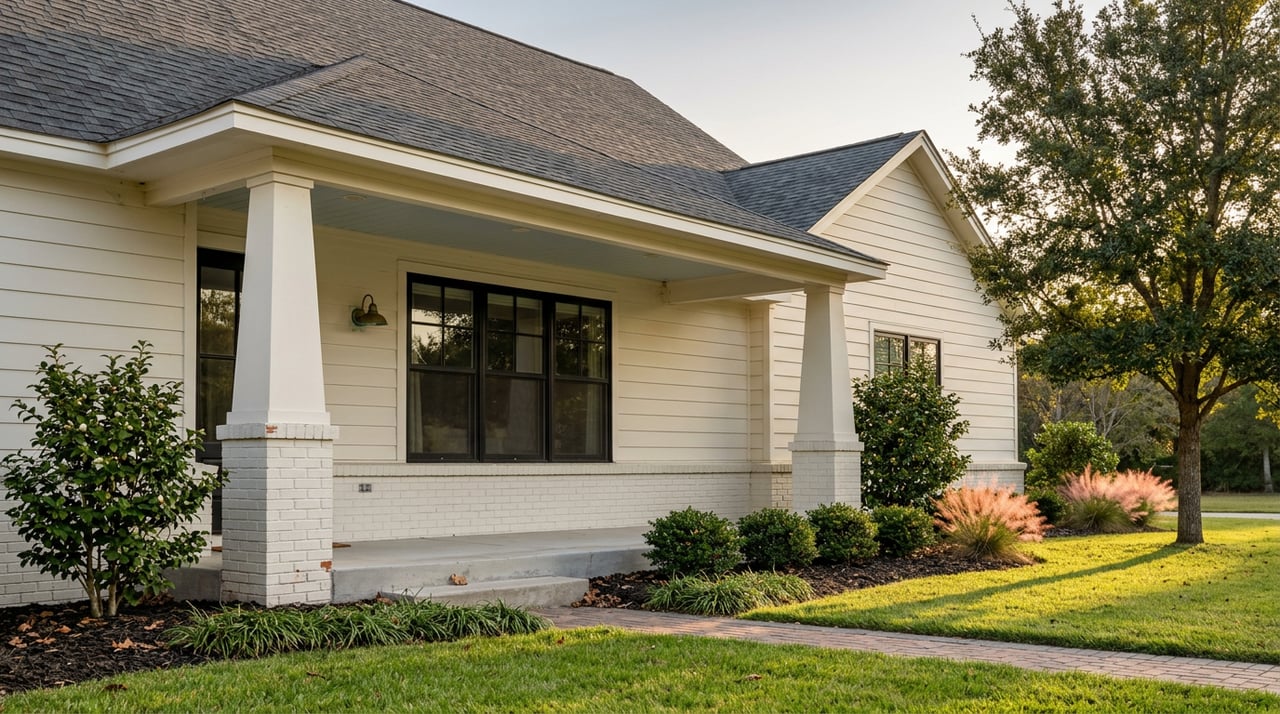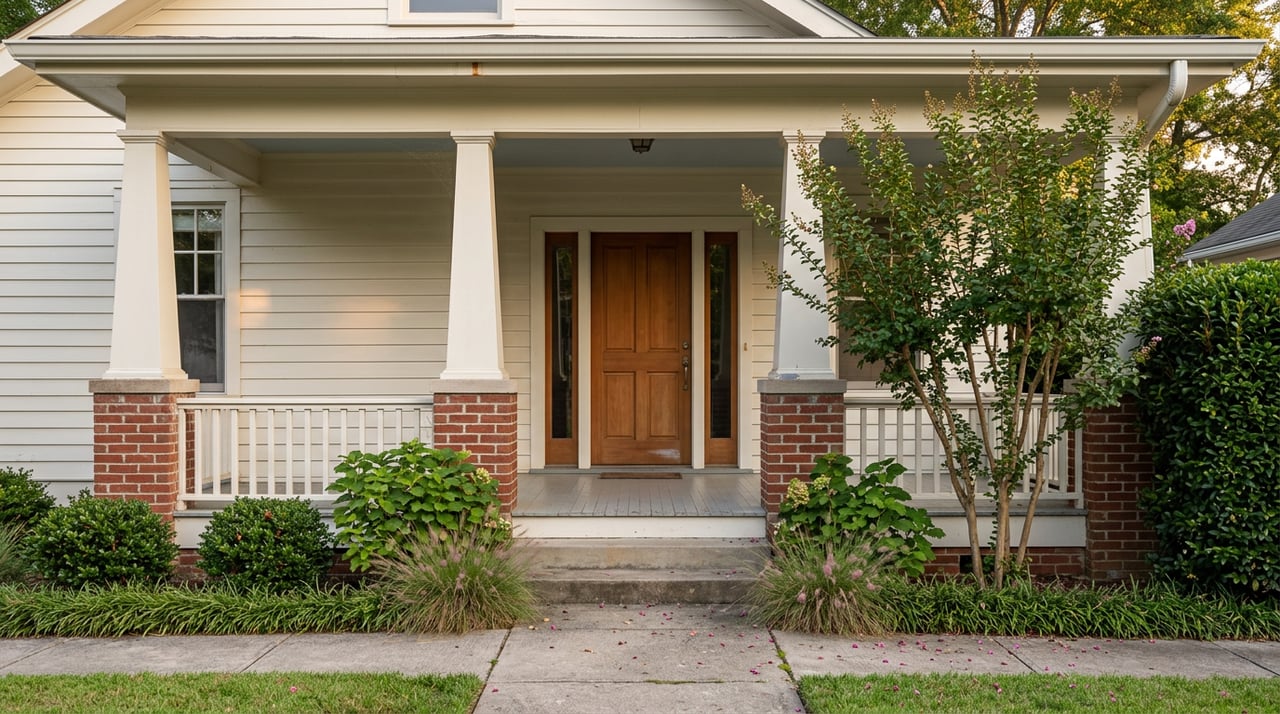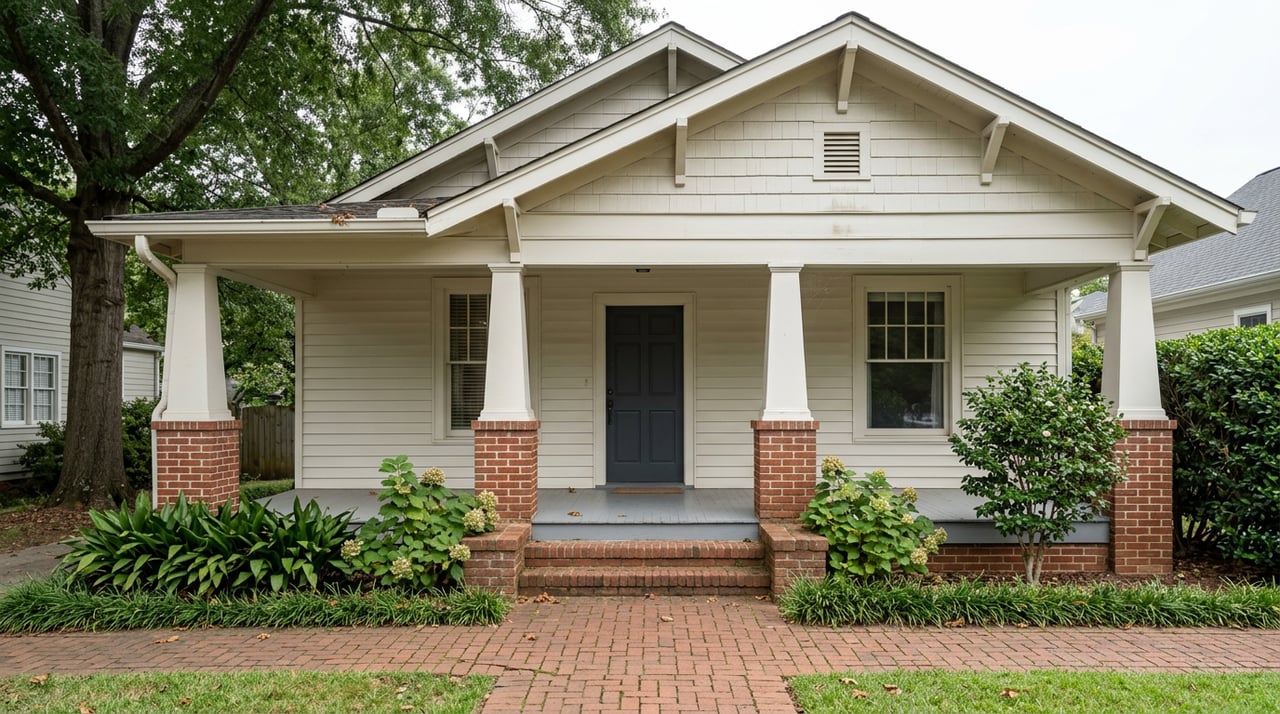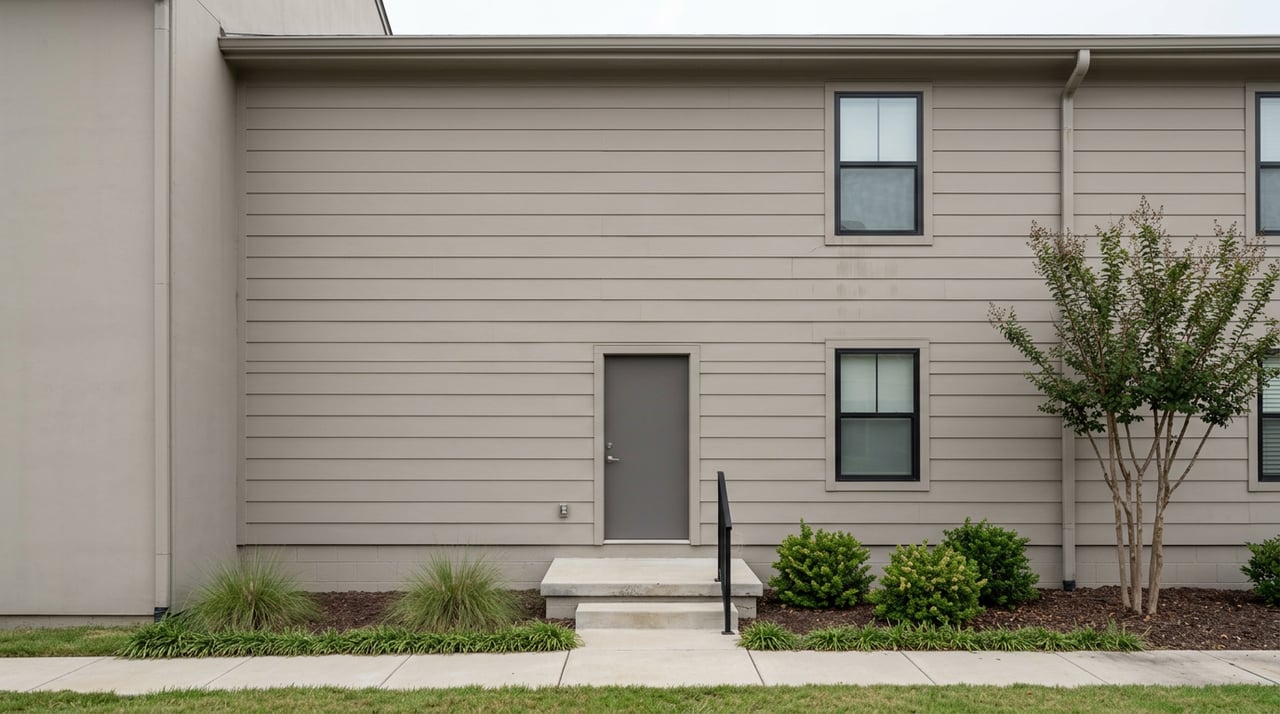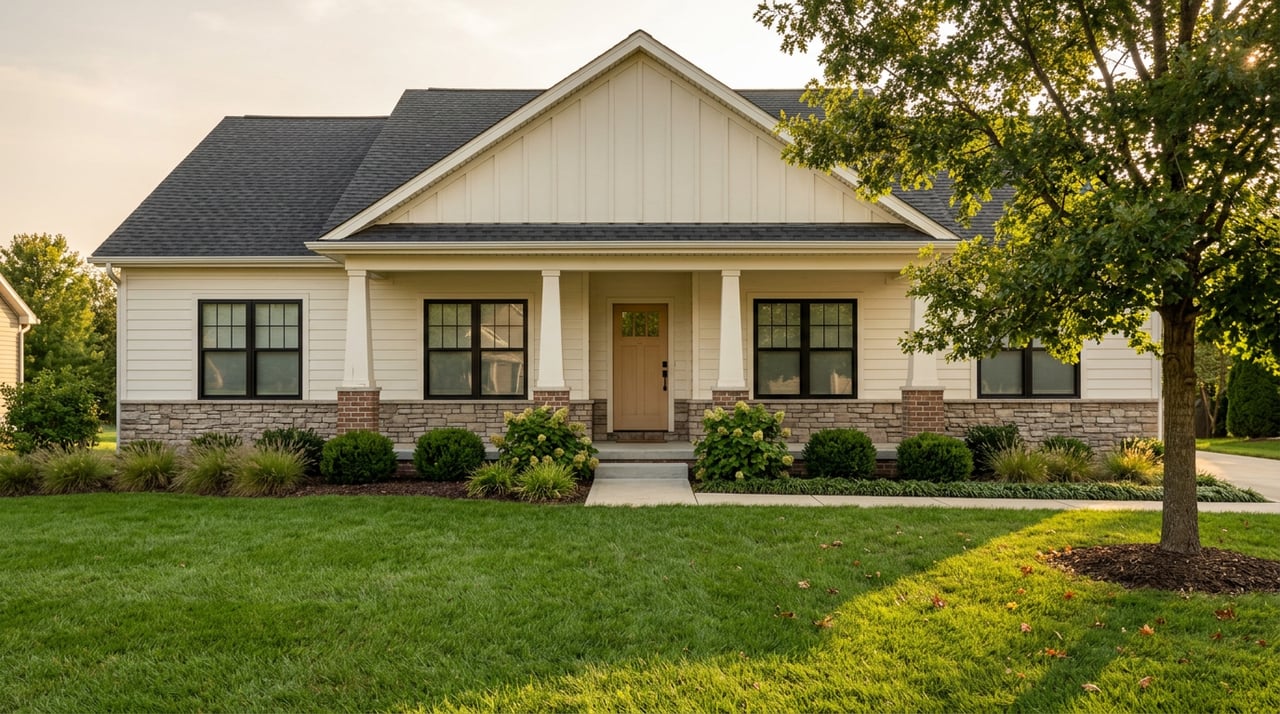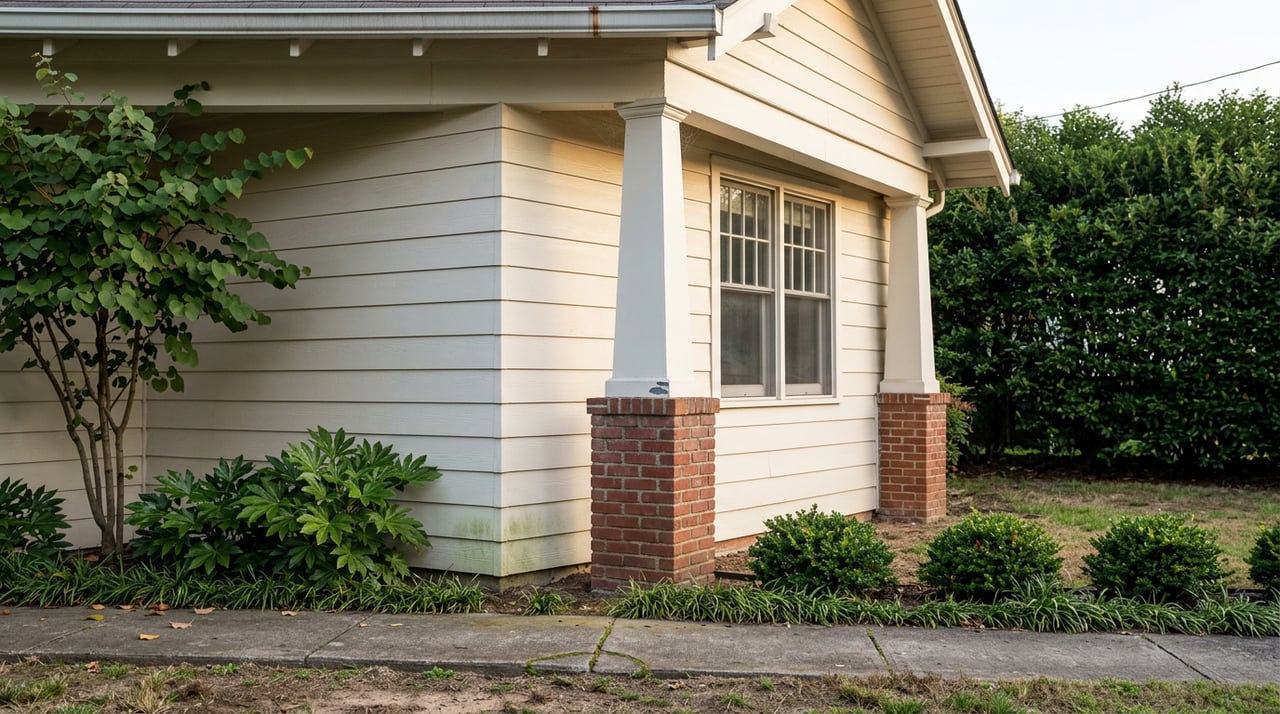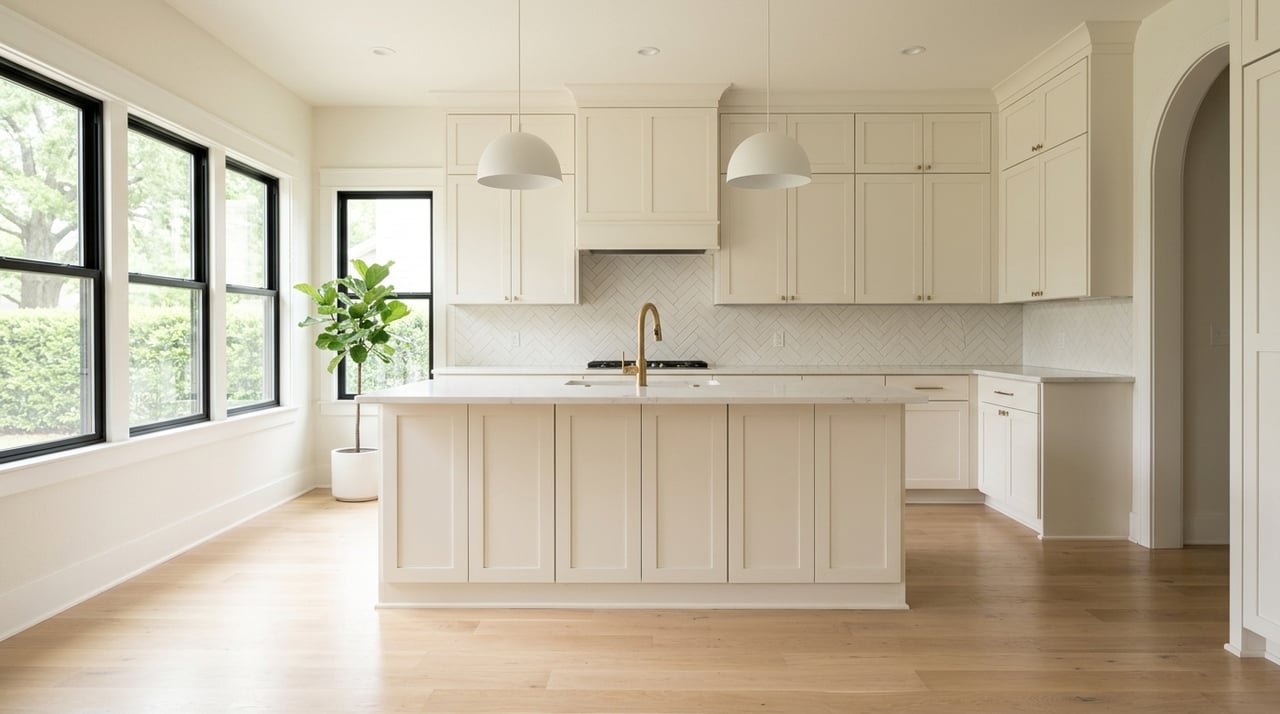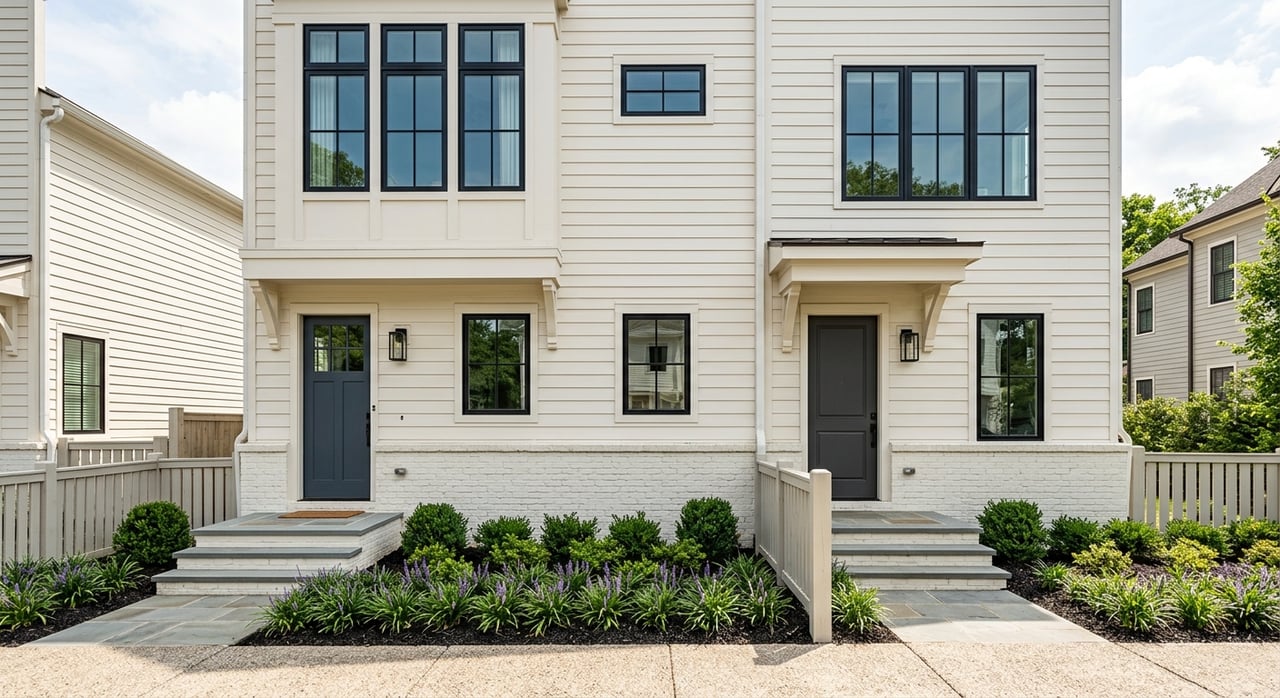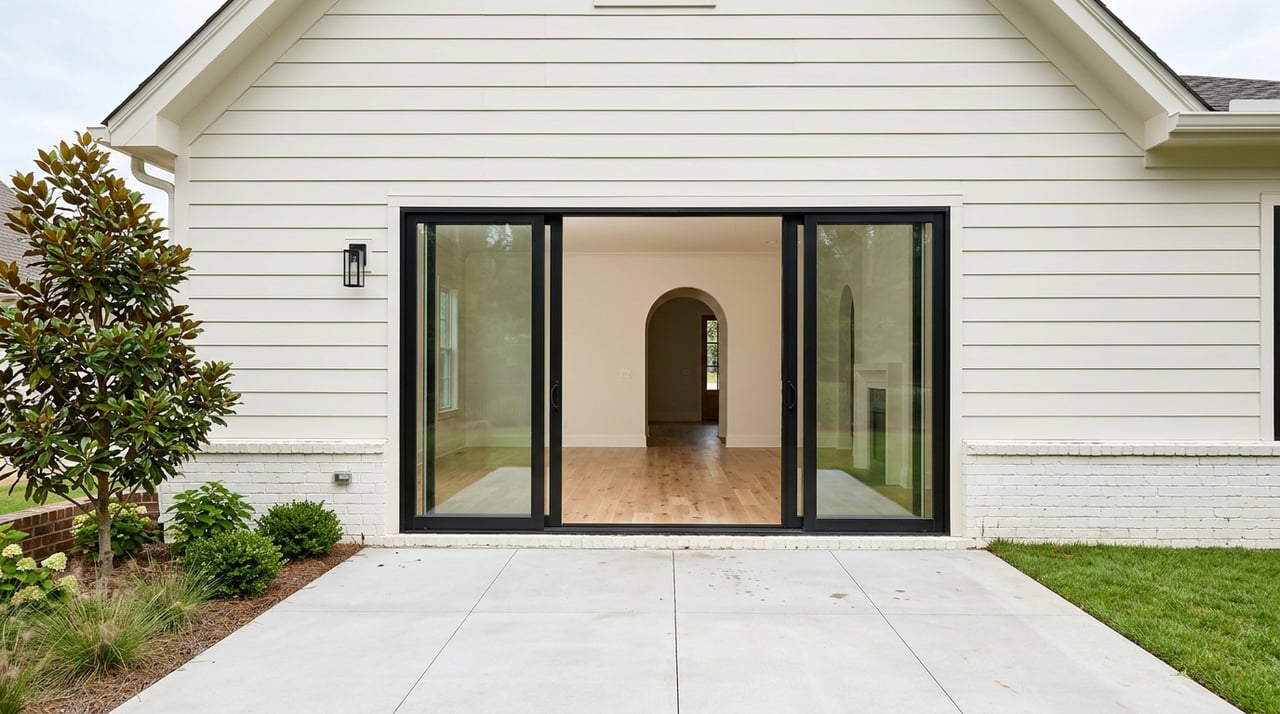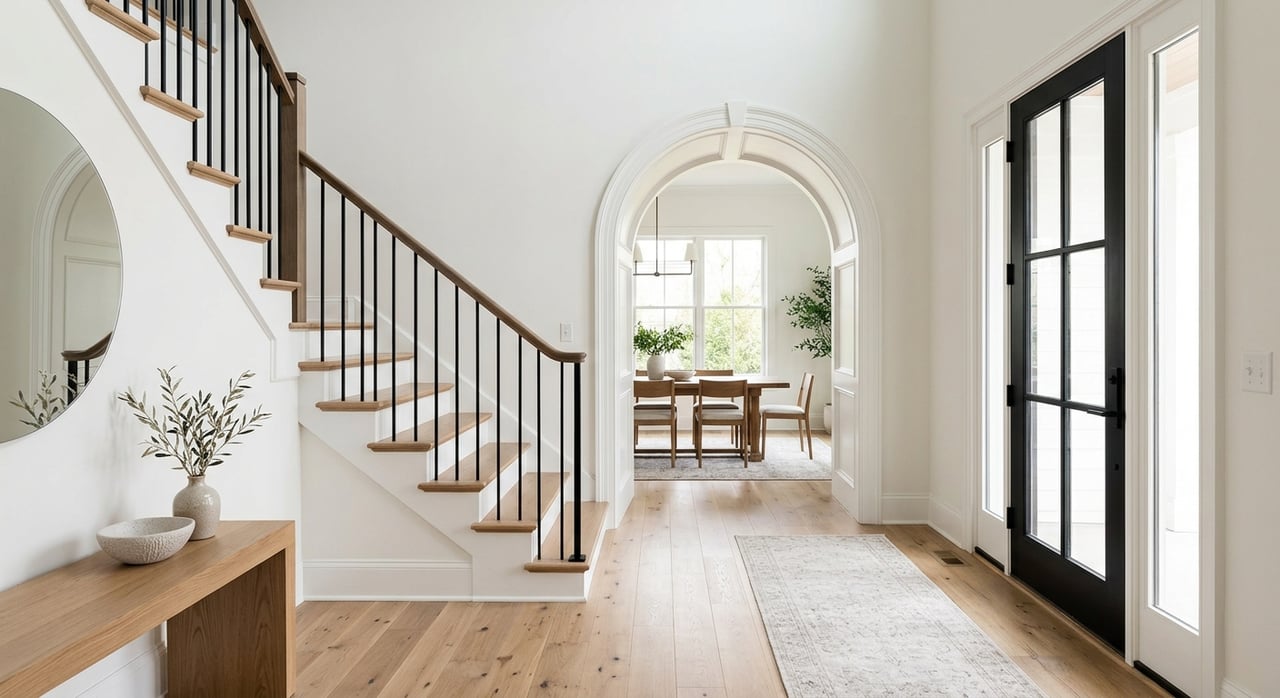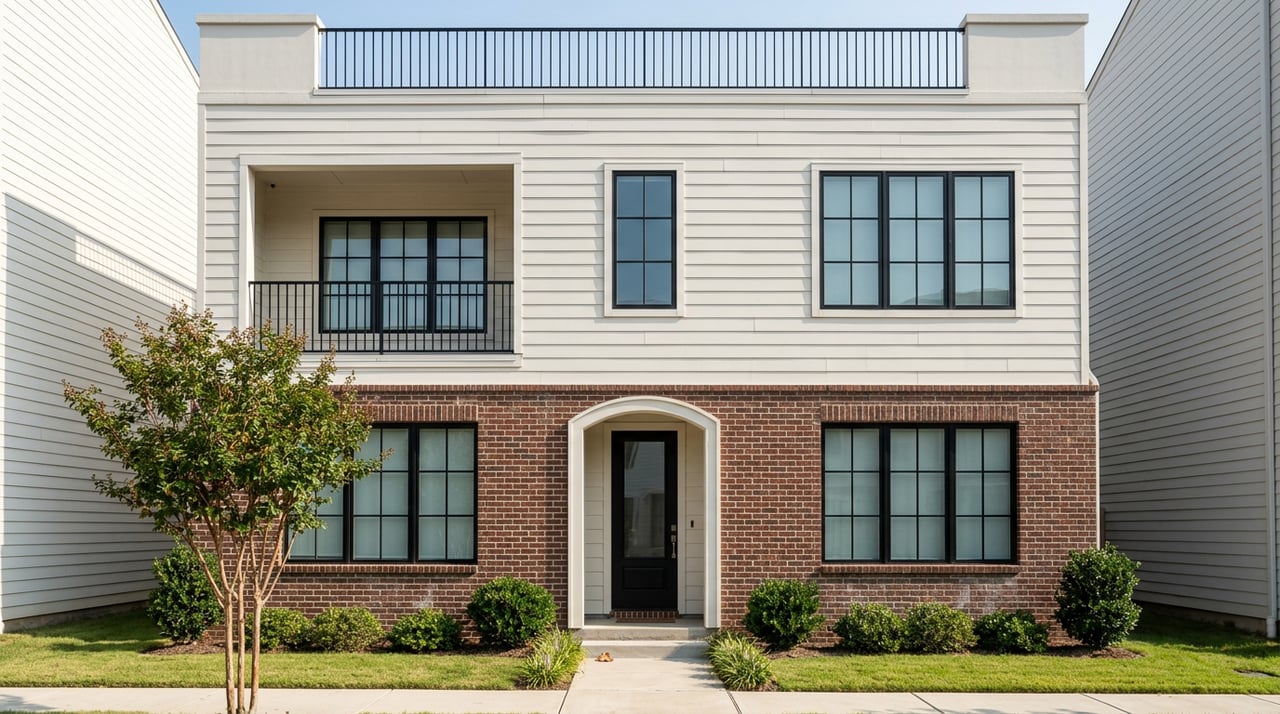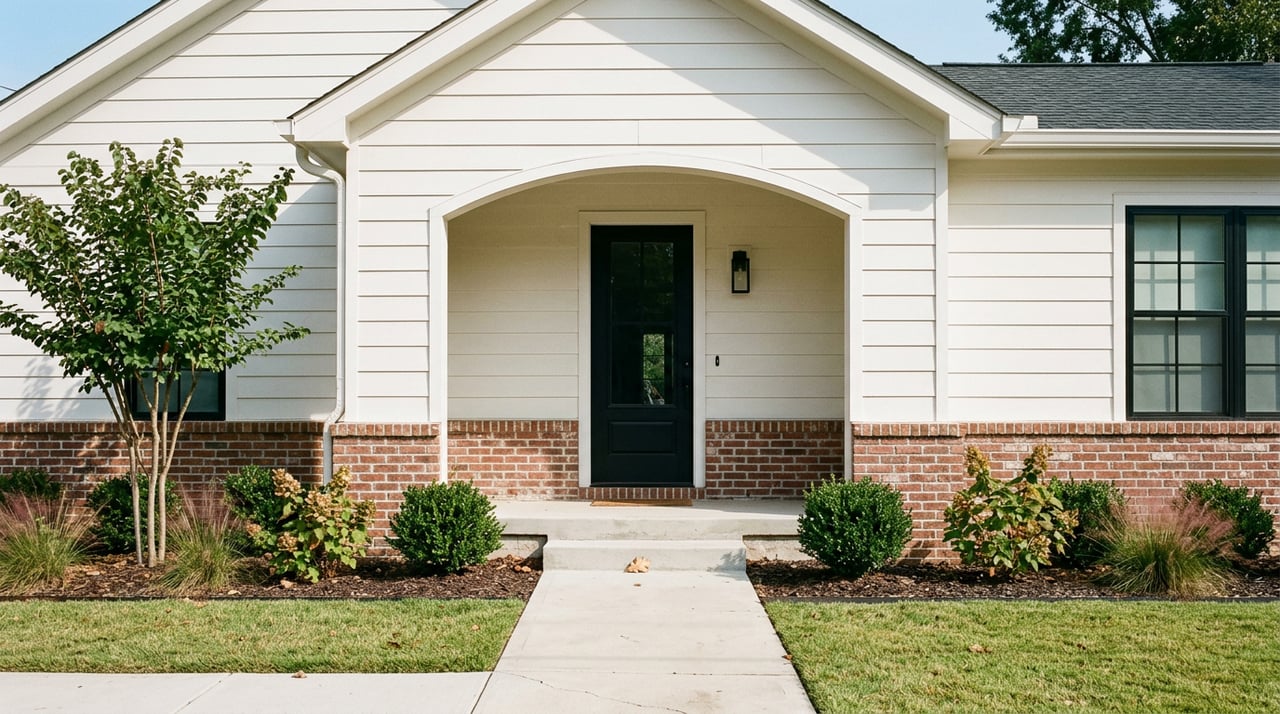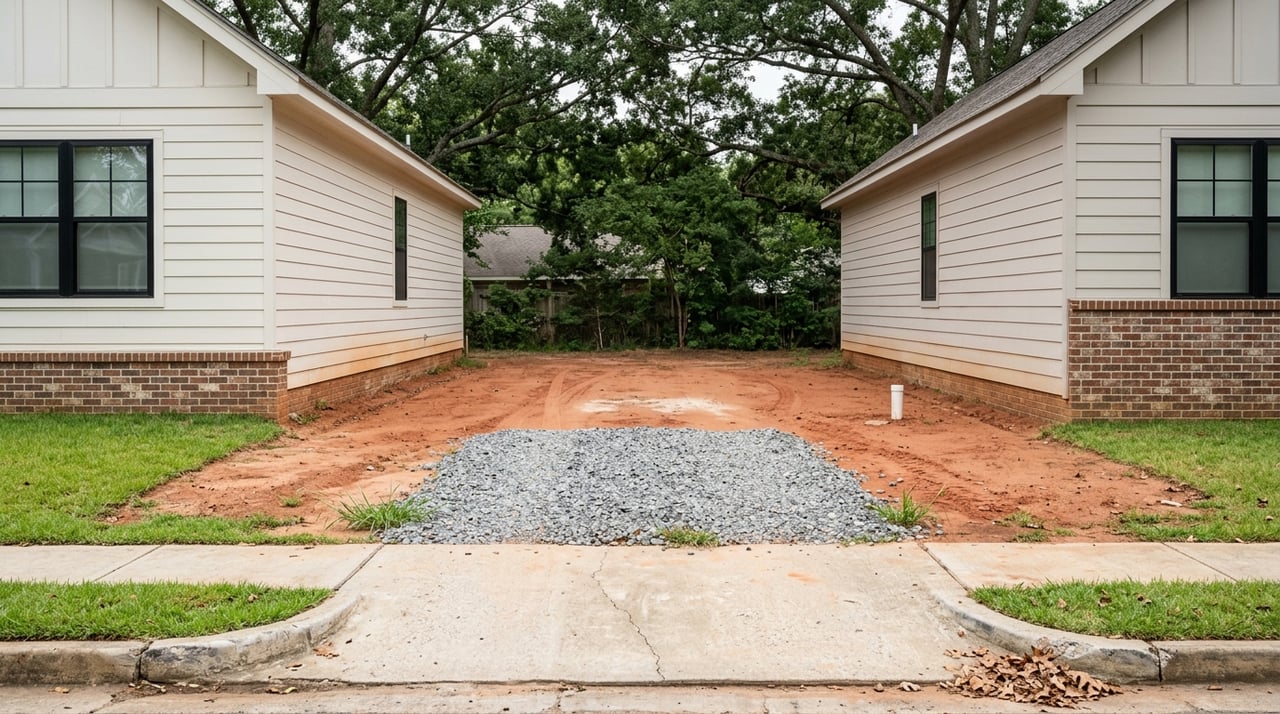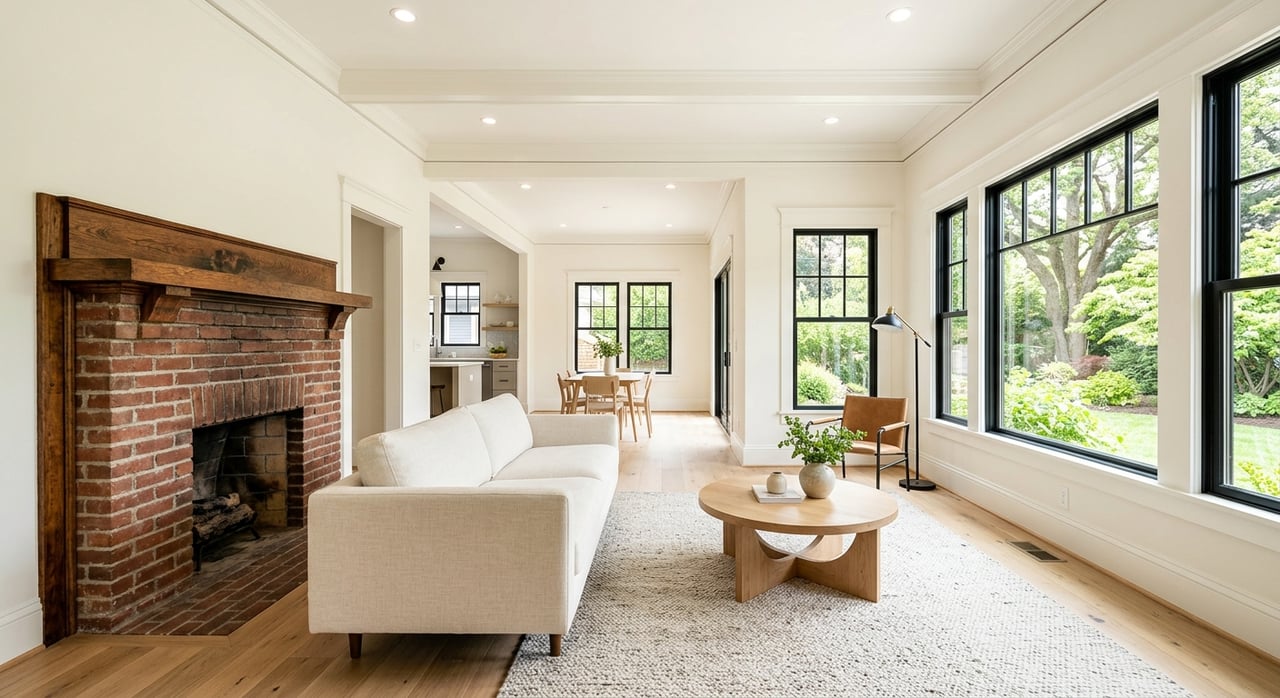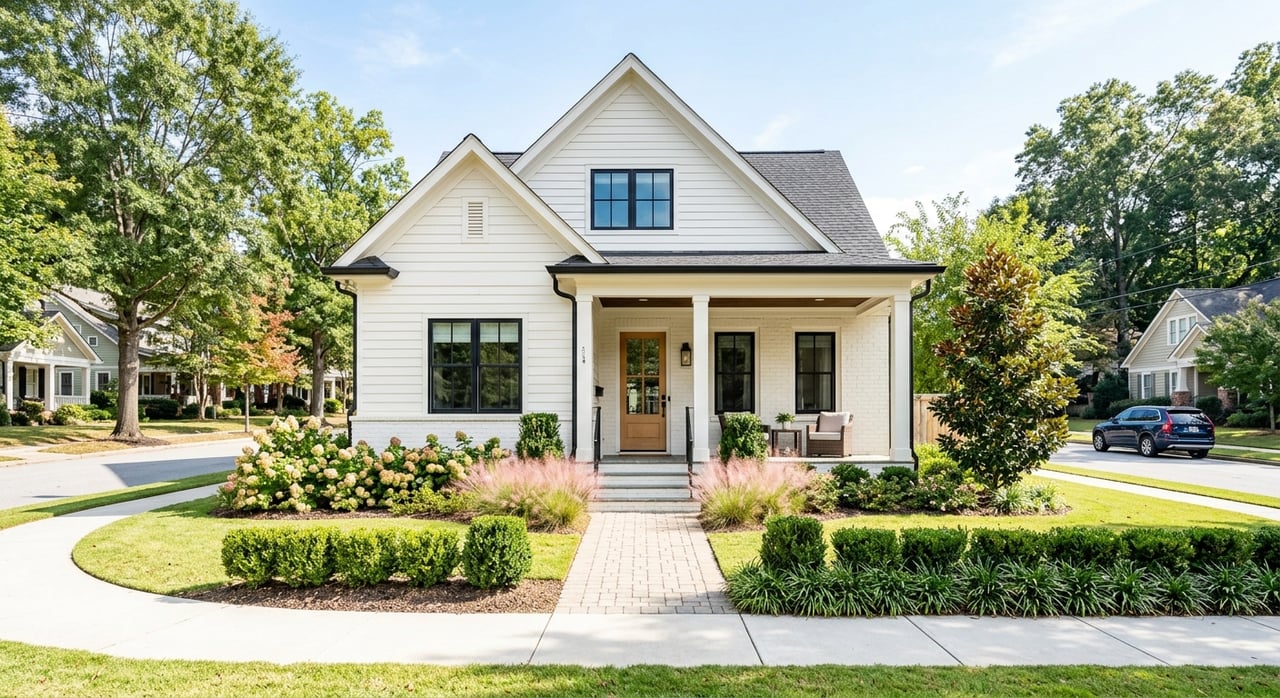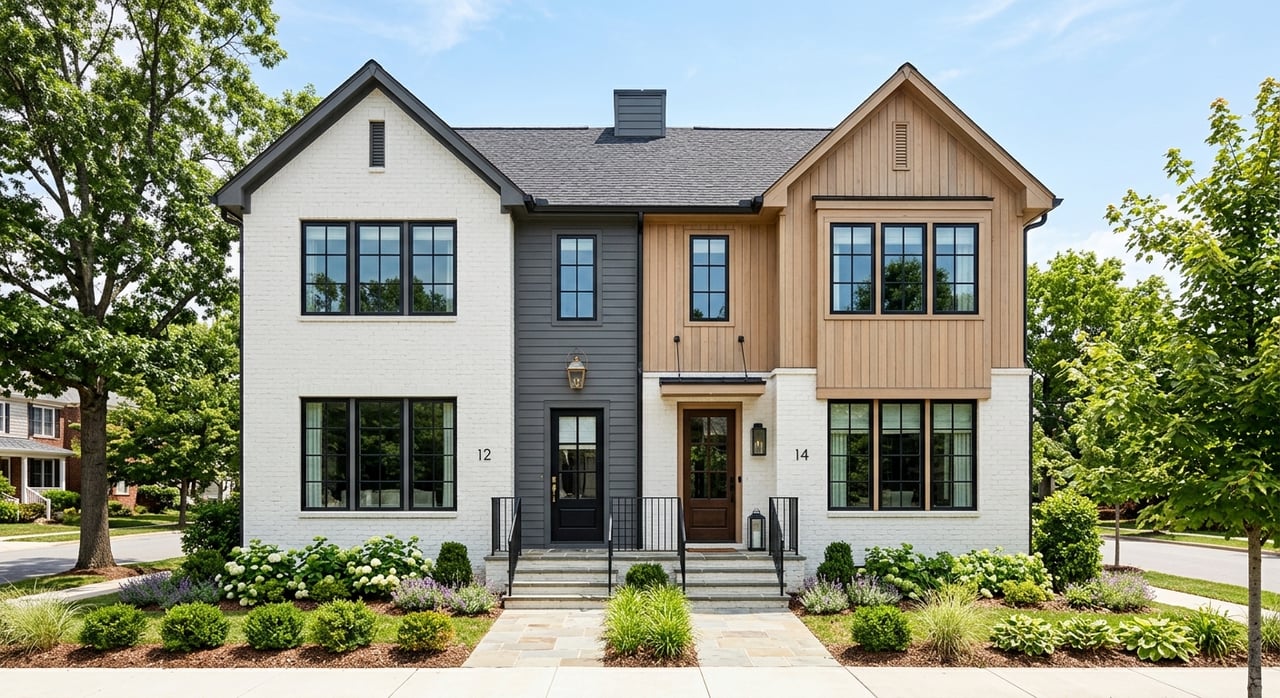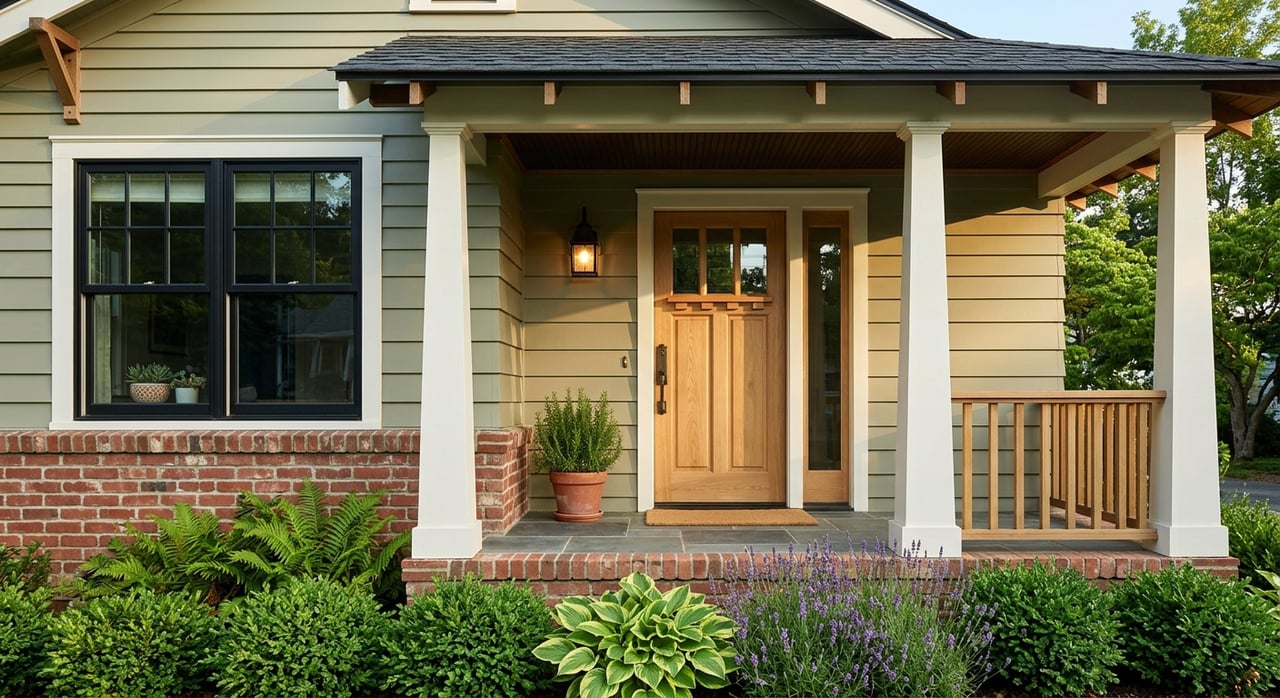
A vacant lot at 879 White Street SW in West End does not look like the center of Atlanta's housing debate. It is one parcel, empty, waiting on a decision. But what happened to it this year says more about the real pace of affordable homeownership in this corridor than any citywide rewrite still working its way through committee.
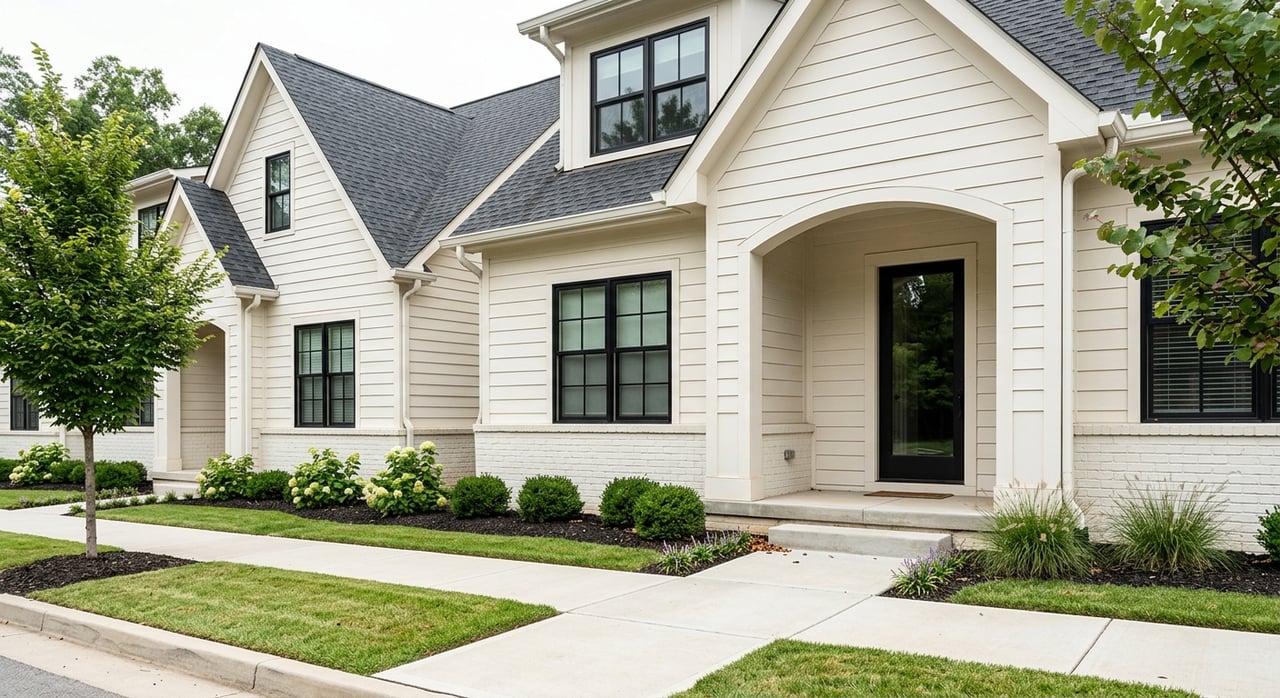
The Atlanta Land Trust proposed a duplex on the lot, paired with an accessory structure holding two more units. Four homes total, priced well under the neighborhood's going rate, built by a nonprofit whose entire model is keeping land permanently affordable. The plan lined up with the goals written into the West End Livable Centers Initiative Plan: housing that fits the existing character of the area and expands the role of nonprofit partners like the Land Trust. The neighborhood association supported it. The Neighborhood Planning Unit supported it. And the Zoning Review Board recommended the City Council block it anyway.
The reason is not a scandal. It is the code doing exactly what it was written to do. The lot sits in an R-4A district, which allows a single dwelling plus an accessory unit. Four homes on one parcel required rezoning to R-5, and that request needed a discretionary yes from a board that said no, even with every local stakeholder on record in favor.
The Rewrite That Was Supposed to Fix This
If you have been watching Atlanta real estate news this year, you have probably heard about Zoning 2.0, the city's effort to replace a zoning code written in the 1980s. The idea, on paper, is to make it easier to build the kind of housing that fills the gap between a single-family lot and a large apartment building: duplexes, ADUs, small-lot homes, the exact stock West End buyers are hoping will bring prices down.
The timeline so far: a second public draft went up for review on December 19, 2025, with comments accepted through April 8, 2026. On May 4, the City Council's Zoning Committee voted to direct the planning department to formally submit the legislation, with a target of having a revised draft ready by June 30. From there the process still has to clear Neighborhood Planning Unit review, a Zoning Review Board hearing, and a full council vote. Coverage from earlier this year pointed to a winter 2026 adoption target. As of this writing in mid-September, none of that has happened yet.
Here is the part that matters more than the calendar. Housing advocates who have read the draft closely are not calling it a breakthrough.
"It's definitely not an overhaul, and that's pretty much by design. They're not trying to upzone."
That is Alison Grady, co-founder of Abundant Housing Atlanta, describing what the first two drafts actually do. Over 60 percent of the city's residential land is currently zoned exclusively for single-family use, and neither draft meaningfully changes that ratio. Eric Kronberg, founder of Kronberg Urbanists and Architects, has been blunter about the gap between the rewrite's ambition and its substance.
What Draft V2 Actually Changed, and What It Didn't
It would be wrong to say nothing moved. Two real, if modest, shifts made it into Draft V2:
| Draft V2 changed this | Draft V2 left this alone |
|---|---|
| Reduced minimum parking requirements for some multifamily developments | The share of land zoned exclusively single-family, still over 60 percent citywide |
| Introduced smaller minimum lot sizes for single-family homes, allowing construction on smaller parcels | By-right duplexes, triplexes, and ADUs on land currently zoned single-family |
| Built a new "zone string" framework meant to reduce case-by-case historic district carve-outs | The requirement that projects like 879 White Street still need a discretionary rezoning to add units |
The smaller-lot provision is genuinely useful for a buyer focused on small-lot infill. It means a builder can put a modest new home on a parcel that would not have qualified before. But it does nothing for a project that wants to add a second, third, or fourth unit on land the city already zoned for exactly one house. That is still a rezoning fight, decided the same way it was decided at 879 White Street, one Zoning Review Board hearing at a time.
Two other pieces of pending policy point the same direction. Atlanta City Councilmember Marci Overstreet has proposed banning new single-family homes under 750 square feet unless the builder secures a Special Use Permit from the City Council, a tool nonprofits and developers currently use without that extra step. Separately, the city is rewriting its Tree Protection Ordinance in pursuit of 50 percent canopy coverage citywide, with stricter requirements and higher fees for removing trees on a building site. Neither is finalized, but both would add friction to the same small-footprint, small-lot projects that Zoning 2.0's modest lot-size reform was supposed to make easier.
What This Means If You're Buying in West End or Oakland City
None of this means West End and Oakland City are standing still. It means the affordability that does exist right now is coming from a different lever than the zoning code.
The Atlanta Land Trust's other nearby project, the Trust at Oakland City, sits within 100 yards of the Beltline Westside Trail and under a mile from the West End MARTA station. It was built as a 42-unit mixed-income community, one- to three-bedroom homes ranging from 600 to 1,500 square feet, with sales starting at $137,880 and half the units targeted at buyers earning 60 to 80 percent of area median income. That project worked because it used the community land trust model, where the nonprofit holds the land permanently and sells only the house, not because Atlanta's zoning got easier to work with.
The Atlanta Beltline has taken a similar approach elsewhere on the Westside, directing $2 million in tax allocation district funds toward 41 permanently affordable homeownership units in the Oakland City neighborhood and $5 million toward acquiring a 12-acre parcel near Mall West End for future affordable, mixed-use development. Both are land acquisition and subsidy strategies. Neither depended on Zoning 2.0 passing.
If you are evaluating West End or Oakland City as a place to buy, the practical read is this: the inventory gap that missing middle housing is supposed to fill is not closing on a predictable schedule tied to the zoning rewrite. It is closing, where it closes at all, through nonprofit land trusts, public subsidy, and case-by-case rezoning votes that can go either way even with full community support behind them.
What to Check Before You Assume Supply Will Loosen
- Confirm the parcel's current zoning district, not what a future code might allow. R-4A and R-5 carry different by-right unit counts, and that difference is the entire story at 879 White Street.
- Ask whether a property involves a rezoning application already in process, and look up which Neighborhood Planning Unit covers it. NPU support did not save the White Street project, but it is still the first signal of how a hearing is likely to go.
- If a home is part of a community land trust, understand that you are buying the structure and leasing the land, typically on a long-term ground lease. That changes both your monthly costs and your resale terms.
- Track the Zoning 2.0 timeline yourself rather than assuming it has passed. The city's own zoning reform page is the most direct way to see whether Draft V3 has moved to Council.
Quick Answers
When will Zoning 2.0 actually take effect? As of mid-September 2026, it has not been adopted. The City Council directed planning staff in May to submit a revised draft by June 30, with Neighborhood Planning Unit review, a Zoning Review Board hearing, and a full Council vote still ahead. Earlier reporting pointed to a winter 2026 target, but the city has not confirmed a firm date.
Does the rewrite change zoning for homes that already exist? No. Zoning 2.0 is expected to rename, consolidate, or replace zoning districts and may require updates to the official zoning map, but the city has said no separate rezoning actions are anticipated as part of the rewrite itself.
What is a community land trust, and how is it different from a normal home purchase? A community land trust like the Atlanta Land Trust owns the underlying land permanently and sells the house to the buyer, who then leases the land back, usually on a long-term ground lease. It lowers the purchase price by removing land cost from the equation, but it also caps how much equity a homeowner can capture on resale. That tradeoff is worth understanding fully before you make an offer, not after.
Buying in a market where affordability depends on which land trust, which NPU, and which rezoning vote your parcel happens to land in is not a straightforward search. It is a research project. The Sly Team works these West End and Oakland City corridors directly, tracking which projects are moving through entitlement and which land trust inventory is actually available, so you are not guessing at a timeline the city itself hasn't set. Get started with The Sly Team.